REVIEW · IMLIL
Climb Toubkal: 2-Day Atlas Trek with Local Berber Guide
Book on GetYourGuide →Operated by Atlas Mountains Hikes · Bookable on GetYourGuide
There’s a reason Toubkal draws serious hikers. This 2-day Atlas trek from Imlil takes you to North Africa’s highest peak, with real Berber villages, practical support, and a summit view that feels earned. You’ll climb to 4,167 meters (13,671 feet), but the experience is also about people and everyday mountain life.
I especially like the local Berber guidance from Hussein (sometimes spelled Houssain), who explains culture while keeping the pace safe and steady. I also love the way your day is built around the mountain rhythm: transport from Marrakech, a mule team for heavy bags, and all meals provided so you’re not juggling logistics at altitude.
The main drawback is that this is a demanding trek, not a casual walk. Plan for a tough second day, big altitude gains and losses, and cold conditions in winter (including the kind of windchill that makes every step feel harder).
In This Review
- Key things to know before you go
- Why Toubkal From Imlil Feels More Like a Real Mountain Trip
- Meet Hussein and the Mule Team That Keep the Trek Honest
- Day 1: Imlil to the Toubkal Refuge at 3,200m
- Day 2: The Early Summit Push to North Africa’s Highest Peak
- Meals, Homestays, and the Support That Turns Work Into a Shared Story
- Price and Value: What $193 Really Buys on a 2-Day Toubkal Climb
- Gear Checklist and Timing Tips That Matter on Toubkal
- Who Should Book This Trek (and Who Should Choose Another Option)
- Book It or Skip It: My Practical Take
- FAQ
- What’s the trek starting point and how do I get there from Marrakech?
- How long is the Mount Toubkal trek?
- Are meals included during the trek?
- Is equipment included in the price?
- Will there be winter equipment like crampons?
- How does the mule support work?
- What languages will my guide speak?
- Who is this trek not suitable for?
Key things to know before you go
- Summit North Africa’s highest peak: 4,167m with a 360-degree view when conditions allow.
- Hussein guides the whole experience with safety-first pacing and cultural context.
- All meals are included, plus you’ll have a warm base/refuge evening to recover.
- Mule support carries your gear, so you hike with less weight than you’d expect.
- Early morning starts are non-negotiable, with a rocky climb that demands stamina.
- Winter gear can change everything, including crampons when snow is on the peak.
Why Toubkal From Imlil Feels More Like a Real Mountain Trip
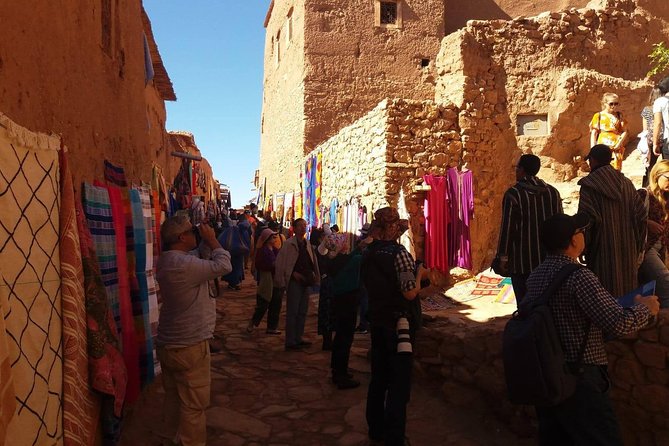
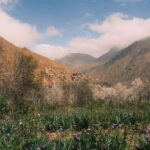
Toubkal isn’t just about ticking off a summit. Starting from Imlil, you move through terraced fields, stone villages, and higher paths where the air gets thin and the work begins. It’s the kind of route that makes you understand why people live this way in the Atlas Mountains.
I like that the trek is set up for a human pace. Even when the hike is strenuous, the plan is built for progress: you get breaks, meals, and an overnight stay so day two isn’t a single, exhausting grind from start to finish.
One more quiet benefit: the “few tourists ever reach” feeling isn’t hype. As you go deeper into the valleys and toward the refuge, you naturally spend more time with locals and fewer people. That’s where the trip becomes personal.
You can also read our reviews of more guided tours in Imlil
Meet Hussein and the Mule Team That Keep the Trek Honest
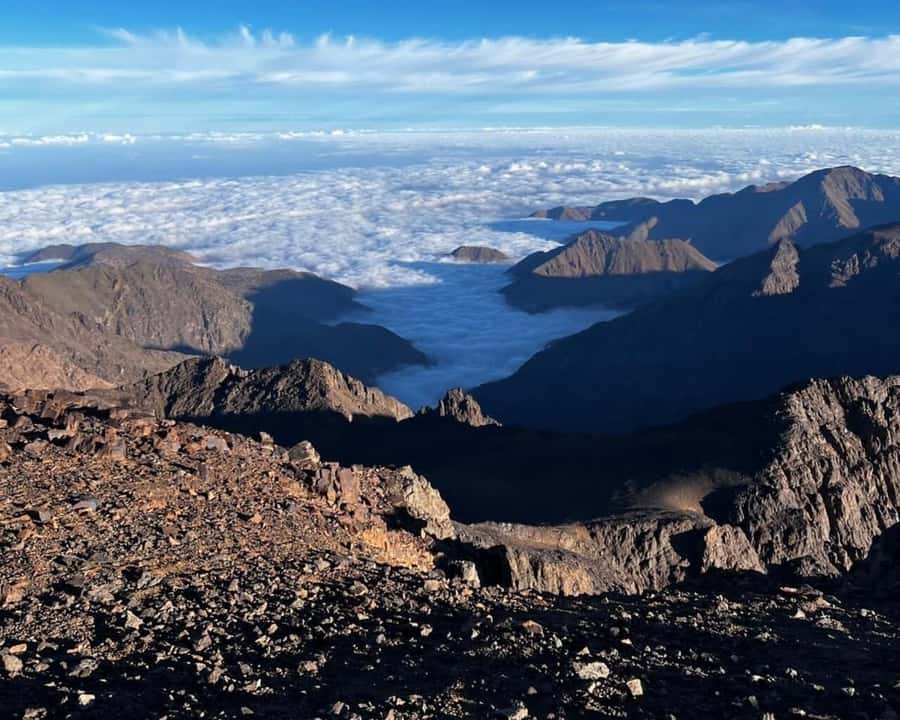
Your guide matters on a mountain like this, and Hussein’s approach shows up in the way people describe the trip. He’s the kind of guide who makes you feel safe without pretending the climb is easy. He also gives you cultural context along the way, so you’re not just looking at rocks and sky.
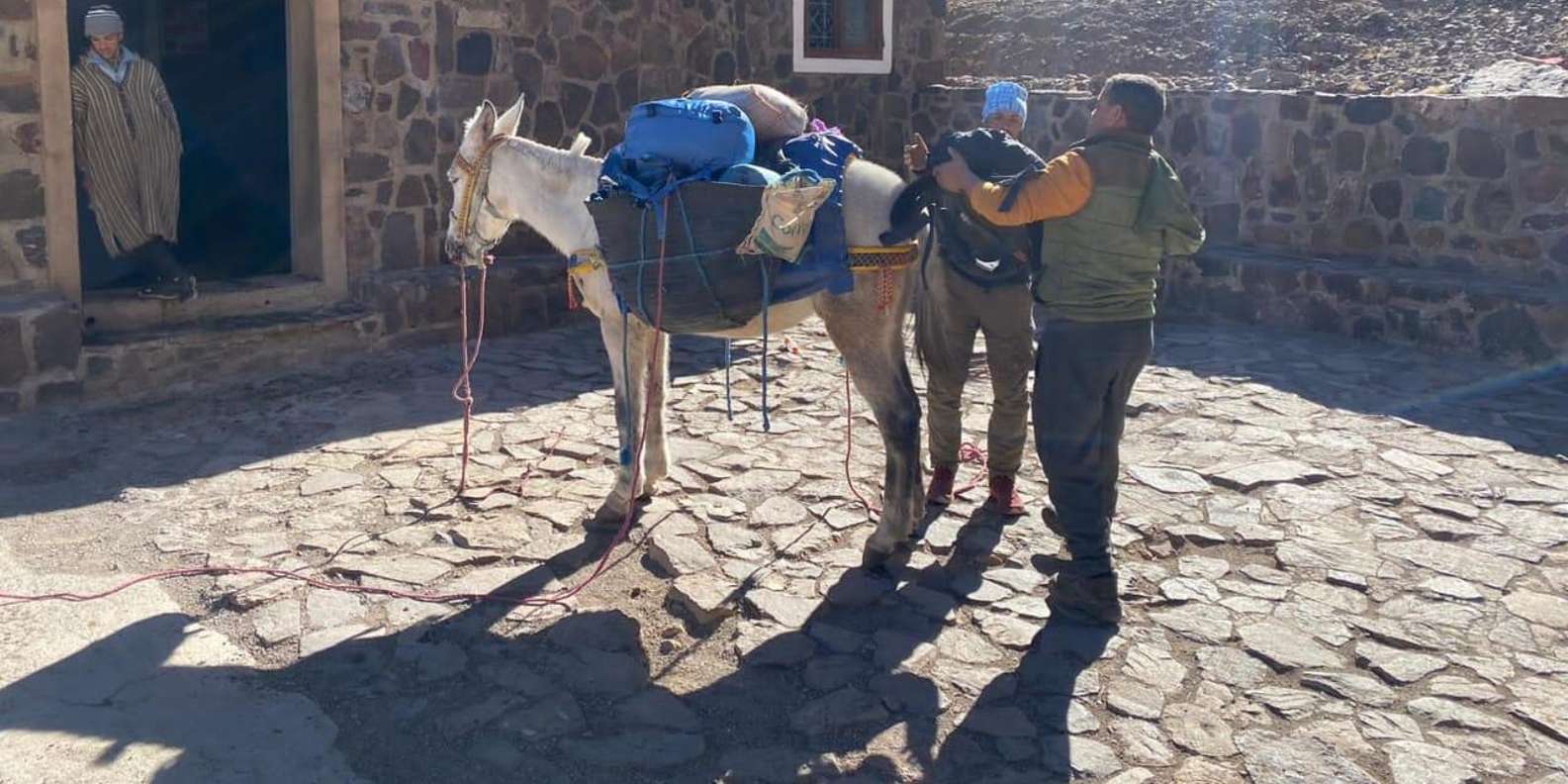
Support also isn’t theoretical here. You’ll travel with a mule team to carry your bags, which makes a real difference when your legs are already doing the heavy lifting. Meals are handled too, and in practice you may have a cook following to prepare what the group needs on the trail.
You’ll also notice how small details become big at altitude. One traveler mentioned forgetting headlamps and having them arranged for the next day. That’s a good sign: your guide is local, used to changing conditions, and knows how to solve the everyday problems that can ruin a start time.
Day 1: Imlil to the Toubkal Refuge at 3,200m
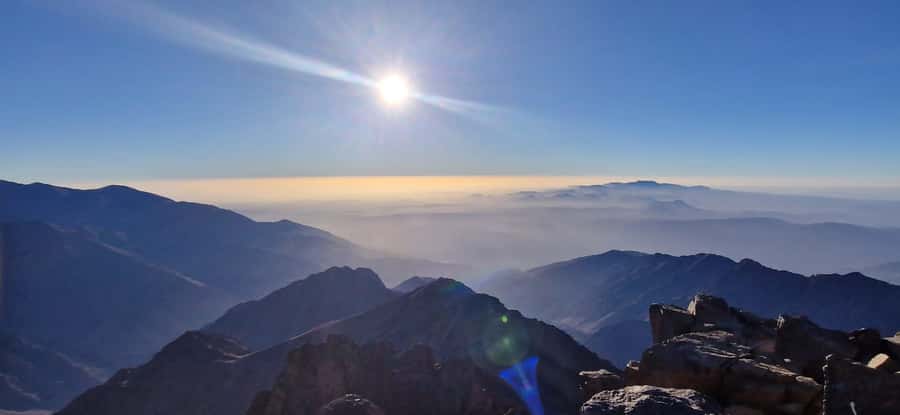
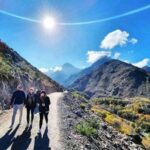
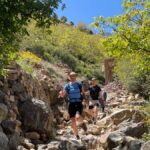
Day one starts in the Imlil area, about 90 minutes from Marrakech. After pickup and meeting your guide and team, you begin climbing through lush valleys, terraced areas, and traditional Berber villages. It’s the right kind of start: not flat, but not the full assault you’ll face later.
This first day is where you build rhythm. The trail steepens as you gain elevation, and you’ll stop for lunch along the way. That meal break matters because it’s not only food, it’s time to steady your breathing before the next push upward.
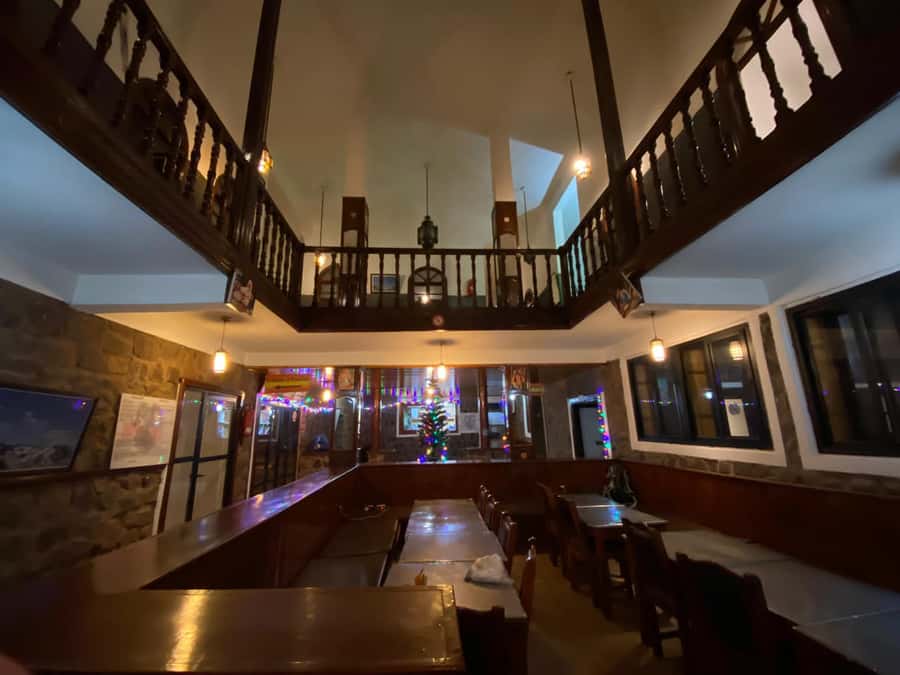
Eventually you reach the Toubkal Refuge at roughly 3,200m. From there, you get panoramic views over peaks and valleys, which helps the climb feel real instead of just repetitive effort. Dinner is traditional and included, and after you settle in, you can rest and prepare for an early summit attempt.
One practical detail from real experiences: the overnight camp/refuge can be noisy. If you’re a light sleeper, bring earplugs. It won’t change the climb, but it can protect your energy for the early wake-up.
Day 2: The Early Summit Push to North Africa’s Highest Peak
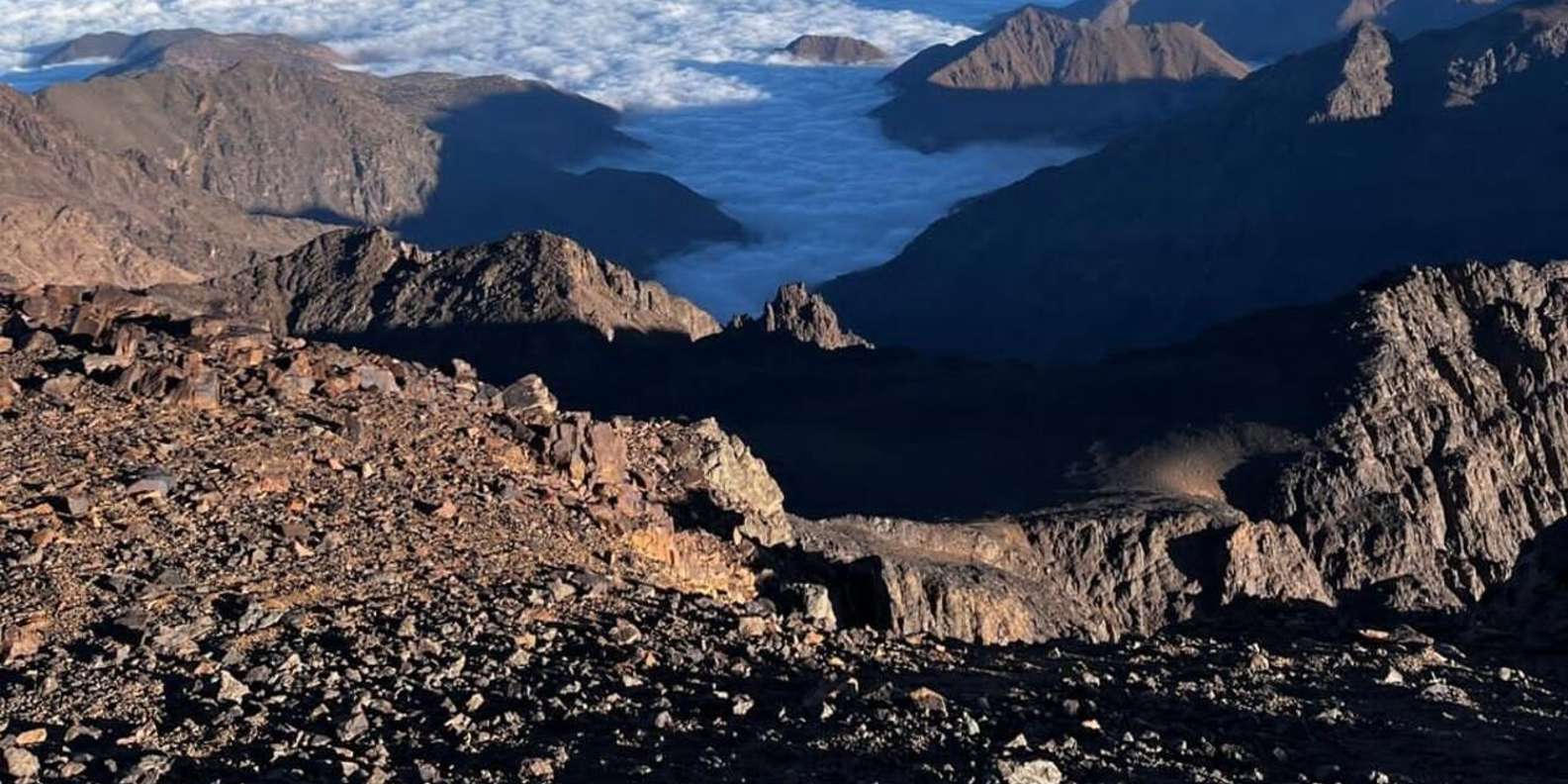
Day two begins early for a reason: summit success depends on timing, daylight, and conditions. Expect a heavy start, often before sunrise. Your trek becomes a steady ascent over rocky terrain, and depending on the season you may encounter snow-covered sections.
Here’s the key thing I want you to understand: this day isn’t just longer, it’s sharper. Several accounts describe the second day as a big physical challenge, with steep climbing in the dark and a long descent afterward. Even if you feel fine on day one, day two is where fitness and pacing habits get tested.
If winter conditions bring snow, crampons may be required for the peak. The tour notes that gear availability depends on the season, and crampons are required during winter months due to snow. You can rent equipment locally, so you don’t have to arrive with everything—but don’t count on being able to improvise safely if the peak is icy.
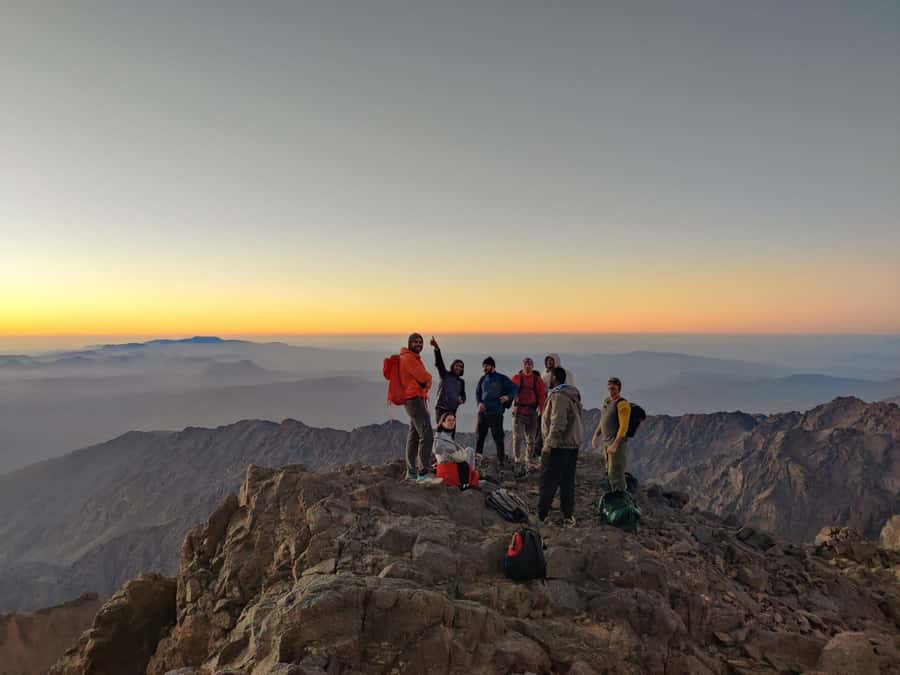
When you reach the summit of Toubkal, you’re rewarded with 360-degree views over the Atlas Mountains and the valleys below. It’s the kind of moment that makes the cold, the steep grade, and the early start fade into the background.
Then you descend back toward the refuge for lunch and continue down to Imlil. Plan on being tired. Descent is still work, especially when you’ve spent energy climbing in thin air.
Meals, Homestays, and the Support That Turns Work Into a Shared Story
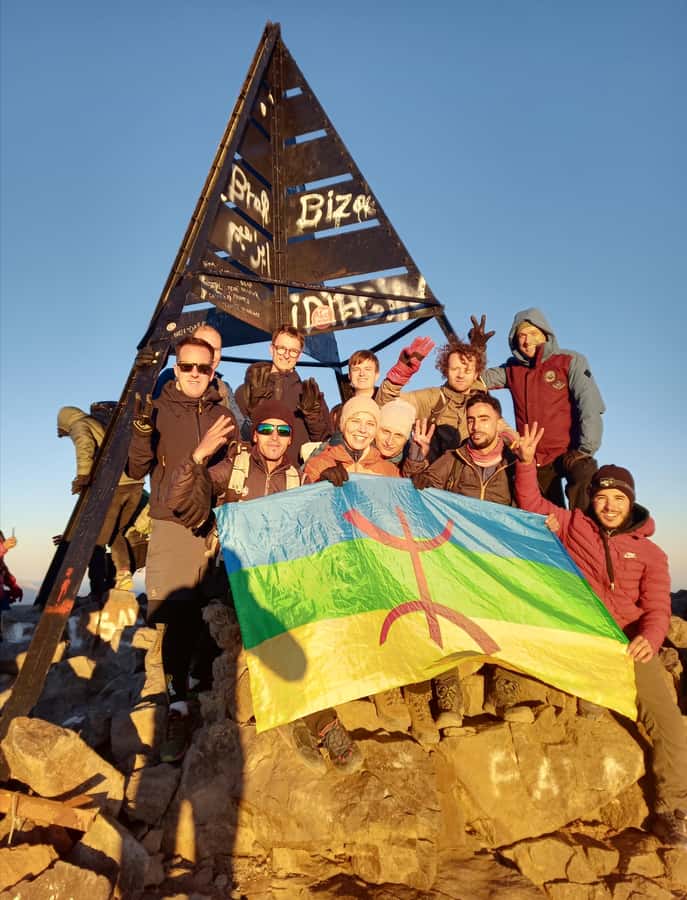
What makes this trek feel authentic is how integrated daily life becomes. You’re not only hiking; you’re stopping in places where people eat, rest, and keep going. The trip includes local meals, and you’ll have dinner at the refuge/base setting the first night.
In practice, food is one of the most appreciated parts because it’s both fuel and comfort. One traveler described mint tea with lunch, and another noted that beef was served at a base camp meal. If you have dietary needs, it’s worth asking early, since one guide experience highlighted that Hussein handled dietary requirements.
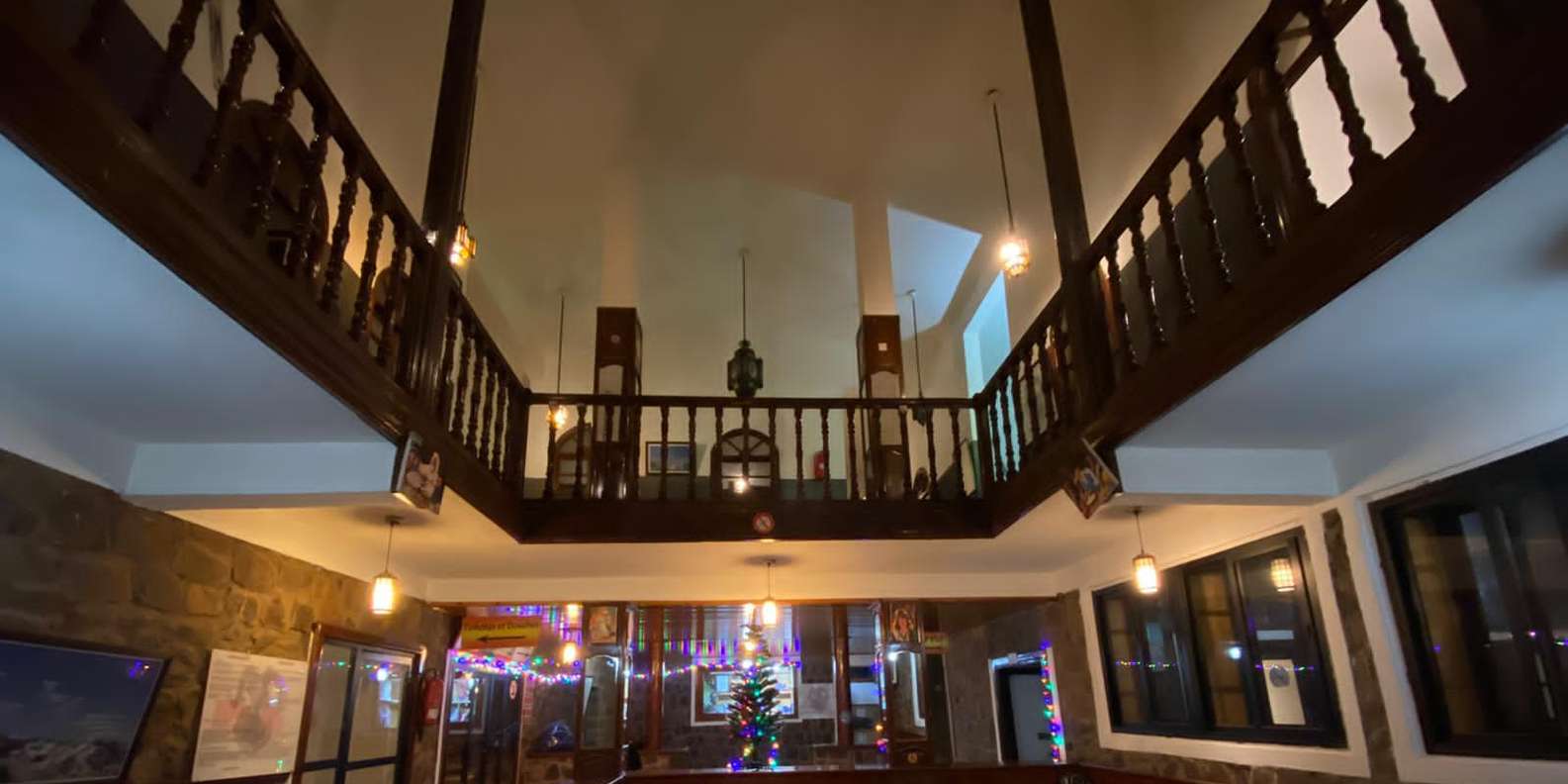
Accommodation is simple and mountain-focused. Some travelers reported bunkrooms and a stone-building refuge setup, with a hot shower after the first day’s hiking. That combination matters. When you’re cold and tired, getting warm and sleeping—even fitfully—helps you show up for the next morning with enough strength to finish the summit day.
And again, listen to your guide. Mountain weather can shift quickly. The plan includes guidance for inclement conditions, and the best advice you’ll get is the one that comes from your local leader who understands what’s safe right now.
You can also read our reviews of more hiking tours in Imlil
Price and Value: What $193 Really Buys on a 2-Day Toubkal Climb
At $193 per person for a 2-day summit trek, the value is mostly in what’s taken care of for you. You’re not only paying for hiking directions. You get pickup from your hotel or riad area in Marrakech, transport to the trailhead, a local guide, mule support for bags, and all meals. You also have an overnight stay included, plus the expectation of reaching the summit.
Where pricing can get confusing: the trekking business has middle layers. One review specifically warned that some options can look cheaper or pricier for different reasons, and that booking directly with local guidance can be less “extortionate” than booking through more distant channels. I’d treat that as practical shopping advice: ask what’s included and compare the real line items, not just the headline price.
Also remember: equipment isn’t included. That’s common on mountain treks, and you can rent locally. So your actual “all-in” cost may rise depending on what you need for your season and how prepared you are.
If you want value, the big question is simple: will this price cover safety, food, transport, and the overnight base plan you need for summit timing? In this case, the inclusion list covers those core pieces.
Gear Checklist and Timing Tips That Matter on Toubkal
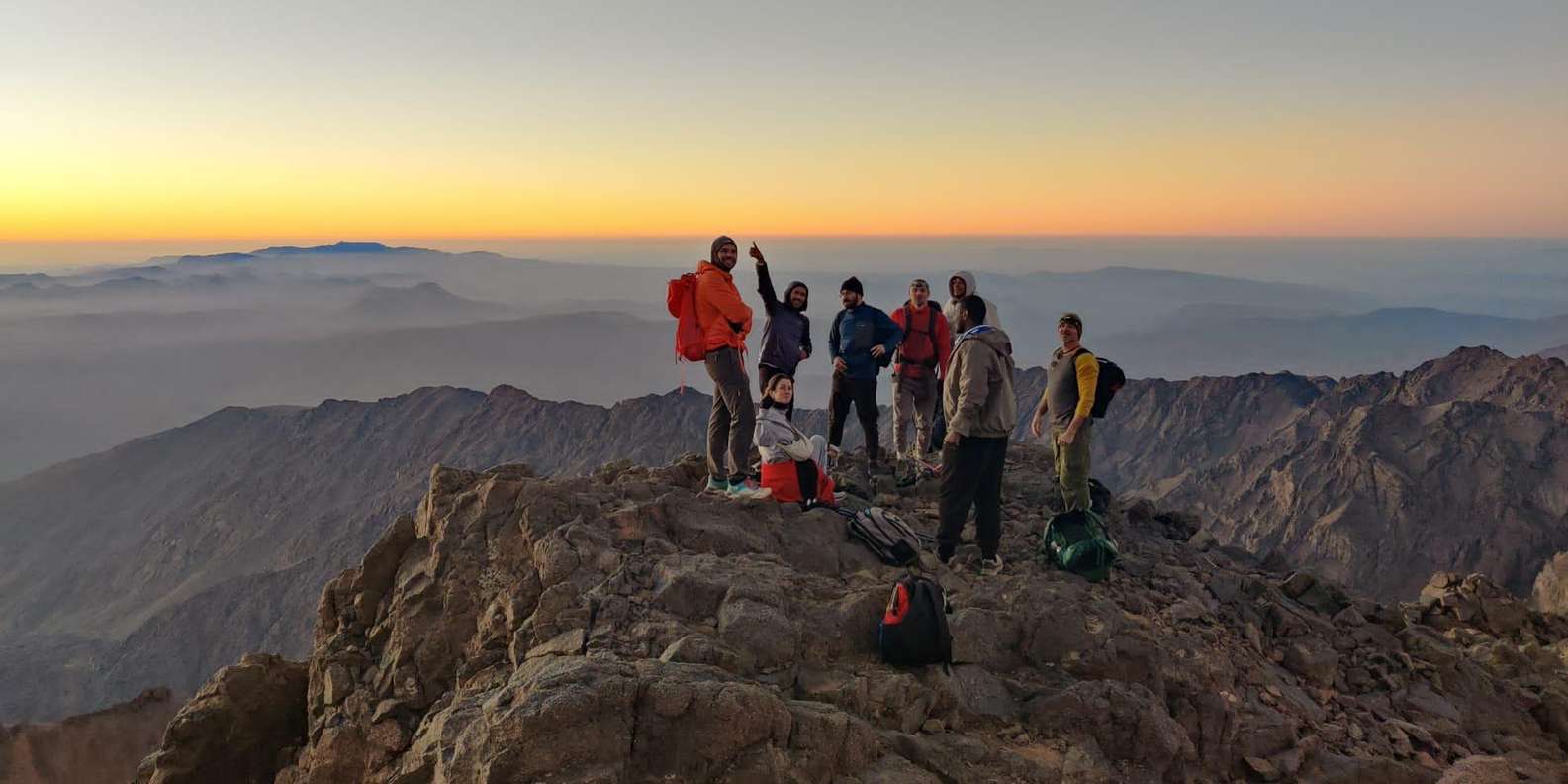
Let’s keep this practical. You’ll want warm clothing because altitude chills you fast, especially after dark. Bring a sun hat and protect your face and eyes for high-elevation glare. Hiking shoes with solid grip are a must.
The trek guidance also specifically suggests:
- Warm clothing for high altitudes
- Suncream and sunglasses
- A daypack
- Hiking pants
- Sleeping bag (for overnight)
- Clothes that can get dirty
- Water bottle (and snacks if you like extra)
Two “don’t skip” items:
- Headlamp: A review mentioned forgetting it and then renting it on-site. Save yourself the stress by bringing one.
- Earplugs: One traveler flagged that the camp can be noisy. You might sleep better with earplugs even if everything else goes perfectly.
For the season, check the winter note: crampons may be required during winter months due to snow on the peak. If you’re going in colder months, plan on renting crampons and any necessary traction gear locally rather than trying to guess.
Finally, pack smart. Larger luggage can be stored in Imlil or left with a mule for the duration of the trek. That’s ideal because it reduces what you carry while still keeping your things handled.
Who Should Book This Trek (and Who Should Choose Another Option)
This experience is built for people who can handle a serious hike. The tour info says it’s not suitable for children under 7 years, people with low fitness, or people over 70 years. That isn’t bureaucracy; it’s about keeping the summit plan realistic and safe.
I think it’s a great fit if:
- You want an actual peak challenge, not just a scenic walk
- You enjoy learning as you hike, especially Berber culture and village life
- You’re comfortable with early starts and cold mornings
- You appreciate small-group pacing and support like a mule for gear
If you’re unsure about your fitness, be honest. One traveler described reaching the summit as a result of the guide’s help and encouragement. That’s encouraging, but it’s not a substitute for training.
Book It or Skip It: My Practical Take
Book this trek if you want a real summit experience with the basics handled: transport from Marrakech, a local guide like Hussein, a mule team, included meals, and a clear two-day plan that gives you time to recover between day one and day two. For $193, the value comes from what’s included and how much stress it removes from your trip.
Skip or choose a gentler option if you know you won’t handle early starts, steep rocky sections, or cold conditions. And if winter timing is involved, respect the traction/traction gear rules—crampons aren’t optional when the peak is snowy.
If you’re the right fit, this is the kind of trip where you leave with more than photos. You leave with a new respect for how people move through the Atlas Mountains every day.
FAQ
What’s the trek starting point and how do I get there from Marrakech?
The trek starts from Imlil, about 90 minutes from Marrakech. Pickup is included from your hotel or riad in Marrakech using a private vehicle (car or van).
How long is the Mount Toubkal trek?
It’s a 2-day trek. You’ll check availability for starting times.
Are meals included during the trek?
Yes. Local food is included, and all meals are provided.
Is equipment included in the price?
No. Equipment isn’t included, but you can rent it locally.
Will there be winter equipment like crampons?
During winter months, crampons are required due to snow on the peak. The trip notes that equipment is available to rent locally.
How does the mule support work?
A mule team carries your bags, so you hike with less weight than you would without support.
What languages will my guide speak?
The live tour guide is available in English, French, Arabic, and Spanish.
Who is this trek not suitable for?
It’s not suitable for children under 7 years, people with low fitness, or people over 70 years.