REVIEW · CASABLANCA
Casablanca: 6-Day Tour To Marrakech Via Chefchaouen & Desert
Book on GetYourGuide →Operated by Come With Us Tour · Bookable on GetYourGuide
Morocco hits you fast, and this route hits harder with its mix of cities and dunes. I really like the private chauffeur setup and the way stops get paced so you’re not stuck guessing what to do next. The other big win is the Erg Chebbi camel trek and desert camp, topped with sandboarding and Berber music at camp. One heads-up: the drive days can be long, and one guest noted the air conditioning didn’t work well on their dates.
You’ll see Casablanca’s Hassan II Mosque, the blue-walled calm of Chefchaouen, the medina maze of Fes, and the canyon drama around Todra and Dades. You finish through the High Atlas over the Tizi n’Tichka pass into Marrakech, with Ait Ben Haddou along the way. The main consideration is budget: lunches and monument entry tickets are not included, so you’ll want a little extra cash for those moments.
In This Review
- Key Things That Make This Tour Work Well
- Casablanca, Rabat, and Chefchaouen: Mosque grandeur to blue-street calm
- Volubilis near Meknes: Roman mosaics and Bab Mansour’s showmanship
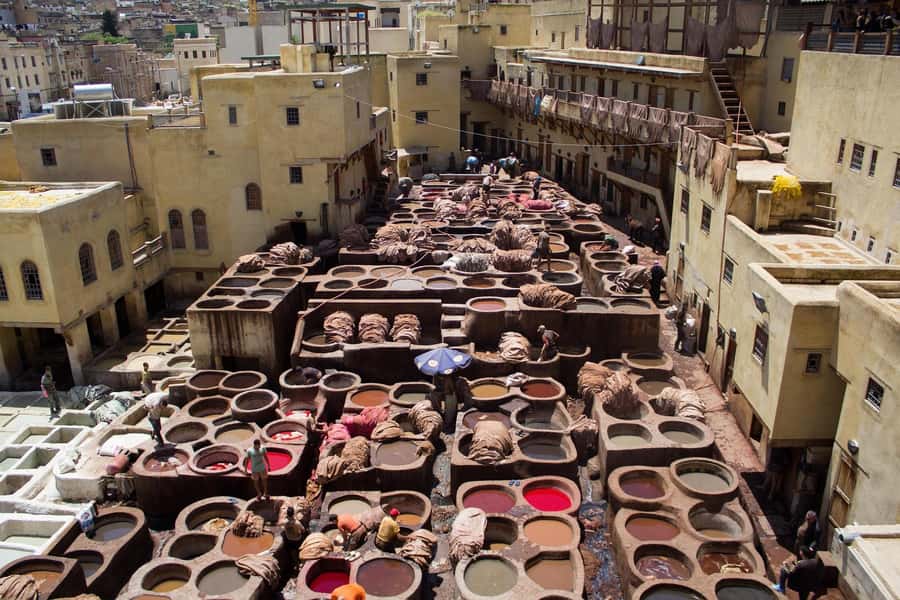
- Fes Medina day: Bou Inania, Al Quaraouiyine, souks, and tanneries
- The Middle Atlas to Merzouga: Ifrane, cedar forests near Azrou, and the Ziz Valley palms
- Erg Chebbi camel trek and Merzouga luxury camp: sunset ride, sandboarding, stargazing
- Todra Gorges and Dades Gorges: canyon cliffs, winding roads, and real overnight comfort
- Valley of Roses, Ait Ben Haddou, and the Tizi n’Tichka pass into Marrakech
- Packing for dunes, medinas, and cold winter nights
- Price and value: what $989 covers and what to budget for lunches and tickets
- Should you book this Casablanca to Marrakech route?
- FAQ
- How long is the tour?
- Is this a private group tour?
- What languages are available for the live tour guide?
- What meals are included?
- What activities happen in the desert?
- What kind of accommodations do you stay in?
- What should I pack for comfort in different seasons?
- Where do you pick you up in Casablanca?
Key Things That Make This Tour Work Well
- Private chauffeur plus air-conditioned vehicle: you control the pace of the day’s driving without group chaos.
- Local guides in Chefchaouen and Fes: you get the context for the places that can otherwise feel like a blur.
- Erg Chebbi sunset camel trek + sandboarding: the desert experience is built in, not left to chance.
- 4WD sunrise transfer after the camp: less morning stress, more chance to catch the first light.
- Riad-and-hotel comfort with private bathrooms: real sleep quality after intense sightseeing days.
- Guides like Reda, Mustafa, Ayman, and Ibrahim are repeatedly praised for safety, clarity, and care on the road.
Casablanca, Rabat, and Chefchaouen: Mosque grandeur to blue-street calm
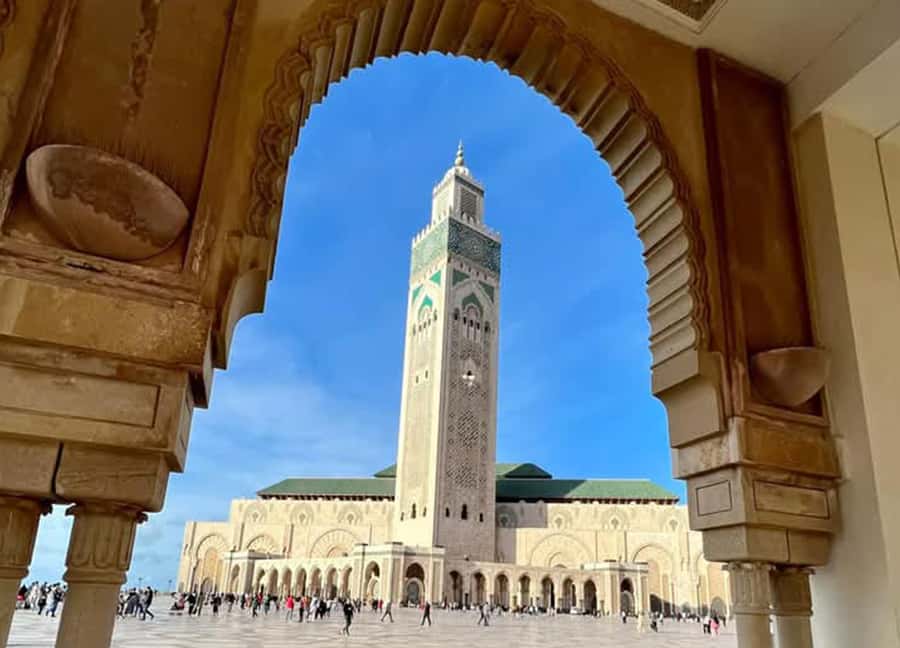
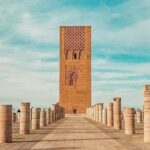
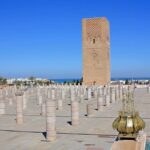
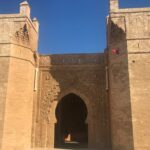
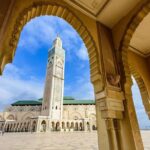
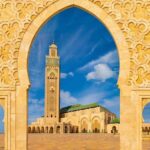
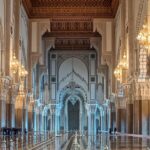
Your trip starts with Casablanca’s Hassan II Mosque. Even if you’ve seen big religious buildings elsewhere, this one carries a special scale, and it sets a strong tone for the rest of the week. You then head to Rabat, where you’ll see highlights like the Hassan Tower and the Kasbah of the Udayas.
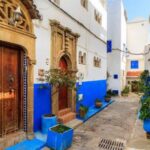
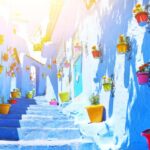
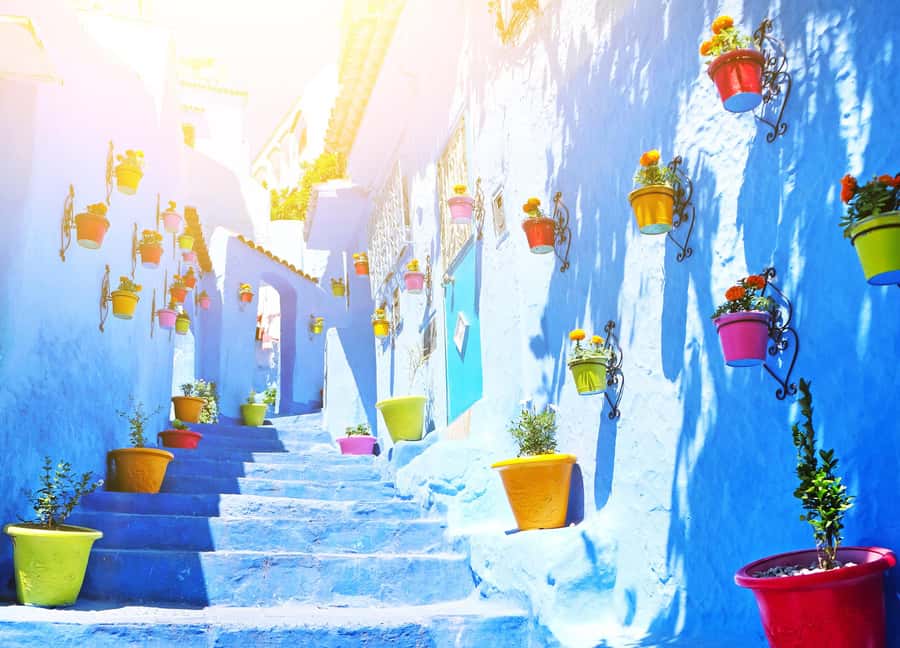
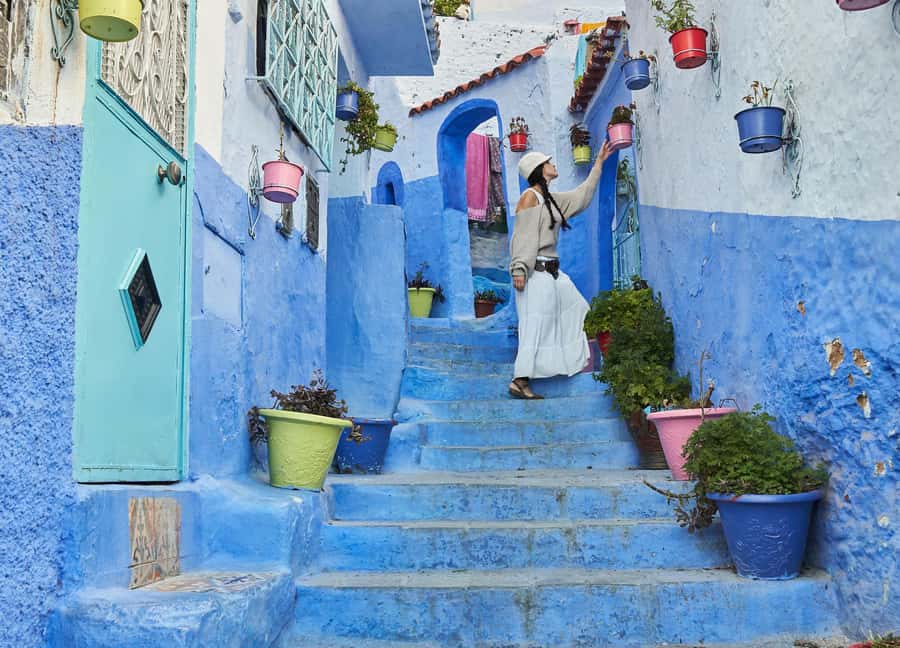
From there, the mood changes. Chefchaouen is famous for its blue-painted streets, but the part I like most is the slower rhythm. It’s not just photo spots. It’s wandering through the medina with time to breathe, and that’s easier when you have a local guide helping you find the best lanes and the right order to see things.
If you’re traveling in winter, plan for cooler evenings in Chefchaouen. One rider experience didn’t focus on temperature, but the tour guidance explicitly recommends warm clothing during winter months. You’ll also want comfortable shoes because the medina is mostly about walking, even when you’re not doing anything strenuous.
A few more Casablanca tours and experiences worth a look
Volubilis near Meknes: Roman mosaics and Bab Mansour’s showmanship
Chefchaouen to Fes is not a straight shot. You break up the long-distance driving with two stops that make the cultural variety feel real.
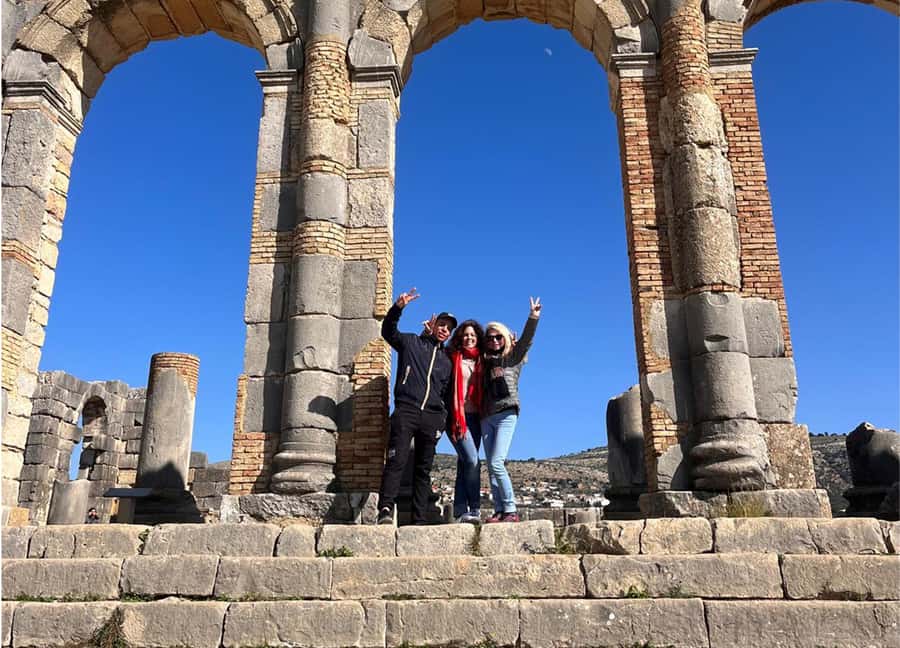
First comes Volubilis, the Roman ruins near Meknes. You get to walk among well-preserved structures and mosaics, which is one of the best ways to see how old Morocco connects with the wider Mediterranean story. This is the kind of stop where having a guide helps you spot what matters, even if you’re just on a timed visit.
Then you continue to Meknes, another imperial city. The headline stop is Bab Mansour, the monumental gate that looks like it was designed to impress someone important. The tour also includes a visit to the royal stables, so you’re not only seeing a façade. You’re also seeing part of how power was organized.
Practical note: these stops are great for people who like variety. If you prefer “one city at a time” slow travel, this part of the route may feel fast. But it’s also what keeps the whole week from turning into repeat driving without payoff.
Fes Medina day: Bou Inania, Al Quaraouiyine, souks, and tanneries
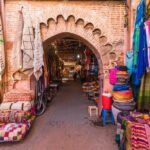
Fes is the big day. You’ll start with the historic Medina, known as one of the largest car-free urban areas in the world. That detail matters because it changes how you experience the city. Streets don’t behave like modern roads, and your time is worth more when someone helps you navigate.
Your guided day focuses on major sights and key institutions. You’ll visit the Bou Inania Madrasa, a well-known Islamic school known for its intricate architecture. You’ll also see the University of Al Quaraouiyine, described as the oldest continuously operating university in the world. Then it’s on to the Nejjarine Fountain and the souks.
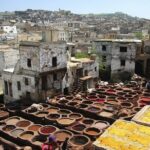
You also get the tanneries. The tour includes time to see them in context, which is important in a place where people can end up staring without understanding the process or the etiquette. If you want photos, you’ll get chances, but the more valuable part is learning what you’re looking at while you’re there.
The tour also includes time in Fes’s modern areas: the Royal Palace and the Mellah (the Jewish quarter). You end the day back at your riad, which is the right move. Fes takes mental energy, and sleep is how you reset.
What I’d plan for: keep your expectations flexible. Fes is intense. The difference between an enjoyable day and an exhausting one is usually your shoes, your patience, and whether you follow your guide’s pacing through the busy parts.
The Middle Atlas to Merzouga: Ifrane, cedar forests near Azrou, and the Ziz Valley palms
Leaving Fes, you start working your way toward the desert. The route includes a lot of scenic variety, but the key value is that each place gives you a different flavor of Morocco’s geography.
You stop in Ifrane, often called Little Switzerland for its alpine-style architecture. It’s a quick reset from medina stone and alley life. Then you drive through the Middle Atlas Mountains, passing cedar forests near Azrou. Even if you’re not stopping to hike, this stretch is a visual change that makes the desert feel earned rather than sudden.
Midelt is included for lunch, followed by the descent into the Ziz Valley. That valley is known for palm groves and long views, which means you feel the land opening up as you head closer to Erg Chebbi.
By evening you arrive in Merzouga. This timing matters because you’re not just getting to a hotel. You’re getting to the start of the desert experience—when temperatures cool and the sky can start putting on a show.
Erg Chebbi camel trek and Merzouga luxury camp: sunset ride, sandboarding, stargazing
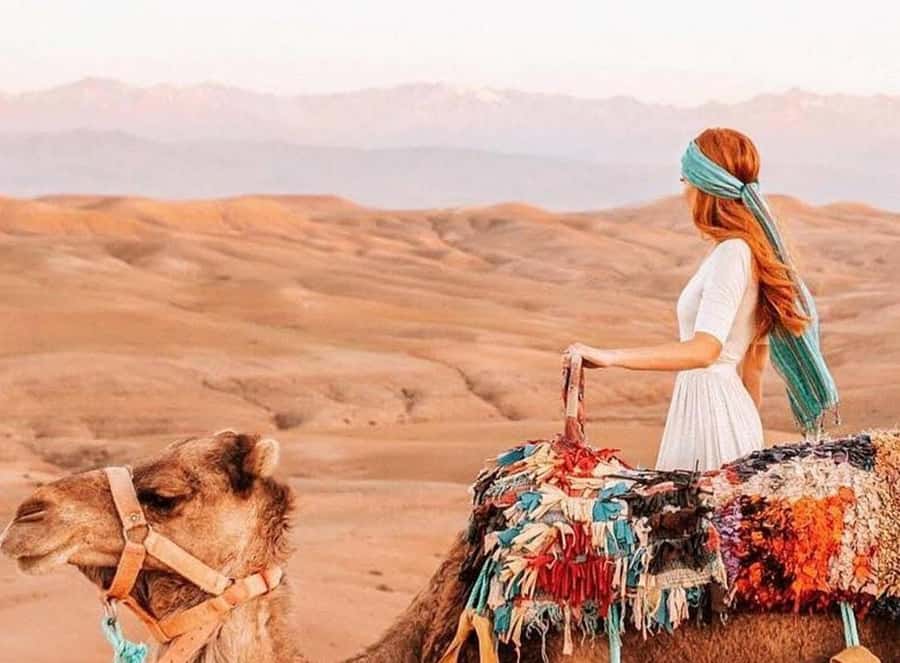
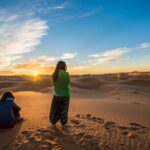
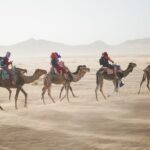
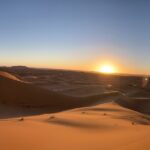
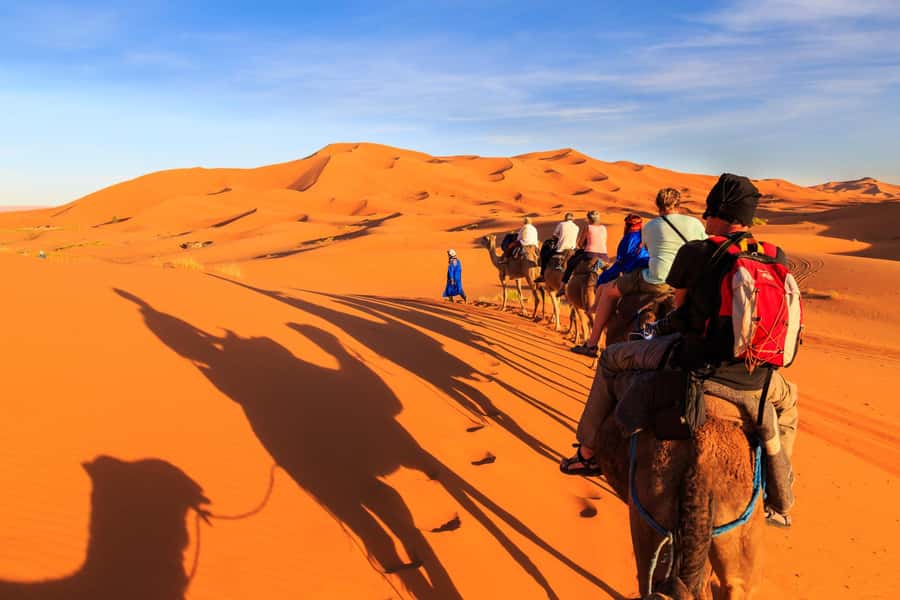
This is the highlight section for a lot of people, and it’s easy to see why. You get a sunset camel trek into the Erg Chebbi dunes, plus sandboarding. That combination turns the desert from a view into an activity you’ll actually remember.
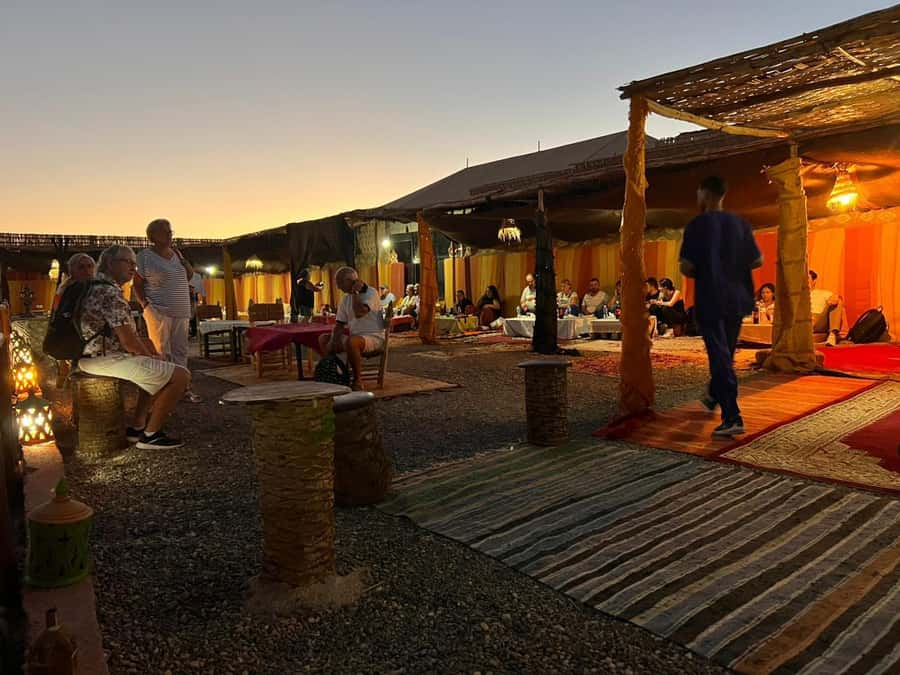
Then you sleep in a luxury camp in the Merzouga Desert with a private bathroom. That detail is not small. Desert nights can be memorable for the wrong reasons if comfort is sacrificed. Here, the camp setup includes warm showers and toilets, which makes a huge difference when you’re traveling for days.
You’ll also have a Berber drumming and music experience at camp. It adds more than entertainment. It’s a chance to connect with local culture in the setting where it’s naturally performed, not staged as a quick stop under fluorescent lights.
One more operational win: after the night under the stars, you get a 4WD sunrise transfer from the desert camp to the meeting point with your driver. The tour also includes a camel ride back to Merzouga. Together, those steps help reduce the most stressful parts of desert travel—especially when you’re tired from the day’s driving.
Weather tip: desert days can still swing with seasons. Winter can mean colder nights, and the tour guidance mentions warm blankets. If you’re prone to feeling cold, bring warmer sleep layers too.
Todra Gorges and Dades Gorges: canyon cliffs, winding roads, and real overnight comfort
After the desert camp, you head toward the canyon region. First you go to Erfoud, known for fossil workshops. Even if you don’t buy anything, it helps explain why this area is famous beyond the dunes.
Next comes Todra Gorges. You’ll explore the narrow canyon with towering cliffs. This is one of those places where just standing near the rock walls makes it feel bigger than a photo can capture. You’ll stop for lunch before moving on.
Then it’s Dades Gorges. This section is about dramatic rock formations and winding roads. The tour includes an overnight in a traditional hotel or riad, again with a private bathroom.
What I like about finishing the day this way is the rhythm. After desert sand and camel time, you get rock walls and a different kind of stillness. Your lodging in Dades is where you can recover before the final travel push toward Marrakech.
Valley of Roses, Ait Ben Haddou, and the Tizi n’Tichka pass into Marrakech
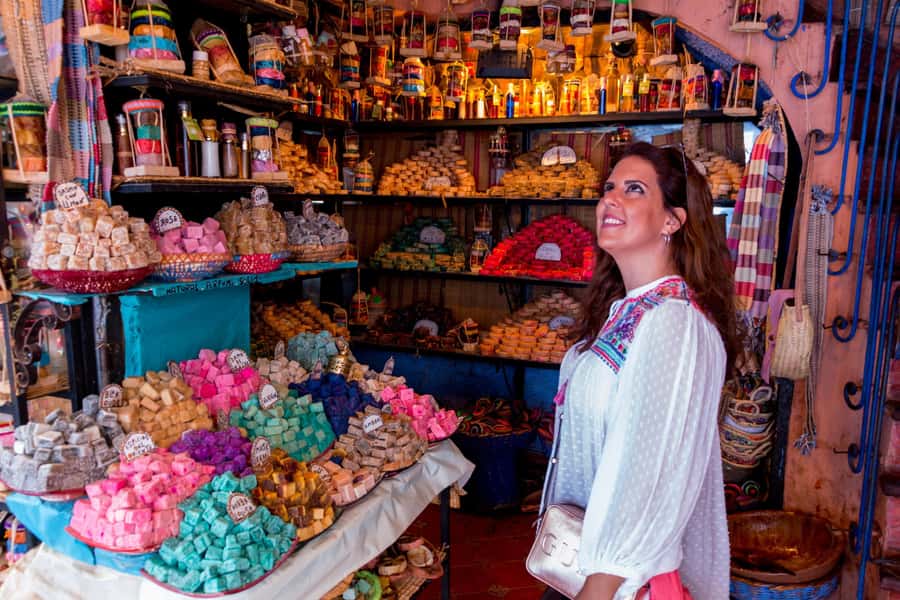
Your final sightseeing day starts in the Valley of Roses. The tour notes it’s known for its annual rose festival, so even if you’re not there during festival season, the area still carries a distinct identity in how people talk about it.
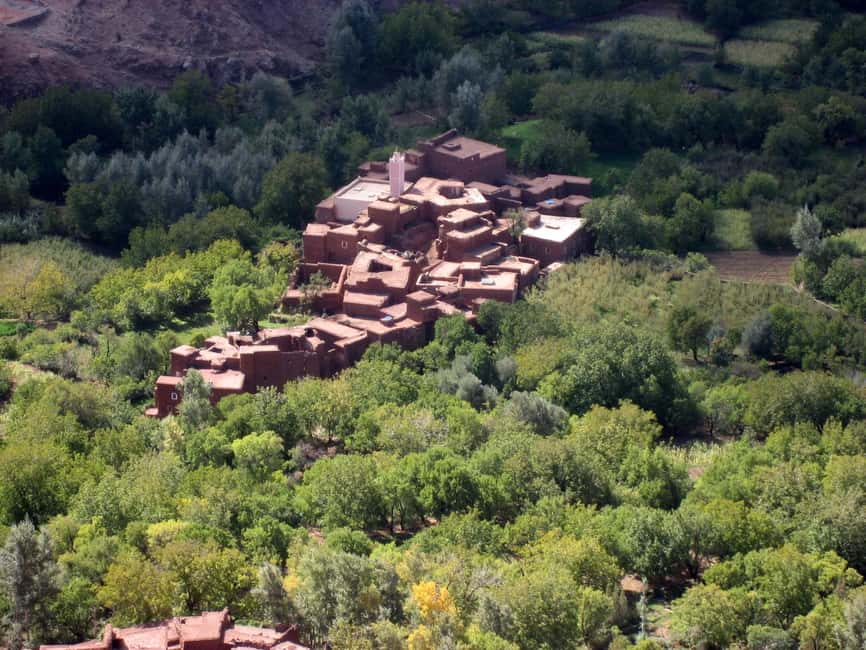
Then you reach Ait Ben Haddou, a UNESCO World Heritage site. You explore the ancient kasbah, which is the perfect bridge between Morocco’s inland histories and the drama of the Atlas mountains. This is where you can really see how architecture was designed for defense and life in a harsh environment.
From Ait Ben Haddou, you drive through the High Atlas via the Tizi n’Tichka pass to Marrakech. This is a long stretch, but it’s also your visual payoff. Mountain roads change quickly, and that makes the final approach feel like a journey, not just a transfer.
You end your trip in Marrakech with good memories and a route full of contrasts: mosque scale, mountain towns, Roman ruins, medina complexity, desert night, and canyon depth.
Packing for dunes, medinas, and cold winter nights
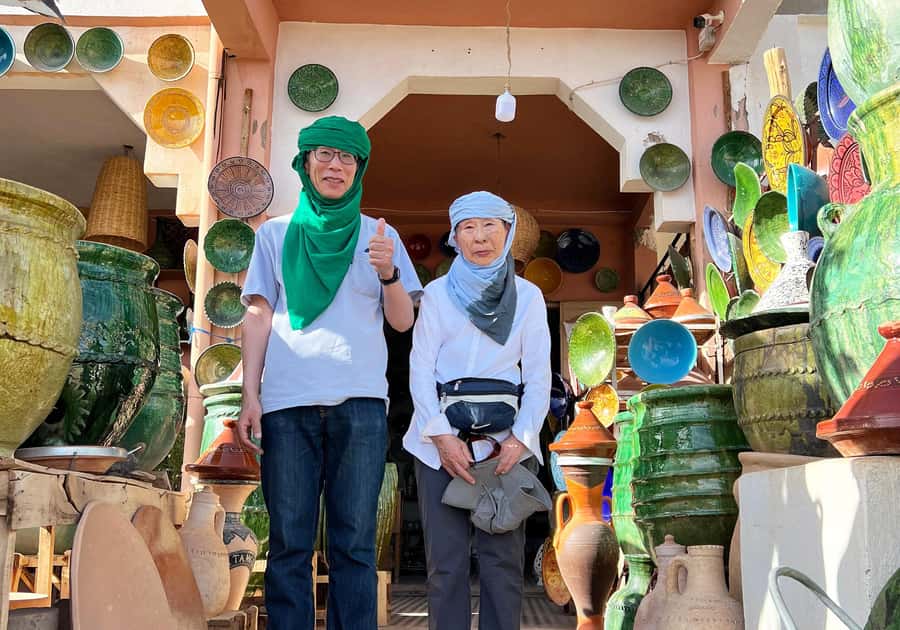
You’ll enjoy this tour more if you pack like the desert and the cities both matter.
Bring:
- A passport or ID card
- Comfortable shoes for walking days in medinas and ruins
- Sunglasses and sunscreen
- A sun hat for the desert and open-road days
- A camera for dunes, kasbah views, and canyon cliffs
- Comfortable clothes that layer
If you travel in winter, plan for cold, especially at night. The tour guidance specifically says winter temperatures can drop to 0°C and that you should bring warm sleeping clothes, even though blankets are provided. Chefchaouen can get chilly too, so pack a warm layer for evenings.
You’ll also want to think about basic comfort during long drives. One rider mentioned extended discomfort when air conditioning didn’t work. That’s not guaranteed, but it’s a reminder to pack a light layer and keep water handy.
Price and value: what $989 covers and what to budget for lunches and tickets
At $989 per person for 6 days, you’re paying for more than transportation. You’re paying for the structure that makes a route like this feasible: private vehicle, professional bilingual driver, and local guides in Chefchaouen and Fes.
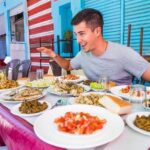
The included meals also add real value. You get 5 breakfasts and 5 dinners. Lunch is not included, so you’ll need to budget for it when you want something specific or when you’d rather stop somewhere different. One review also flagged that dinners can lean heavily toward chicken tagine. Tagine is tasty, but if you’re not a repeat-order person, you might want to supplement with snacks or plan lunch options that break the pattern.
Accommodation value is solid. Four nights are in comfortable traditional riads or hotels with a private bathroom. One night is in a luxury desert camp with a private bathroom. That mix helps you keep sleep quality high while switching settings dramatically.
Excluded costs you should expect:
- Monument entry tickets
- Local guide in Ait Ben Haddou
- Lunches
If you care about saving time and reducing stress, this package can be a strong deal. The route is long and involves multiple “different worlds” in quick succession. Hiring a private driver and guides for the key cities is what lets you do it without feeling like you’re spending every hour negotiating logistics.
Should you book this Casablanca to Marrakech route?
Yes, if you want a single, organized plan that strings together Chefchaouen, Fes, the Sahara dunes, Todra, Dades, and Ait Ben Haddou without you building the puzzle yourself. This tour tends to work well for people who like variety, want private comfort, and value guides who explain what you’re seeing.
Be cautious if:
- You’re sensitive to long driving days and heat. One guest noted air conditioning issues.
- You’re strict about food variety at every meal. Dinner options can feel repetitive if you prefer lots of different dishes.
- You’re traveling in conditions where cold bites. Winter nights can be very chilly, and you’ll want real warm layers.
If you’re deciding right now, I’d book when you want the desert and canyon moments, but you also want lodging upgrades like private bathrooms. And if safety matters to you, it’s a good sign that multiple reviews praise drivers like Reda and Mustafa for safe, confident driving, even in rough weather.
FAQ
How long is the tour?
It’s a 6-day tour.
Is this a private group tour?
Yes. It’s a private group with your own private chauffeur and vehicle.
What languages are available for the live tour guide?
The live tour guide is offered in English, French, Spanish, and Arabic.
What meals are included?
You get 5 breakfasts and 5 dinners. Lunches are not included.
What activities happen in the desert?
You’ll do a sunset camel trekking adventure into the Erg Chebbi dunes, plus sandboarding. You’ll also have a Berber drumming and music experience in camp.
What kind of accommodations do you stay in?
You have 4 overnights in comfortable traditional riads or hotels with a private bathroom. You also have 1 overnight in a luxury camp in the Merzouga Desert with a private bathroom.
What should I pack for comfort in different seasons?
Bring comfortable shoes, sunglasses, a sun hat, sunscreen, a camera, and comfortable clothes. If traveling in winter, pack warm layers and warm sleeping clothes because temperatures can drop to 0°C.
Where do you pick you up in Casablanca?
Pickup is available from your hotel or accommodation in Casablanca, and the driver confirms the exact pickup time and location about one day before the tour (around 3 PM).