REVIEW · ESSAOUIRA
Argan Forest, tea time at a Berbers family & Visit of an Argan cooperative.
Book on Viator →Operated by Ecotourisme et Randonnées · Bookable on Viator
Argan trees have their own calendar. This 3.5-hour Essaouira outing pairs a relatively easy argan forest walk with Berber tea time, then ends at a women’s cooperative to show you how argan oil is made.
I especially liked two things. First, the guiding feels thoughtful and calm, with leaders like Naima, Faisal, and Malika who happily answered questions and explained the trees and culture in plain language. Second, the stop at the women’s cooperative (Cooperative Marjana) makes the argan story feel practical, because you see the process behind the oil rather than just hearing about it.
One consideration: this tour needs good weather, and bottled water isn’t included. If you tend to get thirsty on walks, I’d plan to bring a bottle or buy one before you head out.
In This Review
- Key highlights I’d plan around
- Entering the Argan Forest Near Essaouira: an easy walk with real science
- The Argan tree story: why it matters beyond the souvenir oil
- A Marabout stop with 16th-century elements: small, quiet, and historically grounded
- Tea time with a Berber family: what you actually get (and how to get the most from it)
- Cooperative Marjana: learning how argan oil is made, step by step
- Guides who make the tour feel personal: Naima, Faisal, and Malika
- Price and value for a 3.5-hour Argan Experience
- Timing, group size, and logistics that actually matter
- What to bring (so the day stays comfortable)
- Who should book this Argan Forest + Tea + Cooperative tour?
- Should you book Argan Forest, Berber tea, and Cooperative Marjana?
- FAQ
- How long is the tour?
- Where does the tour start and end?
- What is the price per person?
- Is transportation included?
- What food or drinks are included?
- Is bottled water included?
- How big is the group?
- Is this walk easy enough for most people?
- Can I get a full refund if plans change?
Key highlights I’d plan around
- Argan forest walk in a leisurely pace: a “ramble,” not a workout, with ecology lessons along the way
- Marabout visit with 16th-century elements: a small cultural stop inside the argan landscape
- Tea with a Berber family: hospitality you can feel in the timing and conversation
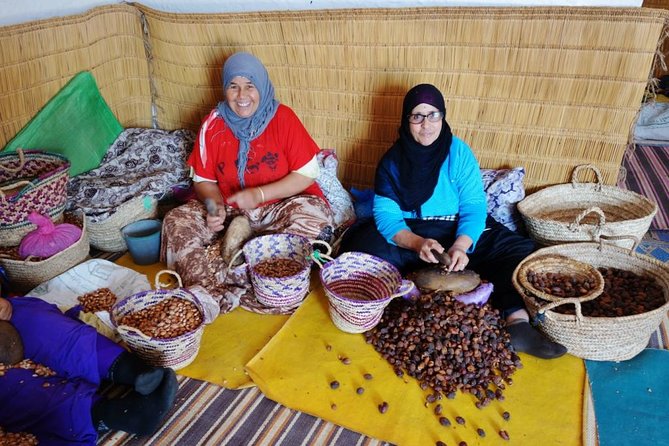
- Women’s cooperative visit (Cooperative Marjana): learn the steps behind famous argan oil
- Small group size (max 12): easier questions and a more personal feel
- Guides who stick with your questions: praised for being patient and knowledgeable
Entering the Argan Forest Near Essaouira: an easy walk with real science
Most tours promise views. This one gives you a close look at a living system.
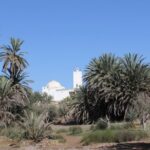
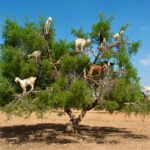
You’ll spend a large part of the time walking through an argan forest, where argan trees are endemic to the south west of Morocco. In practice, that means you’re not just seeing “some trees.” You’re in a habitat that’s specific to this region, and your guide will point out the different stages of the tree’s life cycle as you go. That’s a smart way to experience a landscape: you watch it change over time, not just in what it looks like today.
The walk is described as relatively easy and suited to people looking for a leisurely ramble. That doesn’t mean it’s a slow stroll with no footing. The forest trails can still be uneven, so treat this as a nature walk: wear shoes you’re comfortable moving in for a couple hours.
I like that the education isn’t stuck in the classroom. As you walk, you learn about what comes from the argan fruit and how people use the tree’s products in daily life. You’ll also hear about the beneficial impact on local culture. That part matters, because argan isn’t just a commodity—it’s tied to how people make a living and how they understand their land.
You can also read our reviews of more tours and experiences in Essaouira.

The Argan tree story: why it matters beyond the souvenir oil
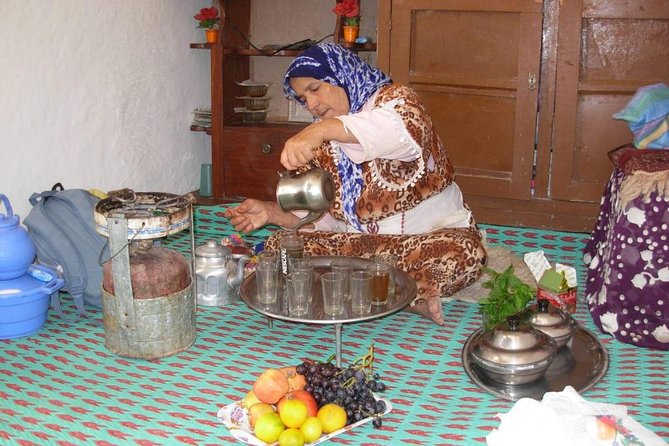
Argan oil is famous worldwide, but it can become a generic “Morocco product” if you only see it in a shop. Here, you’ll get the sequence: tree → fruit → processing → final use.
Your guide explains the many products derived from the trees and fruit, including edible uses and cosmetic products. That broad view helps you understand why argan oil shows up in kitchens and bathrooms alike. It also helps you read labels later when you’re comparing oils in Essaouira or elsewhere.
There’s another subtle benefit: learning the life cycle makes the forest feel less random. When you can recognize growth stages, you stop treating the trees like wallpaper. You start noticing patterns—how the grove “works,” and how the ecosystem supports people who depend on it.
If you care about food, skincare, or sustainable tourism, this is one of those experiences where you come away with useful context, not just a photo.
A Marabout stop with 16th-century elements: small, quiet, and historically grounded
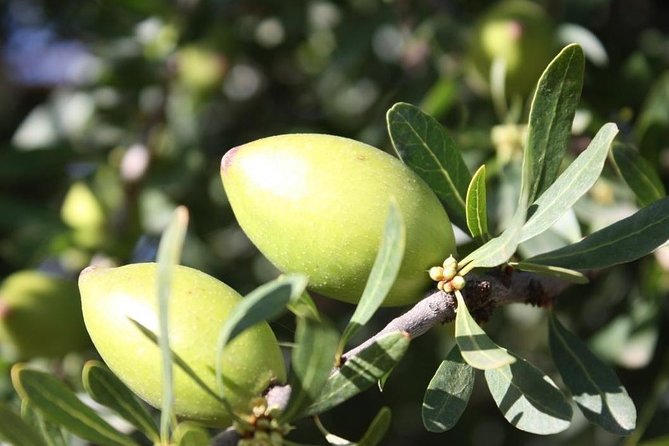
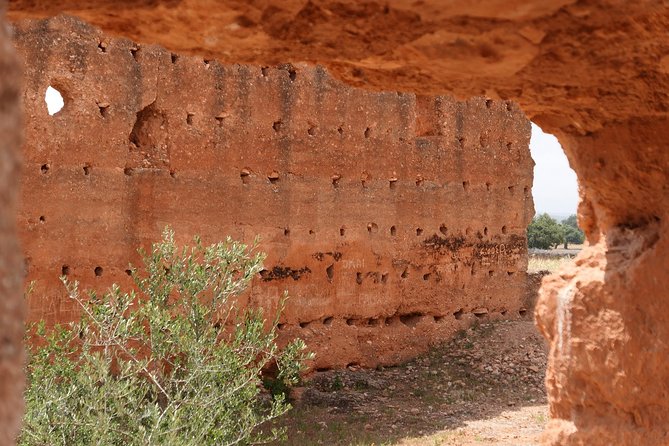
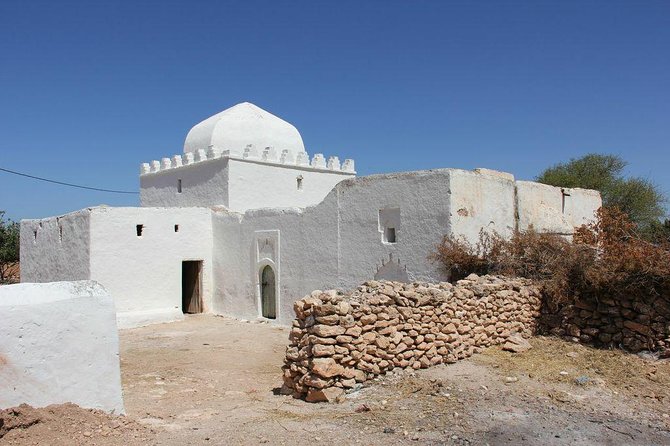
Midway through the walk, you’ll pass through a little village area and visit a marabout, described as a saint’s temple. The guide notes that it features elements dating back to the 16th century.
This is the kind of stop that can be easy to skip on your own, because it’s not as “big ticket” as a city monument. But it adds texture. The marabout is tied to how local communities understand faith and protection, and it helps you connect what you’re walking through—trees, village life, daily rhythms—to something human and longstanding.
Also, it breaks the nature walk into a more varied rhythm. One section is about ecology and seasons; this one adds cultural context without pulling you away from the argan landscape.
Tea time with a Berber family: what you actually get (and how to get the most from it)
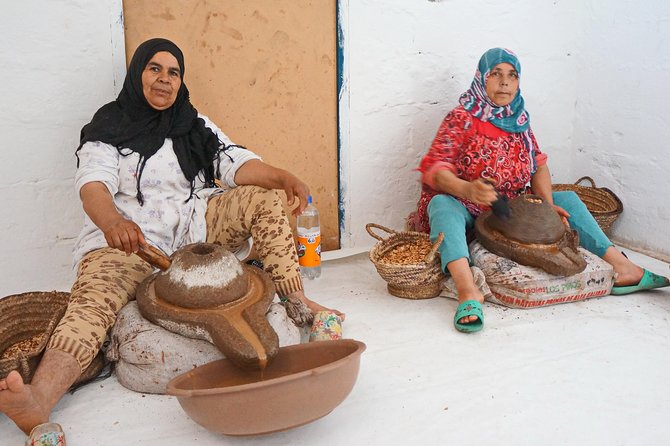
After the walk, the experience turns deliberately social: you’ll be served tea at a Berber villager’s home. This is traditional Moroccan hospitality, and it’s one of the most memorable parts of the day for a lot of people because it slows everything down.
A few practical points matter here. The tour includes tea (and you may also get coffee or tea as part of the provided refreshments), but bottled water is not included. If you know you’ll want water, plan for it—especially if the day is warm.
If you want to get the most out of the tea, ask simple questions. Not big interviews—small ones. For example, ask what argan products mean locally, or how people use the trees in daily routines. When you’ve just walked through the forest and learned the tree’s lifecycle, your questions will land better, because you’ll already have context.
This part of the day is also where your guide’s work shines. Guides on this tour are repeatedly praised for being patient and for answering questions well. That means you’re not just watching a cultural moment—you’re being guided through it.
Cooperative Marjana: learning how argan oil is made, step by step
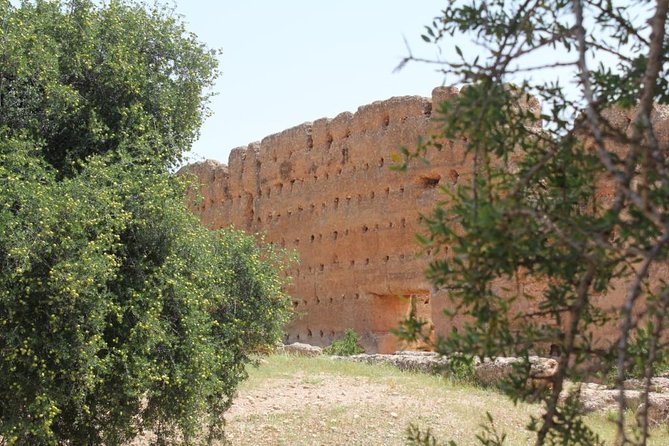
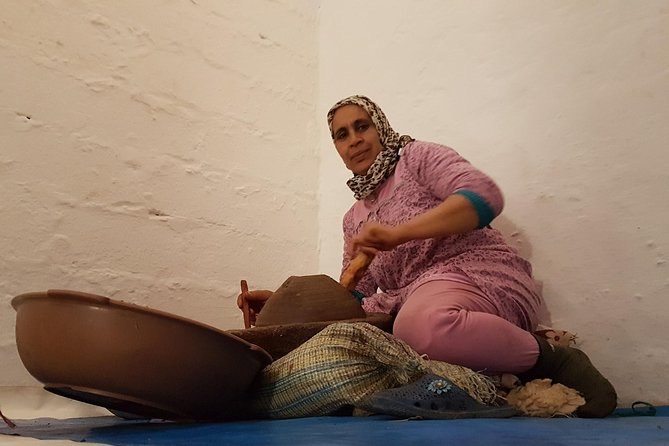
The tour’s final learning block is the visit to the women’s cooperative where you’ll discover the secret of making the famous argan oil.
You’ll visit Cooperative Marjana (ARGAN OIL). A ticket/admission is included, and the scheduled time at this cooperative is about 30 minutes. In other words, you’re not stuck for hours. You get enough time to see what’s happening and understand the workflow at a human scale.
Why this matters: you’re seeing the bridge between nature and the bottle. Before the cooperative, you’ve learned about trees and products. Here, you see the processing logic behind those products. That changes how you think about the oil in a practical way.
Also, seeing a women’s cooperative is part of the tour’s authenticity. Even if you don’t make a purchase, you’re witnessing a local production model tied to the region’s economy and traditions. The best tours show you the craft; this one is built to do that.
One more small advantage: the tour keeps you moving. After tea, you’re already warmed up for the next step. The ending feels like a natural payoff: you finish with “how it’s made,” not just “what it is.”

Guides who make the tour feel personal: Naima, Faisal, and Malika
This experience rises or falls on the guide, and the strongest feedback centers on exactly that.
Names that show up in the leading voices include Naima, Faisal, and Malika. People praise them for being friendly, patient, and very good at answering questions. That matters more than you might think. Argan trees and argan oil can easily turn into a lecture people tune out. Here, the explanations are structured enough to follow, but flexible enough to match what you actually want to know.
If you’re the type who asks follow-up questions—about how the argan trees develop, about edible vs. cosmetic uses, or about daily life in Morocco—this tour is a good fit.
Price and value for a 3.5-hour Argan Experience
At $52.27 per person, this tour isn’t the cheapest option in Essaouira—but it’s also not “luxury priced.” The value shows up in the included pieces:
- Private transportation to and from the experience
- An experienced guide
- Tea served on a farm with a Berber family
- Coffee and/or tea
- A women’s cooperative visit (with admission ticket included)
For a 3 hour 30 minute format, that’s a lot of “done for you.” You’re not just buying a walk—you’re buying transport, interpretation, and access to the cooperative.
Two things that help justify the cost:
- The tour blends nature, local culture, and a production visit.
- The group size is capped at 12, which often makes the experience feel less rushed and more responsive.
If you like hands-on learning and you’d rather spend money on meaningful access than on another long city stroll, this price starts to look very reasonable.
Timing, group size, and logistics that actually matter
The tour is about 3 hours 30 minutes total. It includes time for the walk, tea, and the cooperative stop.
Your group stays small, with a maximum of 12 travelers. That helps because you can ask questions without waiting forever, especially during the forest talk and cooperative visit.
Pickup and meeting details are specific. The start point is:
Labo Abdelkrim Khatabi d’Analyses Médicales, 287 Rue Oued El Makhazine, Essaouira 44000, Morocco
The good news: pickup details are repeatedly described as clear and timely. Still, I’d plan to arrive a few minutes early so you’re not trying to “figure it out” in the streets.
Also, this experience requires good weather. If conditions are poor, the operator offers an alternate date or a full refund. So if you’re trying to squeeze it into a tight itinerary, keep one buffer slot if you can.
What to bring (so the day stays comfortable)
The tour is relatively easy, but you’ll still do a real walk.
Bring:
- Comfortable walking shoes
- A hat or sun protection (depending on the season)
- Light layers in case it cools down
- And seriously: water, since bottled water isn’t included
You’ll get tea during the experience, but tea isn’t a substitute for water if you’re out in the heat. Planning ahead keeps the tour enjoyable.
Who should book this Argan Forest + Tea + Cooperative tour?
You’ll likely love this tour if:
- You want a calm, nature-focused experience instead of a strenuous hike
- You care about how local products are made—especially argan oil
- You appreciate cultural pauses like tea time and a marabout visit
- You like guides who can handle questions without rushing you
You might skip it if you want only city sightseeing, or if you’re looking for a fast “see everything” day. This is more about quality and context than ticking off landmarks.
Should you book Argan Forest, Berber tea, and Cooperative Marjana?
Yes—if your goal is an authentic Essaouira-area experience that explains what you’re seeing, this is a strong choice.
The reason I’d recommend it:
- Argan forest learning on the walk, not just at a booth
- Tea time with Berber hospitality, where the pace feels human
- Ending at Cooperative Marjana so you understand the product origin, not just the marketing
My only “don’t forget” is weather and hydration. Plan for good conditions, wear good shoes, and bring water.
If you do those simple things, this tour gives you a satisfying arc: forest life, village culture, shared tea, then the craft behind argan oil.
FAQ
How long is the tour?
The tour lasts about 3 hours 30 minutes.
Where does the tour start and end?
It starts at Labo Abdelkrim Khatabi d’Analyses Médicales, 287 Rue Oued El Makhazine, Essaouira 44000, Morocco, and ends back at the meeting point.
What is the price per person?
The price is $52.27 per person.
Is transportation included?
Yes. The tour includes private transportation.
What food or drinks are included?
Coffee and/or tea are included, and you’ll also be served tea during the visit with a Berber family.
Is bottled water included?
No. Bottled water is not included.
How big is the group?
The maximum group size is 12 travelers.
Is this walk easy enough for most people?
It’s described as a relatively easy walk suitable for people looking for a leisurely ramble, and most travelers can participate.
Can I get a full refund if plans change?
You can cancel up to 24 hours in advance for a full refund.