REVIEW · MARRAKECH
3-Days High Atlas Mountains Hiking Tour from Marrakech
Book on Viator →Operated by Marrakech Day Trips · Bookable on Viator
Three days, one good pair of boots. This High Atlas Mountains hiking tour turns Marrakech into real mountain life fast: you ride out to Imlil, walk across passes and valleys, and spend nights in simple mountain gîtes while eating proper Moroccan food along the way. You’re also hiking with a local guide who can point out Berber village details you’d miss wandering on your own.
I love that this is set up with everything covered—accommodation, meals, and transfers—so you aren’t budgeting every small thing after you land in Morocco. I also like the on-the-ground freedom: it’s small (up to 9 people) and you hike at your own pace with a guide, plus a mule team can carry your heavier stuff.
One consideration: the experience runs on early starts and real trail footing. If you show up unprepared, steep climbs, cold evenings, and slippery rocky bits can turn “scenic” into “work,” and some people have flagged pickup communication issues—so you should confirm timing clearly before the trip.
In This Review
- Key highlights to know before you go
- The High Atlas trek starts in Imlil, not on a tour bus
- Day 1: Imlil to Tinerhourhine via Tizi n’ Tamatert Pass
- Day 2: Imnane Valley pine groves, Ikkiss photos, and Aït Aïssa dinner
- Day 3: Tizi Mzik Pass (2,400m) and the ride back to Marrakech
- Your private guide is the real value-add
- Mules, gîtes, and food that keeps the hike moving
- What to pack for cold passes and rocky descents
- Price and value: $157.02 buys more than “a hike”
- Who should book this (and who should pick a different trek)
- Should you book this High Atlas tour?
- FAQ
- Where does the trek start?
- How long is the hike?
- What’s included in the price?
- How many people are in the group?
- How hard is the walking?
- Do I need trekking poles?
- Are vegetarian meals available?
- Where do I sleep during the tour?
- Is the tour affected by weather?
- What’s the cancellation window?
Key highlights to know before you go
- Marrakech to Imlil by private transfer so you start walking without losing half a day
- Mountain walking with a guide and mule team, meaning you can focus on trail and views
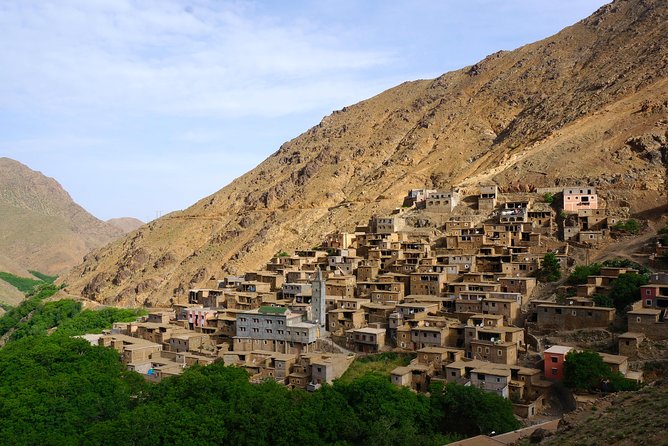
- Berber village stops including Imlil, Tinerhourhine, and Aït Aïssa
- Passes at about 2,279m to 2,400m for big, cold-air views when weather cooperates
- Meals and gîtes included, with food that tends to be filling and made fresh for hikers
- Small-group feel (max 9) with the option to move at your pace rather than rush
The High Atlas trek starts in Imlil, not on a tour bus
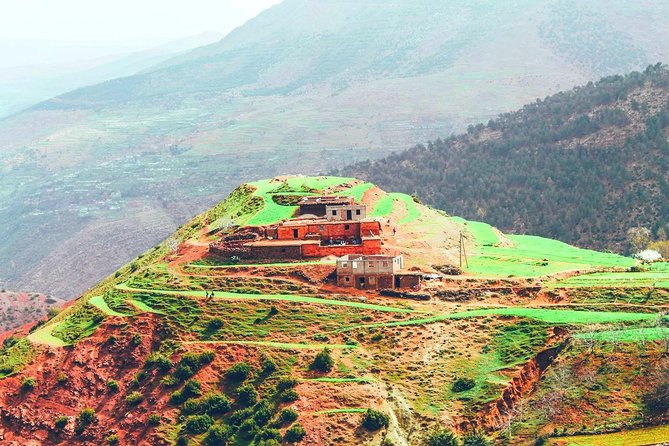
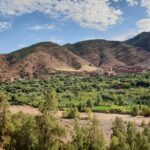
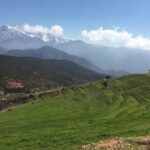
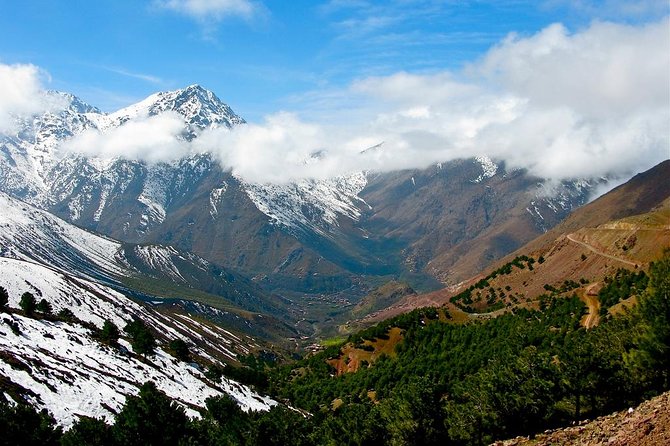
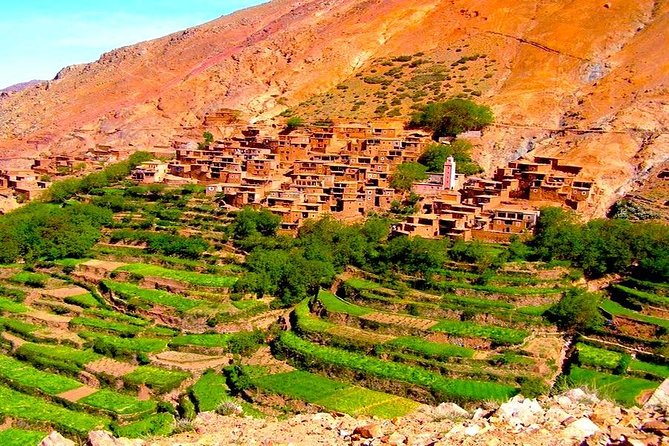
Imlil is a smart launching point because it’s close enough to Marrakech that the “real hiking trip” starts quickly, but far enough into the Atlas that the air changes and the scenery feels undeniably mountainous. From here, you’re walking on paths used for generations—along streams, through groves, and up to passes where you can look down toward valleys and ridgelines.
You’ll typically meet your guide and the mule team right in Imlil. Then you sort gear for the trail: you can carry essentials in your daypack while your luggage is handled for you, which makes a huge difference once the trail starts gaining elevation.
You can also read our reviews of more hiking tours in Marrakech
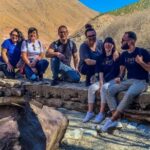
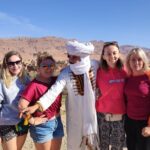

Day 1: Imlil to Tinerhourhine via Tizi n’ Tamatert Pass
Your day starts with pickup from your Marrakech hotel around 8:30am, then a drive south toward the High Atlas Mountains. After about two hours, you arrive in Imlil beneath Jebel Toukbal, Morocco’s famous peak area—this is the moment where “a day trip” turns into an actual trekking rhythm.
Once you’re set up, the hike begins along mule paths through valleys with water and big Atlas views. You’ll pass by spots like Tamatert, then stop for lunch at Tizi n’ Tamatert pass (7,477 ft / 2,279m), where the air can feel crisp even when Marrakech is warm.
What makes Day 1 worthwhile is the mix: you ease into the effort while still getting rewarded with scenery and village textures. You’ll continue walking toward the Tinerhourhine area for the overnight portion of your trek, so day one ends with that slow, steady relief hikers love—steady walking, then real mountain quiet.
Practical note: trekking poles are available for hire in Imlil for an extra cost, and you might want them if your knees hate steep steps or if stones feel slick.
Day 2: Imnane Valley pine groves, Ikkiss photos, and Aït Aïssa dinner
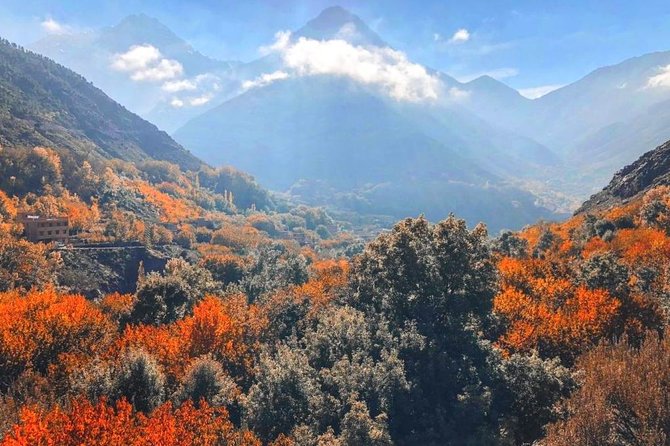
Day 2 is where the trek starts to feel like a true mountain journey. After breakfast, you walk through the Imnane Valley, passing pine, juniper, and walnut groves—a different texture from the higher, rockier trail days. There’s also time for photos at Ikkiss, and your guide may help you understand what village life looks like from the inside.
Then you work your way toward Tizi n’Aguersioual and head to lunch at Matate (6,562 ft / 2,000m). This mid-day altitude matters: it’s often cooler, and the food break gives you energy for the rest of the afternoon push.
The final stretch of the day continues to Aït Aïssa for dinner and overnight at a gîte. Expect about 6–7 hours walking. A lot of the “big moment” feeling here comes from the way you move through a mix of vegetation and stone terrain, with views that can include the Toubkal area on clear days.
Why this day works for real hikers: it’s not just about “going up.” You get a sequence—groves, passes, lunch altitude, then village arrival—so your legs keep moving while your eyes get rewarded. The gîte stop also gives you a proper reset before Day 3’s higher pass segment.
Day 3: Tizi Mzik Pass (2,400m) and the ride back to Marrakech
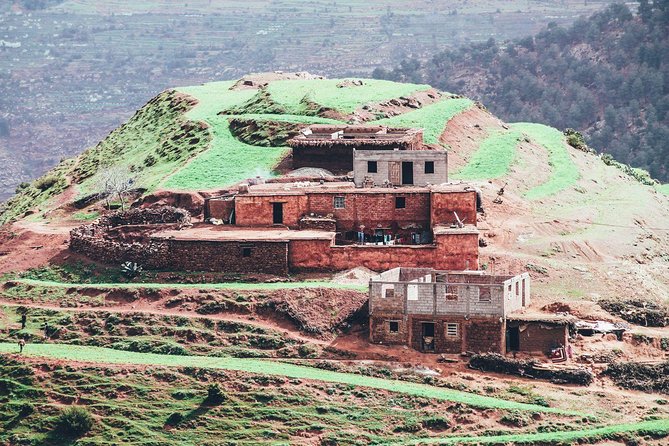
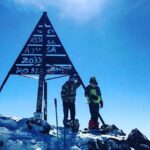
Day 3 has a classic Atlas structure: breakfast, a pass-side viewpoint, then descent and a softer finish. You leave Aït Aïssa and head for Tizi Oussem, with some standout viewpoints along the way—especially from Tizi Mzik pass at 7,874 ft / 2,400m.
That high point is the reason to do this as a multi-day trek instead of a single day hike. You’re not sprinting for a viewpoint. You’re moving through it, feeling the altitude in the air, then watching the terrain drop away as you descend toward Mzik village.
You’ll have lunch on this day, then return to Imlil for the ride back to Marrakech. The trek usually wraps with drop-off around 6pm, which is a nice touch: you still get a full day in the mountains, but you’re not stuck hiking until sunset.
Trail reality check: Day 3 walking time is shorter (around 4 hours), but the terrain can still be uneven. If your shoes are worn or your balance is shaky on loose rocks, Day 3 can surprise you.
Your private guide is the real value-add
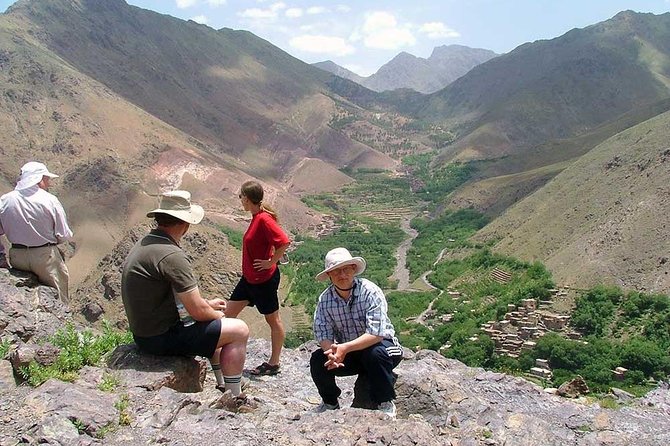
This tour is designed around an experienced local guide, and that’s where the “why this is worth it” part shows up. A great guide doesn’t just lead you to a pass. They explain what you’re looking at—Berber village layout, how people use the land, and what day-to-day life in these mountain communities means.
Based on the guides’ names people have been grateful for in this experience, you might meet guides such as Kamal, Idris, Hussein, Hicham Ait Lasri, Mohamed, and Houssain. Even if your guide isn’t one of these names, the key is the role: they manage route choices, pacing, and the cultural context so the trek feels less like a checklist.
You also get a more personal hiking pace than big group day tours. With a maximum group size of 9 travelers, the whole experience tends to feel calmer, and you can stop for photos without turning it into a slow-motion argument over timing.
Mules, gîtes, and food that keeps the hike moving
The mule team is more than a cute detail. It changes the trek from “carry everything or suffer” into a manageable hiking day. You’ll meet the mule team in Imlil, and the heavier items can ride while you carry a lighter daypack.
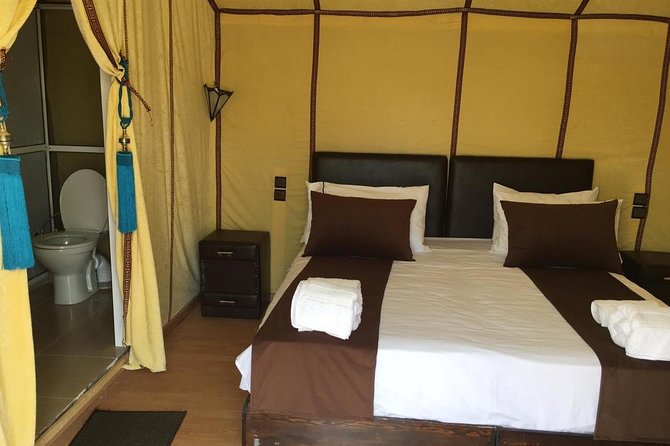
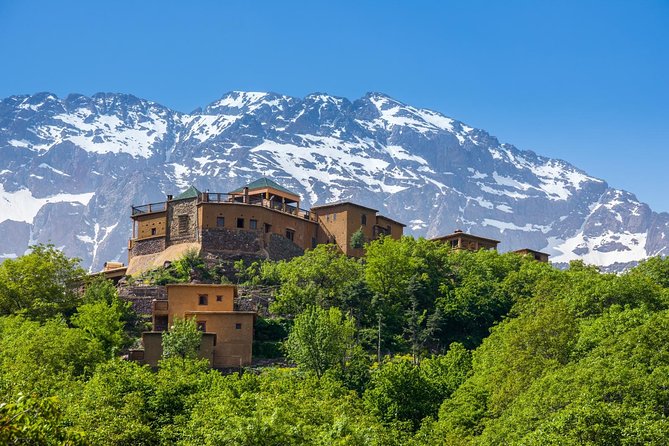
Then there’s lodging: you’re staying in gîtes in the villages. The standard is basic but often comfortable enough that you’ll feel human again after Day 2. People mention warm beds, blankets, and showers with warm-ish water—exactly what you want after cold mountain air.
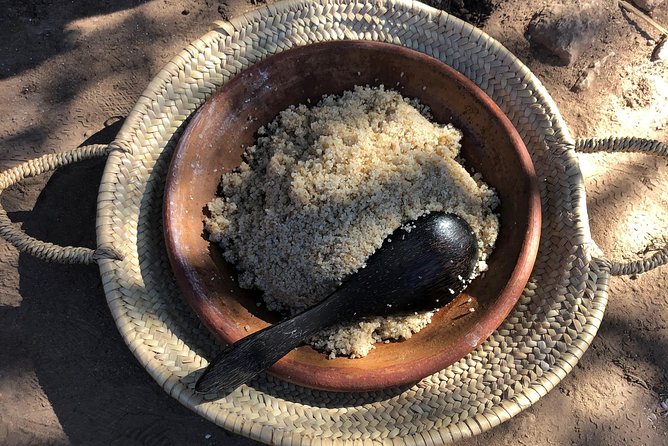
Food is one of the most consistent “you’ll be happy you ate this” parts of the trek. Meals are included, and hikers frequently describe them as plentiful and made with care. You may also run into chefs such as Omar, Ibrahim, Halit, Abdo, or Ab ul, and the food often includes Moroccan staples like couscous and tagines.
Even better: there’s a vegetarian option, and it’s handled at booking. That matters on multi-day treks, because you don’t want to guess at what’s available when you’re already tired.
What to pack for cold passes and rocky descents
This is real mountain hiking. The tour runs in all weather, so you should pack like the forecast can change. Comfortable walking boots matter most. If you’re wearing soft sneakers, you’ll feel it on steep sections and loose stone.
For gear, the tour recommends comfortable walking boots, sunscreen, sunhat, walking poles, and warmer clothes for evenings. If you don’t bring poles, you can hire them in Imlil. For cold conditions, a light rain layer can be helpful too, especially in shoulder seasons when temperatures drop fast.
Here’s a practical checklist you’ll actually use:
- Sturdy hiking shoes/boots with good grip
- A warm layer for night and early mornings
- Sun protection (sunscreen and sunhat)
- Optional poles for balance on rocky downhills
- Small carry bag for toilet roll (useful on village stops, if provided facilities are limited)
One more thing: expect steep climbs and descents. It’s not a stroll with views; it’s a walk with elevation and uneven footing.
Price and value: $157.02 buys more than “a hike”
At $157.02 per person for about 3 days, this tour looks cheap to some people because so much is bundled. You’re not just paying for a guide to point you at a trail. The price covers accommodation, meals, and all transfers, plus the mule setup that reduces what you carry.
Also, the timing of booking can help: on average, this is booked about 44 days in advance, which suggests people like locking in the trekking window early. If you’re traveling in a busy season, booking ahead can also help you line up pickup and get confirmation without last-minute stress.
The best way to judge value is to ask what you’d otherwise pay for: a private guide, multi-night gîte stays, transport out of Marrakech, and meals on trail. Add those separately and the math changes fast.
Who should book this (and who should pick a different trek)
This trek fits best if you:
- want real High Atlas hiking over multiple days
- like Berber villages and want to learn what you see
- are comfortable walking moderately for 4 to 7 hours a day
- value a guide who can explain more than just directions
It’s also a good fit if you like a small group feel. With a maximum of 9 travelers, you’re not stuck in a long line of hikers.
You might rethink it if you:
- need completely flat walking routes (this includes steep climbs/descents)
- are very sensitive to cold evenings (pack warmth)
- can’t handle uneven rocky trail surfaces without support
The good news: you can tailor the pace, and the mule team helps with carrying weight.
Should you book this High Atlas tour?
I’d book it if your goal is a 3-day Atlas experience that goes beyond a day trip. The biggest wins are the combination of mountains, village life, and included logistics—so you spend your energy on the trail, not on planning meals and transfers every day.
I’d be careful if you’re the type who needs perfect communication and friction-free pickup. Some people have reported pickup timing and contact hiccups, so send your confirmation messages clearly and don’t assume the meeting details will magically appear the morning of the trek.
If you’re ready to walk, pack smart, and take in the Atlas one pass at a time, this is the kind of Morocco outing that leaves you feeling like you actually left Marrakech and went somewhere different.
FAQ
Where does the trek start?
You start in Marrakech, with pickup from your Marrakech hotel at around 8:30am. The hike then begins after you travel to Imlil.
How long is the hike?
The tour runs for about 3 days.
What’s included in the price?
Accommodation, meals, and all transfers are included, along with an experienced local guide and a private tour setup. Mule support is also part of how the trek operates.
How many people are in the group?
The maximum group size is 9 travelers.
How hard is the walking?
You’ll need a moderate physical fitness level. Walking times are roughly 6–7 hours on Day 2 and about 4 hours on Day 3, with steep climbs and descents possible.
Do I need trekking poles?
Trekking poles are recommended, and you can hire them in Imlil for an additional cost. If you don’t bring them, you can still get them locally.
Are vegetarian meals available?
Yes. Vegetarian options are available if you advise the provider at booking.
Where do I sleep during the tour?
You stay overnight at a gîte in Aït Aïssa on Day 2. The trip is built around mountain accommodation in villages.
Is the tour affected by weather?
The tour operates in all weather conditions, so you should dress appropriately for hiking and for colder evenings.
What’s the cancellation window?
You can cancel up to 24 hours in advance for a full refund. Canceling less than 24 hours before the start time isn’t refunded.