REVIEW · MARRAKECH
3 Day Tour From Marrakech to the Desert
Book on Viator →Operated by vistas_marrakech · Bookable on Viator
The desert starts moving before you even reach Merzouga. This 3-day ride strings together the Atlas Mountains, UNESCO Ait Ben Haddou, Todra Gorges, and the classic camel sunset into a Berber camp night under real stars. If you like seeing Morocco change by the hour, this route is a solid way to do it.
I particularly like the mix of short, well-timed stops and big visual moments, from Col Tichka to the dunes. I also like that you sleep in two different styles: first in a riad in the Dades area, then in desert tents with dinner and live entertainment. One possible drawback: it is a lot of time on the road, and in hot months you’ll feel it, even though the bus is air-conditioned.
In This Review
- Key Highlights You’ll Actually Care About
- Starting at Café de France and Setting Off for Big Views
- Over the Col Tichka: Atlas Mountain Driving With Real Payoff
- UNESCO Ait Ben Haddou and Ouarzazate: Kasbahs and the Film-Set Mood
- Dades Valley and Your First Night in a Riad
- Todra Gorges: Walking Among Tall Rock Walls
- Switching From Bus to Camels in Merzouga
- Sunset, Dinner Show, and Sleeping in Berber Tents
- Merzouga Sunrise, Palm Groves on the Return, and the Drive Back
- Price and Value: What You’re Paying For
- Guide Quality: Why Names Like Bouttar and Moha Matter
- Who This 3-Day Marrakech to Merzouga Tour Fits Best
- Should You Book This Tour?
- FAQ
- What time does the tour start in Marrakech?
- Where does the tour end?
- Is camel riding included, and can it be replaced?
- What are the accommodation arrangements for the two nights?
- Are meals included?
- Is there air conditioning during the trip?
- What major stops do you visit on the way?
- How big is the group?
- Can I cancel for a full refund?
- Are service animals allowed, and can most people participate?
Key Highlights You’ll Actually Care About
- Col Tichka crossing gives you high-altitude Atlas views without needing hiking gear.
- UNESCO Ait Ben Haddou is the big cultural anchor before the scenery turns wild.
- Todra Gorges walk breaks up the long drives with a satisfying stretch of legs.
- Camel ride to the haima camp is the signature moment, with a 4×4 option if you swap out camels.
- Merzouga sunset + stargazing happens the same night you arrive, not after hours of waiting.
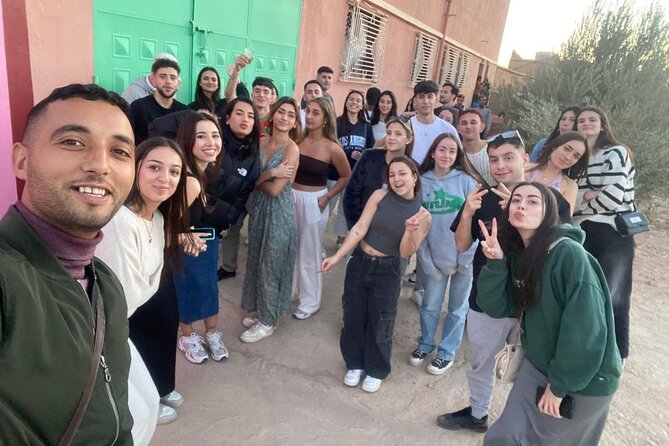
- Guides like Bouttar Mohammed and Moha are repeatedly praised for clear explanations and a fun, attentive vibe.
Starting at Café de France and Setting Off for Big Views
Your tour begins in Marrakech at 8:00am at Hôtel Restaurant Café de France in the main area by Jemaa el-Fnaa. The day starts with a bit of group wrangling, but that’s usually how these multi-stop routes work. Once you’re moving, you’ll understand why they start early: the drive eats daylight fast, and the goal is to reach each major stop with enough time to enjoy it.
What I like here is that the schedule doesn’t try to turn Morocco into a rushed checklist. You’ll get a real sequence of changing scenery, and the short pauses are long enough to take photos, look around, and ask questions. If you’re traveling solo or don’t want to negotiate taxis across multiple regions, this kind of organized flow is a big deal.
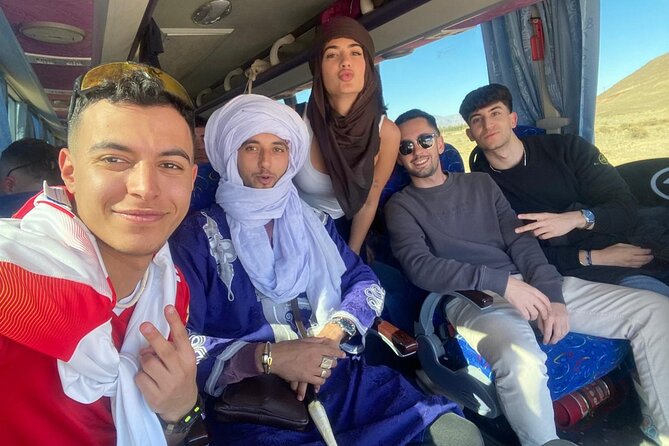
Also, you’re not stuck in a dusty, uncomfortable ride. The tour uses an air-conditioned bus, and that matters if you travel in summer heat. In the desert part of the trip, it can feel very different day versus night, but the transport side is designed to keep you functional.
A few more Marrakech tours and experiences worth a look
Over the Col Tichka: Atlas Mountain Driving With Real Payoff
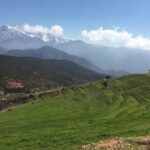
Day 1 pushes out of Marrakech into the Atlas Mountains via Tizi n Tichka (the Col Tichka), described as the highest pass in the Atlas range. This is one of those drives where you don’t need to be a mountain person to enjoy it. You’ll climb, you’ll see the terrain change, and the air feels different at altitude.
There’s a short stop connected to the pass itself, which is smart. In a long day, you want quick windows to look, photograph, and stretch—rather than asking you to sit through scenery with no breaks. Expect dramatic views and that classic Atlas road feeling, with the sense that you’re leaving the city life behind for good.
The route then keeps moving toward the next major cultural stop. Even though the pass is the headline, it also sets the tone for the rest of the journey: you’re seeing Morocco from higher ground first, then you’ll drop into valleys and kasbah country.
If you tend to get car-sick, this is still manageable because you’re traveling by bus, not smaller, twistier vehicles the whole way. But it is long sitting time, so take breaks when offered and keep water in mind since drinks aren’t included.
UNESCO Ait Ben Haddou and Ouarzazate: Kasbahs and the Film-Set Mood
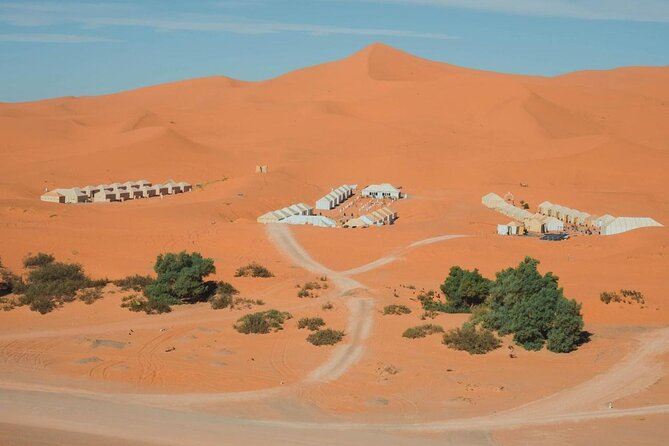
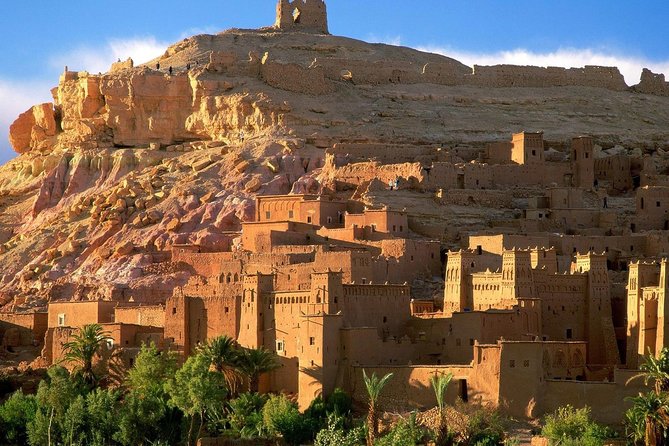
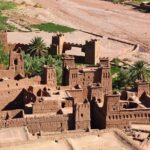
After the Atlas crossing, you’ll arrive at Ait Ben Haddou, a UNESCO World Heritage kasbah. This is the kind of place where architecture does the talking. The kasbah layout gives you layers—outer walls, courtyards, and those sand-colored buildings that look like they belong to the desert even when you’re still in the mountains.
From there, you continue toward Ouarzazate, often nicknamed the Hollywood of Morocco. Even if you’re not a movie buff, you’ll feel the region’s relationship to film production in the way the area looks and how often it’s used as a backdrop. More importantly for you, Ouarzazate is a hub, so it makes logistical sense as a transition point between world-famous sights.
There’s also time along the drive for extra region stops, including Vallee des Roses. Here you get a glimpse of how rose products are made, and you’ll see the work tied to rose flowers used in creams, perfumes, and related goods. It’s not a long museum experience; it’s more like a brief window into how daily life links to craft and scent.
If you care about culture, the combination works well: UNESCO kasbah first, film-country vibes second, then rose craft as a local, practical touch.
Dades Valley and Your First Night in a Riad
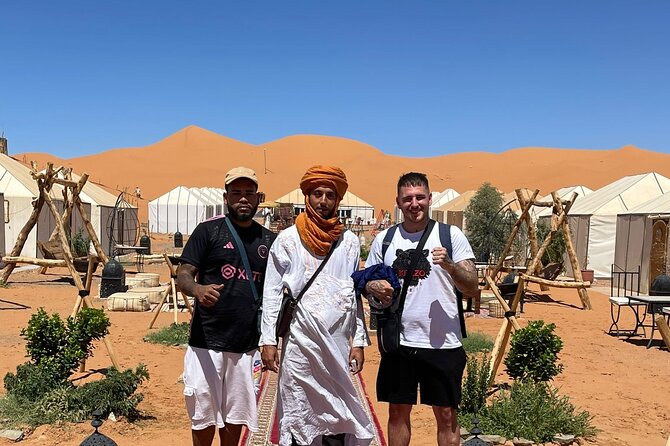
By late Day 1 you reach Boumalne Dades, and the trip includes an overnight riad in the Dades Valley area. This is a great rhythm choice because after a day of driving and sightseeing, you want somewhere comfortable and quiet to reset.
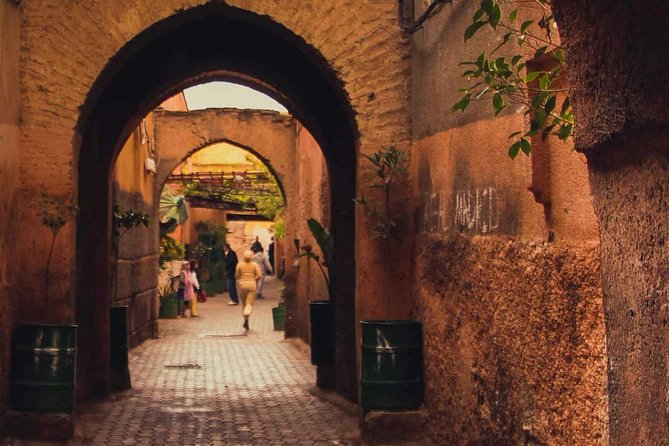
Riad nights in Morocco tend to feel different from city hotels. Even if you don’t spend hours in your room, you’ll appreciate the calmer pace. It’s also the first moment you’re not chasing the next viewpoint—so you can eat, wash up, and prepare for the longer day ahead.
Day 2 is where the desert magic begins, but the Dades night is what makes it feel like a journey instead of a single day trip. I like that the tour doesn’t collapse everything into one long day. You get a genuine stop-and-breathe moment.
Also, this matters for comfort. Camels and tents come later, and the body does better when you start Day 2 feeling rested instead of exhausted.
Todra Gorges: Walking Among Tall Rock Walls
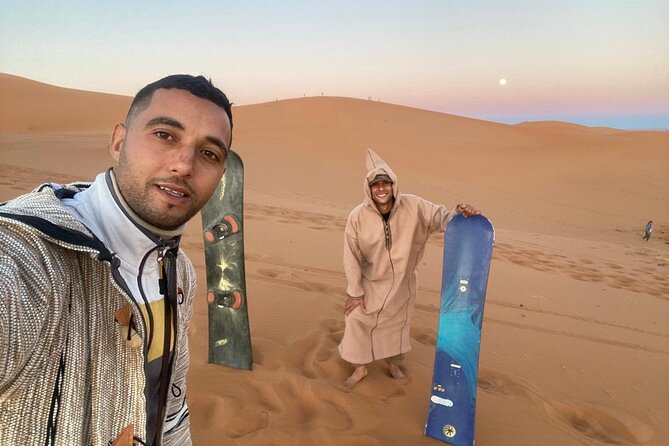
Day 2 starts with Todra Gorges, one of Morocco’s most impressive natural stop points. You’ll have time to walk and explore the gorges, including the big visual feature: rock walls that rise more than 200 meters.
This isn’t just a photo stop. You actually get time to move around. That matters on tours like this, because half the day is driving and the other half is scenery. A walk in the gorges breaks up the road time and gives you a different kind of satisfaction—scale you can feel when you’re down there, not just look at from a distance.
Then you continue toward Merzouga, where the desert part of the trip starts to take over. The day is designed like a transition: from cool stone and shadow to sand and open sky.
If you’re traveling with limited mobility, the gorges stop may still be doable because the tour includes time for walking, but the tour data doesn’t spell out difficulty level. Choose your comfort pace and stick with your guide’s guidance if surfaces look uneven.
Switching From Bus to Camels in Merzouga
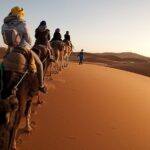
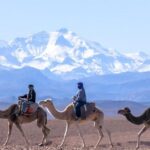
Once you arrive near Merzouga, you switch transportation: you go from the vehicle to camels for the ride into the dunes. The tour notes that camel riding can be replaced by a 4×4, which is a big plus if you have concerns about comfort or physical constraints.
The camel journey takes you to the haima camp located in the dunes. You’ll reach the camp area where the focus shifts from daytime travel to evening ritual. It’s not just the ride itself; it’s how the ride changes your pace. On a camel, you feel the desert up close. The distance doesn’t shrink, but your perception of time does.
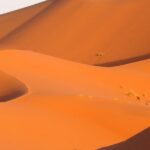
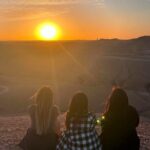
You’ll also get the key timing here: you contemplate the sunset from the top of the dunes, and that’s one of the reasons this tour is popular. Then you experience the starry skies at night.
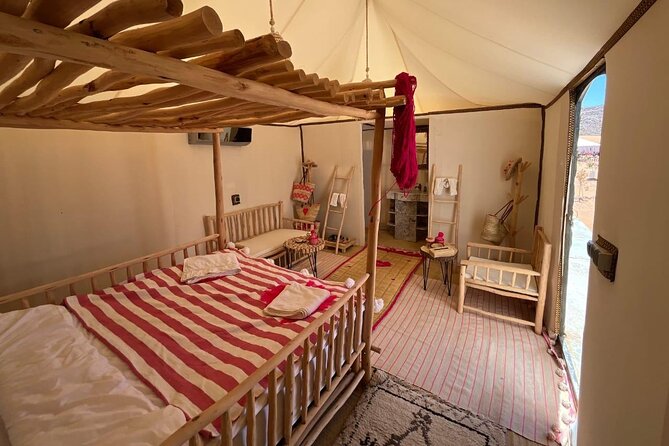
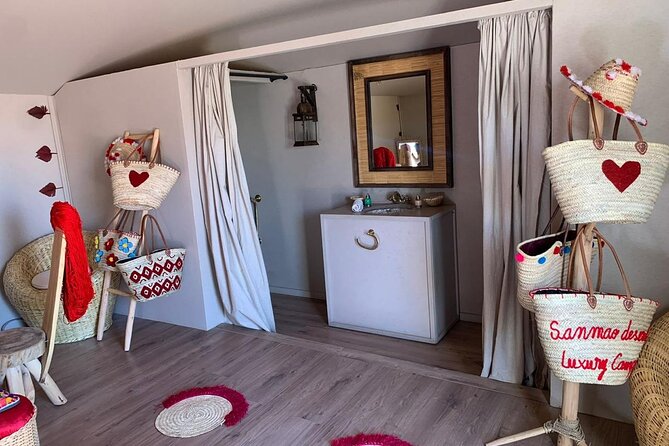
And yes, you’re not sent off to the desert with only tea and silence. The experience includes dinner in the camp and live entertainment, plus the overall vibe of a Berber tent stay.
Sunset, Dinner Show, and Sleeping in Berber Tents
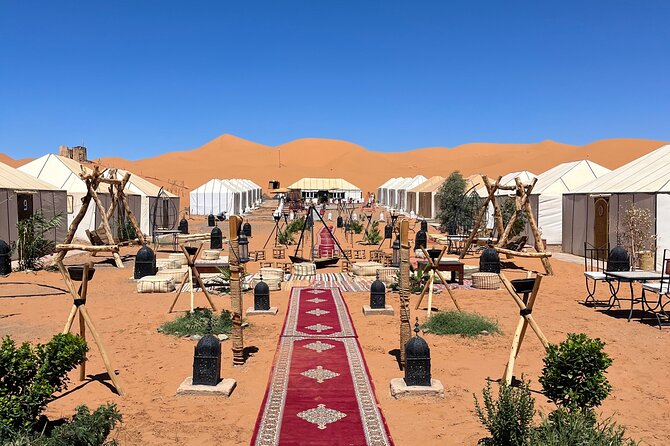
Night in the desert is where the tour becomes memorable in the usual way: dinner, entertainment, and sky views you don’t get back in Marrakech. The tour description calls out live entertainment and a traditional dinner, and that aligns with what many guides are praised for—keeping the evening fun without turning it into a chaotic circus.
After your camel ride arrives, the camp experience is designed to match the mood of Merzouga: you’re meant to slow down. You’ll enjoy sunset timing, then settle into the camp for dinner. Star visibility tends to be a major highlight because the skies over the dunes make a real difference versus a city night.
Two practical notes I’d flag for you:
- Drinks aren’t included, so plan to buy what you need on-site if you want them.
- Tips aren’t included either, so if you want to show appreciation for camp staff and your guide, budget a little extra.
Also, this is one of the few parts of the trip where the tour is clearly asking you to experience Morocco in a different rhythm. If you like structured days, you’ll still get that. If you like space to wander, you’ll likely appreciate the time around the camp after dark.
Merzouga Sunrise, Palm Groves on the Return, and the Drive Back
Day 3 begins early enough for a sunrise from the dunes. This is another one of those timing choices that makes the desert feel like more than a dinner show. Morning light in the sand hits differently, and you’ll likely understand why the early wake-up is worth it once you’re out there.
After the sunrise, you’ll have breakfast, and then the return journey begins. You travel back through places that are often less talked about than the dunes but still make the route feel like a real corridor across southern Morocco.
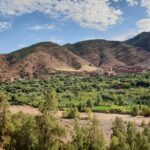
On the way back, you’ll pass through Rissani and its traditional medina. Then you continue through Alnif, Tazarine, and the Draa Valley, where you’ll see impressive palm groves. This section is great if you like “in-between” scenery, because it shows agriculture and settlement patterns instead of only sand and rock.
You also pass by Agdz and reach the port of AitSaoun at about 1,660 meters altitude. This helps break the long drive visually, giving you another big sense of altitude change.
Finally, the tour ends back in Marrakech at the meeting point area after a long but worthwhile day on the road.
Price and Value: What You’re Paying For
The price is listed at $209.37 per person for an approximately 3-day experience. What makes this price feel reasonable is what’s actually built in.
You get:
- round-trip type transportation by air-conditioned bus
- accommodation for two nights (one in a riad, one in desert tents)
- breakfast (2) and dinner (2)
- the major route experiences: Atlas pass crossing, UNESCO Ait Ben Haddou, Todra Gorges, and the camel desert component
What’s not included:
- drinks
- tips
So you’re paying mainly for logistics plus the big headline experiences. If you were to cobble this together yourself with a driver, separate hotel stops, and a desert camp booking, you’d likely spend more time and usually more money. This tour bundles the moving parts into one plan, and that value is real.
Also, the included meals matter on trips like this. It’s one less decision at the end of a long day, and it reduces the risk of ending up hungry while you’re trying to coordinate transport.
One last thing: the tour notes a maximum of 185 travelers. That doesn’t mean you’ll feel crowded the whole time, but it does help you understand why the experience needs a schedule with planned stops. Bring a flexible mindset and go with the flow.
Guide Quality: Why Names Like Bouttar and Moha Matter
The standout theme in how people talk about this trip is the guide. Names like Bouttar Mohammed and Moha come up for a reason: clear explanations, lots of details, and a friendly, funny tone that keeps the day from feeling rigid.
That guide style is more than personality. When you’re traveling through multiple regions fast, you want someone who can translate what you’re seeing into something you can actually remember. A good guide helps you notice the difference between a quick kasbah photo and why that place matters. They also help you handle doubts quickly, which makes the whole trip feel less stressful.
In hot weather, that guidance matters too. Your guide can help you manage timing, keep the group together, and make sure you still enjoy the day even when it’s warm.
If you don’t speak Spanish, it’s still described as a situation where communication works well. That’s the type of practical detail you’ll care about on a road trip where instructions need to be clear.
Who This 3-Day Marrakech to Merzouga Tour Fits Best
I’d point you toward this tour if you want:
- a one-booking way to go from Marrakech into the desert zone
- a mix of culture stops and big nature moments
- a desert experience that includes camel riding, dinner, entertainment, and overnight tents
- comfort features like an air-conditioned bus
It’s also a strong pick for first-timers who don’t want to handle planning across Atlas pass roads, kasbah sites, gorges, and desert camps on their own.
If you hate long car days or you only want one major stop and nothing else, this might feel like too much. This route is built for variety, and that means time spent in transit.
Should You Book This Tour?
Book it if you want the classic Morocco desert story with real variety in only three days: Atlas views, UNESCO Ait Ben Haddou, Todra Gorges, camel sunset, and a Berber camp night. The price looks like good value because it includes both nights, key meals, and the main transport plus the biggest experiences.
Skip it if you’re sensitive to long road time, and you’re the type who prefers to stay put rather than see Morocco in motion. If you’re traveling in hotter months, pack patience for the driving day, and lean on the bus air-conditioning when you can.
If you do book, I’d suggest you go in with one goal: enjoy the changing scenery. The whole point of this trip is watching Morocco shift from city bustle to mountain pass to stone gorge to dune sky.
FAQ
What time does the tour start in Marrakech?
The tour starts at 8:00am from Hôtel Restaurant Café de France, near Rue des Banques, Marrakech 40000, Morocco.
Where does the tour end?
The activity ends back at the meeting point in Marrakech.
Is camel riding included, and can it be replaced?
Yes, you’ll take a camel ride through the dunes as part of reaching the haima camp. The tour notes the camel ride can be replaced by a 4×4.
What are the accommodation arrangements for the two nights?
You’ll stay the first night in a riad (in the Dades Valley area) and the second night in Berber tents at the desert camp in the dunes.
Are meals included?
Breakfast is included for 2 days, and dinner is included for 2 days. Drinks are not included.
Is there air conditioning during the trip?
Yes, the bus vehicle provided has air conditioning.
What major stops do you visit on the way?
You’ll visit Jemaa el-Fnaa area to start, the Col Tichka area, Ait Ben Haddou kasbah (UNESCO), Ouarzazate region, the Vallee des Roses area, Dades/Boumalne Dades, Todra Gorges, and Merzouga desert, with a return drive via Rissani, the Draa Valley palm groves, and other areas back to Marrakech.
How big is the group?
The tour has a maximum capacity of 185 travelers.
Can I cancel for a full refund?
You can cancel up to 3 days in advance for a full refund, but cancellations made less than 3 full days before the start time are not refunded.
Are service animals allowed, and can most people participate?
Service animals are allowed, and the tour indicates that most travelers can participate.