REVIEW · MARRAKECH
3 Day Sahara Desert Tour From Marrakech
Book on Viator →Operated by Merzouga Dunes · Bookable on Viator
The drive to the Sahara starts fast and keeps going. I love how this route mixes mountain kasbah classics with a real desert night, and I also like that you get the camel safari plus breakfast and dinner without hunting for add-ons. One thing to consider: this is a lot of time on the road, so the long stretches matter if you prefer a slower pace.
On the ground, the tour’s feel comes down to two things: the human touch and the big sky. With a friendly driver like Rachid (real name given in the feedback), the trip becomes more than driving—he explains what you’re seeing. The trade-off is simple: if you’re not good with early mornings and changing vehicles (4×4/minibus to camels), you’ll want to plan your expectations.
In This Review
- Key highlights to zero in on
- Marrakech to the High Passes: your day 1 pace and priorities
- Practical note on comfort
- Aït Benhaddou and Ouarzazate: kasbah stops that feel like Morocco on film
- A quick drawback to plan for
- Dadès Gorges and Todgha Gorges: why these stops break up the road time
- Merzouga and Erg Chebbi: the camel ride and the Bedouin camp night
- What to expect from the night
- Day 3: sunrise in the dunes, shower time, and the long scenic return
- The reality check for day 3
- Price and value: what $501.32 covers, and where extra costs show up
- Who this Sahara trip is best for (and who should reconsider)
- Vegetarian option
- Practical tips for a smoother ride through the Atlas and into Erg Chebbi
- One more logistics detail worth noting
- Should you book this 3 Day Sahara Desert Tour from Marrakech?
- FAQ
- What time does the tour start, and where do I meet?
- How long is the tour?
- What’s included in the price?
- What meals are included and what is not?
- Do I get accommodation in both the hotel and the desert?
- Is vegetarian food available?
- Can I cancel for free?
Key highlights to zero in on
- Tizi n’Tichka Pass at 2,260 m on day 1 for huge views and a real sense of elevation
- Aït Benhaddou and Ouarzazate kasbahs as major stops, not quick photo breaks
- Todgha Gorges stop at a comfortable point in the day before heading toward Merzouga
- Camel safari into Erg Chebbi dunes plus an overnight Bedouin camp experience
- Sahara sunrise on day 3, followed by shower time and breakfast before the return
- Dinner and breakfast included (drinks and lunch are extra)
Marrakech to the High Passes: your day 1 pace and priorities
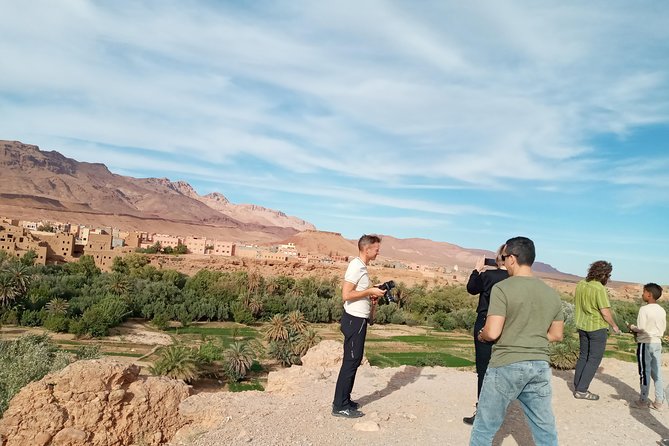
Day 1 is built for momentum. You meet at Café de France in Marrakech (J2G7+G2G) at 7:00 am, then you’re typically on the road by the stated departure time. This is one of those itineraries where you’ll feel like you’re traveling the whole day, which is great if you like seeing Morocco in motion and less great if you want downtime.
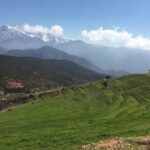
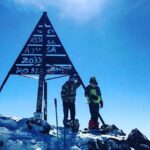
The first big moment is the climb through the Atlas Mountains, including the Tizi n’Tichka mountain pass at 2,260 meters. Even when you’re just staring out the window, you get that “this is bigger than I expected” feeling—curving roads, switchbacks, and valleys that keep changing.
Then the route drops into history. You’re not just passing sights; you’re stopping at places that explain why this region matters, including fortifications and old trade routes along what’s often called the Road of a Thousand Kasbahs.
A few more Marrakech tours and experiences worth a look
Practical note on comfort
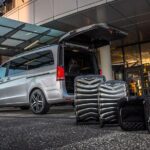
Expect long drives and frequent vehicle changes. You’ll be in a Toyota Landcruiser 4×4 or minibus depending on the part of the route and logistics, so pack for comfort: layers help because temperatures swing with altitude.
Aït Benhaddou and Ouarzazate: kasbah stops that feel like Morocco on film
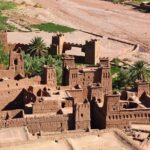
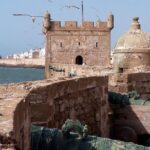
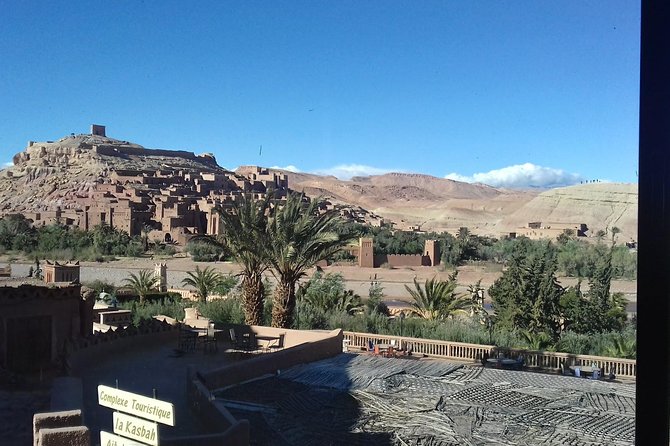
If your idea of Morocco includes kasbahs that look like they’re from a movie set, this day delivers. At Aït Benhaddou, you arrive at the fortified ksar that’s known as one of Morocco’s most impressive traditional city structures. It’s a stop you can appreciate even if you’re not chasing filming locations, because the walls, towers, and layout make sense once you walk through with time.
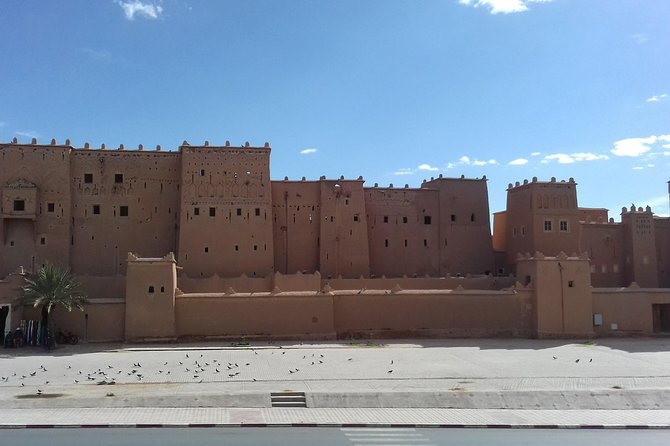
From there you continue toward Ouarzazate for another major kasbah, the Taourirt Kasbah. This helps you understand the region as something more than one famous landmark. You start seeing how these fortified places worked and why they were built to last.
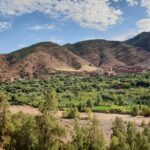
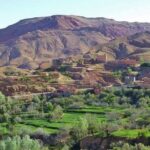
The route between these stops includes Skoura and the Valley of the Roses area. Even if you’re traveling outside the peak rose season, the point is that you’re moving through a cultural corridor—palm groves, farms, and settlements that show Morocco’s variety beyond the desert.
A quick drawback to plan for
Kasbahs are great, but this is still a day with lots of stops and lots of driving. If you hate “stop, see, move on” schedules, you may feel it most on day 1.
Dadès Gorges and Todgha Gorges: why these stops break up the road time
Day 1 ends in the Dadès Gorges area, which is a strong choice for an overnight. You’re shifting from high passes and kasbahs to the dramatic canyon feel of the valleys, and that evening sets you up for day 2.
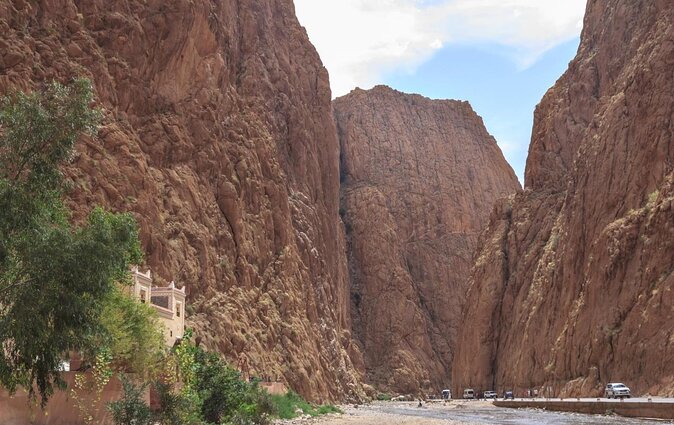
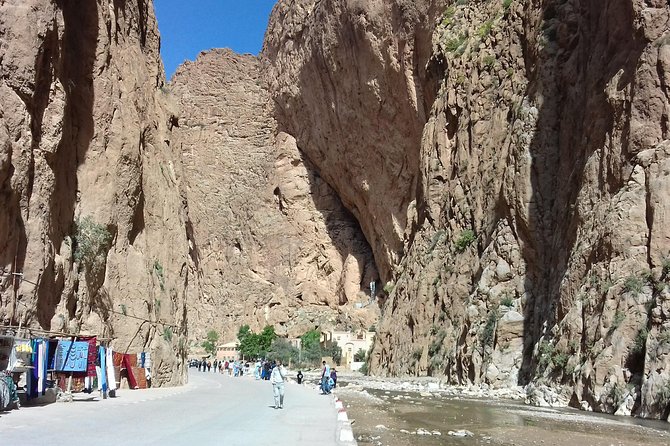
Day 2 starts with breakfast, then you head through the Dadès Valley area. The tour includes a stop at the Todgha Gorges, where you’ll stay until lunchtime. This matters because Todgha isn’t just a quick photo moment—you get real time to walk around and take in the scale of the cliffs.
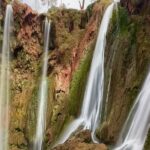
This is also a great mid-tour reset. After the kasbah heavy focus of day 1, Todgha gives you a different kind of wow: sharp rock walls, long shadows, and the sense of a corridor carved out over time.
Then you shift toward the desert route. You pass through the Jorf palm grove, known for date production, and you go through Erfoud, where there’s an option to see a marble workshop. Even if you skip the workshop time, just passing through Erfoud helps connect the dots between mountain Morocco and the Sahara fringe.
Merzouga and Erg Chebbi: the camel ride and the Bedouin camp night
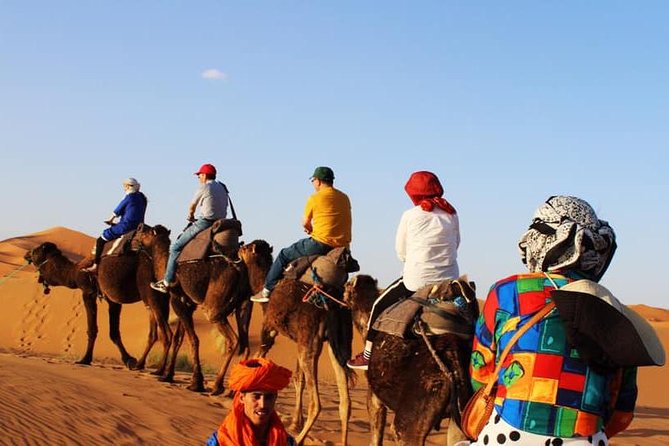
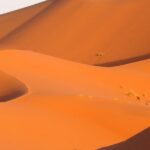
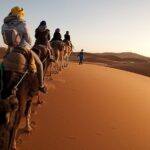
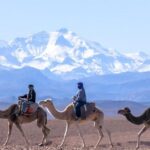
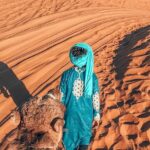
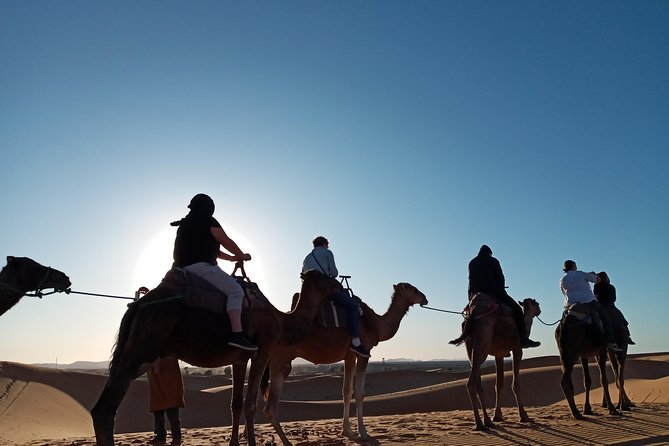
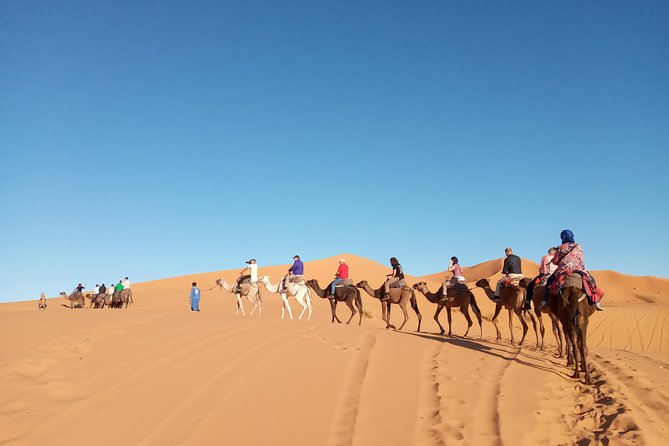
This is the main event. After you reach Merzouga, you swap vehicles for camels and head into the dunes toward the Bedouin camp. The tour includes the camel safari and also covers entry/admission connected with Erg Chebbi and the Erg Chebbi Dunes.
The best part is the pacing of the experience. Camel rides work because they slow you down. You’re not sitting in traffic; you’re moving across sand with the desert slowly taking over your senses. In the provided feedback, the camel ride into the dunes to reach the tents stands out as a top highlight—and I can see why. It’s the moment you stop thinking about the journey and start thinking about the place.
At the camp, you get that desert rhythm people come for: quiet, open air, and sky that feels wider once the sun drops. Dinner is included, and it’s served as part of the overnight experience rather than being an afterthought.
What to expect from the night
You’ll spend the night in a Berber tent as part of the included two nights’ accommodation. The tour description also frames the meal as authentic, and the tone of the feedback matches that: people point to the dinner and the overall camp atmosphere as a major reason they’d recommend the trip.
One consideration: tents and desert nights can mean cooler temperatures than you expect, even in warm seasons. Bring something light but warm enough for evenings, especially if you’re sensitive to cold.
Day 3: sunrise in the dunes, shower time, and the long scenic return
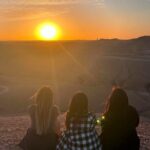
Day 3 begins with one of the simplest but most effective moments on the whole route: sunrise in the desert. If you’re the kind of person who wants one “big memory” from Morocco, this is the one. After that quiet start, the tour moves back to the practical side—your camels bring you back to where you can shower and eat breakfast.
From there, you return through a sequence of palm groves, villages, and valleys. You pass the Tafilalet palm grove and Rissani (linked to Morocco’s Alaouite dynasty). Then you go to Alnif and cross the Anti Atlas mountain range via the route that includes the Tizi n-Tinifift pass at 1,660 meters.
You’ll also pass through Tazarine (a Berber village), N’kob, and reach the Draa Valley and its palm grove area. Finally, you continue to Ouarzazate for a stop to eat before finishing the trip back to Marrakech.
The reality check for day 3
The return day is often the longest feeling. The feedback calls out that day 3 can be basically spent in the car, and that matches the itinerary logic: lots of distance, fewer extended stops. The good news is you’re going through varied terrain, so it doesn’t feel like one straight highway drive. Still, if you’re trying to catch up on sleep and you love stretching your legs often, plan to accept some sitting time.
The tour ends with drop-off between 8:00 and 9:00 pm back at your Marrakech meeting point area.
Price and value: what $501.32 covers, and where extra costs show up
At $501.32 per person, this tour isn’t cheap in the way a DIY bus ticket is cheap. But it is priced like an all-in logistics package, and the included items are meaningful.
Here’s what you’re actually getting for the money:
- Round-trip transfers from your Marrakech riad or hotel area (selected hotels only for pickup/drop-off as stated)
- Transport in a Toyota Landcruiser 4×4 or minibus
- Two nights of accommodation (including 1 Berber tent night)
- Camel safari included
- Meals included: two breakfasts and two dinners
- Entry/admission connected to Erg Chebbi / Merzouga desert areas
Then the “extras” are also clear:
- Lunch is not included
- Drinks are not included
That mix is important. You’ll likely be comfortable for breakfast and dinner, but you’ll still want cash or card for lunch and drinks. If you’re traveling with a plan to spend a little extra on meals, this keeps it simple. If you’re trying to hit a strict budget, just remember lunch isn’t covered.
Also, timing matters. This is typically booked in advance (the average booking window given is 44 days), so if you want a specific date and room setup, booking early helps.
Who this Sahara trip is best for (and who should reconsider)
I think this works best if you like a structured route and you want big scenery without the stress of planning. You’ll see Atlas Mountains, kasbahs, gorges, and then the Sahara edge before returning to Marrakech.
It’s also a good match if you value a guided experience with a driver who explains what you’re seeing. The feedback specifically notes a driver (Rachid) as friendly and helpful, which is exactly what you want when you’re moving through unfamiliar places all day.
This tour may be less ideal if:
- you hate long driving days (especially day 3)
- you’re not comfortable with early starts and changing transport modes
- you get uncomfortable with moderate physical activity (the tour asks for moderate physical fitness)
Vegetarian option
There’s a vegetarian option available if you advise during booking. If that matters for you, include it early so it’s handled correctly.
Practical tips for a smoother ride through the Atlas and into Erg Chebbi
A few small things make the difference on a multi-day Sahara itinerary like this.
Plan for temperature swings. You’ll be in mountains (including a 2,260 m pass), then in the desert, then back again. Even if the daytime is warm, desert evenings can cool off quickly.
Pack for seat time. You’ll spend real hours in a vehicle. Bring a neck pillow or at least something that helps your posture, plus water snacks if you prefer them (since lunch isn’t included).
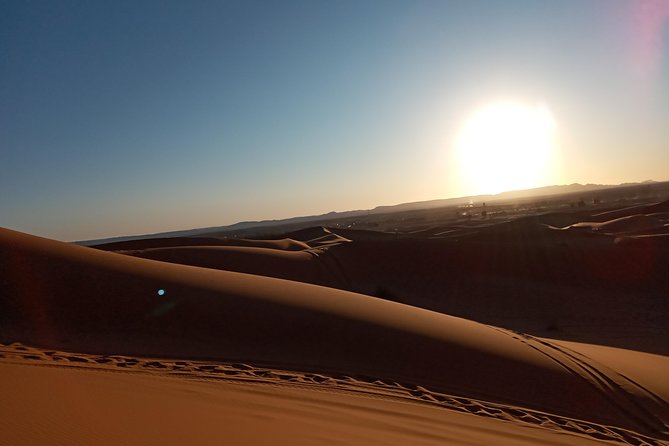
Bring for sun and sand. Erg Chebbi dunes can mean wind-blown sand and strong light. Sunglasses, sunscreen, and a scarf or hat can help with comfort during dune time.
Know what you need to pay for. Since drinks and lunch are not included, decide how you want to handle that before the trip starts. You’ll also want to be ready with a small budget for small stops that may come up along the way.
One more logistics detail worth noting
The tour uses mobile ticket and you’ll receive confirmation at booking. For travelers, you’ll also need your passport details (name, number, expiry, country) at the time of booking, since it’s required for all participants.
Should you book this 3 Day Sahara Desert Tour from Marrakech?
Book it if you want one trip that genuinely covers Morocco’s range: mountain passes, famous kasbahs, gorge scenery, and then a real desert night at Erg Chebbi with camel time and sunrise. It’s also good value if you’d otherwise have to arrange transfers, entry fees, lodging, and camel logistics yourself.
Hold off or choose another option if you strongly prefer a slow pace or you don’t do well with long days in the car. Day 3 is the one to watch for, and the itinerary makes that a fair expectation.
If you’re flexible, enjoy being on the move, and want the Sahara night to feel like the main chapter rather than a quick stop, this tour fits the goal.
FAQ
What time does the tour start, and where do I meet?
The tour starts at 7:00 am at Hôtel Restaurant Café de France, J2G7+G2G, Rue des Banques, Marrakech, Morocco.
How long is the tour?
It’s listed as 3 days (approx.).
What’s included in the price?
Round-trip transfers from selected Marrakech hotels/riads, transport in a Toyota Landcruiser 4×4 or minibus, 2 nights’ accommodation, a camel safari, Erg Chebbi/Merzouga desert-related entry/admission, and 2 breakfasts and 2 dinners.
What meals are included and what is not?
Breakfast is included for two days, and dinner is included for two nights. Lunch and drinks are not included.
Do I get accommodation in both the hotel and the desert?
Yes. The tour includes two nights of accommodation: hotel lodging plus a night in a Berber tent.
Is vegetarian food available?
Yes. A vegetarian option is available if you advise at the time of booking.
Can I cancel for free?
Yes. Free cancellation is available up to 24 hours before the experience start time for a full refund.