REVIEW · CHEFCHAOUEN
Explore chefchaouen like a local
Book on Viator →Operated by Explore chefchaouen like a local · Bookable on Viator
Blue City magic gets easier with a local guide. This private Chefchaouen walk pairs hotel pickup with route-smarts, so you’re not zigzagging through the medina like a lost tourist. It’s built for great photo stops and local context without turning your day into a museum marathon.
I also like how the itinerary mixes icons with real daily life. You’ll stand at Ras El Ma, where water gushes from the mountain and local women do their washing, and then you’ll catch sunset views from Bouzafer Mosque.
One thing to consider: this is a walking route through a hill-and-stairs city. Plus, the experience needs good weather, so if conditions are poor, you’ll have to shift plans.
In This Review
- Key highlights you’ll feel right away
- Why Chefchaouen works best with a guide (not a guess-and-check map)
- Hotel pickup, private pacing, and what to expect from the walk
- Stop-by-stop: the route from Plaza Uta El Hammam to Ras El Ma
- Place Uta El Hammam: your medina orientation in 10 minutes
- Kasbah Museum: the history option that’s worth considering
- Chefchaouen Medina: the blue alley photo walk (about 2 hours)
- Bouzafer Mosque: sunset views with admission included
- Ras El Ma: the waterfall and daily washing at the water source
- Grande mosque: finishing your loop with a major religious landmark
- Photos, off-the-path lanes, and how the guide shapes your results
- Culture you can actually use: history, mosques, and everyday water life
- Price and value: is $26.75 worth your time?
- Who should book this tour—and who might not love it
- Should you book Explore Chefchaouen like a local?
- FAQ
- Is this tour private or shared?
- Do I get hotel pickup in Chefchaouen?
- How long does the walking tour take?
- Which stops include tickets, and which are extra?
- Does the tour run in any weather?
- When should I book to get a good start time?
Key highlights you’ll feel right away
- Hotel pickup plus a private guide means no map work and only your group on the walk
- Instagram-level viewpoints planned into the route (not just random wandering)
- Bouzafer Mosque sunset views with the admission included
- Ras El Ma water-source moment where everyday washing still happens
- Kasbah Museum is optional since admission isn’t included
- Early start discounts with several departure times to choose from
Why Chefchaouen works best with a guide (not a guess-and-check map)
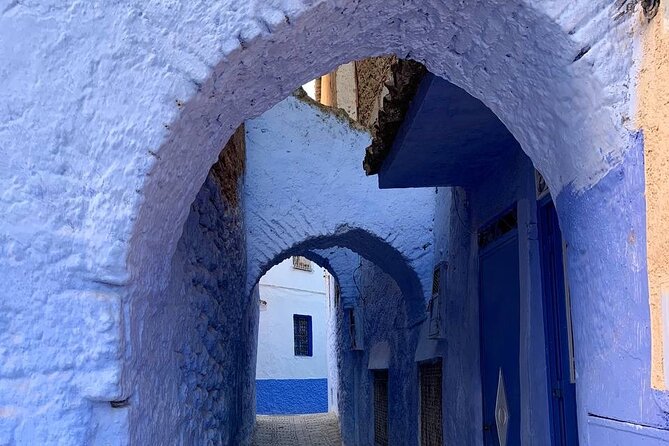
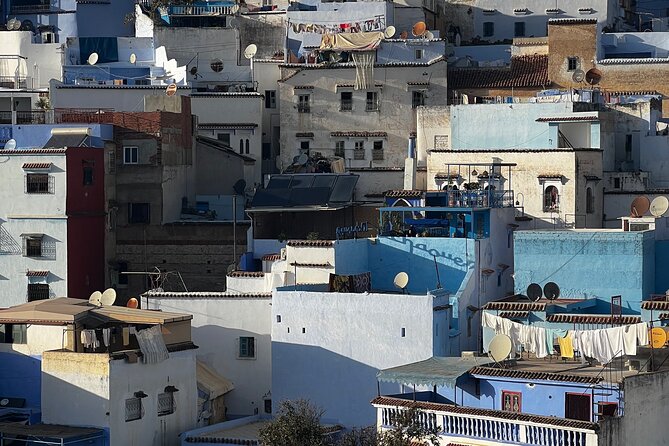
Chefchaouen’s Blue City reputation is real. But what’s harder to see from the outside is how the medina’s streets funnel you toward the best angles—or away from them—based on where you start and how fast you move.
That’s where this tour earns its keep. Instead of you spending your limited time in the city trying to “figure it out,” a local guide takes you along a route designed for orientation and photos. You get a sense for how the neighborhood is laid out, where the light hits, and which lanes are worth slowing down for. It feels less like sightseeing and more like walking with someone who’s done it a thousand times.
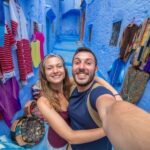
In the best cases, you’ll meet a guide who lives the city. Many visitors are guided by Mohamed, and the feedback is consistent: he’s friendly, he tailors the pacing, and he knows which corners people usually skip. If you’re a photo person, that matters. The difference between a decent picture and a memorable one is often a few meters—and the local sense for where to stand.
The other big win: you’re not just ticking boxes. You’re learning how the city’s history and culture show up in everyday spots—squares, mosques, the water source, and the medina layout.
You can also read our reviews of more tours and experiences in Chefchaouen.

Hotel pickup, private pacing, and what to expect from the walk
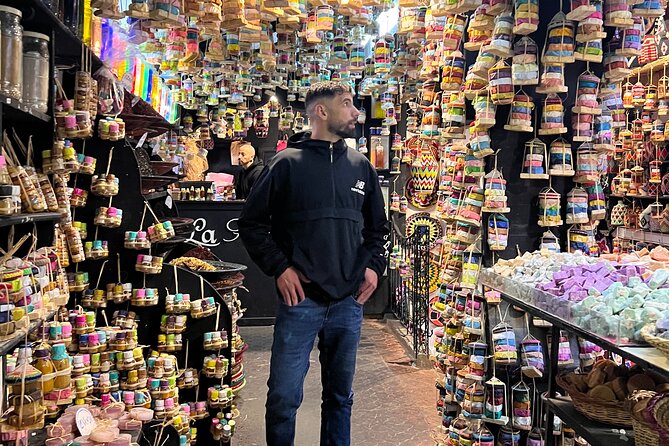
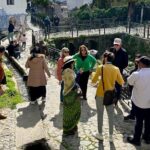
This is a private tour, so it’s only your group—no mixing with strangers. Pickup is offered, and the guide meets you at your Chefchaouen hotel. That means you don’t have to hustle to a faraway meeting point with your luggage or time your bus perfectly.
The tour itself is short but active: about 2 to 4 hours. That range is useful because it lets the guide match your pace, whether you want more photo time or more talking time. Mobile tickets are included, which keeps it simple on arrival.
Now for the practical reality: Chefchaouen has slopes, stairs, and tight lanes. One review-style detail that keeps showing up is that there are a lot of stairs and hills. If you’ve got mobility limits, plan for that, and consider starting earlier in the day when the streets are cooler and less crowded.
Also note the route structure: the tour starts around the medina area and ends back at the meeting point. If you’re planning a later lunch or a bus ride afterward, you’ll want some buffer—but you won’t be left hanging at some random end-of-the-world viewpoint.
Stop-by-stop: the route from Plaza Uta El Hammam to Ras El Ma

This walk moves with purpose. Each stop has a job, from orientation to photos to the everyday “wait, this is real” moment.
Place Uta El Hammam: your medina orientation in 10 minutes
You’ll begin in the lively heart of the medina area: Place Outa el Hammam (Plaza Uta El Hammam). It’s a shaded, cobbled square lined with cafes and restaurants. This is the perfect first stop because it gives you an instant sense of the neighborhood’s rhythm before you slip into the blue alleys.
What to do here: take a quick look around, notice how the lanes branch out, and decide what kind of walking pace you want for the rest of the tour. If you’re thinking about photos, this is also a good moment to get your bearings fast.
Kasbah Museum: the history option that’s worth considering
Next comes the Kasbah Museum area. The time is short, around 30 minutes. The key detail: admission isn’t included, so this is on your dime if you choose to go in.
If history museums aren’t your thing, you can treat this as a guided introduction and keep the focus on the medina walk. But if you want context—how the kasbah shaped the town—this stop can help you understand why Chefchaouen looks the way it does today.


Chefchaouen Medina: the blue alley photo walk (about 2 hours)
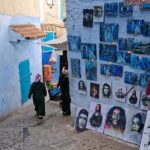
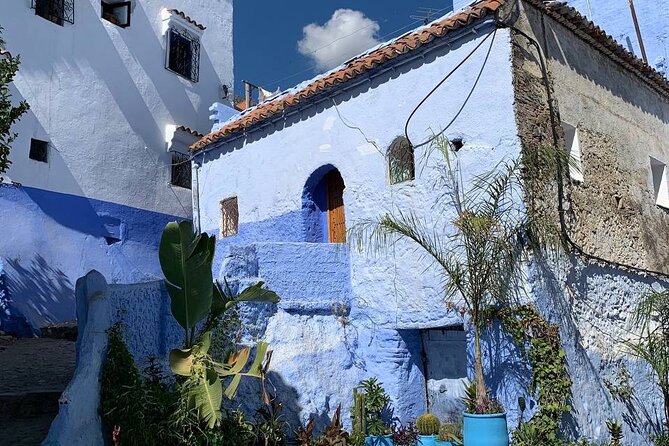
This is the heart of the experience. You’ll wander the Chefchaouen Medina along the most highlight photo places, with time to pause, reposition, and take shots that actually make sense.
The difference with a local guide is subtle: you’ll hit viewpoints and lanes that don’t feel like they were invented just for cameras. Several guides are described as good at spotting what each person wants—some people want perspectives that feel “from the street,” others want skyline angles, and some want everyday details like animals or local life.
One extra benefit from guide-led tours: they often help you connect the dots for what you see. After the walk, you’ll have a better sense of how to continue exploring on your own without spiraling into the same loop twice.
Bouzafer Mosque: sunset views with admission included
Then you reach Bouzafer Mosque, a strong viewpoint spot. It’s timed for about 30 minutes, and the admission is included. This is the moment when Chefchaouen’s color starts working on you—light shifts, shadows deepen, and the city’s layers look more three-dimensional than they do in daytime photos.
Even if you’re not chasing a perfect sunset shot, the value here is the vantage point. You’ll better understand the city’s shape and where the medina rises around you.
Ras El Ma: the waterfall and daily washing at the water source
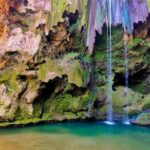
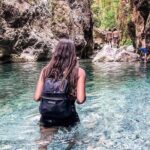
After the viewpoint, you get something more grounded: Ras El Ma. Water comes gushing out of the mountain here, and this is where local women come to do their washing. The stop is short (about 15 minutes), and admission is included.
This is the part that often makes people pause. The city’s blue paint and scenic corners are charming, but the water source shows you the ongoing life behind the postcard. If you want one “I didn’t expect that” moment in Chefchaouen, this is usually it.
A practical tip: keep your camera respectful. You’re watching everyday routine, not a staged performance.
Grande mosque: finishing your loop with a major religious landmark
The route also includes the Grande mosque area. Exact time and admission details aren’t spelled out, but it fits as a final anchor as you move through the medina’s structure and major landmarks.
This last stretch is mostly about tying it together: understanding where the big religious spaces sit relative to the lanes you’ve just walked, and getting a final set of angles before you head back.
Photos, off-the-path lanes, and how the guide shapes your results
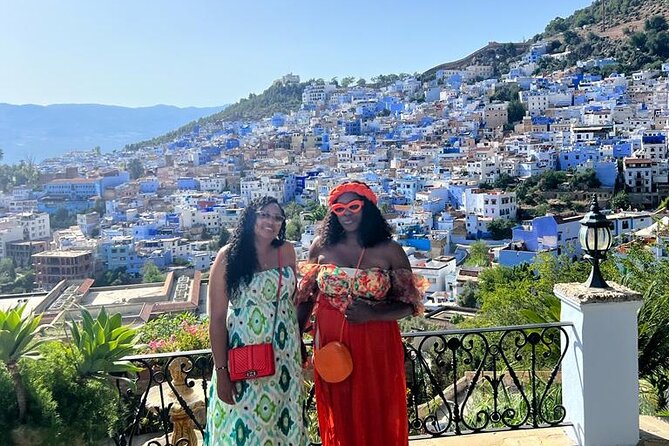
Let’s be honest: Chefchaouen is a photographer’s playground. But your results depend on pacing and direction.
With this tour, you’re guided to “hot spots” without it turning into a sprint. Some people explicitly book for photos taken from local perspectives, and the guides are set up to do that. That could mean taking you to edges of the blue city where the views feel less staged, or guiding you to spots that line up better with how people actually walk and live.
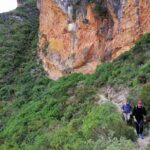
A recurring theme in feedback: the walk often includes parts of town outside the most obvious tourist routes. Some guides take you toward the edge of the blue city or even to viewpoints and tower areas, which can help if you’ve already been inside the medina on your own before the tour.
Also, the guides communicate well. Mohamed is frequently mentioned as speaking very good English, which makes the history and culture part easier to absorb without feeling like you’re playing silent catch-up.
If you’re wondering what to bring for photo success: wear shoes you can trust. You’ll be moving. And you’ll want time to stop, not just pass through.
Culture you can actually use: history, mosques, and everyday water life

This tour’s cultural value isn’t abstract. It’s built around places where meaning shows up in daily behavior.
- The square at the start helps you understand the social side of the medina: where people gather, sit, and eat.
- The museum stop gives you optional context for the kasbah and how the city developed.
- Bouzafer Mosque gives you a viewpoint tied to a religious landmark.
- Ras El Ma gives you the most human moment: washing at the water source, right where the water runs.
If you like history, you’ll likely leave with more than a few facts. Some people do say they wanted more historical storytelling during the walk, so if that’s your top priority, consider asking your guide to slow down for stories and city background at your preferred stops.
Also, mosques are part of what you’ll see, but the tour description emphasizes viewpoints and wandering rather than a deep dive into religious practices. That’s a good balance for most visitors who want respect and context without turning the day into a lecture.
Price and value: is $26.75 worth your time?
At $26.75 per person, the value is mostly about what you’re saving: energy, navigation, and time. In a city built on narrow lanes and hills, “getting it wrong” costs you real minutes—minutes you could be using for photos, viewpoints, and learning.
Here’s how the ticket economics line up:
- Some places have free admission (like Place Outa el Hammam and the main medina walk time).
- Bouzafer Mosque and Ras El Ma admissions are included.
- Kasbah Museum admission is not included, so you choose whether to pay extra for entry.
What you’re really buying is guided efficiency. Your guide decides the sequence, manages the walking pace, and shares the context so you don’t have to interpret everything alone.
Duration matters too. At 2 to 4 hours, you can fit it into a busy itinerary without sacrificing a whole day. And with several departure times—plus early morning discounts—you can pick the pace that suits your mood and your energy level.
Finally, this is private. That alone changes the experience. You can ask questions, adjust the stop order if you’re craving more viewpoints or less museum time, and keep the walk tuned to your interests.
Who should book this tour—and who might not love it
This tour fits best if you want:
- A fast, guided orientation to the Blue City
- Photo viewpoints that make sense as a route, not random stops
- A local perspective from someone like Mohamed, who’s described as tailoring the walk to the group and giving local recommendations
It also suits people who want to keep their schedule flexible. The start times are varied, and you can choose earlier options for better light and the advertised early morning discounts.
Consider skipping or picking a different style if:
- You want a long, heavy history lecture. Some visitors wished for more history at certain points.
- You have trouble with hills and stairs. Even if you can handle walking, the medina’s terrain is part of the experience.
A good strategy: if you already walked the medina on your own and you want the parts you missed, this tour can add that “second layer” quickly.
Should you book Explore Chefchaouen like a local?
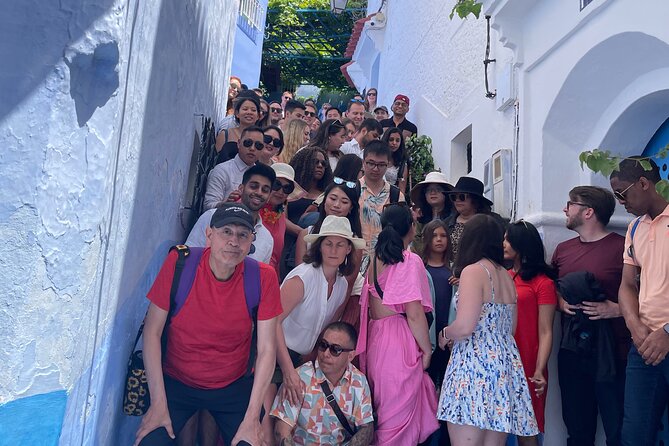
If your plan includes Chefchaouen for only a short time, I think this is an easy yes. You get a tight route, hotel pickup, a private local guide, and two standout moments: sunset views from Bouzafer Mosque and the Ras El Ma water source tied to daily washing.
Book it if photos and orientation matter, and if you’re comfortable with walking. If you’re sensitive to weather, keep an eye on conditions—this experience requires good weather, and the plan adjusts if it can’t run as expected.
Go into it with the right mindset: you’re not just collecting pictures. You’re learning how the blue city works, lane by lane, viewpoint by viewpoint.
FAQ
Is this tour private or shared?
It’s private, meaning only your group participates.
Do I get hotel pickup in Chefchaouen?
Yes. Pickup is offered, and the guide collects you from your hotel. The tour starts at Boulevard Hassan 2Bd Hassan 2 and ends back at the meeting point.
How long does the walking tour take?
It runs about 2 to 4 hours (approx.).
Which stops include tickets, and which are extra?
Kasbah Museum admission is not included. Bouzafer Mosque and Ras El Ma have admission included. Place Outa el Hammam is free.
Does the tour run in any weather?
The experience requires good weather. If it’s canceled due to poor weather, you’ll be offered a different date or a full refund.
When should I book to get a good start time?
On average, this is booked about 20 days in advance. You can usually choose from a wide range of departure times, with discounts for early morning options.