REVIEW · MARRAKECH
3-Day Desert Experience from Marrakech
Book on Viator →Operated by esprit d'aventure marrakech · Bookable on Viator
Three days, one big Sahara payoff. This Marrakech-to-desert route gives you the full Morocco rhythm: mountain road, fortified kasbahs, gorge scenery, then Erg Chebbi dunes for sunset and sunrise. You’ll sleep once in a riad in the Dadès Gorges area, then again at a desert camp in Merzouga.
I especially like two parts. First, you get strong sightseeing in a short time, including Ait Ben Haddou (a UNESCO kasbah famous from major movies) and a look at film sets around Ouarzazate. Second, the Sahara night is the core experience: camel trekking, a Bedouin-style welcome, and dinner and stargazing out in the quiet.
The main drawback is simple: it’s a long driving tour, and the day-by-day explanation can feel a bit light. Also, the advertised sandboarding can be inconsistent depending on how the desert segment is run, so I’d plan for camel trekking first and sandboarding as a maybe.
In This Review
- Key highlights that make this 3-day desert trip worth your time
- The 3-day Marrakech to Merzouga route: what you’re signing up for
- Day 1: Tizi n’Tichka, Ait Ben Haddou, Ouarzazate, then Dadès Gorges
- Tizi n’Tichka pass: your first real Morocco wow
- Ait Ben Haddou: the kasbah that Hollywood can’t resist
- Ouarzazate and Atlas Studios: film sets and quick photo time
- El Kelaa M’gouna: roses valley photo break
- Overnight in Dadès Gorges: half-board and a private room
- Day 2: Todra Gorge, Erfoud fossils, then Merzouga Erg Chebbi camels at sunset
- Todra Gorge: groves, walls, and a quick reset
- Road to Merzouga: Tinejdad and Erfoud
- Camel ride plus nomad tents in the dunes
- About sandboarding: assume camels first
- Day 3: Roses Valley lunch, Tizi n’Tichka pass again, and drop-off in Marrakech
- Kelaat M’gouna roses valley: lunch stop
- Tizi n’Tichka pass: another viewpoint, different light
- Arrival in Marrakech: drop-off at your accommodation
- Price and logistics: is $118.47 per person good value?
- Where this tour does a great job: desert stars, included meals, and iconic stops
- The desert camp experience near Erg Chebbi
- Food you don’t have to think about
- UNESCO and film-set stops that actually help you understand Morocco
- Where you should adjust expectations: long drives and light explanation
- Who this desert tour is best for
- Should you book the 3-Day Desert Experience from Marrakech?
- FAQ
- How much does the 3-Day Desert Experience from Marrakech cost?
- What is the duration of the tour?
- What time does the tour start and where do I meet the driver?
- Is pickup from Marrakech included?
- Where are the overnight stays?
- What’s included in the meals?
- Are lunches and drinks included?
- Is sandboarding included?
- What’s the cancellation window?
Key highlights that make this 3-day desert trip worth your time
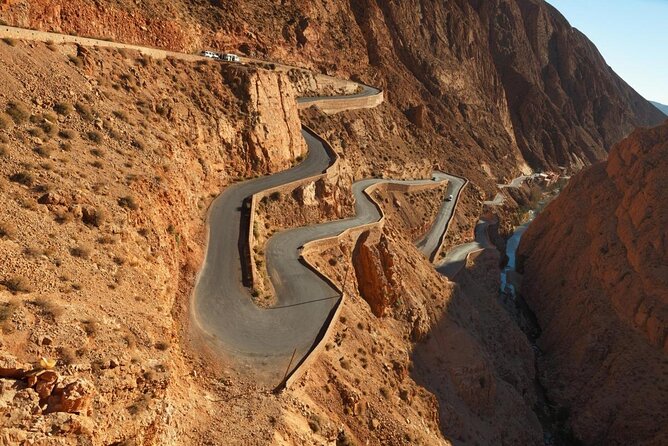
- High Atlas Tizi n’Tichka (2260m) viewpoints early in the day for big photo energy
- Ait Ben Haddou UNESCO kasbah plus movie-set vibes from Lawrence of Arabia, Gladiator, and The Kingdom of Heaven
- Dadès Gorges overnight with half-board in a private room, so you’re not scrambling for meals
- Merzouga Erg Chebbi sunrise and sunset from near the dunes, built into the desert timing
- Camel ride into the dunes and night in nomad tents with dinner and sleep under a star-filled sky
- Roses Valley timing at El Kelaa M’gouna where rose picking starts in April and the festival runs the first week of May
The 3-day Marrakech to Merzouga route: what you’re signing up for
This is a classic overland desert loop: you start in Marrakech, cross the High Atlas, sightsee through Ouarzazate and the Dadès region, then roll into the Sahara around Merzouga. In three days, you cover a lot of distance, but the pacing is built around a straightforward idea: move as a group in the morning, sightsee in blocks, then slow down when it matters most in the desert.
You’ll travel by air-conditioned vehicle with hotel pickup in Marrakech. Group size is capped at 17 travelers, which helps keep things organized compared with larger coaches. You also get a mobile ticket, and the tour runs in all weather conditions (so dress for changing conditions).
If you want the Sahara but don’t want the hassle of planning transfers, separate guides, and booking desert nights yourself, this kind of packaged route is a good fit. If you hate long drives, this trip asks for endurance.
A few more Marrakech tours and experiences worth a look
Day 1: Tizi n’Tichka, Ait Ben Haddou, Ouarzazate, then Dadès Gorges
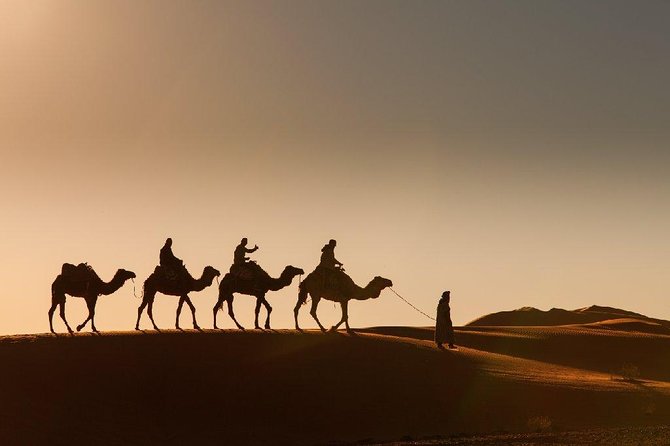
Your day starts early. The tour lists 7:00 am as the start time, and you leave Marrakech from Jamaa el Fna after meeting your driver. The idea here is to hit the mountains while daylight is crisp for photos.
Tizi n’Tichka pass: your first real Morocco wow
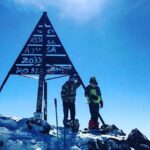
You’ll stop at Tizi n’Tichka (listed at about 2260m). This is a viewpoint stop: cameras out, quick photos, then back into the vehicle. It’s short, but it sets the tone by giving you a sense of scale—how the Atlas creates this dramatic wall between Marrakech’s world and the desert direction.
Ait Ben Haddou: the kasbah that Hollywood can’t resist
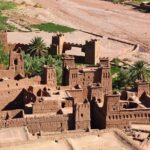
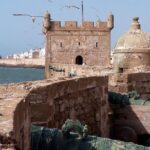
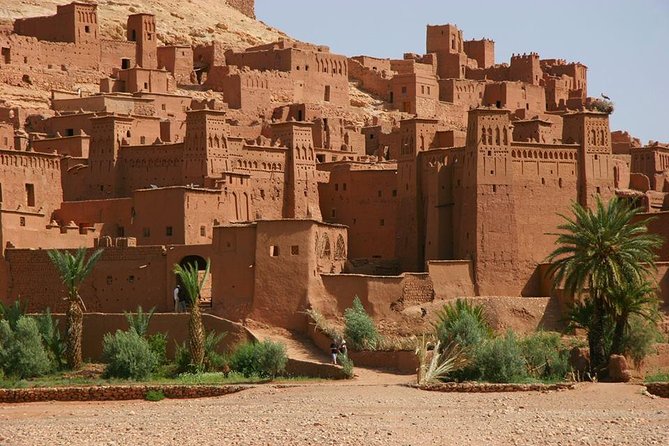
Next comes Ait Ben Haddou, a fortified Berber village and UNESCO-listed site. You cross the river separating the kasbah from the main road, then explore at leisure.
This stop is popular for a reason: the place is known as a filming location for major movies like Lawrence of Arabia, Gladiator, and The Kingdom of Heaven. Even if you’re not a movie buff, you’ll feel why directors like it. The streets and walls look built for storytelling, and the fortifications give you that instant sense of a place that’s been surviving for centuries.
Ouarzazate and Atlas Studios: film sets and quick photo time
After Ait Ben Haddou, you reach Ouarzazate. The schedule includes a photography stop for Atlas Studios. The overall tour highlights also point to seeing Taourirt Kasbah around Ouarzazate, which fits the area’s “old meets used-for-filming” vibe.
This part of day 1 stays efficient. You don’t spend all day museum-style here—you get visuals and context, then you keep moving.
El Kelaa M’gouna: roses valley photo break
You also get a break at El Kelaa M’gouna, with views connected to the Roses Valley tradition. The plan notes that rose picking begins in April and there’s a three-day festival in the first week of May. If you travel near those dates, the region can feel extra alive; outside that window it’s still a beautiful roadside panorama.
Overnight in Dadès Gorges: half-board and a private room
By the end of the day, you head to Boumalne Dades for overnight in the Dadès Gorges area. You stay in a private room with half-board, which matters because it prevents the usual desert-tour chaos of searching for dinner after a long drive.
This overnight is a good buffer. You’re not jumping straight from mountain roads into dune silence. You settle, eat, sleep, then start fresh on day 2.
Day 2: Todra Gorge, Erfoud fossils, then Merzouga Erg Chebbi camels at sunset
Day 2 is where the tour shifts from sightseeing to desert experience. After breakfast, you leave Boumalne Dades and head toward dramatic rock scenery.
Todra Gorge: groves, walls, and a quick reset
You visit Gargantas del Todra (Todra Gorge) and also the grove of Todgha. The timing listed is about 1 hour, so think of this as a focused walking-and-looking stop rather than a full hike day.
The gorge works well here because it breaks up the road travel with something physical: the stone walls rise, the air feels different, and you get a mental break before the dunes.
Road to Merzouga: Tinejdad and Erfoud
You continue toward Erfoud, described as the capital of fossils, via Tinejdad and Berber villages. Then you press on to the dunes of Erg Chebbi in Merzouga.
This stretch is partly scenery and partly logistics. You’re moving toward the moment you actually came for: camel trekking and sleeping out in the Sahara.
Camel ride plus nomad tents in the dunes
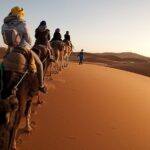
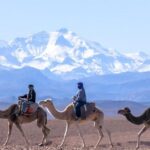
Once you’re in Merzouga, you leave the vehicle for the camel ride in the dunes. The plan has you spend the night in nomad tents in the big dunes, with dinner and overnight included.
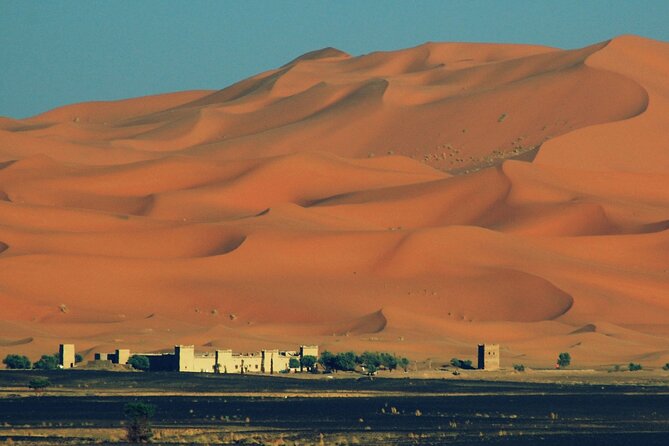
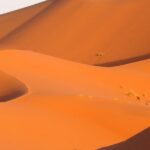
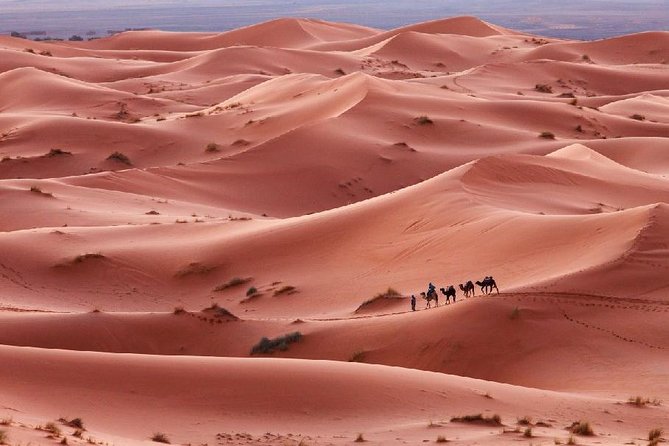
This is the heart of the trip. You’re out near the Erg Chebbi dunes close enough to catch the silence between the stars. And rather than being a rushed stop, it’s designed so you can watch sunset and sunrise from the desert camp area.
Practical tip: keep your desert-night kit light. The desert portion can work best with a regular backpack only, not a bulky suitcase. Bring what you need for dinner, sleep, and basic morning comfort, and leave extra items in Marrakech storage or the vehicle as allowed by your group.
About sandboarding: assume camels first
The tour highlights mention sandboarding, but some schedules don’t end up offering it in the same way. I’d treat sandboarding as bonus if it happens, not the main promise. If camel trekking and the camp night are your priority, you’ll likely be happy with the core experience.
Day 3: Roses Valley lunch, Tizi n’Tichka pass again, and drop-off in Marrakech
Day 3 starts early with breakfast, then it’s back toward Marrakech. You’ll meet your driver on the main road and continue the return drive.
Kelaat M’gouna roses valley: lunch stop
You stop at Kelaat Mgouna roses valley for a lunch stop. The schedule lists about 1 hour here, and lunch isn’t included, so you’ll want cash or card readiness for your meal.
This is a nice “gentle landing” after the desert: food, a reset, then you start watching the road pull you away from dunes.
Tizi n’Tichka pass: another viewpoint, different light
You also pass back over Tizi n’Tichka again, with about 30 minutes of photo time. Coming back over the same pass on day 3 can be surprisingly useful: the colors and shadows shift, and you get a second look at the Atlas ridgelines without the full pressure of a first-day departure.
Arrival in Marrakech: drop-off at your accommodation
At the end of the day, you reach Marrakech and your driver drops you at your accommodation. The service ends with you back where you started, which is a big convenience compared with arranging your own desert-to-city transport.
Price and logistics: is $118.47 per person good value?
At $118.47 per person for a roughly 3-day experience, this sits in the value zone for Morocco desert packages. The reason isn’t just the price—it’s what’s included.
Here’s what you’re getting in the included list:
- Hotel pickup in Marrakech
- Air-conditioned vehicle transport
- 2 nights accommodation
- Camel ride
- Breakfast (2) and dinner (2)
- Half-board on the Dadès night (private room)
- Mobile ticket
What’s not included:
- Lunch
- Drinks
That meals package is the big savings. With a tour like this, arranging your own dinners and coordinating transport around the desert can eat time and money fast. By bundling breakfast and dinner, the tour keeps the schedule smoother—especially on day 2 when the desert night is the focus.
The trade-off is that you’re buying convenience in exchange for some flexibility. You’re on a set route with set stops. If you’re hoping to spend longer in one village or add an extra activity, this kind of itinerary doesn’t make it easy.
Also watch the rhythm: it’s a long journey day 1 and day 3, then a quieter, more emotional payoff day 2. If you plan your expectations around that, the value feels clearer.
Where this tour does a great job: desert stars, included meals, and iconic stops
The most praised parts of this experience tend to cluster around the same themes, and they match the way the trip is built.
The desert camp experience near Erg Chebbi
Sleeping in nomad tents in the dunes is the ticket. You’re not just visiting the Sahara—you’re staying there. The schedule is geared toward the big visual moments: sunset and sunrise. Add dinner out in the open air and the night-sky calm, and the camp becomes the main storyline of the trip.
Food you don’t have to think about
The included dinner (and breakfast on the next day) matters more than you’d think on a tour like this. After a long drive, having one less decision is real comfort. The itinerary is designed so you aren’t hunting for restaurants at the exact time you’re tired.
UNESCO and film-set stops that actually help you understand Morocco
Ait Ben Haddou isn’t just a photo. The movie connections—Lawrence of Arabia, Gladiator, Kingdom of Heaven—give you a hook into why this architecture stands out in Moroccan travel. And then Ouarzazate and nearby kasbah sights add to that sense that the region sits at the crossroads of craft, culture, and storytelling.
Where you should adjust expectations: long drives and light explanation
This trip can feel like a lot of movement, because it is. Day 1 stacks multiple stops between Marrakech and the Dadès area, and day 3 brings you back the same way.
Also, the itinerary format can leave you wanting more detail about what you’re looking at during each stop. You’ll get the timing and the location, but not always the deep narration. If you like walking into places with a guide who explains every wall and story, you may find you have to read a bit on your own during quick stops.
Finally, sandboarding is listed as a feature, but it can be inconsistent in practice. If you’re traveling with teens or you’re planning sandboarding as a main goal, I’d treat the camel trek and camp night as the guaranteed win.
Who this desert tour is best for
This 3-day desert experience is a strong match if:
- You want a guided, packaged way to reach Merzouga / Erg Chebbi
- You like a balance of major sightseeing (Ait Ben Haddou, Todra Gorge) and one unforgettable overnight
- You don’t mind early starts and long stretches on the road
It’s less ideal if:
- You hate long drives and want slow travel
- You expect detailed explanations at every stop
- Sandboarding is a must-do, not a nice extra
Should you book the 3-Day Desert Experience from Marrakech?
I’d book it if your priority is the Sahara night—camels, Erg Chebbi sunrise and sunset, and dinner out by the dunes—while still getting UNESCO kasbahs and gorge scenery without doing logistics yourself. The included pickup, accommodations, and meals make it easier than most DIY options.
I’d think twice if you’re very sensitive to planning clarity, or if you’re mainly chasing one specific add-on like sandboarding. In that case, ask questions before you go and make sure you’re comfortable with a schedule that is built for movement and big sights rather than slow, deep exploration.
If you want a desert trip that feels like a real Morocco road journey with an honest payoff in the dunes, this one fits.
FAQ
How much does the 3-Day Desert Experience from Marrakech cost?
The tour price is listed as $118.47 per person.
What is the duration of the tour?
It runs for about 3 days.
What time does the tour start and where do I meet the driver?
The start time is 7:00 am, and you leave Marrakech from Jamaa el Fna square to begin the route.
Is pickup from Marrakech included?
Yes. Hotel pickup is included.
Where are the overnight stays?
You spend the first night in the Dadès Gorges area (Boumalne Dades) and the second night in a desert camp in Merzouga.
What’s included in the meals?
Breakfast is included for 2 mornings and dinner is included for 2 evenings.
Are lunches and drinks included?
No. Lunch and drinks are not included.
Is sandboarding included?
Sandboarding is listed as a feature of the experience, but some travelers note it may not always happen, so consider it a bonus rather than something guaranteed.
What’s the cancellation window?
You can cancel for a full refund up to 24 hours in advance of the experience start time.