REVIEW · CASABLANCA
15 Days Morocco Private Grand Tour From North To South Starting From Casablanca
Book on Viator →Operated by DesertTrips · Bookable on Viator
Morocco hits hard on day one. This north-to-south private grand tour strings together imperial cities, mountain hikes, and one starry desert night without you juggling logistics. I especially like the mix of guided stops and free time in places like Fes and Chefchaouen, and I like that you sleep mostly in traditional riads. One drawback to weigh: it’s a long-country route with lots of driving days, so you’ll want a good attitude for transit time.
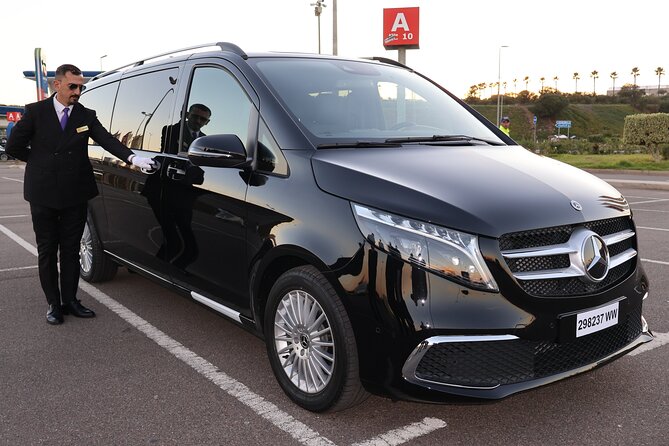
What you’re really buying here is flow. Pickup and drop-off, an air-conditioned vehicle, a dedicated driver/guide, and lots of included mornings mean you can spend your energy on the real stuff: mosque courtyards, medina lanes, Roman ruins, and desert light. The tour also keeps meals simple with all breakfasts plus a few dinners included, so you’re not constantly checking what’s open and what costs what.
In This Review
- Key Points Before You Go
- What This North-to-South Route Gets Right From Casablanca
- Casablanca’s Hassan II Mosque: Architecture First, Views Always
- Rabat and Asilah: Royal Mausoleum Air + Portuguese-Era Walls
- Tangier to Chefchaouen: Easy Kasbah Walking and the Blue-Wall Reset
- Chefchaouen Sunrise and Akchour Waterfalls: Rif Mountains in One Day
- Volubilis Roman Ruins to Meknes and Fes: Layered Morocco Without Stress
- Fes el-Bali: Leather Workshops, University Corners, and Real-World Medina Motion
- The Sahara Push via Ifrane, Azrou, and Ziz Valley: Comfort on a Long Road
- Merzouga Desert: Sunrise, Nomad Tea, and the Desert Camp Night
- Todra Gorges to Dades Valley: Mud Kasbahs and Big Cliff Feel
- Rose Town to Skoura Palms to Ait Benhaddou Walls: Ouarzazate’s Famous Frame
- Marrakech with a Private Guide: Bahia, Saadian Tombs, Majorelle, and Jemaa el-Fna
- Essaouira and El Jadida: Atlantic Air, Argan Forests, and Portuguese Cistern Shadows
- Back to Casablanca: Corniche Walk and Easy Departure Day
- Price, Inclusions, and What Costs Extra
- Who This Tour Suits (and Who Might Prefer a Different Pace)
- Should You Book This 15-Day Morocco North-to-South Grand Tour?
- FAQ
- Is hotel pickup and drop-off included?
- What meals are included on this tour?
- Do I get to sleep in a desert camp?
- Are admission tickets included for major attractions?
- Is this a private tour?
- What happens if weather isn’t good?
Key Points Before You Go
- Private, door-to-door transfers so you don’t spend vacation time negotiating pickups and schedules
- 14 nights in hotels or traditional riads, plus one night in a desert camp with private tent facilities
- A realistic country sweep, from Atlantic Morocco (Casablanca, Tangier, Essaouira) to the Sahara around Merzouga
- Guides where it matters most: especially in Fes and Marrakech medinas
- A balanced mix of guided and self-paced time, so you can slow down in the places that deserve it
- Memorable natural stops like Akchour waterfalls and Todra gorges, not only cities
What This North-to-South Route Gets Right From Casablanca
This tour is built for people who want the big Morocco story, not just one highlight repeated twice. You start in Casablanca, then work north-to-south through the imperial belt, Rif Mountains, the desert around Erg Chebbi, and finally the Atlantic coast again.
The value isn’t only the sights. It’s the way the route reduces decision fatigue. You’ll have transport, check-ins, and driver guidance lined up, so your days don’t depend on map apps and constant re-planning. That matters when you’re bouncing between medinas, valleys, and long stretches of road.
The trade-off is pace. Morocco doesn’t do quick distances between regions, and this route covers a lot of ground in 15 days. If you’re the type who wants a slow stay in one city, you may feel stretched. If you like variety and can handle early starts, this format works well.
You can also read our reviews of more private tours in Casablanca
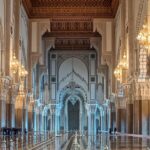
Casablanca’s Hassan II Mosque: Architecture First, Views Always
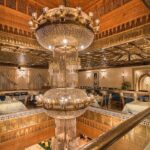
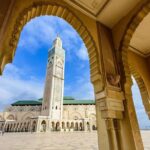
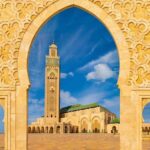
Casablanca opens with the star attraction: Hassan II Mosque. Even if you’re not a religious-site specialist, it’s hard not to be impressed. It’s an oceanfront mosque on an outcrop, opened in 1993, with a minaret listed at an extraordinary height (210 m / 690 ft). The setting alone gives you a wow moment: the Atlantic, the scale, the clean lines of the structure.
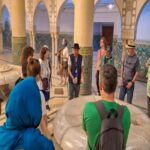
You’ll join a guided tour here, and that’s an underrated advantage. Morocco’s craftsmanship is best understood when someone points out the patterns, materials, and the logic behind the design. Also, this is one of the few mosques in Morocco where non-Muslims are allowed to enter, so it’s a meaningful “you can visit” highlight.
Practical note: the mosque admission ticket isn’t included, so budget a bit extra on this first day. Dress matters for entry, so plan for conservative coverage.
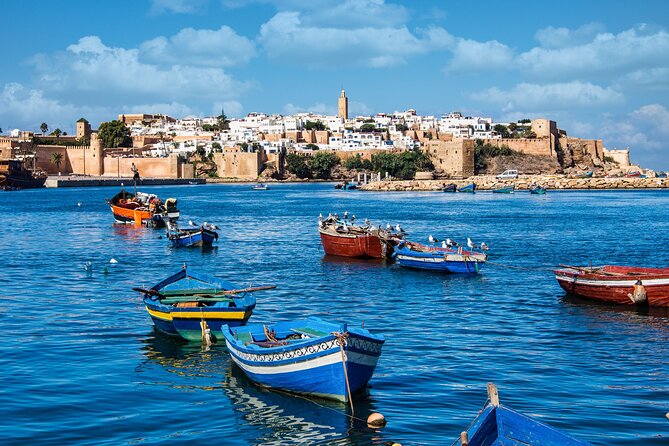
Rabat and Asilah: Royal Mausoleum Air + Portuguese-Era Walls
After Casablanca, the route pushes you toward Rabat, and that’s a smart move. Rabat isn’t just another stop—it connects the imperial vibe with a calmer rhythm.
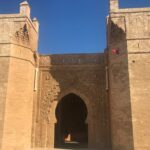
You’ll explore Chellah Necropolis, then wander Roman and Islamic ruins, which gives you layers in one compact visit. Then comes the city’s older core through the Kasbah des Oudaias. After that, the 20th-century Andalusian Gardens are a great counterbalance to the archaeological stops—quiet, green-ish spaces, and a chance to catch your breath.
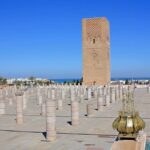
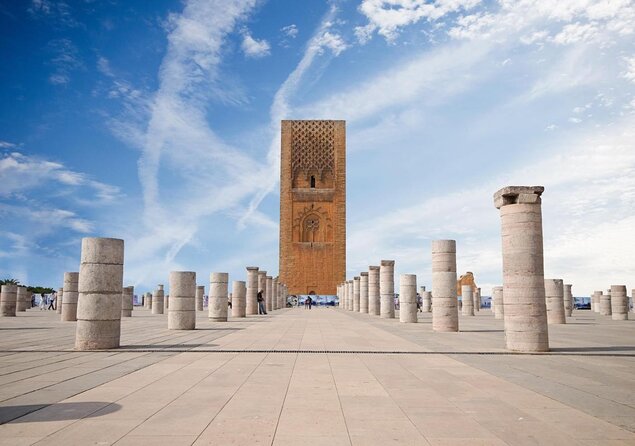
A highlight here is the Hassan Tower area and the Mausoleum of Mohamed V. The Hassan Tower is an incomplete minaret project from the 12th century, so the site feels both grand and unfinished in a way that tells a story.
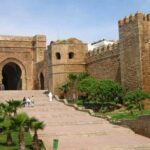
Then you continue to Asilah on the Atlantic. The medina is fortified, and there are visible traces of Portuguese domination from the 15th century. It’s the kind of place where the walls and ramparts do some of the talking, even if you don’t buy anything.
Tangier to Chefchaouen: Easy Kasbah Walking and the Blue-Wall Reset
Tangier is a gateway city with a European-facing history. Here, you’ll focus on the Medina and the Tangier Kasbah area. The Kasbah is compact enough that a self-walk works well: you can follow signs, enter through Bab Haha, and get oriented around Place du Mechouar.
If you want a scenic add-on, Cap Spartel and the Cave of Hercules are within reach. Even if you don’t do every option, it’s a nice way to break up the city energy with coastline views.
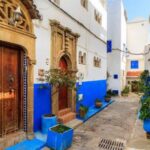
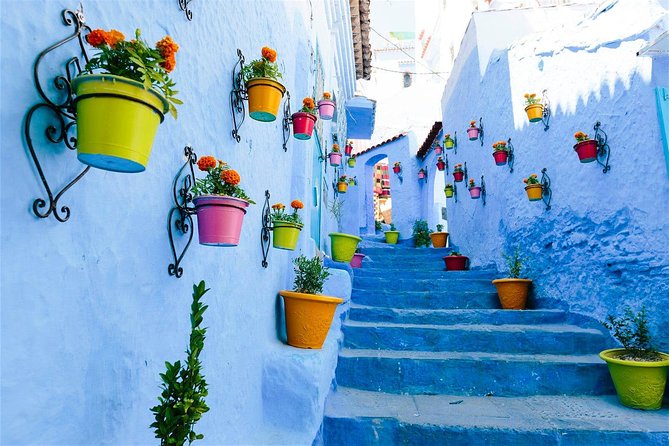
Then the tour hits Chefchaouen, and this is where the trip changes mood. The blue alleys and pastel doorways aren’t just photogenic; they also change how you walk. You slow down because everything looks like it belongs in the frame.
You’ll check into your riad or hotel and then have time to explore at your pace. Outa el Hammam is the main square where you can people-watch and get your bearings. If you can, go earlier and aim for calmer lanes away from the most obvious tourist routes.
No extra pressure on dinner here, since meals outside included ones are mostly on your own in this part of the itinerary.
Chefchaouen Sunrise and Akchour Waterfalls: Rif Mountains in One Day
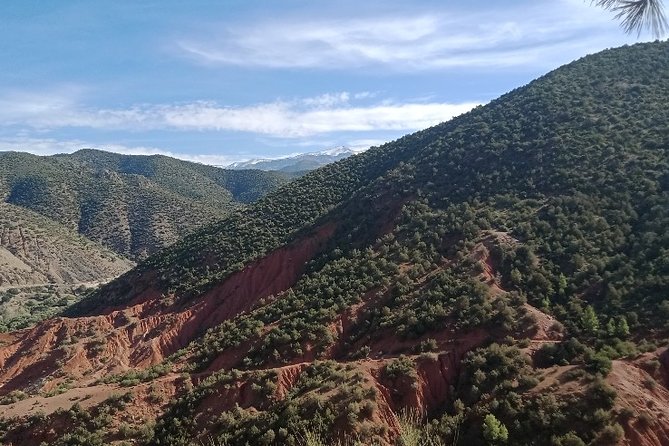
One of my favorite parts of this tour is the day trip into the Rif Mountains from Chefchaouen. It gives you wild scenery right after days spent in medina streets.
Start with Chefchaouen’s morning glow. The advice here is simple: wake up early if you can. There’s a nearby Spanish mosque viewpoint where sunrise gives you a mountain-and-town feeling that’s hard to replicate later in the day.
Then you head for Cascades d’Akchour. The hike is among cedar trees, and you can make choices depending on how you feel that day—waterfalls, smaller cascades along the way, and paths that lead to natural formations like God’s Bridge. If weather allows, there’s potential for a refreshing dip.
This is also a day where you’ll appreciate having a driver managing the timing and getting you back into town with enough energy for the medina again. And because shops may open later, you’ll often get a quieter Chefchaouen early on.
Volubilis Roman Ruins to Meknes and Fes: Layered Morocco Without Stress
Leaving Chefchaouen, you travel toward Fes via some standout historical stops.
Volubilis is the big Roman one. It’s a UNESCO site and one of Morocco’s best-preserved Roman ruins. What makes it satisfying is the scale: you can walk around merchant homes, see temple areas, and notice mosaics in a way that feels more tangible than photos. You may find guides available on-site, and your driver can help coordinate if you want that extra layer.
Then you stop in Moulay Idriss, founded in 789 CE. It has ongoing cultural significance and Morocco’s only round minaret. The atmosphere here feels focused—less “theme park” and more spiritual village energy.
Meknes is next, with a smaller medina than Fes. That’s not a small detail. It makes the day feel easier. You’ll go through the Ville Impériale area and see spots like Bab al-Mansour and the Mausoleum of Moulay Ismail. Many materials in Meknes were taken from Volubilis, so you’re basically seeing the Roman story continue in a different setting.
Finally, you end the day in Fes and get taken to your riad in the medina. That’s a practical win: you don’t waste time hauling luggage into the maze.
Fes el-Bali: Leather Workshops, University Corners, and Real-World Medina Motion
Fes is often the medina “boss level,” and this tour handles it with structure. You’ll meet a guide and start in the older medina area, Fes el-Bali, then move along the main thoroughfare (Talâa Kebira) through narrow lanes.
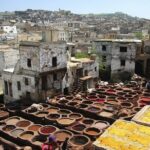
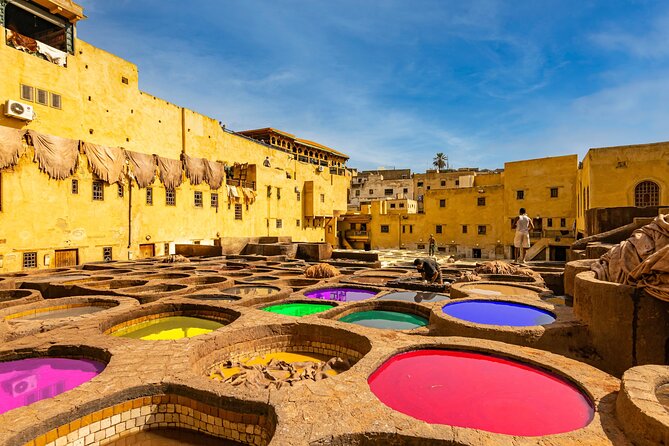
A major stop is Chouara Tannery. If you’re sensitive to smells, just know that tanneries are tanneries. But from a rooftop leather shop, you get a strong overview of men working in ways that have continued for centuries. It’s one of those “yes, it’s old” moments that still feels alive.
You’ll also see the Al-Qarawiyyin University and the Al Attarine Madrasa. This is where the city’s craft and education vibe shows up, not as a museum exhibit but as part of daily life and architecture.
The good thing about having a guide here is navigation. Fes medina is complex, and a guided day means you don’t spend half your time trying to find your way back to your own street.
The Sahara Push via Ifrane, Azrou, and Ziz Valley: Comfort on a Long Road
The trip from Fes toward the desert is a classic Morocco experience: big nature changes plus long-distance driving.
You’ll start by crossing the Middle Atlas Mountains through Azrou and cedar forests. There’s a possible scenic stop at Cèdre Gouraud Forest, where Barbary macaque monkeys sometimes hang out. It’s the kind of quick detour that can turn a travel day into a memory.
Lunch is at Midelt, a cold high desert plateau. Midelt is nicknamed the Apple City because orchards rely on year-round water from the Moulouya River. Even if you don’t eat fruit, you’ll notice how people adapt to the land here.
Then you travel across steep ranges, wide valleys, and canyon passes. Along the way, the Ziz Valley comes into view, historically part of a Saharan trade route. Fortified houses (ksars) show up, built by merchants to protect gold, salt, and spices moving through the region.
As you reach near Erg Chebbi, the dunes start appearing. It’s gradual at first, then all at once.
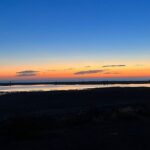
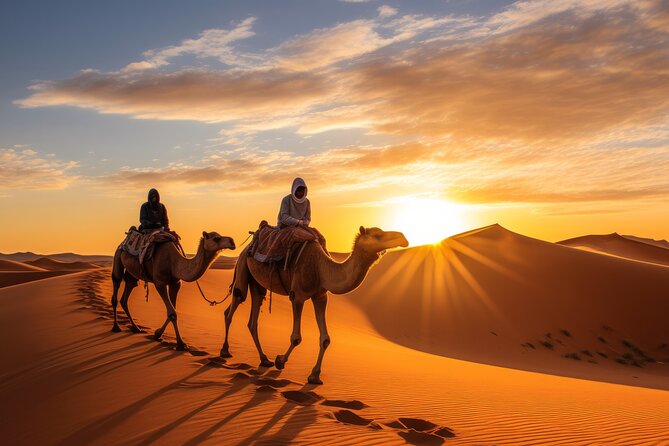
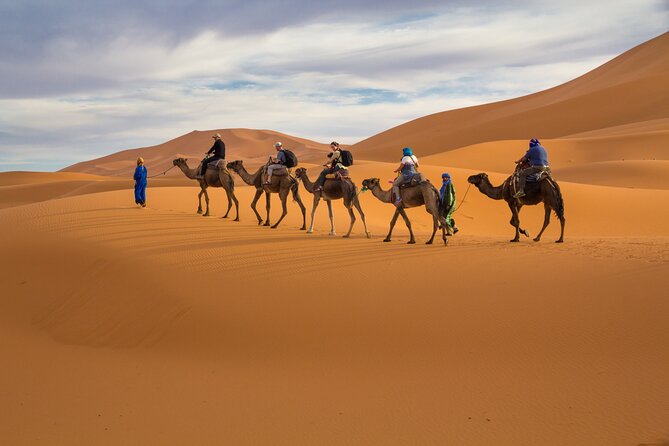
The tour includes a short break near Merzouga as you prepare for the desert transfer. If you ride a camel, you’ll arrive at the camp just before sunset, so the day is timed for that classic light shift.
Merzouga Desert: Sunrise, Nomad Tea, and the Desert Camp Night
This is the heart of the itinerary. The tour gives you two desert moments: sunrise the next morning and a full desert excursion day.
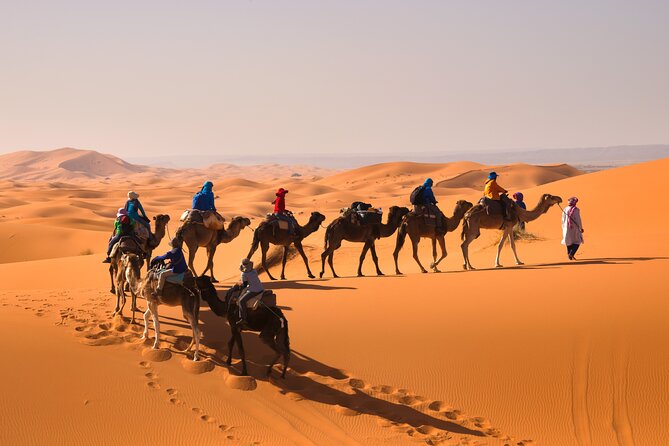
If you’re an early riser, you can catch sunrise over the dunes. After breakfast, the desert outing starts with the Merzouga area lake, where birds can be seen. Then you continue into deeper desert zones where nomads with their animals maintain a traditional life. You’ll sip tea and see daily routines firsthand.
You also ride parts of the old Paris Dakar route and visit Mifis mines, which were once exploited by France. That contrast—adventure route memory and industrial remnants—adds texture beyond just sand and photos.
Then there’s a stop at Khamlia village, home to black Berber communities originally from Mali and Niger (as described on the itinerary). You may get a chance to listen to music and watch dancing. Even if you’re not into performances, it’s a cultural moment that feels connected to place.
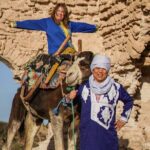
The overnight in the Sahara camp is a major value point: you get a camel ride (if chosen), and you sleep in a luxury night camp with a private tent plus toilet and shower. That’s a big comfort upgrade compared with basic desert camps, and it keeps the night from feeling like a rough “survive the night” challenge.
Todra Gorges to Dades Valley: Mud Kasbahs and Big Cliff Feel
Leaving the desert, you head toward Rissani, then onward to the valley scenery that makes southern Morocco feel dramatic.
Rissani is a caravan-route town, and the tour notes market days when souks run (Tuesdays, Thursdays, Sundays). If you catch market timing, you’ll see the region’s trading energy in a more local way. Even if you arrive outside those exact days, the area still functions as a historic hub.
Then you stop in Erfoud for fossil-related culture. You’ll visit local fossil artisan processes, see how fossil-rich rock becomes objects, and learn types of fossils found in the region.
From there, the route moves toward Todra and the Dades valley. You’ll pass villages like Millab, Tinjdad, and Toroug, then arrive at Todra gorges: a narrow passage with vertical cliffs around 300 m high. This is one of those sights where the geometry matters. It’s not just pretty; it’s sheer and steep in a way that changes your sense of scale.
In Dades valley, you also see rock formations locals describe as monkies fingers, plus mud kasbahs. The terrain looks built to defend and to live in harsh conditions.
This day has a lot of scenery in motion, so wear shoes you trust.
Rose Town to Skoura Palms to Ait Benhaddou Walls: Ouarzazate’s Famous Frame
Day 11 leans into southern Morocco’s “kasbah + palms + film-stills” vibe, but in a grounded way.
You’ll travel to the Rose town area (El Kalaa Mgou’na). Over 400 tonnes of rose petals are picked each spring and processed into rosewater, with the rose festival held in May. If you travel outside May, you won’t catch the festival season, but the region’s rosewater story is still a useful context for what you see.
Then you pass through Dades valley greenery and continue toward Skoura, surrounded by palm groves and filled with kasbahs. You’ll also head to Ouarzazate, described as Hollywood of Africa, tied to Moroccan cinema studios.
Finally: Ait Benhaddou, a UNESCO World Heritage site and one of the most famous filmed kasbahs. The key here is the time you get: free time to explore and lunch in the village. That open time matters because Ait Benhaddou rewards wandering at your own speed—up paths, into courtyard edges, and through viewpoints where the shapes start to make sense.
Marrakech with a Private Guide: Bahia, Saadian Tombs, Majorelle, and Jemaa el-Fna
Marrakech is where the tour adds structure again, especially with private guiding in the medina.
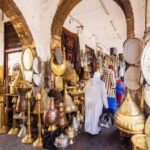
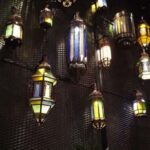
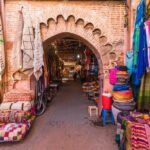
You start with the Bahia Palace area, inside a UNESCO World Heritage setting. A private guide helps you navigate the maze-like alleys and understand the stories behind neighborhoods like the Mellah. You’ll see lively souks and the craft displays: djellabas, babouches, lanterns, and spices. Even if you like shopping, the real win here is context—what you’re seeing and why it’s arranged the way it is.
In the afternoon, the route expands to Bahia, El Badii, and the Saadian Tombs. You’ll also visit Majorelle Gardens, linked to French painter Jacques Majorelle and later lived in by Yves Saint Laurent. This garden stop is a smart pressure release after medina motion.
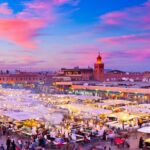
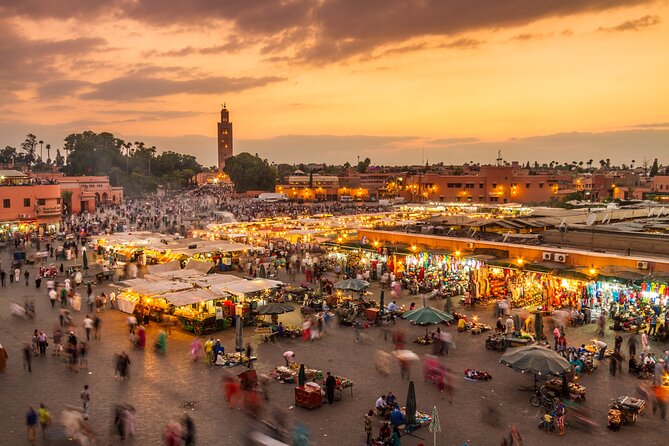
Then evening time brings Jemaa el-Fna to life: musicians, storytellers, acrobats and dancers, and snake charmers. It’s food-stall chaos in the best way. You can eat right down on the square or choose one of the cafes above for a calmer view.
Tickets for Bahia and the evening highlights may not be included, so plan for a few extras.
Essaouira and El Jadida: Atlantic Air, Argan Forests, and Portuguese Cistern Shadows
After Marrakech, the itinerary shifts west for Atlantic Morocco with Essaouira as the main base.
You’ll travel through rolling plains and argan forests. The tour notes that you might see goats in the trees grazing on argan fruit. If you want an argan-related stop, there’s an option to visit an Argan Oil Cooperative to see how oil is extracted from the nut.
Essaouira itself is laid-back in tone compared to Marrakech’s medina intensity. You’ll stroll the harbor, watch fishermen selling fresh fish from traditional blue boats, and take photos near Scala and the fortified harbor area. The Bab al Mersa (Door of the Port) is one of those photo points that feels instantly “coastal Morocco.”
Then Day 14 adds Safi and El Jadida as a way to keep the Atlantic story going on the return to Casablanca. Safi is tied to pottery and ceramics, and you’ll visit Ksar el Bahr, described as the castle of the sea. The views from the walkway over the port and ocean are the payoff here.
El Jadida brings a Portuguese echo through the Portuguese cistern, plus ramparts and the Church of the Assumption. It’s a different kind of architectural stop, more eerie-cool than flashy.
Back to Casablanca: Corniche Walk and Easy Departure Day
The last day is for getting you home without drama. You’ll drive to Casablanca airport, with a farewell stop option depending on timing.
On the way into Casablanca, you can explore the Old Medina further and stroll along the Boulevard de la Corniche. There’s even time to grab a bite around Rick’s Café, which the itinerary describes as inspired by the film classic Casablanca.
If you’re anything like me, you’ll want a low-key final evening rather than cramming in one more big museum. This final stretch supports that.
Also keep in mind: departure days work best if you pack smart. You’ll be moving, and you don’t want last-minute searching for power adapters.
Price, Inclusions, and What Costs Extra
At $1,825.27 per person for about 15 days, this tour sits in the “value for a full-country private flow” category. The price makes sense if you count what you’re not doing yourself: arranging transport across Morocco, booking the desert camp, coordinating medina guiding, and managing check-ins across multiple regions.
What’s included is significant:
- Air-conditioned transport and private transportation with fuel handled
- Accommodation for 14 nights in hotels or traditional riads
- Desert adventure with camel ride and a luxury night camp (private tent with toilet and shower)
- Driver/guide and fresh bottled water on board while touring
- Breakfast daily (15 breakfasts) and 3 dinners included
What’s not included is where you should budget a little:
- Tips for driver, local guides, and staff
- Drinks and any meals not listed as included
- Personal expenses
- Admission tickets for some major sights (some stops are free, others explicitly note tickets not included)
The biggest “hidden” cost can be timing-related shopping and drinks, so decide your daily spending range before you go. You’ll feel calmer.
Who This Tour Suits (and Who Might Prefer a Different Pace)
This tour fits best if you want variety without logistical stress. You’ll like it if you enjoy mixing city culture with real geography—medinas, Roman ruins, mountain hikes, and sand dunes.
It also makes sense for people who appreciate guided structure in the hardest navigation areas. Fes gets a guided day, Marrakech medina gets private guiding, and you’re not left to figure it out alone when the streets get dense.
Who might skip it? If your dream is a slow deep soak in one place—only Marrakech, only Fes, only the coast—you might find the driving heavy. Also, if you hate the idea of long travel days, choose a shorter regional tour.
Should You Book This 15-Day Morocco North-to-South Grand Tour?
Yes, if you want the “whole country highlights” feeling in one trip and you like having a plan that handles the hard parts. The big selling points are the mix of riads + desert camp comfort, the inclusion of all breakfasts, and the fact that key medina days are guided so you get more out of less confusion.
Think twice if you’re sensitive to travel time or if you dislike spending extra money on admissions and tips. This itinerary covers a lot of ground, and your best results come from being flexible and treating transit as part of the adventure.
If your goal is to see Morocco’s range—Atlantic, Rif, imperial cities, Sahara night, and the coast again—this is a strong way to do it.
FAQ
Is hotel pickup and drop-off included?
Yes. The tour includes airport arrival and departure, or hotel pickup and drop-off depending on your situation.
What meals are included on this tour?
Breakfast is included for all 15 days, and dinner is included for 3 days. Other meals and drinks are not listed as included.
Do I get to sleep in a desert camp?
Yes. You’ll enjoy a desert adventure with camel ride and one night in a luxury night camp with a private tent and private toilet and shower.
Are admission tickets included for major attractions?
Some stops note tickets as not included, while other stops are described as free. Plan to pay for admission at sights where tickets are listed as not included.
Is this a private tour?
Yes. It’s described as a private tour/activity, meaning only your group participates.
What happens if weather isn’t good?
The experience requires good weather. If it’s canceled due to poor weather, you’ll be offered a different date or a full refund.