REVIEW · CASABLANCA
11 Days Morocco Epic Private Tour – Casablanca to Marrakesh via Chaouen & Desert
Book on Viator →Operated by Morocco Getaways · Bookable on Viator
A trip like this changes your whole sense of distance. This 11-day private route strings together imperial history, mountain passes, and Sahara nights without you juggling logistics. You’ll move from Casablanca’s coast to Rabat’s ruins, then to Chefchaouen’s blue medina, across the Atlas, into the desert around Erg Chebbi, and finally down to Marrakech and Essaouira’s ocean air.
What I like most is how it’s set up for real comfort: pickup is offered and the tour takes care of your accommodation and transport. I also love the mix of big-name sights with hands-on moments, like camel time over Erg Chebbi dunes and the Todora Gorges walk (not just staring from a bus window).
One thing to consider: you’ll spend a lot of time in the car. Several days are long, and the best views come after hours of road time—great if you’re game, harder if you hate being on the move.
In This Review
- Key highlights to know before you go
- Casablanca and Rabat: Hassan II Mosque and royal-city pacing
- Chefchaouen and the Rif Mountains: slow down in the blue medina
- Volubilis, Meknes, and Fes: imperial cities without the confusion tax
- Fes el Bali orientation: learning the medina maze the easy way
- Atlas crossings to Merzouga: cedar forests, fossils, and Oued Ziz views
- Erg Chebbi desert day: Rissani, fossils, and a camel sunset
- Todra Gorges and Dades Valley: sunrise, a hike, and dramatic rock walls
- Ouarzazate to Aït Benhaddou: movie-country vibes and mountain viewpoints
- Marrakech: Jemaa el-Fna energy and a guided medina start
- Essaouira day trip: Portuguese-era bones and ocean calm
- Price and value: is $1,721.28 per person fair for 11 days?
- Who should book this private Casablanca-to-Marrakech route?
- Should you book this 11-Day Morocco Private Tour?
- FAQ
- What does the tour include for meals?
- Is this tour private or shared with other people?
- What kind of transport is provided?
- Where does the Sahara experience take place?
- Can non-Muslims enter the key mosque stops?
- What’s the cancellation and weather approach?
Key highlights to know before you go
- A true private group setup: it’s just your group, not a shared shuffle with strangers.
- Sahara at Erg Chebbi, plus a tent night: sunrise and starlight are built into the plan.
- Fes with local orientation: you’ll get a guide-led start in the old medina maze.
- Atlas Mountain drama: cedar forests, passes, and viewpoints show up repeatedly.
- Historic stops that explain Morocco: Volubilis, Meknes, Rissani, and Aït Benhaddou each add context.
Casablanca and Rabat: Hassan II Mosque and royal-city pacing
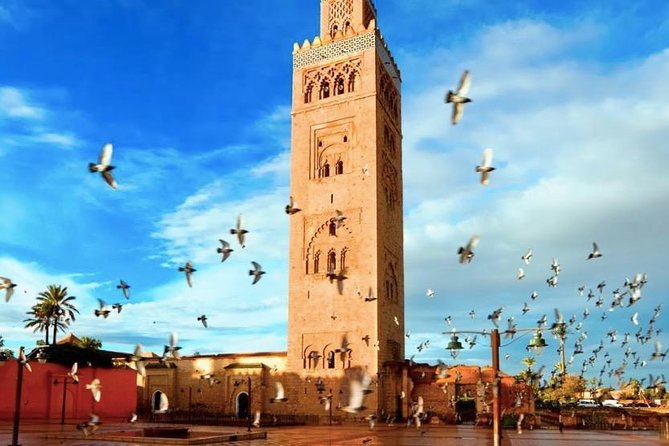
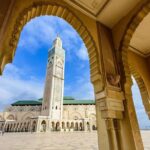
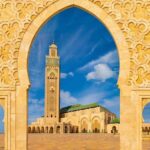
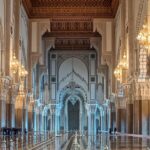
Start in Casablanca, Morocco’s commercial hub, but you’re not here for office towers. The standout is Hassan II Mosque, famous for its massive minaret and for being one of the rare mosques in Morocco where non-Muslims can enter. Even if you only do the main visit, it’s the kind of sight that makes you slow down: hand-carved details, ornate surfaces, and the feeling of a place built to be seen.
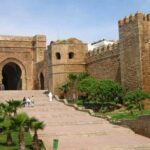
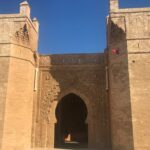
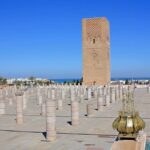
Then you head north to Rabat, the imperial city and today’s capital. This day has a nice rhythm: you tour Chellah Necropolis for Roman-and-Islamic layers, then walk into the old medina area through the Kasbah des Oudaias gate. You also get time in the Andalusian Gardens, plus the Hassan Tower and the mausoleum of Mohamed V. What I like about this pairing is contrast: Casablanca feels loud and coastal; Rabat feels measured and historical.
Practical note: walking in these sites is a mix of paved areas and longer strolls. Wear shoes you can trust, because you’ll want grip—especially if the ground is uneven.
You can also read our reviews of more private tours in Casablanca
Chefchaouen and the Rif Mountains: slow down in the blue medina
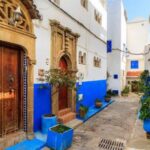
Chefchaouen is one of those places that makes you understand why Morocco gets repeat visits. The blue walls and hillside lanes are instantly recognizable, but what keeps it from being only photo-friendly is the slower vibe. The plan here is built around time to wander, find a café, and browse without feeling rushed.
You’ll spend the day exploring the medina’s narrow streets and the main square area around Plaza Outa el-Hammam. You’ll also visit the Grand Mosque and the kasbah area, which helps you connect the town’s layout to its history.
What to plan for: Chefchaouen is up in the Rif Mountains, so it can feel cooler than the coast. Bring a light layer even if Casablanca was warm.
Volubilis, Meknes, and Fes: imperial cities without the confusion tax
This is a strong “history day” that still feels human. You’ll stop at Volubilis, the Roman ruins near Ouazzan. It’s one of Morocco’s easiest ways to see that the country’s story didn’t start with the medinas you picture today. The site is UNESCO-listed, and the visit works best when you let yourself look at the scale—ruins meant to be a city, not just scattered stones.
Next comes Meknes, often less crowded than Fes and Marrakech but still loaded. You’ll visit the Mausoleum of Moulay Ismail, then the granaries—a clever design with underflow water channels and cool airflow logic. You’ll also see Bab Al Mansour, the great gate built centuries ago, which gives you a sense of how powerful this city once was.
Finally, you reach Fes. The drive itself isn’t the point—the payoff is your arrival into the oldest imperial city and a chance to get your bearings. You’ll visit the Merenid Tombs for a wide view before heading to your riad to settle in.
Quick tip for Fes: plan for your legs to do more work than you think. The medina is famous for being walkable, but it’s also famous for being confusing. A little patience makes it fun instead of frustrating.
Fes el Bali orientation: learning the medina maze the easy way
Fes isn’t a “see it once and move on” city. It’s a place where the medina is the attraction, but the medina is also the obstacle if you don’t have a plan.
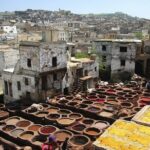
This day starts at the Bab Boujeloud gate and heads into Talâa Kebira, the main thoroughfare in Fes el Bali. You’ll notice the shopfront rhythm and the mix of influences as you move along. A big part of the value here is that you’re guided through the streets instead of getting dropped in and hoping for the best.
You’ll spend time learning about the city’s history and culture while moving through souks and corridors behind the big routes. This is where the “private tour” matters: you can ask questions, stop when something catches your eye, and keep your pace.
If you’re the type who likes street life but hates crowds, this is your sweet spot. You’re not chasing a checklist—you’re learning how the city works.
Atlas crossings to Merzouga: cedar forests, fossils, and Oued Ziz views
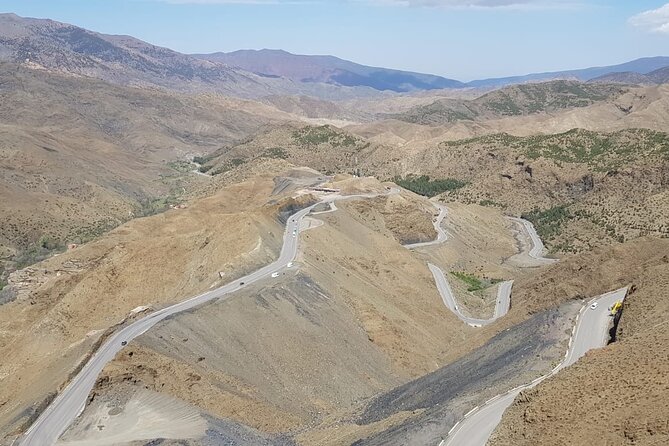
Then the scenery switches gears. You travel through the Middle Atlas Mountains, including cedar forests and Berber villages, and you begin the descent toward the Sahara region.
You’ll break the day up with a midday stop in Midelt, known for fossils and rocks. It’s not just a photo break; it gives you a different angle on Morocco’s geography—mountains that hold ancient stories.
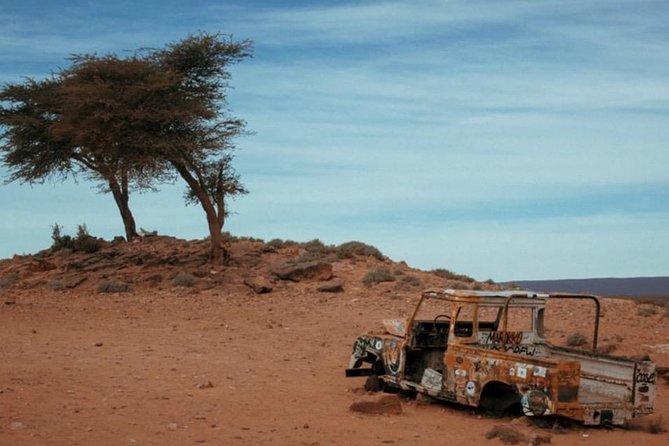
As the drive continues, you’ll pass along the Oued Ziz and see palms and kasbahs emerge. You also pass through the adobe-colored area around Er-Rachidia, which feels like the threshold between “everyday Morocco” and “desert Morocco.”
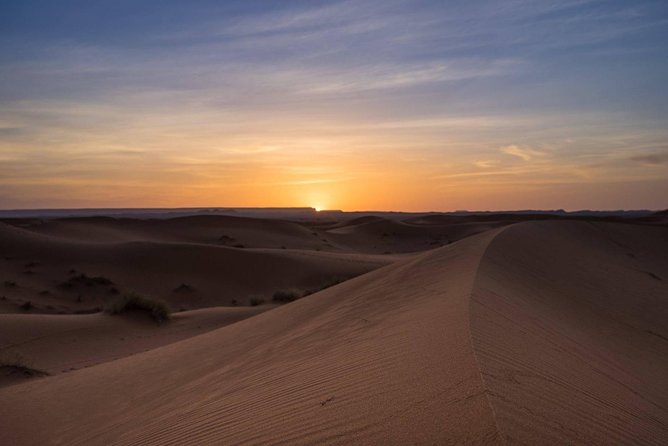
By afternoon you reach Merzouga, where you stay at the foothills of the Erg Chebbi dunes area. This is the kind of stop that turns anticipation into reality: you arrive when the light is changing, and the dunes start looking like something you can actually step into the next day.
If you get motion sick, this route is long enough that you’ll want to be prepared. Bring ginger/meds if you use them, and take water breaks.
Erg Chebbi desert day: Rissani, fossils, and a camel sunset
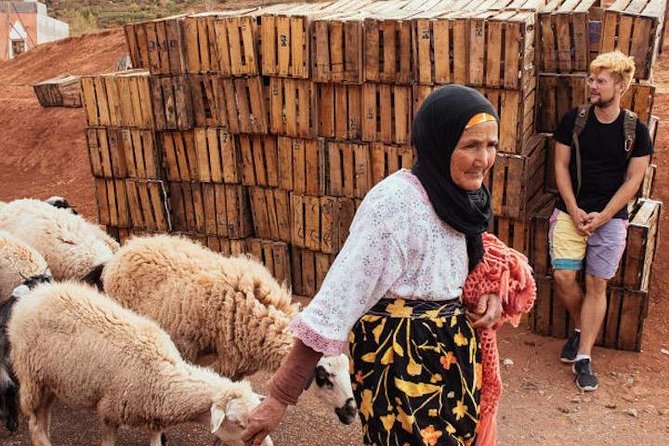
The desert day is the heart of the trip for a lot of people—and with good reason. You start with breakfast, then head into the Sahara region experiences around Erg Chebbi.
You’ll visit a fossils center, then the ancient city of Rissani. Rissani matters because it connects the desert to Moroccan dynasties and older trading routes. You’ll also explore areas tied to early Moroccan architecture and sites like Ksar Oulad Abdelhalim. This keeps the day from being only sand and sun.
Then comes Khamlia village, where you can listen to Gnaoua music. It’s a nice reminder that the desert isn’t empty—it’s cultural. You’ll also see Saharan clothing traditions, including the indigo robes associated with the region’s people.
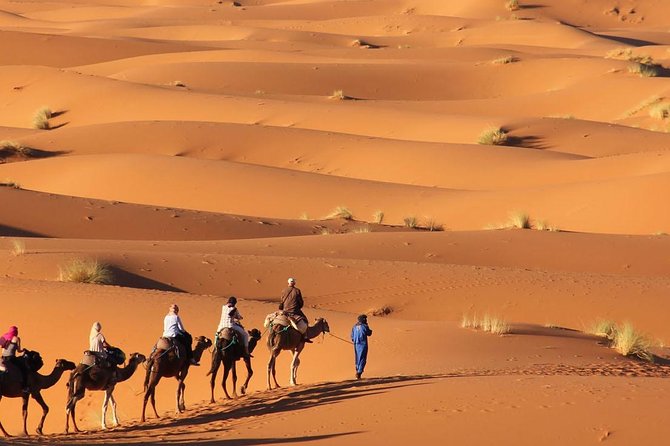
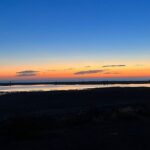
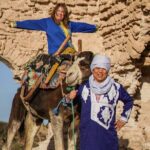
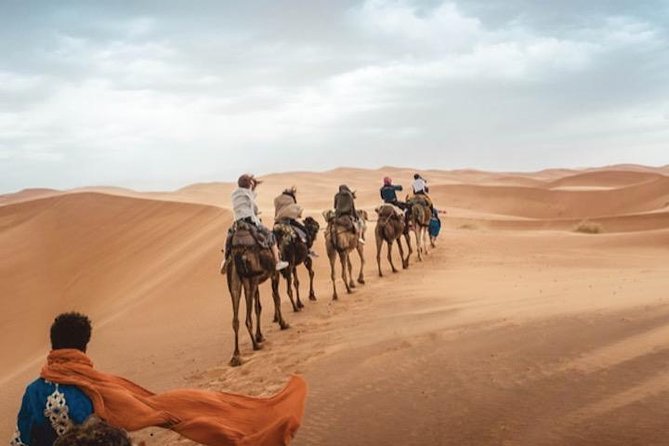
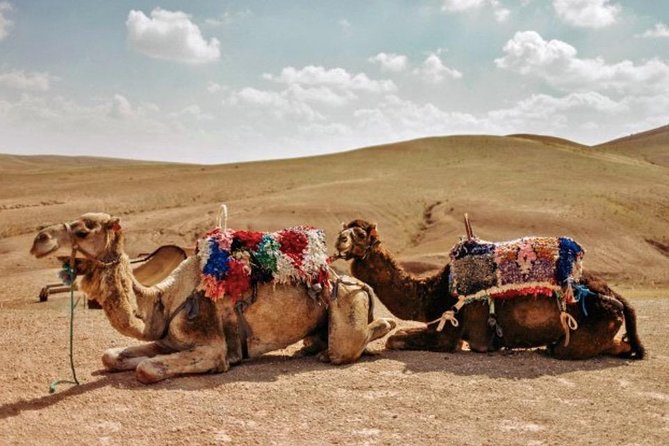
In the afternoon you ride camels across the dunes for sunset, ending at a tent camp for an overnight with stargazing and Berber music. The logistics here are simple but effective: you get the timing right. The desert is better when you aren’t rushing.
What I’d do if you want photos: keep your phone warm, charge before you head out, and expect cold at night even if the day is hot.
Todra Gorges and Dades Valley: sunrise, a hike, and dramatic rock walls
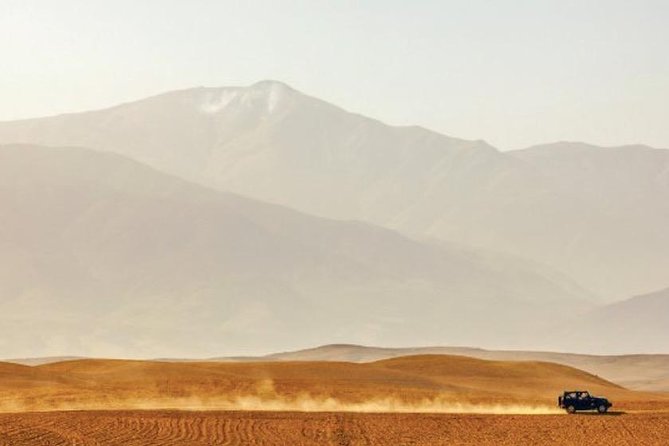
Day 7 is all about getting up early and earning the view. You wake up for sunrise over the dunes, then you return back toward Merzouga.
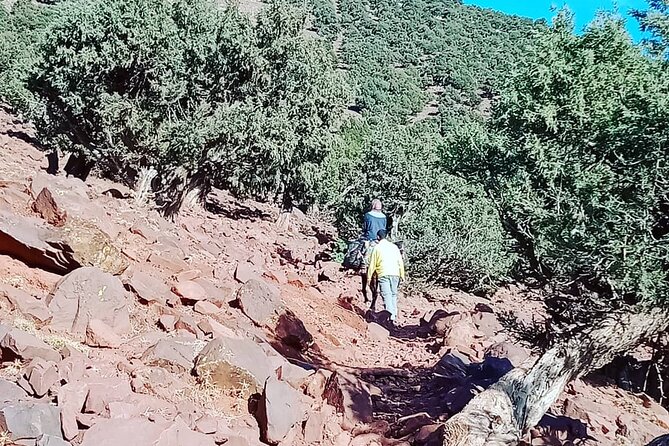
After that, the road turns toward Alnif and the Jbel of Saghro region, known for dramatic rock formations. You’ll continue to Todra Gorges, where you’ll walk in the canyon with towering walls (around 600 feet high). This is one of the best “stretch your legs” moments on the trip because you’re not just walking through a city—you’re walking inside geology.
You’ll then continue toward Dades, stopping for views along the route, including areas like the Tamnalt Hills rock formations. Your overnight is in the heart of Dades Gorge, which is a smart move because it reduces backtracking and gives you more time in the scenery.
Footwear matters here. The walk is outdoors and in a canyon environment—bring shoes that handle uneven ground.
Ouarzazate to Aït Benhaddou: movie-country vibes and mountain viewpoints
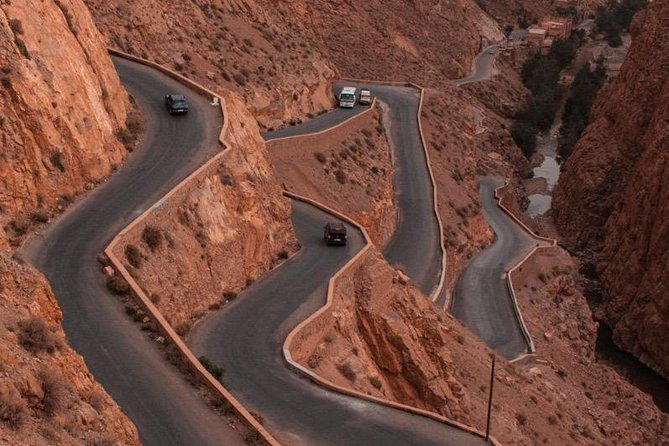
This part of Morocco is where deserts and mountains trade places. You travel through the Valley of a Thousand Kasbahs, where you might see structures in disrepair and families still living in some of them. Even if you don’t get a long stop in each place, it helps you understand why these valleys became crossroads.
Next is Kela’a M’gouna, associated with the Festival des Roses. Even if the festival isn’t happening during your dates, the farmland and rose-growing identity are part of why the town exists in the first place. Then you continue to Ouarzazate, a gateway town often tied to film production. You’ll include a studio tour, which is helpful if you want to understand how local desert scenery gets turned into movie scenes.
Then you head to Aït Benhaddou, a UNESCO World Heritage site and an important stop along older trans-Saharan trade routes. You walk through narrow lanes up toward the granary area for views, then you go up toward the High Atlas and the Tizi n’Tichka pass viewpoint. The plan emphasizes the mountain drama: higher air, colder temperatures, and huge scale.
When you descend toward Marrakech afterward, you’ll feel the climate and crowd shift almost immediately. That change is part of what makes the route work.
Marrakech: Jemaa el-Fna energy and a guided medina start
Marrakech is the final imperial city in the loop, and it gives you two big experiences: the square and the old medina.
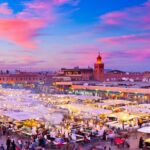
On your first Marrakech day, you settle into your hotel and spend the afternoon as you like. In early evening, Jemaa el-Fna comes alive—musicians, performers, and food stalls. If you want the show without being in the thick of it, you can choose a café around the square for a mint tea moment while you watch the scene.
Your second Marrakech day starts with Koutoubia Mosque and gardens. Non-Muslims can’t enter the mosque, but the exterior and gardens are still worth seeing. The minaret and the surrounding historic elements give you the “main stage” feel of Marrakech.
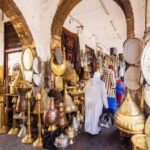
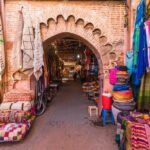
Then you move into the medina’s souks area: Souk el Attarin, Souk Chouari, and Souk Smata. You’ll get help navigating the maze of shops and streets, and you can focus on what interests you—spices, crafts, or just the atmosphere.
Tip: keep some cash and use a calm pace. Souks can feel intense if you rush.
Essaouira day trip: Portuguese-era bones and ocean calm
Before you wrap up, you get one of the nicest “breathers” on the route: Essaouira. This town has old European influences, and it feels different from Marrakech—less of the imperial hype, more sea breeze and craft.
You’ll explore Essaouira as a fortified old Portuguese city of Mogador, then you’ll have time in the afternoon before returning to Marrakech. The city has a microclimate that’s mild in winter and cooler in summer, plus a beach protected by nearby islands.
What I like here is the craft angle. Essaouira artisans are known for cedar inlay work, so you’ll see products that are more than generic souvenirs. If you’re buying gifts, this is often where you find better-made, skill-based items.
Price and value: is $1,721.28 per person fair for 11 days?
At $1,721.28 per person for an 11-day private route, you’re paying for three things: time, convenience, and the private pacing that lets you enjoy stops instead of just surviving them.
Here’s where the value shows up:
- Transport is handled, including the long intercity stretches you’d otherwise have to coordinate.
- Accommodation is handled, plus the desert overnight (including a tent camp experience at Erg Chebbi).
- You get a guide-led approach to major cultural stops, including your start in Fes and the desert day’s cultural pieces like Rissani and Gnaoua music.
Where value can feel less clear:
- Most other meals are at your own expense. You’ll want to budget for lunch and dinner daily, and for long driving days you’ll likely buy quick eats more often.
- The itinerary is active, with several long days. If your ideal vacation is slow and local, you may feel the road time more than you expect.
My advice: if you want to see a lot of Morocco with minimal hassle—and you’re comfortable with driving—this price can make sense. If you mainly want one region in depth, a shorter tour might serve you better.
Who should book this private Casablanca-to-Marrakech route?
This tour is a great match if you:
- Want a big Morocco sweep with desert and imperial cities
- Enjoy a mix of guided history and free wandering time
- Like the idea of staying in a riad, then switching to desert tent life, then back to city hotels
It’s less ideal if you:
- Get motion sick or dislike long driving days
- Want a purely relaxed, short-distance itinerary with lots of downtime
Should you book this 11-Day Morocco Private Tour?
I’d book it if you’re excited by the idea of Morocco as a changing map: coast to ruins, mountains to dunes, then desert to ocean. The strongest parts are the pairing of Chefchaouen’s medina calm, Fes guided orientation, and the Erg Chebbi desert night with sunset camel time. Add in the Todora Gorges walk and you get real variety, not just a string of roadside stops.
Before you lock it in, do two quick checks with the operator: confirm what room category you’re getting in each stop, and ask how meals are handled on your days with the longest drives. If that fits your comfort level, you’ll likely find this one of the cleaner ways to see a lot of Morocco without turning your trip into logistics homework.
FAQ
What does the tour include for meals?
Breakfast is included, but most other meals are at your own expense.
Is this tour private or shared with other people?
It’s a private tour/activity, so only your group participates.
What kind of transport is provided?
Transport between stops is taken care of as part of the tour, and pickup is offered.
Where does the Sahara experience take place?
The desert portion centers on Erg Chebbi near Merzouga, including a camel experience and an overnight in a tent camp.
Can non-Muslims enter the key mosque stops?
The Hassan II Mosque visit is described as allowing non-Muslims to enter, while the Koutoubia Mosque is noted as not being enterable by non-Muslims.
What’s the cancellation and weather approach?
You can cancel for a full refund if you do it at least 24 hours in advance. The experience also requires good weather; if canceled due to poor weather, you’ll be offered a different date or a full refund.