REVIEW · CASABLANCA
10-Days North and South Morocco Private Tour
Book on Viator →Operated by Best of Morocco Tours · Bookable on Viator
Morocco hits you fast: mountains, desert, and old cities in one arc. What makes this tour appealing is the private setup, so you’re not shoehorned into a big-group scramble. I also like that you get guided city time plus a dedicated driver-guide for the long stretches between places. The main thing to consider is the driving time: days feel full, and a few start early, including the camel ride.
The value here is practical. You pre-book the route, hotels, and the key guided stops, so your time goes to seeing and learning instead of comparing schedules. That said, you’ll still need to budget for lunches and drinks, since only breakfasts are included.
If you like Morocco with breathing room, this kind of itinerary works. You can pause in souks, take the alleys at your own speed, and still know the next day is planned.
In This Review
- Key things I’d zero in on
- Why this north-to-south plan feels low-stress
- Price and what you’re really buying
- Marrakech arrival: get your bearings fast
- Day 2 in Marrakech: tombs, gardens, minaret, and the souks at night
- Marrakech to Ouarzazate: Tizi-n-Tichka pass and Ait Benhaddou
- Dadès Valley and Todra Gorges on the way to Merzouga
- Merzouga dunes: camel ride at sunrise and desert calm
- Merzouga to Fez: Middle Atlas views and Azrou market stops
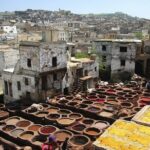
- Fez el-Bali guided walk: blue gate, spice lanes, tanneries
- Volubilis, Meknes, and Chefchaouen: Roman ruins to the blue pearl
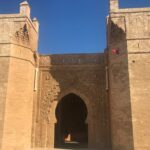
- Rabat: capital city pacing and architecture layers
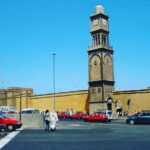
- Casablanca: Hassan Mosque and time to breathe
- Who this tour suits best
- Should you book this 10-day private north-and-south Morocco tour?
- FAQ
- Is this a private tour?
- Where does the tour start and end?
- Are hotels included, and what standard are they?
- What’s included in the tour price?
- Are lunches included?
- Do you get help with airport transfers?
- Is free cancellation available?
Key things I’d zero in on
- Private driver-guide throughout so logistics stay simple and conversation stays real
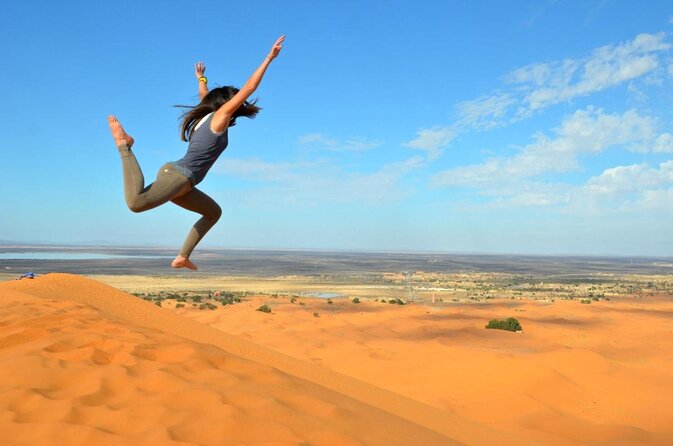
- Merzouga sunrise camel ride for that classic Saharan morning moment
- Ait Benhaddou UNESCO stop plus Atlas Studios and Taourirt Kasbah in Ouarzazate
- Fès el-Bali guided walk through the Boujloud blue gate, Attarine Souk, tanneries, and potters
- Chefchaouen blue-and-white day paired with Roman Volubilis and Moulay Idris area sights
Why this north-to-south plan feels low-stress
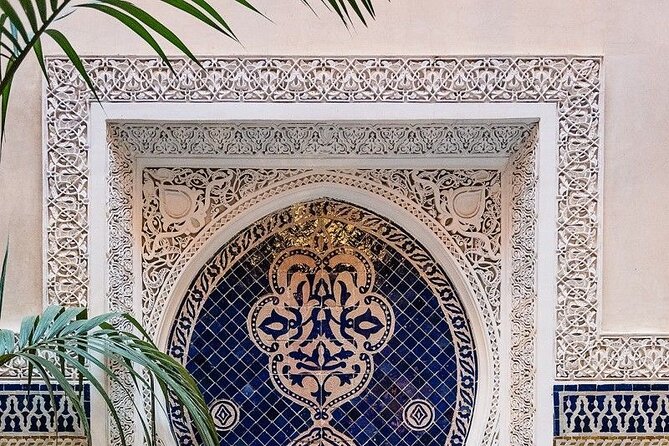
This tour is built around a clean idea: Morocco’s best scenes are far apart, and arranging everything on your own can turn into a part-time job. Here, you’re moving by air-conditioned vehicle with an English-speaking driver-guide guiding the route and timing. That means you can focus on the places instead of the paperwork.
It also helps that you’re not locked into one pace. A private tour means you can linger when the medina lanes get interesting, or move on when you’ve had your fill of “just one more alley.” You’ll still benefit from local guides in the cities, which is where the details really matter.
The biggest trade-off is that Morocco’s distances are real. You’ll spend several hours in the car on multiple days, especially when moving between the Atlas mountains, the desert region, and northern towns.
You can also read our reviews of more private tours in Casablanca
Price and what you’re really buying
At $1,199 per person for an about-10-day private experience, you’re paying for three things: transportation, lodging, and guide coverage. You get 8 nights in 4-star hotels on a bed-and-breakfast basis, plus guided time in cities with local specialists. In Morocco, that combination usually costs more if you book it in pieces.
Here’s what you’ll want to budget beyond the price. Lunches and drinks during meals are not included, and tipping for the driver and local guides is also not included. If you’re someone who likes to treat yourself to extra drinks with dinner, add that into your planning early.
Admissions aren’t listed as one giant number, but the itinerary notes some site access as included and others as free. Bottom line: the structure reduces surprise expenses, and it keeps your day from stalling at the ticket counter.
Marrakech arrival: get your bearings fast
Your first day starts with something small but huge: a guide meets you after you arrive at Casablanca or Menara Airport, then transfers you to your hotel in Marrakech for check-in. After travel, that kind of handoff helps you settle in instead of hunting for transport.
Marrakech’s setting is part of the story here: it sits where the desert and mountains meet. Even before sightseeing, you can feel why people fall for the city’s mix of intensity and beauty.
If you arrive tired, this tour helps you recover without wasting a day. You’re not expected to jump into major tours the moment you land.
Day 2 in Marrakech: tombs, gardens, minaret, and the souks at night
This is the “core Marrakech” day, and it’s packed in a smart sequence. You’ll visit the Saadian tombs, the Dar Si Said Museum, and Majorel Gardens, then see the Koutoubia Minaret, the city’s major landmark. The order works because you get context on how Marrakech evolved before you go hunting for souvenirs.
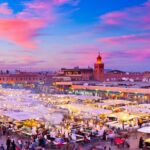
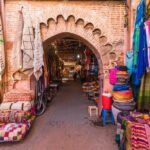
After lunch, you shift into the city’s living texture: the souks, a maze of lanes and colorful shops. Then you end at Djemaa el-Fna, where street performers, acrobats, and fortune tellers create a constant show. It’s touristy in the best way, because you’re experiencing how people socialize in public space.
Two practical tips for this day. Wear shoes that handle uneven sidewalks and crowded lanes. And give yourself time to step out of the densest alleys when you need air, shade, or a quick reset.
Marrakech to Ouarzazate: Tizi-n-Tichka pass and Ait Benhaddou
The drive from Marrakech toward the desert region runs through the Tizi-n-Tichka pass at about 2,260 meters. This is where the scenery starts changing fast, and you see Berber villages and farms scattered across the slopes.
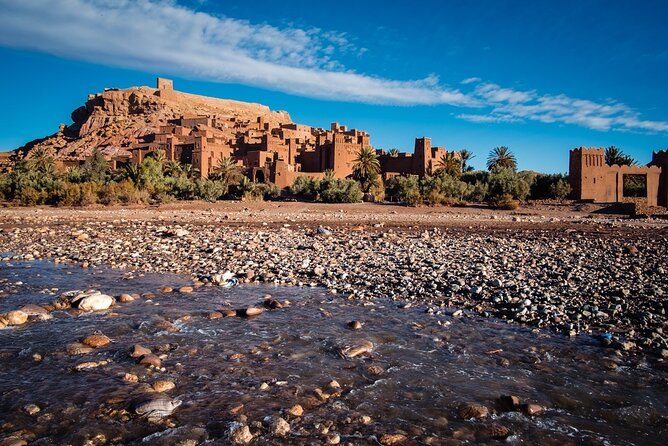
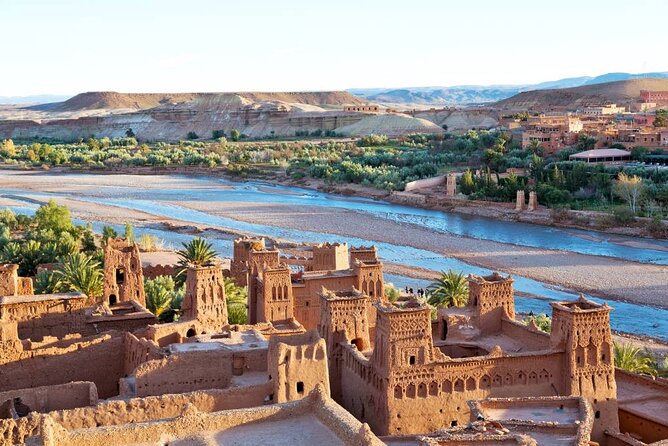
Your lunch stop is at Ait Benhaddou, then you get to visit its kasbah. It’s a world heritage site, so it’s not just photo bait; it’s a window into how this region built and lived for centuries. You’ll also head to Ouarzazate, nicknamed the Hollywood of Africa, for Atlas Studios and the Taourirt Kasbah.
One drawback to keep in mind: driving days like this can feel long even when the views are great. If you’re prone to getting restless in vehicles, plan to bring a neck pillow and keep water handy.
Dadès Valley and Todra Gorges on the way to Merzouga
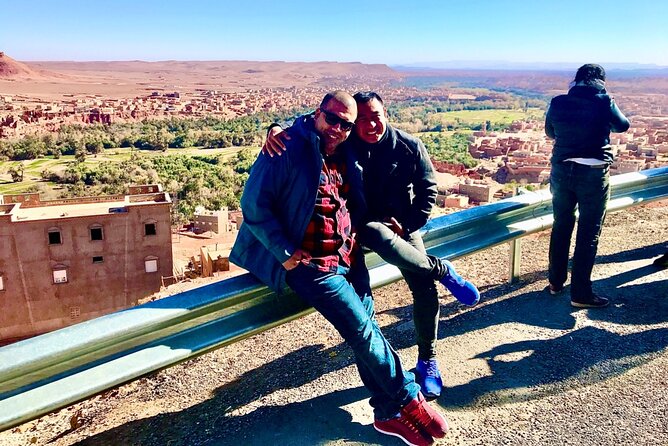
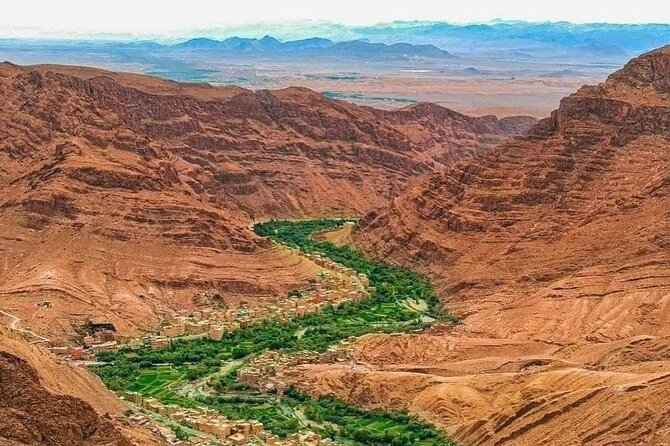
On your route toward Merzouga, you pass through the Dadès Valley. The itinerary highlights springtime rose blooms and the feeling of hedgerows filled with fragrance, plus a river corridor lined with kasbahs. Even if you’re traveling outside spring, you’ll still get the sense of layered scenery and traditional settlement patterns.
Then comes the Todra area. You’ll stop near the Todra gorges, described as some of the highest and narrowest in the region. This is one of those places where the canyon walls do the talking, and your photos won’t capture how tall and close the rock feels in person.
This day matters because it’s not just transit. It’s a moving tour of how Morocco’s geography shapes daily life, from valley farms to desert edges.
Merzouga dunes: camel ride at sunrise and desert calm
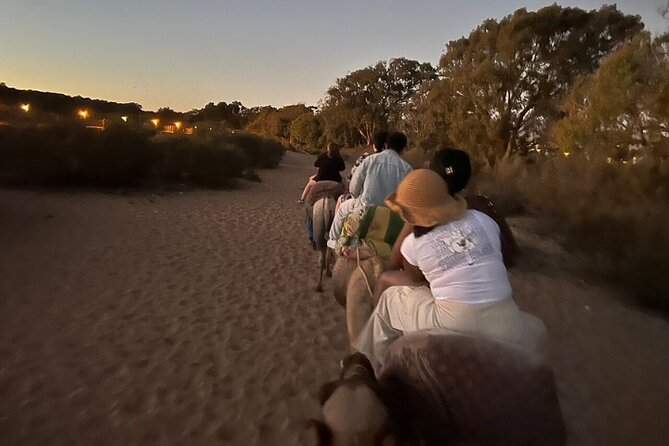
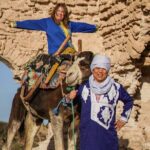
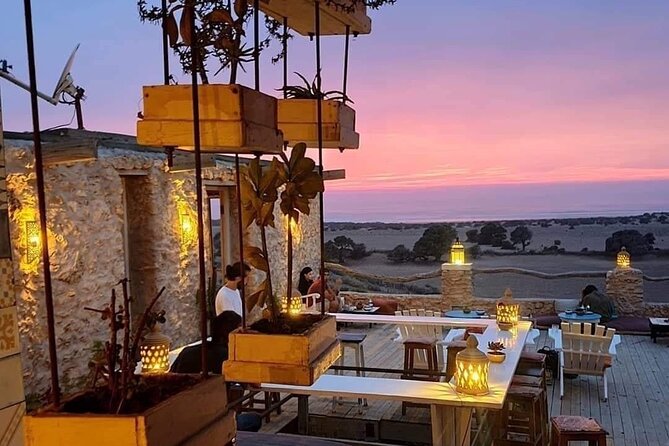
Merzouga is the big visual payoff, and the tour builds around a classic moment: an early morning camel ride to reach sunrise, then breakfast back at the kasbah area. Sunrise here is a real rhythm check. You’re up early, moving slowly through sand, then suddenly the world feels quiet.
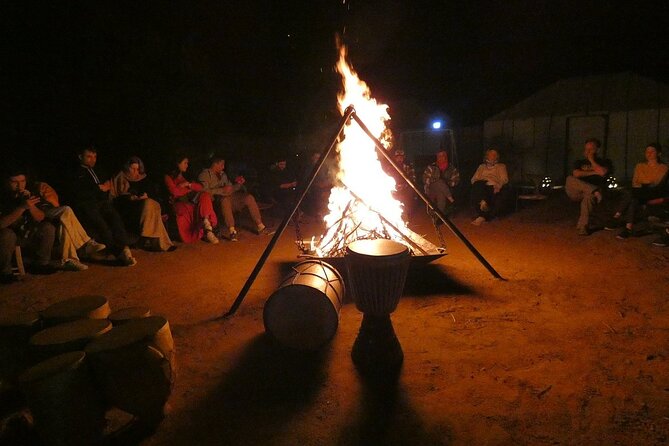
This segment is also where the tour balances comfort with adventure. You’re not asked to improvise your desert night, and you’ll be returning to a base for breakfast after the sunrise ride.
If you’re thinking about comfort, wear layers. Desert mornings can feel cool before the sun fully rises, and you’ll likely spend time waiting between steps of the experience.
Merzouga to Fez: Middle Atlas views and Azrou market stops
After the desert morning, the tour transitions north toward Fez, with stops that keep the route interesting. You’ll travel through Midelt for lunch, then enjoy big mountain panoramas where the Middle Atlases give way to the High Atlas. The itinerary notes peaks visible through haze, rising above 12,000 feet, which is exactly the kind of scale you don’t get from flat-country travel.
You also spend time around Berber rural areas, described with evergreen pines, cedar trees, and streams. Then there’s Azrou, mentioned as an important market center.
The value of this part isn’t only scenery. It helps you feel the shift from desert edge to forested slopes, so Fez doesn’t appear as if it dropped out of nowhere.
Fez el-Bali guided walk: blue gate, spice lanes, tanneries
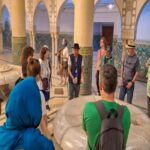
Fez is the kind of city where self-guided wandering can be overwhelming fast, even when you love getting lost. This tour handles that with a guided route through Fès el-Bali, starting from the royal palace gates and moving to a panoramic view over the old Medina.
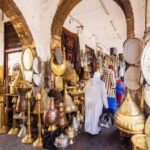
You’ll then go inside through the famous Boujloud blue gate, and continue to sites including Merdersa Bou Imania and Mosque Abou El Hassan. The sightseeing theme stays human and practical: fruit sellers, piles of spices in the Attarine Souk, woven Berber carpets, and other craft goods.
Then you hit the craft zones that most visitors only notice from the edges. The itinerary includes stops like Nejjarin Founten, plus the tanneries and potters. This is where a local guide really earns their place, because you learn what you’re looking at and how the systems work.
For your own comfort, accept that this is a walking day on uneven surfaces and tight lanes. Take breaks when you need them, not when the clock demands it.
Volubilis, Meknes, and Chefchaouen: Roman ruins to the blue pearl
One of the tour’s smartest choices is pairing different time periods in one movement. You’ll travel toward Meknes and visit Volubilis, described as Morocco’s Roman provincial capital. You also pass through the Moulay Idris area, tying early dynastic roots to the later layers of empire and architecture.
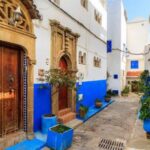
The day doesn’t end with history stones. You continue onward to Chefchaouen, stopping for lunch and then exploring the blue-and-white streets. The itinerary calls Chefchaouen the blue pearl of Morocco, and it emphasizes a relaxed feel: winding alleyways, market squares, and handcraft selling by women from the surrounding Rif.
This day gives you two kinds of satisfaction. Volubilis rewards patience and scale recognition, while Chefchaouen rewards strolling and color attention. If you’re the kind of person who likes both ruins and street life, this is a strong match.
Rabat: capital city pacing and architecture layers
After breakfast, you move to Rabat, Morocco’s capital. The itinerary frames Rabat as a spaciously elegant European grid, but with an older footprint shaped by many civilizations. It specifically mentions Phoenician and Roman eras among the architectural influences.
Rabat can feel like a relief after the intensity of Fez and Marrakech. You get a more measured rhythm, so you can take photos without fighting the chaos of nonstop crowds.
Because the itinerary doesn’t list every single monument, think of this day as a guided orientation plus major sights. Your guide’s job here is to connect the dots so the city doesn’t feel like an assortment of buildings.
Casablanca: Hassan Mosque and time to breathe
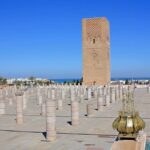
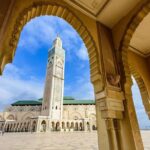
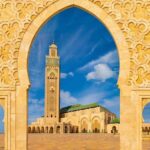
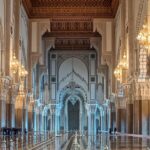
Casablanca is the economic capital, and your sightseeing includes the Hassan Mosque. Then you get afternoon leisure time, which is honestly the best kind of free time. It lets you pace yourself, shop at your own speed, or just sit for a while and watch the city move.
Casablanca is also a practical end to the trip because it’s where flights connect. You’ll have a final transfer day to the airport.
If you’re someone who needs structure every hour, Casablanca’s downtime might feel odd. But if you want a chance to reset after desert and medina days, it’s a welcome break.
Who this tour suits best
This is a strong match for people who want Morocco’s big highlights in one smooth package. You’ll like it if you care about culture, architecture, and handicrafts, and you prefer a private rhythm instead of a group stampede.
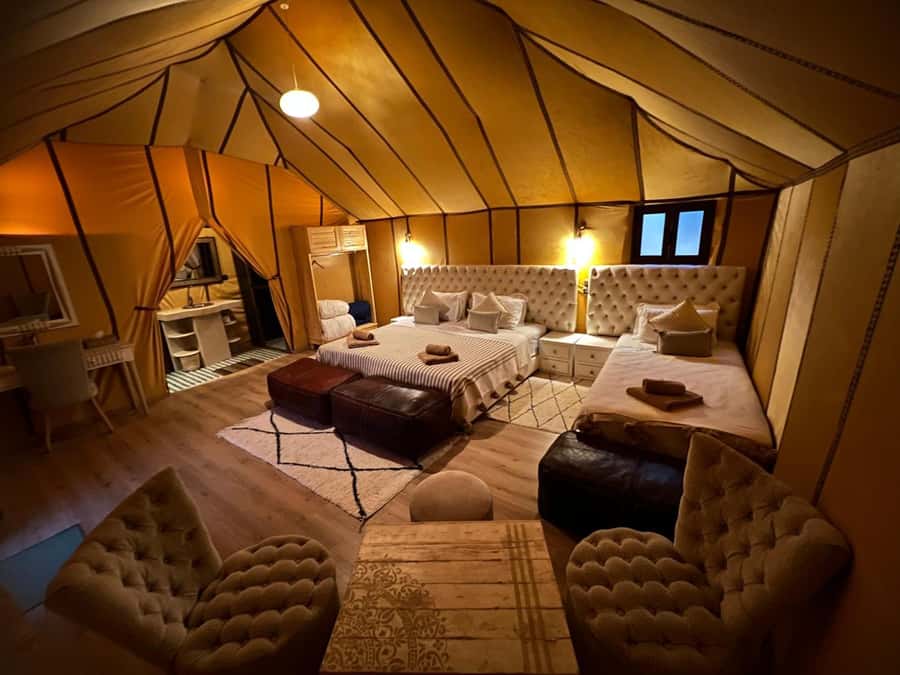
It’s also a good fit if you don’t want to plan the hotels and drivers yourself. You get 4-star stays, a driver-guide, and city guides in the medinas and historic areas.
Think twice if you know you dislike long car days. The itinerary includes multiple long transfers, and some days start with early plans like the sunrise camel ride. Also keep in mind that lunch and drinks aren’t included, so you need to stay aware of daily budget choices.
Should you book this 10-day private north-and-south Morocco tour?
I’d book it if your goal is to see Marrakech, Ouarzazate/Ait Benhaddou, the Merzouga dunes region, Fez, Volubilis, Chefchaouen, Rabat, and Casablanca without building the route from scratch. The private setup, guided medina time, and mix of landscapes across north-to-south Morocco are the big wins.
Skip it or adjust expectations if you want a slow, restful trip with minimal driving. This itinerary packs a lot into 10 days, and the value comes from organized movement plus expert guidance, not from downtime.
If you’re flexible, up for early starts, and excited to compare desert edges with old city lanes, this is a sensible way to experience Morocco.
FAQ
Is this a private tour?
Yes. It’s a private tour/activity, and only your group participates.
Where does the tour start and end?
It starts in Casablanca/Morocco based on the pickup and transfers, and it ends back at the meeting point.
Are hotels included, and what standard are they?
Yes. The tour includes 8 nights of accommodation at 4-star hotels on a bed-and-breakfast basis.
What’s included in the tour price?
Included features are an air-conditioned vehicle, English-speaking driver-guide throughout, local guides in the cities, and breakfast. The itinerary also notes that some admissions are included and others are free.
Are lunches included?
No. Lunches are not included.
Do you get help with airport transfers?
You receive transfers, including transfer to the airport for your connection at the end of the tour, with mention of Mohamed V Airport or Menara Airport.
Is free cancellation available?
Free cancellation is available. You can cancel up to 24 hours in advance for a full refund.