REVIEW · TANGIER
Tangier Highlights Private 6-Hour Tour
Book on GetYourGuide →Operated by Tangier Tour · Bookable on GetYourGuide
Tangier has a talent for mixing sea views with street life. This private tour threads together orientation stops with legend at Hercules Cave, then ends in the Medina where you can actually browse without feeling rushed. I especially like that you get big “Europe on one side, Africa on the other” panoramas early, and then you switch gears to craft-and-corner details up close.
The big thing to plan for is the walking, especially later. After the drive and viewpoints, you’ll spend time on foot in the old city, and the tour is not designed for very young kids or for everyone over a certain age—so it’s worth matching the pace to your comfort level.
In This Review
- Key highlights you’ll feel right away
- Getting your bearings fast: Malabata Cape and the Europe–Africa split
- Cap Spartel: where the Atlantic meets the Mediterranean
- Hercules Cave: Neolithic roots and a story with one good punch
- The Kasbah to the Archaeological Museum: art quarters and a slower pace
- Medina time: Mendoubia Gardens and Saint Andrews Church as your pace breakers
- Sidi Bouabid market free time: shopping with guardrails
- What the private car really buys you in Tangier
- Price and value: why $53 can make sense (or not)
- Who this tour suits best (and who should skip it)
- Small planning notes that make the day smoother
- Should you book this Tangier private tour?
- FAQ
- How long is the Tangier Highlights Private 6-Hour Tour?
- What does the tour include?
- What sights are covered during the tour?
- Are entrance fees included?
- Is lunch included?
- Do I get pickup?
- What languages are available for the guide?
- Is this tour wheelchair accessible?
- Is this tour suitable for cruise ship passengers?
- What’s the cancellation policy?
Key highlights you’ll feel right away
- Malabata Cape orientation drive: a quick setup view that helps Tangier click in your mind fast.
- Cap Spartel and the Atlantic–Mediterranean meeting: dramatic coastline geography and clear photo angles.
- Hercules Cave legend plus Neolithic depth: myth, geology, and a site that feels older than the city tour stops.
- Kasbah craft details: mosaics, woodwork, and stucco work in the old artistic quarter.
- Old-city stops with breathing room: Mendoubia Gardens and Saint Andrews Church break up the Medina maze.
- Sidi Bouabid market free time: practical shopping time in a busy Berber market setting.
Getting your bearings fast: Malabata Cape and the Europe–Africa split
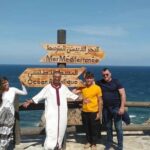
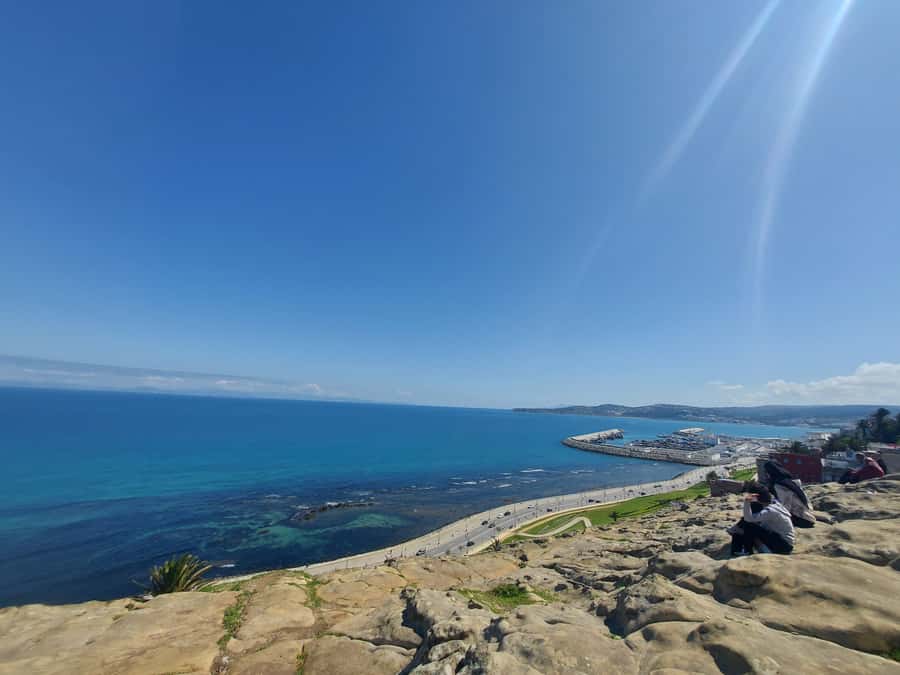
Most Tangier visitors start with the Medina and then wonder where they are. This tour flips that. You begin with a drive to Malabata Cape (East Tangier) for an orientation view, and the payoff is simple: you can understand the city’s position right away.
From there, you get the mental image of the strait: Europe one way, Africa the other. You’ll also see why Tangier has long attracted artists, travelers, and traders. It’s not just a factoid; it’s the reason the city feels cosmopolitan even while the streets run old and narrow.
Early viewpoints are also a timing win. On a private tour, you can take pictures without competing with other groups, and you can ask questions as you go—like how Tangier’s geography shapes wind, light, and views from different parts of town.
You can also read our reviews of more private tours in Tangier


Cap Spartel: where the Atlantic meets the Mediterranean
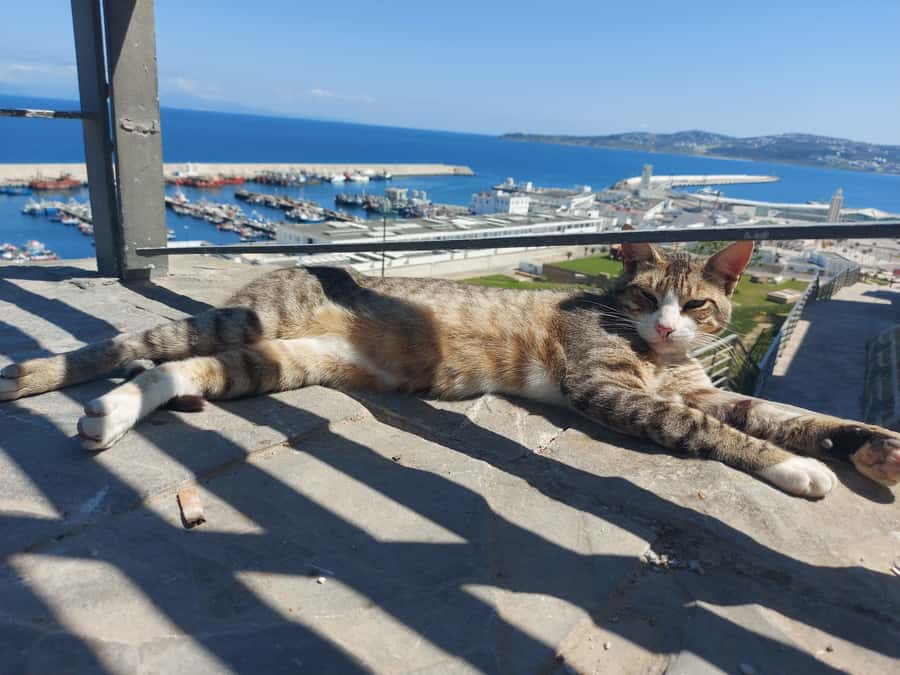
Next is Cap Spartel (West Tangier), a promontory where the Atlantic and Mediterranean play tug-of-war. The area is often described as the most northwesterly point of Africa, and that alone makes it a great “stop, look, breathe” moment.
Here’s a detail I like: Cap Spartel was once known as the Cape of the Vines. Whether you come for the legend or just the coastline, the name gives you a useful lens. Tangier’s history isn’t only about ports and politics—it’s also about what people tried to grow and trade along these shores.
Practically, this stop also serves as a second anchor for your day. After Malabata, Cap Spartel helps you connect the dots between the view from the east side and the feel of the western edge of the city. If you’re doing Tangier as a day trip, this makes the whole day feel less like a checklist and more like a route with meaning.
Hercules Cave: Neolithic roots and a story with one good punch
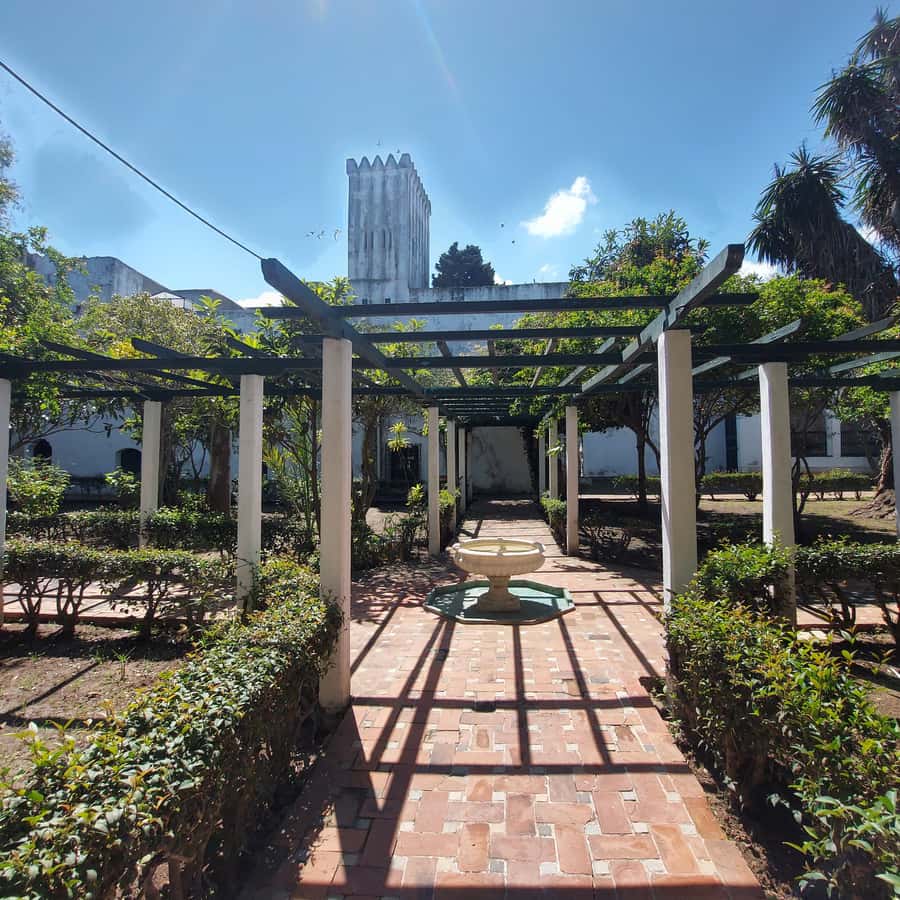
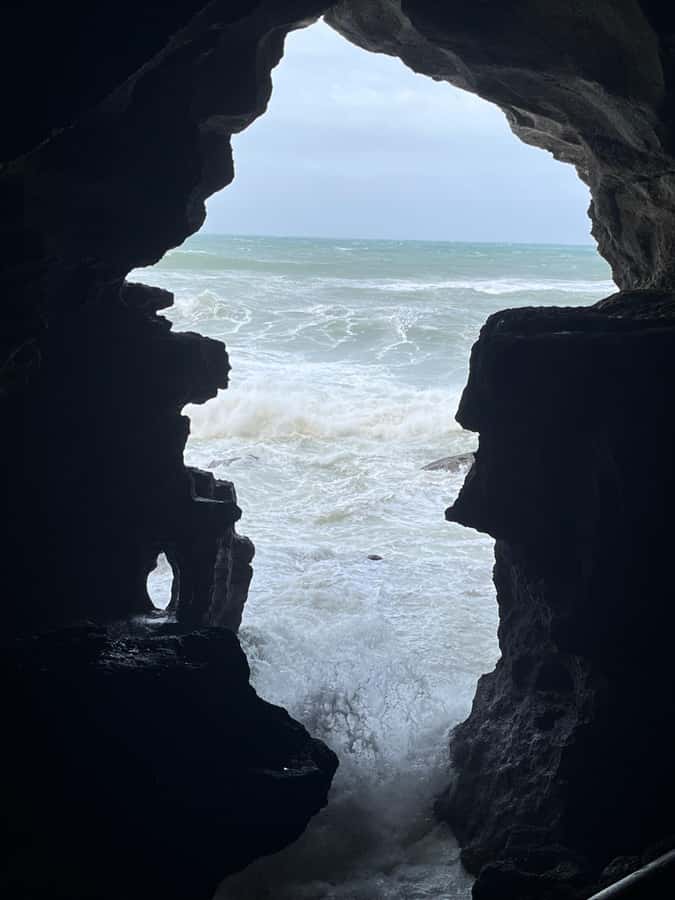
Then you head to the Caves of Hercules, a site said to have been inhabited since the Neolithic period. Even if you’re not the type to get swept up in ancient timelines, this matters. You can feel that you’re at a place people have returned to for a very long time, long before cars, cafes, and tour routes.
The legend is the headline: Hercules is said to have lived here, and with a single blow of his hand he created the Straits of Gibraltar. It’s the kind of myth that’s easy to remember because it sounds like a visual scene—strong, dramatic, and made for storytelling.
A practical note: caves tend to be cooler and sometimes damp. Wear comfortable shoes and plan for a brief shift in conditions. If you’re prone to feeling rushed, this stop is actually your friend—because it’s typically short enough to enjoy without tiring you out, while still giving you a real sense of Tangier’s myth-making side.
The Kasbah to the Archaeological Museum: art quarters and a slower pace
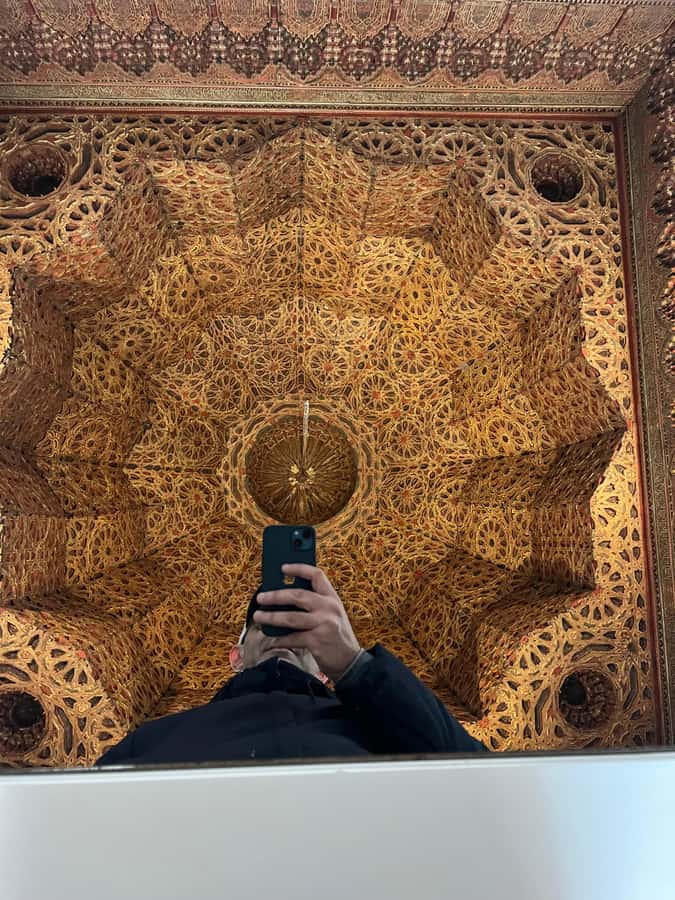
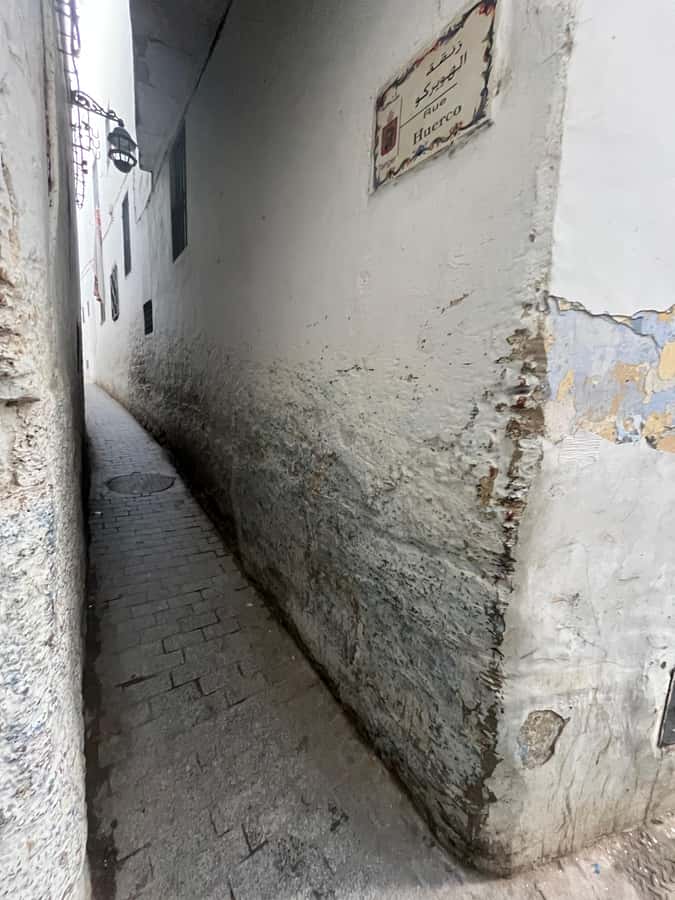
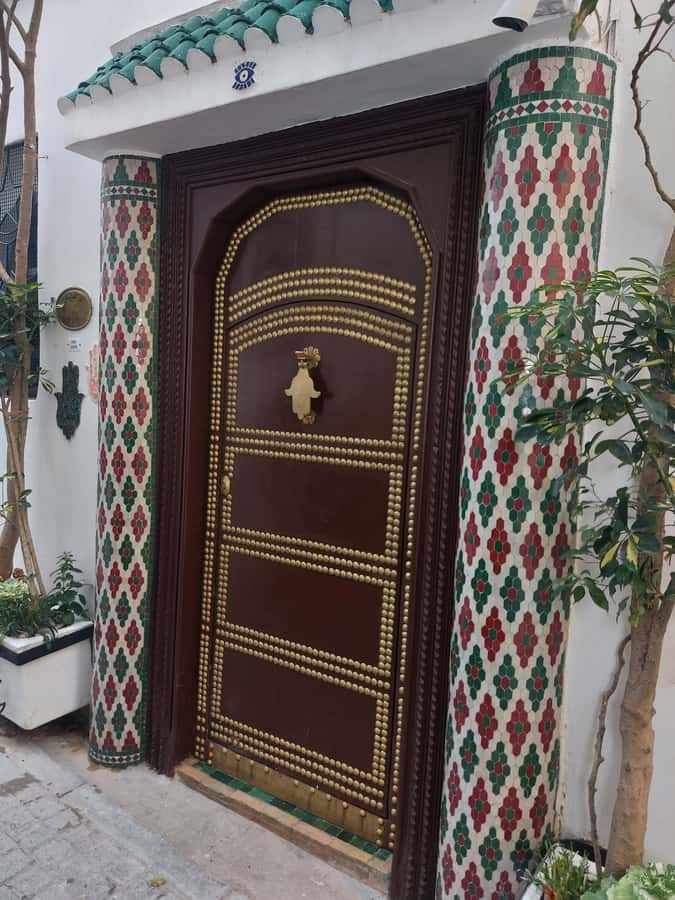
After the sea-view drama, the tour turns inland to the Kasbah, Tangier’s old artistic quarter. The Kasbah is known for mosaics, wood carvings, and stucco work, which is great because it’s not just sightseeing from a distance. You’ll see the kind of decorative details that make old cities feel human and handmade.
It also has a reputation as a gathering place for artists and writers for centuries. That matters because it explains the atmosphere. Tangier isn’t only old architecture—it’s also an old habit of people coming to look, think, and create.
From there, you go to the Archaeological Museum before continuing on foot. This is a smart pacing move. The museum gives you context so the later streets don’t feel like random stops. Instead, you’ll start noticing patterns in design, materials, and how the city layers different eras.
If you’re short on time, you can still enjoy this section. The key is to treat it as a foundation, not a marathon. You don’t need to read every label to get the vibe of Tangier’s long timeline.
Medina time: Mendoubia Gardens and Saint Andrews Church as your pace breakers
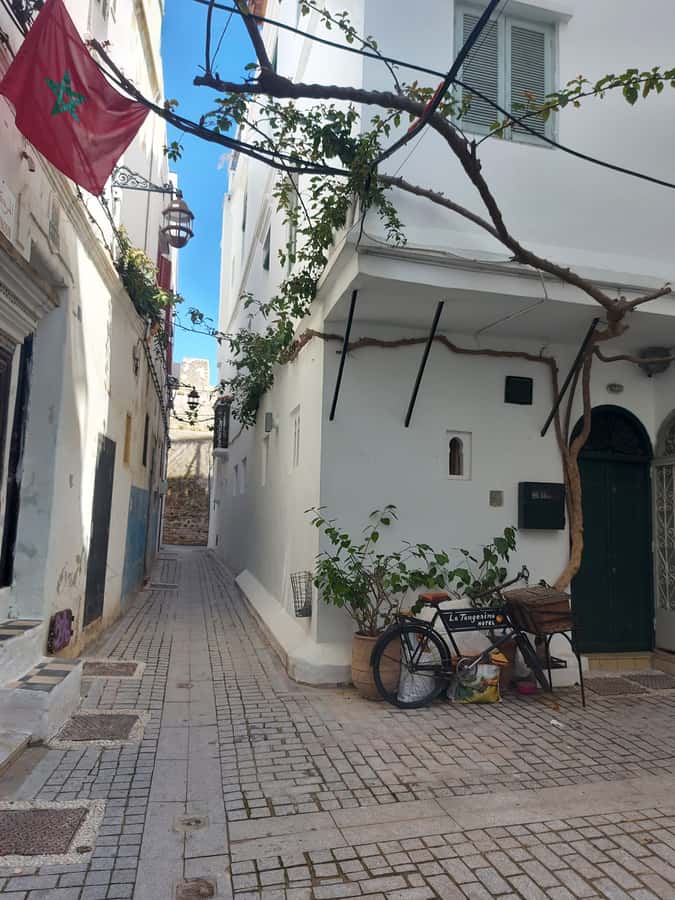
Now comes the part that most people picture when they think of Tangier: the Medina. Expect labyrinthine streets lined with cafés and bazaars, where you’ll see everyday life as well as shops.
But here’s what makes this tour feel more manageable than DIY wandering: you’re not only pushed into the maze. You also pass through Mendoubia Gardens and Saint Andrews Church, which function as useful breathing spaces. When you’re in dense old streets, even a small pause helps you reset—your legs, your eyes, and your ability to spot good details.
Mendoubia Gardens give you a green pause that contrasts with stone and narrow lanes. Saint Andrews Church is a different kind of stop—one that adds a layer of Tangier’s mixed cultural story. Together, they help you understand why the city has felt like a crossroads for so long.
On a private tour, you also get a better chance to move at a pace you like. The best guides (the ones named in past visits include Rita, Abdel, Abdellatif, Muhammad, Latif, and others) tend to give you time to look around without abandoning you. That’s the difference between feeling guided and feeling stranded.





Sidi Bouabid market free time: shopping with guardrails
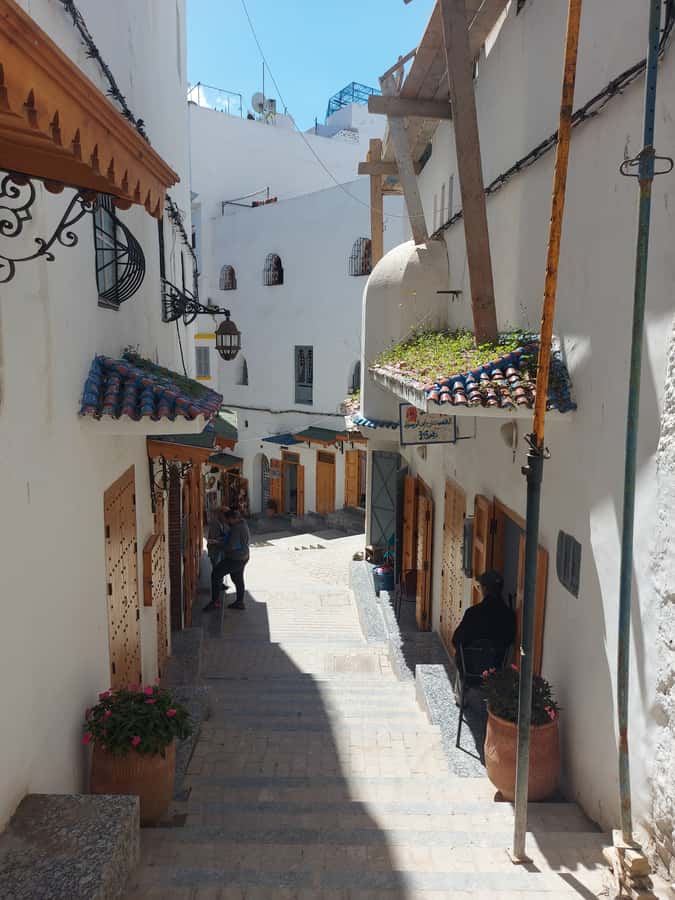
Your final stretch includes some free time at the Berber market of Sidi Bouabid. This is where Tangier shifts again—from scenic spots to lively commerce.
Free time is a big deal here. It means you can shop at your own speed, ask prices, and browse without a strict schedule turning everything into a scramble. It’s also a moment to eat if you want, since cafes are part of the Medina texture.
One thing to keep in mind: markets can be intense. A strong guide can help you avoid awkward moments and focus on what you actually want. Many guides in past experiences were praised for being attentive and for helping with situations around shopping and food, without turning it into a sales pitch.
If shopping is your priority, I’d treat this as your main shopping window, not the places earlier in the day. You’ll likely enjoy it more when you’re already in the right streets and the rest of the day isn’t fighting your energy level.
What the private car really buys you in Tangier
This tour includes a private car and a guide, which is exactly what you want in Tangier if your time is limited. The city’s geography means you’ll cover viewpoints and neighborhoods that are far enough apart that DIY can turn into a lot of time in transit.
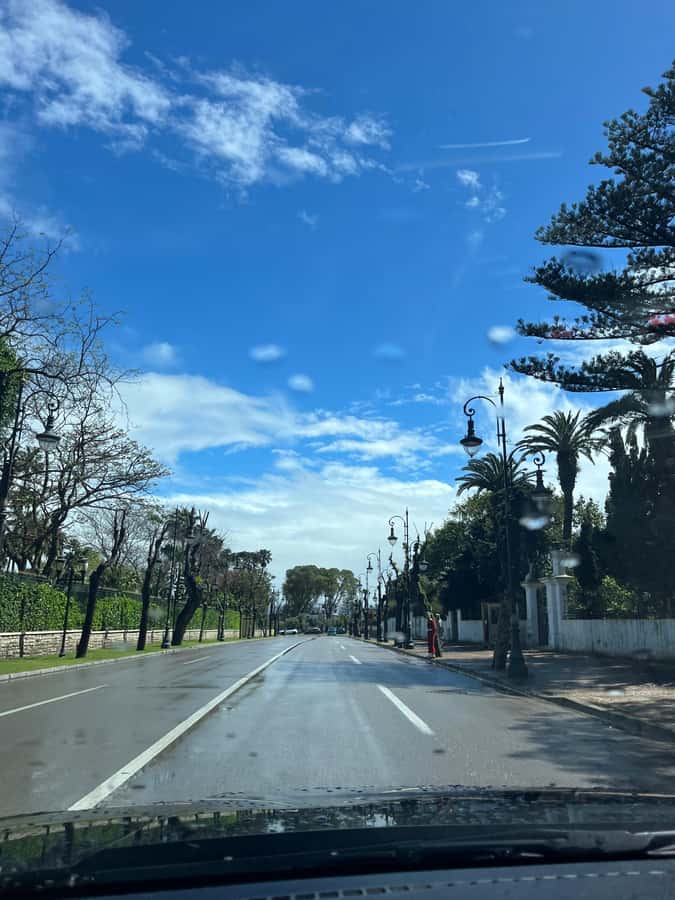
Private transport also helps you control the feel of the day. You can slow down for photos at Cap Spartel, speed up when you’re ready, or take extra moments in the Medina without feeling like you’re holding up a group.
And since the guide is listed in multiple languages (English, French, Italian, Spanish, and Arabic), it’s a practical win if you’re not traveling with someone who speaks local languages. One review experience highlighted guides speaking several languages and tailoring information on the spot, which is the kind of advantage you notice more than you expect.
Price and value: why $53 can make sense (or not)
At $53 per person, the value comes from what’s included: a guide plus private transportation. For Tangier, that’s a meaningful piece. You’re paying to compress the route—viewpoints first, then old-city wandering, then a market ending.
The trade-off is that not all costs are automatically covered. Lunch isn’t included, and entrance fees to sights and museums aren’t included unless stated. So you’re not just paying $53; you’re paying $53 to handle the guiding and driving, while you budget separately for meals and any ticketed stops.
Still, if you compare it to spending a full day piecing together taxis, sorting out where to start, and navigating the Medina on your own, the structure can save money and stress. Especially if you’re on a short trip and you want the day to feel coherent, not chaotic.
If you’re the type who enjoys solo wandering and you’re comfortable navigating old cities, you might find this less necessary. But if you want Tangier to make sense quickly, private structure is a good investment.
Who this tour suits best (and who should skip it)
This works best for you if:
- you want a short, focused Tangier intro with viewpoints and classic old-city texture
- you like having context while you walk (especially in the Kasbah and Medina)
- you’d rather ask questions than guess your way through landmarks
It’s less ideal if:
- you need an itinerary that’s mostly sitting. This includes a later on-foot segment.
- you’re a cruise ship guest, since it’s marked as not suitable for cruise ship passengers.
- you fall outside the age guidance (it’s flagged as not suitable for children under 8 and under 12, and also not suitable for people over 70). That doesn’t mean no one can ever do it, but it does mean you should treat the guidance as a real caution and plan accordingly.
Small planning notes that make the day smoother
A few practical ideas will help you enjoy the tour more.
First, wear shoes you trust. The second half includes a chunk of walking in the Medina, and uneven pavement is normal. Don’t count on sneakers that are half-broken at home; Tangier has a way of exposing that.
Second, set expectations about entrances. The tour doesn’t promise all museum and attraction entry fees are included. If you hate surprise costs, you’ll feel better if you budget for at least one ticketed stop.
Third, if you’re arriving by ferry or port transfer, make sure you’ve got reliable contact on hand. There have been real-world moments where meeting up was smooth once everyone found each other, but communication can be frustrating when phone contact is limited. A backup plan like email or written confirmation helps.
Finally, be ready for the feel of a market day. Even if you’re not shopping, Sidi Bouabid can be loud and busy. That’s part of what makes Tangier feel like Tangier.
Should you book this Tangier private tour?
I’d book this if you want a structured Tangier day that covers the big visual anchors—Malabata Cape, Cap Spartel, and Hercules Cave—then delivers the human-scale Medina experience, ending with Sidi Bouabid market time. The private car and guide combo is the main reason it works: you spend less time figuring out logistics and more time actually seeing the city.
I’d skip it if you’re looking for a mostly relaxed, low-walking sightseeing day, or if you know you’ll be sensitive to busy market energy. Also take the age guidance seriously. If you’re in the in-between zone, message the operator before booking and confirm the pace and walking expectations.
If you do book, ask your guide how they like to pace the Medina. You’ll get a better day—and you’ll come away with a Tangier that feels mapped in your head, not just photographed.
FAQ
How long is the Tangier Highlights Private 6-Hour Tour?
The activity is listed with a duration value of 30 minutes for availability and starting times. When you book, confirm the actual time you’ll spend on the sightseeing portion.
What does the tour include?
It includes a live tour guide and a private car.
What sights are covered during the tour?
You’ll visit Malabata Cape for orientation, drive through to Spartel Cape (Cap Spartel), see the Caves of Hercules, explore the Kasbah, and then walk through the Medina area, including Mendoubia Gardens and Saint Andrews Church. You also have time at the Berber market of Sidi Bouabid.
Are entrance fees included?
Entrance to sights and museums is not included unless otherwise stated.
Is lunch included?
No. Lunch is not included.
Do I get pickup?
Yes. Pickup is included from hotels in Tangier, or from the airport or port. Pick-up time is flexible.
What languages are available for the guide?
The guide is available in English, French, Italian, Spanish, and Arabic.
Is this tour wheelchair accessible?
Yes, it is listed as wheelchair accessible.
Is this tour suitable for cruise ship passengers?
No. Cruise ship guests are listed as not suitable.
What’s the cancellation policy?
There is free cancellation up to 24 hours in advance for a full refund.