REVIEW · CHEFCHAOUEN
Tangier & Chefchaouen: 2-Day Tour From Casablanca By Train
Book on GetYourGuide →Operated by Easy Transfers · Bookable on GetYourGuide
Tangier and Chefchaouen feel like two different postcards, packed into a tight 2-day rail trip. I like the structure here: you move by high-speed train, then get guided walking time where it counts, from the old-city kasbah area to the Rif Mountains’ famous blue streets. One thing to consider up front: the tour runs on timed transport, so if a pickup or transfer runs late, you may feel rushed.
In This Review
- What I like: guided medina time and real sea views
- One real drawback to watch
- Key things to know before you go
- Tangier to Chefchaouen: the value of a fast-train combo
- Day 1 in Tangier: Cape views, the kasbah area, and a minaret by the sea
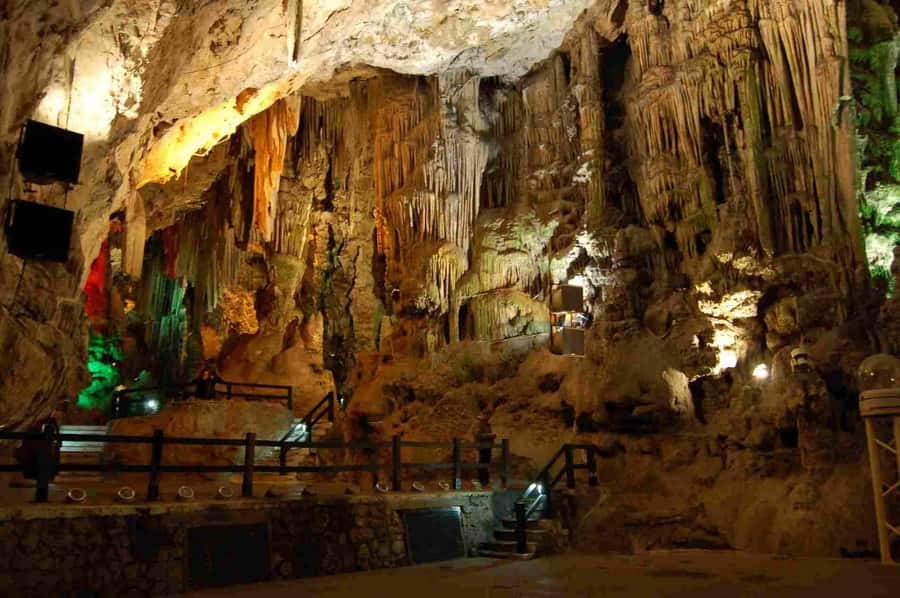
- Spartel Cape and the Hercules Caves for the big first view
- Kasbah district and the old medina: shops, port views, and real streets
- The magnificent minaret overlooking the sea
- Lunch reality check
- Day 2 in Chefchaouen: the Rif Mountains drive and the blue medina rhythm
- The drive into the Rif Mountains
- Walled medina, a Berber post origin, and the main square
- Chefchaouen’s kasbah area and the great mosque
- Souks and market time: bargains, color, and everyday goods
- Hotel, guides, and small-group size: what affects your comfort
- The guide difference you should plan for
- Customer support that actually responds
- Hotel location: sometimes close to beach, not to the center
- Price check: is $293 good value for this route?
- Who this tour suits best (and who should reconsider)
- Should you book: my practical decision guide
- FAQ
- What’s included in the Tangier and Chefchaouen 2-day tour?
- Are meals and drinks included?
- How long is the tour?
- What languages are the live guides available in?
- What’s the group size?
- What’s the cancellation policy?
What I like: guided medina time and real sea views
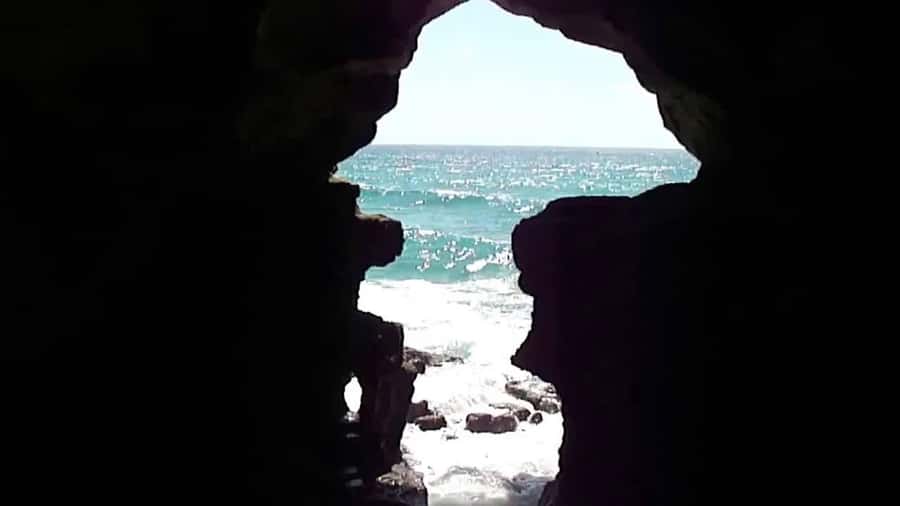
I love that Day 1 isn’t just a drive-by. You get the view work—Spartel Cape and the Hercules Caves—before heading into Tangier’s older neighborhoods by the port and kasbah district.
On the human side, the experience generally scores well for organization and help. Support staff named Samira and Mariem are specifically praised for prompt responses when issues come up.
One real drawback to watch
The biggest downside isn’t the sights—it’s timing and guide consistency. There are reports of late hotel/train pickups, a lunch stop that didn’t land well for one group, and guides who delivered very different levels of detail on the two days.
A few more Chefchaouen tours and experiences worth a look
Key things to know before you go
- 48-hour fast-train rhythm: You get rail convenience with guided touring in both towns, so you’re not stitching together logistics alone.
- Sea-view stops in Tangier: Spartel Cape and the Hercules Caves set the tone before you hit the medina.
- Chefchaouen by walking distance: The old medina is small enough to explore on foot, with cafés and souks around the main square.
- Small group size (max 15): This helps pacing and makes it easier to hear your local guide.
- Comfort can vary on transfers: Some transport setups may feel awkward if you’re prone to motion sickness or dislike long vehicle rides.
- Hotel location may not be center: One reported stay was closer to park and beach than the main core, so dinner could mean a taxi.
Tangier to Chefchaouen: the value of a fast-train combo
At $293 per person for 2 days, this tour only feels “cheap” if you compare it to cobbling everything together yourself. You’re paying for a bundle: round-trip fast-train tickets, transfers, two guided sightseeing blocks, and one night in a 4-star hotel with breakfast. That matters, because Tangier and Chefchaouen aren’t next-door to Casablanca in the way day trips can be. The train component also helps you avoid the most tiring part—long road travel—at least for the big jump.
Where you’ll want to be a realist is food. The tour doesn’t include meals or drinks, so you should budget for lunch and dinner stops. A good approach is to carry some cash for snacks and keep your expectations flexible: you’ll likely do a group lunch stop, but the quality and pace can vary.
This is a small-group experience limited to 15 participants, and that’s a plus in Morocco where medinas reward slow walking and good directions. Still, you should be aware of timing. The schedule is tight enough that a missed pickup can turn into a sprint at the station.
Day 1 in Tangier: Cape views, the kasbah area, and a minaret by the sea
Day 1 is built like a story: first the coastline drama, then old-city Tangier.
Spartel Cape and the Hercules Caves for the big first view
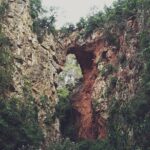
You start with Spartel Cape and the Hercules Caves, aimed at one of the best “we’re really here” moments: the view of the Strait of Gibraltar and the Atlantic Ocean. Even if you’ve seen coastline photos before, I like starting here because it gives context. Tangier isn’t only a medina town. It’s a gateway by sea, and that shows in the way people talk about crossings, horizons, and trade.
Practical note: bring sunscreen. You’ll likely be in exposed outdoor spots, and the day can move from bright light to shaded alleys quickly.



Kasbah district and the old medina: shops, port views, and real streets
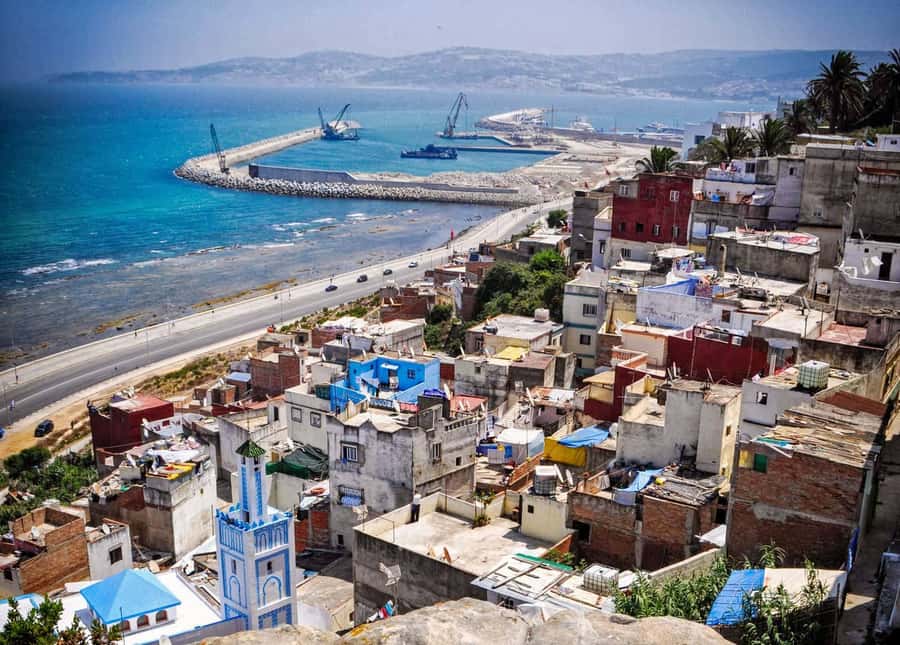
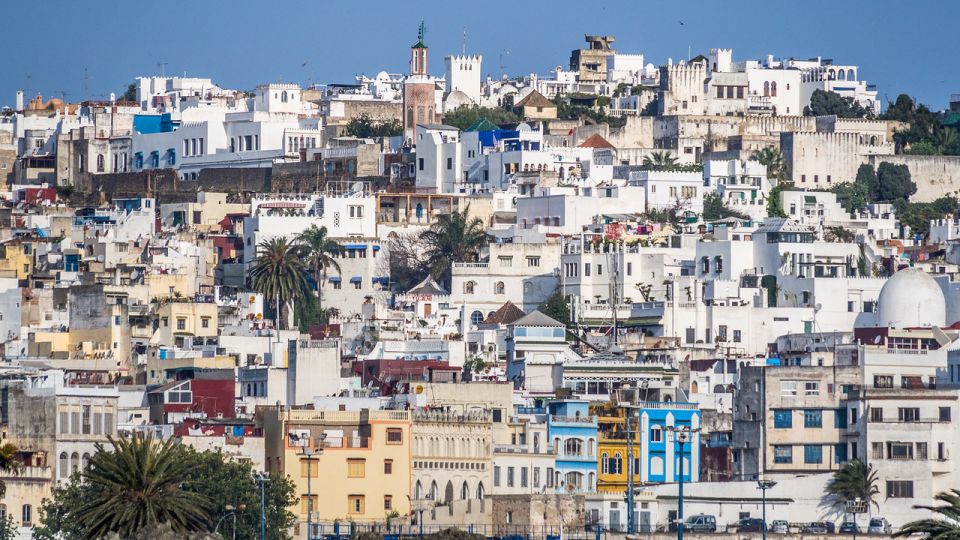
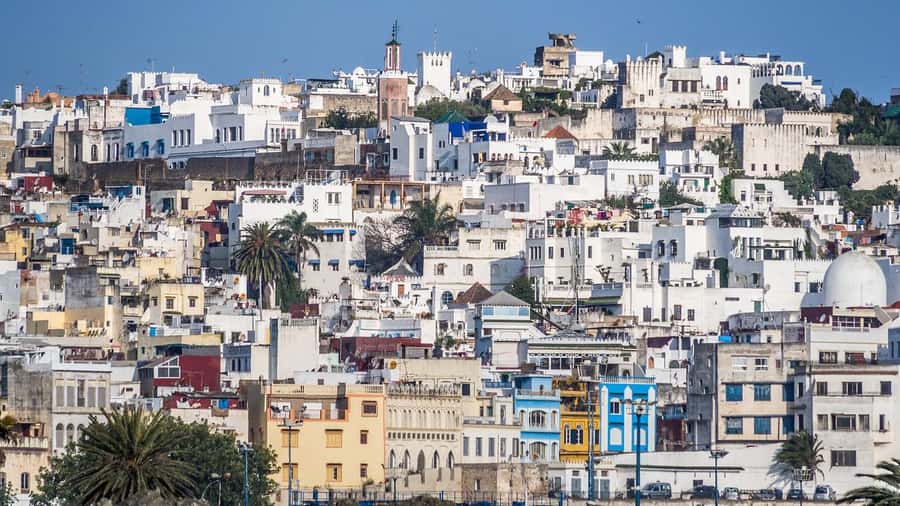
After the sea stops, you head to the Kasbah district next to the port. This is where Tangier’s old-city vibe shows up fast: handicraft shops, compact streets, and a sense of the city stacking upward from the harbor area.
You’ll also pass by the Grand Socco, a square tied to artists and writers—names like Matisse, Camille Saint-Saëns, and Paul Bowles come up. The point of stopping here isn’t trivia. It helps you understand why Tangier has long attracted creative types. Even if you don’t care about the famous names, the square gives you a feel for the city’s role as a meeting point.
The magnificent minaret overlooking the sea
One highlight listed for Tangier is the magnificent minaret with sea views. I like this stop because it breaks the medina pattern. You get a taller view angle, and your camera gets a different kind of frame—architecture against coastline.
This is also where comfortable shoes matter. Tangier’s old areas aren’t made for slick soles and speedy strides.
Lunch reality check
Food and drinks aren’t included, so you’ll want a plan for lunch. A group can end up at a specific restaurant, and if service or ordering gets awkward, it can slow the whole day. I’d treat lunch as a “flex” moment: keep water in mind, and don’t schedule anything tight afterward.
Day 2 in Chefchaouen: the Rif Mountains drive and the blue medina rhythm
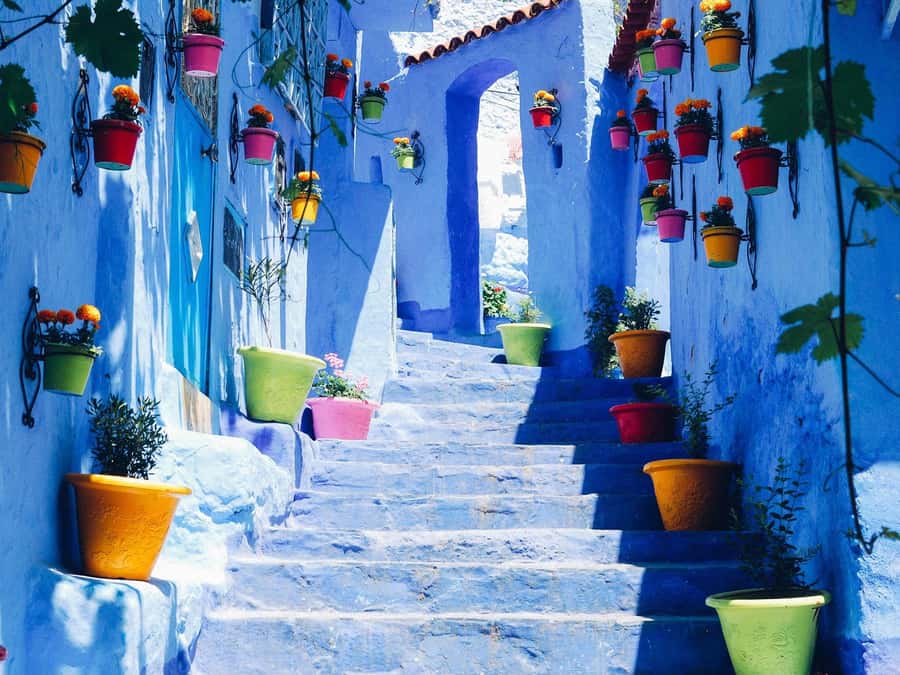
Chefchaouen is the kind of town that makes you slow down on your own. Your tour helps because it gets you to the main beats without wasting time guessing your way around.
The drive into the Rif Mountains
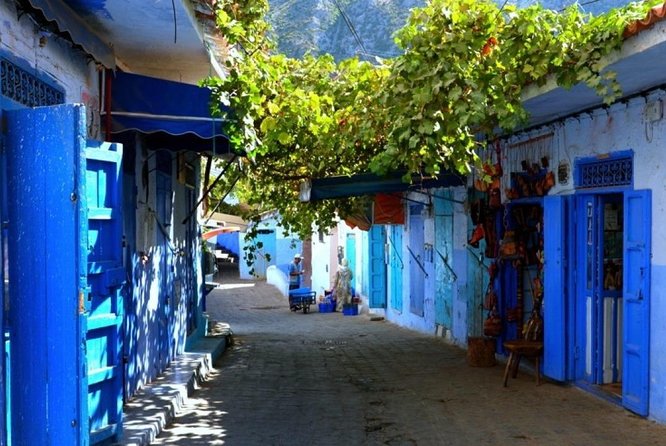
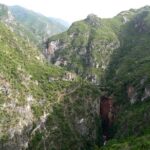
The morning moves you high up into the Rif Mountains. Expect a change in feel from the lower coastal energy of Tangier. You’re going upward, and it shows in the air, the light, and the way the town seems tucked into its surroundings.
If you’re sensitive to motion or long rides, this is the day to pay extra attention. There are reports of vehicle seating that can feel disorienting, especially if you end up in a row facing the wrong direction for comfort.
Walled medina, a Berber post origin, and the main square
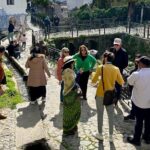
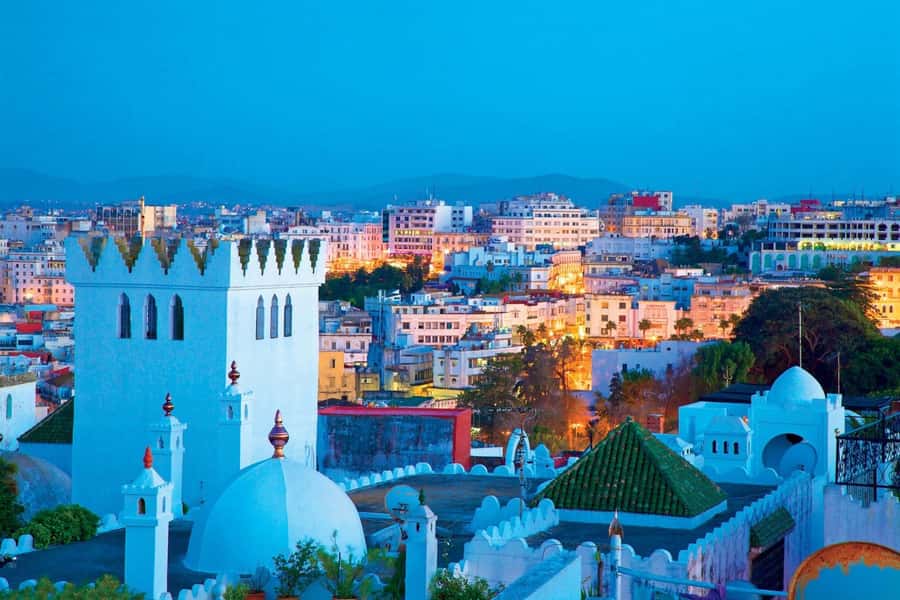
In Chefchaouen, you’ll spend time in the walled medina, originally described as a Berber post. The center of gravity is the main square, where you’ll find:
- a kasbah built in the 18th century
- a central mosque
- cafés where you can pause, people-watch, and eat at your own pace
I like that the tour frames the square as a hub. Once you get your bearings here, the rest of the town feels easier. You’re not trying to navigate every lane blind.
Chefchaouen’s kasbah area and the great mosque
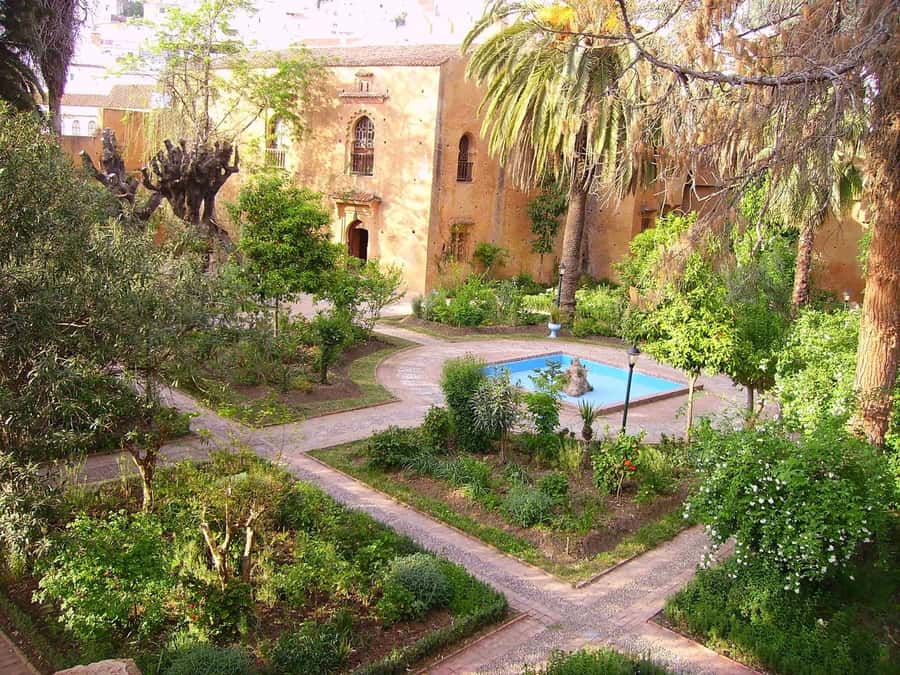
You’ll also visit the kasbah area. The kasbah is noted as being built by Moulay Ismail, and it’s now described as practically a ruin. That’s a useful detail: you’re not walking into a fully restored building. You’re looking at history in a more honest state—weathered stone and the reality of time.
Next to the kasbah area is the great mosque, which helps you understand how the town’s daily rhythm is shaped by religious and civic spaces.
Souks and market time: bargains, color, and everyday goods
The old medina is small, but you’ll still find plenty of souks. The market is described as active, with traditional Moroccan wares and souvenirs where bargains can be possible.
A practical shopping tip: set a budget before you start negotiating. Chefchaouen can be tempting because the colors make everything feel more special. If you keep an upper limit in mind, you’ll shop with confidence instead of regret.
Hotel, guides, and small-group size: what affects your comfort
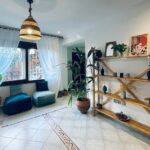
This tour includes hotel pickup and drop-off in Casablanca and Tangier, plus a local guide for the sightseeing days. The stay is one night in a 4-star hotel with breakfast.
The guide difference you should plan for
In an ideal world, both days’ guides match the same standard. In reality, there are reports of a big gap in how much context was shared. One day included more talking and explanation; another day focused more on walking.
That doesn’t mean the tour is bad—it means you should come prepared to read the signs and ask questions. If your guide is quiet, you can still get value from the stops. But if you really want lots of interpretation, it’s worth choosing this style of tour with realistic expectations.
Customer support that actually responds
I appreciate that the operator’s customer support is recognized by name in this material. Samira and Mariem are called out for prompt help when concerns appear. That’s reassuring if your schedule is sensitive.
Hotel location: sometimes close to beach, not to the center
One review notes the Tangier hotel was close to a park and the beach, but not near the center. If that’s the setup you get, dinner and nightlife may mean taxi rides. That’s not a deal-breaker, but it affects your night plans.
Also watch for sleep comfort. One report mentioned air conditioning not working properly, which can matter in warm weather.
Price check: is $293 good value for this route?
Let’s break down what you’re buying for $293:
- Round-trip fast-train ticket between Casablanca and the north (included)
- Transfers and hotel/train station pickup/drop-off (included)
- Local guides for Tangier and Chefchaouen sightseeing (included)
- One night in a 4-star hotel with breakfast (included)
What’s not included: food and drinks.
So the value equation depends on how you feel about the “bundle” approach. If you’re the type who hates coordinating trains, finding drivers, and aligning schedules, this price can feel fair fast. If you prefer freedom and you’re comfortable arranging your own transportation and timings, you might end up spending less—but it’s more effort.
Where the value can slip is when the logistics fall apart: late pickup, rushed station boarding, or a guide who doesn’t add much context. A tour can still deliver great sights, but your stress level becomes part of the cost.
Who this tour suits best (and who should reconsider)
This works well for:
- first-time visitors who want guided medina time without planning every move
- travelers who like structured days and don’t want to manage train schedules on their own
- people comfortable with a fast pace and walking in older streets
You might reconsider if:
- you’re very sensitive to vehicle discomfort or dislike facing backward on rides
- you need lots of narration and history during every stop (guide quality can vary)
- you can’t handle timing risk. If pickup is late, the itinerary is tight enough to make you feel it.
Should you book: my practical decision guide
If you want two iconic stops—Tangier’s coastal old-city feel and Chefchaouen’s blue-medina vibe—this tour is a strong way to do it in 48 hours. The included fast train and hotel night are the big wins, and the sea-view stops give you memorable “wow” moments early.
Just go in with a plan:
- bring comfortable shoes and sunscreen
- budget for meals since food and drinks aren’t included
- keep your expectations flexible about lunch and guide speaking style
- if you’re sensitive to motion or uncomfortable seating, plan for that during the transfers
When the logistics run smoothly, this looks like a good value deal for north Morocco.
FAQ
What’s included in the Tangier and Chefchaouen 2-day tour?
It includes hotel pickup and drop-off, hotel/train station pickup and drop-off in Casablanca and Tangier, a professional local guide, a round-trip fast-train ticket, a Tangier sightseeing tour, one night in a 4-star hotel with breakfast, and a Chefchaouen sightseeing tour.
Are meals and drinks included?
No. Food and drinks aren’t included in the tour.
How long is the tour?
The duration is 2 days.
What languages are the live guides available in?
The live tour guide is available in English, French, and Spanish.
What’s the group size?
It’s a small group, limited to 15 participants.
What’s the cancellation policy?
You can cancel up to 24 hours in advance for a 30% refund.