REVIEW · CHEFCHAOUEN
Chefchaouen: a tapestry of Moorish-Andalusian mysteries
Book on Viator →Operated by Exquisite Travels · Bookable on Viator
Blue streets hide big stories. In Chefchaouen, the real charm is how a local guide ties the maze of alleys to Moorish-Andalusian echoes and the Jewish-Muslim relationship in the community. You also get a smooth, private-style pace with a handy start in the main square area.
I especially like the way Imad frames the city through personal family history—he’s a local from a long line tied to Granada and the reconquista story. I also love the practical tour flow: you cover the medina and key town stops in about 2 hours 30 minutes, with free entry at the sights and included drinks to keep you comfortable.
One thing to consider: this experience needs good weather. Chefchaouen’s walking plan works best when the skies cooperate, and you’ll want comfortable shoes for uneven lanes.
In This Review
- Key highlights you’ll actually feel
- Blue Streets, Backstory, and Why This Tour Works
- Meeting at Place Outa El Hamam: Start Here, Then Let the City Unfold
- Stop 1: Chefchaouen Medina as an Open-Air Museum
- The only drawback at this stage
- Place Outa El Hammam: The Quick Reset in the Main Square
- Ras El Ma: The River Thread and How Towns Used to Run
- Souika: A Hidden Community Layer You’ll Want to Ask About
- What to do in this stop
- The Guide Experience: Who You Might Meet and What They’re Like
- Comfort and Timing: 2.5 Hours That Don’t Feel Rushed
- What you should bring
- Included Refreshments: Small Detail, Big Difference
- Price and Value: What $46.48 Buys You in the Real World
- When Weather Gets in the Way
- Who This Tour Is Best For
- Should You Book Chefchaouen With This Guide?
- FAQ
- How long is the Chefchaouen tour?
- Where does the tour start and end?
- Is pickup offered?
- Is this a private tour?
- What’s included in the price?
- What is not included?
- Do the stops require paid admission?
- Is there a mobile ticket?
- What are the operating hours?
- What happens if the weather is bad?
- Can I cancel for free?
Key highlights you’ll actually feel
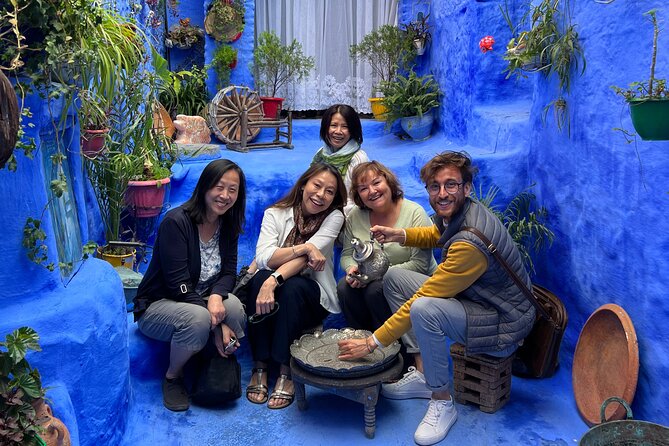
- Imad’s local perspective: family background connected to Granada, plus context for Andalusia and Jewish-Muslim relations
- A tight route that makes sense: medina first, then the main square and river heart of town
- Souika stop: a short look at the Jewish community layer of Chefchaouen’s past
- Photo-friendly pacing: you get time to step out and take pictures along the way
- Refreshments included: bottled water, snacks, and coffee or tea keep the walking easier
- Private group: only your group participates, so your questions and photos won’t get rushed
Blue Streets, Backstory, and Why This Tour Works
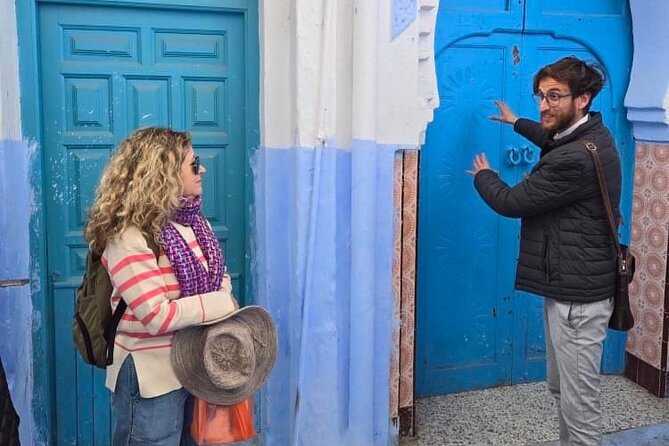
Chefchaouen is famous for its blue walls. But if you only chase colors, you miss the point. This tour is built around understanding why the colors and the neighborhoods matter—and how the city’s culture connects to a wider Andalusian world.
The guide, Imad, brings a rare mix: local life in Chefchaouen and deep study of Andalusia and Jewish-Muslim relations. That matters because it changes how you read the city. You start noticing details in doorways, street layouts, and the way different parts of town feel different—like the city is telling you what it remembers.
The tour is also practical. It lasts about 2 hours 30 minutes, starts and ends in the same central spot, and it runs daily during broad hours. Plus, admission is listed as free at the stops, so you’re not hit with extra ticket surprises mid-walk.
You can also read our reviews of more tours and experiences in Chefchaouen.

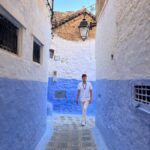
Meeting at Place Outa El Hamam: Start Here, Then Let the City Unfold
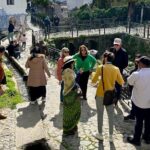
Your tour begins at Place Outa El Hamam. This is a smart starting point because it’s already the “center of gravity” for the town’s visitor energy. You’ll feel oriented fast, and you won’t spend the first 20 minutes figuring out where you are.
Place Outa El Hammam is also the heartbeat of the touristic side of Chefchaouen. So even if you’re only half-paying attention at first, you’ll get the rhythm: locals moving through errands, people gathering, and the slow shift from open-square views into alleyway life.
In real terms, starting here helps you in two ways:
- You get easy access to your guide and the route begins immediately.
- You can calmly grab photos before you move into the denser medina streets.
If you arrive early, take a moment to watch street patterns. It helps you later when you’re choosing which lanes to pause in.
Stop 1: Chefchaouen Medina as an Open-Air Museum
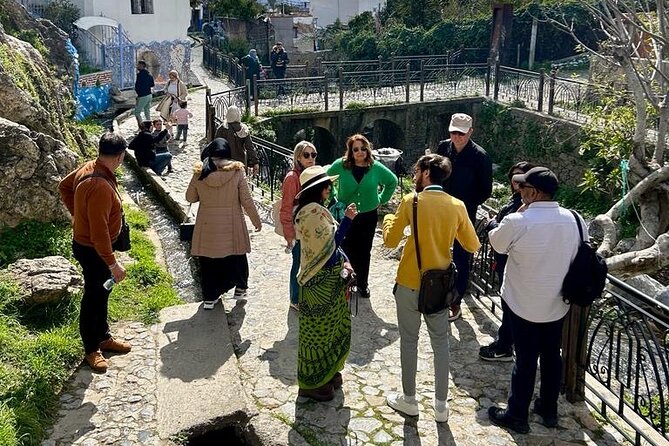
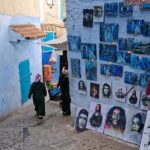
The main act is the Medina, and it’s treated like an open-air museum for a reason. You spend about 2 hours moving through the heart of the old quarter, where the city’s visual identity is strongest and the story feels closest.
In Chefchaouen, the blue isn’t just decoration. When your guide explains the historical threads—especially the Andalusian connections and the Jewish-Muslim relationship—you start seeing the city as a layered living place, not just a postcard.
This is where Imad’s background shines. His family story links back to Granada, tied to the reconquista escape narrative that many Sephardic and Andalusian communities carry in memory. That kind of context gives meaning to what you’re walking past. You stop asking, Why blue? and start asking, What did people bring with them?
The only drawback at this stage
Because the medina is made of lanes and stairs, the walking can feel like a constant rhythm—less “see and drive on,” more “arrive and explore.” If you’re prone to fatigue, you’ll want to pace yourself, take the photo breaks offered, and lean on your guide’s timing.
Place Outa El Hammam: The Quick Reset in the Main Square
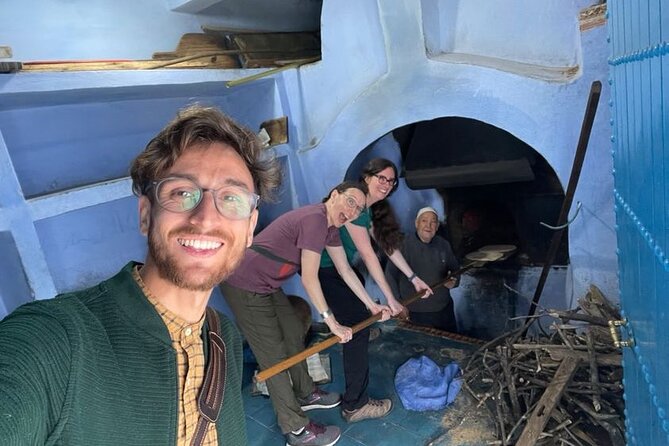
After the medina, you return to Place Outa el Hammam for about 10 minutes. This is more than a location check—it’s a reset.
When you come out of tight alleys into an open square, your eyes need a breather. You’ll also get a chance to re-orient before the tour moves to the river-area stop. Even if you’ve already been in the square earlier, this short stop helps you connect the city’s different “moods” into one route.
If you’re hungry, this is also a good moment to think ahead. Your guide can point you toward areas that tend to work well for food later. One of the best value perks here is that the guide doesn’t just narrate—he helps you move smartly in town, from where to eat to where to shop.


Ras El Ma: The River Thread and How Towns Used to Run
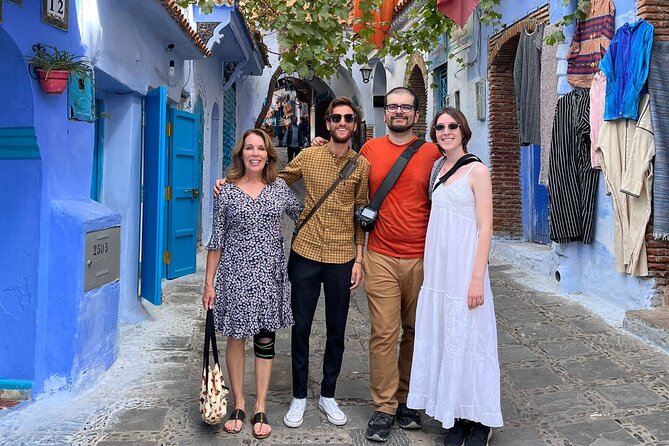
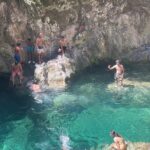
Next up is Ras El Ma, the river of Chefchaouen, again about 10 minutes. This part of the route is useful because it shifts your attention from walls and streets to how the town’s economy and daily life likely worked in the past.
A river is never just water in an old city. It’s movement, power, resource, and connection. Even in a short stop, it helps you understand Chefchaouen as more than a scenic surface. You get a reminder that people needed systems—water access, practical infrastructure, and places that supported daily work.
And because this stop is quick, it keeps the tour from turning into a slow march with no payoff. It’s a “context moment,” like a paragraph in a book that makes the rest make sense.
Souika: A Hidden Community Layer You’ll Want to Ask About
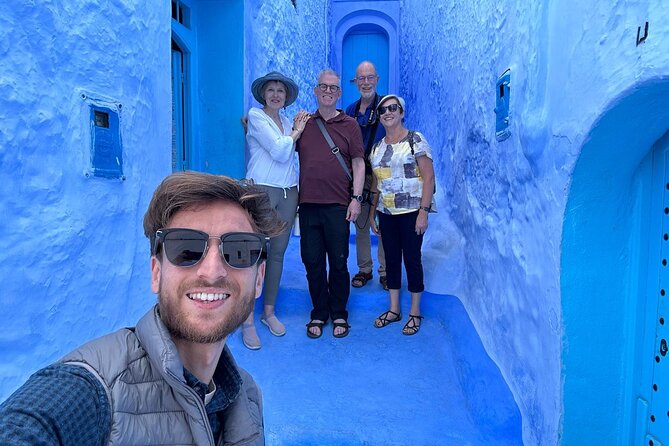
The final themed stop is Souika, described as a hidden community of Jews who lived in Chefchaouen. It’s only about 10 minutes, but it’s a powerful hinge point in the tour story.
This is where the earlier context becomes real. When the guide talks about Jewish-Muslim relations and Andalusian connections, Souika is the place where that theme lands on the geography. Instead of hearing history in the abstract, you stand in a section of town connected to that past.
What to do in this stop
Don’t treat it like a photo-only stop. Ask questions. Imad’s whole role is sharing the city’s background and how the communities interacted. With such short time, your best move is to focus on one or two questions that you genuinely care about.
The Guide Experience: Who You Might Meet and What They’re Like
Imad is listed as the official local guide who teaches the city’s history through his own family story and his research interests around Andalusia and religious relations.
In practice, guides can vary by booking. The overall style is consistent across the experience: friendly pacing, patient answers, and help with photos. Past guides with similar roles included Mourad, Mohammed, Mustapha, and Reda. If any of them are your guide, you can expect the same main idea: clear explanations, and a relaxed approach that still gives you real insight.
One extra bonus you may notice: guides often recommend good lunch and dinner spots and can help you find shopping with decent deals. That’s not just nice; it’s part of how you get value out of a short city tour. You spend less time guessing and more time enjoying.
Comfort and Timing: 2.5 Hours That Don’t Feel Rushed
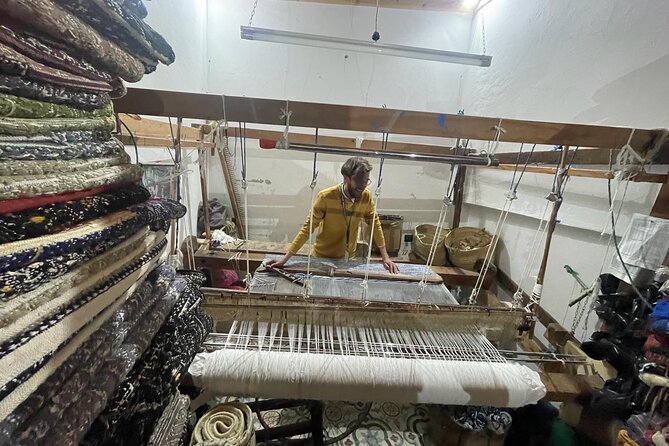
At about 2 hours 30 minutes, this tour sits in the sweet spot. Long enough for the medina to matter, short enough that you still have the rest of your day to wander on your own.
Pickup is offered, and many arrivals feel easy because the meeting point is near public transportation. Also, the experience is set up as a private tour/activity, meaning only your group joins you. That matters when you like asking follow-up questions or when you want time to pause for photos without feeling like you’re holding up a crowd.
The vehicle setup can also be comfortable—some bookings mention spacious cars and even Wi-Fi—so you’re not just walking in the city heat with no “reset” between areas.
What you should bring
Good shoes are the big one. Beyond that: water and a light layer can help, even if you’re mostly in town streets. Since water and snacks are included, you don’t need to overpack.
Included Refreshments: Small Detail, Big Difference
This tour includes:
- Bottled water
- Snacks
- Coffee and/or tea
That’s a quiet but meaningful value add. Chefchaouen can be tiring—walking, stairs, and standing still for photos all stack up. Having water and a snack on hand keeps your energy steady, and coffee or tea can help you end the tour feeling like you got something more than a walking lecture.
It also makes the experience easier for day planning. Because breakfast and lunch aren’t included, you’ll want to eat before you go or plan meals afterward. But at least you won’t be stuck mid-walk thinking about where you’ll find your next drink.
Price and Value: What $46.48 Buys You in the Real World
The price is $46.48 per person for about 2.5 hours, with refreshments included and free admission listed at the stops. You’re also paying for context: the guide’s interpretation of Chefchaouen as a place shaped by Andalusia and Jewish-Muslim relationships, told through a local lens with personal family history tied to Granada.
So the real question isn’t Is it cheap? It’s: do you want the city explained in a way that changes how you see it?
If yes, this is a strong fit. For a private group, the included water, snacks, and coffee/tea help you justify the cost quickly. If you just want to wander photos on your own, then any paid guide might feel unnecessary. This tour only becomes a “must” when you care about story and meaning.
When Weather Gets in the Way
The experience requires good weather. If it’s canceled due to poor conditions, you’ll be offered another date or a full refund. That’s important in Chefchaouen because weather can change how comfortable the medina walking feels. If the forecast looks sketchy, plan your day so you have flexibility.
Who This Tour Is Best For
You’ll probably love this tour if:
- You want Chefchaouen beyond the blue walls
- You like history with a human connection
- You enjoy a guided route where you’re not guessing what to do next
- You appreciate a private group pace
It’s also a good choice for couples and families who want calm exploration rather than a long, exhausting city sprint.
Should You Book Chefchaouen With This Guide?
I’d book it if you want your time in Chefchaouen to feel guided and meaningful, not random. The route is short and focused, the guide brings strong interpretive context, and the included snacks and drinks help you stay comfortable while the medina does its magic.
Skip it only if your plan is mostly photo-chasing with no interest in the cultural threads behind the city. Otherwise, this is a tidy, value-heavy way to get the city’s “why” as well as its “wow.”
FAQ
How long is the Chefchaouen tour?
It runs for about 2 hours 30 minutes (approx.).
Where does the tour start and end?
It starts at Place Outa El Hamam in Chefchaouen, Morocco, and ends back at the meeting point.
Is pickup offered?
Yes, pickup is offered.
Is this a private tour?
Yes. Only your group participates.
What’s included in the price?
Bottled water, snacks, and coffee and/or tea are included.
What is not included?
Breakfast and lunch are not included.
Do the stops require paid admission?
Admission tickets are listed as free for the stops on this route.
Is there a mobile ticket?
Yes, the tour uses a mobile ticket.
What are the operating hours?
The experience is listed as open Monday through Sunday from 12:00 AM to 11:30 PM (within the stated date range).
What happens if the weather is bad?
This experience requires good weather. If it’s canceled due to poor weather, you’ll be offered a different date or a full refund.
Can I cancel for free?
Yes. Free cancellation is allowed up to 24 hours in advance for a full refund.