REVIEW · MARRAKECH
Private Atlas Mountains & Berber villages day trip & camel ride
Book on Viator →Operated by astara tours · Bookable on Viator
Atlas Mountains without the hassle? Yes. This private day trip from Marrakech blends camel riding with Berber village life, argan oil learning, and a hearty three-course lunch in the mountains. You get a full, guided route with hotel pickup and transport that keeps the day moving.
I like that the schedule mixes hands-on culture (an argan cooperative breakfast) with real time outside (valley walks and scenic viewpoints). You also get a locally led experience, with guides such as Hicham, Omar, Badr, Karim, Nassim, Wassim, and Monsieur Mohamed noted for being attentive, helpful with explanations, and focused on safety and comfort. One consideration: the itinerary depends on good weather and you should have moderate fitness, since you’ll be walking in uneven terrain.
In This Review
- Key Points to Know Before You Go
- How This Private Atlas Day Fits Into Marrakech
- Pickup and the Morning Route: Less Guesswork, More Mountain Time
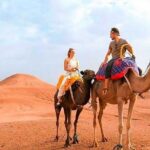
- Lalla Takerkoust: Camel Riding With Agafay Desert Views
- Learning Argan Oil: Breakfast at a Berber Cooperative
- Kik Plateau, Asni Valley, and the Drive Toward Imlil
- Imlil Valley: Village Walks and Berber Hamlets
- Tibidert Gorges and Tahnaout Valley Photo Stops
- Lunch in a Berber Home: Three Courses and Mint Tea
- Guides, Pace, and What Moderate Fitness Really Means
- Price and Value: What $75.60 Buys You
- Should You Book This Atlas Mountains and Camel Ride Day Trip?
- FAQ
- How long is the Atlas Mountains & Berber villages day trip?
- Where does the tour start?
- What’s included in the price?
- How long is the camel ride?
- Do I need to be fit to do this tour?
- What should I wear or bring?
- What happens if weather is bad?
Key Points to Know Before You Go
- Private pace from Marrakech: pickup and your group stays together, with a local guide and driver handling the route.
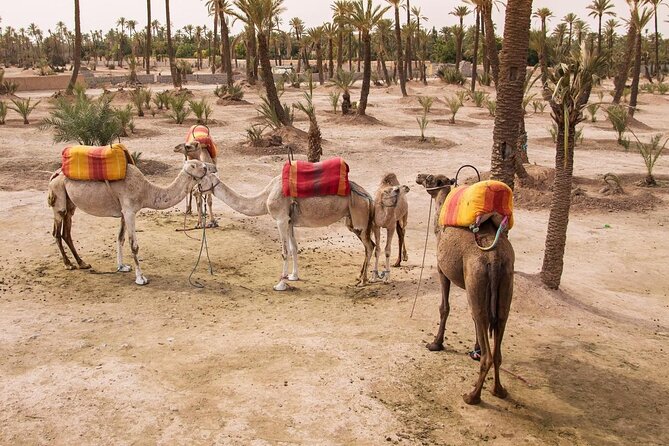
- Camel time near Lalla Takerkoust: plan on about 20 minutes riding, plus time for prep and photos.
- Argan cooperative breakfast: you’ll learn how argan oil is made, not just hear a quick story.
- Berber villages and valley strolls: expect gentle guided walking through hamlets and viewpoints.
- Local three-course lunch + mint tea: vegetarian and vegan options are available.
- Weather-dependent timing: good conditions matter for both comfort and visibility.
How This Private Atlas Day Fits Into Marrakech
This is the kind of day trip that makes sense when you want more than a quick “drive and a stop.” With a start time around 8:30 am, you’re out early enough to feel like you escaped the city, but not so long that the day falls apart. The tour is set up as a true private activity, so you won’t be sharing your van or guide time with strangers.
What you’re really buying is smooth logistics plus cultural context. Hotel pickup and air-conditioned transportation reduce the stress, and a guide helps you connect the dots between valleys, daily life, and what you’re seeing. It’s a smart choice if you’re staying in Marrakech for a short time and want a mountain day that feels organized.
The “mountains” part is real, but the pace is designed to be doable. You’ll have walking time and photo stops, yet you’re not signing up for a multi-day trek. Still, you should wear proper shoes and be ready for some uneven ground.
You can also read our reviews of more private tours in Marrakech


Pickup and the Morning Route: Less Guesswork, More Mountain Time
The day starts with pickup from your hotel or riad. That matters in Marrakech, where navigating the medina on your own can be slow and confusing. Once you meet your guide and driver, the group stays together, and you can simply settle into the ride.
Expect a steady flow of viewpoints and valley stops rather than one single highlight. The itinerary includes multiple scenic areas, so you’ll be changing scenery throughout the day—good for photos, and also useful if you want variety without rushing.
A small but practical note: you may need to contact the provider the day before to confirm the right departure time. I like this setup because it usually means fewer surprises on the day itself.
Lalla Takerkoust: Camel Riding With Agafay Desert Views
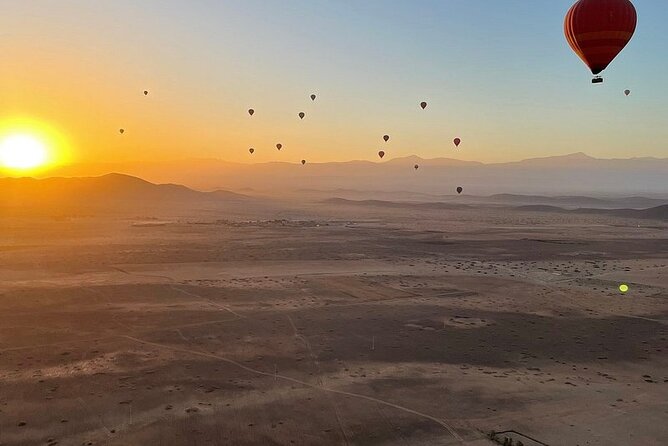
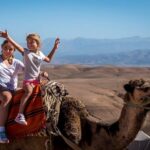
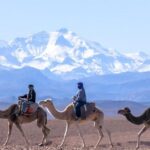
Your first major stop is Lalla Takerkoust, about 30 kilometers south of Marrakech. It’s near the rugged Agafay area, and it’s a good first taste of “Atlas-region” scenery. You arrive, meet the camel guide, and then do the riding.
The camel ride itself is around 20 minutes. That’s short enough to be comfortable, long enough to matter, and timed well for photos. You’ll likely spend additional time getting oriented—stretching your legs, watching others mount, and getting your bearings.
If you’re nervous about riding, don’t overthink it. The main thing is to listen to your guide about how to sit and where to hold on. Also, wear shoes with decent grip; it helps with stability when you’re stepping around the area.
This stop is less about a “big show” and more about a memorable, classic moment in the middle of the day trip.
Learning Argan Oil: Breakfast at a Berber Cooperative
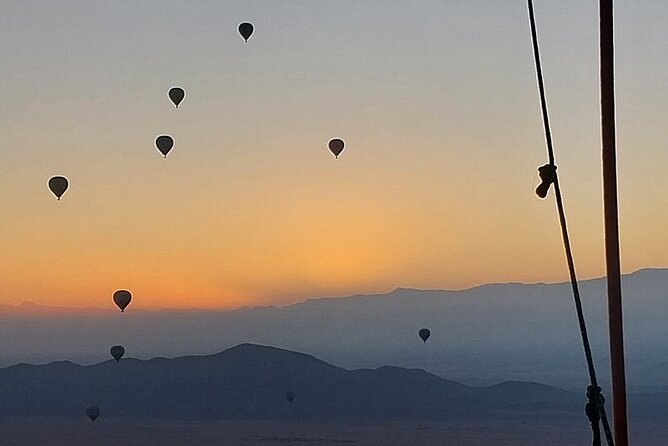
One of the most valuable parts is the argan oil cooperative breakfast. This isn’t framed as a quick sales stop; you’re set up to understand the process and the people behind it. Argan oil is one of those Moroccan products that’s easy to buy in a shop—harder to understand in context.
Why this matters for you: it turns a souvenir into a story. When you later see argan products in Marrakech, you’ll recognize what the cooperative experience was about. That makes the day feel more “connected” instead of just scenic sightseeing.
You’ll also get a practical meal element here, which helps you avoid the common problem of arriving hungry and then waiting. The cooperative breakfast gives you energy before more walking and viewpoints.
If you care about how local economies work, this is the kind of stop that pays off. You’ll come away with clearer questions and better instincts for what’s worth buying and what’s just marketing.
Kik Plateau, Asni Valley, and the Drive Toward Imlil
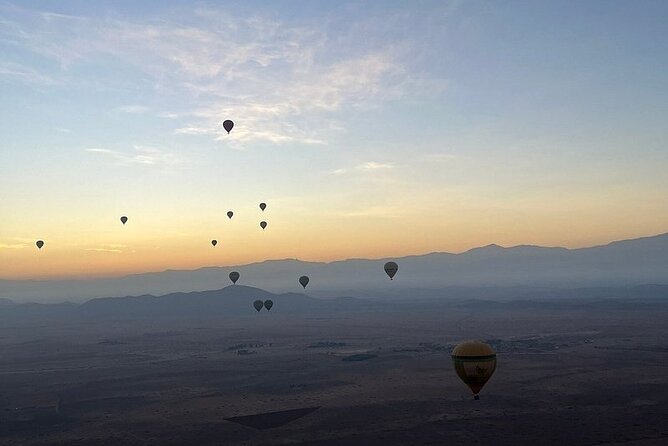
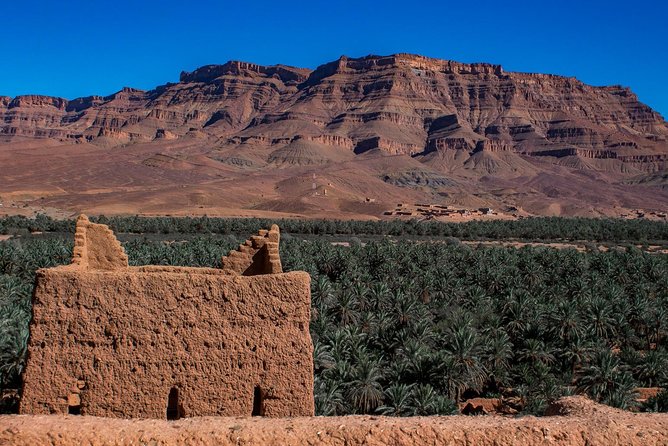
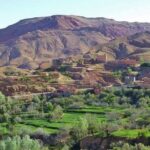
After Lalla Takerkoust, you continue along the Kik Plateau, moving toward areas like Asni Valley and eventually Imlil Valley. The drive is part of the experience here: valleys shift, colors change, and you start to feel the geography you’ve only seen in photos.
Asni Valley is typically where the scenery opens up and you can look out across fields and peaks. Even if you stay in the vehicle most of the time, you’re still seeing the “Atlas logic”—how settlements and farmland relate to the mountain terrain.
Then comes Imlil Valley, a key base area for exploring Berber mountain life. This is where the day turns from driving and stopping into a more guided experience on foot. You’ll get both food and a slower pace here, which is a good balance after the morning transfer.
A small drawback to keep in mind: with multiple valley regions and photo stops, your day can feel like it’s always moving. If you hate car time, you’ll want to keep expectations realistic. Still, the stops are spaced so you’re not stuck staring out the window for hours.
A few more Marrakech tours and experiences worth a look

Imlil Valley: Village Walks and Berber Hamlets
In Imlil Valley, you’ll enjoy a guided stroll through the area, including Berber villages. This is the part that helps the day become more than a sequence of viewpoints. A local guide can explain what you’re seeing—how hamlets work, why places are located where they are, and what daily life looks like around the valleys.
You should expect walking that’s active but not extreme. The tour notes moderate physical fitness as the baseline, so plan for uneven ground and steady walking. Comfortable sneakers are a must, not optional.
One thing I like about this style of walk: it gives you time to slow down and look. In mountain villages, the small details matter—paths, steps, and the way people move through space. When your guide points out things you might otherwise miss, the walk feels more meaningful.
Depending on the day, you might also find that the route includes orchard-style scenery and even water-related sights like waterfalls—some guides are praised for organizing these kinds of rewarding strolls in the broader area.
Tibidert Gorges and Tahnaout Valley Photo Stops
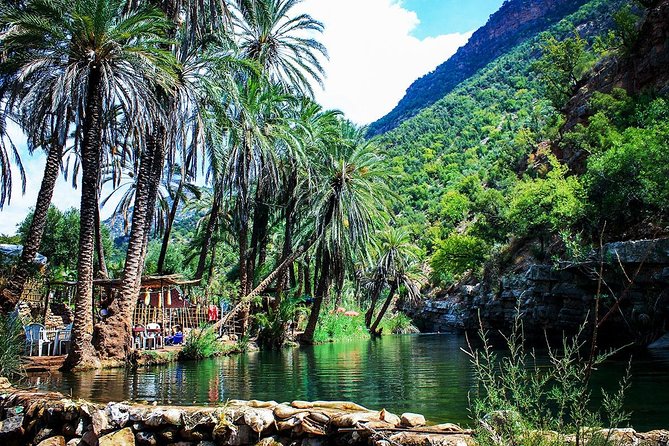
Later in the day, your route includes Tibidert Gorges, a place noted for being featured in a Tom Cruise movie. Even if you’re not a movie buff, it’s a good reminder that this region has dramatic natural angles that filmmakers can’t ignore.
After that, you’ll stop in Tahnaout Valley, known for idyllic village views and strong photo angles. This is one of those “stand still for a minute” moments. Even with a guide, you’ll want time to look up, not just at what’s in front of you.
The practical value of these stops is simple: they break up the day and keep your energy up. You’re not just transporting between meals and camel rides—you’re seeing multiple pieces of the Atlas environment.
If you’re traveling with someone who gets bored in cars, these stops help. They provide clear reasons to get out and stretch your legs.
Lunch in a Berber Home: Three Courses and Mint Tea
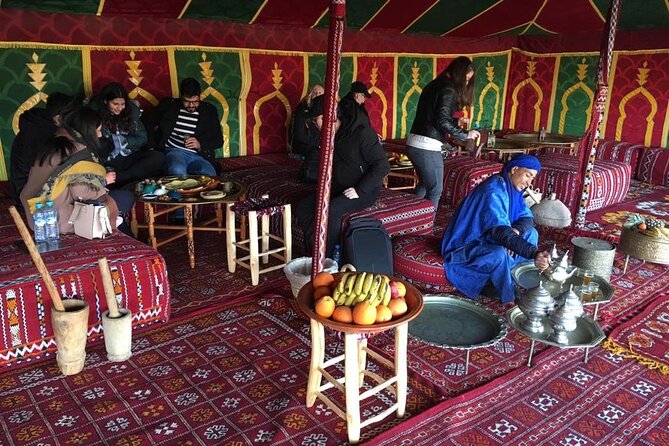
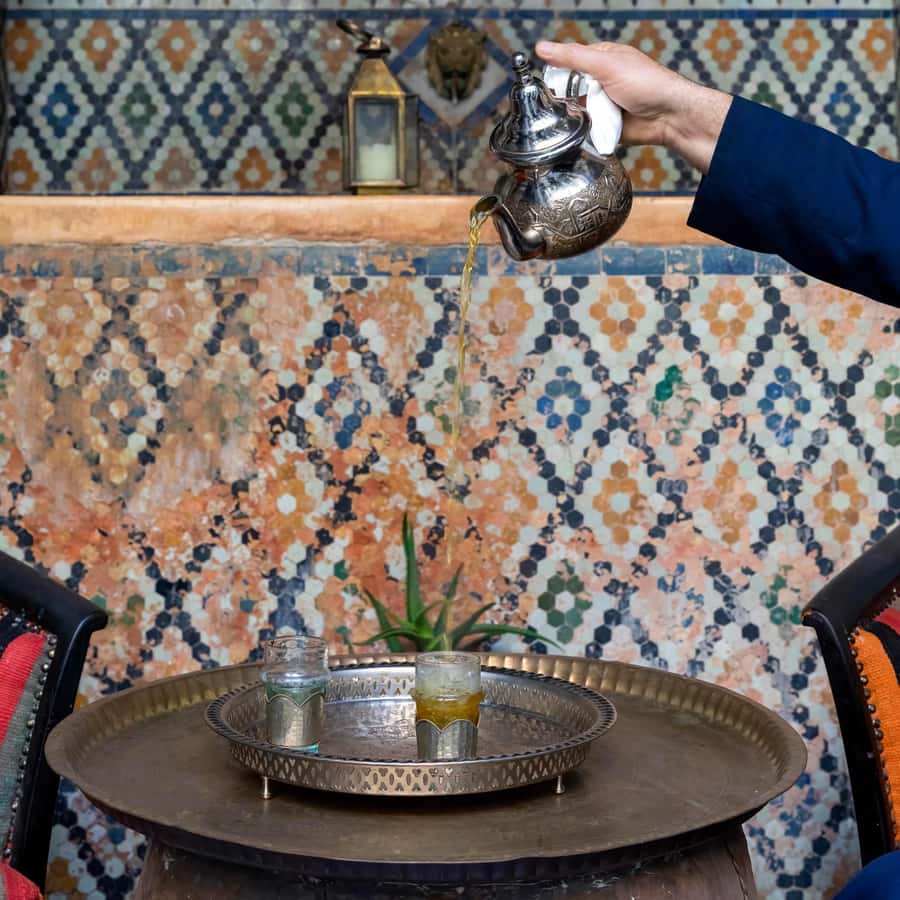
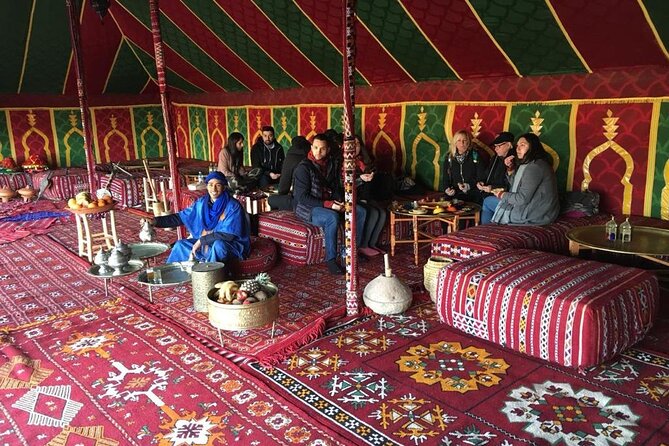
Food is a highlight, and it’s one of the biggest reasons this tour gets such strong feedback. You’ll have a three-course lunch prepared and served by locals, and mint tea is included.
The vegetarian and vegan options matter more than you might think. Mountain lunches can go either way when you’re in a group tour, and it’s good that the provider specifically states those dietary accommodations. You won’t have to gamble on whether you’ll be able to eat well.
What makes this meal worth your attention is the setting and the pacing. You’re not just “eating somewhere.” You’re eating as part of the culture of the area—built into the day’s flow after time in valleys and villages.
Try to take your time with the tea. It’s a small moment, but it’s usually when the day shifts from “tour mode” into human, grounded conversation. And if your guide is one of the French-speaking ones mentioned in past experiences, you’ll likely get extra context with your meal.
Guides, Pace, and What Moderate Fitness Really Means
The tour is guided end-to-end, and the guide quality seems to be a big part of why people leave happy. Names like Nassim and Wassim come up with praise for being attentive, making sure needs are handled, and explaining what you’re seeing. Other guides noted in feedback—like Karim, Badr, Omar, and Hicham—are praised for safe driving and keeping the day enjoyable.
For you, the real advantage is that a good guide helps you match the pace to the group. This trip is private, so there’s more flexibility than on a big group bus outing.
As for fitness: “moderate” means you should be comfortable walking for periods on paths that may be rocky or uneven. You don’t need to be a hiker, but you should not show up in sandals with zero grip.
Warm clothes can be important in cooler seasons. The tour notes warm clothing for winter, so bring layers even if Marrakech feels mild when you leave.
Price and Value: What $75.60 Buys You
At $75.60 per person for a roughly 7-hour day, you’re paying for more than transportation. You’re paying for a guided, structured experience that includes:
- round-trip pickup/transfer
- argan cooperative breakfast
- a guided mountain experience
- a three-course lunch plus mint tea
- a camel ride (about 20 minutes)
- air-conditioned transport
For many visitors, the “value” is in not having to coordinate everything yourself. The argan stop plus a guided route plus a prepared lunch can easily cost more if you try to stitch together a day on your own, especially with the time wasted sorting meeting points and transport.
Private tours also tend to cost more because you’re paying for a driver and guide to focus on your group. Here, that private format is part of what you’re getting, not just an upgrade that you might not feel.
If you want a mountain day that’s culturally anchored and logistically easy, this price lands in a reasonable zone. If you’re on a super tight budget and only want one quick viewpoint, you might choose a cheaper option. But if you want an actual “day,” not a drive-by, this is built for that.
Should You Book This Atlas Mountains and Camel Ride Day Trip?
Yes—if your goal is a one-day Atlas experience that mixes culture, food, and time outdoors without planning headaches. This is especially worth booking if you care about argan oil in context and you want lunch that’s served like a real local meal. The camel ride is brief, but it’s memorable, and it fits well into the day.
I’d hold off or think twice if you dislike walking on uneven paths, hate being outdoors in cold weather, or need a tightly predictable plan with zero weather sensitivity. Since the tour requires good weather, your best approach is to book with realistic flexibility.
If you do book, wear grippy sneakers, bring warm layers for winter, and give your guide the chance to set the pace. When guides like Karim, Nassim, or Wassim are involved, the day tends to feel smooth and human rather than rushed.
FAQ
How long is the Atlas Mountains & Berber villages day trip?
It runs about 7 hours (approx.), starting around 8:30 am.
Where does the tour start?
You’ll start with hotel or riad pickup in Marrakech, with a designated meeting point also mentioned as an option.
What’s included in the price?
Included highlights are air-conditioned transportation, hotel pickup, a camel ride experience (about 20 minutes), breakfast at an argan oil co-operative, a local guide in the Atlas Mountains, and a three-course lunch with mint tea served by locals (with vegetarian and vegan options).
How long is the camel ride?
The camel ride is about 20 minutes.
Do I need to be fit to do this tour?
You should have moderate physical fitness, since there’s hiking/walking through valleys and Berber villages.
What should I wear or bring?
Bring comfortable sneakers and warm clothes for winter.
What happens if weather is bad?
The activity requires good weather. If it’s canceled due to poor weather, you’ll receive a full refund (or an alternative date is offered).