REVIEW · CASABLANCA
Morocco Private Tour 8 Days 7 Nights (Imperial cities and Grand South Tour)
Book on Viator →Operated by Luxury Holidays Morocco · Bookable on Viator
Casablanca to the desert in one week is a good idea. This tour mixes imperial cities with Morocco’s Grand South using private driving and comfortable stays, and that combination is why it feels like you’re seeing the country instead of chasing it. I also like the way the team leans on English-speaking driving support and local guides in the big cities, plus the reviews mention guide care (Sister Soukaina and the Hassans) when problems pop up. One drawback to plan for: lunch and entrance fees aren’t consistently covered, even if some sights are marked free in the schedule.
You’ll start with city views in Casablanca, then head inland to Rabat, Meknes, and Fez—where the medina is the main event. After that, the trip turns scenic and slow-moving in the best way: Middle Atlas forests, Berber villages, and the road into Merzouga and the Sahara. If you don’t love long drives, you may find some days packed, but the private vehicle helps a lot with comfort.
The pace also includes walking in medinas and older districts. Morocco’s warm days can be real, and you’ll want moderate physical fitness for uneven streets and longer strolls.
In This Review
- Key highlights you can’t miss
- Price and logistics: what $2,300 buys you
- Comfort-first private driving across imperial Morocco and the Grand South
- Day 1 Casablanca: arrival flow, medina wandering, and Hassan II Mosque
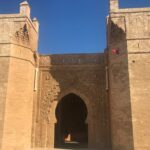
- Day 2 Rabat and Meknes: capital views, kasbah walls, and monumental gates
- Volubilis to Fez: Roman ruins before the medina takes over
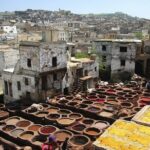
- Day 3 Fez Medina: guided streets, major mosques, souks, and tanneries
- Day 4 Middle Atlas to Merzouga: Ifrane-style cool, Ziz valley, then Sahara time
- Day 5 Dades Gorges and Todra: Kasbah road romance and big canyon walks
- Day 6 Ouarzazate, Ait Ben Haddou, and the High Atlas to Marrakech
- Day 7 Marrakech full day: gardens, palaces, souks, and Jamaa El Fna sunset
- Day 8 Casablanca departure: finish at the airport
- Meals, guide support, and what reviews hint about service quality
- What I think this tour is best for (and when it might not fit)
- Should you book this Morocco Private Tour?
- FAQ
- FAQ
- What does the tour include?
- Is this a private tour?
- Are lunch and drinks included?
- What about entrance fees for sights?
- What cities will I visit?
- How early does the tour start?
- Is there a fitness level requirement?
Key highlights you can’t miss
- Private door-to-door driving across Morocco, not shared transfers
- Local city guides in Casablanca, Rabat, Meknes, Fez, and Marrakech
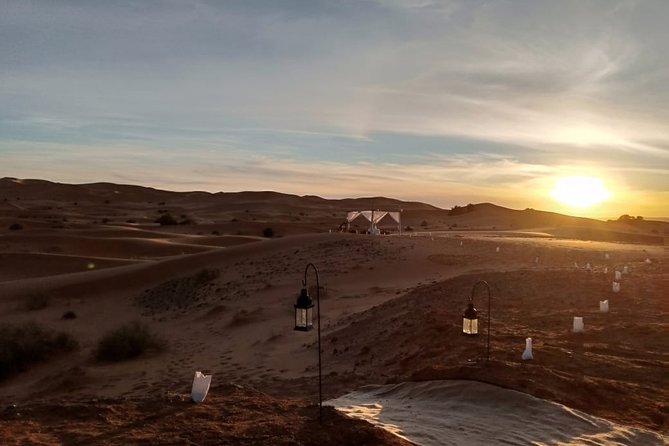
- Sahara routing through Merzouga, with mint tea and camel time mentioned in the flow
- Kasbah culture on the Road of a Thousand Kasbahs, plus Todra gorge walks
- UNESCO Ait Ben Haddou and famous film locations around Ouarzazate
- High-touch support from Sister Soukaina’s team, including on-the-ground problem solving noted in reviews
Price and logistics: what $2,300 buys you
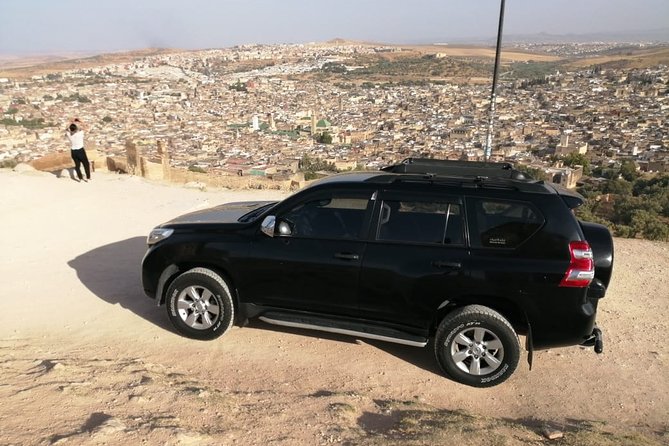
At $2,300 per person for about 8 days, this is a mid-to-upper priced way to do Morocco because you’re paying for three things most budget trips skip: a private vehicle with an English-speaking driver, hotel nights handled for you (7 nights), and guided time in the major cities. You’re also getting a schedule that covers a lot of geography—imperial cities plus the south—without forcing you into constant self-planning.
What you should budget beyond the tour price is simple: lunch, drinks, tips, and entrance fees/personal needs. The itinerary marks some admissions as free (for example, the Hassan II Mosque is listed as free), but your tour terms still say entrance fees aren’t included overall. So I’d plan to pay small extras on the days where you want additional sites, photos, or museums.
Logistics-wise, the tour begins at 8:00 am and runs with hotel dinners and breakfasts included. That matters because Morocco can be unpredictable at meal time—having dinner built in reduces the “what now?” stress.
You can also read our reviews of more private tours in Casablanca
Comfort-first private driving across imperial Morocco and the Grand South
This is a private tour, meaning it’s just your group in the vehicle. That changes the feel of the trip immediately: fewer waiting games, more flexibility if someone needs a stop, and less stress when road conditions slow things down.
The air-conditioned vehicle is a real quality-of-life upgrade, especially when the route shifts from cooler Atlas areas toward warmer desert-adjacent landscapes. In the reviews, people specifically credited the team when comfort details went wrong (including an AC issue), and that’s a good sign: the operator seems used to handling the “small emergency” moments.
Do keep expectations realistic: “private” doesn’t mean “short days.” The itinerary stacks big regions together, so you’ll spend meaningful time in transit. The trade-off is that you don’t lose days trying to connect separate tours.
Day 1 Casablanca: arrival flow, medina wandering, and Hassan II Mosque
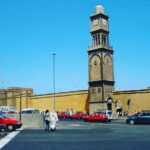
Casablanca is a smart first stop because you land near where the trip is organized. After pickup in the city, you’ll get an orientation tour covering broad avenues, the medina’s narrow streets, United Nations Square, Place Mohammed V, and the central market district. You’ll also pass through Anfa and the Corniche area, so you get both the modern city and the lived-in feel.
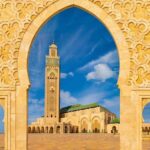
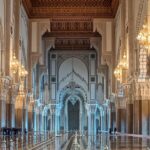
Then comes the anchor sight: Hassan II Mosque. This tour’s schedule notes the mosque as a major landmark and highlights that it’s one of the rare mosques open to non-Muslims, with the admission listed as free. Even if you’re not a big architecture person, it’s the kind of place that makes travel feel cinematic.
Practical tip: Casablanca evenings can be pleasant, so I’d treat the dinner-and-overview time as your chance to rest up for the longer travel days ahead.
Day 2 Rabat and Meknes: capital views, kasbah walls, and monumental gates
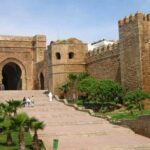
Rabat is a quieter start than Casablanca, and the itinerary is designed to show you why it feels different. You’ll depart early after breakfast, then stop in Rabat for sea-and-city views, including the crenellated red ocher walls (built in the era of Yacoub el-Mansour, according to the schedule). You’ll also cross the medina and souks, described as more authentic because goods are tied to local customers.
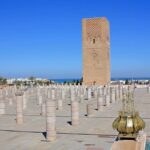
Next is the Kasbah of the Oudayas, then the Hassan Tower area, which is described as having four facades with different decorative styles. The “small cluster” approach here is good: Rabat can be covered without rushing, and you’ll still have energy for the next city.
After lunch, you move on to Meknes. This day’s highlight is the medina framing and those oversized historical gates, including Berdaïne Bab and Bab Khemis. The itinerary also points you toward the walls, then the royal-style spaces connected with the city’s history—stables, attics, and stud areas—ending at Hedim Square via Bab Mansour El. If you like places that feel like you’re reading history in stone, Meknes delivers.
One consideration: the day is long (Rabat to Meknes to Volubilis onward). If your group needs extra breaks, ask your driver early, because later in the day everyone gets impatient.
Volubilis to Fez: Roman ruins before the medina takes over
Volubilis is the palate cleanser between the imperial cities. You’ll visit the ancient Roman ruins and spend time walking among sites connected to everyday Roman life over 2,000 years ago. The schedule lists Volubilis admissions as not included, so you’ll likely pay directly if you want to go inside specific areas.
Then you reach Fez by evening for dinner and an overnight hotel. This is a smart sequencing choice: Fez is best approached when you’re not totally exhausted, because the medina can swallow your time quickly.
Day 3 Fez Medina: guided streets, major mosques, souks, and tanneries
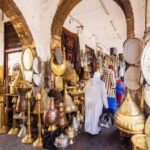
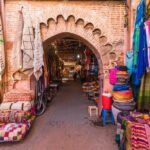
Fez is the headliner day in the north, and the tour is built around the medina’s scale. After breakfast, you’ll have a guided tour through one of the world’s largest walled medinas, with narrow lanes full of fruit stalls, spice piles, carpets, and crafts.
You’ll visit key landmarks, including mosques (the itinerary specifically notes that entry isn’t permitted to non-Muslims for places like the Quaraouiyine Mosque and the Andalusian Mosque). So you should expect to see and appreciate from allowed areas, not to wander inside sacred spaces.
The route also includes fountains like the Nejjarine fountain, medersas (Koranic schools founded as early as the 13th century, per the schedule), and the Batha Palace museum area. Chouwara Tanneries and souks like Souk Attarine are called out too, which is where you feel the everyday rhythm of Fez.
The best way to enjoy this day is to treat the medina like a guided story. If you try to “tour it yourself” afterward, you’ll lose time and maybe patience. Let the guide do the routing.
Day 4 Middle Atlas to Merzouga: Ifrane-style cool, Ziz valley, then Sahara time
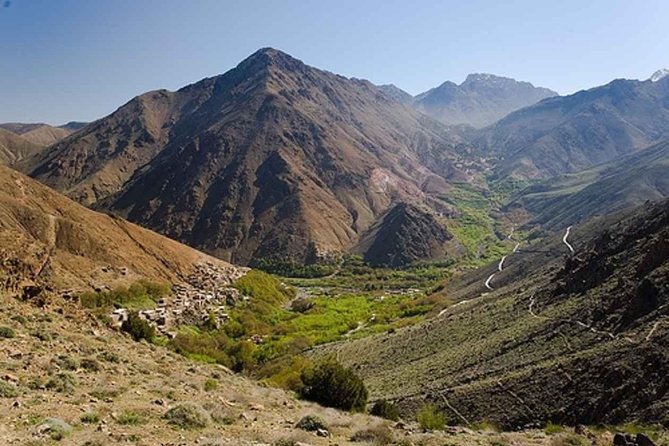
This day is all about the shift in scenery. You’ll start early after breakfast and pass through Ifrane, described as a winter ski resort built by the French in the 1930s to resemble a Swiss village—so it’s a surprising visual stop. Then you drive across the Middle Atlas Mountains through forests, rock faces, and Berber villages.
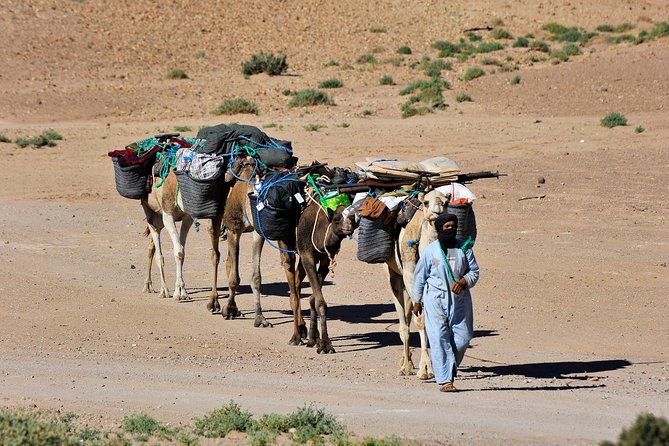
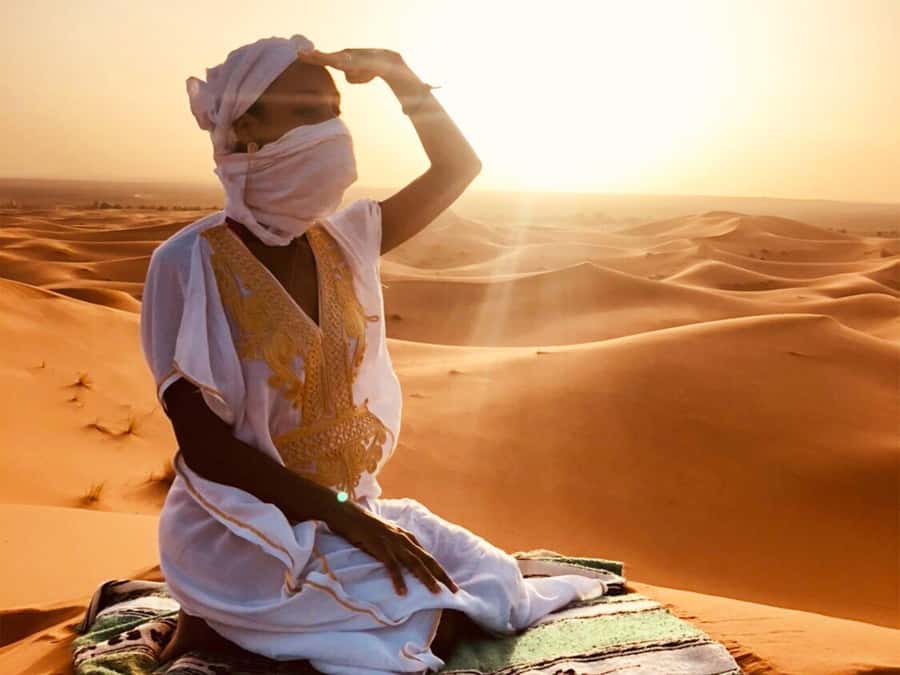
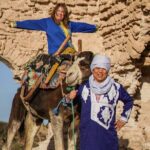
There’s a lunch stop in Midelt, noted for fossils and rocks, then the route continues through the Ziz valley and Berber villages before arriving in Merzouga. In Merzouga, the itinerary mentions mint tea and camels, which usually signals your first real encounter with Sahara-style travel. Even if you’re not riding, the desert atmosphere is the payoff.
A practical note: long driving days can make your body feel stiff. I’d drink water, loosen clothing, and plan short bathroom/leg-stretch breaks when your driver suggests them.
Day 5 Dades Gorges and Todra: Kasbah road romance and big canyon walks
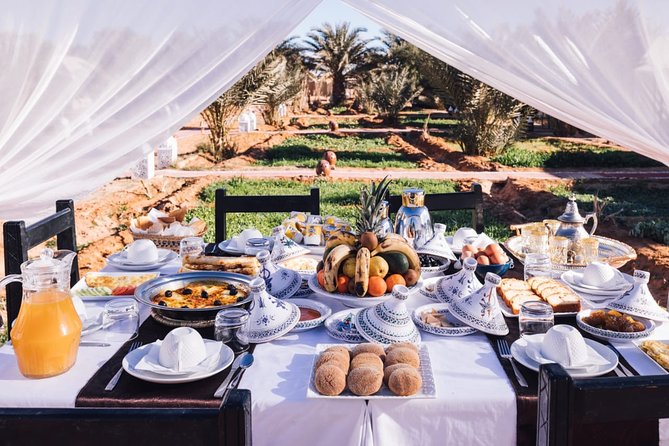
The trip turns from “arrival” to “adventure” on Day 5. You’ll start with a special Berber breakfast, then head toward Dades. There’s a stop in Rissani, described as the first capital of the Alouite dynasty, including historical kasbahs and the market.
From there, you travel the Road of a Thousand Kasbahs, which is described like turreted sand castles along an ancient caravan route. You’ll pass dramatic escarpments and gorges via Tinghir. The itinerary then calls for lunch near the Todra gorge area and a walk-in gorge stop, followed by travel through the Dades valley for dinner and an overnight hotel.
This day is one of the most photogenic because you get strong color contrast: earth tones, river valleys, and the canyon walls when the light changes. If your group is travel-worn, this is still a good day because the stops have clear payoff points.
Day 6 Ouarzazate, Ait Ben Haddou, and the High Atlas to Marrakech
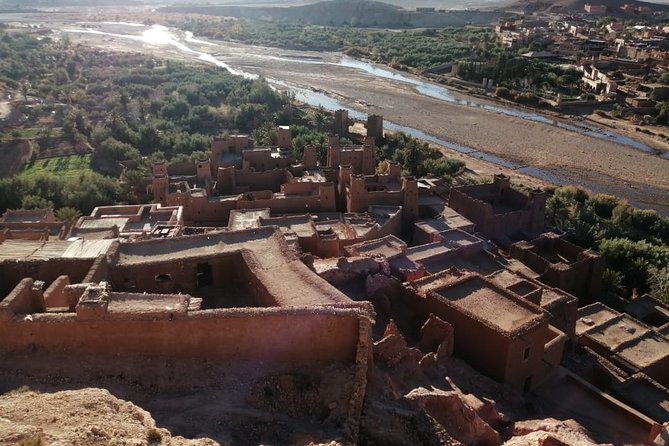
Day 6 is where Morocco’s “movie magic” meets real stone towns. You’ll visit Ouarzazate, including the Taourirt Kasbah and Atlas Studios movie studios, mentioned as the largest and most famous of all Africa in the itinerary. Then you’ll stop at Ait Ben Haddou, which the schedule says is UNESCO World Heritage.
The description also connects Ait Ben Haddou to major films like The Gladiator, Babel, and Lawrence of Arabia. That matters because once you recognize the imagery, the place stops being “just a ruin” and becomes a specific kind of cinematic landscape.
After lunch, you continue through the High Atlas via the Tizi-n-Tichka pass, reaching about 2,260 meters above sea level. You’ll pass small villages and waterfalls as the scenery changes in color and texture, then arrive in Marrakech in the afternoon for dinner and overnight.
This route is scenic but also high altitude. If you’re prone to headaches, take it easy for the first Marrakech evening.
Day 7 Marrakech full day: gardens, palaces, souks, and Jamaa El Fna sunset
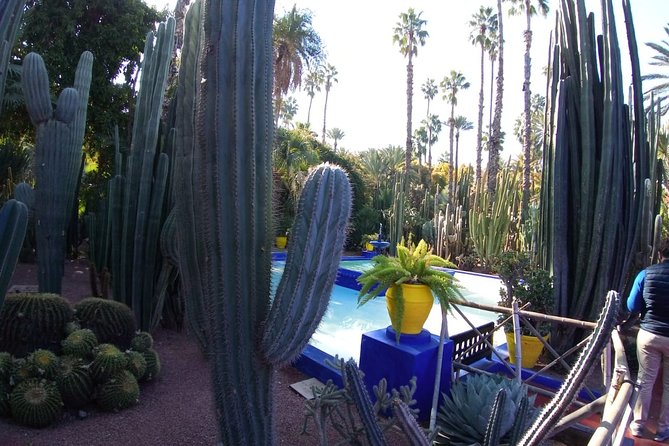
Marrakech is scheduled as a full-day guided tour with a classic highlights mix. You’ll see the Menara gardens, including a pool surrounded by flowers (season and timing affect what you notice, but the layout is memorable). Then you visit the Koutoubia Minaret, the Saadian Tombs, the Dar Si Said museum for Berber arts and crafts, and the Bahia Palace.
Lunch is included as a local restaurant stop in the day plan, but your tour terms list lunch as not included overall. So I’d treat lunch as “likely paid separately” unless your confirmation says otherwise. Either way, the day is structured so you won’t be stranded looking for food between sights.
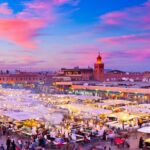
After lunch, you’ll walk through the souks and end with a sunset drink overlooking Jamaa El Fna square. This is the moment where Marrakech feels most alive—people, sound, and energy in one place.
Then you travel back to Casablanca for dinner and overnight. That last leg can feel like a second day, but it keeps the route tidy so your final departure goes smoothly.
Day 8 Casablanca departure: finish at the airport
On your last morning, the tour transfers you to the airport in Casablanca depending on your departure time. This final setup is practical: no extra sightseeing pressure, no “find a ride” stress.
If you hate feeling rushed at the airport, keep your final packing simple. You’ll want your most important stuff easy to access before the transfer.
Meals, guide support, and what reviews hint about service quality
Your package includes breakfast (7) and dinner (7). That’s valuable because it reduces your decision fatigue and helps you keep energy for the day’s driving and walking. Lunch is not included, and drinks are not included, so you’ll still have choices—but at least you’re not starving in the middle of a sight day.
The guide coverage is also a big part of the value. The itinerary states local guides in major cities: Casablanca, Rabat, Meknes, Fez, and Marrakech. That matters in Morocco because the medina-style areas are easy to get lost in, and “wrong turn” time adds up fast.
The reviews provided strong signals about how the team behaves when things change. Multiple mentions highlight Sister Soukaina and her team (the two Hassans, plus support names like Mostafa and Abdurahim). People credited them with clear communication, helping the group stay comfortable even during an overnight AC problem, and advice that helps avoid being scammed while shopping. Even if you’re an experienced traveler, having someone coach you on bargaining and safety in the moment is worth something.
What I think this tour is best for (and when it might not fit)
This tour fits you if you want:
- A wide sweep of Morocco in one trip (north imperial cities plus the south)
- Comfortable lodging and a driver doing the long-distance work
- Guided time in key cities so you can focus on the places, not the navigation
It might not be ideal if you want a slow, highly flexible Morocco where you stay longer in just one region. With this route, you’ll see a lot, and you’ll spend real hours in the car.
Also, if you hate walking on uneven medina streets or canyon paths, make sure your group is honest about stamina. The tour calls for moderate physical fitness, and that’s the right warning.
Should you book this Morocco Private Tour?
I’d book it if you’re looking for a single organized trip that connects Casablanca, the imperial north, the Sahara approach, and Marrakech, without requiring you to plan each leg yourself. The price makes more sense once you factor in private driving, 7 nights of accommodation, and local guides in the big cities.
I’d hesitate only if entrance fees and lunch cost would make you uncomfortable, or if you know you’ll get grumpy after long driving days. If your priority is “more Morocco, less logistics,” this tour has a strong match.
FAQ
FAQ
What does the tour include?
You get an air-conditioned vehicle, a professional English-speaking driver, accommodations for 7 nights, local guides in major cities, and dinner (7) plus breakfast (7). Taxes are included too.
Is this a private tour?
Yes. It’s listed as a private tour/activity, and only your group participates.
Are lunch and drinks included?
No. The tour lists lunch and drinks as not included.
What about entrance fees for sights?
Entrance fees are listed as not included, even though some sights in the schedule show tickets as free. Plan on paying for entrances that aren’t marked free in your specific confirmation.
What cities will I visit?
The route includes Casablanca, Rabat, Meknes, Volubilis, Fez, Merzouga, Dades Gorges/Tinghir and Todra area, Ouarzazate, Ait Ben Haddou, Marrakech, and back to Casablanca for departure.
How early does the tour start?
The start time is listed as 8:00 am.
Is there a fitness level requirement?
The information says travelers should have a moderate physical fitness level, which fits with medina walking and canyon/gorge walk sections.