REVIEW · CASABLANCA
Moroccan Baking Bliss in Casablanca Sweet Discoveries Await
Book on Viator →Operated by Rise to Moroccan Bakes · Bookable on Viator
Casablanca smells like warm spices, then sweet pastries follow. This private Moroccan baking class in Khadija’s home kitchen is more than dough and oven time: you learn hands-on techniques while hearing the family stories behind the food, including the Moroccan mint tea ritual.
I especially like the way the lesson is practical and patient, and I also love the tangible take-home part: you leave with recipe keepsakes plus a locally sourced gift. The only real consideration is that you’ll be getting your hands into the process, so if you want a sit-and-watch food experience, this one may feel a bit hands-on (and the sweets are genuinely sweet).
In This Review
- Key highlights you’ll actually care about
- Khadija’s Casablanca kitchen: what the 4-hour baking session really feels like
- From dough to cookies and crepes: what you’ll learn (and why it’s worth it)
- Mint tea and family-food stories: the cultural part you’ll remember
- What you take home: recipes, pastries in a box, and a local gift
- Who this suits best in Casablanca (and who might skip it)
- Price and value: why $40 can be a fair deal
- Making the most of it: practical tips before you go
- Should you book Moroccan Baking Bliss in Casablanca?
- FAQ
- How long is the Moroccan baking experience?
- What does it cost?
- Is this activity private?
- What should I expect to make?
- Is the class vegetarian-friendly?
- Will I get recipes to take home?
- Do I get anything besides food?
- Where do I meet for the tour?
- Can I cancel if plans change?
- Is it suitable if I need service animals?
Key highlights you’ll actually care about
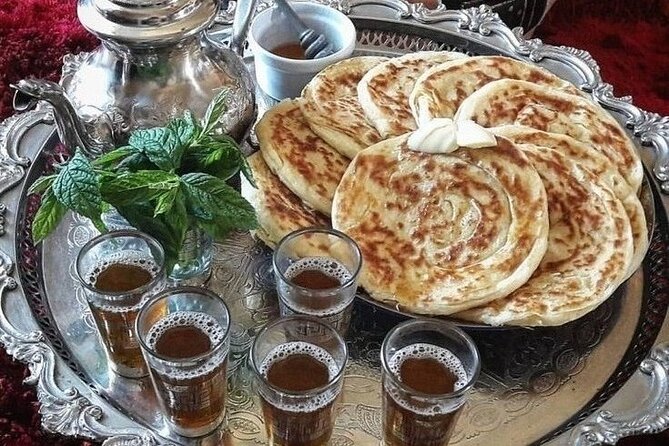
- Khadija’s kitchen vibe: friendly, welcoming, and designed for conversation, not a rushed factory demo
- Hands-on baking skills: kneading and making multiple treats, not just assembling one simple item
- Mint tea as a lesson: you learn the tea ritual, not just how to pour it
- English-friendly teaching: clear guidance with good English so you can follow every step
- Take-home keepsakes: recipes to recreate the results later, plus a local gift
Khadija’s Casablanca kitchen: what the 4-hour baking session really feels like
This is the kind of food experience that starts with your senses. You show up near محلبة أهلا وسهلا (HC97+F93), and soon you’re in Khadija’s kitchen, surrounded by the smell of Moroccan spices and warm home hospitality. The pace feels calm and local, like you’ve been invited into someone’s real routine rather than dropped into a staged set.
The class runs about 4 hours, and that timing matters. It gives you enough time to do real prep (dough work, shaping, and learning how to handle the textures) and then sit down to eat the results. You’re not only tasting; you’re learning the why behind the method.
It also stays private for your group. That’s a big deal for comfort and questions. If you’re traveling with kids, the teaching style comes across as patient and encouraging, with adults still actively involved in the cooking.
One practical note: the activity ends back at the meeting point. So you’re not dealing with long logistics or complicated backtracking. Your “tour” is basically the kitchen experience.
You can also read our reviews of more tours and experiences in Casablanca.
From dough to cookies and crepes: what you’ll learn (and why it’s worth it)
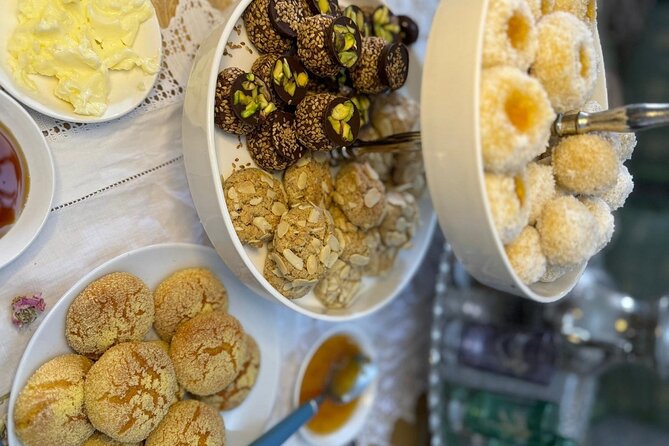
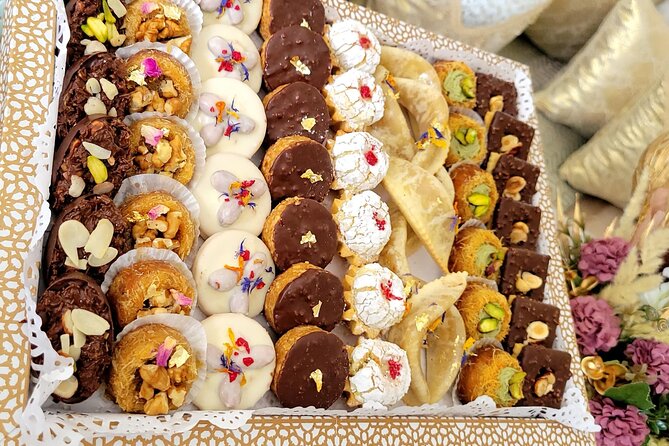
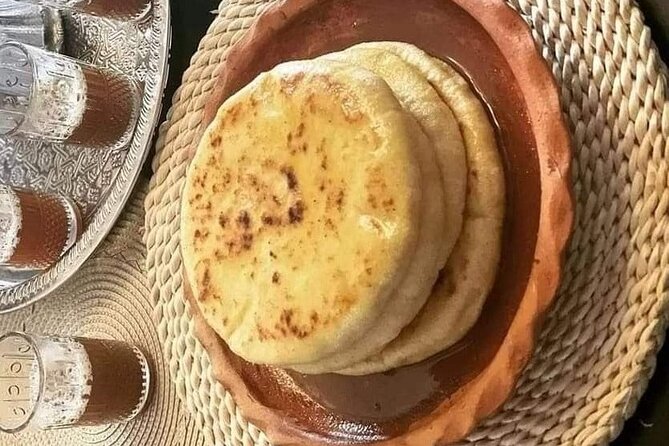
The heart of the class is hands-on baking. You’re expected to work with dough and ingredients, not just observe. In past sessions, the menu has included a mix that often covers cookies and crepes, along with other Moroccan pastry-style items depending on the lesson that day.
What you learn isn’t theoretical. You get techniques that help you understand how Moroccan pastries behave as you work them. People rave about the thorough instruction and the patience, and that shows up in the way the steps are taught: you’re guided through the process, then you repeat enough to feel that you actually made it.
A small but important detail: the teaching emphasizes method and handling. That means you’ll likely learn how to work the dough without overthinking it, and how to shape and cook items so you get results that look and taste right. If you’ve ever had a recipe fail at home, this kind of technique-focused class is where your confidence comes from.
And you’re not just learning one item. Sessions cover a variety of treats. One review-style highlight is that you might make around four cookies and two crepes, and you’re also part of the tea moment afterward. That gives you enough variety that it’s not just one sugar hit, it’s a small sampler you can remember and recreate.
When you finish cooking, you’ll eat what you made. That’s part of the value. The best cooking classes let you taste the results while the smells are still in your memory.
Mint tea and family-food stories: the cultural part you’ll remember
Food in Morocco isn’t only about flavor. It’s about ritual, hospitality, and the way a family passes along practical knowledge. In this class, the cultural piece comes through clearly through the mint tea component and the stories around the baking.
You learn about the tea as a cherished tradition, not just as a beverage. You’ll experience the steps of making mint tea and see how it fits into the rhythm of welcoming people into the home. It’s a simple thing, but it carries a lot of meaning in everyday Moroccan life.
The teaching also includes the family angle. Khadija brings the perspective of someone who learned baking from older generations, including her grandmother and mother. That matters, because you’re not just being taught how to reproduce a pastry—you’re being taught why the process exists and how the food is meant to be shared.
This is also where the conversation becomes part of the meal. Reviews mention chatting with Khadija like hanging out with a friend, and that warmth shows in the atmosphere. For many people, this is the difference between a “class” and a real cultural encounter.
And yes, the tea and sweets combo is powerful. Plan to treat it as a meal, not a light snack.
What you take home: recipes, pastries in a box, and a local gift
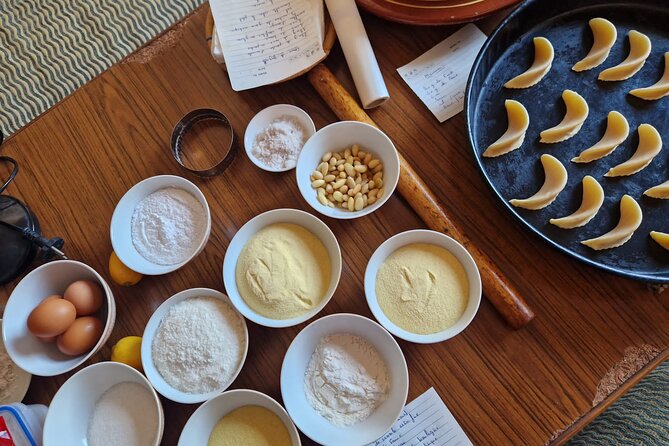
One of the smartest parts of the experience is what you leave with. You don’t only go home with memories; you go home with recipe keepsakes. That means you can rebuild the experience later, in your own kitchen, using what you learned rather than guessing.
You may also take away a box of pastries. People describe being able to bring treats home, which is ideal if you don’t want this to be a one-time sugar moment. It also helps you share the story with people back at your hotel later that same day.
Then there’s the locally sourced gift. It’s a small line item, but it’s exactly the kind of detail that makes the exchange feel personal. You’re not just paying for ingredients; you’re being appreciated as a participant.
Vegetarian-friendly matters here too. The experience is described as vegetarian-friendly and handled with care. That’s useful in Morocco, where people often assume every meal is meat-heavy. If your diet is vegetarian, you can feel comfortable joining without needing to “make do.”
Finally, the fact that it’s a private group helps your take-home experience. You’re more likely to get personalized guidance during the lesson, so the recipes you take home actually match what you made.
Who this suits best in Casablanca (and who might skip it)
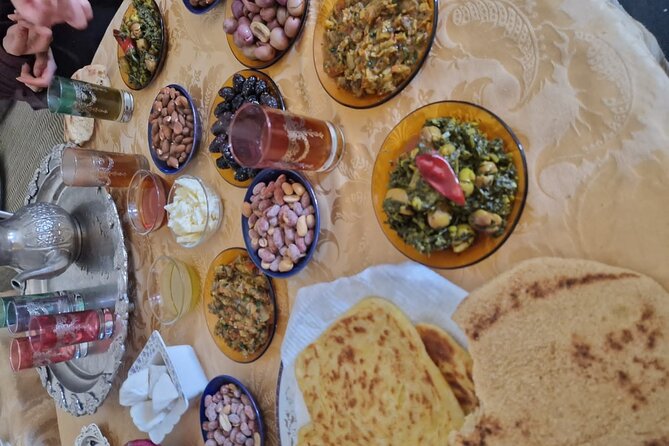
This is best if you want a hands-on Moroccan cooking experience that’s social, friendly, and focused on real technique. If you enjoy learning how to do things with your hands—kneading, shaping, cooking, and tasting—this works beautifully.
It’s also a great fit if you want something more personal than a large group food tour. The teaching style stands out for being patient, and the class has been described as working well with kids in the group while still keeping adults busy.
Choose it if you want:
- Casablanca food culture through baking, not just eating
- A host who speaks very good English, so you can follow along step by step
- A calm afternoon plan that ends with homemade treats and a plan to recreate them
You might consider skipping if:
- You dislike sweet-heavy food experiences or you want only savory dishes
- You’d rather watch than participate
- You’re short on time and only want a quick tasting stop (this one is a full 4-hour session)


Price and value: why $40 can be a fair deal
$40 per person is not nothing, but it’s also not inflated for what you get. You’re paying for a private, guided, hands-on class that includes instruction, ingredients, tastings, and take-home items (recipes and a local gift). That combination is where the value comes from.
In practice, the value equation looks like this:
- You get skill transfer, so the class can pay off later when you bake at home
- You get multiple treats, not just one simple cookie
- You get a tangible souvenir (recipes + gift), not just a photo
The fact that it’s often booked about 28 days in advance suggests people find it worthwhile and plan around it. If you’re in Casablanca for a short trip, booking early can help you lock in a time that fits your schedule.
If you’re comparing to cheaper classes, remember those often trade away hands-on learning, personalized teaching, or the take-home recipe component. Here, the class is built around doing the work and understanding it.
Making the most of it: practical tips before you go

This is a kitchen experience, so treat it like one. Wear comfortable clothes you don’t mind getting flour dust on. You’ll be making dough and handling ingredients, and the class works best when you’re willing to participate fully.
Bring a normal appetite. You’ll taste what you made, and Moroccan mint tea plus pastries is a lot of flavor (and sugar). If you tend to graze all day and you want this to be your main food event, plan around it.
If you’re vegetarian, you’re covered. Still, it’s smart to mention your preferences when you book, since the class includes a variety of treats and you want to know what will be made for your session.
Finally, show up ready to talk. One reason people love this is the conversation and hospitality. The class doesn’t feel like a lecture; it feels like learning in a warm home environment.
Should you book Moroccan Baking Bliss in Casablanca?
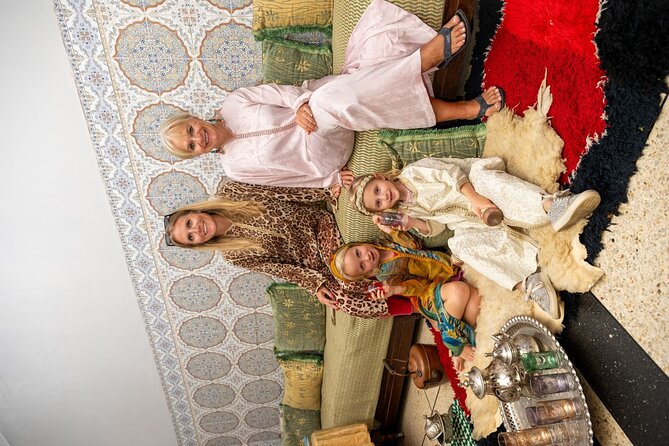
Book it if you want a real Moroccan kitchen experience with Khadija, hands-on baking, and a friendly teaching style that helps you learn more than just the taste. The take-home recipes, the mint tea ritual, and the practical technique focus are the reasons this is worth your afternoon.
Skip it if you’re looking for a quick tasting stop, or if you don’t want to roll up your sleeves for dough work. Also, if you’re strongly pastry-skeptical, this may feel like a sweets-forward plan.
If you’re the type of traveler who likes learning how everyday food gets made in homes, this is the kind of experience you’ll think about later when you catch the smell of mint tea and warm spices.
FAQ
How long is the Moroccan baking experience?
It’s about 4 hours.
What does it cost?
The price is $40.00 per person.
Is this activity private?
Yes. It’s a private tour/activity, so only your group participates.
What should I expect to make?
The class includes hands-on Moroccan pastry-making. Based on past sessions, you may make items like cookies and crepes, plus you’ll also make and enjoy Moroccan mint tea.
Is the class vegetarian-friendly?
Yes. The experience is described as vegetarian-friendly.
Will I get recipes to take home?
Yes. You receive recipe keepsakes so you can recreate what you learned.
Do I get anything besides food?
Yes. Each participant receives a special locally sourced gift.
Where do I meet for the tour?
You start at محلبة أهلا وسهلا HC97+F93, Casablanca 20320, Morocco, and the activity ends back at the meeting point.
Can I cancel if plans change?
Free cancellation is available up to 24 hours in advance for a full refund.
Is it suitable if I need service animals?
Service animals are allowed.