REVIEW · MERZOUGA
Merzouga: Overnight Camel Trek with Sandboarding
Book on GetYourGuide →Operated by MOROCCO TRIP · Bookable on GetYourGuide
Camel tracks in the Sahara hit different. This Merzouga overnight camel trek from Ksar Tanamouste is all about the timing: sunset-to-sunrise camel rides over Erg Chebbi dunes and a night in a desert camp with Berber drumming and starry skies. One thing to keep realistic expectations on: sandboarding is optional, and for some people it can feel more like a quick demo than a big adrenaline run, while camp setups can also vary.
If you want a classic Sahara night with food, tea, and a proper desert rhythm, this trip is good value for the price. The main “watch it” points for me are logistics at the start (the meeting place may be easier to miss than you expect) and how quiet your camp neighbors are when it’s music-heavy.
In This Review
- Key things I think you’ll care about
- Merzouga at sunset and sunrise: why this timing matters
- From Ksar Tanamouste to the camel park: the part you shouldn’t rush
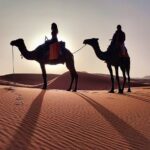
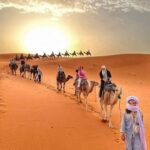
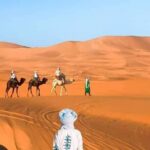
- The overnight camel trek through Erg Chebbi: what the ride actually feels like
- Sandboarding on the dunes: how to set expectations for fun
- Camp options in Merzouga: standard, royal, or luxury tents
- Dinner, Berber drumming, and the night sky you actually remember
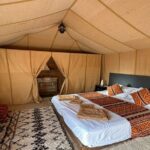
- Overnight comfort: what “private tent” means for your night
- Breakfast and sunrise: the real reason to do an overnight trek
- Price and value: is $73 really fair for what you get?
- Who should book this overnight camel trek (and who might not)
- Practical packing and desert comfort tips
- Common hiccups to plan for before you go
- Should you book this Merzouga overnight camel trek with sandboarding?
- FAQ
- Where is the meeting point in Ksar Tanamouste?
- How does pickup work if I’m driving myself?
- What’s included in the overnight camp stay?
- Is sandboarding included, and can I opt out?
- What should I bring for comfort and safety at night?
- What languages are available for the tour?
- Can I cancel, and how late is too late?
Key things I think you’ll care about
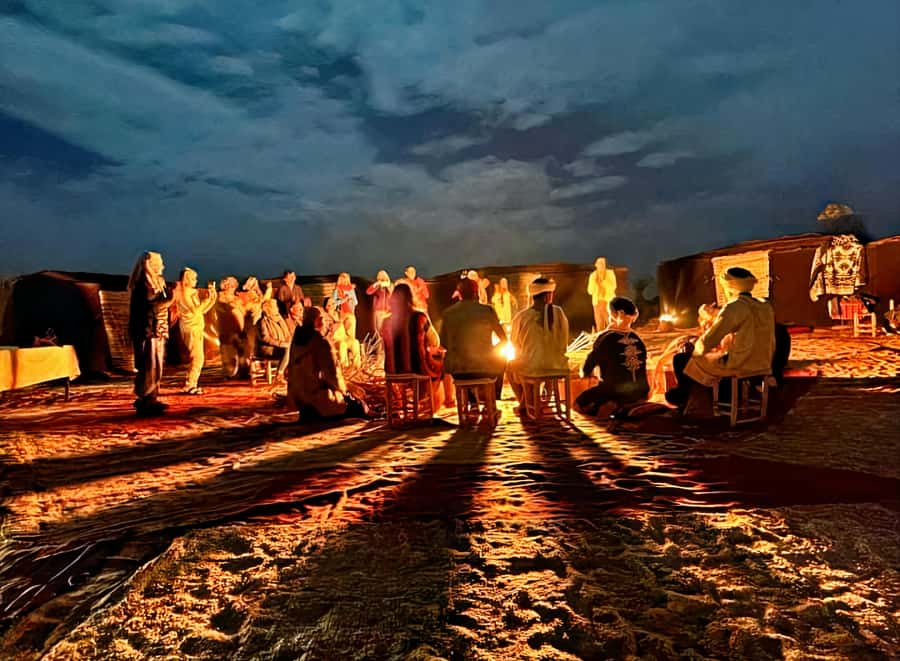
- Erg Chebbi dunes on camelback: you ride out for sunset, then you ride back at sunrise.
- Sandboarding is optional: plan for short, low-tech runs, not a full snow-style session.
- Berber drumming + night sky: dinner and music are part of the camp vibe, not just a meal stop.
- Camp type can change the feel: standard vs royal vs luxury matters, including tent condition.
- Small practical extras: Moroccan mint tea, water, luggage storage, and shower facilities are included.
Merzouga at sunset and sunrise: why this timing matters
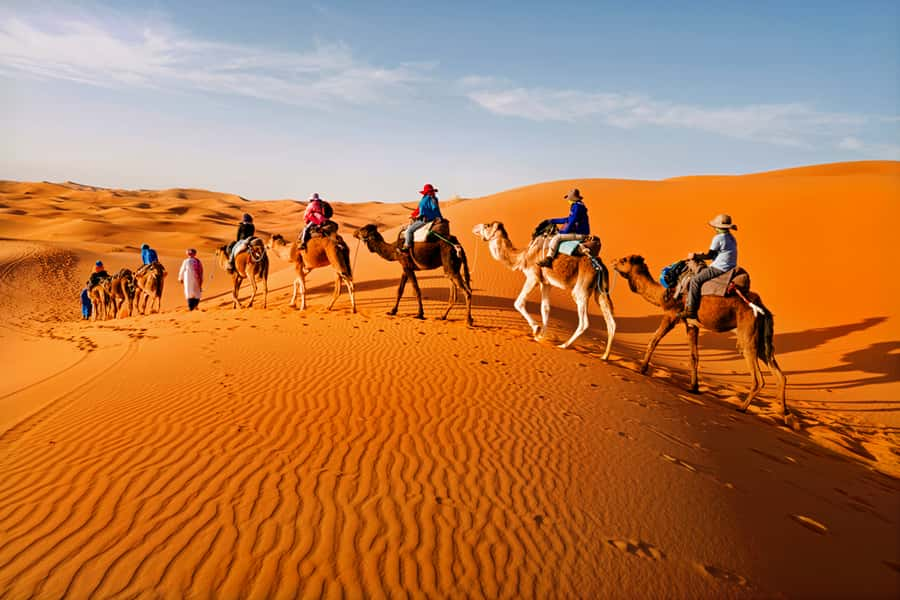
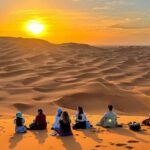
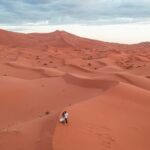
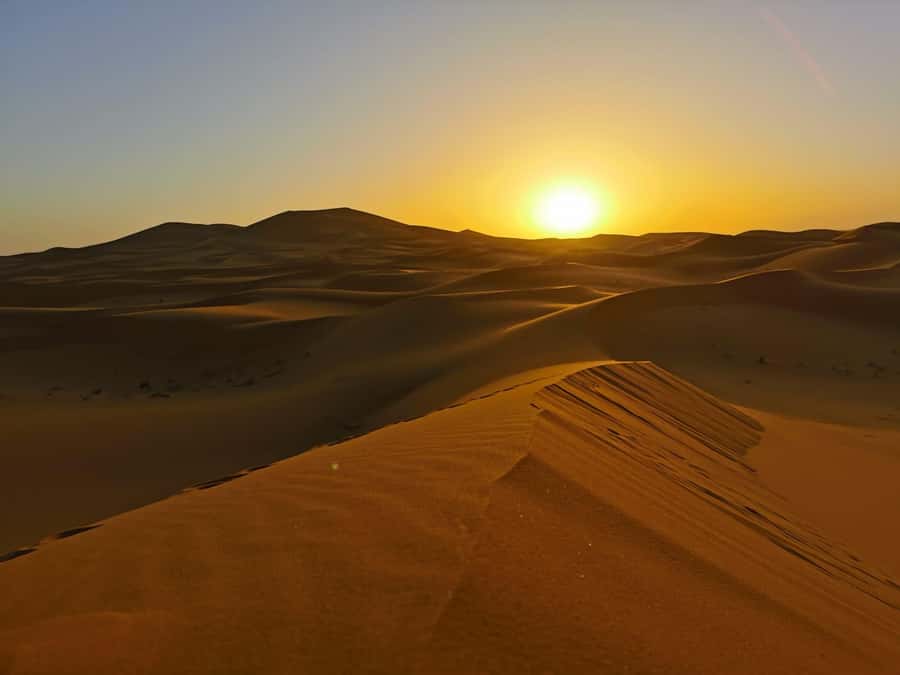
Merzouga’s Erg Chebbi dunes are famous for a reason, but the reason is how light changes everything. In the late afternoon, the sand starts turning gold, then orange, then it goes quiet and soft. That same place can look almost flat at noon and totally dramatic at dusk.
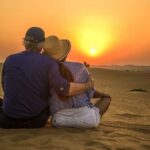
This tour’s structure is built around that shift. You’re not just being “shown” the dunes. You’re living inside the color change while you move on a camel and then while you’re parked at camp. The payoff is that you get both the big sunset moment and the early sunrise moment, which is when the dunes look brand new again.
You can also read our reviews of more hiking tours in Merzouga
From Ksar Tanamouste to the camel park: the part you shouldn’t rush
Your day starts in Ksar Tanamouste, with the key person being Hassan (Zit). You’ll want to go to the reception area at your meeting place and look for him, and have your voucher ready. This matters because the activity includes a short lead-in: you meet Hassan, you check in, and then you wait until it’s time to depart.
Once it’s time, you’re transported by a Jeep to the camel park. At the camel park, you meet your camel guide and then the trek starts. That’s the practical flow, and it’s simple—if you find the place on time and can stay patient during the handoff.
Here’s my cautious note from real-world experience patterns: the meeting point can feel less straightforward than the description style suggests. One person reported it wasn’t a big hotel with obvious signage, but a private house that was harder to find. My advice: arrive with daylight if you can, bring your voucher on your phone and in the real world, and don’t assume there will be a clear sign you can spot from far away.
The overnight camel trek through Erg Chebbi: what the ride actually feels like
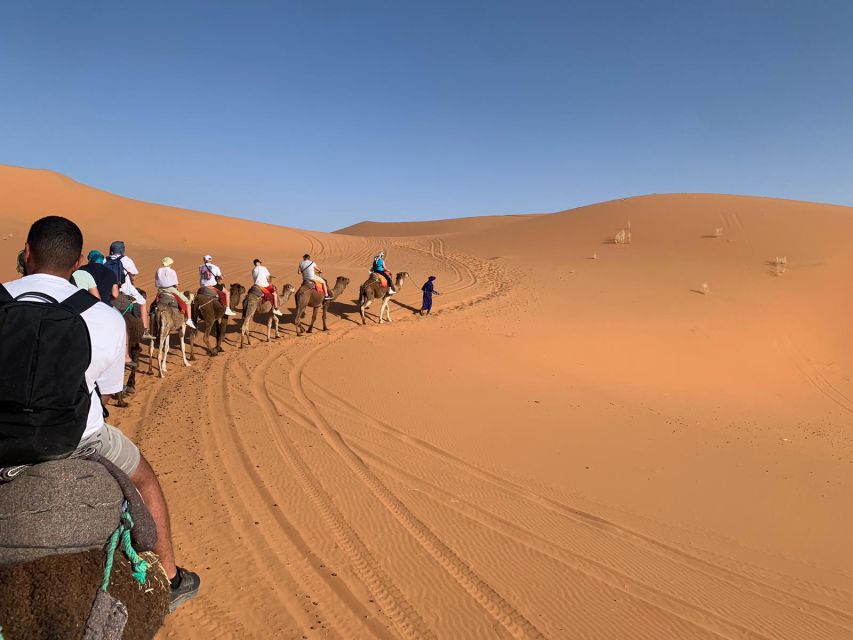
This is a 1-day trip that runs about 16 hours end to end. The big blocks are the camel ride out to camp, the sunset window, and the overnight sleep, then the sunrise window and return.
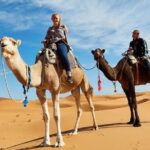
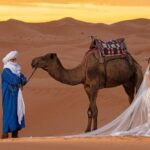
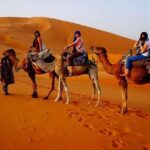
On the trek, you’re moving through the dunes in the traditional way: one camel per person. Your camel guide is there for the route and the basics. If you’re hoping for long, in-depth explanations, you might get more or less depending on the guide’s mood and communication style. The good news is that even when people felt the guide wasn’t chatty, they still described the ride itself—especially the sunset ride—as genuinely memorable.
Also, plan for the fact that you may share the experience with a crowd. In one case, the group start included around 50 people. That doesn’t ruin the night, but it can affect pacing and how fast you get settled.
Sandboarding on the dunes: how to set expectations for fun
Sandboarding is listed as optional, and it happens while you’re in the dunes area. Here’s the reality check I’d give you: the quality and thrill level can vary a lot.
One negative experience described a very small dune (around 10 meters) and a run that felt extremely short, with the board sliding only a few meters at a slow pace. When that happens, it can feel like a toy version of what you imagined from videos.
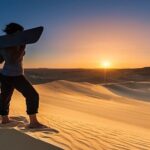
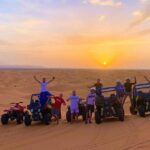
On the flip side, if you keep your expectations simple—try it, get a few moves, laugh a bit, and take photos—sandboarding can still be a fun add-on. If you want major speed and big drops, you’re probably going to feel let down by how controlled (and brief) this usually is in an organized overnight format.
Camp options in Merzouga: standard, royal, or luxury tents
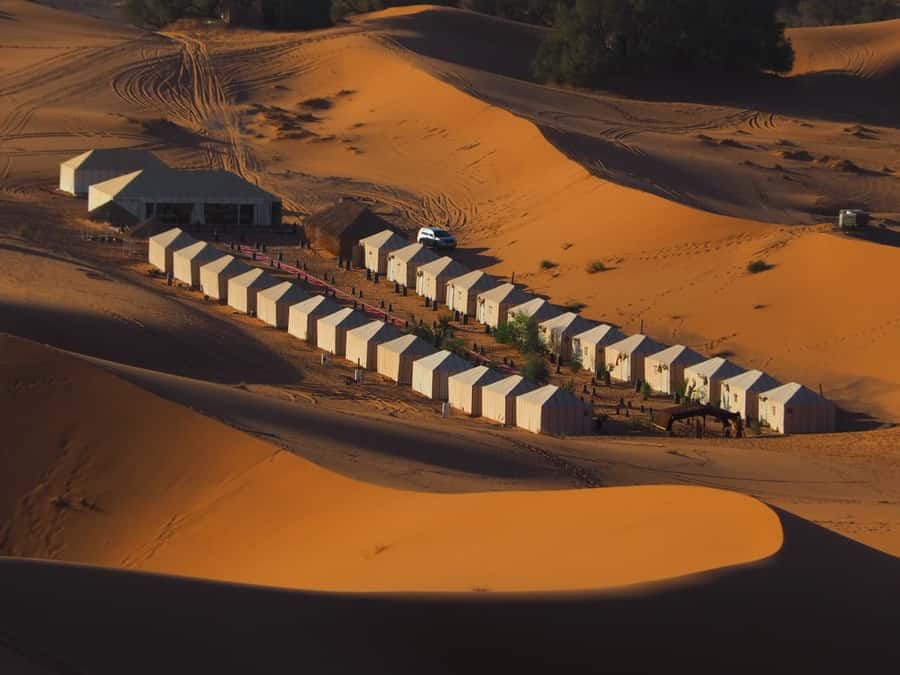
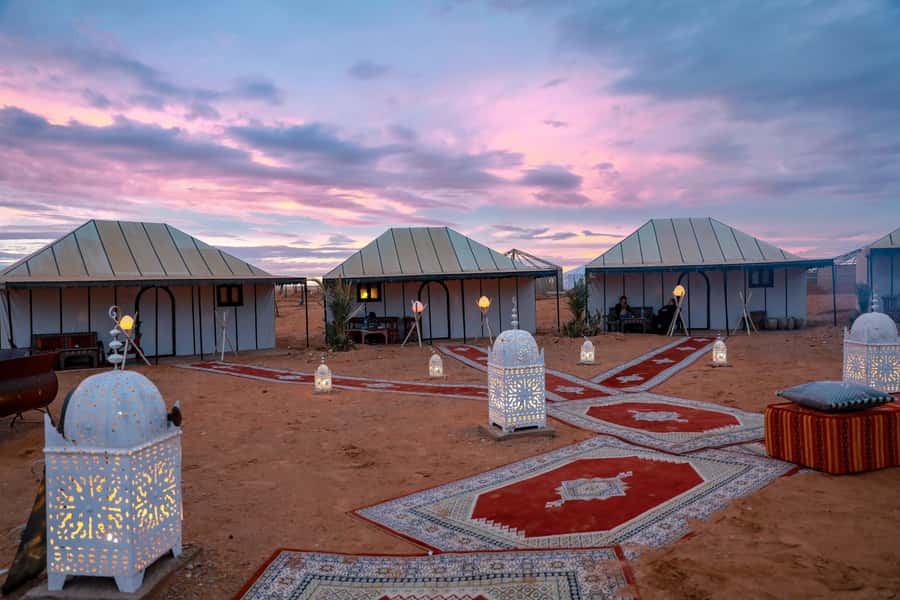
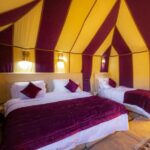
The tour lets you choose between a standard camp, a royal camp, or a luxury camp. That’s a real lever for how comfortable you’ll feel. The “why” is simple: tent setup, comfort level, and how the camp is managed can change.
In positive feedback, people mentioned a clean tent and even options like a tent with a bathroom setup in the room. In less positive feedback, people said luxury tents didn’t match the condition they expected, and some felt they were left without good attention at key moments.
A big practical point: camp placement and noise are real variables. One person reported a nearby party camp with loud, bad music running until 2 a.m. Their advice was blunt: bring earplugs. I agree with that approach. If you’re sensitive to sound, earplugs are worth packing for any shared-camp setup in the desert.
Dinner, Berber drumming, and the night sky you actually remember
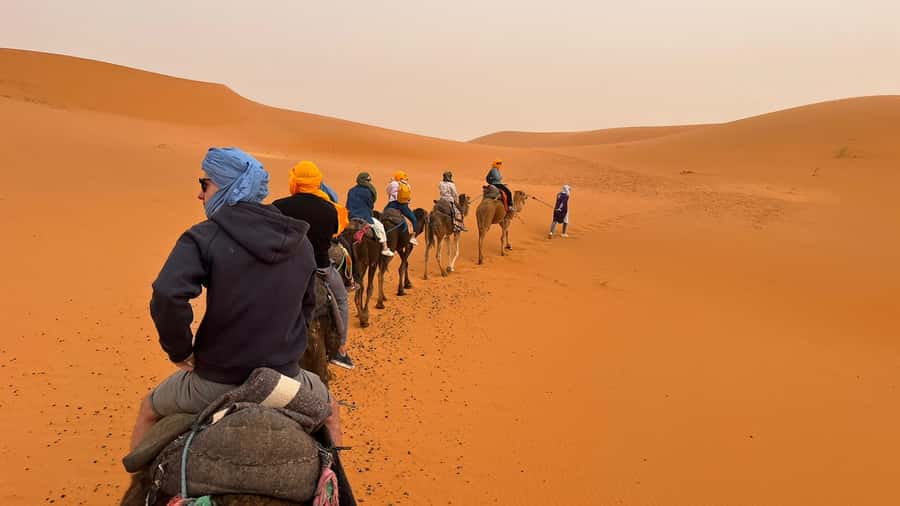
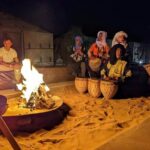
Once you reach camp, you get settled and then the evening turns into the core desert ritual: dinner, Moroccan mint tea, and entertainment. Berber drumming is part of the program, and this is one of those moments where the group energy can shift from “planning” to “wow, this is real.”
You’ll also get a clear starry sky night, which is usually one of the top memories people carry home. The desert air tends to make the stars feel sharper, and the camp lighting (often low and warm) helps the sky look dramatic.
Food is included: dinner plus breakfast the next morning, and you also get bottle water. Lunch is not included, so don’t expect a full day of meals. In one negative experience, the food was described as not very good and not served hot. In other feedback, dinner was described as good. My practical takeaway: if you’re picky about temperature, bring a backup snack for your own comfort before you arrive at camp.
Overnight comfort: what “private tent” means for your night
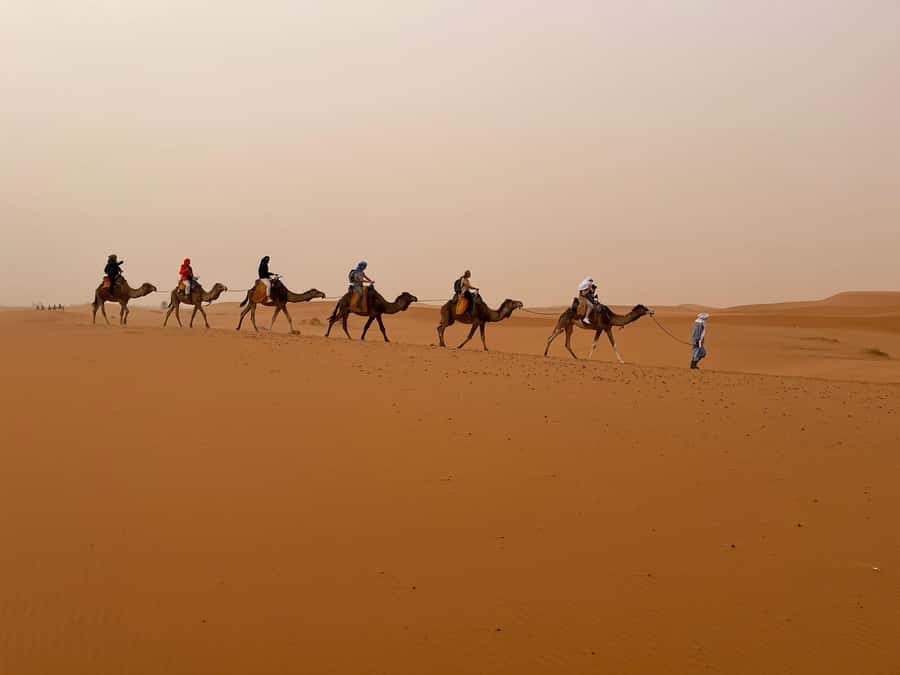
You sleep in a private tent. That’s a big deal compared to shared dorm-style camping. It also means you can actually recover for the next morning ride.
One thing to plan for: desert nights can get cold. At least one person said it was very cold overnight, and that extra blankets helped. So pack layers mindset. Even if you think you’re tough, you’ll likely appreciate scarf use, and you’ll probably want long sleeves at bedtime.
Also watch your expectations for amenities. Wifi, if it exists, may be limited. One positive note included mention of a tent with bathroom, but it also flagged that Wi-Fi wasn’t really reliable, tied to a staff phone router. If you need to stay connected, assume the desert will be offline for real.
Breakfast and sunrise: the real reason to do an overnight trek
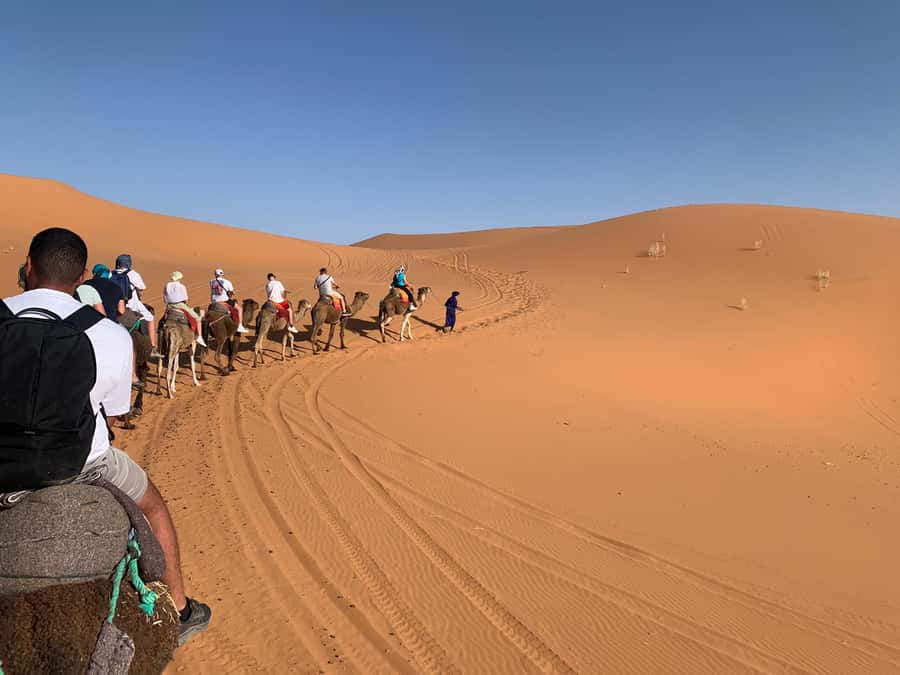
The morning starts with breakfast provided by your guide. Then you head out again to catch sunrise views. This is the part that makes the overnight format worth it.
Sunrise in Erg Chebbi doesn’t just mean pretty light. It means the dunes are quieter, the air feels cooler, and you’re watching sand color shift while you’re still in motion. That’s why this tour format works: you’re not only photographing the dunes, you’re experiencing the transition from night to day.
Then you return with your guide back to the meeting point. The activity finishes back at Hassan Ouattou.
In at least one account, the next-day camel ride back was early enough that the process started around 8:30. That’s normal for desert mornings when you want the light and want to keep the schedule flowing.
Price and value: is $73 really fair for what you get?
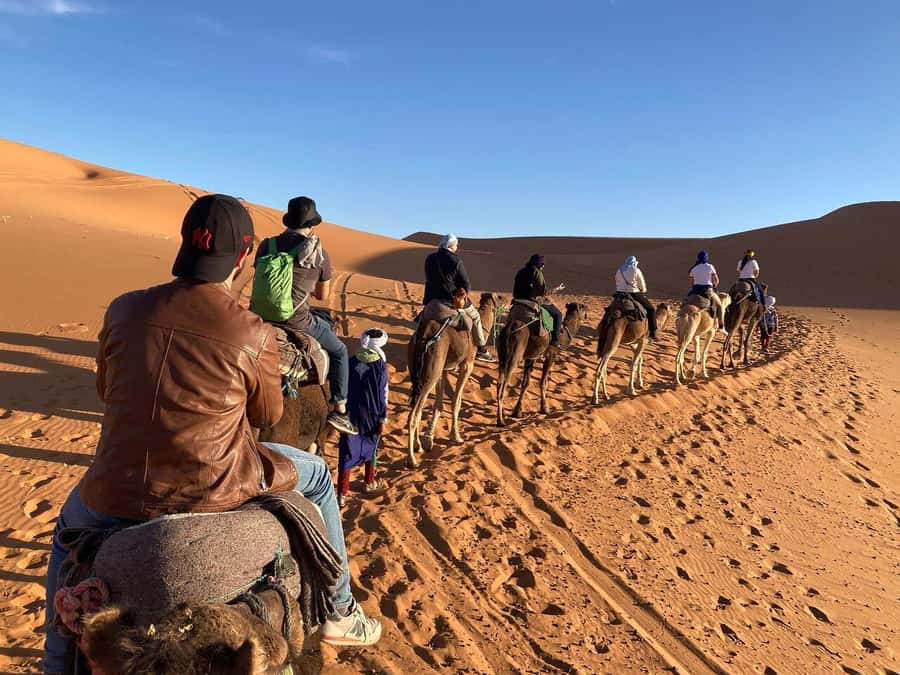
At $73 per person for a 1-day overnight setup, you’re paying for a bundle. You get camel ride (one per person), an overnight private tent, dinner and breakfast, Moroccan mint tea, and bottled water. You also get a sandboarding option and experienced local guides, plus practical extras like luggage storage and shower facilities.
In other words, this isn’t just a “photo stop” with a cheap bed. You’re paying for transport from Ksar Tanamouste to the camel park, the camel logistics, camp management, meals, and the evening entertainment.
What you don’t get is lunch. That’s the main gap, and you should plan around it by eating before you start or grabbing something yourself if you’re the type who needs a midday snack.
If you compare this to a half-day desert outing, the value is that you’re paying for time in the dunes after dark and before daylight. That’s the part many people miss when they do day-only trips.
Who should book this overnight camel trek (and who might not)
This trek fits best if you want a classic Sahara night and you’re okay with a schedule that runs early and moves steadily.
It’s also a good match if you like:
- sitting with the stars after dinner instead of chasing attractions
- the idea of a calm, guided camel ride with sunrise as the payoff
- a structured camp evening with drumming and tea
It might not fit you as well if:
- you’re expecting extreme sandboarding thrills
- you really need quiet, private vibes (camp next door can matter)
- you get stressed by finding a specific meeting point and waiting for the Jeep transfer
Practical packing and desert comfort tips
Here’s what I’d pack using what’s recommended plus one extra that comes from real on-the-ground issues.
Bring:
- sunscreen
- a scarf
- a camera (or charged smartphone)
- sunglasses
Then I’d add:
- earplugs if you’re noise-sensitive (music at nearby camps can run late)
- layers for the night, since cold can sneak up fast
Also, keep your phone charged before you leave. In the desert, there’s no guarantee you’ll have power when you want it.
Common hiccups to plan for before you go
Every desert camp night is weather- and logistics-dependent, but you can reduce surprises.
My short list:
- Meeting point clarity: find Hassan (Zit) in the reception area at Ksar Tanamouste and have your voucher ready.
- Camp condition variability: if you chose a higher camp tier, still know real setups can differ.
- Sandboarding expectation mismatch: treat it as a fun add-on, not a guaranteed adrenaline session.
- Noise risk: if you want silence, bring earplugs.
If you’re the type who prefers everything perfect on a schedule, plan to be flexible. Desert evenings don’t run like city tours.
Should you book this Merzouga overnight camel trek with sandboarding?
Yes, you should book it if you want the full Merzouga rhythm: camel ride out at sunset, dinner in camp with Berber drumming, sleep in a private tent, then sunrise and a return ride.
Do it with two smart expectations: sandboarding may be short, and camp comfort or quiet can vary. If you can live with that, this is a solid value way to experience Erg Chebbi after dark and before the day warms up.
If you’re sensitive to noise or you’re picky about tent comfort, consider choosing the camp tier carefully and pack earplugs and warm layers no matter what.
FAQ
Where is the meeting point in Ksar Tanamouste?
You’ll meet at the reception area in Ksar Tanamouste. Look for Hassan (Zit) and have your voucher ready to show him so check-in goes smoothly.
How does pickup work if I’m driving myself?
If you’re arriving by your own vehicle, there is a designated parking lot available at the hotel in Ksar Tanamouste. After you meet Hassan (Zit), you’ll be transported to the camel park by Jeep.
What’s included in the overnight camp stay?
You get a camel ride (one per person), an overnight stay in a private tent, dinner and breakfast, Moroccan mint tea, and a bottle of water. Luggage storage and shower facilities are also included.
Is sandboarding included, and can I opt out?
Sandboarding is included as an optional activity. You can choose to try it while you’re in the dunes area during the program.
What should I bring for comfort and safety at night?
Bring sunscreen, a scarf, a camera or charged smartphone, and sunglasses. Nights can be cold, so plan for chilly temperatures and be ready for blankets.
What languages are available for the tour?
You’ll have a live tour guide in Arabic, French, English, and Spanish. Audio guidance is also included in Arabic, French, Spanish, and English.
Can I cancel, and how late is too late?
Free cancellation is available up to 24 hours in advance for a full refund.