REVIEW · MERZOUGA
4×4 excursion to Safsaf Wild Oasis with traditional Berber picnic
Book on Viator →Operated by Rutas Nomadas · Bookable on Viator
Merzouga gets wilder fast. This 4×4 excursion to Safsaf Wild Oasis trades the usual route for big desert tracks, sand rivers, and a gorge oasis that feels close to the edge of nowhere. I like that you actually ride through the desert’s changing surfaces—black hamada to rivers of sand—and not just stare at dunes from one spot.
My second favorite part is the traditional Berber picnic in a place with real water stories tied to the mountains. One consideration: the area is weather-sensitive, and the Safsaf waterfalls and water flow can be stronger or weaker depending on the season.
In This Review
- Key things you should notice before you go
- 4×4 From Merzouga to Safsaf Wild Oasis: What the Ride Feels Like
- The Dunes Stop That Changes the Mood
- Safsaf Oasis: Why This Gorge Matters (More Than the Photos)
- The Tisserdmine Fossil Stop: A Desert Surprise
- Berber Picnic: The Part You’ll Remember Long After the Dust
- Meeting Points and Timing: How to Plan Your Day in Merzouga
- Rutas Nomadas and the Local-Guide Advantage
- Price and Value: Is $351.62 Worth It?
- What to Pack for Safsaf Day Trips (So You Can Actually Enjoy It)
- Who This Tour Fits Best
- Should You Book Safsaf Wild Oasis in a 4×4?
- FAQ
- How long is the 4×4 excursion to Safsaf Wild Oasis from Merzouga?
- What time does the tour start, and does it return to Merzouga?
- Is this a private tour?
- What kind of desert terrain do we drive through?
- When is Safsaf Oasis most spectacular?
- What happens if the weather is poor?
Key things you should notice before you go
- 6 hours in a private group (up to 4) means a calmer pace and fewer interruptions.
- 45 km of desert track from Merzouga takes you through hamada, sand rivers, and rocky passages, not a simple road.
- Tisserdmine fossil stop adds a surprising science-meets-desert moment.
- Safsaf Oasis in a narrow mountain gorge stays intimate, with palm-lined channels and small sandy pockets to use for bathing.
- Traditional Berber picnic is part of the experience, not a rushed add-on.
- Local guide strength (Paloma and Vera) shows in how smoothly they handle the trip and respond if something goes wrong.
4×4 From Merzouga to Safsaf Wild Oasis: What the Ride Feels Like
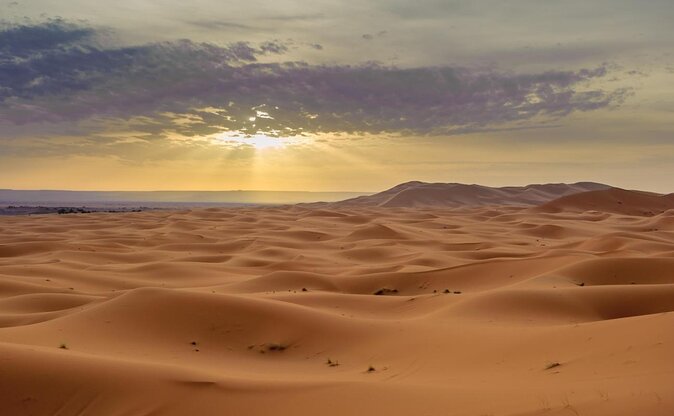
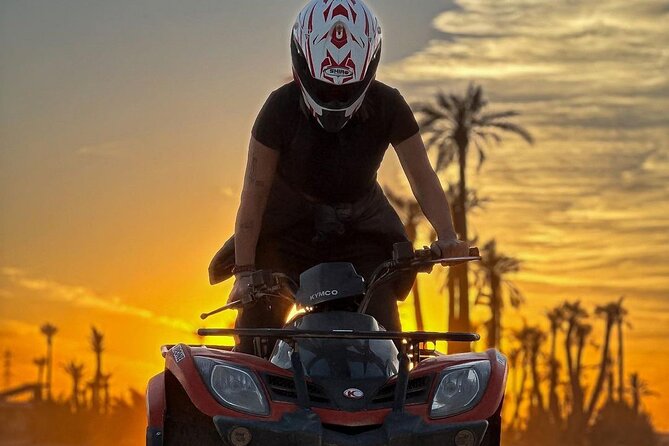
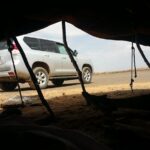
The day starts in Merzouga, with pickup offered and a private setup for your group of up to four. You’re out the door around 9:00 am, and the plan is built around one big thing: the route matters as much as the destination. This is a track drive about 45 km northwest of Merzouga, which is far enough to feel like you’re leaving the easy tourist orbit behind.
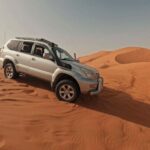
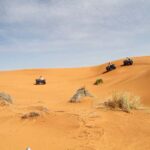
You begin moving across the kinds of desert terrain that don’t look the same twice. Expect the hamada first—black, stony, arid ground. It’s the “no comfort zone” part of the journey, the kind that forces you to pay attention to the vehicle, the track, and the horizon line.
Then the desert starts switching gear. You may cross rivers of sand and dry riverbeds, and depending on the time of year, those can carry more or less water. That matters. A dry channel feels like a path drawn in dust; a wet one turns the trip into a moving ribbon of life. Either way, it’s a very different kind of scenery than the classic dune-only photos.
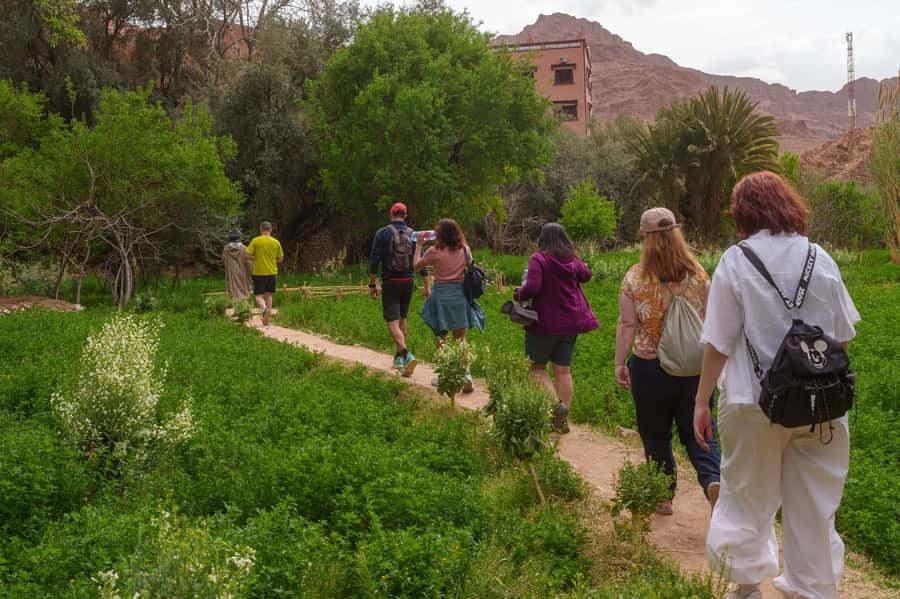
As the route continues, the driving turns more mountainous and rocky, with stone and rock tracks layered under your tires. You’ll also pass wide esplanades where you can spot nomadic settlements, plus vegetation that reminds you this region isn’t just sand and silence—think acacias and small scrub.
You can also read our reviews of more tours and experiences in Merzouga.
The Dunes Stop That Changes the Mood
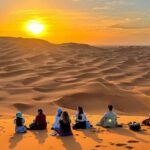
Even with a big road ahead, you get a proper desert moment: a stop at the largest dunes of the Moroccan Sahara. This isn’t just a quick photo pull-over. It’s a chance to take in the scale, then reset your expectations for what’s next.
Dunes can look similar from far away, but up close they have personality. The slope, the texture, and the way the wind shapes the surface all matter. If you’re used to sand feeling flat or uniform, this stop is where it stops being a backdrop and starts being the main event.
It also sets up your energy for the rest of the day. You’ll drive a lot. So the dunes stop works like a mental break: you stretch, look around, and let the desert do what it does best—make time feel slow.
Safsaf Oasis: Why This Gorge Matters (More Than the Photos)
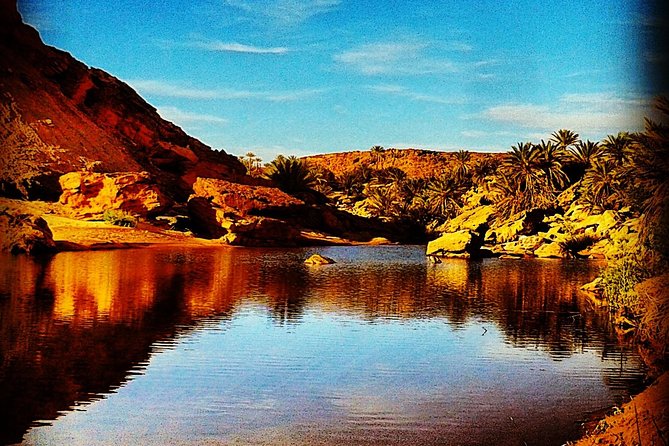
Safsaf Wild Oasis sits in a narrow mountain gorge, very close to the Algeria border. That detail isn’t just geography trivia. Being in a tight gorge is what makes the oasis feel enclosed and separate from the open desert around it.
The big story here is water after rain. Safsaf is described as especially spectacular after the rainy season, because it collects mountain water and then feeds the Safsaf waterfalls that flow south through the gorge’s channel. If you’re visiting when the area has had time to build up that runoff, the whole place feels more alive.
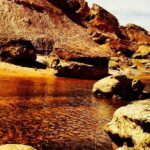
If you’re visiting when water is lighter, don’t panic—you’re still going somewhere rare. Even reduced water can mean palm-lined channels, small pockets of sand, and the feeling that you’ve stepped into a different climate. The oasis has palm trees, and between them the channel forms small sandy beaches that are perfect for a bath if conditions allow.
A key practical point: because this is tied to seasonal water, your experience can be more or less watery. Go with flexibility, and you’ll enjoy it more.
The Tisserdmine Fossil Stop: A Desert Surprise
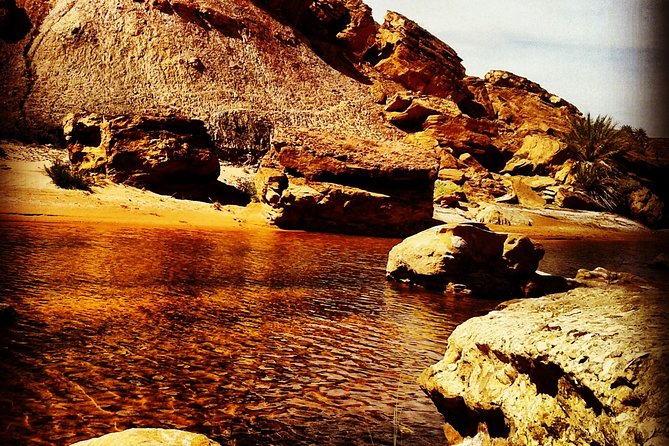
One of the more unusual highlights on this route is a stop at Tisserdmine, where you can observe fossil deposits. Desert trips often focus on motion, sand, and sweeping views. Fossils add contrast—suddenly you’re thinking about time scales way beyond a single season.
It’s also a nice “break in the desert loop.” After driving through hamada and sand rivers, you’re forced to slow down and look closely at stone. That makes the stop memorable because it’s not just scenery. It’s evidence.
If you like odd little educational moments that don’t feel like a museum lecture, this is the kind of stop that makes the day feel fuller.
Berber Picnic: The Part You’ll Remember Long After the Dust
The tour includes a traditional Berber picnic, and this is one of those inclusions that usually gets rushed on other desert trips. Here, it’s treated as part of the setting, not just food you eat while moving on.
Eating in an oasis gorge with palm trees and a water channel changes the way the meal feels. The air can be cooler near the water, and the environment gives you that quiet “we’re away from everything” feeling. It’s also a good moment to slow down after time in the vehicle.
One extra detail from the overall vibe: the experience is described as waste-free. I’d treat that as a sign they take responsible habits seriously. As a visitor, do your part too—use what they provide, take your trash out, and keep the spot clean.
Meeting Points and Timing: How to Plan Your Day in Merzouga
This trip starts at 9:00 am in Merzouga and ends back at the meeting point. That return matters because it means you don’t need to rearrange your whole evening. You can still plan a relaxed dinner back in town after six hours.
Because pickup is offered, you’re not left hunting for your vehicle in the morning chaos. You should still confirm your exact pickup details when you book, since pickup times can vary by where you’re staying.
Also, this experience requires good weather. If the day is rough, the operator may offer a different date or a full refund. So don’t book this when you’re tied to a tight travel schedule with no slack.
Rutas Nomadas and the Local-Guide Advantage
The experience is provided by Rutas Nomadas, and the strongest praise in the guide department is about how they handle the day with professionalism and calm. In particular, Paloma comes through in the way people talk about the trip: she knows the dunes, understands the local desert rhythm, and has real ties to the nomadic world.
One review-style detail you should take seriously: when there’s a car problem after leaving, the response is quick—Paloma and Vera handle it with competence (including throwing a cable). That kind of readiness is what keeps a desert outing from turning into a stressful story.
I also like the cultural angle here: this isn’t just driving through sand while someone explains things from a distance. The vibe is that culture and tradition are part of how the day is organized, including the picnic and the relationship to nomadic life.
And yes, people describe it as magical. That’s the desert doing its work, but a good guide is what keeps the magic from turning into confusion.
Price and Value: Is $351.62 Worth It?
The price is $351.62 per group (up to 4) for about 6 hours. On paper, it can look like a lot. Here’s the value math I’d use:
- You’re paying for a private 4×4 track drive, not a seat on a bus.
- The route includes more than one kind of desert terrain, plus a dunes stop and a Tisserdmine fossil stop.
- You get a traditional Berber picnic, and the setting is part of the reason the meal feels special.
If you split the cost among four people, it starts to look more reasonable, because you’re effectively booking a custom guided desert morning rather than buying a commodity tour. If you’re going with two people, it’s still strong value, but you’ll feel the cost more than a full group would.
So I’d treat this as worth it if:
- you want a private day,
- you care about route quality (not only dunes),
- and you’re happy to spend the whole morning outdoors in desert conditions.
What to Pack for Safsaf Day Trips (So You Can Actually Enjoy It)
The data doesn’t list a packing checklist, but desert logic is predictable. Plan for dust, sun, and temperature shifts.
Bring:
- Sun protection (hat + sunscreen)
- Water for before and after the picnic
- Layers (mornings can feel cooler than you expect)
- Closed-toe shoes you don’t mind getting dusty
If you’re planning to use the palm-lined sandy beaches for a bath, add a swimsuit and a small towel. And if you tend to get cold in shaded spots, bring a light layer anyway—gorges can feel different from open desert.
One more thought: the tour is on a track through rough terrain. If you hate feeling rattled, you might prefer a smoother day tour. But if you’re okay with a real 4×4 ride, you’ll enjoy the authenticity.
Who This Tour Fits Best
This is a great match if you want:
- a private desert excursion,
- an experience focused on route and environment (hamada, sand rivers, oasis gorge),
- and cultural contact that includes a Berber picnic in the field.
It’s also ideal for couples, friends, and small families because the group stays small. If you’re traveling with kids, you’ll want to consider stamina for the full drive and the outdoor time, but the overall “most travelers can participate” note suggests it’s not built only for extreme adventure athletes.
If you’re the kind of traveler who loves one-of-a-kind places—where water, fossils, palms, and dunes all show up in the same day—this fits your style.
Should You Book Safsaf Wild Oasis in a 4×4?
If you’re choosing between a basic desert drive and a day that actually changes terrain and stops, I’d lean toward this. You get a complete arc: desert track, dune scale, fossil curiosity, then a gorge oasis with a water story that can be very impressive after rains.
Book it if:
- you like practical guiding and smooth logistics,
- you want real desert travel, not just a single viewpoint,
- and you’re open to the idea that water conditions can vary by season.
Skip it (or reschedule) if:
- you’re traveling during a period when weather is unstable and you can’t move plans,
- or you want an itinerary with minimal driving time.
FAQ
How long is the 4×4 excursion to Safsaf Wild Oasis from Merzouga?
It runs for about 6 hours.
What time does the tour start, and does it return to Merzouga?
The start time is 9:00 am in Merzouga, and the activity ends back at the meeting point.
Is this a private tour?
Yes. It’s private, and only your group participates.
What kind of desert terrain do we drive through?
You’ll travel through hamada (black stony arid desert), rivers of sand, dry riverbeds (more or less water depending on the season), and mountainous stone-and-rock tracks. You’ll also cross wide areas where nomadic settlements and acacia vegetation appear.
When is Safsaf Oasis most spectacular?
The oasis is said to be especially spectacular after the rainy season, when it collects mountain water and supports the Safsaf waterfalls.
What happens if the weather is poor?
The experience requires good weather. If it’s canceled due to poor weather, you’ll be offered a different date or a full refund.