REVIEW · CASABLANCA
Magical Morocco 8 day
Book on Viator →Operated by Moroccan Madness Adventures · Bookable on Viator
Morocco feels huge the moment you look at a map. This private, 8-day trip is built to hit the big sights without turning your vacation into logistics homework. You’ll move through Casablanca, Volubilis, Meknes, Fes, Merzouga, Todra Gorge, Aït Ben Haddou, and Marrakech, with local guides along the way.
I really like that the pace includes “wow” stops and the everyday places that make Morocco feel real. Two standouts for me are the Sahara camel ride with a night in a desert camp and the chance to see multiple UNESCO World Heritage sites rather than just passing by.
One thing to consider: this is an active route with several long driving days between regions. If you hate being in a vehicle for chunks of time, you’ll want to mentally plan for travel days, not just sightseeing days.
In This Review
- Key Highlights Worth Your Focus
- How the Magical Morocco Route Gets You Morocco’s Best Hits
- Day 1 in Casablanca: A 6 PM Welcome That Helps You Settle In
- Volubilis and Meknes: Roman Mosaics Plus a Community Lunch
- Fes Medina: 9000 Streets and the Art of Getting Lost Safely
- Merzouga Sahara: Camel Ride Into Sunset and a Desert Camp Night
- Todra Gorge: A Short Day With Big “Look Up” Energy
- Aït Ben Haddou: Kasbah Sunset and a Tajine Cooking Moment
- Marrakech: Majorelle Gardens, Koutoubia, Bahia Palace, and Jemaa el-Fnaa
- The Support System: How Multiple Local Guides Change the Trip
- Price and Value: Is $1,499 a Good Deal for 8 Days?
- Who This Private Tour Is Best For
- Should You Book Magical Morocco (8 Days)?
- FAQ
- How long is the Magical Morocco 8 day tour?
- Where does the tour start, and what time is the Day 1 meeting?
- Is this tour private?
- What’s included in the tour price?
- What is not included?
- Which UNESCO sites are included on the route?
- Do you ride camels and sleep in the desert?
- How many meals are included?
- What happens if the weather is poor or you need to cancel?
Key Highlights Worth Your Focus
- Private group feel with only your group participating, plus local guides at key stops
- Sahara night camp after a camel ride at Merzouga, timed for sunset
- UNESCO World Heritage route featuring major stops like Volubilis and Aït Ben Haddou
- Fes medina time with a guide so you get lost on purpose, not forever
- Community and hands-on cultural stops, including a foundation lunch in Meknes and a tajine cooking master class near Aït Ben Haddou
How the Magical Morocco Route Gets You Morocco’s Best Hits
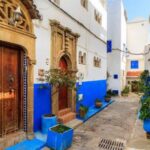
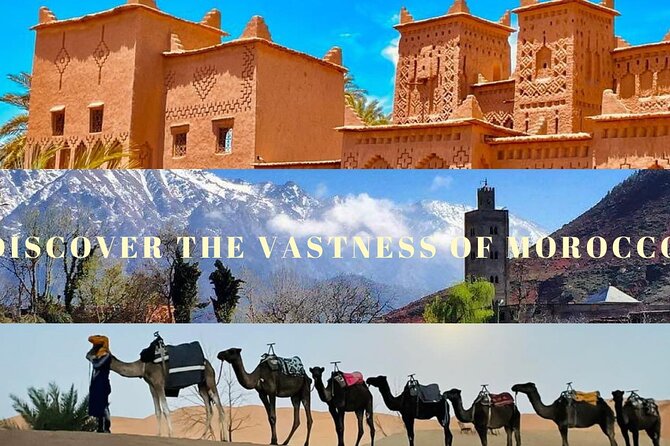
Morocco doesn’t do small. You’re covering Roman ruins, maze-like medinas, desert dunes, and movie-set kasbahs in just eight days. The value here is how the trip strings together places that normally require separate planning, and then adds local guides so you’re not just looking at sights, you’re understanding what you’re seeing.
I also like the rhythm of the route. It starts with big-city orientation in Casablanca, then moves into the “history and streets” phase (Volubilis, Meknes, Fes), then switches to “nature and drama” (Sahara dunes, Todra Gorge), and finishes with Marrakech, where you can connect the whole experience to Moroccan daily life.
Because this is private, your group won’t feel like a number in a crowd. That matters in places like Fes and Marrakech, where timing, entry lines, and finding the right lanes can make or break the day.
You can also read our reviews of more tours and experiences in Casablanca.
Day 1 in Casablanca: A 6 PM Welcome That Helps You Settle In
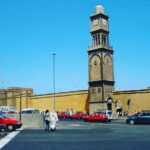
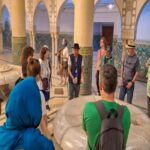
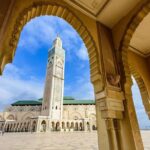
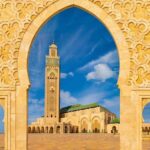
Casablanca opens the trip in a calm way. You arrive in time for the welcome meeting at 6:00 pm, and it’s held near the start hotel area at Hotel Campanile Casablanca Centre Ville, on Avenue Mohamed V.
This kind of late-day start is practical. You don’t need to force sightseeing right after landing, and you can sleep well before the heavier day of travel and tours. It also gives you time to get used to local rhythms—traffic, the sound level, and the fact that street distances can feel longer than they look.
If you’re arriving from a red-eye flight, this first evening structure is a relief. You’re not starting the trip tired and overwhelmed.
Volubilis and Meknes: Roman Mosaics Plus a Community Lunch
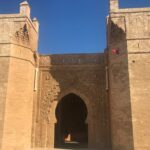
Day 2 is a clever transition day. You start at Volubilis, the Roman ruins often considered Morocco’s oldest Roman site. You’ll see features like mosaics, the triumphal arch, and the Via Maximus—the kind of detail that’s hard to appreciate on your own without someone translating the story behind the stones.
Volubilis also sets the tone for what “guided” really means on this trip. It’s not just “walk and take photos.” A local guide helps you understand why the place matters and what to look for, especially in the mosaics.
Then you move to Meknes, where the day includes more than sightseeing. You’ll stop at the Elmhaiya foundation, and a traditional lunch is served there by the ladies involved with the program. This isn’t a vague cultural stop—it’s tied to training and lessons in English and Arabic through community work.
Practical tip: plan to slow down for this meal. When a stop is connected to a community project, you get the best experience by staying present rather than rushing to the next photo.
Fes Medina: 9000 Streets and the Art of Getting Lost Safely
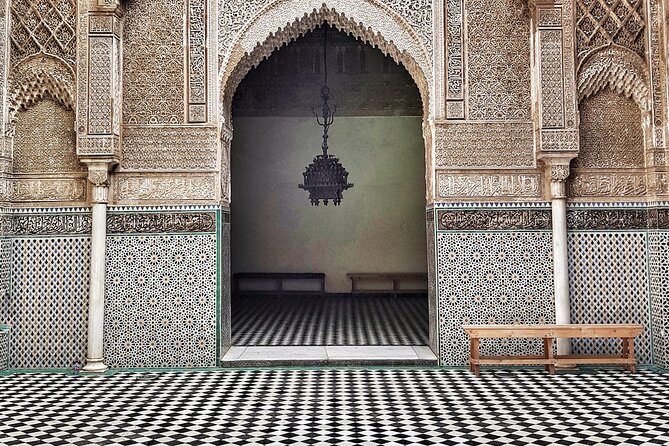
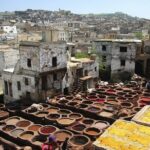
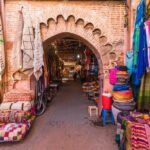
Fes is one of those places that can overwhelm you quickly—especially if you’re trying to navigate alone. On this trip, you get a guided block of about six hours in the medina, with a local guide helping you experience the sights and sounds while keeping you oriented.
The highlight here is the scale. The medina is described as having around 9,000 streets, and that’s exactly why a guide matters. Your job becomes discovery, not survival.
You’ll also get exposure to major medina themes: the oldest tanneries and the university of Fes. Even if you’ve seen photos online, walking through the actual lanes changes everything—smell, sound, and the feel of daily life.
A small drawback to know: medina days often include walking on uneven surfaces and constant visual stimulation. If you’re sensitive to crowds or have mobility limits, it’s worth thinking ahead about pace and shoe choice (nothing extreme is promised, but you should expect old-street terrain).
Merzouga Sahara: Camel Ride Into Sunset and a Desert Camp Night
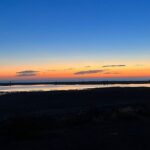
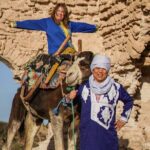
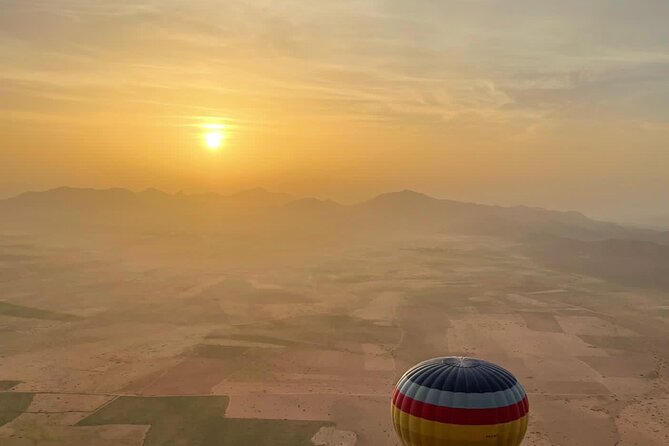
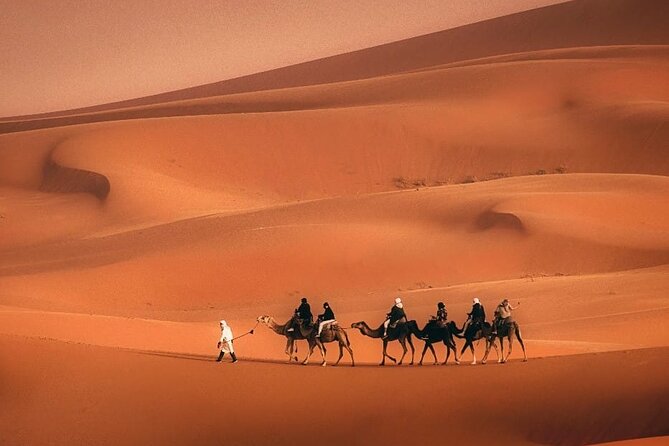
Then the route flips from cities to dunes. Day 4 brings you to Merzouga, where you take a camel ride into the Sahara timed around sunset.
This is the heart of the “Magical” part of the experience. Sunset over sand dunes isn’t just scenic. It’s one of the most dramatic settings Morocco offers, and doing it on a camel adds a layer of effort you feel in a good way—like you really traveled instead of just arrived.
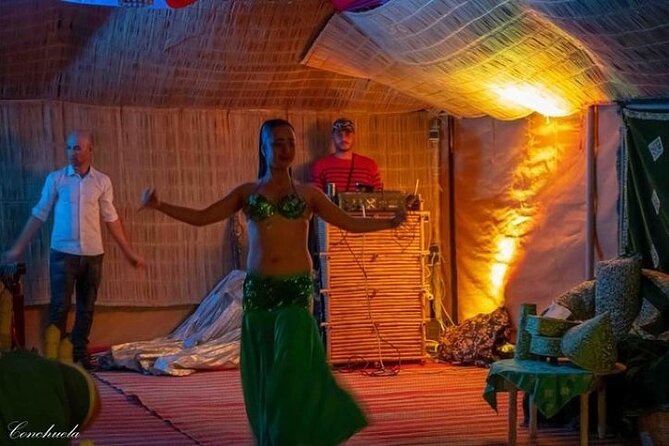
The trip also includes a night in a desert camp, which is a big value piece because it turns the desert into a full experience instead of a quick photo stop. You’ll sleep where the stars show up differently than in the cities, and you’ll have time to enjoy the dunes at slower hours.
Practical consideration: the desert can be cool at night and hot during the day, so you’ll want clothing layers. Nothing about weather gear is promised, so bring what you know will keep you comfortable.
Todra Gorge: A Short Day With Big “Look Up” Energy
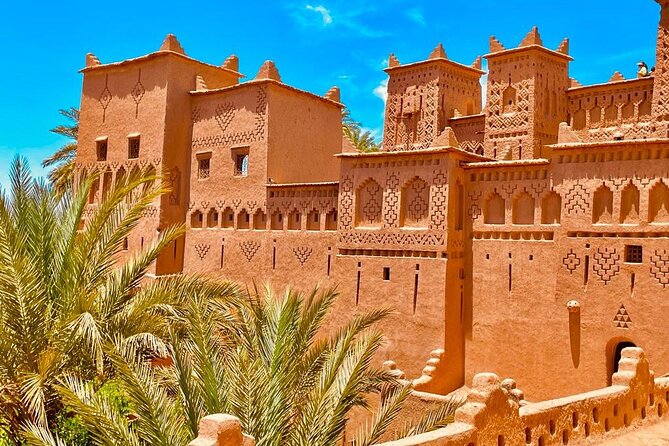
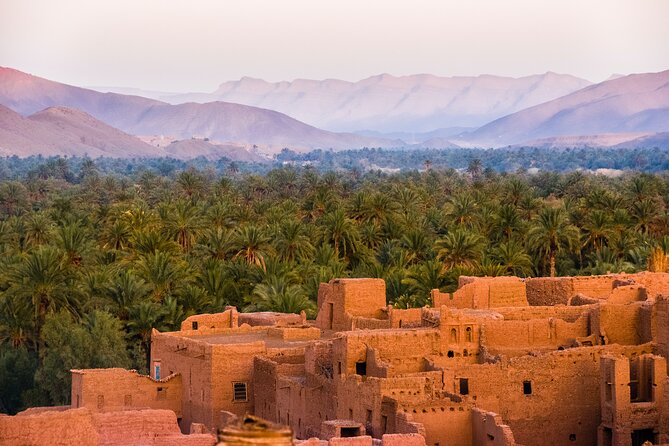
Day 5 focuses on Gargantas del Todra (Todra Gorge). It’s a straightforward highlight: you’ll marvel at the immense gorge for about two hours.
This day is valuable because it provides contrast. After desert sand and long travel, the gorge gives you tall stone walls and a different kind of awe. It also gives your legs a change of scenery—still outdoors, but not dunes.
If you like to photograph, this is one of those places where composition becomes easy: the walls frame you, and the canyon shapes the light. If you don’t care about photos, you’ll still enjoy just pausing and taking in how big the space feels.
Aït Ben Haddou: Kasbah Sunset and a Tajine Cooking Moment
Day 6 is a two-part cultural hit.
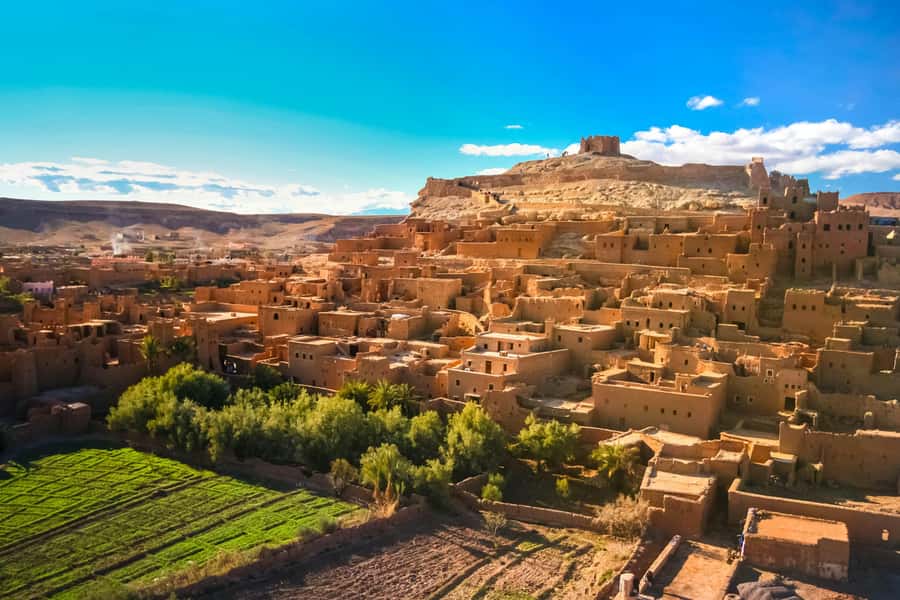
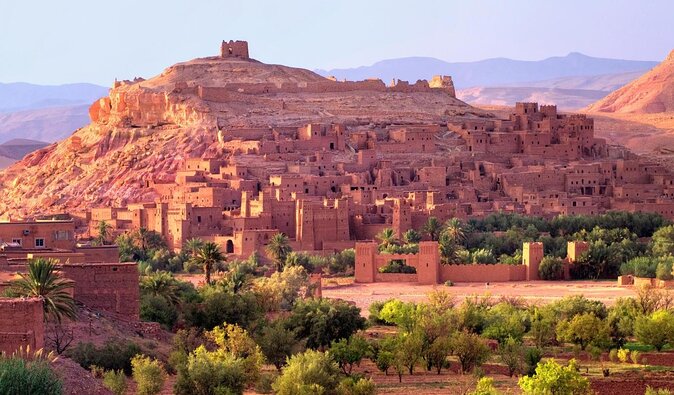
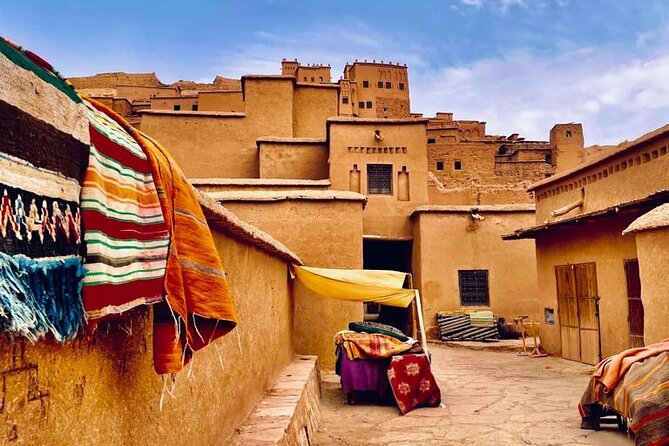
First comes the Kasbah of Aït Ben Haddou, a UNESCO World Heritage site. You’ll travel up in time for sunset, which makes sense here. Kasbahs change color as the light shifts, and that’s when the place starts looking like it does in movies.
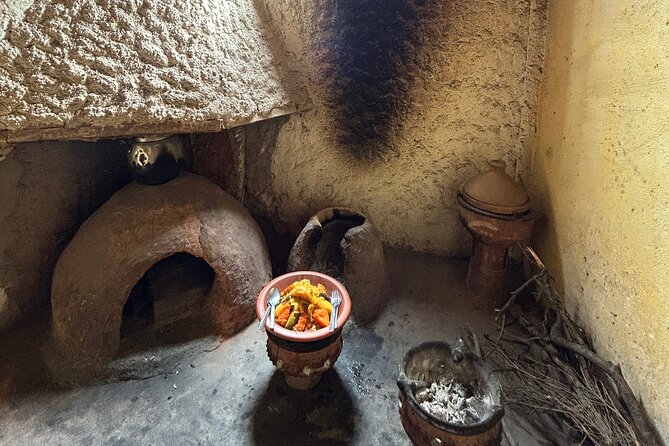
Then you get a hands-on stop: a cooking master class where you prepare your tajine for later. It’s a short session—about 30 minutes—but it’s the kind of activity that turns learning into something you can taste.
This day has two big strengths: you get the architecture and then you get the food culture. Morocco’s connection between place and plate is real, and this is one of the easiest ways to experience it without hunting for classes on your own.
Marrakech: Majorelle Gardens, Koutoubia, Bahia Palace, and Jemaa el-Fnaa
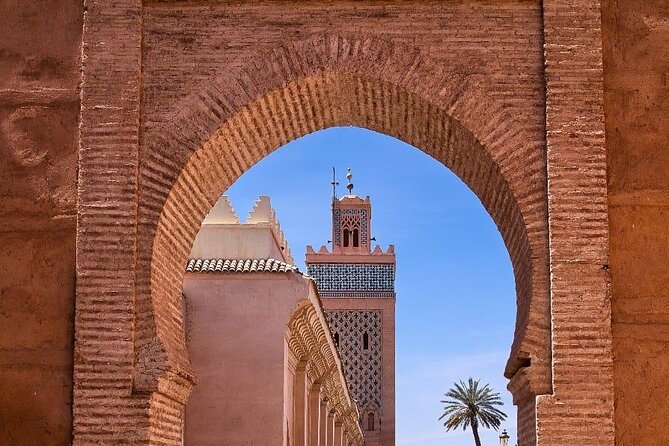
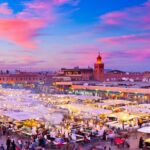
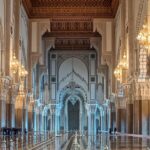
Day 7 is Marrakech, and you get a guided plan built around Morocco’s famous spots. The day starts at Jemaa el-Fnaa, then flows through Majorelle Gardens, Koutoubia Mosque, and the Bahia Palace, with a local guide for about three hours.
This is a good length for Marrakech if you want structure without losing the ability to explore on your own later. You’ll get the key landmarks and the basics of what they represent, then you can decide how much time to spend lingering in the lively areas after the guided portion.
One thing I like about this kind of Marrakech visit: it prevents the common mistake of wandering past “the important stuff” while feeling like you’re doing a lot. With a guide and a set route, you come away with the city’s major chapters rather than a random walk.
The Support System: How Multiple Local Guides Change the Trip
This isn’t one guide shouting facts from a van for eight days. The package includes three local guides, plus an experience that’s described as organized, caring, and safe.
In the feedback, the name Youssef shows up repeatedly as a key reason people felt at ease and connected. That lines up with what matters most on a Morocco route like this: knowing where to go, how to time visits, how to handle the unexpected moments, and how to explain what you’re seeing without making it sound like a lecture.
If you’re a solo traveler or you just prefer a confident hand in a new country, this kind of guide coverage is a real quality boost.
Price and Value: Is $1,499 a Good Deal for 8 Days?
At $1,499 per person, the price isn’t “cheap,” but it also isn’t just paying for transportation and a checklist. The value comes from what’s included:
- Air-conditioned vehicle
- All fees and taxes
- Entrance tickets at key stops (Volubilis and the desert ride portion are included)
- Accommodation
- Camel safari with a desert camp night
- Select meals (lunch and two dinners are included)
- Three local guides
When you compare that to the usual cost of booking a Sahara night camp plus guides plus entrance fees on your own, the math starts looking more reasonable. The trip also cuts down the mental load of planning a route across huge distances.
Big “hidden value” item: time. Morocco is long-distance travel by nature. If you’re paying for organization, you’re buying back energy to enjoy the actual moments.
One note: flights are not included, and tips are also not included. Those are common add-ons you’ll need to plan for.
Who This Private Tour Is Best For
This tour makes the most sense if you want:
- A private feel without having to design the full itinerary yourself
- Clear guide support in Fes and Marrakech, where navigation can get intense
- A real Sahara experience, not a quick desert drive-and-go
- UNESCO sites plus food culture, including the tajine cooking master class
It’s also a good fit if you don’t want to worry about day-by-day admissions and timing. The included fees and local guides reduce the usual friction that hits when you’re coordinating multiple cities.
If you love slow travel and hate packed days, you might find this route a bit full. But if you’re excited to see a lot and you’re okay with frequent transitions, it’s built for you.
Should You Book Magical Morocco (8 Days)?
I’d book this if your goal is to see Morocco’s major chapters—Roman ruins, medinas, desert, canyon, kasbah, Marrakech—and have local guides handle the “how” and the “where.” The Sahara camel ride and desert camp night is the kind of experience people remember for years, and the rest of the route supports it instead of feeling like filler.
I’d pass or adjust expectations if you’re strongly sensitive to vehicle time between regions. This trip is active and cross-country by design.
If you want a smooth, guided Morocco overview with a real desert night at Merzouga and UNESCO stops like Volubilis and Aït Ben Haddou, this one is worth serious consideration.
FAQ
How long is the Magical Morocco 8 day tour?
It runs for about 8 days.
Where does the tour start, and what time is the Day 1 meeting?
It starts at Hotel Campanile Casablanca Centre Ville (ANGLE Boulevard Mohamed V, Casablanca) with a welcome meeting at 6:00 pm.
Is this tour private?
Yes. It’s a private tour/activity, and only your group participates.
What’s included in the tour price?
The package includes an air-conditioned vehicle, all fees and taxes, accommodation, entrance fees, a camel safari with desert-camp experience, 3 local guides, and select meals (lunch plus 2 dinners).
What is not included?
Flights, travel insurance, and tips are not included.
Which UNESCO sites are included on the route?
The route includes multiple UNESCO World Heritage sites, including Volubilis and the Kasbah of Aït Ben Haddou.
Do you ride camels and sleep in the desert?
Yes. You’ll ride camels into the Sahara at Merzouga for sunset, and the experience includes a night in a desert camp.
How many meals are included?
Lunch is included, and dinner is included on two nights.
What happens if the weather is poor or you need to cancel?
There is free cancellation. You can cancel up to 24 hours in advance for a full refund, and if the experience is canceled due to poor weather, you’ll be offered a different date or a full refund.