REVIEW · ESSAOUIRA
Kitesurfing Lessons in Essaouira Beach
Book on Viator →Operated by Explora Watersports · Bookable on Viator
Wind training on Morocco’s windy beach sounds fun. What makes this kitesurfing lesson in Essaouira so appealing is that the school runs you right on the beach in the spot where the wind works. It’s practical, not an indoor demo—your time is spent learning kite control where you’ll use it.
I also like the clear setup for real learning: fully qualified instructors and brand new equipment each year. In one 2-hour session example, the instructor was Mehdi, and the coaching came across as focused and effective, not rushed or vague.
One consideration: the standard group format means two people share one kite, so your time at the controls depends on how the session is paced. Also, a 2-hour intro often stays on the sand building skills—great for safety and fundamentals, but it may not put you on the water that day.
In This Review
- Key highlights you’ll actually care about
- Essaouira kitesurfing lessons: why this beach fits beginners
- Where the lesson starts (and why the meeting point matters)
- The 2-hour intro: what you’re likely to do on the sand
- Beginner progression: the 8–12 hour course and the water start goal
- Progression lessons for people who already kite
- Group lessons, max group size, and what that means for your time
- Equipment, wind, and instruction quality: what you’re paying for
- Price and value: is $69.52 a smart move?
- What to know before you go: fitness, animals, and weather
- Who should book this kitesurfing lesson in Essaouira
- Should you book Explora Watersports in Essaouira?
- FAQ
- How long is the kitesurfing lesson in Essaouira?
- What is the price per person?
- Where does the kitesurfing lesson start?
- What group format should I expect?
- Do I need previous kitesurfing experience?
- What if the weather is poor?
- Can I cancel for a full refund?
Key highlights you’ll actually care about
- Right-beach location in Essaouira: you train where wind and conditions naturally matter.
- Qualified instructors + brand new gear: less fiddling, more riding-focused learning.
- Small group cap (max 4 people): you’re not lost in a crowd.
- Group lesson kite sharing: two people can share one kite during group training.
- Lesson length matches your goal: 2-hour intro for beginners vs 8–12 hours for a true start on the water.
Essaouira kitesurfing lessons: why this beach fits beginners
Essaouira is famous for wind, and that matters because kitesurfing is all about timing and control. If the conditions are right, wind becomes your teacher—you learn how the kite responds, how power changes with steering, and how to stay calm while the wind does its thing.
This setup also helps your learning curve. Instead of switching locations or walking long distances with gear, you’re at a single base on the sand, so you spend less time on logistics and more time on body position, kite handling, and safety habits. That’s the kind of training that makes a later session feel easier.
I’d especially keep this in mind if you’re new. In kitesurfing, the early wins are boring-but-critical: correct stance, smooth steering inputs, and knowing when to let go. The beach-based approach helps you repeat those basics without turning the day into a long trek.
A few more Essaouira tours and experiences worth a look
Where the lesson starts (and why the meeting point matters)
You meet at Explora Watersports: Kitesurf, Surfing and Wing foil Centre Essaouira Morocco, Boulevard Mohamed V,الصويرة 44000, Morocco. The key practical detail here is that the school is one of the watersports centers located right on the beach at an optimal spot for kitesurfing.
That matters more than it sounds. When your school is close to the action, instructors can adjust quickly when wind shifts, and you’re not losing momentum to travel time. It also makes it easier to arrive, check in, and get suited up without turning your lesson into a half-day commute.
You’ll use a mobile ticket, and the activity runs as a point-to-point experience that ends back at the meeting spot. The provider also notes near public transportation, so you’re not stuck needing a private car to make it work.
One more practical note: the activity calls for moderate physical fitness. That doesn’t mean you need to be an athlete, but kitesurfing lessons do involve getting up, moving with equipment, and doing repeated practice on uneven sand.
The 2-hour intro: what you’re likely to do on the sand
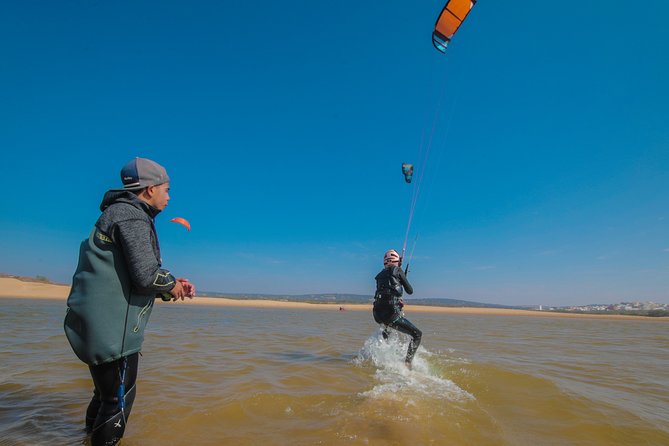
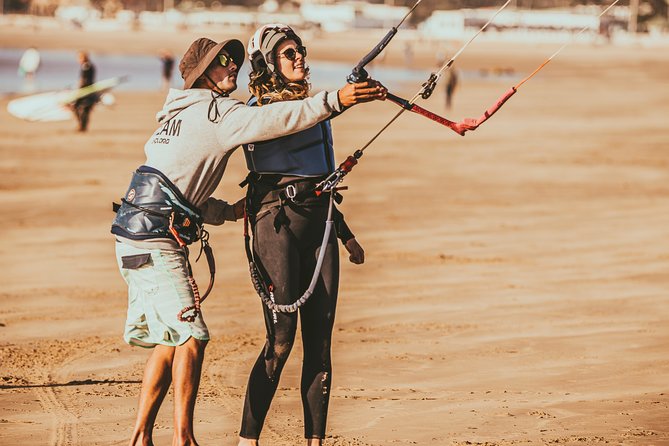
The 2-hour introductory session is designed for limited time. If you’re a complete beginner, this is your chance to learn the kite basics and how to stay safe while you build the fundamentals.
In one example of this exact lesson length, the training stayed on land and focused on getting a grasp of the kite, with no water time during the 2-hour period. That makes sense: beginners need time to understand how the kite moves and how the wind can feel powerful fast. Doing that on the sand helps you avoid rushing to water before you’re ready.
Here’s what you should expect the instructors to emphasize:
- Kite control in motion (steering inputs and what changes when the kite drifts)
- Stances and body positioning so you don’t fight the kite
- Safety routines so you know what to do when something feels off
You’ll also get instructor-led coaching, not just trial and error. The goal of a short session is to leave you with better “kite instincts”—so even if you don’t ride far that day, you know what you’re aiming for next.
If you’re hoping to stand on a board immediately, the 2-hour option may feel like preparation rather than performance. The good news is that it can make your longer training days much more productive.
Beginner progression: the 8–12 hour course and the water start goal
If you want to progress beyond kite basics, Explora Watersports recommends an 8–12 hour course for beginners. The reason is simple: kitesurfing has multiple learning stages, and you need repetition across them.
The course is aimed at taking you through the first three stages, with the goal of reaching the water start stage. In other words, the longer course isn’t just “more time.” It’s built for the shift from understanding the kite to using that control in a way that can get you riding.
If you’re choosing between the 2-hour intro and the longer beginner track, ask yourself one question: do you want a taste, or do you want actual momentum toward riding? The 8–12 hour option is for people who want to go further than kite theory.
Also, wind days don’t always line up with your schedule. Booking a longer course gives you a better chance of learning efficiently even if conditions vary day to day.
Progression lessons for people who already kite
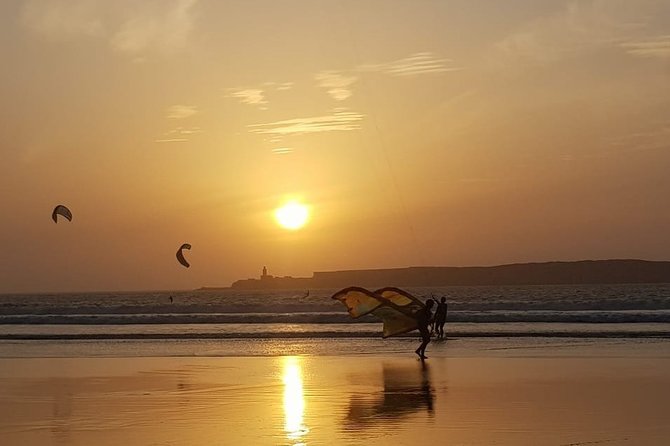
Kitesurfing lessons aren’t only for first-timers. If you’ve kited before, you can book a progression lesson of 2 hours or more that’s tailored to your level.
The flow here is straightforward: you meet the instructor, explain what you’ve been working on, and agree on a focus for the course. That means you don’t waste time relearning the basics you already have, and you can target the specific skill gap that keeps you stuck—whether that’s control in stronger wind, wave riding habits, or setting up for a new trick.
If your goal is more advanced (mastering kiting in the waves or adding a new trick), a shorter slot can still help. You’ll just want to treat it like coaching time: pick one priority, arrive ready to discuss it, and focus on improving what the instructor can see in real time.





Group lessons, max group size, and what that means for your time
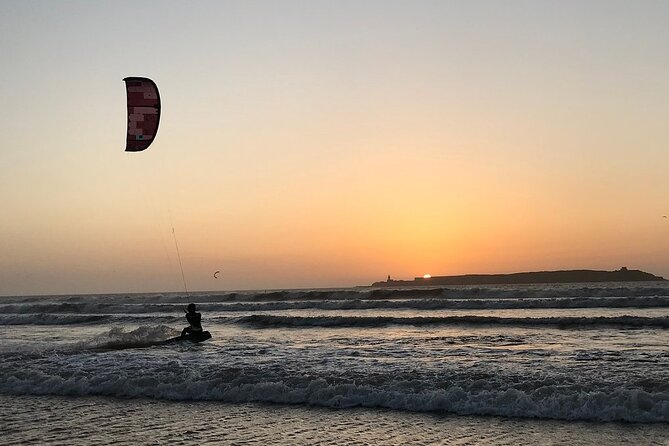
This experience has a maximum of 4 travelers, which is a big deal for learning. Smaller groups usually mean instructors can correct faster and spend more time watching your body position and kite behavior.
Still, there’s an important twist in the lesson format: group lesson is two people sharing one kite. That affects how often you’re actively controlling the kite during the session. In practice, it can work well if the instructor runs the pacing efficiently, but it’s worth going in with eyes open.
Here’s how to think about it as a value decision:
- If you want faster feedback and you’re comfortable waiting your turn, group format can be a smart way to learn without paying for private coaching.
- If you’re trying to maximize every minute of hands-on kite control, you may want to ask for the most private setup available (or at least confirm exactly what format you’re booking).
One person’s note from a short session also hinted at expectations around private vs semi-private setups. If you care about that level of personalization, I’d confirm your exact format ahead of time so there are no surprises when the lesson starts.
Equipment, wind, and instruction quality: what you’re paying for
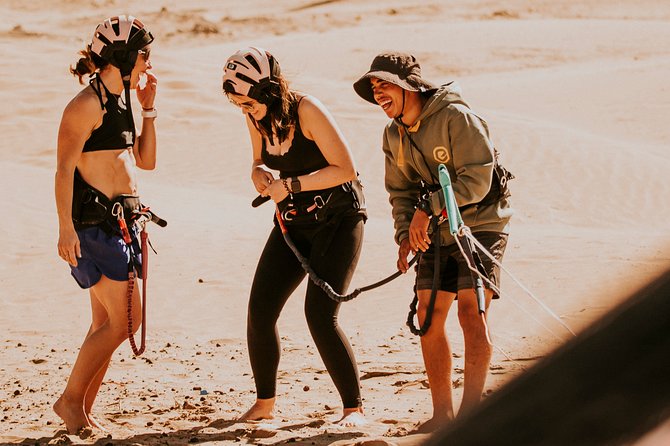
At $69.52 per person for about 2 hours, you’re paying for more than time on the beach. You’re paying for coaching, safety guidance, and gear support—plus the convenience of training at a beach location made for kitesurfing.
The provider highlights brand new equipment each year, and that’s a practical advantage. Older gear can mean minor friction issues—sloppy connections, tuning quirks, or extra time troubleshooting. Fresh equipment usually lets instructors focus on instruction instead of maintenance.
You’re also paying for qualification and structure. Fully qualified instructors matter because kitesurfing teaches risk management as much as it teaches riding. Early lessons should prioritize control and safety habits, and you want someone who can correct quickly when your kite behavior starts to drift from what it should do.
And because this is a family-run business, the vibe you’re likely to feel is simple: they want you to have a good experience on and off the water. That kind of ownership is often what turns a lesson from stressful into focused.
Price and value: is $69.52 a smart move?
For many people, the hard part isn’t the cost—it’s deciding whether a short lesson is a good use of travel time. At $69.52 per person for an approximately 2-hour session, the value comes from what you actually gain.
Here’s my honest way to judge it:
- If your goal is to learn kite basics, understand safety, and leave with clarity on what to do next, a short intro can be worth it.
- If your goal is to ride on a board that same day, the 2-hour structure may feel like setup rather than achievement.
The lesson options help solve that. The longer 8–12 hour course targets the stages that lead to the water start, so you’re not paying extra just for duration—you’re paying for the learning runway.
Also, bookings happen about 9 days in advance on average. If you have specific dates or you’re traveling during peak windy periods, booking ahead can be the difference between getting the slot you want or getting whatever time remains.
What to know before you go: fitness, animals, and weather
This experience expects moderate physical fitness. You don’t need to be a gym regular, but you should feel comfortable doing repeated movements and handling sand and gear during instruction.
Service animals are allowed, which can make a big difference for people who need one for mobility or support. The activity is also near public transportation, which helps if you’re building a day around lessons rather than driving around town.
Weather is another real factor. The provider specifies the activity requires good weather. That’s not just fine print—kitesurfing is wind-dependent, so if conditions aren’t right, your lesson may be rescheduled or handled differently to protect the experience quality.
Who should book this kitesurfing lesson in Essaouira
This is a strong fit if:
- You’re a first-timer who wants to start with proper kite control.
- You’re on a tight schedule and you want a 2-hour intro to get oriented.
- You’ve kited before and want targeted progression coaching.
- You prefer small groups and a focused instructor-to-student feel.
It’s also a good match if you like the idea of training right on the beach rather than bouncing between spots. The on-site beach setup is one of the most practical parts of the experience.
If you’re the type who hates waiting your turn, the group format (two people sharing one kite) is the main thing to weigh. You can still learn a lot, but you’ll get the most value if you’re okay with that structure.
Should you book Explora Watersports in Essaouira?
I’d book it if you want a structured start in kitesurfing with qualified instructors, new equipment, and an on-the-beach training setup in a wind-friendly place. The small group size cap of 4 helps keep the coaching practical.
Choose the 2-hour intro if you want orientation, kite basics, and safety habits on sand. Choose the 8–12 hour beginner course if you want to work toward the water start stage. And if you’ve already kited, book progression and go in with one clear focus.
If your main goal is riding as fast as possible, don’t assume a 2-hour session will do it. Use the intro as the foundation, then upgrade into a longer track when you’re ready.
FAQ
How long is the kitesurfing lesson in Essaouira?
The introductory kitesurfing session is about 2 hours.
What is the price per person?
The price is $69.52 per person.
Where does the kitesurfing lesson start?
The meeting point is Explora Watersports: Kitesurf, Surfing and Wing foil Centre Essaouira Morocco, Boulevard Mohamed V,الصويرة 44000, Morocco.
What group format should I expect?
The group lesson is two people sharing one kite, and the activity has a maximum of 4 travelers.
Do I need previous kitesurfing experience?
No. The center offers lessons for beginners (including an 8–12 hour course) and also progression lessons for people who have already kited before.
What if the weather is poor?
The experience requires good weather. If it’s canceled due to poor weather, you’ll be offered a different date or a full refund.
Can I cancel for a full refund?
You can cancel up to 24 hours in advance for a full refund. If you cancel less than 24 hours before the experience starts, you won’t be refunded.