REVIEW · KALAAT M GOUNA
From Marrakech: Private Tour 2-Day To Magic Desert Merzouga
Book on GetYourGuide →Operated by MOROCCO TOURS SAHARA · Bookable on GetYourGuide
Sands, drums, and mountains in two days. This private 2-day trip strings together the High Atlas (via the Tizi n’Tichka pass) and the real showstopper: a camel ride across the Erg Chebbi dunes toward a Bedouin camp. I like how it feels structured but not rushed, with time for photos and scenic pauses as the scenery changes fast.
My second favorite part is the camp-to-dunes timing: you get a sunset trek, then traditional Berber music and dinner under the night sky, followed by a sunrise camel ride the next morning. One drawback to plan for: it’s long driving with winding mountain roads, and the camel trek is about an hour each way, plus desert temperatures can drop hard at night.
In This Review
- Key points to know before you go
- Marrakech to the Atlas: why the long drive actually matters
- The High Atlas ride: stops, altitude, and the best photo moments
- Ouarzazate and the Taourirt area: film-studio views plus old kasbah vibes
- From Todra Gorges to Merzouga: the shift from canyon to dunes
- Erg Chebbi at sunset: camel trekking across the golden dunes
- Bedouin camp night: music, dinner, and what you’ll feel after dark
- Sunrise return: a quieter desert, same dunes, different light
- Price and value for a private 2-day Merzouga escape
- Who this tour fits best (and who might want a different plan)
- Should you book this private 2-Day tour to Merzouga?
- FAQ
- What is the duration of the Marrakech to Merzouga private tour?
- Where do you get picked up and where do you get dropped off?
- Is lunch included in the price?
- What’s included for the desert part?
- How long is the camel trek?
- What languages can the driver-guide speak?
- What should I bring for this trip?
- What’s the cancellation policy?
Key points to know before you go
- Private ride from Marrakech: you travel in an air-conditioned 4×4 with a driver-guide, not a bus shuffle.
- High Atlas pass at 2260 m: the Tizi n’Tichka route gives you serious mountain views en route.
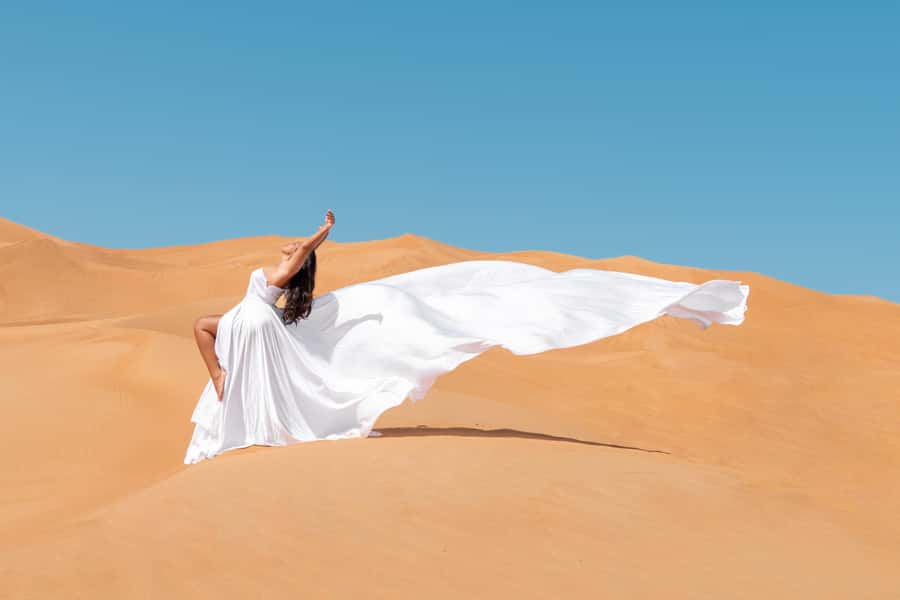
- Erg Chebbi at the right hours: sunset for drama, sunrise for that soft, quiet desert light.
- Bedouin camp experience: dinner and overnight in traditional nomad-style tents with music.
- Luggage service on the desert side: you won’t be hauling bags through the dunes.
- Camel trek logistics: around an hour each way; an alternative vehicle can be arranged if needed.
Marrakech to the Atlas: why the long drive actually matters
Merzouga is far enough that you need a plan, and this one is built around the journey. You leave Marrakech and start climbing into the High Atlas, heading over the Tizi n’Tichka route (listed at 2260 m in altitude). That altitude matters because it changes the air, the light, and the type of views you’ll be seeing.
What I like for your trip is that you’re not stuck staring out a window the whole time. You stop for breaks, quick photos, and to stretch your legs. It keeps the drive from feeling like a punishment and makes the mountains feel like part of the adventure.
You can also read our reviews of more tours and experiences in Kalaat M Gouna.
The High Atlas ride: stops, altitude, and the best photo moments
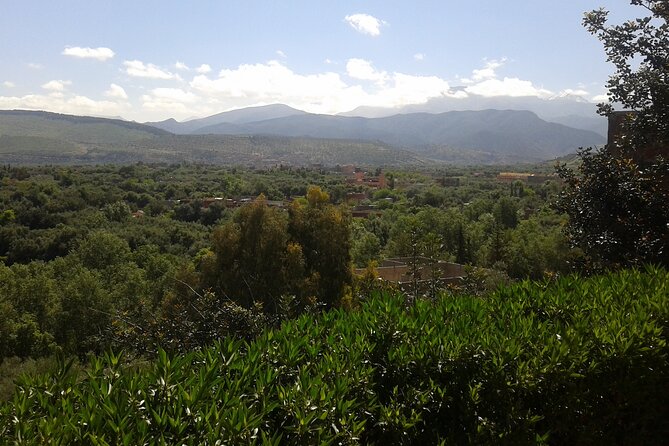
The day starts with pickup from your Marrakech accommodation or a nearby accessible point. From there, your air-conditioned 4×4 keeps you comfortable while the road climbs and curves. The route takes you through mountain roads that can feel winding, so this is a good option if you’re okay with a proper road trip day.
Along the way, you’ll make a “major stop” to see an impressive sight, then continue to lunch at a local restaurant. You also get a series of viewpoint moments where you can capture the changing valleys—use this time for photos, but also just to slow down and watch the light.
If you’re the type who gets motion sick, I’d take it seriously. This is not a short hop; it’s hours of driving through mountain terrain, so plan accordingly.
Ouarzazate and the Taourirt area: film-studio views plus old kasbah vibes
As you keep heading south, you reach Ouarzazate, with a photo opportunity near the Atlas film studios area. That stop is simple, but it’s useful: it gives you a quick “we’re in a real desert-adjacent zone now” transition point, and you can grab wide shots before the scenery shifts again.
Then you continue through the Taourirt Kasbah area and surrounding places mentioned on the route, with stops for panoramic views. You’ll also pass through Kalaa M’gouna and Boumalne du Dades as part of the drive, with Dades Valley on the map for later scenery.
Why this helps you: Ouarzazate and the Dades region sit in a weird-but-fascinating middle zone. You’re not fully in the desert yet, but you’re starting to see the terrain that leads there—rock, dry valleys, and that “edge of something big” feeling.
From Todra Gorges to Merzouga: the shift from canyon to dunes
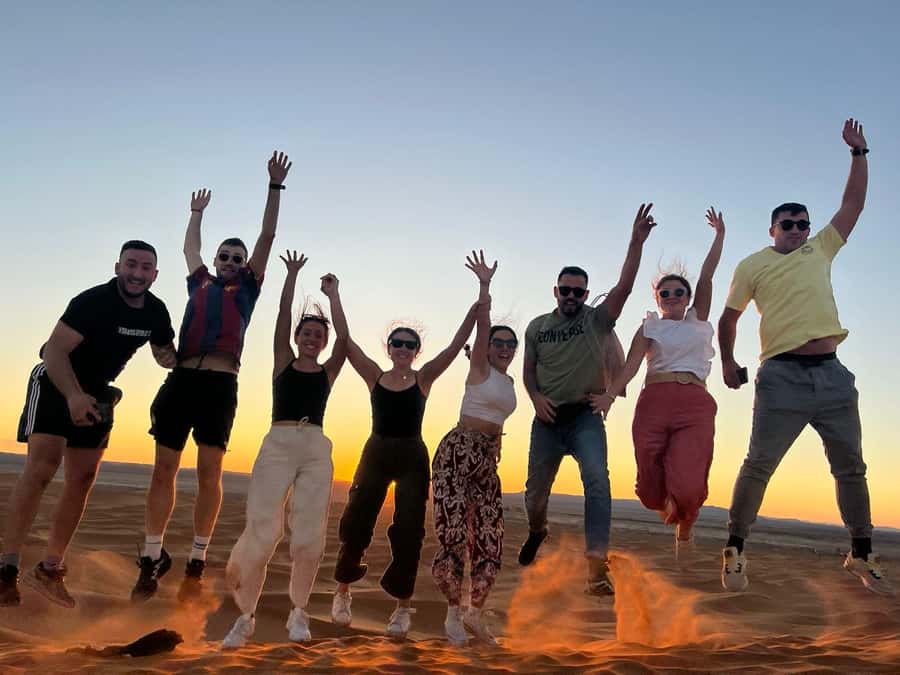
After Ouarzazate, the route continues toward Todra Gorges via Tinghir. This is a key part of the day because it’s where the country starts to look less like mountains and more like a doorway into the Sahara.
You’ll make brief photo stops along the way, then pass through areas listed on the route such as Tinejdad and Erfoud before reaching your desert-side hotel. These towns aren’t the point by themselves, but they matter because they’re the transition zone. The landscape begins to flatten out and warm up visually, and that’s when Merzouga starts to feel close.
What I’d do if you’re planning photos: keep your camera ready for sudden changes in color. The light in this region can shift quickly, especially as you get closer to the dunes.
Erg Chebbi at sunset: camel trekking across the golden dunes
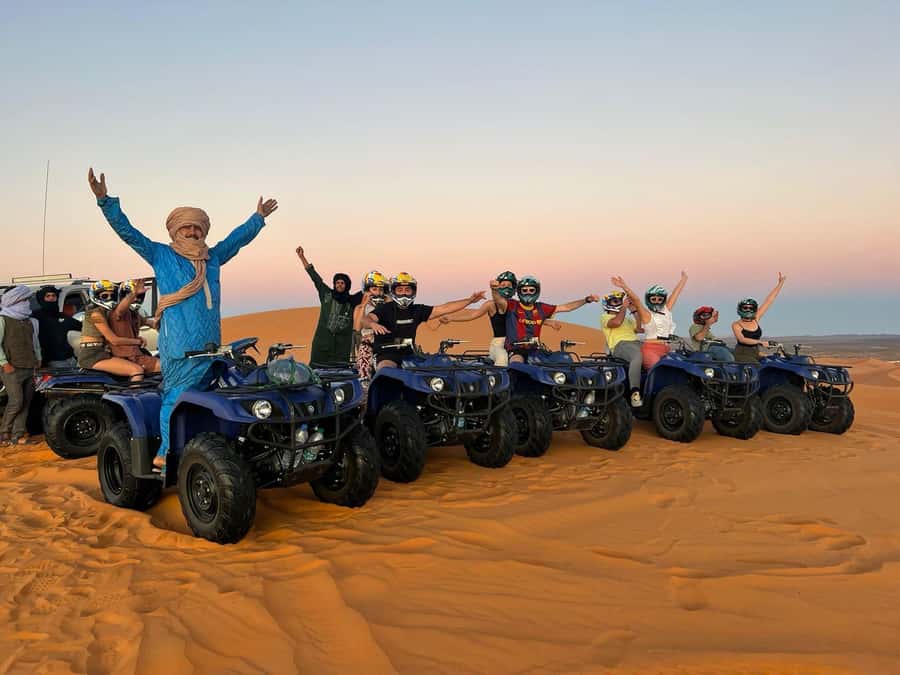
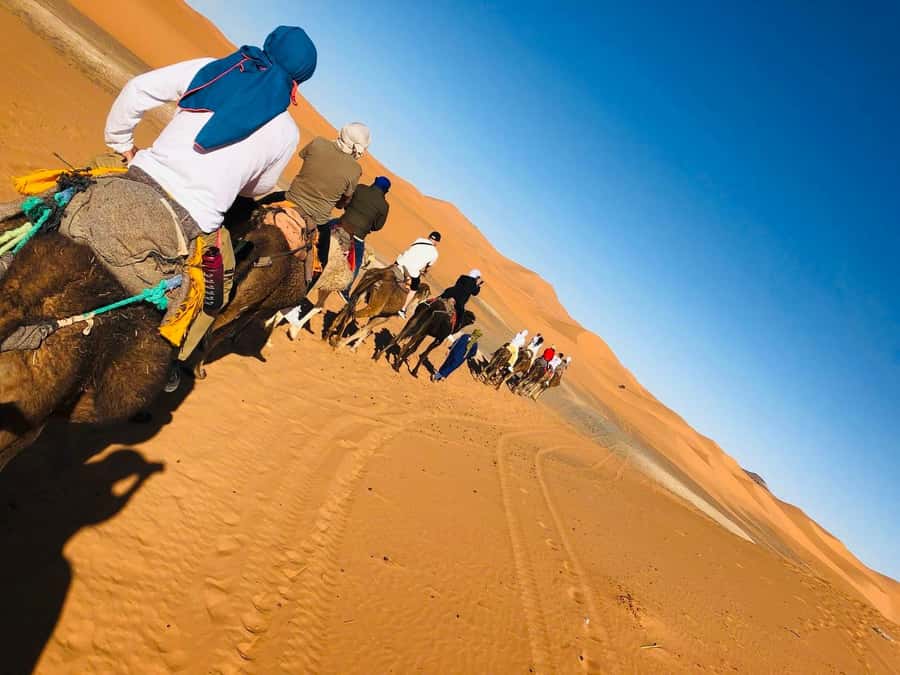
This is the moment most people come for: camel trekking across the Erg Chebbi dunes at sunset. The trek is listed at around an hour each way, which means you get enough time to feel like you’re actually traveling through the dunes—not just doing a short photo stop.
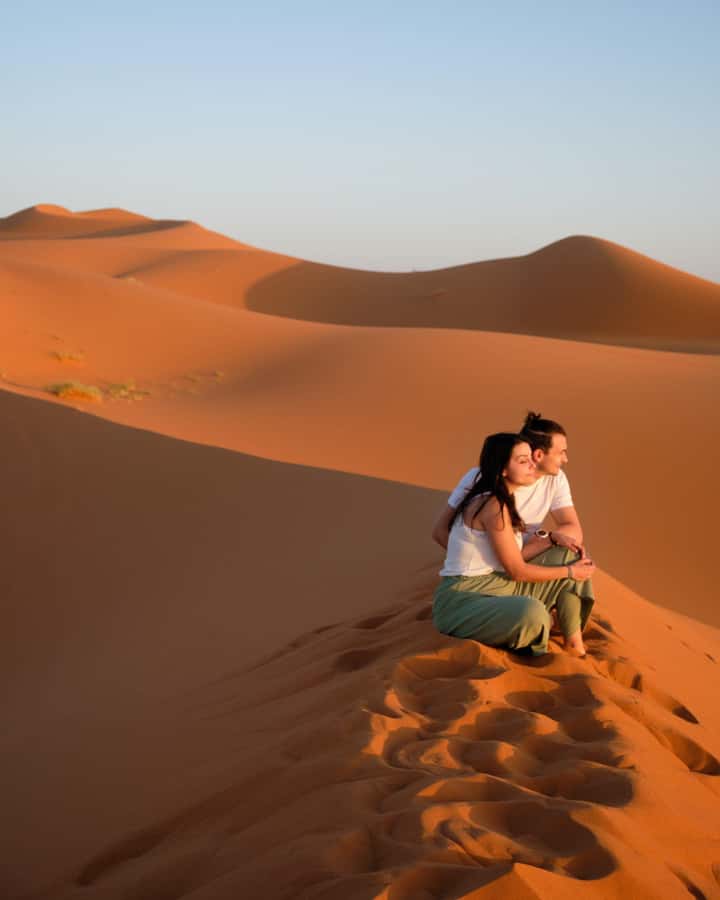
The best part is the sensation of scale. Erg Chebbi dunes feel enormous from close up, and as the sun lowers, the sand turns from bright gold to deeper tones. You’re riding at the hour when the desert looks like it’s glowing from within.
Practical tip: wear sunglasses and protect your face. The tour provides basic guidance on what to bring (sunglasses, sun hat, sunscreen), and in real desert conditions those items do real work. Also, if you have issues with camel riding, this is where it matters that an alternative vehicle can be arranged if needed.
Bedouin camp night: music, dinner, and what you’ll feel after dark
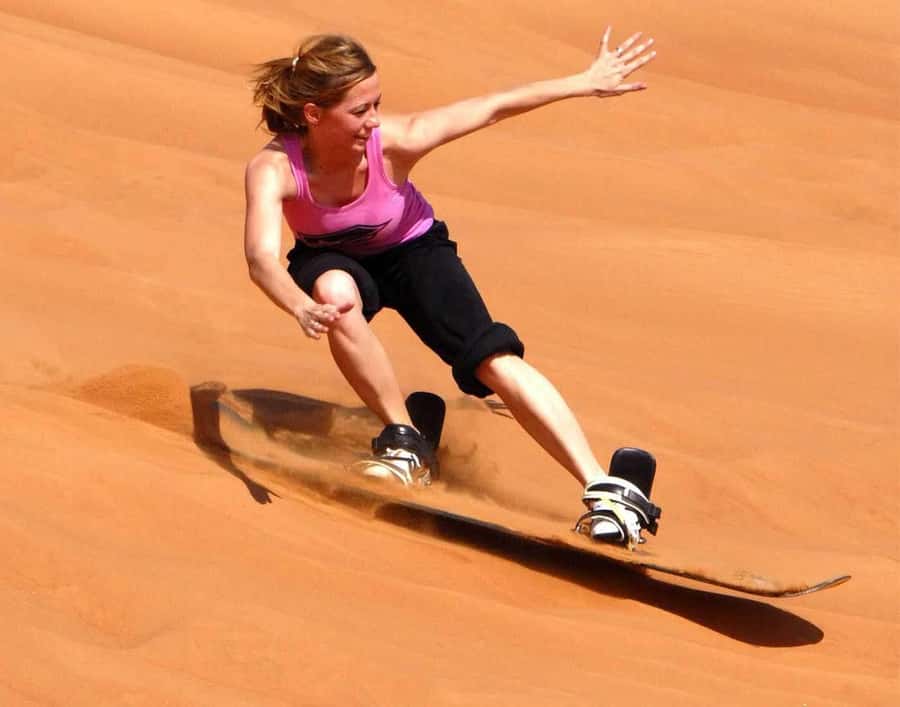
Once you reach the camp, you’ll experience the Bedouin-style overnight. The trip includes dinner and an overnight in traditional nomad tents, and you’ll enjoy Berber drumming and music as part of the evening atmosphere.
This night part is more than a checklist item. It’s where the trip becomes cultural and human-sized. You get to slow down, eat in a desert setting, and listen to traditional music in the place it belongs—where there’s space for sound to carry and the night sky actually looks like a sky.
One consideration is temperature. The tour notes you should bring warm clothing for the desert night because temperatures drop significantly. Even if you’re arriving with a warm day in Marrakech, pack for cold evening air. I’ve learned the hard way that “I’ll manage” often becomes “I’ll be miserable,” so take the warm-clothes advice seriously.
Also, the trip includes luggage service. That’s a big deal because it keeps you from hauling your bag across sand while you’re tired and ready to enjoy dinner.
Sunrise return: a quieter desert, same dunes, different light
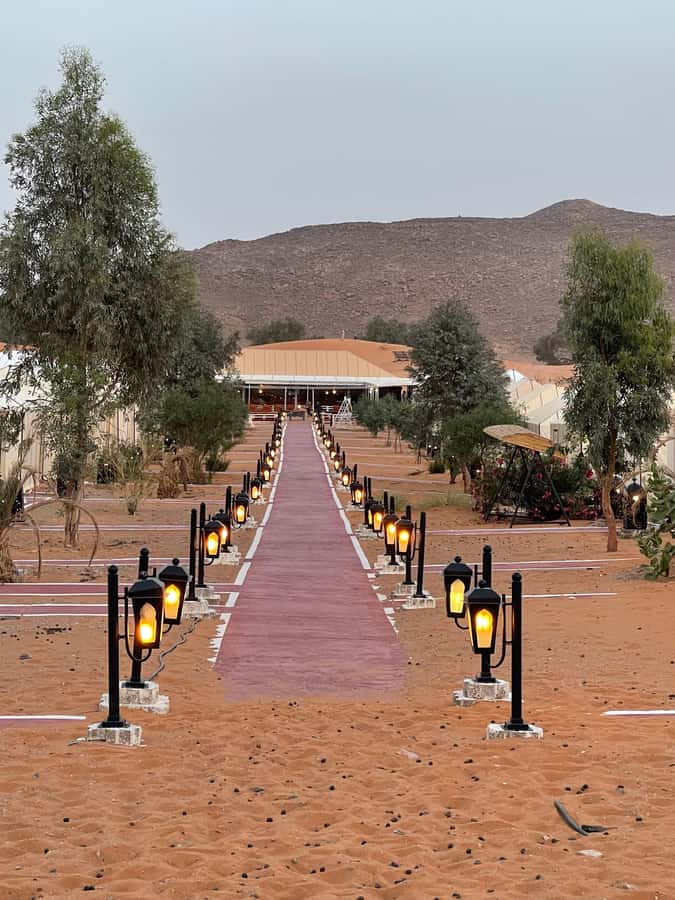
The next morning starts early enough that you can admire sunrise over the golden dunes. After breakfast, you ride camels back to the Auberge and then begin the return drive toward Ouarzazate and Marrakech.
Sunrise feels like a different experience than sunset. The colors are softer, and the dunes can feel calmer. If you’re the type who gets skeptical about “tour sunset magic,” sunrise is where the atmosphere usually wins people over—because the light is gentler and the desert feels less dramatic, more real.
Then the drive back begins. You’ll stop for a nice lunch and travel via scenic route with palm groves and ancient villages mentioned along the way. It’s a good way to come down from the desert high without going straight from sand to city chaos.
Price and value for a private 2-day Merzouga escape
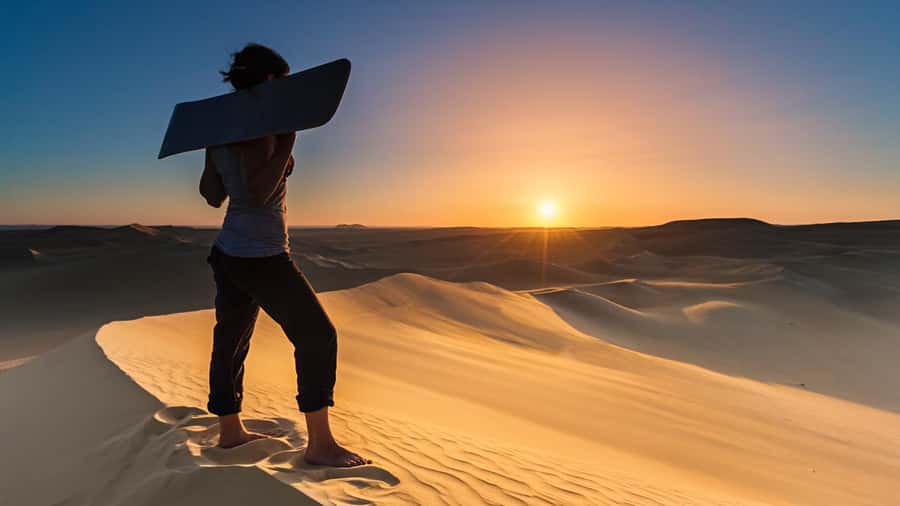
At $681 per person for 2 days, this is not a budget-only option. The value comes from what’s included: pickup and drop-off in Marrakech, air-conditioned 4×4 transportation, a driver-guide, one night at a desert camp, dinner and breakfast, camel trekking at both sunset and sunrise, plus Berber drumming and music.
For me, the big value drivers are private logistics and the timing. A private setup means you’re not competing for space, and it’s easier to make the day feel smooth—especially on long drives. It also matters that you’re getting both camel sessions. Many trips do only one, and that cuts the emotional payoff in half.
One nice touch: a review highlighted that the driver, Salem, was friendly and guided well through the drive. They also mentioned pickup was right on time and communication via WhatsApp worked smoothly, plus Salem took great photos. That kind of real-time competence matters on a two-day schedule where timing really is everything.
If you’re comparing costs, don’t just look at the total. Look at whether your alternatives include: the camel trekking at sunset and sunrise, the actual overnight in a camp, and the transportation from Marrakech in a comfortable vehicle.
Who this tour fits best (and who might want a different plan)
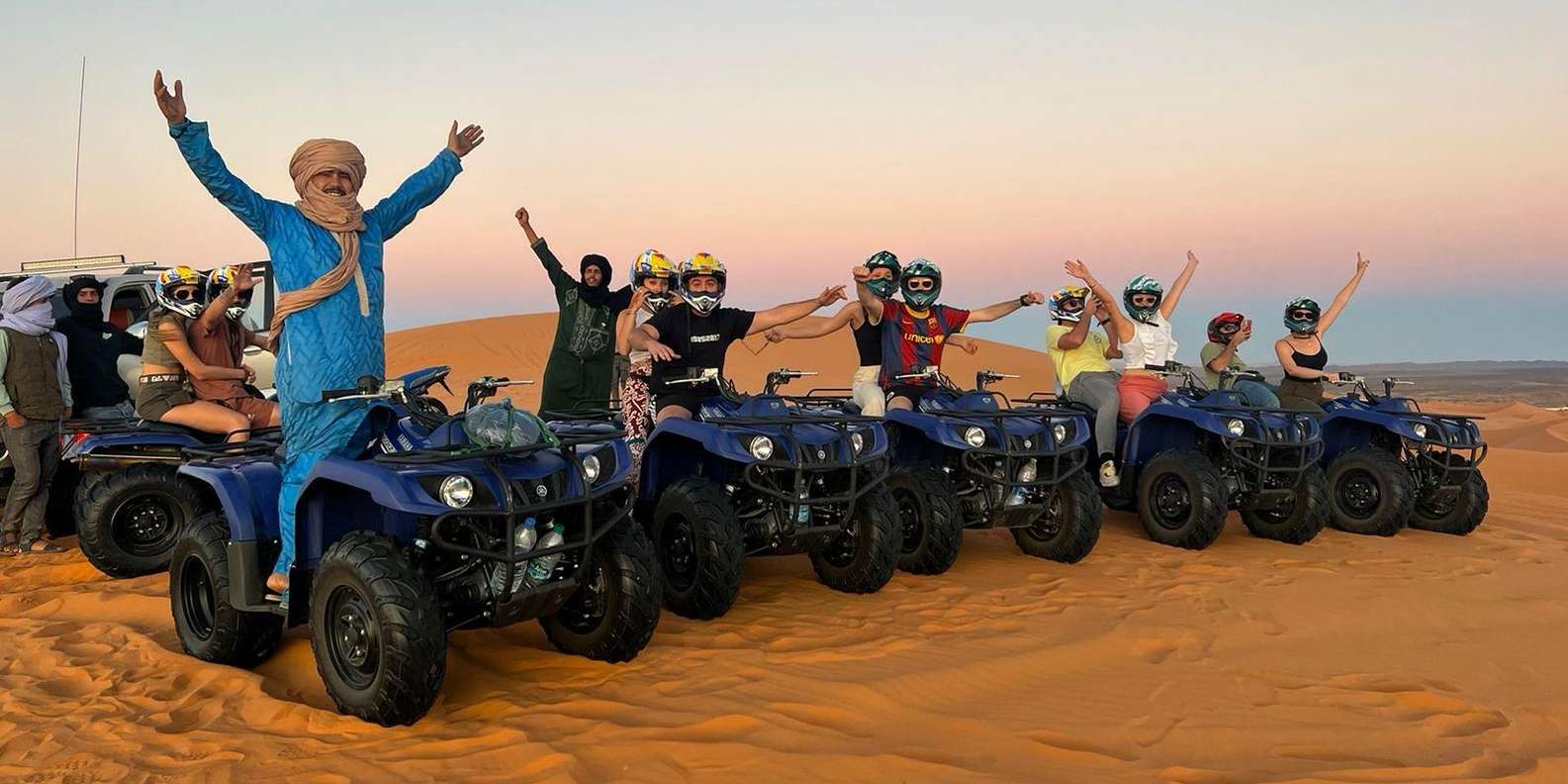
I’d recommend this tour if you want a desert trip that feels complete: mountain scenery, gorges on the way, then the Erg Chebbi dunes with camel time in both day-part extremes.
It also fits you if you like the idea of staying somewhere simpler but meaningful—traditional nomad tents, dinner, drumming, and a desert night. You’re not paying for a resort experience; you’re paying for the full Morocco-to-Sahara arc.
Who might reconsider? If you hate long road days, this isn’t gentle. The route involves winding roads through the Atlas Mountains and extended driving between Marrakech and the desert.
If camel riding is a deal-breaker, the tour does mention an alternative vehicle can be arranged if needed. But if you want zero animal-based elements at all, you’ll need to check other formats.
Should you book this private 2-Day tour to Merzouga?
Book it if you want an organized, private two-day desert escape with real desert time: Erg Chebbi at sunset and sunrise, plus a Bedouin camp night with drumming and dinner. The price is high for Morocco standards, but the included transport, camel treks, and camp overnight help justify it—especially when you’re traveling privately.
Skip or compare if you’re sensitive to cold nights or long driving. Bring warm clothes, plan for the camel trek duration, and go in expecting a road-trip day that ends with sand and music.
If those points sound like your kind of adventure, this is the kind of trip where the desert doesn’t feel like a day trip. It feels like a real change of world for two days.
FAQ
What is the duration of the Marrakech to Merzouga private tour?
The tour lasts 2 days.
Where do you get picked up and where do you get dropped off?
You’re picked up from your accommodation in Marrakech (or a nearby accessible point) and dropped off back at your Marrakech hotel after the tour.
Is lunch included in the price?
No. Lunch and drinks are not included.
What’s included for the desert part?
You get a sunset camel trekking experience across Erg Chebbi, an overnight at a Bedouin desert camp, and a sunrise camel trekking experience across the dunes. Dinner and breakfast are included, plus Berber drumming and music. Luggage service is also included.
How long is the camel trek?
The camel trekking covers approximately 1 hour each way.
What languages can the driver-guide speak?
English, French, Portuguese, Spanish, Arabic.
What should I bring for this trip?
Bring your passport, sunglasses, sun hat, and sunscreen. You should also pack warm clothing for the desert night because temperatures can drop significantly. A small overnight bag is recommended.
What’s the cancellation policy?
Free cancellation is available up to 24 hours in advance for a full refund.