REVIEW · KALAAT M GOUNA
Marrakech–Fes 3-Day Sahara Tour
Book on GetYourGuide →Operated by MOROCCO TRIP · Bookable on GetYourGuide
Long drives. Big skies. Real desert time.
This 3-day Marrakech–Fes Sahara tour is built for people who want the whole arc: mountain roads, UNESCO fame, and then the dunes at Erg Chebbi. I especially like the camel sunset/sunrise rhythm over the sand (with sandboarding and henna included), and I like that the route adds Morocco’s variety with Aït Benhaddou, Todra Gorge, and the cedar-country stop near Ifrane.
The only real caution is that you’re signing up for a very structured, tourist-friendly itinerary. Also, the winter version can be brutally cold outside, and the camel portion is one area to think about with your own comfort and standards for animal care.
In This Review
- Key points to know before you go
- Entering Morocco’s Real Route: Marrakech to Fes Across Atlas and Sand
- Day 1 Over the High Atlas and Through Aït Benhaddou to Dades or Tinghir
- Todra Gorge and the Erg Chebbi Camel Sunset You’ll Remember
- The Desert Camp Night: Berber Dinner, Drumming, and Star Time
- Sunrise Over the Dunes, Then Ziz Valley and Middle Atlas Cedar Country
- Price and Logistics: What $193 Buys You (and What It Doesn’t)
- Camel Rides, Clothing, and Cultural Moments: Fun With Real-World Considerations
- Packing List That Actually Works in the Desert (Winter Included)
- Should You Book This Marrakech–Fes 3-Day Sahara Tour?
- FAQ
- How long is the Marrakech–Fes Sahara tour?
- Where will you be picked up and dropped off?
- What type of transportation do you use?
- What’s included with the desert experience?
- Are meals included?
- Is there an Aït Benhaddou entrance fee included?
- Do you get guided time in Todra Gorge?
- What optional activities are available?
- What should I bring for the trip?
Key points to know before you go
- Erg Chebbi timing matters: sunset ride plus sunrise the next morning means you see the dunes in two very different lights.
- Aït Benhaddou is not just a stop: you’ll pause for real sight time at a UNESCO Kasbah scene tied to major film productions.
- Todra Gorge gives you vertical drama: expect a short guided walk with towering limestone cliffs and tight canyon feel.
- Your desert camp is part of the show: dinner plus Berber drumming and a night under clear stars.
- Weather can flip your comfort fast: pack for hot days and cold nights, especially in winter.
Entering Morocco’s Real Route: Marrakech to Fes Across Atlas and Sand
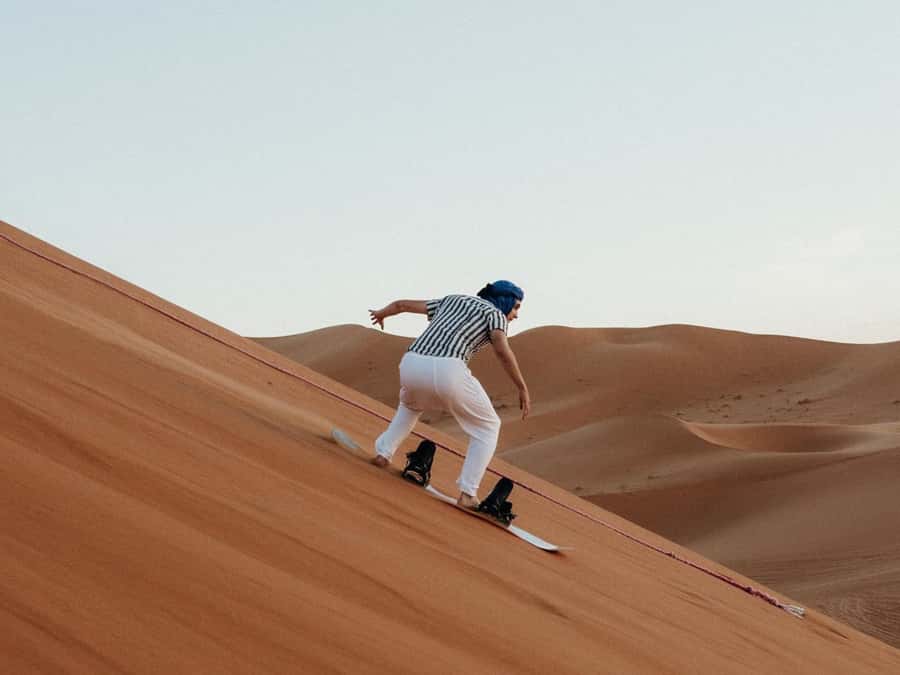
What makes this tour feel worth it is that it doesn’t treat the Sahara like a side quest. You move day by day through the Atlas region, then you hit the desert edge at Merzouga, and you finish through the Ziz Valley and the Middle Atlas toward Fes. In three days, you see a lot more than a single highlight.
You start in Marrakech with a driver-guide and air-conditioned transport. Pickup is from your hotel or riad if it’s reachable, otherwise from a meeting point within a short walk. The tour runs on a steady clock: it begins at 7:00 AM on day 1 and winds down around 7:00 PM on day 3, so plan for long-but-interesting driving stretches between stops.
If you care about service quality, this operator leans on professional driver-guides and multiple language options (English/French/Spanish, plus Arabic). In the real world, that matters on these routes where it helps to understand what you’re seeing and to stay on schedule without stress.
One more practical detail I like: the group size can be private or small group, which keeps the experience from feeling like a cattle-car tour. That’s a big deal when you’re dealing with camel lines, photo stops, and narrow gorges like Todra.
A few more Kalaat M Gouna tours and experiences worth a look
Day 1 Over the High Atlas and Through Aït Benhaddou to Dades or Tinghir
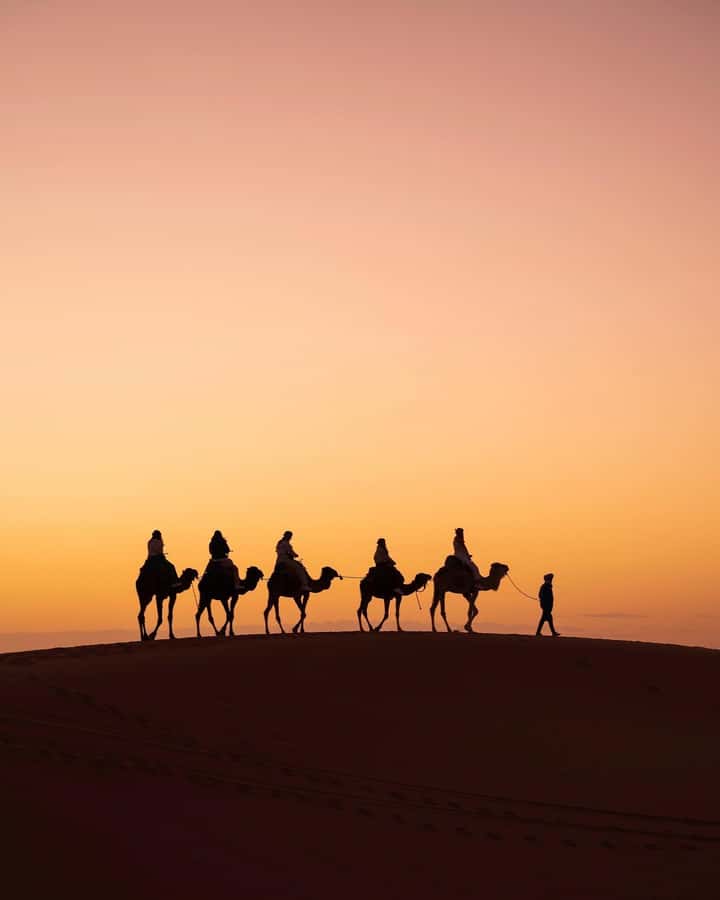
Day 1 is Morocco in layers. You leave Marrakech and head across the High Atlas with passes, Berber villages, and changing scenery that keeps you from feeling stuck on one kind of road.
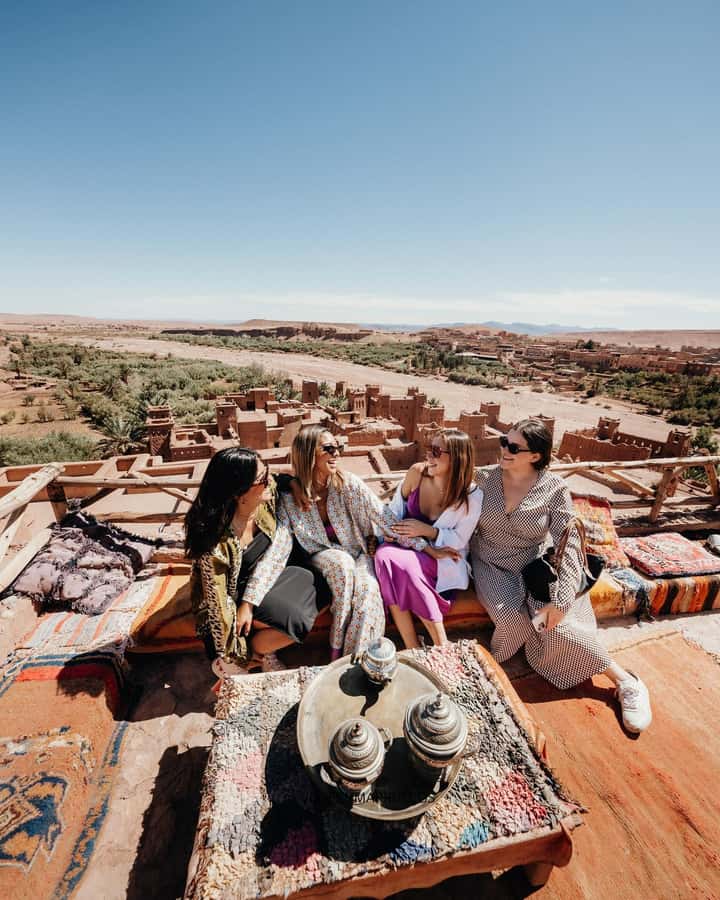
A major anchor stop is Aït Benhaddou, the UNESCO World Heritage Kasbah that’s famous for its ancient clay architecture and its starring role in movie shoots. Even if you’ve seen photos, being there in person is different: the scale, the winding lanes, and the way the buildings sit in the valley make it feel like a living set. You’ll have guided time for a photo-and-sight pause. Monument entrance fees are typically not included, so budget a small extra amount if you want inside access.
After that, you continue through key viewpoints and towns that set up the desert journey: Ouarzazate and the Valley of the Roses. From there, you head toward the Dades region. Your first night lands in Dades Valley or Tinghir, depending on availability. Either way, you get a comfortable, traditional stay with dinner and breakfast included.
Why this night matters: it breaks up the drive so you’re not arriving at Merzouga exhausted. Dades/Tinghir also puts you closer to Todra Gorge for day 2. If you like your trips to feel paced instead of rushed, this is the right kind of “first base.”
Todra Gorge and the Erg Chebbi Camel Sunset You’ll Remember
Day 2 is where the tour earns its name: Todra Gorge in the morning-ish, then Merzouga and Erg Chebbi dunes for sunset.
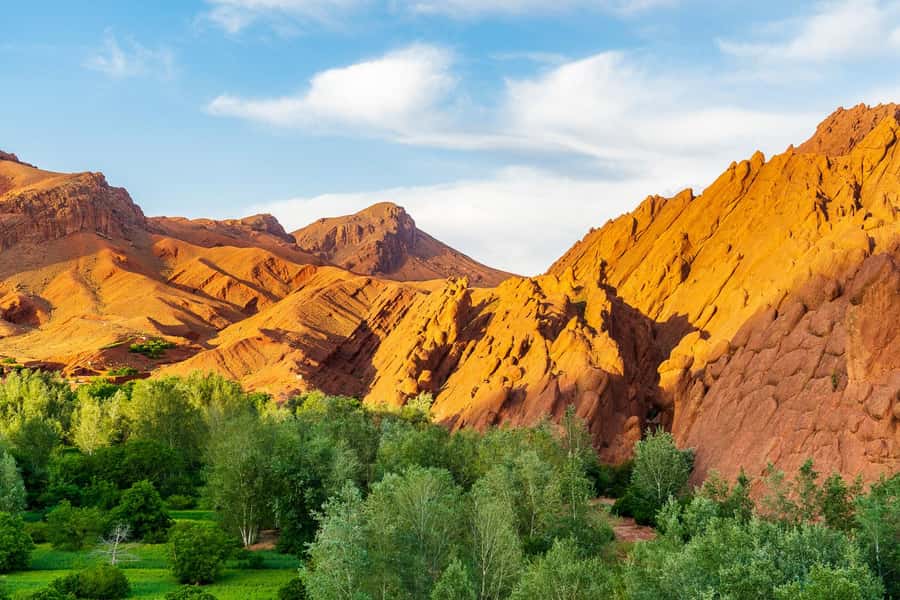
First comes Todra Gorge, known for its steep limestone walls. You’ll do a short guided walk through the gorge or valley area. Even with limited time, the effect is strong—tight canyon feel, vertical cliff drama, and the sense that the road has dropped you into a different world.
Then you push toward Merzouga, sitting at the edge of the Sahara. This is the moment you’ve been timing your whole trip for.
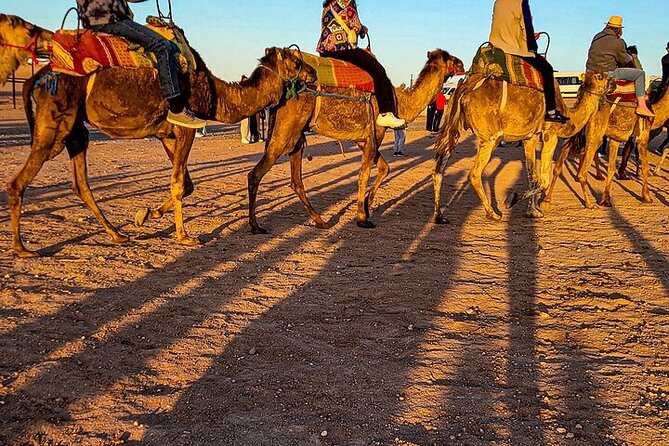
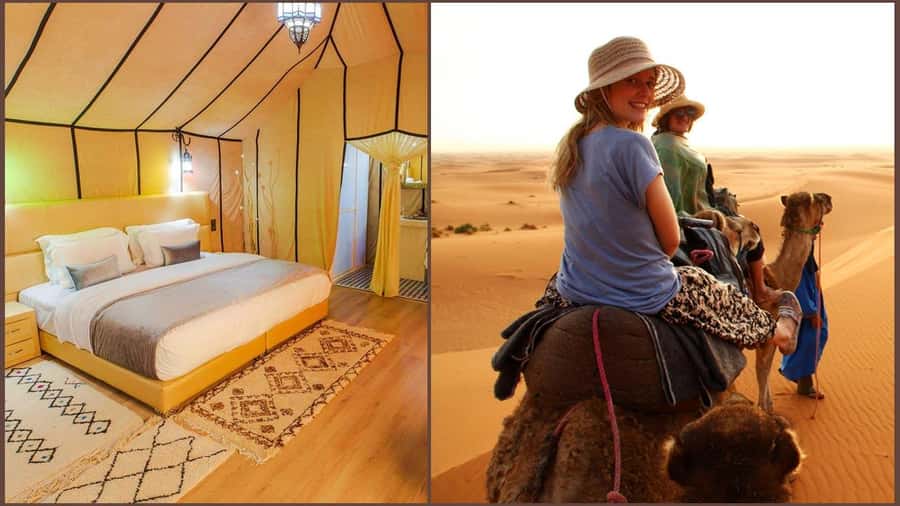
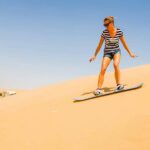
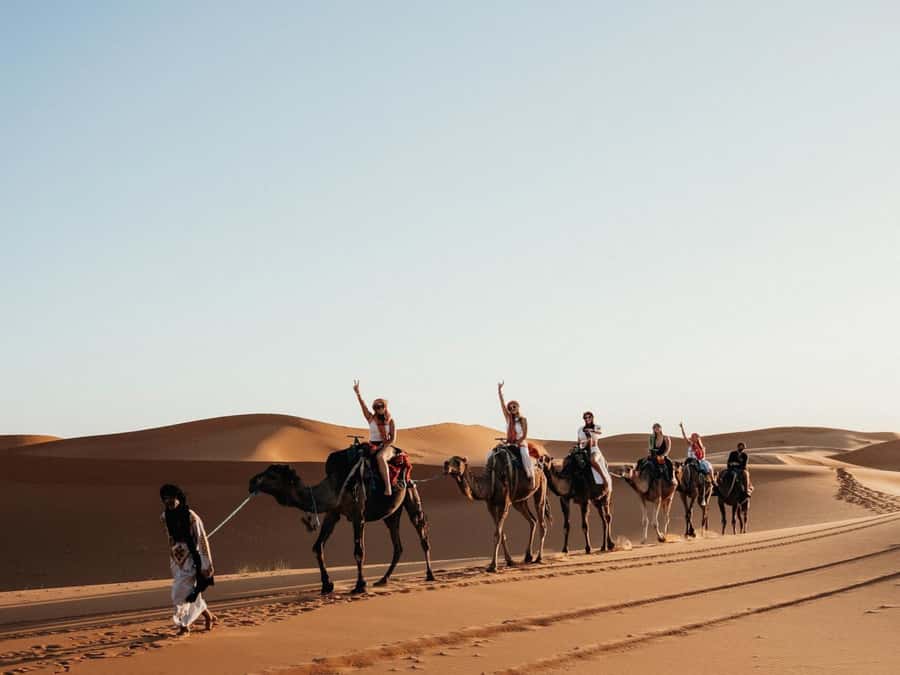
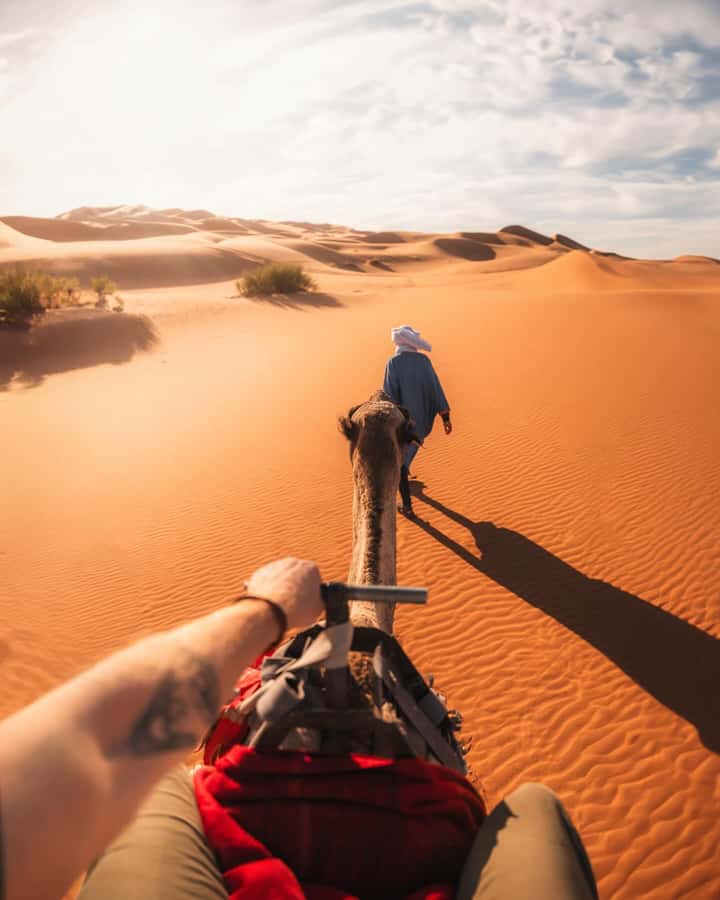
At Erg Chebbi, you meet your camel caravan and ride into the golden dunes as the sun starts to fall. Sunset camel rides are included, with one camel per person. You’ll also get sandboarding in the dunes. This is a fun add-on, but it’s also good for perspective: the dunes aren’t just “pretty.” They’re a playground with real slope and movement, and you feel that quickly once you’re on the board.
A small word of wisdom: keep your expectations practical. You’re moving through a desert environment with sand in everything. Bring eyes that can handle wind, shoes that can handle grit, and a camera strategy that doesn’t require you to constantly stop dusting the lens.
The Desert Camp Night: Berber Dinner, Drumming, and Star Time
After your dune ride, you arrive at your Sahara desert camp near Merzouga/Erg Chebbi for the overnight.
What’s included here is more than a bedroll. You get a traditional dinner, Berber drumming, and the main event: the night sky. When the lights are low and the horizon opens up, stars feel close enough to touch. You don’t need a guide for that part—you just need a warm layer and patience while your eyes adjust.
Accommodation is a private tent. Depending on the option you chose, it’s either standard with shared bathrooms or a luxury style with private bathrooms. Either way, the tent setup is part of the experience. The tradeoff is comfort: in the desert, basic systems are basic. If you’re the type who wants hotel-level heat and plush bedding, this may feel rustic.
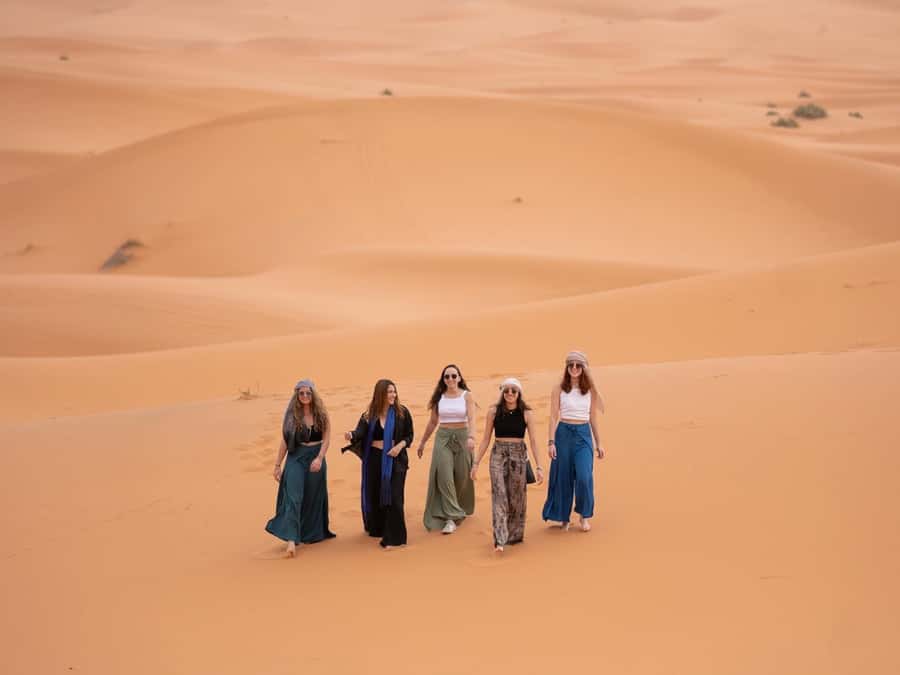
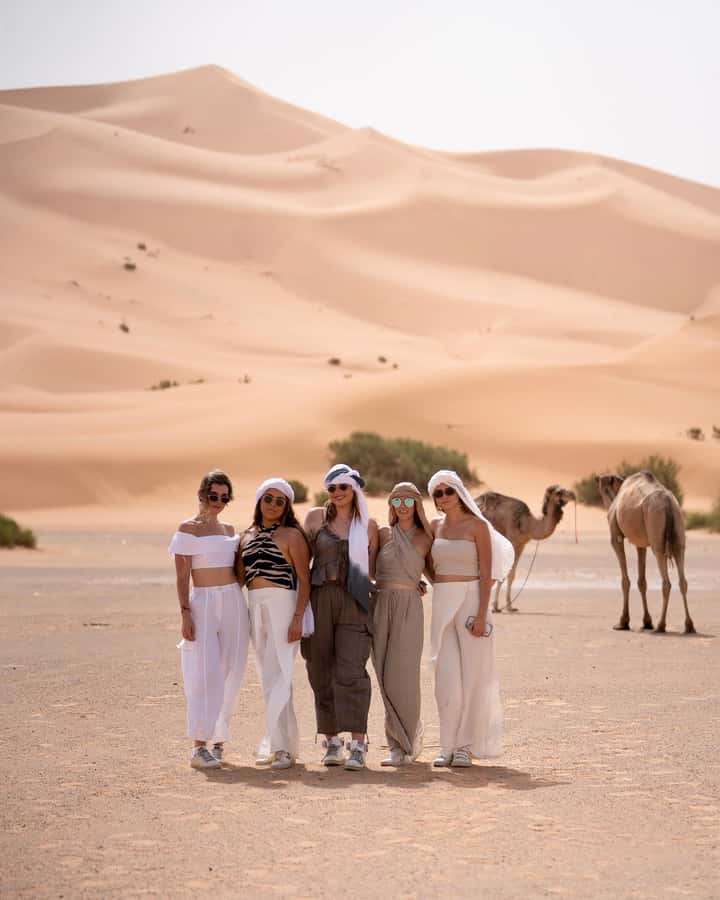
You’ll also have cultural add-ons included like a henna tattoo experience and the chance to wear traditional Berber clothing for photos. These are easy, low-pressure ways to add texture to the night beyond just eating and sleeping.
One caution from real-world experience: the camel ride portion can be emotional. If animal welfare is a top concern for you, pay attention to how handlers treat the animals and how respectful the pacing feels. It’s okay to bring your standards with you.
Sunrise Over the Dunes, Then Ziz Valley and Middle Atlas Cedar Country
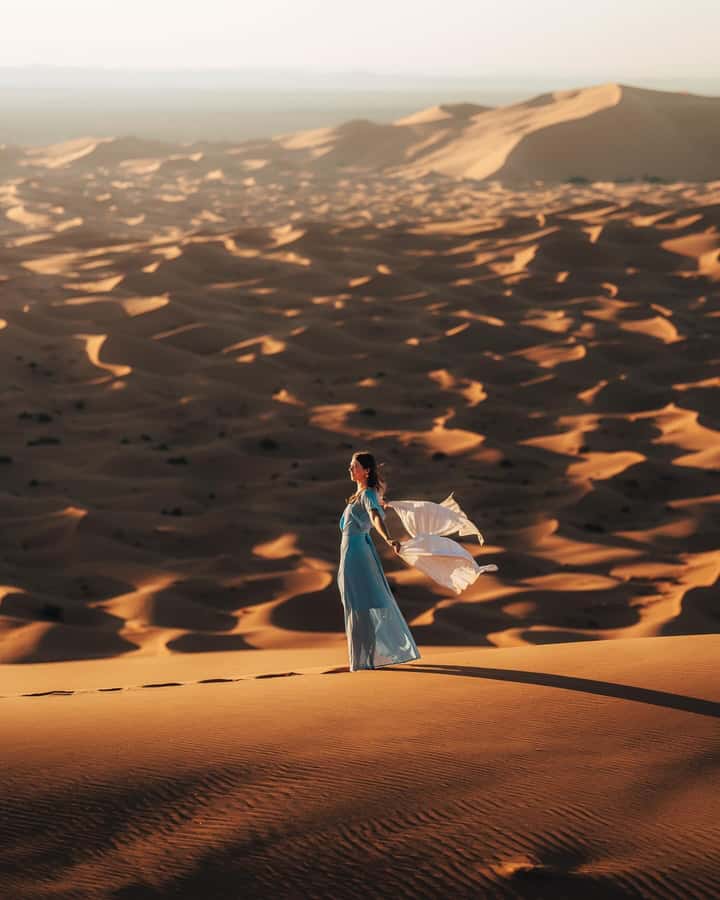
On the final day, the tour turns the page early with sunrise over the dunes—also included. If sunset was the “wow” moment, sunrise is the calmer one: softer light, quieter sand, and that surreal feeling of being up before the world wakes.
After breakfast, you head through the Ziz Valley and into the Middle Atlas region. This part matters because it prevents the trip from ending the moment you leave the dunes. You’ll pass cedar forests and volcanic landscapes, and you’ll have stops in charming local towns.
There’s also a break in Ifrane and a cedar forest area where you might spot Barbary macaque monkeys. You can’t guarantee wildlife sightings, but this is one of those chances that adds a little “bonus magic” to an already full day. The cedar forest stop also helps you transition from Saharan heat/cold back toward a more temperate feel.
Your 3-day route ends with drop-off in Fes after those scenic stops.
Price and Logistics: What $193 Buys You (and What It Doesn’t)
At $193 per person for 3 days, you’re not just paying for “a desert night.” You’re paying for the moving parts that would be expensive and stressful to stitch together yourself: long-distance driving, driver-guide time, two nights of lodging (one hotel/riad-style and one desert camp), and the core desert activities.
Included value points:
- Transport in an air-conditioned minibus or 4×4
- Pickup in Marrakech and drop-off in Fes (nearest accessible point)
- Dinner and breakfast on the Dades/Tinghir night
- Dinner and breakfast in the Sahara camp
- Sunset and sunrise camel treks at Erg Chebbi (one camel per person)
- Sandboarding
- Henna and traditional Berber clothing for photos
- Short guided walk in Todra Gorge/valley
- Scenic photo stops at major viewpoints (Aït Benhaddou, Ouarzazate, Ziz Valley, Middle Atlas viewpoints)
- Breaks in Ifrane and cedar forests, with a chance to see Barbary macaques
Not included (budget these):
- Lunches and drinks
- Monument entrance fees and local guides (Aït Benhaddou entrance is sometimes around €2, but you should treat this as a small variable)
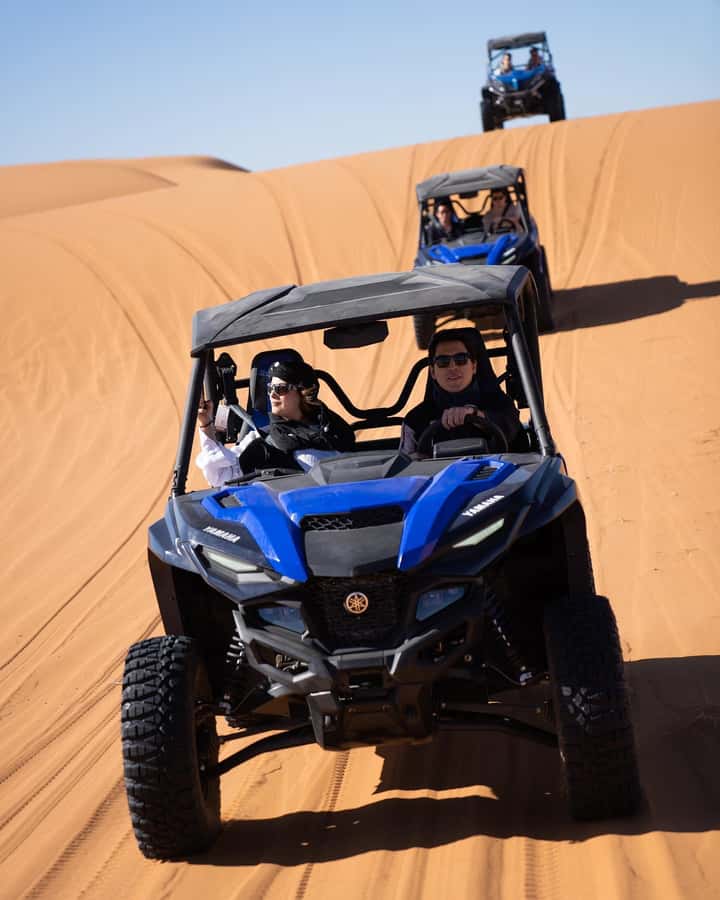
- Optional activities like quad biking (€40 per hour, minimum 2 people) and buggy tours on request
Here’s the honest take on value: this price tends to make sense if you want the full route with activities bundled. If you only care about a camel ride and a camp, you might find cheaper options. If you want Aït Benhaddou plus Todra Gorge plus dunes plus sunrise, the bundling is where you save money and stress.
Also, you get free cancellation up to 24 hours in advance, and reserve now pay later is available. That’s useful when your plans aren’t fully locked yet.
Camel Rides, Clothing, and Cultural Moments: Fun With Real-World Considerations
This tour sprinkles in culture without turning it into a museum day. You’ll have time for Berber village scenery on the way, then you get specific experiences in the desert camp area: henna, Berber clothing photos, and the rhythm of Berber drumming.
If you like taking photos, the clothing moment is timed as an easy cultural interaction. You’ll be wearing traditional attire mainly for photos and simple immersion. That means you don’t need to be a history expert to get something out of it.
But you should treat the camel element as the main ethical and comfort question on the trip. The camel ride is short-to-moderate by desert standards, and it’s central to the sunset and sunrise experience. If you want this to feel respectful, watch how the caravan is managed and how calm the animals seem. You should also know that in winter, your body will be cold—so you’ll care more about timing and layers than you expect.
On the driving side, names like Mohammed, Simo, Rachid, and Karim come up in past experiences for safety and attentiveness. In places where roads can be slick or weather can change quickly, having a steady driver-guide really helps.
Packing List That Actually Works in the Desert (Winter Included)
The desert does not play by city rules. Summer days can be hot, but nights get cold, especially in winter. Bring warm clothing even if Marrakech feels mild when you start.
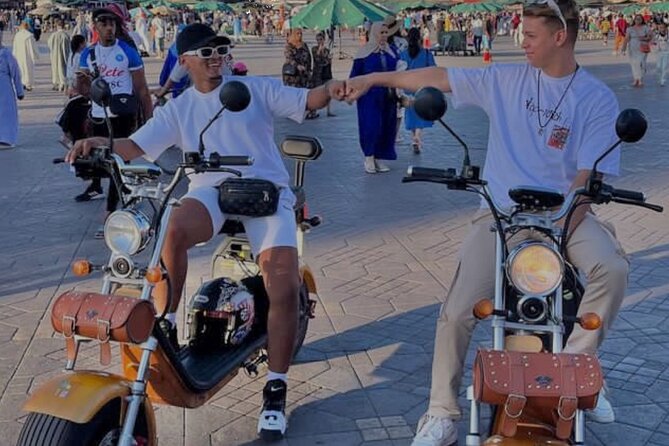
Bring:
- Sunscreen
- Comfortable shoes (you’ll want grip for sand stops)
- A daypack
- Camera
- Warm clothing
- Hat
Also plan for layers. You’ll likely feel cold in restaurants and in the vehicle if you’re traveling during cooler months. In winter, I’d rather be over-prepared than shivering through the drive.
One practical tip: don’t assume you need to buy an enormous desert scarf just because someone sells one. You can handle the cold with simple layers you already own. If you want to buy a scarf, buy it because you like it, not because it’s required.
Should You Book This Marrakech–Fes 3-Day Sahara Tour?
Book it if you want a structured route that covers the classics: Aït Benhaddou, Todra Gorge, and Erg Chebbi dunes with both sunset and sunrise camel rides plus sandboarding and a real desert camp night.
Skip or rethink it if:
- You hate tourist schedules and want free-form wandering instead.
- You’re very sensitive about animal treatment during camel rides.
- You only want one desert moment and don’t care about the mountain and valley driving segments.
This tour is best for first-timers and for anyone who wants a high-effort, multi-scene Morocco hit without planning logistics for themselves. If you pack for temperature swings and go in expecting a full program, you’ll get a trip that feels like you crossed Morocco, not just visited it.
FAQ
How long is the Marrakech–Fes Sahara tour?
It lasts 3 days, starting at 7:00 AM on day 1 and ending around 7:00 PM on day 3.
Where will you be picked up and dropped off?
Pickup is included in Marrakech from your hotel or riad if accessible by car, or from a meeting point within a 5-minute walk. Drop-off is in Fes at the nearest accessible point.
What type of transportation do you use?
You travel in a modern air-conditioned minibus or a 4×4, with a professional driver-guide.
What’s included with the desert experience?
Sunset and sunrise camel treks at Erg Chebbi are included, plus sandboarding and an overnight in a Sahara desert camp with dinner and breakfast.
Are meals included?
Yes. Dinner and breakfast are included on both nights: the hotel/riad night in Dades Valley or Tinghir, and the desert camp night in the Erg Chebbi/Merzouga area. Lunches and drinks are not included.
Is there an Aït Benhaddou entrance fee included?
Monument entrance fees and local guides are not included. For example, Aït Benhaddou entrance is listed as approximately €2.
Do you get guided time in Todra Gorge?
Yes. You’ll have a short guided walk in Todra Gorge or the valley area.
What optional activities are available?
Quad biking is available for about €40 per hour with a minimum of 2 people. Buggy tours can be arranged on request, and there’s also an optional 4×4 transfer to the camp mentioned as free.
What should I bring for the trip?
Bring sunscreen, comfortable shoes, a daypack, a camera, warm clothing, and a hat. Days can be hot and nights cold, so pack for both.