REVIEW · MARRAKESH
From Marrakech: Atlas Mountains and Three Valleys Day Trip
Book on GetYourGuide →Operated by Targa Travel and Art Cuivre · Bookable on GetYourGuide
Atlas Mountains feel close enough to touch.
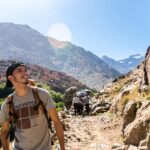
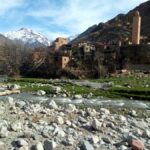
This day trip turns Marrakesh into a fast lesson on Berber life, with stone villages, waterfall trails, and that long Moroccan tea-and-sunset rhythm. I like that you get real time with a local family for lunch, and I also like how the day builds in stages: mountain viewpoints, then valley walking, then desert dusk at Agafay.
One consideration: it’s a full, active day. You’ll hike for a short stretch and spend time outdoors, and the tour isn’t set up for wheelchair users or pregnant travelers.
Key moments you’ll remember
- Azrou and an argan oil women’s cooperative stop that feels hands-on, not staged
- Waterfalls walk with a guide who explains what you’re seeing
- Lunch at a Berber family home: tagine or couscous with homemade bread and salad
- Amizmiz Valley mint tea with cookies and cultural conversation
- Agafay desert sunset over stony dunes, plus a camel ride if you want it
- Most days run longer than the 7-hour listing, depending on timing and conditions
In This Review
- Leaving Marrakesh for the Atlas: how the day gets going
- Azrou and the argan oil women’s cooperative: culture you can see
- Waterfalls in the Atlas: the hike is short, but wear real shoes
- The Berber family lunch: tagine, couscous, and the roof-view feeling
- Amizmiz Valley mint tea: where the conversations happen
- Agafay desert sunset and camel ride: plan for the real version
- Timing, pace, and who this day trip suits best
- Price and value: what you really get for about $28
- What to bring (so you don’t suffer for your photos)
- Final call: should you book this Atlas and three valleys day trip?
- FAQ
- How long is the Atlas Mountains and Three Valleys day trip?
- What is the price per person?
- What’s included in the tour price?
- What language is the live guide?
- Do I need to bring anything?
- Is it suitable for everyone?
Leaving Marrakesh for the Atlas: how the day gets going
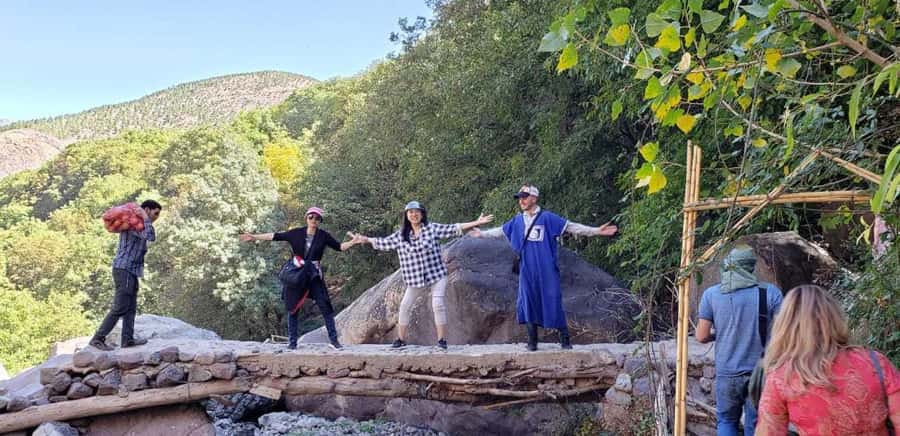
Marrakesh-to-Atlas trips succeed or fail on the first hour. Here, the day starts with hotel pickup and a drive out of the city. Once you’re rolling, you’ll start noticing the big shift: the air, the rock colors, and the feeling that you’re leaving the city’s noise behind quickly.
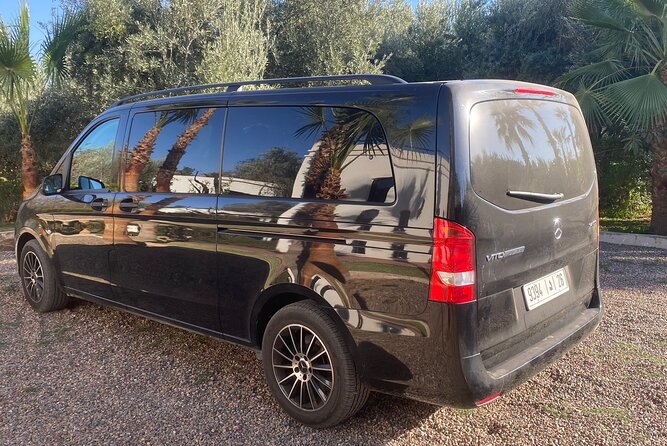
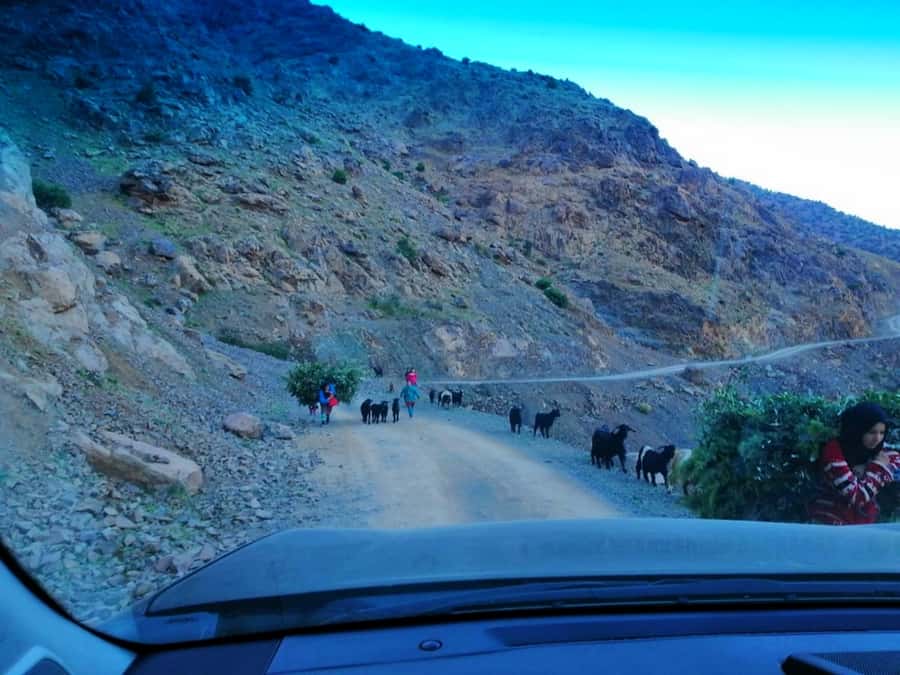
The drive is part of the experience. Many guides keep it conversational, and you’ll get context on what you’re passing—so it doesn’t feel like dead time in a van. In the past, drivers like Aziz and Ahmed have been praised for punctual pickup and smooth, careful driving (including checking seatbelts). That matters because this route involves curvy roads, and you’ll feel better if your driver takes it slow and steady.
Azrou and the argan oil women’s cooperative: culture you can see
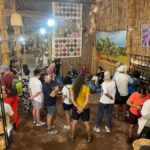
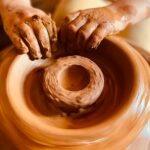
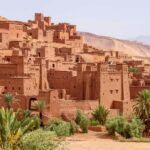
Azrou is a small Berber village stop, and it’s one of those moments where the trip stops being a sightseeing loop and starts feeling human. You’ll visit an argan oil women’s cooperative, which is a practical way to understand one of Morocco’s signature products—argan oil isn’t just a souvenir item here; it’s tied to local work and how families make income.
What I like about this stop is that it’s not only about shopping. You’re there to witness the process and meet the people involved, which makes it easier to connect Morocco’s famous goods to real daily life. If you plan to buy products, do it with clear expectations. One tip from past participants: check the price before purchasing, even if the people are friendly (and they usually are).
Also, this is a good early break from hiking. If your legs need a moment, this stop gives you a chance to reset before the walk later.
A few more Marrakesh tours and experiences worth a look
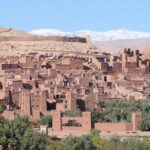


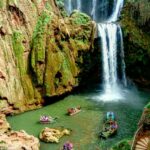
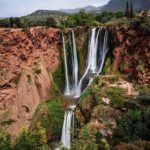
Waterfalls in the Atlas: the hike is short, but wear real shoes
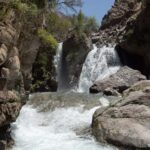
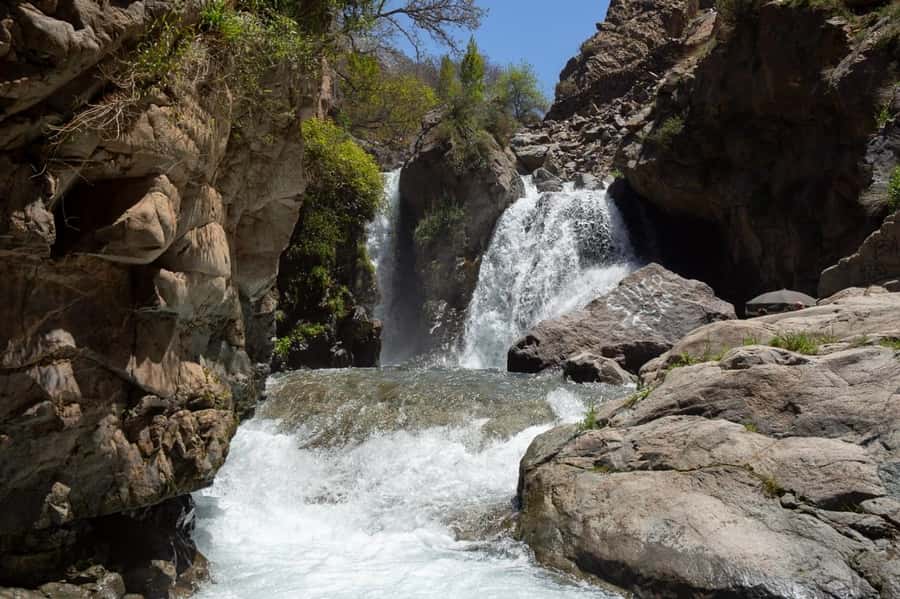
The highlight you’ll hear about again and again is the waterfall visit. Expect a short hike through the valley area, often led by a local guide who knows the path and explains what you’re seeing. In past departures, guides such as Hamid and Rashid have been praised for clear explanations and photo help, which is useful because you’ll want to capture the falls without rushing the trail.
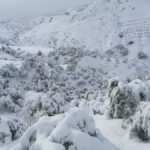
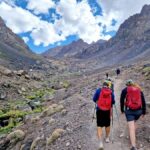
Here’s the honest part: short does not mean effortless. You’ll be walking on uneven ground, and the conditions can change with the season. One review specifically noted snow in February, so if you travel in cooler months, plan for slippery or muddy sections. Bring comfortable clothes and shoes with decent grip—think hiking sandals are only okay if conditions look dry.
If you’re traveling with mixed mobility in your group, pay attention to the pace. Past guides have adjusted timing so everyone stays together, and there’s at least one account of the guide being understanding if someone didn’t want to ride camels and preferred walking instead.
The Berber family lunch: tagine, couscous, and the roof-view feeling
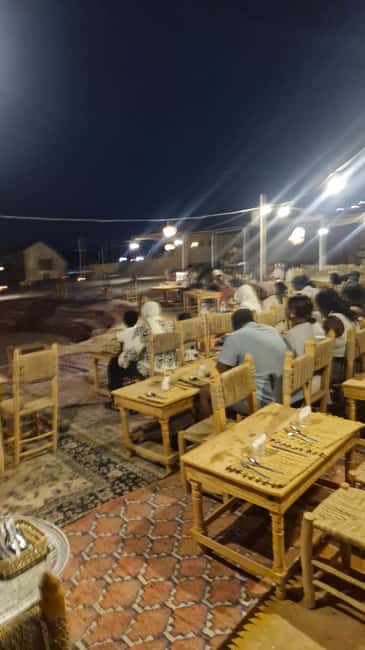
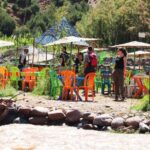
Lunch is where this trip becomes more than a checklist. You eat at the home of a local Berber family, which is a big deal for two reasons: you’re not just watching culture from the outside, and you’re eating food that’s built for guests the way families normally host people.
What you’ll likely have:
- Tagine or couscous
- Homemade bread
- Fresh salad
Several participants described the meal as excellent and generous, and some even mentioned a rooftop setup with Atlas mountain views. That combination—hot food in a home setting, plus the scenery right there—makes lunch feel like a reset button rather than a “tour stop.”
A practical note: this isn’t the kind of meal where you can count on picky options. If you have dietary restrictions, it’s worth checking directly before you go, because the tour data only confirms lunch is included—it doesn’t list customization.
Amizmiz Valley mint tea: where the conversations happen
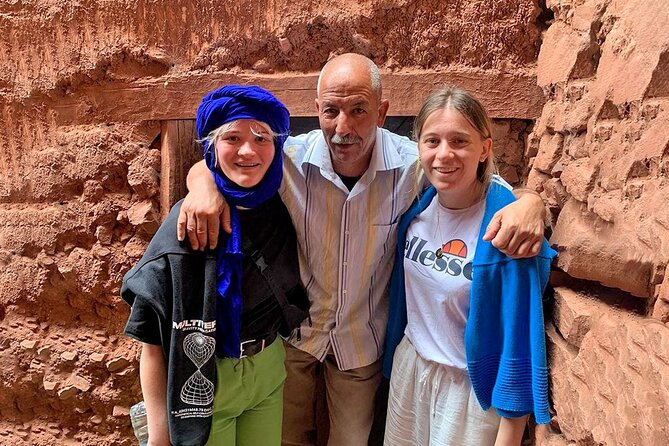
After lunch, you’ll head to Amizmiz Valley. This is where the day slows slightly and becomes more reflective. You’ll stop for fresh mint tea and cookies, and you’ll get time with the guide and a local family as they share how traditions work in everyday life.
Tea here isn’t just a drink; it’s a social rhythm. You’ll see how the guide frames local customs, and it gives you a chance to ask questions without feeling rushed. Past guides have been praised for being attentive and informative, including for taking photos and explaining history connected to what you’re seeing.
If you enjoy learning through conversation, this is one of the best parts of the route. It’s also a nice moment for photos that don’t feel like you’re constantly trying to catch up to the group.
Agafay desert sunset and camel ride: plan for the real version
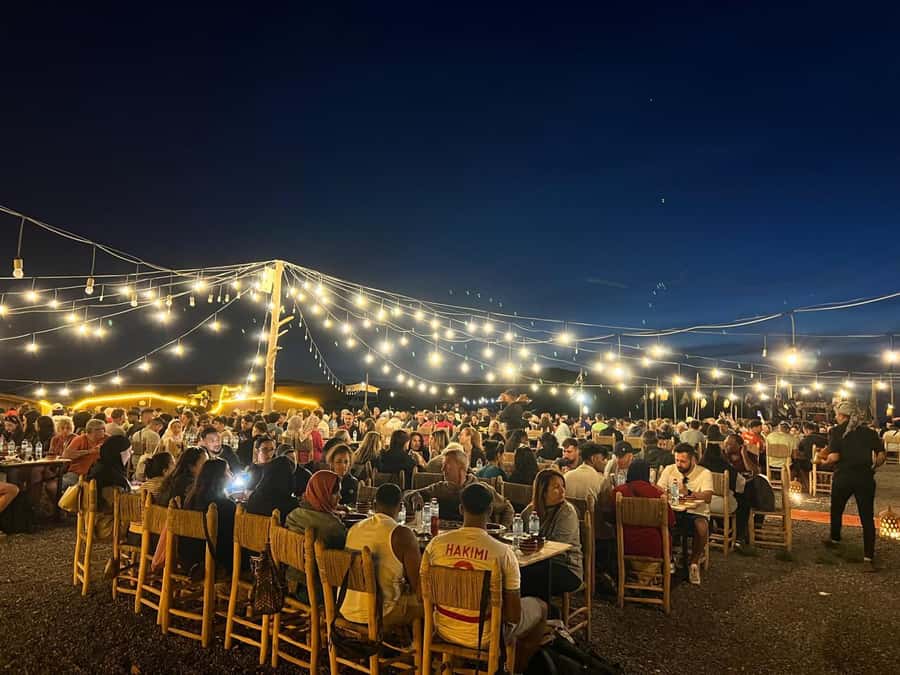
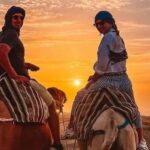
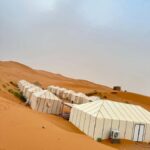
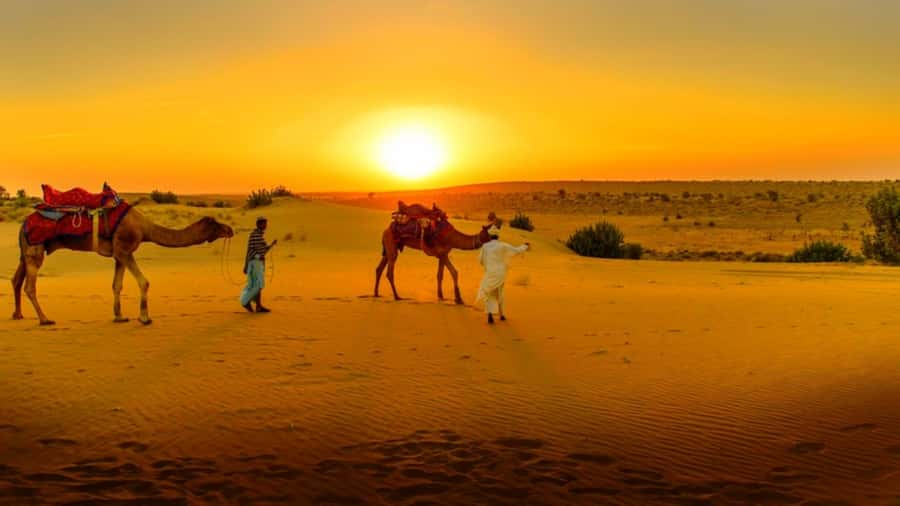
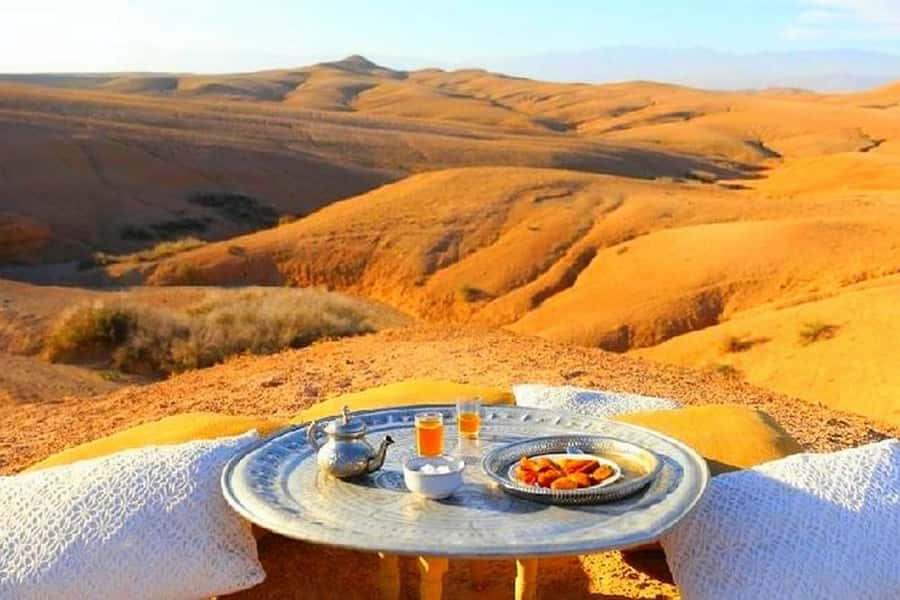
Then comes Agafay desert—a stony dune area where the drama is in the light. Expect a scenic camel ride and time at the pass to watch the desert sunset, sipping mint tea along the way.
A quick reality check: Agafay is not the same as sand-smooth Sahara dunes you might imagine from postcards. The terrain is rocky and stony. That’s exactly why the sunset looks good anyway; the sky and the ground texture give the colors a sharper look.
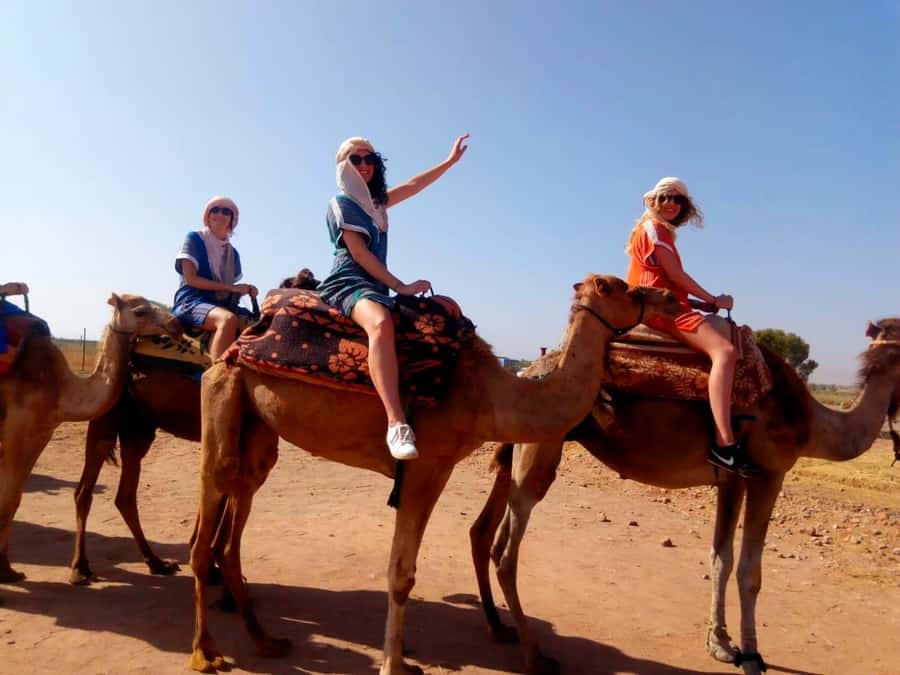
Camel rides can also be more variable than you expect. One participant noted the camel ride was different from how they imagined it, but still very cool. And importantly for comfort, there’s at least one account of the guide being flexible—someone didn’t want to ride and was allowed to walk with the group instead.
During sunset time, you often get some free time to relax or even meditate before heading back. It’s a good moment to slow down, drink the last of the tea, and just watch the sky change.



Timing, pace, and who this day trip suits best
The tour is listed at about 7 hours, but don’t be surprised if your day feels longer. Multiple participants reported returns later than the strict listing, with one saying the full day could run nearly 12 hours from pickup to drop-off. Weather and road conditions can affect timing, and at least one past account mentioned the itinerary order changed to suit conditions.
The pace is also tied to walking. You’re looking at a short hike to the waterfall area plus extra outdoor time between stops. If you’re comfortable walking on uneven ground for a while (and you bring the right shoes), you’ll enjoy it.
This tour is not suitable for wheelchair users and is also listed as not suitable for pregnant women. If either of those applies, you’ll want to choose something different that fits your needs.
Who it’s perfect for:
- You want culture + scenery in one day
- You like village stops where you meet working locals
- You don’t mind a full itinerary as long as the guides keep you on track
Price and value: what you really get for about $28
At around $28 per person, this is priced like a budget-friendly day trip, but the value comes from what’s included—not just the scenery. Your price covers:
- Hotel pickup and drop-off
- Guide
- Lunch (tagine or couscous, bread, salad)
- Camel ride
- Hot drinks (mint tea is the big one)
You’re also getting multiple guide-led moments: argan cooperative context, waterfall hiking support, tea conversation, and sunset time. That’s a lot of guided time for one day, and it helps justify the price when you compare it to paying separately for a driver, meal, and activities.
One more value point: a number of participants praised the trip as well-organized with smooth, safe driving and good time management. That matters in Morocco, where bad pacing can turn a scenic day into stress.
The only cost to watch is pickup logistics if your location doesn’t match the standard pickup plan. The tour data says pickup is included, but also notes hotel pickup/drop-off may be available for an extra fee—so confirm your pickup point.
What to bring (so you don’t suffer for your photos)
This kind of day trip is won by preparation. Bring:
- Sun hat
- Sunscreen
- Comfortable clothes
Add practical extras even though they’re not explicitly listed:
- Good walking shoes for the waterfall hike
- A light layer for early mornings or windy desert time at Agafay
Also, bring your patience for the rhythm of the day. You’ll take breaks, get tea, eat lunch, and wait for sunset lighting. The goal isn’t speed. It’s flow.
Final call: should you book this Atlas and three valleys day trip?
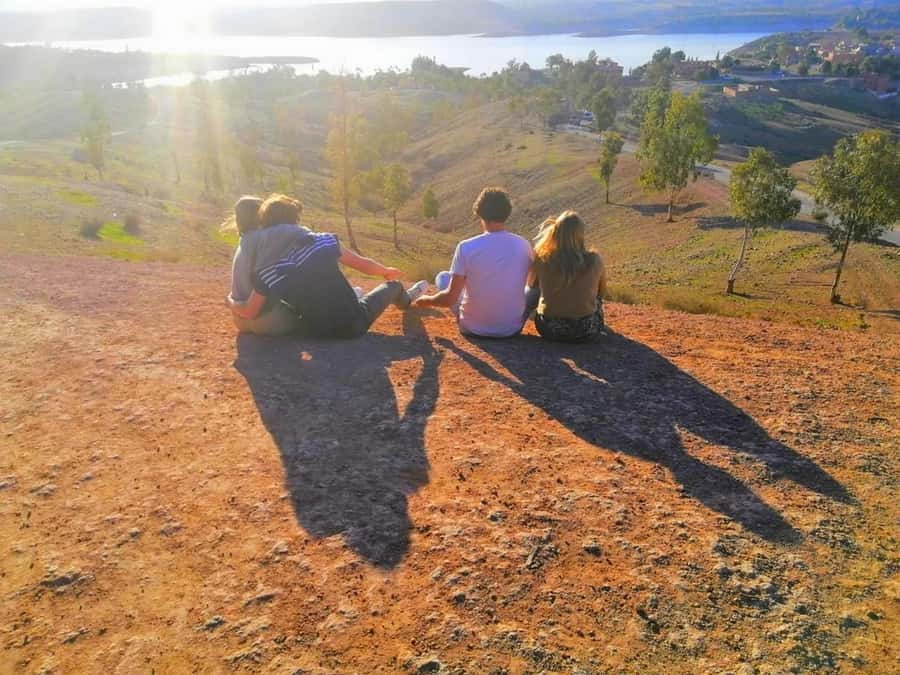
I’d book it if you want one day outside Marrakesh that actually changes what you think about Morocco. The strongest reason is the combination: Berber family lunch plus waterfall hiking plus Agafay sunset. If you like authentic village moments—especially where people are working and hosting—you’ll feel it.
Skip it (or switch tours) if:
- You need a fully seated, low-walking day
- You’re not comfortable with uneven ground
- You dislike camel rides or prefer not to do them at all (you may be able to walk instead, but don’t assume every day will accommodate perfectly)
If you go, do yourself a favor: ask questions, take your time at tea stops, and wear shoes you trust. This is the kind of day that leaves you with more than photos—it leaves you with stories that make Marrakesh feel smaller afterward.
FAQ
How long is the Atlas Mountains and Three Valleys day trip?
It’s listed at about 7 hours. Some participants reported a longer day depending on timing, road conditions, and how the route is ordered.
What is the price per person?
The price is listed as $28 per person.
What’s included in the tour price?
Included are hotel pickup and drop-off, lunch, a guide, a camel ride, and hot drinks.
What language is the live guide?
The guide is available in English, French, and Spanish.
Do I need to bring anything?
Yes. Bring a sun hat, sunscreen, and comfortable clothes. Comfortable shoes are also important because there is hiking.
Is it suitable for everyone?
It is not suitable for pregnant women or wheelchair users, based on the tour details.