REVIEW · MARRAKESH SAFI
From Marrakech: Atlas Mountains and Berber Village Day Trip
Book on GetYourGuide →Operated by Marrakech Day Trips - Tours · Bookable on GetYourGuide
Atlas peaks beat Marrakech in one day. I love the chance to reach Tachedirt and spend time in a Berber-family lunch setting, not just pass viewpoints. One thing to plan for: the drive comfort can be hit-or-miss, and some rides back include a lot of flies.
From pickup at 09:00 to return around 17:00, this is a focused High Atlas day trip built for limited time. You’ll go by air-conditioned minivan or 4×4, stop for photos and mountain views, hike 1 to 2 hours in the valley, and come back feeling like you actually touched local life—not just collected stamps.
In This Review
- Key highlights that make this day trip worth it
- Marrakech at 9:00 am: the drive into High Atlas valleys
- Tahnaout and the argan oil co-operative: the best kind of cultural stop
- Tizi nTamatert viewpoint (2280 m) and the named peaks you’ll notice all day
- Tachedirt and the 1 to 2 hour valley hike: what your legs will do
- Lunch in a Berber family setting: tagine, couscous, and mint tea with a view
- Guides and drivers: why safety and context matter in small-group travel
- Price and logistics: what $53 really buys (and what you’ll still need)
- Who should book this High Atlas day trip—and who should skip it
- Small practical tips for your Atlas Mountains day
- Should you book this Marrakech to Tachedirt day trip?
- FAQ
- What time does the day trip start and end?
- What do I do during the visit to Tachedirt?
- What is included in lunch?
- How do I get there and back?
- What languages are offered on the tour?
- Is this tour suitable for mobility limitations or pregnancy?
Key highlights that make this day trip worth it
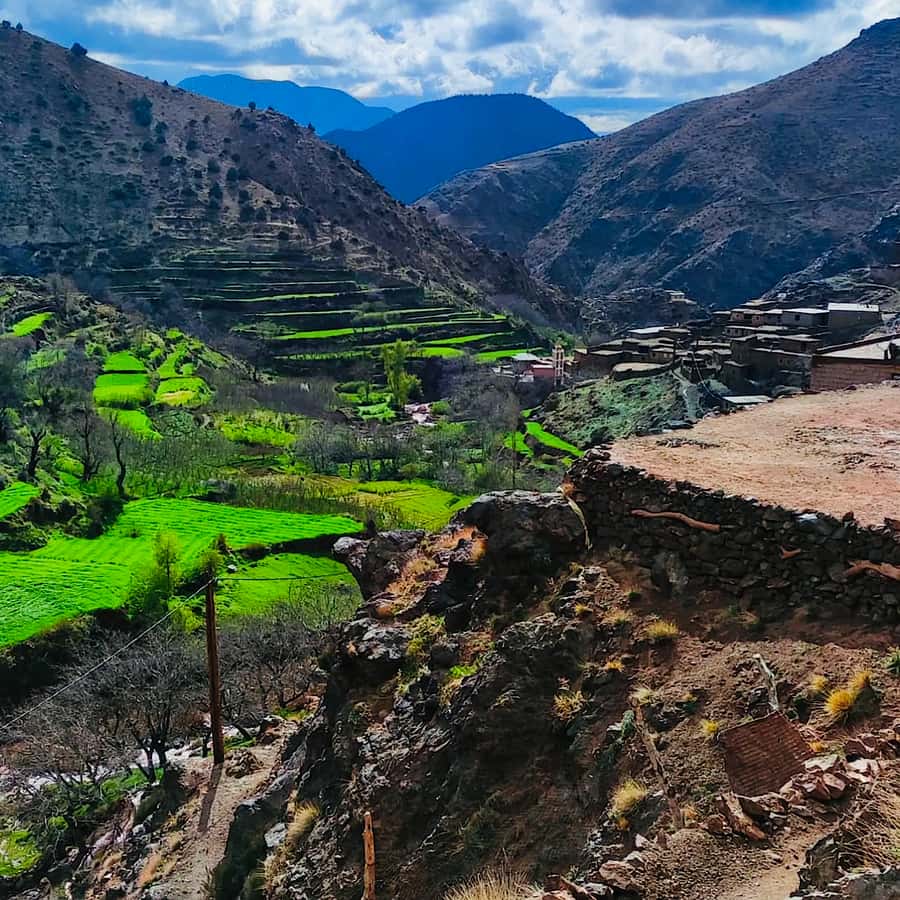
- A real shot at Tachedirt, one of the highest and most remote villages in the High Atlas
- Argan oil co-operative stop in Tahnaout, with Berber women extracting argan nuts for cooking and cosmetics
- Big mountain viewpoints with named peaks at Tizi nTamatert (2280 m) and surrounding areas
- A valley walk (1–2 hours) that’s more scenic than strenuous through walnut, corn, barley, and apple trees
- A Berber-family lunch with mint tea, served after your hike
- A guide who handles the story, with frequent mention of caring, attentive service and smart photo stops
Marrakech at 9:00 am: the drive into High Atlas valleys
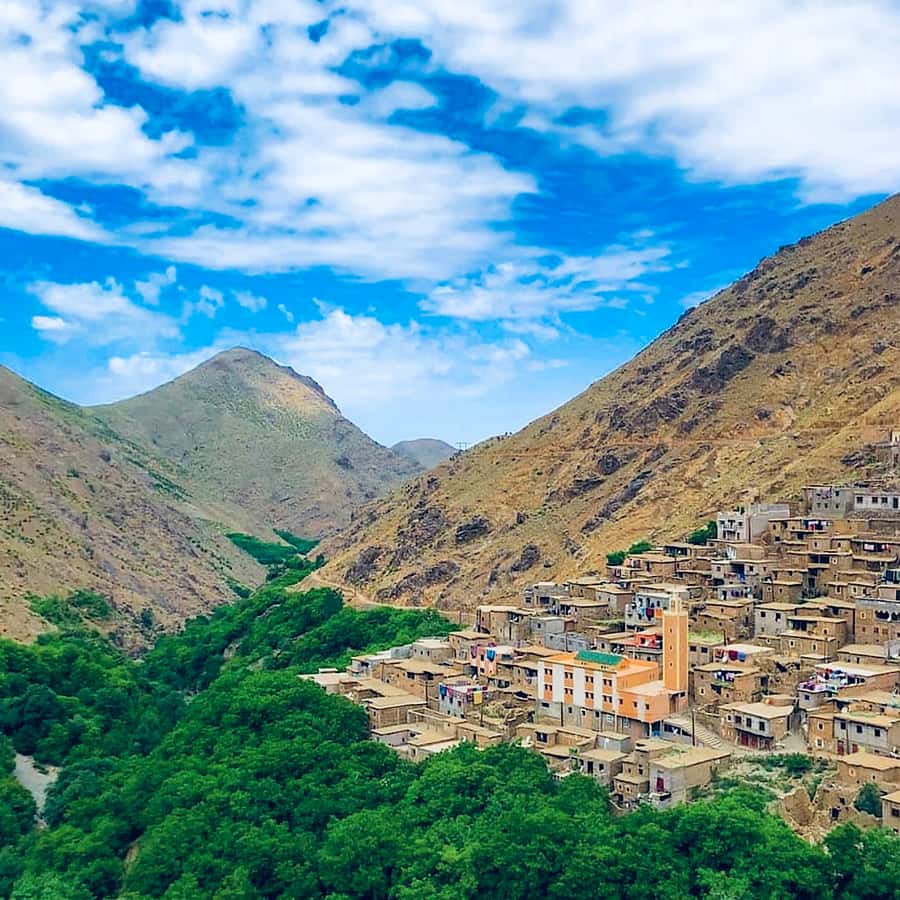
This trip starts with hotel pickup in Marrakech at 09:00, and you’re back in town around 17:00. That timing matters. It gives you the Atlas experience without forcing a multi-day trek or complicated planning.
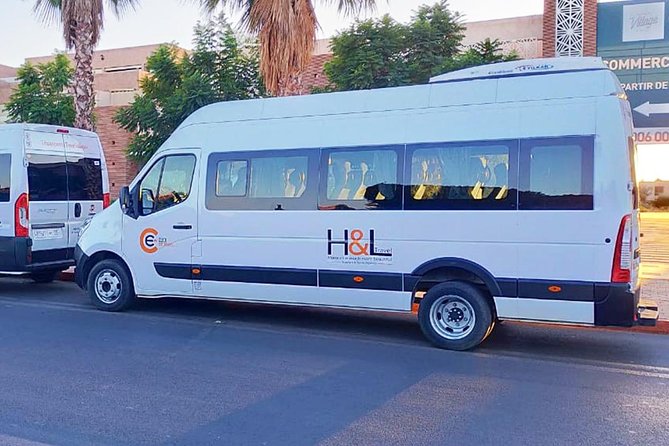
You’ll travel by air-conditioned minivan (or a 4×4 depending on the group and roads). The big payoff is that the day is paced like a journey, not a sprint. You’ll get briefing time before you head into the foothills, then watch the scenery shift as you climb toward the High Atlas.
You also get early structure: the first meaningful stops are there for orientation and photos, not random interruptions. Tahnaout is one of the first places you’ll stop just to get your bearings. From there the route threads past villages you can see clinging to slopes, and you’ll start picking out the terraced patterns that make the area feel so lived-in.
One practical heads-up: while the vehicle is listed as air-conditioned, comfort can vary by day and by how full the car gets. Pack patience for a bumpy ride on mountain roads, and you’ll do fine.
You can also read our reviews of more tours and experiences in Marrakesh Safi.
Tahnaout and the argan oil co-operative: the best kind of cultural stop
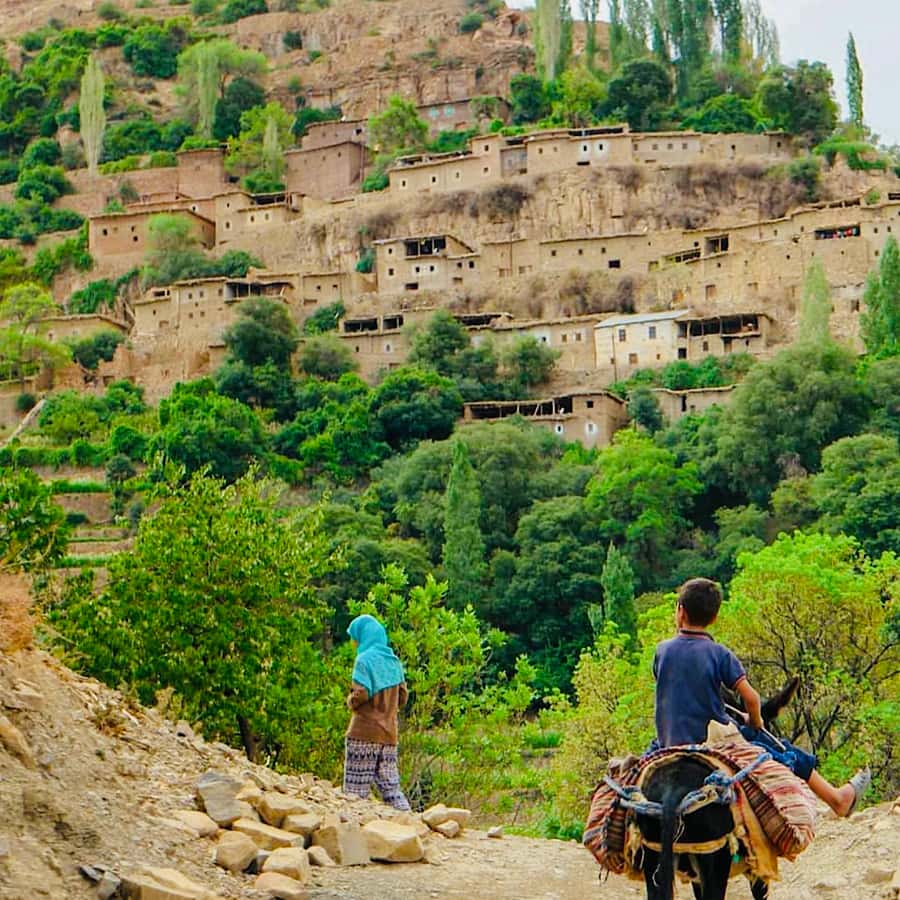
Tahnaout isn’t just a “stretch break.” It’s where the trip turns from scenery to people. You’ll stop with a photo opportunity, then visit a local argan oil co-operative.
Here’s what makes it valuable: you’re seeing how Berber women extract argan oil from nuts, used for cooking and cosmetics. Even if you’ve heard about argan oil before, this kind of co-operative visit puts it in context. It’s not a product shop pitch. It’s tied to daily work and community livelihoods.
And if you’re wondering whether this is touristy, you can judge it by how the day is framed. This stop comes with time and explanation as part of the drive deeper into the mountains. It also sets you up for the rest of the day, because the same mountain logic appears again in the villages you’ll visit: terraces, trees, water sources, and keeping the land productive.
Some groups also report enjoying an energy breakfast as part of the morning. Either way, make sure you’re ready to eat early if the schedule feels packed. In mountain valleys, hunger hits faster than you think.
Tizi nTamatert viewpoint (2280 m) and the named peaks you’ll notice all day
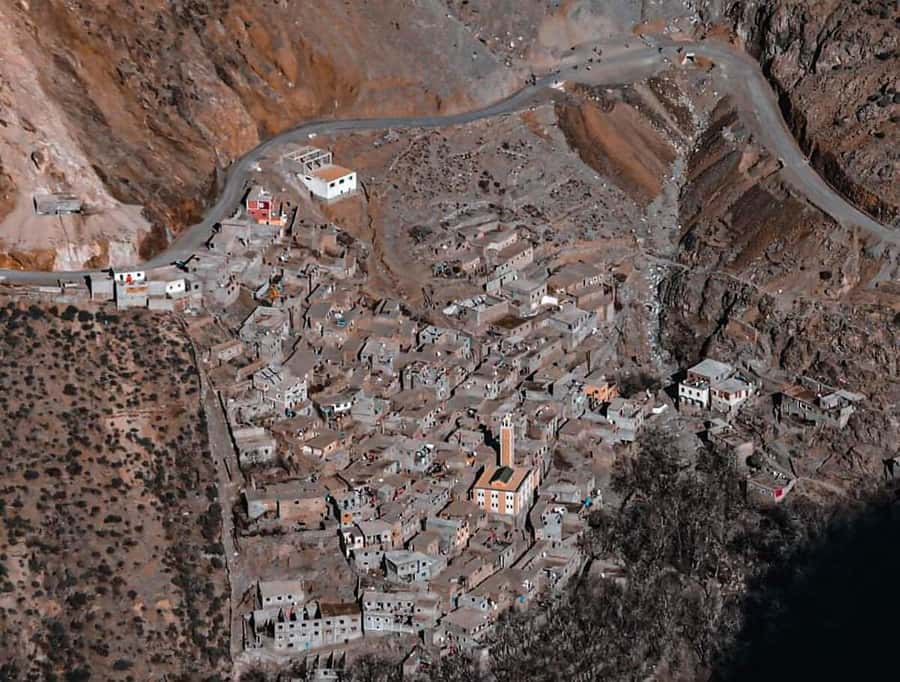
After Tahnaout and the argan visit, you’ll pass through the historic village of Igodar. Then you’ll reach a major viewpoint stop at Tizi nTamatert (2280 m).
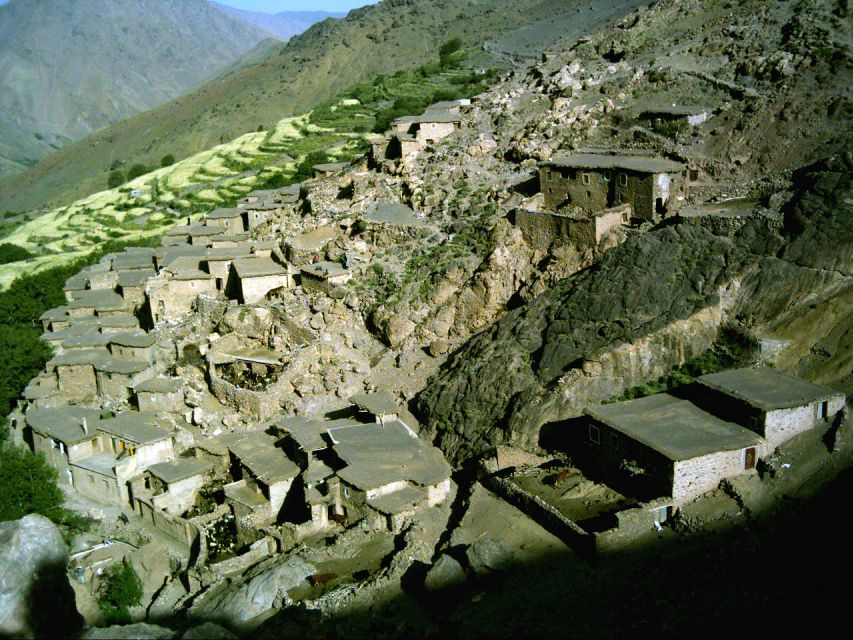
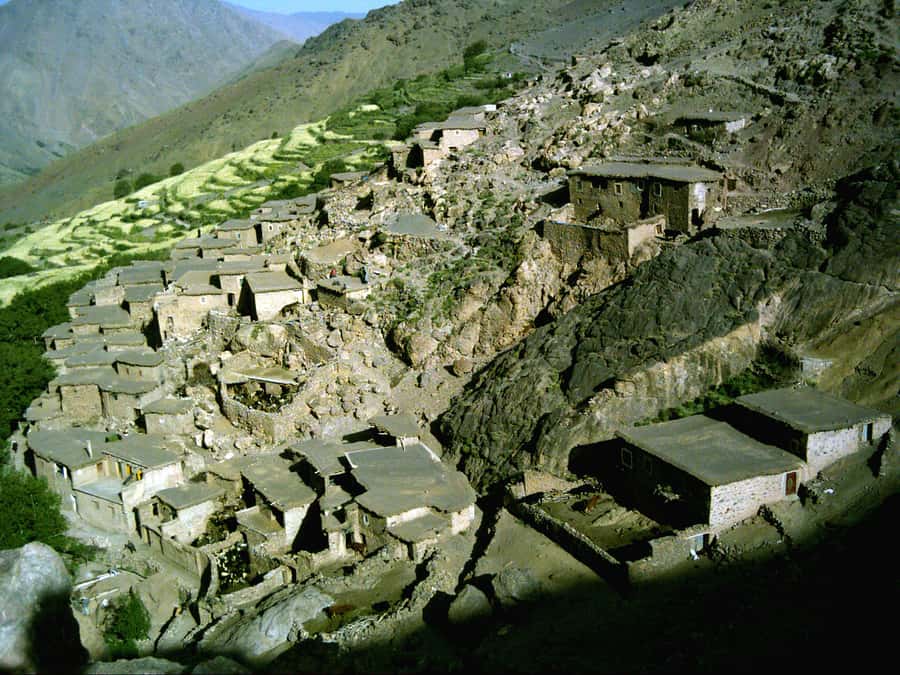
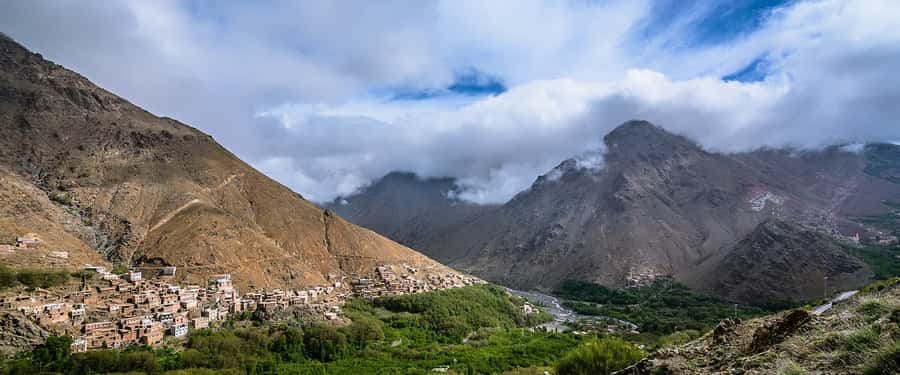
This is the moment when the High Atlas really snaps into focus. You’ll admire the Imlil and Imnane valleys and see terraces hugging the hillsides. These aren’t abstract photos; from here you can read how the villages manage slopes and limited space.
The guide’s job on this part is huge. You’ll hear the mountain names as you look at them, and you’ll be able to place what you’re seeing. The area includes Adrar n’Oukaimeden (3268 m) on the southern horizon, plus peaks like Tizi n’Eddi (2928 m) and Jbel Angour (3616 m).
Why this matters for you: when you know even a few reference points, the day stops feeling random. You start connecting stops to geography. You’ll also get better photos, because you’re not just aiming at “mountains”—you’re aiming at valleys, ridges, and village clusters.
If you bruise easily from sun, bring sunglasses and sunscreen seriously. At 2000+ meters, light gets sharp fast.
Tachedirt and the 1 to 2 hour valley hike: what your legs will do
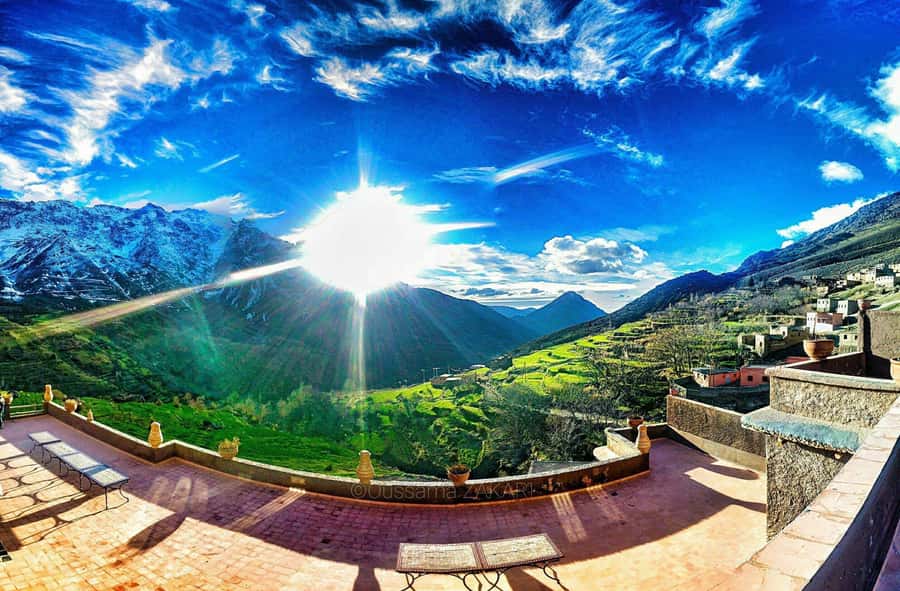
The day trip’s center is Tachedirt, described as one of the highest and most remote villages in the High Atlas. Reaching it in a single day is the whole point. In past years, this kind of access was often only possible as a longer trip due to road conditions. Now the route has improved, letting the day-trip format work in a more reliable way.
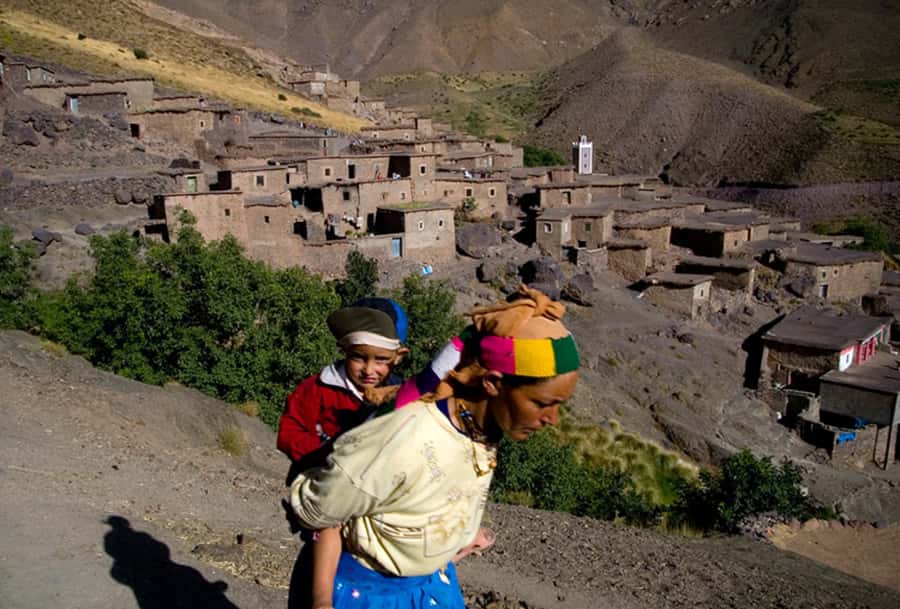
Once you arrive, you’ll start a hike down the valley for about 1 to 2 hours. The terrain is part of the attraction: you’ll move through walnut groves, fields of corn and barley, and you’re likely to encounter sheep and goatherders, along with women and children carrying loads of faggots and dried herbs.
This isn’t a high-adrenaline summit slog. It’s a valley walk with chances to look up at the village structures and out across terraced slopes. You’ll also get panoramic perspectives as you climb slightly through the area, then later pass through the village of Ouanskra.
The route described in the plan includes a descent among walnut and apple trees, and a finish near a small spring set among the trees. It’s a neat touch because it changes the feeling of the hike. You stop thinking only about distance and start noticing water and vegetation—both are life here.
What to watch: sturdy footwear is a must. The included guidance emphasizes comfortable shoes and hiking shoes, plus rain gear. Even if you don’t expect rain, bring something light for surprise mountain weather. And if you’re not used to walking on uneven ground, take your time on the first stretch. The guide will set the pace for your group.
Lunch in a Berber family setting: tagine, couscous, and mint tea with a view
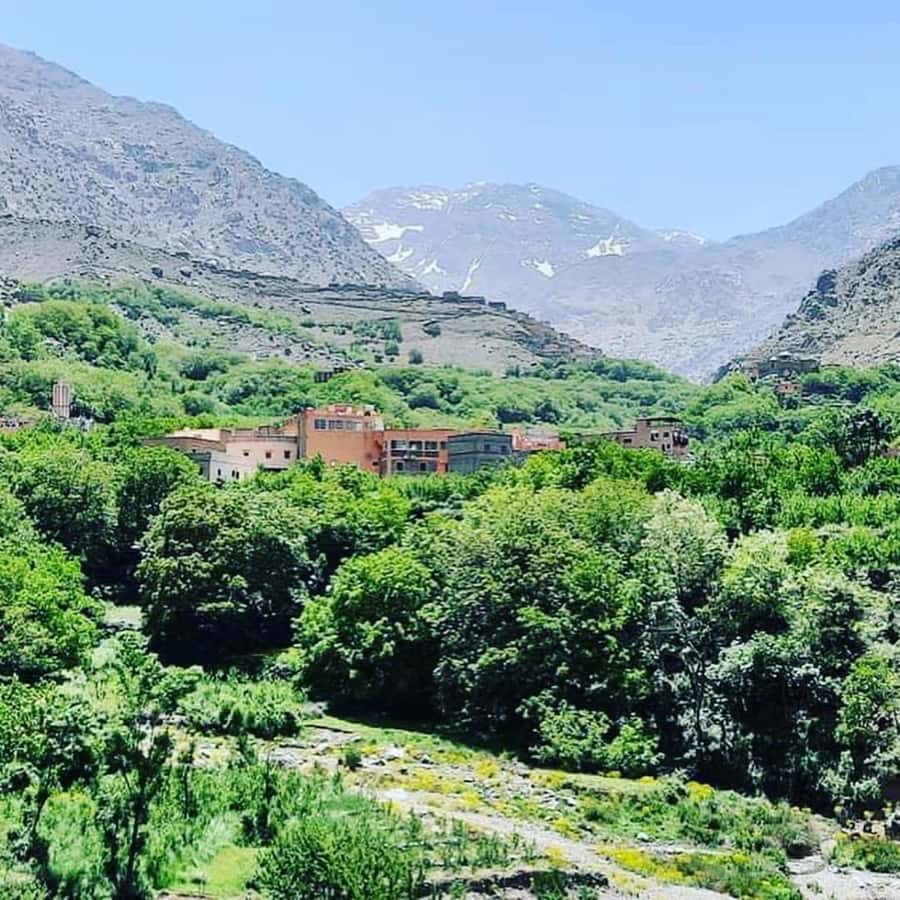
After the hike, you’ll meet the driver again and continue along the next valley for lunch. Lunch is described as being in a local Berber family house setting.
What’s included is a full mountain meal:
- salad or soup
- Berber tagine
- couscous
- dessert
- drinks
- mint tea
In the day’s planning, this lunch is positioned as a genuine pause. You’re not rushed through food between scenic stops. The setting is meant to give you that “we’re in the mountains now” feeling.
Some guide-lunch details from the field: people have reported really good tajin experiences, including both vegetarian and chicken versions depending on the day and kitchen. So if you have food preferences, it’s smart to tell your guide what you eat (and what you don’t) as early as possible. That way, the lunch won’t become a surprise problem.
One more point: if you’re the type who eats fast when traveling, slow down. This is the part of the day that feels like it belongs to the people who live there, not to the visitors who stop by.
Guides and drivers: why safety and context matter in small-group travel
The reviews attached to this experience strongly point to two things: guides who explain what you’re looking at and drivers who handle the roads carefully.
Guide names you may be assigned include Rachid, Youssef, Said, Hassan, Abdul Ghafour, and Rashid. The consistent theme is simple: they’re attentive, answer questions, and make frequent stops for photos without turning the day into chaos.
One practical benefit of a good guide is that it changes your experience of village visits. You’re not just walking into a place. You’re learning how local life works—how people earn money, how agriculture fits the terrain, and how culture shows up in daily routines like tea, food, and shared spaces. That kind of context makes your photos better, too.
Drivers get praise as well, including Brahim, Ibrahim, and Ebrahim. On mountain routes, road condition can vary. A careful driver reduces stress, and that matters because the day is packed. You don’t want your energy spent on white-knuckle moments. You want it spent on the views and the hike.
There’s also a good human note: one guide-level experience described an invited mint tea moment with locals after lunch. If that happens on your day, accept it like a guest, not a customer.
Price and logistics: what $53 really buys (and what you’ll still need)
At $53 per person, the value is strong for what’s included. You’re paying for more than transportation.
The included essentials are:
- air-conditioned transport (minivan; 4×4 may be used)
- typical lunch in a Berber-family setting
- professional mountain trekking guide
- drinks like bottled water, tea, or coffee
Not included: soft drinks like Coke and orange juice.
So your real decision is about time and effort. This is a one-day format with a short-to-moderate valley hike. If you want a deep, multi-day trek, this won’t replace that. But if your goal is Atlas Mountains access plus village life plus a proper meal, it’s a smart match.
Two logistics considerations that can affect your comfort:
- Vehicle comfort can vary. Some people reported the AC not being great.
- A return ride may include lots of flies. That’s not a reason to skip the tour, but it is a reason to bring practical back-up items like a small pack of wipes or anything that helps you feel fresh afterward.
Who should book this High Atlas day trip—and who should skip it
This tour is best for people who want an Atlas day without a long trek. It’s ideal if you:
- have limited time in Marrakech
- like small-group travel and guided explanations
- can handle walking on uneven paths for 1 to 2 hours
- enjoy simple but hearty Moroccan food, especially tagine and couscous
It’s listed as not suitable for:
- pregnant women
- people with mobility impairments
- wheelchair users
- people over 297 lbs / 135 kg
If you fall into those categories, don’t force it. Choose a different style of excursion that matches your needs.
Also consider the day’s physical rhythm. You’ll be picked up early-ish, drive through multiple stops, hike in the valley, eat lunch, then drive back. If you hate packed schedules, this still might feel full, just in a good way.
Small practical tips for your Atlas Mountains day
Do the simple prep and your day goes smoother.
Wear and pack like it’s real mountain walking:
- comfortable shoes and hiking shoes
- sunglasses
- sunscreen
- rain gear
- comfortable clothes
- a camera
The plan strongly suggests that you’re walking outdoors, and mountain weather can flip. Rain gear doesn’t mean you’ll get rained on. It means you won’t be caught off guard.
For comfort on the return: some reports mention flies in the minivan on the way back. Pack something small that helps you handle that moment calmly, like wipes or a light cover for your face if you’re bothered by insects.
Bring a little flexibility with food. Lunch is fixed in style: salad/soup, tagine, couscous, dessert, drinks, mint tea. If you have dietary restrictions beyond that, mention them early to your guide so they can advise what’s possible.
Use the guide’s names and ask questions. Guides like Rachid, Youssef, Said, Hassan, and Abdul Ghafour are repeatedly praised for explanation and care. If you want your day to feel meaningful, ask about the terraced villages, how people manage crops, and what life looks like in Tachedirt.
Should you book this Marrakech to Tachedirt day trip?
Book it if you want one day in the High Atlas that mixes village life, a valley walk, and a real Berber-family lunch—all without needing a multi-day trek. The best part is how the day is built: viewpoints, then a hike, then food, then a return that still feels complete.
Skip it if you need step-free access, can’t do uneven walking for 1–2 hours, or you’re looking for an all-out hiking expedition with hours of sustained climbs. This is about connection and access, not summit achievement.
If your days in Marrakech are short, this one gives you a lot of meaning per hour.
FAQ
What time does the day trip start and end?
Pickup is at 09:00 from your Marrakech hotel, and you return to Marrakech around 17:00.
What do I do during the visit to Tachedirt?
You’ll arrive at Tachedirt and take a 1 to 2 hour hike down the valley, with stops and scenery through walnut, corn, barley, and other trees, ending near a spring. You then return to the driver for lunch.
What is included in lunch?
Lunch is described as a typical meal in a local Berber family house, including salad or soup, Berber tagine, couscous, dessert, drinks, and mint tea.
How do I get there and back?
You’ll be transported from Marrakech by an air-conditioned minivan (or 4×4 depending on the route and vehicle used), with hotel pickup and drop-off in Marrakech.
What languages are offered on the tour?
Languages listed are Arabic, English, and French.
Is this tour suitable for mobility limitations or pregnancy?
No. It’s listed as not suitable for pregnant women, people with mobility impairments, and wheelchair users. It also lists a weight limit of 297 lbs / 135 kg.