REVIEW · MARRAKECH
Day trip – Atlas Mountains Ourika Valley Waterfall From Marrakech
Book on Viator →Operated by Marrakech City Life · Bookable on Viator
Atlas waterfalls start with a short drive. This day trip from Marrakech to the Ourika Valley mixes a guided hike to the Setti Fatma cascades with a hands-on visit to a women’s argan oil cooperative. I especially like the combo of outdoor time and culture, and you’ll also get plenty of mountain-view photo stops along the way.
The main thing to keep in mind is that the hike and how far you reach can vary by conditions and timing, so don’t assume you’ll automatically see every single cascade in one go.
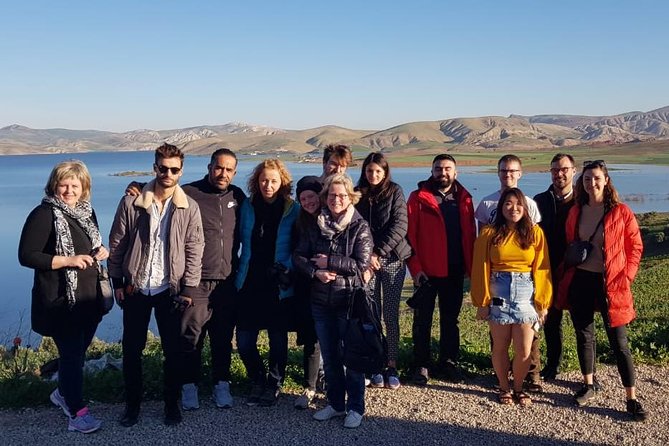
You’ll leave early, ride in an air-conditioned vehicle, and spend a good chunk of the day outdoors with a local guide who explains the ecology and Berber way of life as you go.
In This Review
- Key highlights to look for
- From Marrakech to Ourika Valley: the drive that sets the tone
- Setti Fatma and the 7 cascades: what the hike really means
- Natural pools, cooling off, and smart photo habits
- Women’s argan oil cooperative: the stop that earns its time
- Berber house visit: a window into daily life
- Timing, lunches, and the real cost-value question
- Who should book this Ourika Valley day trip?
- Should you book it or pass?
- FAQ
- What time does the day trip start?
- Where does the tour meet, and where does it end?
- How long is the tour?
- What is the price per person?
- What’s included in the tour price?
- What is not included?
- What do I do at Setti Fatma?
- What happens at the argan oil cooperative?
- Is free cancellation available?
Key highlights to look for
- A well-timed outing that typically runs about 6–7 hours from Marrakech, with hotel pickup and a return to the same meeting point
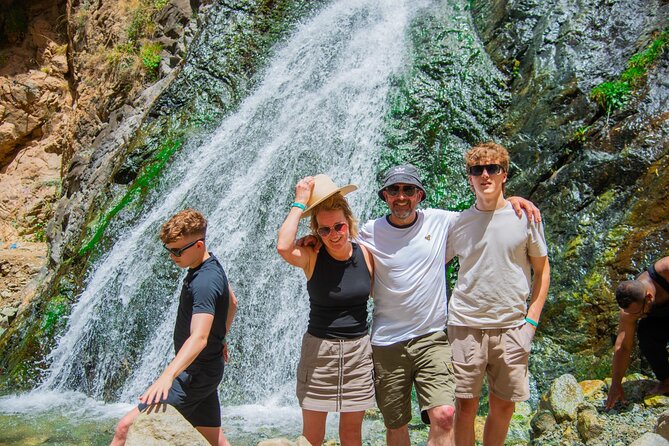
- Setti Fatma waterfall hike led by a local guide, with chances to explore natural pools
- Women-led argan oil cooperative where you learn the process and may even crack argan nuts yourself
- Berber house visit for a closer look at everyday village life, not just a photo stop
- Guides who make the day smoother, including standouts like Mohamed and Mustafa
From Marrakech to Ourika Valley: the drive that sets the tone
This trip is built for one thing: getting you out of Marrakech and into the Atlas Mountains without needing to plan transportation. You start around 8:00am, with pickup offered (and you’ll also see the main meeting point at Café de France, 72 Rue des Banques). The return brings you back to the same spot, so you don’t have to worry about late-day transit.
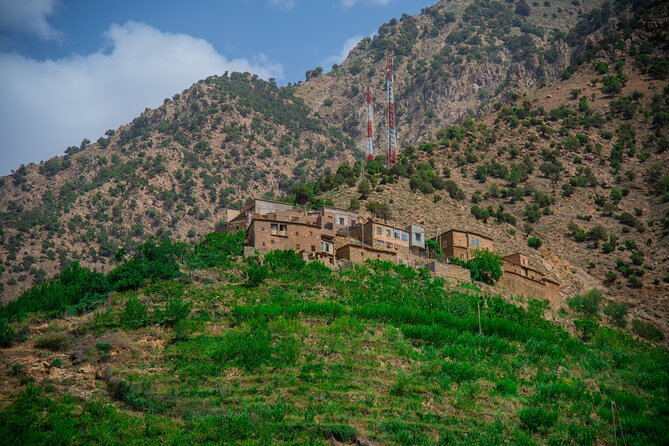
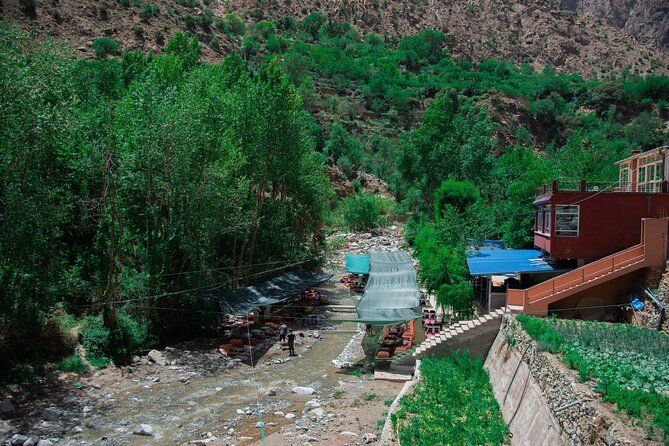
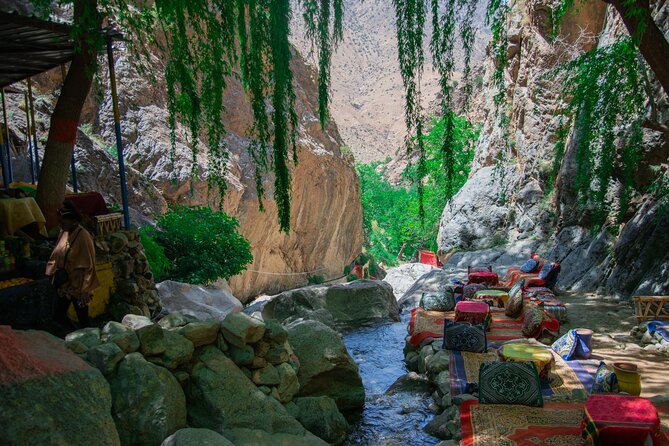
The drive is part scenic road trip, part orientation. You’ll travel through areas with olive groves and local villages, and the itinerary includes time for short scenic stops. That matters because Ourika doesn’t feel the same once you’re actually in the valley. The air cools down a bit, the terrain gets rougher, and the sound shifts from city noise to running water and birds.
One practical tip: if you’re the type who likes a good first photo, aim to have your camera/phone ready early. The most interesting viewpoints tend to appear during those quick roadside breaks, not after you’ve already put gear away.
A few more Marrakech tours and experiences worth a look
Setti Fatma and the 7 cascades: what the hike really means
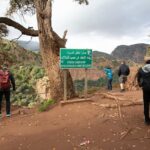
The heart of the day is the hike to Setti Fatma and the 7 waterfalls. You’ll arrive at the village, then set out on a moderate trek with a local guide. The guide’s job isn’t just to point the way. They share context on local ecology and Berber culture as you walk, which turns the hike from a simple uphill grind into something you can actually understand.
How hard is it? Expect uneven footing and some steeper stretches. Even when it’s described as moderate, it’s still a mountain trail. This is exactly why solid footwear matters. Comfortable clothes and shoes that handle a steep climb will make the hike feel like exercise instead of punishment.
Now, about the promise of seven waterfalls: the itinerary is clearly structured around the “7 cascades” idea, but timing and route choices can affect what you manage to see on the day. If you’re hoping for a guaranteed, full “checklist” of all seven spots no matter what, keep expectations flexible. The better mindset is to enjoy the waterfall area experience as it unfolds: the guide controls the pace, and you’ll still get time to enjoy the natural pools.
Natural pools, cooling off, and smart photo habits
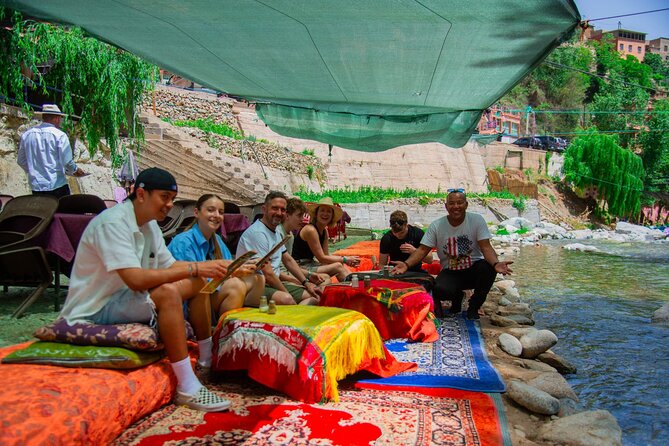
Once you reach the waterfall area, you’re not just walking past water. You get time to explore and relax around the falls. The itinerary specifically includes a window where you can enjoy a refreshing dip in the natural pools. If you want to swim, bring what you need for getting wet comfortably (and plan for quick drying afterward).
For photos, I’d focus on two things:
- The power of the water: angles change fast in a valley like this, and small shifts in position make a big difference.
- The people-and-water story: the setting feels most real when you include the walkways, rock edges, and the way locals move through the area.
Also, remember that you’re on a working mountain trail, not a theme park. A little patience goes a long way—especially if you run into groups pausing for photos or someone taking extra time to descend safely.
Women’s argan oil cooperative: the stop that earns its time
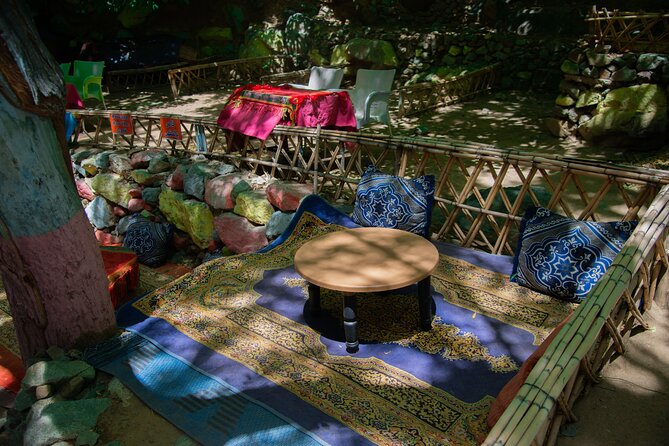
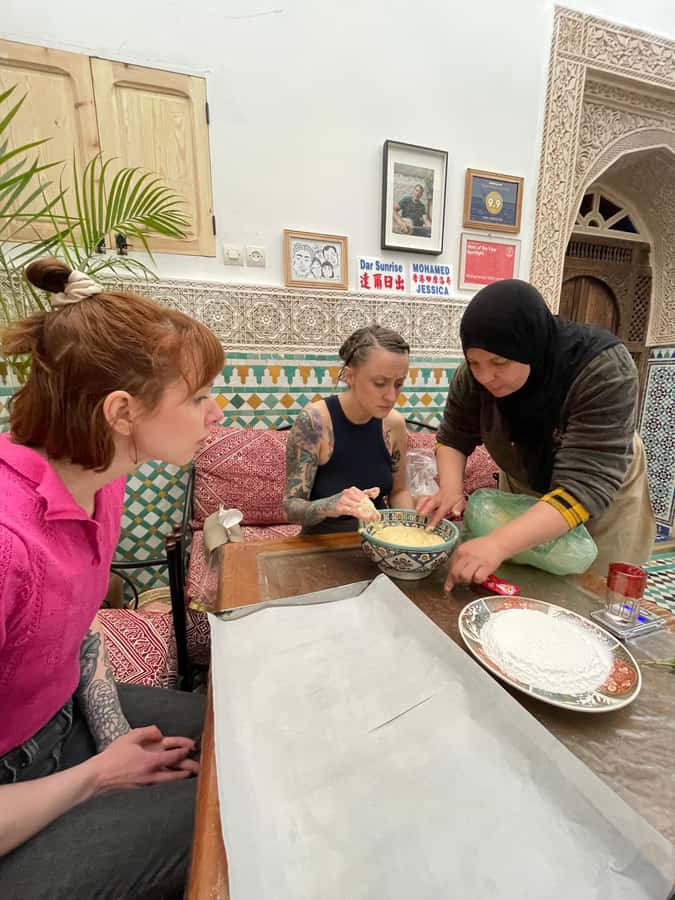
After lunch, the trip heads to a women’s argan oil cooperative, a highlight for a reason: this is where the day turns from scenery into a real local economy story. You’ll learn about the argan oil production process firsthand, including how nuts are handled. There’s also often an interactive element, like trying techniques such as cracking argan nuts.
This matters for value. Morocco’s argan oil is famous, but seeing how it’s made (and learning why it supports local livelihoods) makes the product feel more meaningful than a souvenir shelf. It’s also a visit designed around women’s economic empowerment, so it’s not just a “shop-and-go” stop.
What should you do while you’re there?
- Watch the steps once before you jump into questions.
- Ask what makes their process different (you’ll get more useful answers if you start with how production works).
- If you buy something, buy with intention. Arg an products can vary, so you’re doing yourself a favor by understanding what you’re purchasing.
The stop isn’t only about education. You’ll also have time to purchase argan oil products that support the cooperative and local work.
Berber house visit: a window into daily life
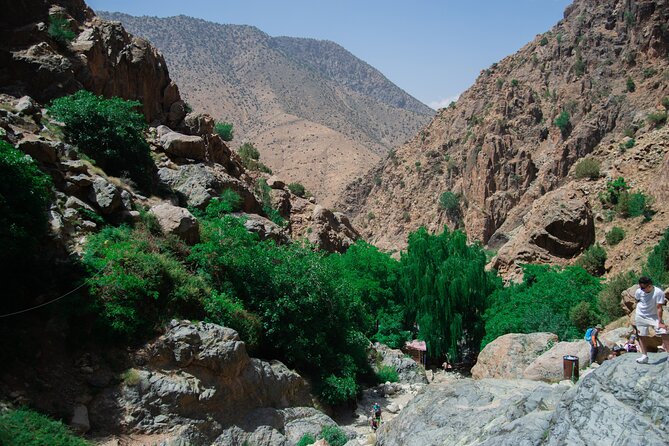
The day also includes a visit to a Berber house. In practice, this kind of stop can range from quick and formal to genuinely informative. The key is that you’re not just touring a building—you’re getting a glimpse at how people structure their living spaces and routines in the mountains.
Even without “big attractions,” these visits can be worthwhile because they connect the dots between what you see on the road and what you experience when you’re in the valley. The mountain scenery makes sense when you understand where people live and how they adapt to the terrain.
A good way to get more from this moment is to be curious and unhurried. Ask simple questions about daily life, and if the guide offers context, lean in. This stop works best when you treat it like conversation, not a checklist.
Timing, lunches, and the real cost-value question
Let’s talk about money. At $19.70 per person, this is priced as a budget-friendly day out. That’s a strong value when you factor in:
- air-conditioned transport,
- hotel pickup and drop-off,
- a local guide for the hike,
- and included visits (Berber house and women’s argan cooperative).
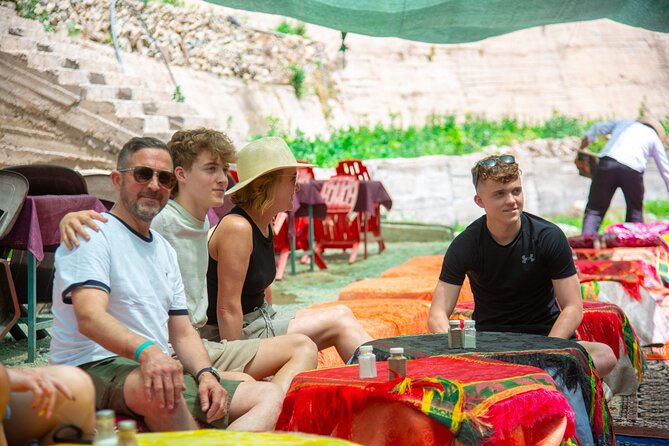
The main thing not included is lunch and personal expenses. That’s where you’ll feel the cost flexibility. Some people keep it simple with a basic meal, while others spend a bit more to eat somewhere with a good river or valley view. Plan to spend at least a little on food so the day doesn’t feel financially “surprising” later.
Time-wise, you’re looking at about 6–7 hours. That’s long enough to feel like an outing, but short enough to work even if you have a packed Marrakech schedule. It also means the hike can feel like the day’s anchor. If you’re not comfortable with walking on uneven trails for a few hours, this trip might feel rushed. If you enjoy moving at a steady pace and seeing water plus village life, it’s a great fit.
Who should book this Ourika Valley day trip?
This works best for you if:
- you want one organized day in the Atlas Mountains without complicated planning,
- you like guided walking with a local perspective (not just getting dropped somewhere),
- you care about community visits, especially the women’s argan oil cooperative,
- and you’re happy to go with the flow on exactly how the waterfall route plays out.
It’s a weaker choice if your priority is a strictly timed, never-changing hike that guarantees every single waterfall view in perfect conditions. Mountain trails aren’t factory lines, and water levels and access can affect what’s possible.
One more note on the guides: the day can really hinge on who’s leading you. On trips like this, I like to look for calm, helpful leadership because the trail has uneven spots. Guides such as Mohamed and Mustafa are the kind who keep things moving while also being genuinely useful on the walk.
Should you book it or pass?
I’d book it if you want a straightforward Atlas day with real local stops at a price that doesn’t require a second mortgage. The combination of the Setti Fatma hike plus the women’s argan cooperative is a smart use of time, and the guide support can make a big difference on the steeper parts.
I’d hesitate only if you’re expecting a guaranteed, full waterfall-by-waterfall experience with no variability, or if hiking on rough ground is not your thing. For everyone else, this is one of those Marrakech day trips that actually feels like it goes somewhere meaningful.
FAQ
What time does the day trip start?
The activity starts at 8:00am.
Where does the tour meet, and where does it end?
It starts at Café de France, 72 Rue des Banques, Marrakech 40000, Morocco, and it ends back at the same meeting point.
How long is the tour?
The duration is about 6 to 7 hours.
What is the price per person?
The price is $19.70 per person.
What’s included in the tour price?
Included are an air-conditioned vehicle, hotel pickup and drop-off, a driver, a local guide, scenic drive time, a guided hike, and visits including a Berber house and a women’s argan oil cooperative.
What is not included?
Lunch and personal expenses are not included.
What do I do at Setti Fatma?
You hike to the waterfall area of Setti Fatma (linked to the seven cascades) with a local guide, then you have time to explore and enjoy natural pools.
What happens at the argan oil cooperative?
You visit a women’s argan oil cooperative, learn about the production process, and you may have the chance to try techniques like cracking argan nuts. You can also purchase argan oil products.
Is free cancellation available?
Yes, you can cancel for a full refund up to 24 hours before the experience’s start time.