REVIEW · AGADIR
Cooking the Moroccan Way, Tamraght
Book on Viator →Operated by Fatimazahra · Bookable on Viator
Tagine starts with a market stroll. Cooking the Moroccan Way in Tamraght (near Agadir) turns a short visit into a practical skill you can use at home, not just a meal you forget. I like the rooftop kitchen setup and the ingredient shopping part, and I also respect how Fatima’s hands-on help works for both complete beginners and confident cooks.
One watch-out: it’s about 3 hours, so you’ll be learning at a steady pace rather than settling in for a super slow food day.
In This Review
- Key things that make this class worth your time
- Moroccan cooking you can actually recreate at home
- Where the class starts in Tamraght (and what that means for your timing)
- The rooftop kitchen: a real cooking space, not a photo set
- Step 1: the local market run (why it’s not just shopping)
- Step 2: cooking the Moroccan way with real guidance
- The tagine focus: lemon chicken as a lesson in balance
- Time and pacing: how to get the most from a 3-hour format
- Price ($50.02) and what you’re really paying for
- Who should book this Moroccan cooking class in Tamraght
- Quick practical tips before you go
- FAQ
- FAQ
- Where does Cooking the Moroccan Way start and where does it end?
- How long is the cooking class?
- How much does the class cost?
- How many people are in the group?
- What will I do during the 3-hour experience?
- Do I get a mobile ticket?
- Will I get confirmation when I book?
- Is free cancellation available?
- Is it suitable for everyone, including people traveling with service animals?
- What happens if the minimum number of travelers isn’t met?
- Should you book this Moroccan cooking experience?
Key things that make this class worth your time
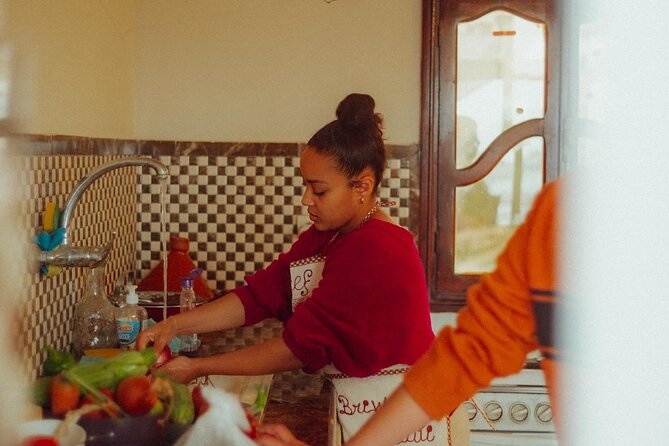
- A market stop that feeds the whole lesson: you’ll go ingredient shopping before you cook, so you understand what’s going into the tagines and North African-style dishes.
- Rooftop kitchen cooking in Tamraght: a real kitchen setting with enough room to prepare, cook, taste, and ask questions.
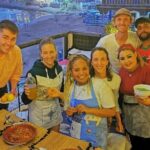
- Fatima’s teaching style: from first-timers to experienced cooks, the vibe is welcoming and the help feels personal.
- Beginner-friendly skills you can copy at home: recipes are presented alongside the cooking logic, so you’re not stuck following steps blindly.
- Small group size: capped at 15 travelers, which helps you get attention when you’re figuring out spices, timing, or technique.
- Lemon chicken tagine is a standout: one specific recipe gets called out as a must-try, and it fits the classic Moroccan comfort-food lane.
Moroccan cooking you can actually recreate at home
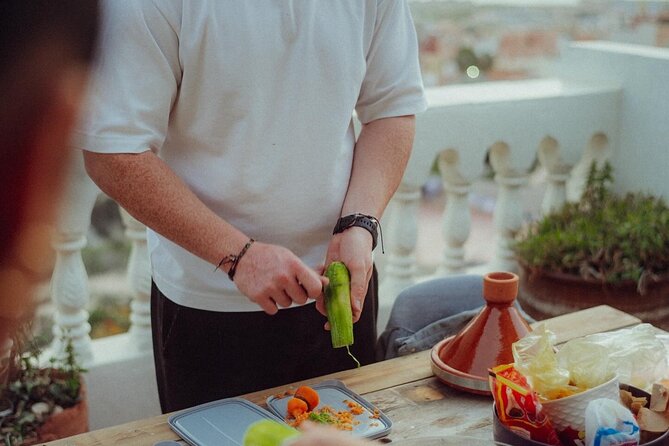
This isn’t the kind of class where you watch someone else do all the work and you leave with a vague memory of spices. The promise here is more useful: you learn recipes and the skills behind Moroccan cooking, so you can develop your own versions later.
That matters, because Moroccan food can look confusing if you only think in terms of ingredients. In reality, a lot of the magic is in technique: how you build flavor, how you balance acidity and sweetness, how long you let things cook down, and how you adjust when something feels off. A good cooking class turns those invisible decisions into repeatable habits. That’s the goal of this lesson.
I also like that the class is described as beginner- or expert-friendly. In a perfect world, that means you won’t be bored if you cook at home, and you won’t feel lost if you don’t. The 3-hour length can’t cover everything, but it’s long enough to get your hands dirty and ask real questions.
You can also read our reviews of more cooking classes in Agadir
Where the class starts in Tamraght (and what that means for your timing)
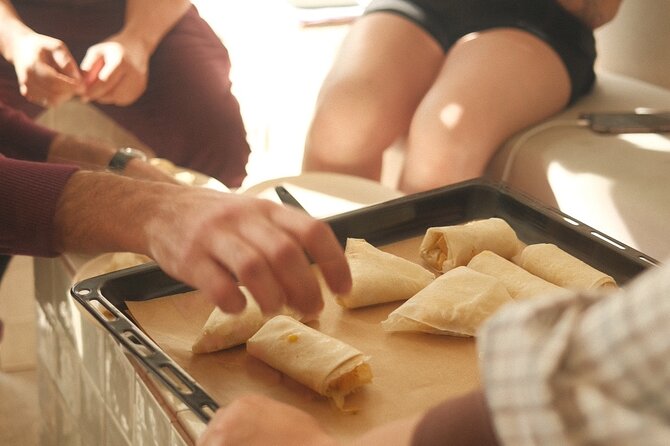
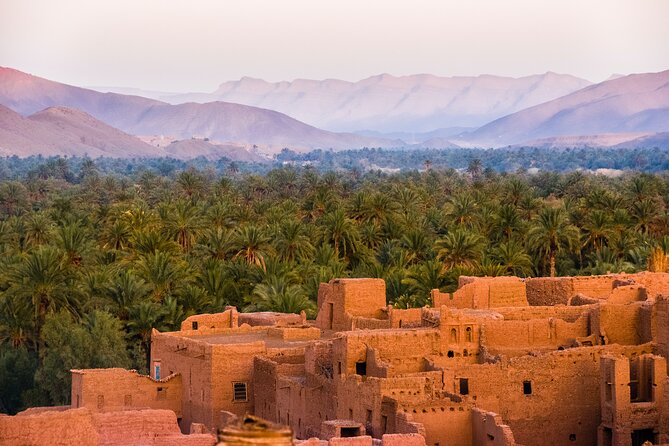
The experience begins at Nafas Guesthouse Tamraght Oufella in Tamraght, and it ends back at the meeting point. That simple back-and-forth matters in Agadir, where transfers can eat up your day.
You’re also told the activity is near public transportation, which is practical if you’re staying somewhere without easy taxi access. And since it uses a mobile ticket, you’re not stuck juggling printed papers mid-trip.
The meeting setup is a clue to the style of the day. This isn’t a huge “bus-tour to a venue” situation. It’s centered around a host’s home kitchen area, in a rooftop kitchen, where you’ll prepare ingredients, cook, taste, and keep questions coming.
The rooftop kitchen: a real cooking space, not a photo set
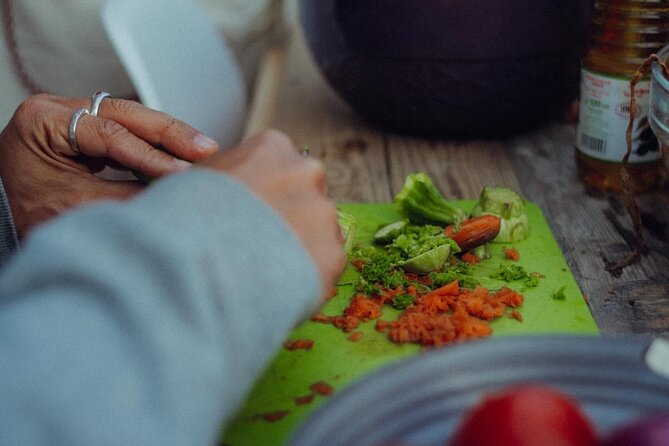
Rooftop kitchens in Morocco have a particular feel: bright, open, and close enough to where you can see what’s happening without crowding. Here, that rooftop setting becomes part of the learning. You’re not just tasting the finished dish; you’re preparing ingredients in the same place you’ll cook and serve.
A rooftop can also mean you’ll be cooking with the weather in mind. If it’s hot, you may feel the pace more than you expect. If conditions are breezy or cooler, it might be more comfortable for chopping and stirring. The good news is that the class is designed as a compact 3-hour experience, so you’re not waiting around for hours on end.
In many cooking lessons, you get one “big moment” and then you’re done. This one is structured so you have time for ingredients, cooking, tasting, and questions. That’s what turns it from entertainment into a skill-building session.
Step 1: the local market run (why it’s not just shopping)
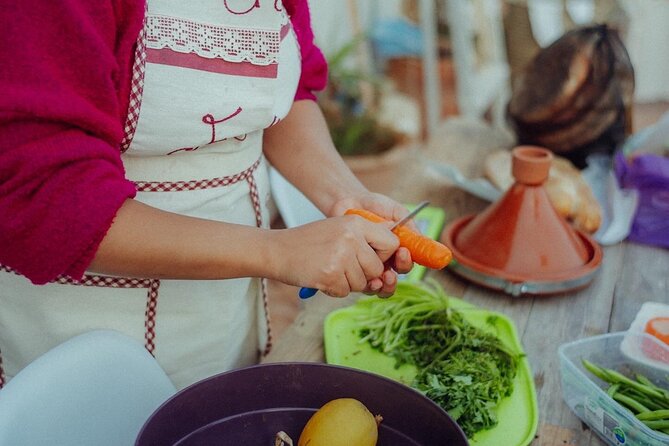
One of the best parts of this experience is the chance to buy ingredients with the host. The market stop is where your lesson starts making sense. You see what real Moroccan cooking depends on: herbs, spices, and the kind of fresh produce that changes the flavor before the first pot even heats up.
You’ll also learn how ingredient choices connect to the dishes you cook. That’s a powerful takeaway for home cooking, because the biggest problem people have after a trip is ingredient mismatch. If you understand what you’re aiming for, you can substitute intelligently later.
From the notes, people especially enjoy the market outing, including the fun of picking up herbs. That tells me the market part isn’t treated like a quick checkbox. It’s woven into the experience so you can taste the ingredients you select, then cook with intention.
Step 2: cooking the Moroccan way with real guidance
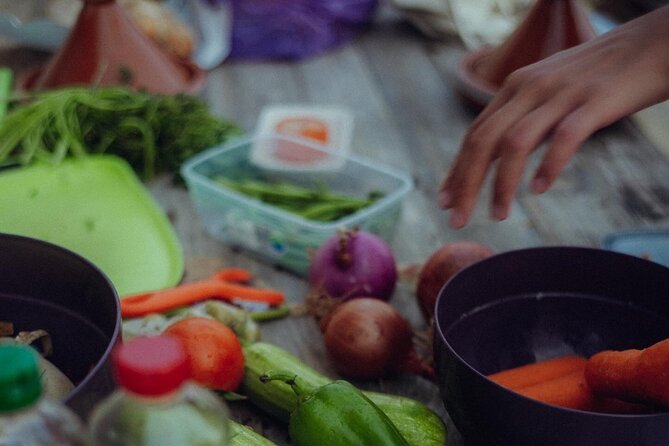
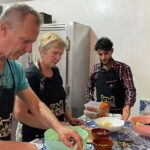
Once you’re back in the kitchen, the class focuses on hands-on cooking. You’ll spend the time preparing ingredients, cooking, tasting, and exploring different flavors. The description makes it clear the instructor wants you to leave as an ambassador for Moroccan cuisine, meaning the teaching isn’t only about what to do—it’s about why you do it.
A big reason this class earns strong marks is the teaching tone. Fatima is described as welcoming and warm, and people note that the lesson feels like you’re being guided rather than tested. That matters most for beginners, because confidence changes everything. If you feel comfortable asking questions, you actually learn.
Here’s what you should expect in a cooking class like this, based on how it’s positioned:
- You’ll work with ingredient prep, not just stovetop time.
- You’ll cook and taste during the class, so adjustments can happen on the spot.
- You’ll have time for questions and individual assistance, which is essential if you’re trying to recreate dishes later.
The class is also said to cover a range of North African styles—traditional alongside newer or accessible variations. You’re not limited to one flavor theme. That variety is useful because it helps you see Moroccan cooking as a system, not a single recipe.



The tagine focus: lemon chicken as a lesson in balance
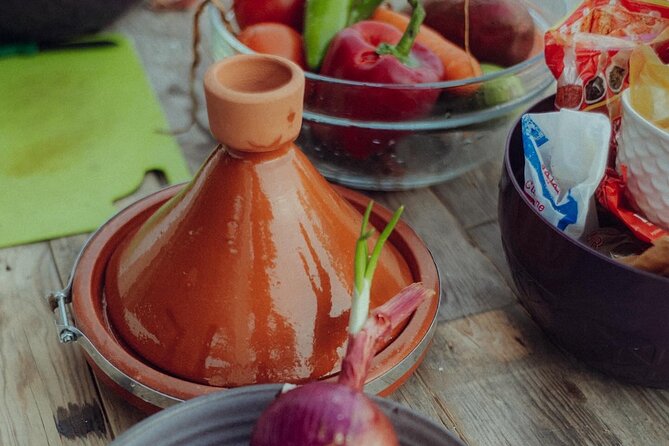
Tagines are often treated like a Moroccan icon: everyone wants them, and everyone thinks they’re complicated. A good class breaks that myth by showing the core method and the flavor logic.
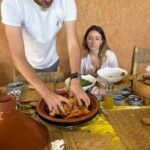
One recipe gets singled out clearly: lemon chicken tagine. If you’re the type who loves bright, tangy flavors paired with warm spices, this is the kind of dish that makes the lesson click. Lemon brings acidity and lift; spices bring depth; cooking time helps soften everything into a cohesive sauce.
Even if you don’t care specifically about lemon chicken, the key value is learning how tagine-style cooking works so you can adapt it. At home, that can mean:
- using a similar spice balance with different proteins,
- changing the citrus element (or dialing it up or down),
- and understanding when the sauce has reduced enough to cling to the ingredients.
That kind of understanding is the difference between cooking something once and cooking something well again.
Time and pacing: how to get the most from a 3-hour format
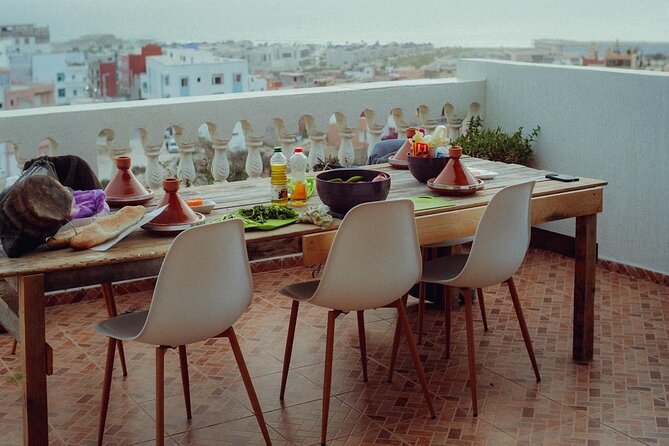
Three hours is short. That’s not a complaint—it’s a design choice. It means the class is built to deliver momentum: you move from ingredients to cooking to tasting without losing the thread.
To get the most out of it, come ready to participate. Even if you’re not a confident cook, treat this like a workshop. Ask questions early, especially about:
- spice amounts and flavor balance,
- cooking times and texture cues,
- and what adjustments to make when something tastes too strong or too flat.
Because the group size is capped at 15 travelers, you’re more likely to get direct help rather than waiting for attention at the busy moments.
Price ($50.02) and what you’re really paying for
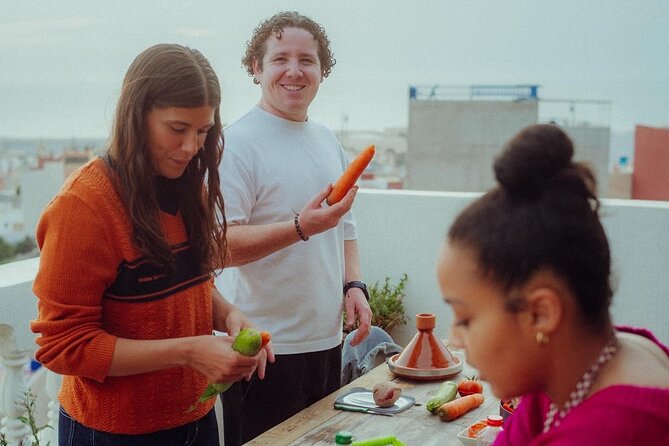
At $50.02 per person for about 3 hours, the real question is value. In many cooking classes, the price buys a location and a show. Here, the value is in instruction and hands-on time—plus the market start, which adds context.
You’re paying for:
- guided shopping and ingredient selection,
- access to a rooftop kitchen space,
- cooking, tasting, and time for questions,
- and an instructor who tailors the pace toward beginners or experts.
There are also group discounts listed, which can make this a stronger deal if you’re traveling with friends or family. One more practical note: the experience is commonly booked around 20 days in advance, so if you know your dates, booking earlier helps you lock in a spot rather than hoping for availability.
Who should book this Moroccan cooking class in Tamraght
This is a great fit if you want a Morocco experience that’s practical. You’ll leave with a dish and, more importantly, a method you can repeat.
It’s especially good for:
- couples or small groups who want something different than a typical sightseeing day,
- beginners who want a clear, supportive teacher,
- experienced cooks who want to understand Moroccan flavor logic and tagine technique,
- families, since warmth and friendliness are specifically mentioned in the feedback.
It may not fit as well if you’re looking for a long, slow meal experience or a multi-day culinary program. The session is compact by design. You’ll learn a lot, but you won’t be given hours to do everything perfectly at leisure.
Quick practical tips before you go
- Wear comfortable clothing you can cook in. Even a short class involves prep and stirring.
- Expect spice smells. If you’re sensitive, know that Moroccan cooking is aromatic and you’ll carry some of that home.
- Come hungry, but don’t overeat right before the start. You’ll want room to taste during the class.
- Ask questions early. The class is structured for questions and individual assistance, and you’ll get more value if you don’t wait.
FAQ
FAQ
Where does Cooking the Moroccan Way start and where does it end?
It starts at Nafas Guesthouse Tamraght Oufella, Tamraght 80000, Morocco, and it ends back at the same meeting point.
How long is the cooking class?
The experience lasts about 3 hours.
How much does the class cost?
The price is $50.02 per person.
How many people are in the group?
The activity has a maximum of 15 travelers.
What will I do during the 3-hour experience?
You’ll prepare ingredients, cook, taste, and ask questions in a rooftop kitchen setting. You’ll also spend time focusing on Moroccan cooking and different North African styles.
Do I get a mobile ticket?
Yes. The experience includes a mobile ticket.
Will I get confirmation when I book?
Yes. Confirmation is received at time of booking.
Is free cancellation available?
Yes. You can cancel up to 24 hours in advance for a full refund.
Is it suitable for everyone, including people traveling with service animals?
Service animals are allowed, and the tour is near public transportation.
What happens if the minimum number of travelers isn’t met?
If it’s canceled because the minimum isn’t met, you’ll be offered a different date/experience or a full refund.
Should you book this Moroccan cooking experience?
Yes, if your goal is to leave with more than a memory. I’d book it if you want a friendly, small-group class with a real market start, a rooftop kitchen setting, and teaching focused on repeatable Moroccan cooking skills. The strong emphasis on questions and individual help, plus the standout lemon chicken tagine, makes it a smart choice for both first-timers and people who cook at home.
If you only have time for a quick snack stop and you hate structured activities, then the 3-hour pace might feel intense. But for most visitors, that compact format is exactly what makes it work: you go in as a curious traveler and come out with the ability to make Moroccan flavors again.