REVIEW · CASABLANCA
Casablanca walking tour with an academic tour guide
Book on Viator →Operated by RADMOROCCO · Bookable on Viator
Casablanca makes sense on foot. This walking tour stitches together landmark sights and everyday streets, from the intricate grandeur of Hassan II Mosque to French-era design cues and classic market life. It also uses an academic-style approach to help you read the city, not just pass through it.
I like the focus on big architecture plus real city routines, especially when the tour shifts from mosque design to market alleys. I also like the guide-led pacing and explanation, with Radouane (often called Rad) bringing clear context and adjusting to your interests when possible.
One thing to watch: Hassan II Mosque admission isn’t included, so you’ll want to budget for the ticket if you plan to enter. Also, this is walking plus short stops, so comfortable shoes matter.
In This Review
- Key highlights you’ll feel during the walk
- Why This Casablanca Walk Works: Mosque to Markets to French Design
- Getting Started: Meeting Point, Pickup, and Timing That Fits
- Stop 1: Hassan II Mosque and the Real Ticket Catch
- Stop 2: Zevaco Cupola Underground Passage and the French City Story
- Stop 3: Parc de la Ligue Arabe for a Short Reset in the Middle of the City
- Stop 4: Old Medina of Casablanca and the Portuguese Rebuild Story
- Stop 5: Place Mohammed V for a Quick Read of the City’s Center
- Stop 6: Marche Central Casablanca for Fish-Market Snacks and Lunch Vibes
- Stop 7: L’Eglise du Sacre-Coeur Outside View
- Stop 8: La Sqala Bastion Built in 1769 for a Final Historical Pause
- How Radouane (Rad) Makes the Explanations Stick
- Price and Value for $64.52: What You’re Really Paying For
- Who This Tour Fits Best (and Who Might Prefer Something Else)
- Quick Booking Thoughts: When to Grab a Spot
- Should You Book This Tour?
- FAQ
- What is the duration of the Casablanca walking tour?
- Is pickup included, and do I need private transportation?
- Which stops have tickets or admission included?
- Where does the tour start and end?
- What days and times does the tour run?
- Is this tour private?
- Is free cancellation available?
Key highlights you’ll feel during the walk
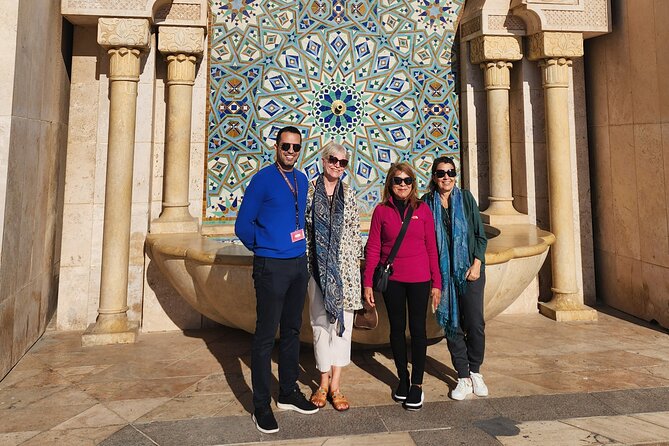
- Hassan II Mosque stop with intricate Islamic craftsmanship (admission not included)
- French Casablanca design story through Zevaco Cupola Underground Passage and central viewpoints
- Market-focused stops like Marche Central for snacks and fish-market energy
- Academic-style guidance from Radouane (Rad) that turns streets into explanations
- Tight 3 to 4 hour route with pickup offered and a private group setup
Why This Casablanca Walk Works: Mosque to Markets to French Design
Casablanca can feel like a mix of eras stacked on top of each other. This tour helps you connect the dots fast by moving through key zones that show different layers of the city. You start with one of the most impressive statements of Moroccan religious architecture, then shift to the French-era urban plan story, and finish with places where people actually buy food and eat.
The route is also smart for first-time planning. In just a few hours, you get both the big visual moments and the smaller street-level details that make the city feel lived-in. And because it’s a private tour, you’re not stuck with a one-size-fits-all approach.
The “academic tour guide” angle matters. It’s not only about where you stand for photos. You’ll get explanations that help you understand why these places look the way they do and how Casablanca’s identity took shape over time.
You can also read our reviews of more walking tours in Casablanca

Getting Started: Meeting Point, Pickup, and Timing That Fits
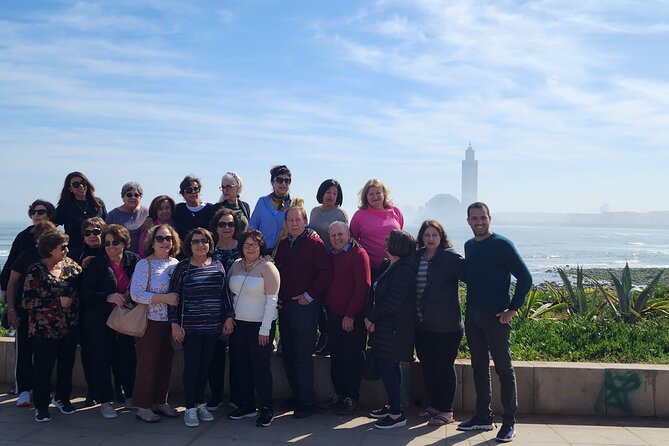
You meet at United Nations Square in Casablanca (Boulevard Rachidi area). The tour start and end point are the same, which is handy when you’re orienting yourself in a new city.
Pickup is offered, but the tour doesn’t include private transportation. So think of this as a walking route with short transfers on foot and quick taxi options if needed at the end. The operator can help arrange taxis to drop you at your hotel if you want that.
Timing is also straightforward: it runs about 3 to 4 hours. And it operates Monday through Thursday, with the set time window shown as 10:00 AM to 1:00 PM (depending on the date range). The tour is planned around good weather, so if conditions are rough, you may be offered a different date or a refund.
One more practical point: tickets and entry costs are mixed across stops. That’s why it’s smart to plan your budget before you go.
Stop 1: Hassan II Mosque and the Real Ticket Catch
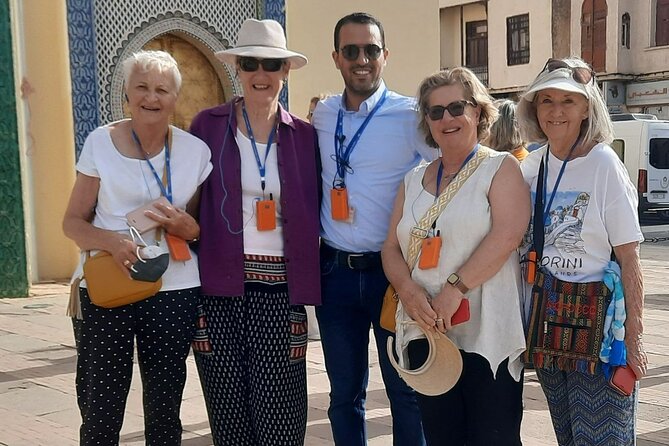
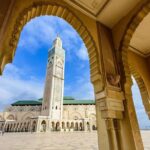
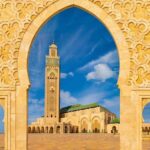
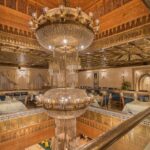
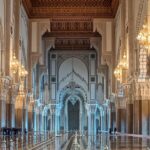
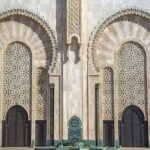
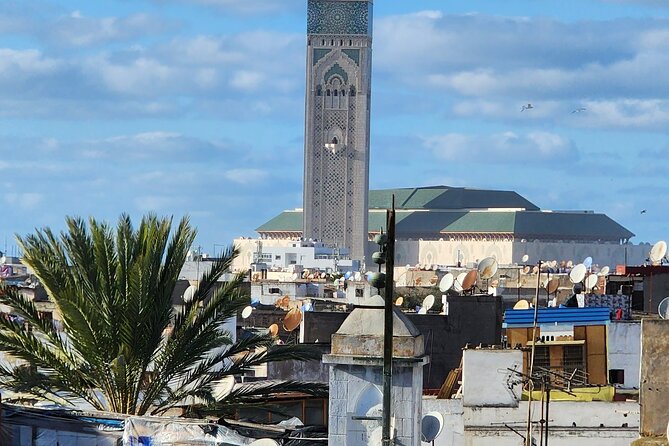
Hassan II Mosque is the headline moment. The tour schedules a 30-minute stop, focused on the architecture and craftsmanship you can actually see up close. Expect details like intricate chandeliers and a design approach that reflects some of the most recognizable Islamic geometric style in Morocco.
This is also one of the rare times a walking tour becomes more than a quick look. Even if you’re only there for a short window, the scale and detail can reset your whole idea of what Casablanca is. When the guide frames the mosque as an architectural statement, the time feels purposeful, not rushed.
The only drawback is simple: mosque admission is not included. So if you want to enter, you’ll need to handle the ticket on your side. If you’re budgeting tight, it’s worth confirming what you want from this stop—exterior viewing only can still be impressive, but entry will cost extra.
Tip: wear layers. Mosques are often cool inside, and outdoor viewing can feel intense depending on the season.
Stop 2: Zevaco Cupola Underground Passage and the French City Story
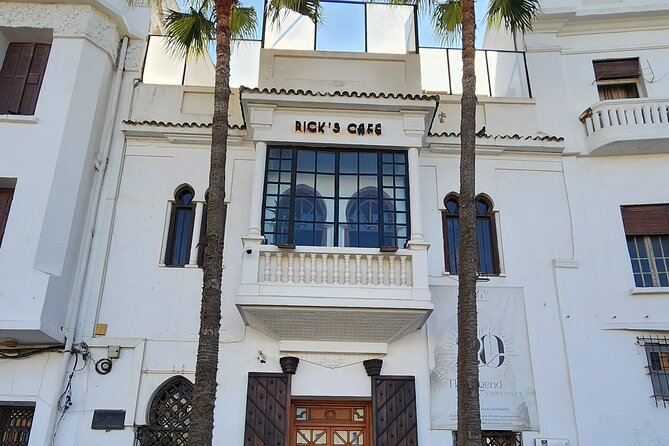
Next up is the Zevaco Cupola Underground Passage, with 45 minutes on the clock. This stop is built for people who like structure and style—not just monuments. The theme here is how Casablanca’s French-era urban plan introduced art deco, art nouveau, and other architectural styles.
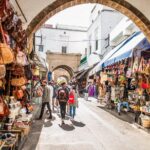
What makes this stop practical is that you’re not looking at design in a vacuum. The passage is also connected to daily life: it’s described as a central market area that was built by the French as an early exhibition space in Casablanca, and today it’s served as a place for food and fish.
So you’re getting two layers in one spot:
- the design logic of a planned French city
- the everyday market function that replaced or reworked that original intent
This is a great place to slow down and pay attention to transitions—where the city changes from one identity to another. It also tends to work well for photo lovers because the interior passage gives you different angles than you’d get on a normal street.
Stop 3: Parc de la Ligue Arabe for a Short Reset in the Middle of the City
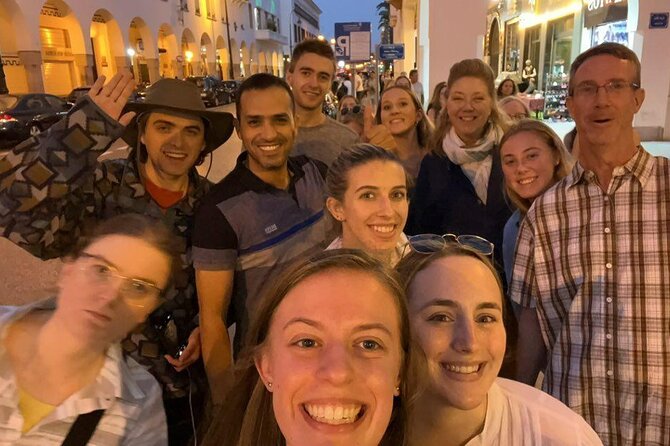
From underground passages, you step into a green pause: Parc de la Ligue Arabe. You get about 20 minutes, and it’s a free stop.
This park isn’t just filler time. It’s tied to city planning—built around 1913 by the architect Henri Prost and covering about 12 hectares. Henri Prost’s name matters in Casablanca because he’s associated with the French-era reshaping of the urban form, not just individual buildings.
What I like about including a park here is that it gives you a mental breather right after a market-style stop. You can sit, reset your senses, and come back ready for the next contrast: older medina spaces and more central city landmarks.
You can also read our reviews of more guided tours in Casablanca
Stop 4: Old Medina of Casablanca and the Portuguese Rebuild Story
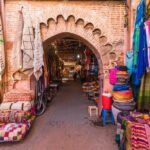
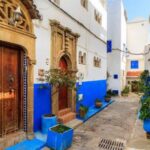
Then you hit the Old Medina of Casablanca for about 30 minutes. This is where you feel Casablanca’s street culture and rhythm. The medina you’ll see was rebuilt around 1771 after destruction linked to the Portuguese around 1468.
That time gap can sound abstract, but it matters because it explains why the medina feels like a place that evolved after catastrophe instead of staying frozen in one “original” moment. When your guide gives that kind of context, the streets become a timeline.
A good way to approach this stop is to focus less on “checking off sights” and more on observation:
- how people move
- how commerce works
- how the built environment supports daily life
Because this part is free, it also offers value. If you’ve only got a few hours in Casablanca, this stop ensures your visit includes Morocco’s older urban fabric, not only the French-era parts.
Stop 5: Place Mohammed V for a Quick Read of the City’s Center
The tour then shifts to Square of Mohammed V (Place Mohamed V) for about 10 minutes. It’s listed as a significant public square and one of Casablanca’s main landmarks and focal points.
This is a short stop by design. It’s the kind of place you use to get bearings and understand where you are in the city’s layout. Even with only 10 minutes, it can help connect the medina’s older layers to the more planned center-city feel.
Also, this stop is noted as admission included, which is unusual for a square. In practice, it means you won’t be left wondering whether you need a ticket for this specific viewing window.
Stop 6: Marche Central Casablanca for Fish-Market Snacks and Lunch Vibes
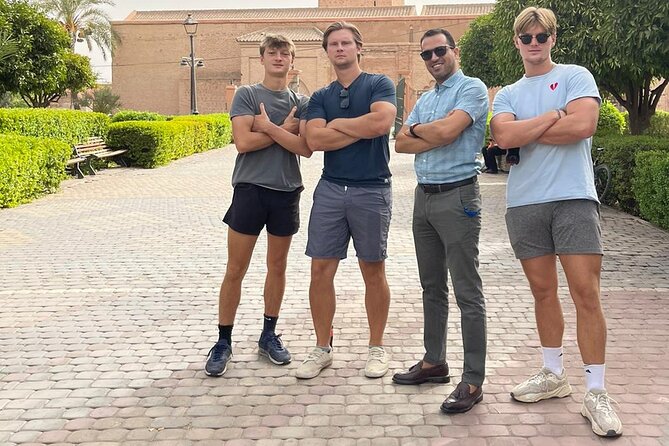
Next is Marche Central Casablanca, about 15 minutes. This market is built during the French era and later became a fish market, with a focus on snacks and lunch for locals.
This is one of the stops where a guided walk earns its keep. Markets can be loud, crowded, and confusing if you arrive cold. With an academic-style guide on your side, you learn what to look for, how to read the space, and what role the market plays in the city’s daily food system.
Even if you don’t plan to eat a full meal, this stop can still be worth it. Markets show you what’s abundant, what people buy often, and how the city runs when tourists aren’t around.
This stop is listed as admission included—so again, you’re not juggling extra costs to understand the space.
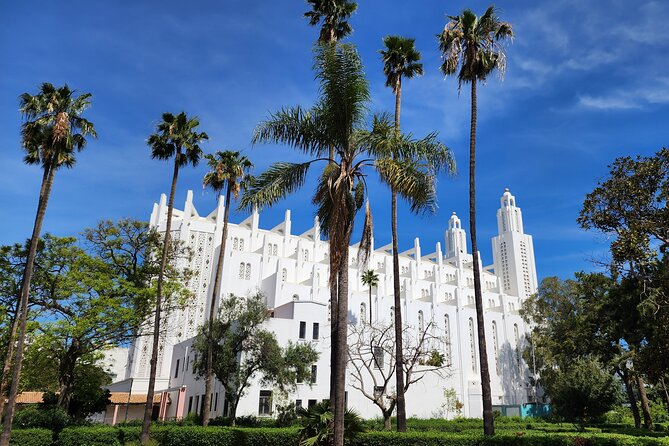
Stop 7: L’Eglise du Sacre-Coeur Outside View
After the central market energy, you get L’Eglise du Sacre-Coeur as an outside view stop for about 10 minutes.
Outside-view stops work best when you pair them with context. Here, the payoff is recognizing how different architectural and cultural statements coexist in the city’s same geography. When you’ve just been thinking about French-era design and central planning, a church façade becomes another piece of the larger “Casablanca layers” puzzle.
The stop is marked as admission included, so the tour flow stays simple. You’re not waiting around for entries or ticket counters.
Stop 8: La Sqala Bastion Built in 1769 for a Final Historical Pause
To close the walk, you visit La Sqala, a bastion built in 1769. The stop is about 10 minutes and marked free.
This last touch matters because it returns you to the idea of fortification and older defense-era city building. After the French-era design story and market life, a bastion helps you remember that Casablanca wasn’t only about modern planning—it also has older strategic foundations.
If you’re planning photos, La Sqala can be a solid endpoint because it gives you a “structure and age” feel right before the tour hands you back to your meeting point.
How Radouane (Rad) Makes the Explanations Stick
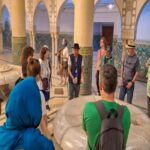
One reason this tour stands out is the human factor. Radouane, often called Rad, has built a reputation for being punctual, friendly, and flexible. You also get the sense that he’s good at adjusting when your group’s interests shift.
From what’s been described, his style isn’t just facts dumped on you. He connects the dots between the political, social, and ethnic history of the places you see—from small villages to big city icons. That’s exactly the kind of guiding approach that makes an itinerary feel more like learning than like a sightseeing checklist.
If you enjoy asking questions, this tour is set up well for that. A strong guide answers in a way that helps you keep the thread as you walk from one era to the next.
Price and Value for $64.52: What You’re Really Paying For
At $64.52 per person, this isn’t a budget bargain tour, but it also isn’t priced like a luxury private driver-and-guide package. The value comes from a mix of things you don’t want to piece together yourself:
- Certified tour guide for 3 to 4 hours of explanation and direction
- Private group format (only your group participates)
- Key Casablanca stops across religious architecture, French-era urban themes, and market life
- Pickup offered to reduce friction at the start
The main value check is the Hassan II Mosque ticket. Since mosque admission is not included, the real total can be higher once you add that entry fee. If you’re set on going inside the mosque, factor that in early.
Still, the overall approach is cost-effective for first-time planning. You’re paying for someone to connect architecture, city planning, and everyday markets into one walkable narrative, not for a collection of random photo stops.
If you want to do more than look around—if you want your time in Casablanca to feel organized—this price starts to make sense.
Who This Tour Fits Best (and Who Might Prefer Something Else)
This is a strong fit if you:
- want a guided first visit to Casablanca without spending all day figuring out routes
- enjoy architecture and city planning, especially French-era style and how it shaped modern Casablanca
- like market stops and street-level context, not only big monuments
- value a guide who can adapt to your interests
You might want a different format if you:
- strongly prefer self-guided pacing and don’t want fixed stop times
- have little interest in French-era urban design or market life and only want religious architecture
- are trying to minimize walking time, since this is a walking route with short timed segments
Quick Booking Thoughts: When to Grab a Spot
This tour is often booked ahead—on average 55 days in advance. That’s a good sign that dates can fill up, especially for the set operating window and private-group setup. If you’re traveling during a busy stretch, booking sooner is a safe move.
The tour also depends on good weather, so keep flexible options in your schedule if you can.
Should You Book This Tour?
I’d book it if your goal is a clear first understanding of Casablanca. The mix of Hassan II Mosque, French design storytelling through Zevaco Cupola, and market stops like Marche Central gives you a balanced picture in just a few hours. Add the academic-style guidance of Radouane (Rad), and you get more than a checklist—you get connections.
Skip it only if you’re budget-averse about the mosque entry fee, or if you dislike walking and prefer a car-based route with longer stays per location.
FAQ
What is the duration of the Casablanca walking tour?
It runs about 3 to 4 hours.
Is pickup included, and do I need private transportation?
Pickup is offered, but private transportation is not included.
Which stops have tickets or admission included?
Hassan II Mosque admission is not included. The Zevaco Cupola underground passage, Parc de la Ligue Arabe, Old Medina, and La Sqala are listed as free. Place Mohamed V, Marche Central Casablanca, and L’Eglise du Sacre-Coeur are listed as admission included.
Where does the tour start and end?
It starts at and ends at United Nations Square (Boulevard Rachidi, Casablanca 20250, Morocco).
What days and times does the tour run?
The schedule shown is Monday through Thursday, from 10:00 AM to 1:00 PM.
Is this tour private?
Yes. Only your group will participate.
Is free cancellation available?
Yes. You can cancel up to 24 hours in advance for a full refund.