REVIEW · CASABLANCA
Casablanca Private City Tour
Book on Viator →Operated by platinum morocco travel · Bookable on Viator
Casablanca can feel big fast, so this tour gives you a smart first map of the city. I like the hotel pickup/drop-off because it keeps you from juggling taxis, and I also like how guides (often people like El Mehdi, Mohammed, Sanaa, Amine, and Zouhair) explain what you’re seeing, not just where to stand for photos. One thing to consider: because timing can be affected by pickups and a tight 4.5-hour schedule, you’ll want to confirm your pickup time so you don’t start the day stressed.
The itinerary mixes big-name landmarks with practical stops you’d actually use once you’re on the ground. You’ll see religious architecture, public squares, and classic Casablanca neighborhood styles, plus a real coastal break at Ain Diab.
In This Review
- Key points before you go
- How this Casablanca tour works: pickup, pace, and small-group flow
- Practical tip
- Notre Dame of Lourdes and Sacré-Cœur: French-and-Moroccan religious surprises
- What to know
- Hassan II Mosque: the big exterior moment and entry planning
- Photo tip
- Marche Central and Place des Nations Unies: markets and modern squares
- How to shop without getting overwhelmed
- Old Medina and Quartier Habous: two souk-style neighborhoods
- If you love crafts
- Mohamed V Square and Rick’s Café: pop culture in real streets
- Little reality check
- Ain Diab Corniche: tea break with Atlantic air
- Timing note
- Price, tickets, and the practical stuff that matters
- Small-group comfort
- Should you book this Casablanca private city tour?
- FAQ
- How long is the Casablanca private city tour?
- What is the price per person?
- Does the tour include hotel pickup and drop-off?
- Is the Hassan II Mosque admission ticket included?
- How many travelers are in the group?
- Can I cancel for a full refund?
Key points before you go
- Hotel pickup and drop-off keeps your day simple, especially if you’re coming from a cruise port or a hotel on the outskirts
- Max 15 people means it’s more manageable than big group buses
- Hassan II Mosque is the headline stop, and you’ll learn what to plan for since the visit ticket is not included
- Marche Central Casablanca puts you right at a famous 1917 market gateway and seafood under the octagonal cupola
- Old Medina + Quartier Habous gives you two different flavors of traditional shopping streets
- Ain Diab Corniche is your Atlantic reset, with a good place to slow down and have Moroccan tea
How this Casablanca tour works: pickup, pace, and small-group flow
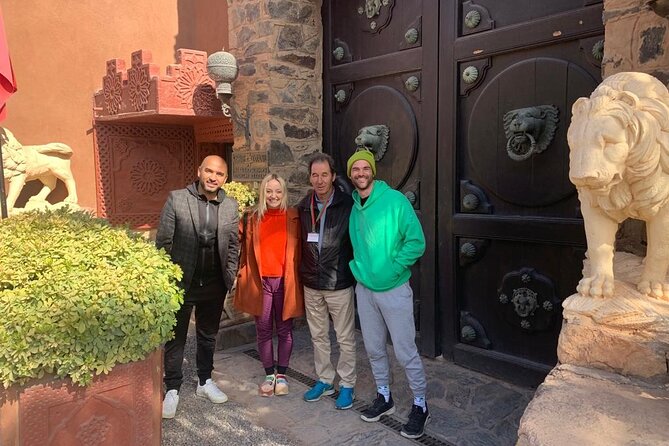
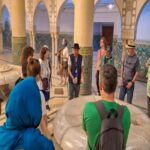
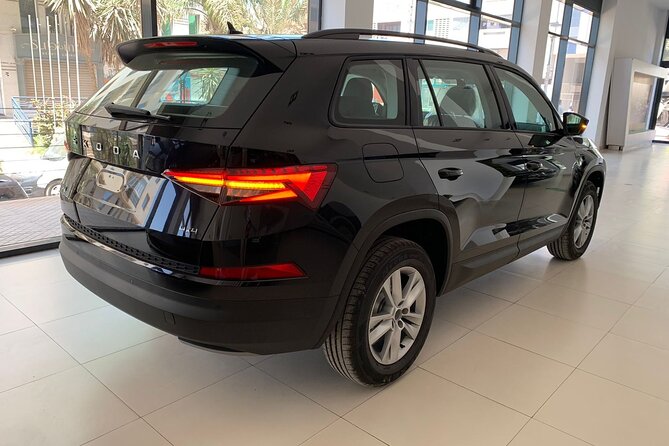
This is built for people who want a first look without burning their whole day on transit. You’ll typically get hotel pickup, then hop in a vehicle with AC and Wi‑Fi, plus a multilingual driver/guide team to keep communication clear.
The total time is about 4 hours 30 minutes, so the best mindset is: enjoy the stops you’re at, and don’t try to turn it into a two-week self-guided marathon. The tour is listed as a private-city experience, but the group limit of up to 15 people keeps it feeling closer to a small guided loop than a crowded bus ride.
If you’re coming in with limited time, this route is efficient: it hits Casablanca’s major icons (Hassan II Mosque, major squares, and two shopping districts) while also giving you the coastline at Ain Diab. That balance matters because Casablanca is often misunderstood as only a quick stop, when it’s really a city that rewards context.
You can also read our reviews of more city tours in Casablanca
Practical tip
Confirm your pickup time the day before and again on the day of the tour. One bad pickup experience in the feedback had everything delayed and frustrating, and it’s the kind of problem that’s easy to avoid with a clear check-in.
Notre Dame of Lourdes and Sacré-Cœur: French-and-Moroccan religious surprises

Casablanca has a lot of French colonial architecture, and this tour uses churches to show that side of the city without making it feel like a history lecture.
First up is the Church of Notre Dame of Lourdes, where the big surprise is the architecture style: it doesn’t feel like a simple old church. The interior includes stained glass wrapping the church and a grotto scene with Mary, surrounded by flowers and candles. It’s the kind of place that quietly resets your expectations of Casablanca in the best way.
Later, you’ll also pass by L’Eglise du Sacre-Coeur (Sacré-Cœur) in the Anfa district. It’s Neo‑Gothic in style, with soaring spires and colorful stained glass, and it’s a neat contrast to the first cathedral stop. Even if you’re not a church person, these two stops give you a clearer view of how Casablanca layers cultures on top of each other.
What to know
These visits are short on purpose, so if you love detail, bring your camera and give yourself a moment to look around rather than rushing straight out.
Hassan II Mosque: the big exterior moment and entry planning
Let’s talk about the star. Even though your stop is described as a visit where you can see the Hassan II Mosque, the key detail is that entry admission is not included in the tour.
So here’s how to handle it:
- Plan your expectations for what you can do during your time there, since the ticket is extra
- If you’re trying to get inside, budget time and be ready for lines or ticket checks (guides sometimes help manage the flow, but it’s not something you should assume will always be instant)
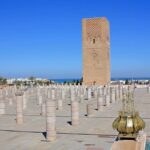
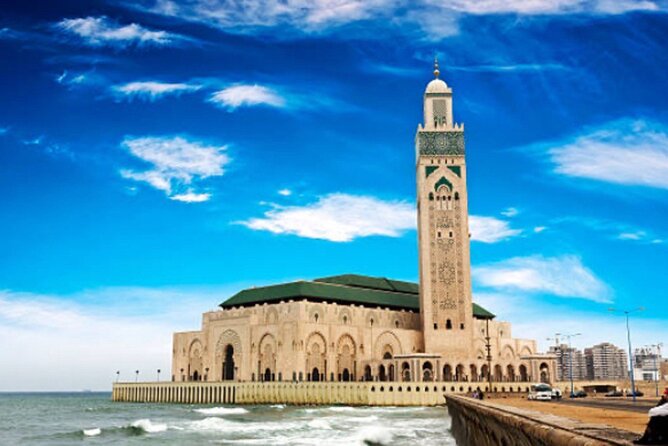
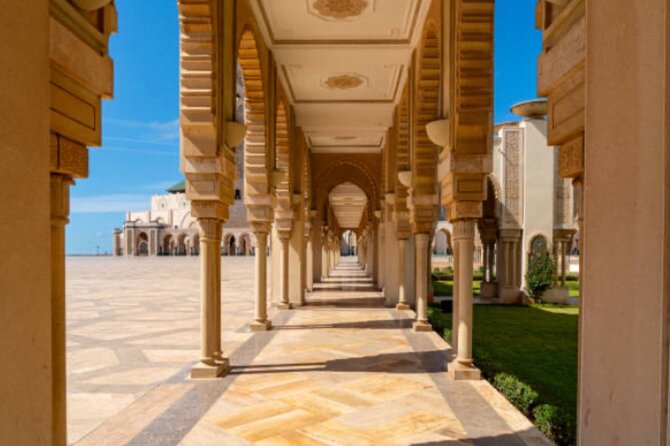
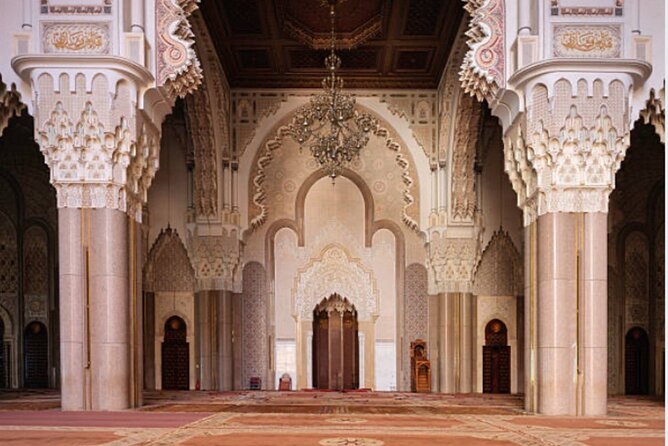
The payoff is worth it. Hassan II Mosque is the biggest mosque in Morocco and all of Africa, and the minaret is the tallest in the world. The ocean setting also changes the vibe. Casablanca looks different when you’re near the coast and a massive structure is built right toward the Atlantic.
In the feedback, this stop is repeatedly named as the highlight, especially when the guide adds context about why it was built the way it was and how it fits into modern Moroccan life.
You can also read our reviews of more private tours in Casablanca
Photo tip
Bring a phone camera you can switch quickly for both wide shots (minaret and ocean views) and close details. When you’re there, the angle matters, because the mosque is designed to be seen from multiple perspectives.
Marche Central and Place des Nations Unies: markets and modern squares
After the religious landmarks, the tour shifts into everyday Casablanca. Stop 3 is Place des Nations Unies, a public square where modern and traditional architecture sit side by side. It’s a quick taste of daily street life—shops and dining nearby, plus a good place to people-watch without committing to a long shopping detour.
Then you’ll hit Marche Central Casablanca, a famous market built in 1917 in a Neo‑Mauresque style. Look for the large gateway and the octagonal center cupola. Under that roof, the market energy is real—especially around the seafood, including Atlantic fish and even items like shark meat and oysters (if seafood is your thing, this is the place you’ll remember).
This part is valuable even if you’re not buying anything. Markets teach you how locals move through the city. You’ll start noticing the rhythm: where people cluster, how bargaining feels in practice, and what types of goods Casablanca is known for.
How to shop without getting overwhelmed
If you do want to buy, keep it simple: pick one or two items (like something small in a market stall or a food souvenir), and don’t try to “win” the market on your first day. Your guide can help you avoid common tourist traps like paying too much when you’re rushed.
Old Medina and Quartier Habous: two souk-style neighborhoods
Casablanca’s old districts aren’t just scenic backdrops. They’re where you see the city’s shopping brain at work.
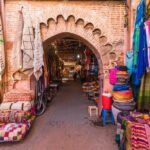
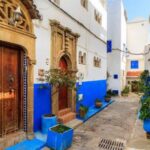
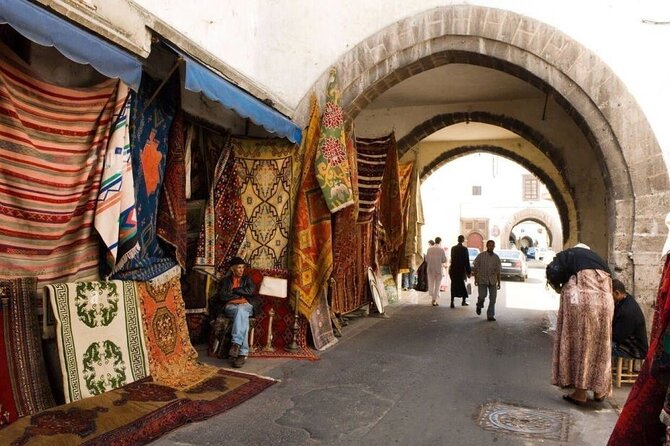
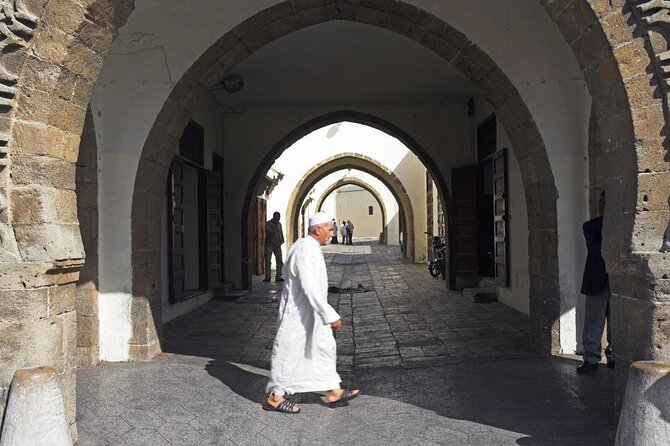
In the Old Medina of Casablanca, you’ll walk through narrow paths with a guided focus on traditional souks, older mosques, and historic buildings. This stop is short, but it gives you the right navigation instincts. You start to understand how a medina works: it’s less about one landmark and more about the maze of streets that lead you to different crafts and daily needs.
Next comes Quartier Habous (also called Al Ahbas), developed between 1918 and 1955 during the French protectorate to house migrants from various regions of Morocco. The design here leans toward wide pedestrian streets, with many artisans, booksellers, and traders. You’ll likely see practical shopping categories like ceramics, leather, jewelry, and woven carpets.
The difference between Old Medina and Habous is the point. Old Medina feels more like tight, historic street fabric. Habous feels planned and shopping-forward, like a district designed for movement and commerce.
If you love crafts
This is where you’ll feel the most “buying energy.” If your goal is scarves, leather goods, or rugs, ask your guide what’s worth it and what’s overpriced in a tourist-first purchase.
Mohamed V Square and Rick’s Café: pop culture in real streets
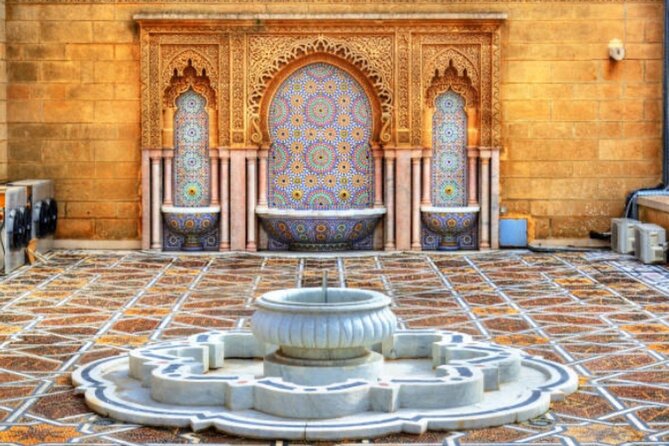
This tour also uses Casablanca’s center to help you connect dots fast.
You’ll visit Square of Mohammed V, a busy public area known for pigeons and a constant flow of people. It’s a quick stop, but it’s useful because you get a sense of where locals gather and how central Casablanca feels on a regular day.
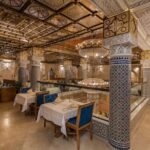
Then there’s the film connection: Rick’s Café. This is a well-known restaurant and café designed to recreate the bar made famous by Humphrey Bogart and Ingrid Bergman in the movie Casablanca. The establishment is linked to a former American diplomat, which adds a fun, slightly surreal layer to the stop. Even if you don’t go in for a meal, the photo stop works because it’s so unmistakably tied to the city’s pop-culture image.
In the feedback, guides sometimes even help plan your lunch timing around Rick’s Café, which can make this stop feel less like a quick photo and more like a practical break in your day.
Little reality check
Rick’s Café is a recognizable brand-style stop. If you want local street food more than movie-themed décor, you may want to treat Rick’s as a photo and use the guide’s advice for where to eat afterward.
Ain Diab Corniche: tea break with Atlantic air
After all the walking and architecture, the tour ends with a coastal mood change. Ain Diab Corniche is your Atlantic reset: a seaside promenade with sandy beaches, cafés, restaurants, and nightlife nearby.
The highlight is the atmosphere shift. You go from market chatter and historic streets to open air and ocean views. This is also where Moroccan tea fits naturally. A lot of people remember this stop because it feels like you finally exhale.
Ain Diab is ideal for that last part of the day when you don’t want to rush one more stop. Use the time to look back at Casablanca from the coast and soak up how the city feels when it’s not just buildings and traffic.
Timing note
You’ll only have about a half hour here, so pick a spot quickly and order before you get distracted by the view.
Price, tickets, and the practical stuff that matters
The cost is $42 per person, and for that you get the big-value items: hotel pickup/drop-off, bottled mineral water, insurance coverage, and an AC/Wi‑Fi vehicle with multilingual driver support. For many people, the price feels fair because you’re paying for convenience and local guidance, not just transportation.
What costs extra is mainly tied to entry. In the itinerary, Hassan II Mosque admission isn’t included. Other stops listed have free admission, which keeps your budget more predictable as long as you’re planning properly for the mosque ticket.
Here’s how I’d judge value if I were booking for myself:
- If you want a guided first pass through Casablanca with less stress, this is good value.
- If you already know Casablanca well and only want one or two things, you might compare it with a more flexible option.
The guides are a major factor in this tour’s reputation. Names that come up often—like Mohamed, Sanaa, Amine, and Zouhair—suggest you’re likely to get someone who can explain what you’re seeing and adjust around your pace. One recurring theme is that guides help with logistics around the Hassan II Mosque visit, including making things smoother at entry when possible.
Small-group comfort
The max group size of 15 matters. You’ll have enough time to ask questions and take photos, without feeling like you’re sprinting behind a crowd.
Should you book this Casablanca private city tour?
Book it if you want a clean, guided first look at Casablanca that mixes icons and real neighborhoods in a single half day. It’s especially good for first-timers who feel wary about taxis and want someone to handle timing, parking, and explanations.
I’d skip or customize if you’re the type who needs hours inside museums or wants every stop in total depth. The schedule is tight, and while most visits are short, it’s built for breadth rather than long, slow immersion.
If your top priorities are Hassan II Mosque and the coast at Ain Diab, this tour makes sense. Just do the one responsible thing: confirm pickup timing in advance, and plan for the mosque ticket cost ahead of time.
FAQ
How long is the Casablanca private city tour?
It runs about 4 hours 30 minutes.
What is the price per person?
The price is $42.00 per person.
Does the tour include hotel pickup and drop-off?
Yes. Hotel pickup and drop-off are included.
Is the Hassan II Mosque admission ticket included?
No. Hassan II Mosque admission is not included.
How many travelers are in the group?
The tour has a maximum of 15 travelers.
Can I cancel for a full refund?
Yes. You can cancel up to 24 hours in advance for a full refund. If you cancel less than 24 hours before the start time, there’s no refund.