REVIEW · CASABLANCA
Casablanca Desert Tour
Book on Viator →Operated by Sahara Holiday Tours · Bookable on Viator
A real Morocco sampler starts here. This 9-day guided route takes you from Casablanca’s icons to Fes medinas and into Erg Chebbi for sunrise and sandboarding.
I especially love the airport pickup feel on arrival, and I love that the trip builds in hands-on desert time instead of just passing through. One thing to plan for: extra entrance fees and lunches are not included, so your total can creep up if you add lots of mosque and medina visits.
This is also a tour where your guide matters. In my reading of the experience, Idir stood out for being friendly and patient, and that shows in how smoothly the day-to-day pacing works. If you want a strict, free-form trip where you pick every stop last minute, this won’t feel that way. But if you want guided flow and less guesswork, it’s a strong match.
In This Review
- Key things I’d prioritize before you go
- Casablanca to the Sahara in 9 days: why this route works
- Airport pickup and the pace your group can handle
- Day 1 in Casablanca: Hassan II Mosque as your first anchor
- Rabat Old Town and Chefchaouen’s blue streets
- Meknes, Volubilis, and the road to Fes
- Fes Medina: brass doors, cedar wood, tanneries, and madrasas
- Middle Atlas forests: Ifrane, Azrou, and the drive toward Merzouga
- Erg Chebbi: sunrise, sandboarding, and that long, golden hour feeling
- Todra Gorge and Dades Valley: cliffs, textiles, and a night by the river
- Ait Ben Haddou and Ouarzazate: mud-brick power and film-studio scale
- Marrakech: Jardin Majorelle, palaces, and a Jemaa el-Fna night you can’t miss
- Getting to the airport: Marrakech or Casablanca transfer
- Price and value at $1,486.66 per person
- Who this Casablanca Desert Tour fits best
- Should you book this tour?
- FAQ
- How long is the Casablanca Desert Tour?
- Where does the tour start, and what time?
- What meals are included?
- Are entrance fees included for mosques and medinas?
- What desert activities are included?
- Is this tour private?
Key things I’d prioritize before you go
- Private group travel with only your group participating, which usually means fewer waits and more flexible questions.
- Airport pickup in Casablanca so Day 1 starts without the usual scramble.
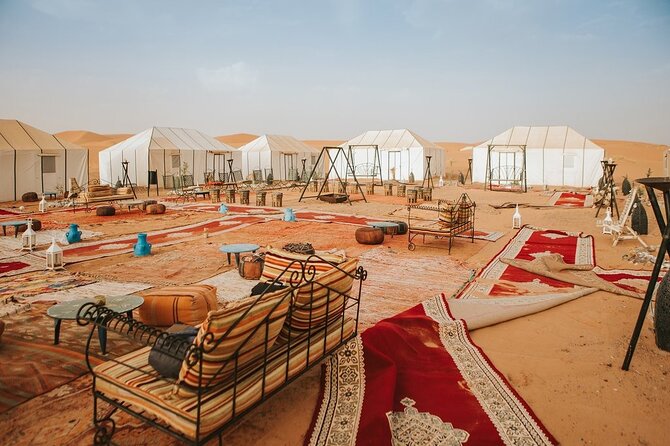
- Erg Chebbi sunrise and sandboarding, plus a classic desert-camp-style night experience.
- Big-city heritage without the stress, with structured medina walking in Rabat, Fez, and Marrakech.
- A long, scenic Morocco cross-country drive, mixing cities with Middle Atlas forests and desert valleys.
Casablanca to the Sahara in 9 days: why this route works
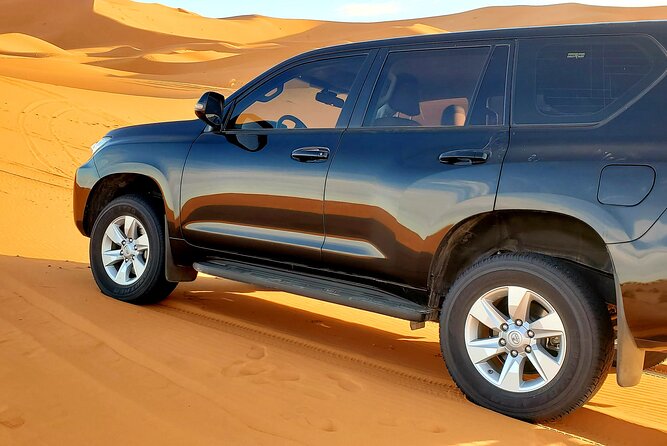
What I like about this tour is that it gives you a full Morocco arc instead of just stacking monuments. You start with major highlights around Casablanca and Rabat, then shift to the maze of Fes, and only after that do you move into the desert and the Atlas valleys. The order matters because each region changes the pace and the look of the trip.
By the time you reach Merzouga and the Erg Chebbi dunes, you’re already used to the idea of local life on the streets: souks, madinas, and neighborhoods that feel lived-in rather than staged. That makes the desert part hit harder, even if you’ve seen photos before. The day-by-day structure also helps you avoid the common Morocco problem: spending half your time figuring out transport instead of enjoying the places.
You can also read our reviews of more tours and experiences in Casablanca.
Airport pickup and the pace your group can handle
This tour includes pickup from Casablanca Mohammed V International Airport, with a start time listed as 8:00 am. That’s a real benefit if you land with jet lag or if you’d rather not negotiate taxis right away. You’re also given a mobile ticket, and the tour confirms booking details at the time you reserve.
The other practical piece: the tour is private, only for your group. That typically means you’re not squeezed into a huge bus plan where you’re watching the group sprint ahead at each stop. Based on the experience notes and the kind of guide mentioned (Idir), the emphasis seems to be on a calm pace—enough time to look closely, but not so long that you’re stuck waiting around.
One consideration: since it’s guided and structured, you’ll want to be comfortable following a schedule—especially during longer travel days between towns and regions.
Day 1 in Casablanca: Hassan II Mosque as your first anchor
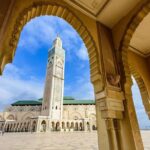
Your first sightseeing stop is Hassan II Mosque. It’s listed as 45 minutes, and admission is not included. Even with that extra cost, it’s a smart opener because the mosque is a major landmark that helps you orient yourself in Casablanca quickly.
This is also a good day to set your expectations. You’re not trying to do everything on Day 1. Instead, you get one big iconic stop and then the tour’s route starts unfolding. If you’re arriving from the airport, that focus keeps the day from feeling like a blur.
Rabat Old Town and Chefchaouen’s blue streets
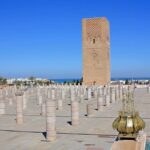
Rabat comes next, and the plan includes the Rabat Old Town. You start with a drive that introduces the capital side of Morocco, then you head toward the historic parts. The itinerary also mentions Hassan II tower as part of this early orientation.
Then you go to Chefchaouen, via views over the Rif Mountains and the forested scenery. When you arrive, you’ll spend time around Ras El Ma, described as a river with water gushing from the mountain. From there, it’s straight to the blue-washed streets of the Medina.
I like this stop because Chefchaouen isn’t just a photo corner. The itinerary notes a calm, relaxed atmosphere and points to authentic architecture influenced by old Jewish culture. That combination—color, quiet, and context—tends to make the walk more meaningful.
Meknes, Volubilis, and the road to Fes
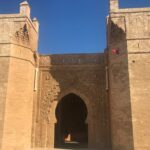
Day 3 takes you to Meknes Medina, a former capital. You’ll see recognizable highlights like Bab El Mansour, Sahrij Essouani, the Royal Stables and Granaries, and underground monuments. That’s a lot in one day, but it’s also the kind of sightseeing that rewards a guide who can connect the dots.
Then you head to Volubilis, passing by Moulay Idriss Zerhoun along the way. Once at the Roman ruins, the key payoff is the scale of the ruins and the surviving gates. If you like archaeology, this stop changes your mental image of Morocco from only medinas and desert into a place that also carries Roman-era layers.
Finally, you drive back to Fes and get dropped at your hotel or riad. That last bit matters. It prevents the common “end of day” problem where you reach the city but still have to figure out where to sleep.
Fes Medina: brass doors, cedar wood, tanneries, and madrasas
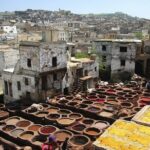
Fes is the heavyweight of the trip, and the schedule leans into that. After breakfast, you explore Morocco’s oldest city. The itinerary specifically points you toward a royal palace area with brass doors surrounded by zellige and carved cedar wood. That’s a very concrete visual promise.
You also head to the Mellah, the first Moroccan Jewish quarter, then you visit Jnane Sbile Gardens—famous for its fountains. After that, the plan turns into medina walking through narrow lanes with handicrafts and old-school architecture.
Key stops listed include:
- University of Al Qarawiyyin
- El Merenid Tombs
- Bab Boujloud
- Chouara Tannery
- Madrasas
Here’s the value for you: Fes is best when you’re not just wandering randomly. Having an organized path through major sites helps you avoid the “I walked for hours but didn’t really land on anything” feeling.
The only real drawback is stamina. A 6-hour medina day is a lot of walking and looking. If you know you get tired easily, plan your rest around this day rather than stacking another big activity afterward.
Middle Atlas forests: Ifrane, Azrou, and the drive toward Merzouga
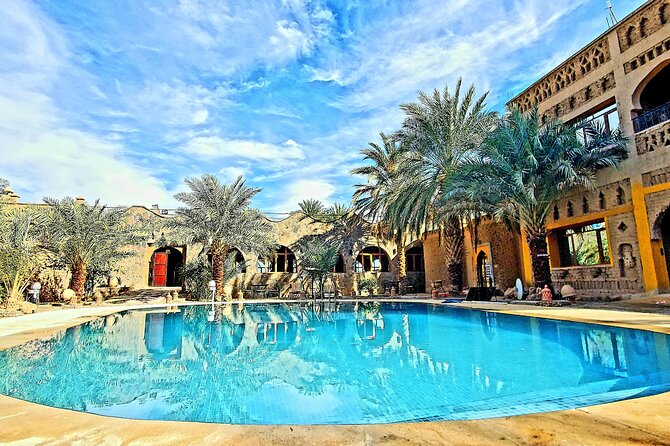
On Day 5, you move into the Middle Atlas Mountains. The itinerary mentions views over the Middle Atlas, then green cedar forests, including a stop near the Berber village Immouzer. You then reach Ifrane, described as the Moroccan Little Switzerland.
Next comes Azrou, a Berber town, with cedar forest time and the chance to play with little tricky monkeys. After that, you head toward Midlet, a Berber village of rocks, and you include a stop to taste a typical Berber tagine for lunch.
Then you continue toward Merzouga, via Ziz Valley. This segment matters because it’s not just scenery. It’s your transition from cool, forested Morocco toward warmer, drier desert terrain—so your first desert dunes don’t show up out of nowhere.
One small warning from a practical traveler lens: lunches are listed as not included, so you’ll want to be ready for extra costs if you order tagines or drinks during these breaks.
Erg Chebbi: sunrise, sandboarding, and that long, golden hour feeling
This is the part most people remember. The itinerary sets up an early morning sunrise in the Sahara, described as catching magical sunrise over golden sands of an endless Sahara. Then you go back to your hotel in Merzouga for breakfast and a warm relaxing shower.
After the desert morning, you continue toward Rissani, home to the Moroccan ruling dynasty. The plan includes colorful souks and ancient culture there. Then you move on to Todra Gorge.
Let’s talk about why this works. Sunrise is the right choice in the desert because it’s when the dunes feel most alive and the light turns every ridge into something you can actually read. Sandboarding adds a playful element that keeps the day from becoming too solemn. And having breakfast and a shower afterward means you’re not forced to stay gritty and uncomfortable while you travel onward.
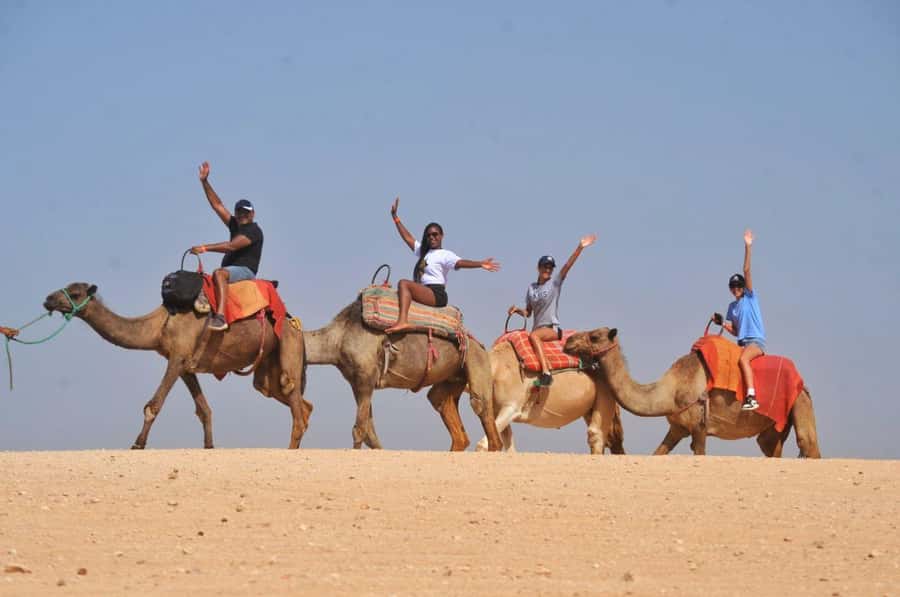
There’s also desert sandboarding noted as a highlight, plus a sunrise and sunset tour. Even if sunset isn’t the exact timing on the day you arrive, the tour structure makes sure you’re not just seeing dunes from a distance.
Todra Gorge and Dades Valley: cliffs, textiles, and a night by the river
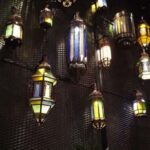
After Rissani and its souks, you reach Todra Gorge, which is described as a destination for climbers and adventure lovers. The itinerary also mentions authentic mosques, colorful lanterns, and famous textiles.
From there, you end the day in Dades Valley, described as a little green paradise hidden in the bare Moroccan desert. You’ll have a local dinner and spend the night in a little hotel across the river.
This is a good contrast day. After deserts and stone layers, you get a valley feel—something gentler than pure dune travel. The dinner-and-stay overnight also helps you stay in the rhythm of the landscape rather than doing nonstop day trips.
Ait Ben Haddou and Ouarzazate: mud-brick power and film-studio scale
Day 7 is a big culture-and-film mashup. You start with breakfast in the hotel, then you walk around the valley at Ksar of Ait-Ben-Haddou. That’s where the mud-brick architecture turns from “interesting” into “how did anyone build this” territory.
Then the drive continues to Ouarzazate via Skoura, with stops through colorful old souks and authentic mud streets. You also visit the International Film Studio, where the itinerary mentions productions like Game of Thrones, Gladiator, Babel, and The Jewel of the Nile.
After that, you visit the Kasbah of Ait Ben Haddou, described as ancient royal palaces and authentic Moroccan architecture. The day also includes a taourirt visit.
Why this matters for value: Ouarzazate can feel like a transit town if you rush it. This plan keeps it more than a stopover by connecting movie locations to the local built environment. You leave with a fuller sense of how the region’s look has shaped cinema—and how cinema has shaped awareness of the region.
Lunch is included in the text as a delicious lunch stop, but meals are listed as not included in general for lunches. So budget carefully here: plan to pay for at least some lunch items yourself.
Marrakech: Jardin Majorelle, palaces, and a Jemaa el-Fna night you can’t miss
Marrakech is the grand finale, and the schedule hits several top sights without getting stuck in only one neighborhood. You start with breakfast, then explore the red city through Jardin Majorelle, EL Bahia Palace, EL Koutoubia, and Menara Gardens.
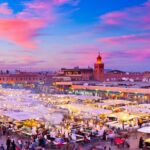
You’ll walk through narrow red streets and authentic souks. Then you get the famous evening scene at Jemaa El Fna, with musicians, storytellers, henna women, snake charmers, and food sellers.
Here’s the practical part: Jemaa el-Fna can be loud and crowded. Having a guided lead-in makes it easier to decide where to pause and what to watch. You’re not wandering blind. You’re also not stuck missing the atmosphere that makes Marrakech feel like Marrakech.
Dinner is scheduled, but since meals are partially included (two dinners total), treat dinner costs as potentially additional unless your package states otherwise.
Getting to the airport: Marrakech or Casablanca transfer
On the final day, you transfer to the airport in Marrakech or Casablanca. That flexible end point is useful, especially if your flight plans lean toward one city. It also means you don’t end your trip in a dead-end situation where you still have to organize last-minute transport.
Price and value at $1,486.66 per person
At $1,486.66 per person, this isn’t a budget trip. But it’s also not trying to be one. Your money goes into a lot of moving parts: guided visits across multiple cities, pickup in Casablanca, private-group handling, and desert-time experiences like sunrise and sandboarding near Erg Chebbi.
What you should weigh carefully is what isn’t included. Breakfast is included (eight breakfasts), and dinner is included twice. But lunches and drinks are listed as not included, and entrance fees for additional mosques and medinas cost extra. Hassan II Mosque is also listed with admission not included.
So for value: you’re paying for a guided route with significant transportation time and multiple named experiences. If you enjoy seeing Morocco in a structured way, it can feel like good value because you’re not paying separately for every single transfer and major guided stop.
If you’re the type who would rather spend days free-roaming, or if you plan to skip most paid entries, then you might compare costs and decide whether a self-drive or smaller guided segments would fit better.
Who this Casablanca Desert Tour fits best
This tour is a great match if you:
- Want a guided introduction to Morocco that hits Casablanca, Rabat, Chefchaouen, Meknes, Fes, Merzouga, Todra Gorge, Ouarzazate, and Marrakech.
- Like the idea of major desert experiences (sunrise and sandboarding at Erg Chebbi).
- Prefer a private-group plan rather than joining a large group that moves at a different speed.
It may be less ideal if you:
- Want a totally independent trip with no structure.
- Hate adding small extra costs on top of the base price (because entrances and many meals are not included).
Should you book this tour?
I’d book it if your goal is to get a guided, well-paced sweep of Morocco with the desert as a real highlight, not a box-check stop. The airport pickup helps Day 1 feel calm. The Fes plan is specific enough to feel purposeful. And the Erg Chebbi sunrise and sandboarding are exactly the kind of experience that justifies a longer, more organized journey.
But I’d also go in with eyes open. Budget for entrance fees and lunches. And mentally prepare for the walking days, especially Fes Medina.
If that sounds like your kind of trip, you’re likely to enjoy this one a lot—and the kind of service described (patient, friendly guidance like Idir) is the difference between seeing Morocco and really understanding how it feels.
FAQ
How long is the Casablanca Desert Tour?
It’s listed as approximately 9 days.
Where does the tour start, and what time?
The start point is Casablanca Mohammed V International Airport (also listed with Casa-Oasis, Nouasseur, Casablanca). The start time is 8:00 am.
What meals are included?
The tour includes breakfasts (8) and dinner (2). Lunches and drinks are not included.
Are entrance fees included for mosques and medinas?
No. Entrance fees are listed as not included, and additional mosque and medina entry costs are extra.
What desert activities are included?
You’ll have an early morning sunrise experience in the Sahara area near Erg Chebbi, and the highlights include desert sandboarding.
Is this tour private?
Yes. It’s described as a private tour/activity, so only your group participates.