REVIEW · MARRAKECH
Atlas Mountains experience day trip
Book on Viator →Operated by 4X4 Camel - Private Day Tours · Bookable on Viator
Atlas Mountains days feel like a reset button. This private, customizable outing takes you out of Marrakech into the Ourika and Asni valleys for Berber village life, an argan oil cooperative stop, a camel ride, and a homemade lunch.
I love the fact it’s truly private—you and your party set the pace, and your guide can steer toward the stops you care about most. I also love the women-run argan oil cooperative, because you get more than a sales pitch; you learn how the work supports local women through income and education.
One thing to plan around: the day depends on good weather, and the Ourika market timing varies. If the market isn’t operating, the alternative is a local Berber heritage museum stop instead.
In This Review
- Key points to know before you go
- A private Atlas day trip: what makes it different from a bus tour
- Ourika farmers market mornings (and the argan oil stop you’ll remember)
- The drive toward Asni: scenic pull-offs and a gentle way to pace yourself
- Lunch at a Berber family house: three courses, not a rushed stop
- Camel ride around the mountains: 30 minutes, a mint tea pause, and real guidance
- Price and value: what you’re really paying for at $95.38
- Who should book this Atlas Mountains day trip from Marrakech?
- How to plan your day so the Atlas feels calm, not rushed
- Should you book this Atlas Mountains experience?
- FAQ
- How long is the Atlas Mountains day trip?
- Is pickup included from Marrakech hotels?
- Is this tour private or shared?
- What’s included with the lunch?
- Do I get to ride a camel?
- Are there specific days for the Ourika farmers market?
- What happens if the Ourika market isn’t running?
- Is cancellation allowed if the weather is bad?
Key points to know before you go
- Private and customizable: you choose lighter walks, photo stops, and the order of priorities
- Ourika weekly market: you’ll time your visit around the market days, with a museum option if closed
- Women-run argan oil cooperative: learn how the oil is made and why it matters locally
- Scenic 4×4 road to Asni: plenty of pull-offs for photos, plus an optional short walk
- Camel ride + mint tea: a guided ride followed by tea under a traditional tent
- Three-course homemade lunch: the meal is part of the cultural experience, not a quick stop
A private Atlas day trip: what makes it different from a bus tour
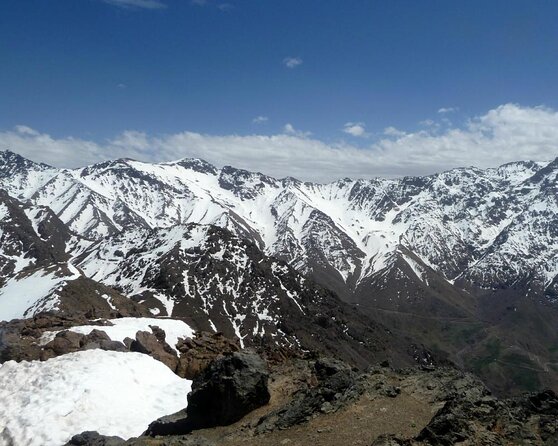
This is the kind of Marrakech-to-Atlas day that feels less like sightseeing and more like a structured conversation with the region. You get round-trip hotel transfers, and the day is run for just your group, not a mixed crowd. Expect a full day clocking in around 7 to 8 hours, usually with a smooth early start and return back to Marrakech.
The best part is the customization. If you want photos and viewpoints, you’ll have time for stops along the way. If you’d rather move at a slower pace, you can skip optional activities like the light walk. If you do want to add hands-on moments, the camel ride and village stops are built in.
Also: bring a realistic mindset. This is a mountain day with roads, time in vehicles, and outdoor breaks. If you want a completely effortless day, you might feel the schedule—but you’ll also get more of the Atlas than you would by just hiring a driver for one stop.
A few more Marrakech tours and experiences worth a look
Ourika farmers market mornings (and the argan oil stop you’ll remember)
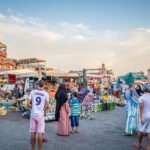
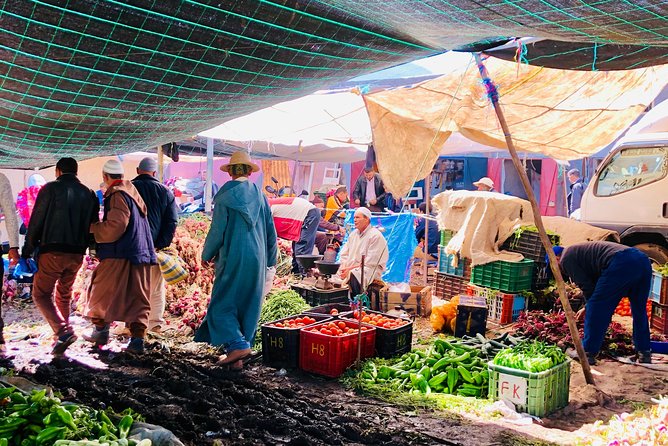
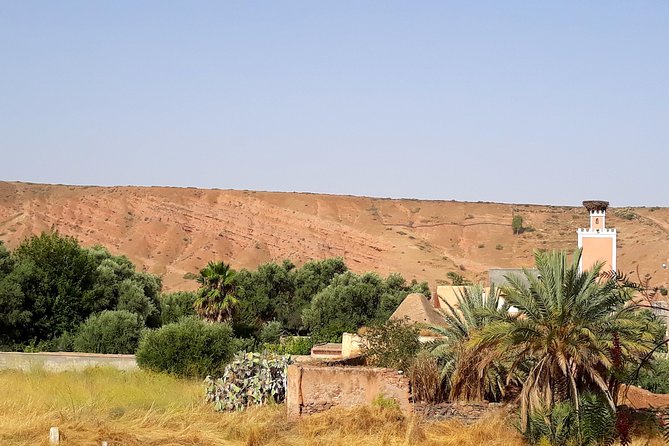
Your first major Atlas experience is in Ourika, where the day often starts with a Berber village farmers market. This matters because the market isn’t just a tourist photo-op. It’s a weekly rhythm, when locals gather for shopping and day-to-day needs.
Here’s the market schedule you should know: it runs Sundays, Mondays, Tuesdays, Thursdays, and Fridays, plus Saturday afternoon. If your outing lands on a day when the market is not running, you’ll switch gears and visit a local Berber heritage museum instead. Either way, you’ll still be connecting with village life rather than only driving past it.
After the market (or the museum alternative), you’ll visit an argan oil cooperative. This is one of the most meaningful stops on the day because it’s tied to real work, not just a product.
What you’ll learn and why it’s worth your time:
- Argon oil is handmade by women, and it’s labor intensive
- You’ll see how the cooperative supports women with income and education
- You’ll understand the oil’s use for skin and its value in cooking, not just that it exists
The cooperative stop is listed as admission free, so you don’t need to worry about extra ticket costs eating into your day.
Practical tip: this kind of cooperative visit can spark a shopping urge. If you do buy argan oil or related items, ask questions about how it’s made and what it’s for—then buy what you’ll actually use. I like keeping it simple: one good product you’ll use at home beats a cart full of small bottles.
The drive toward Asni: scenic pull-offs and a gentle way to pace yourself
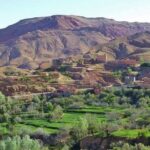
After Ourika, you leave the Ourika road and head toward the second valley, Asni, using a mountain route. This is where your guide’s approach makes a difference. The route is described as very scenic, and you can typically pause at locations you feel are worth it, especially for photos.
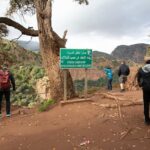
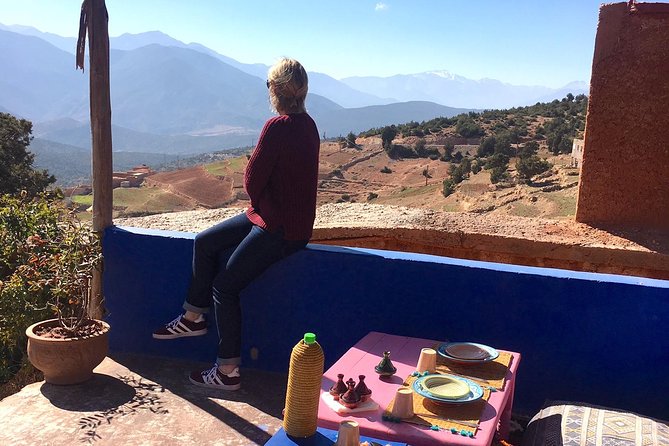
You’re also offered the option of a light walk to admire the views in the Atlas foothills. This is a great choice if you want a stretch without committing to a long hike. If you’re traveling with mixed ages or you’d rather rest, you can skip it and keep the day comfortable.
One of my favorite parts of this section is the cultural consideration built in. On the way, you’ll meet local children from the villages, and you’re welcome to bring school stationery—things like pencils, erasers, notepads—or small items of clothing such as hats, gloves, socks. It’s one of those moments where a little preparation turns into a human exchange.
If you do bring items, keep it respectful and light. Don’t overpromise or turn it into a spectacle. Think of it as something small you can offer, not a grand charity production.
Lunch at a Berber family house: three courses, not a rushed stop
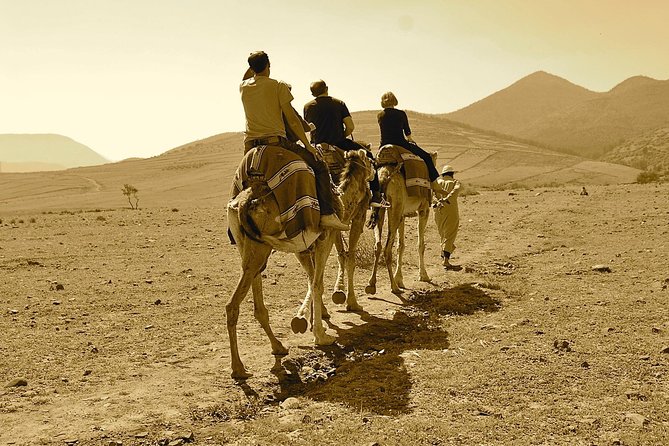
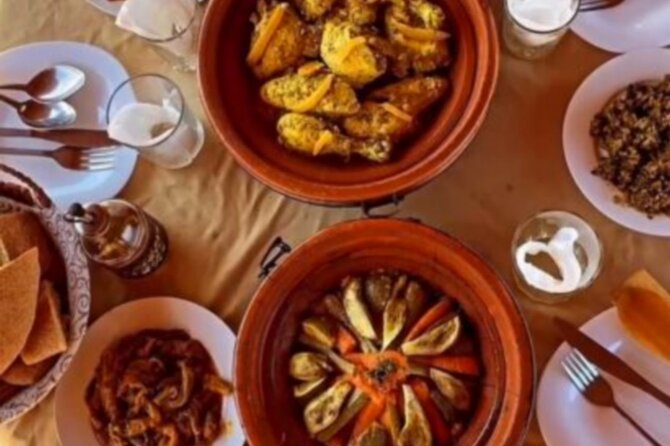
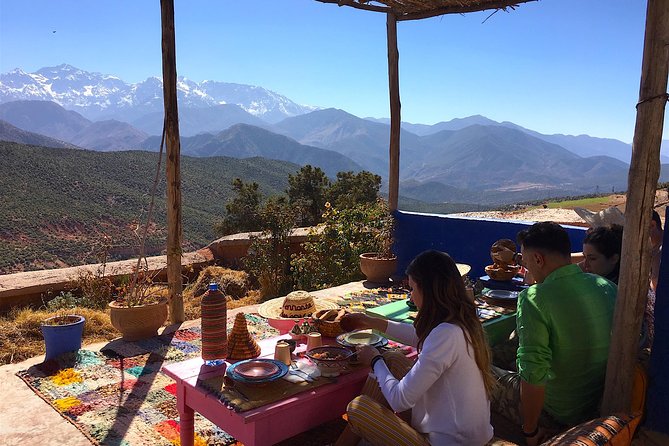
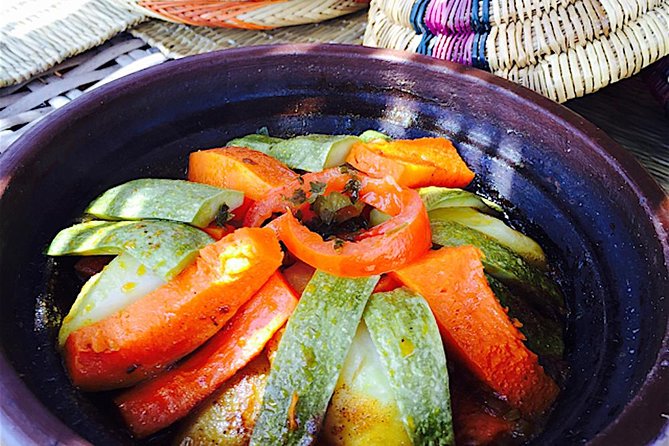
Lunch is one of the reasons this tour stands out. You’re not just handed food at a roadside place and sent back on your way. Lunch is set at a family Berber house, and it’s a three-course homemade meal. Even without knowing the exact menu ahead of time, that structure tells you what matters: the day is designed around sitting down and slowing down.
The value here is simple:
- You get time to talk with the people running the home
- You learn what a meal looks like in a village setting
- You come away with a stronger sense of daily life, not only scenery
How to make the most of it:
- Go hungry enough to enjoy all three courses.
- Be curious. Even basic questions about ingredients or how meals are prepared can turn into real conversation.
- If you have dietary needs, don’t assume. The tour data says the meal is included, but it doesn’t list dietary options. I’d message your provider in advance and confirm.
Also, remember you’re still in a mountain day schedule. After lunch, you’ll continue on to the camel ride portion, so plan to feel energized, not stuffed in a way that makes the rest of the day feel heavy.
Camel ride around the mountains: 30 minutes, a mint tea pause, and real guidance
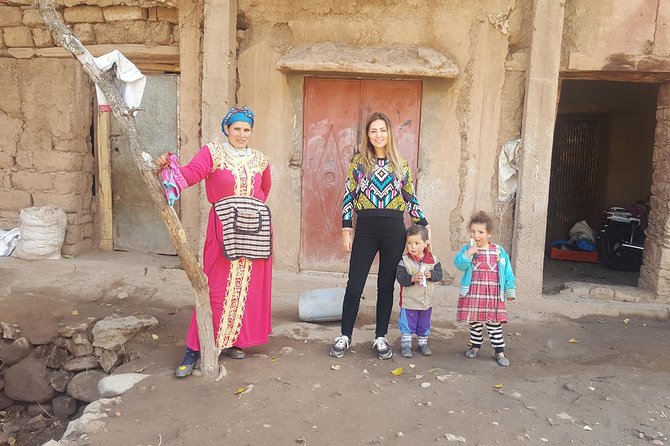
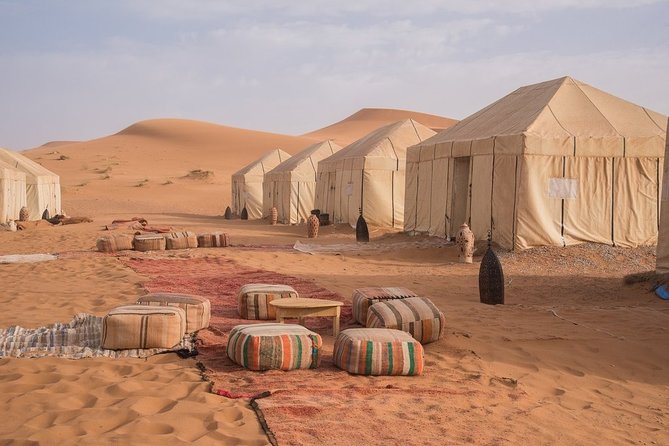
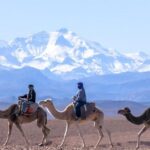
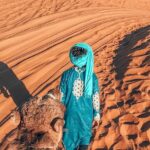
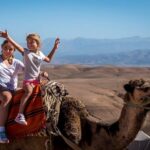
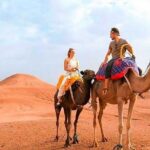
Next up is the camel experience, which is timed as 30 minutes of riding around the mountains, guided by a native Berber. That short ride length is a smart choice for most people—it gives you the iconic feel of a camel trek without turning the day into a long survival test.
After the ride, you’ll get mint tea underneath a traditional tent. This pause is more than a photo moment. It’s a rhythm reset: ride, dismount, then sit down and take in the setting with tea.
What I like about this approach is that it keeps the experience grounded. You’re not just paying for a ride; you’re getting guidance and a cultural pacing moment afterward.
Practical note: wear shoes you can walk in comfortably, and keep your camera ready but not so exposed that you’ll worry about it while you’re mounted. If you tend to get cold easily, bring a light layer, because mountain air can feel sharper later in the day even if Marrakech starts warm.
Price and value: what you’re really paying for at $95.38
The price is listed at $95.38 per person for a private day trip that includes round-trip hotel transfers, a professional guide, a three-course homemade lunch, and the camel ride experience (plus the key stops like the argan cooperative).
At first glance, it can seem like a lot if you’re comparing it to a basic group excursion. But this isn’t a bare-bones transport-only outing. You’re paying for:
- A private route design and guide attention
- The time built in for market, cooperative learning, lunch, and camel tea pause
- Door-to-door pickup and return, which saves you from coordinating a mountain day on your own
There’s also a hint about demand: this tour is often booked about 61 days in advance. That usually means people find it worth it, especially when they want a cultural day outside the standard Marrakech rhythm.
If you’re traveling as a couple or small group, this can feel particularly good value because the privacy and guide time aren’t being spread thin across a large group. If you’re solo, it still can be worth it if you want a structured day with someone leading you to the right places without guessing.
Who should book this Atlas Mountains day trip from Marrakech?
This tour makes sense for anyone who wants a full Atlas day without the stress of planning each stop. It’s especially strong if you care about:
- Berber village life beyond the obvious viewpoint photos
- Learning about argan oil and how women’s work is supported through a cooperative
- A meal experience that’s part of the cultural day, not an add-on
It can work well for mixed ages because the day includes optional walking and you can pace yourself. The tour is also described as most travelers can participate, and service animals are allowed.
If you’re the type who only wants one big landmark and then calls it quits, you might feel the day is packed. But if you like a route with multiple meaningful moments, this fits.
How to plan your day so the Atlas feels calm, not rushed
A few small habits make this kind of day trip smoother:
- Check the Ourika market day schedule you’re landing on. If it’s not running, you’ll switch to a heritage museum, which can still be interesting.
- Bring small items if you want to participate in the school stationery offering. Keep it simple and appropriate.
- Dress for shifting mountain weather. Even if Marrakech is sunny, the day can cool down outdoors.
- If you want the light walk, mention it when you meet your guide so they can shape the timing around it.
And just a reality check: a 7–8 hour day with mountain roads will feel longer than a city walk. I like to treat it like a day of experiences, not a single attraction sprint.
Should you book this Atlas Mountains experience?
I’d book this if you want a private, well-paced Atlas day with real village stops—especially the women-run argan cooperative and the Berber family lunch. It’s one of those tours where the “value” isn’t only the sightseeing. It’s the learning, the meal, and the human moments built into the schedule.
I’d hesitate if your timing is tight and you’re strongly dependent on a specific market day, or if you hate the idea of adjusting plans for weather. Since the itinerary can shift to a museum alternative when the market isn’t operating, flexibility helps.
FAQ
How long is the Atlas Mountains day trip?
It runs about 7 to 8 hours.
Is pickup included from Marrakech hotels?
Yes, round-trip hotel transfers are included.
Is this tour private or shared?
It’s a private tour. Only your group participates.
What’s included with the lunch?
A three-course homemade lunch is included.
Do I get to ride a camel?
Yes. You’ll have a camel ride for about 30 minutes, followed by mint tea under a traditional tent.
Are there specific days for the Ourika farmers market?
Yes. It runs on Sundays, Mondays, Tuesdays, Thursdays, and Fridays, plus Saturday afternoon.
What happens if the Ourika market isn’t running?
On days when the market isn’t operating, you can visit a local Berber heritage museum instead.
Is cancellation allowed if the weather is bad?
The experience requires good weather. If it’s canceled due to poor weather, you’ll be offered a different date or a full refund. You can cancel up to 24 hours in advance for a full refund.