REVIEW · MARRAKECH
Atlas Mountains & Berber Villages – Marrakech Day Trip – private tour
Book on Viator →Operated by Toubkal Guide · Bookable on Viator
Atlas peaks feel close from Marrakech. This day trip heads straight for the High Atlas via Imlil and the Berber villages, with a local mountain guide leading your walk and Jbel Toubkal showing up in the distance. It’s the kind of outing that turns a half-day drive into real mountain time.
One thing to think about: the walking has uneven, sometimes steep sections, so you’ll want solid shoes and a calm pace. Even if the trail isn’t a hard summit hike, the terrain in Imlil and around the village paths is still mountain terrain.
In This Review
- Key highlights at a glance
- Marrakech to Imlil: the ride that sets expectations
- The guided trek from Imlil toward Aremd village
- Seeing Jbel Toubkal without doing the full summit
- Lunch at a local guesthouse and Mizane Valley views
- The short walk back to Imlil
- Argan oil stops and waterfalls: what you might see en route
- Your guide and driver: why names matter for trust
- Comfort, timing, and how long the day really feels
- What to wear and how to pace your feet
- Who this day trip suits best
- Should you book the Atlas Mountains & Berber Villages day trip from Marrakech?
- FAQ
- What time does the tour pick you up in Marrakech?
- Where does the trek start?
- Is lunch included?
- Does the price include hotel transfers?
- Is there a local guide?
- What’s not included in the tour price?
Key highlights at a glance
- Hotel pick-up and drop-off plus an air-conditioned ride from Marrakech
- Local mountain guide to navigate the village-to-valley route
- Imlil to Aremd walk through traditional Berber countryside (about 1 to 1.5 hours)
- Lunch at a local guesthouse with views over the Mizane Valley
- Jbel Toubkal sightings (and in winter, a snowy look from afar)
- Small group cap (up to 17), so it feels like more than a bus tour
Marrakech to Imlil: the ride that sets expectations
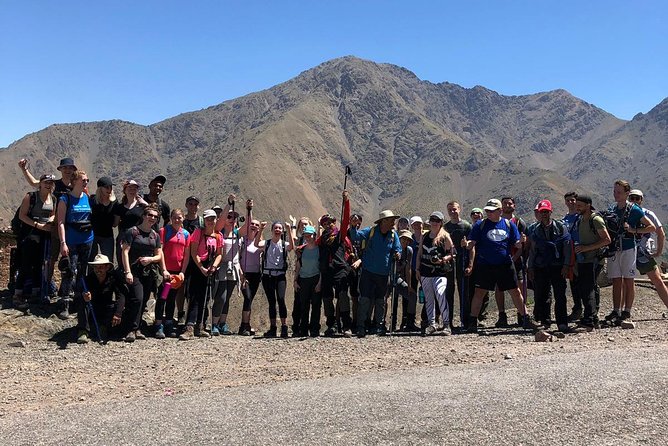
You start around 9:00 am with pick-up from your Marrakech hotel area, and you’ll head toward the Imlil valley. The drive is about 1.5 hours, and the altitude changes are the point: you go from city heat and noise to cooler mountain air, fast.
Once in Imlil (around 1,740 meters), you’ll feel like you’re entering a different rhythm of Morocco. This is one of the reasons the trip works well for a day: you don’t just get scenery—you get context. The guide helps you connect what you see (villages, slopes, valley views) with how people live out here.
Practical note: in the morning you’re still close to Marrakech, so plan for a comfortable start and then dress in layers. Even on a day that’s meant to be easy on paper, weather can change once you’re higher up.
You can also read our reviews of more private tours in Marrakech


The guided trek from Imlil toward Aremd village
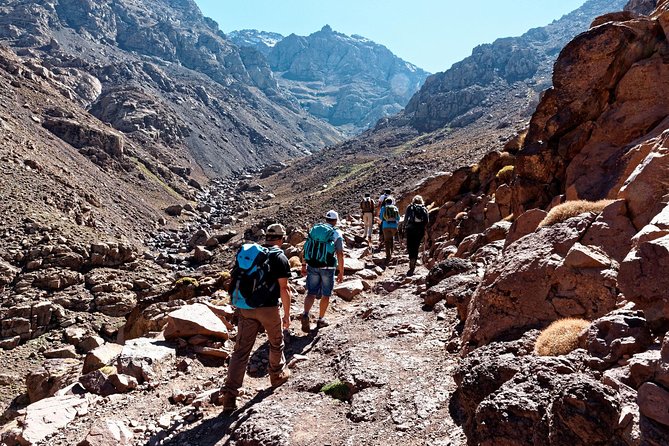
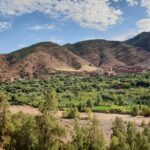
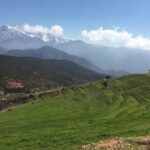
The walking portion starts in Imlil and heads toward Aremd village (about 1,900 meters). That first stretch typically takes about 1 to 1.5 hours, and it’s paced like a village hike—steady, with stops for views and local explanations rather than a race to the finish.
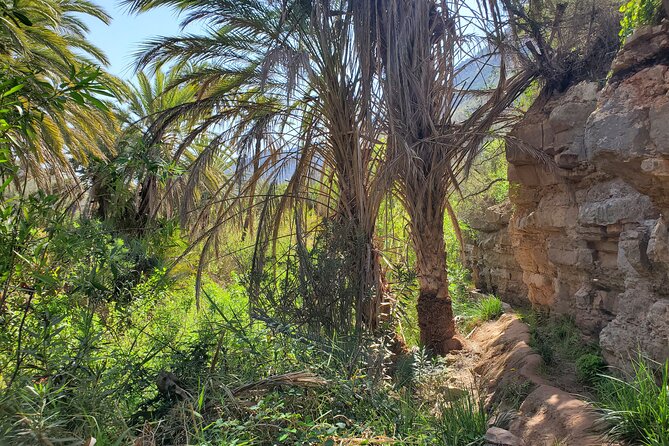
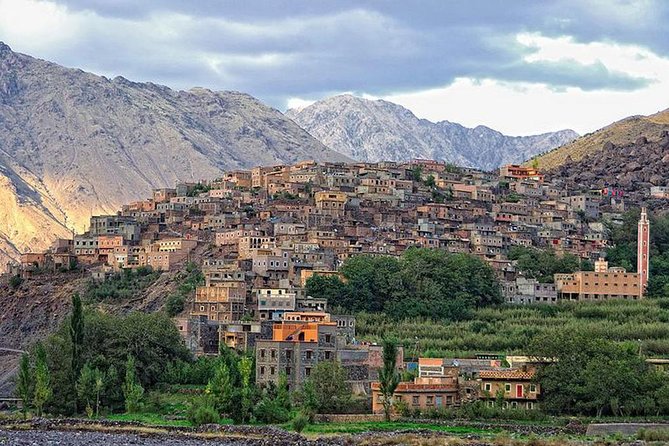
What makes this more than a simple stroll is the way the route threads through traditional Berber village areas. You’ll see homes built into the hillside patterns and get a sense of how tightly the mountains shape everyday life. A guide is useful here because they can point out what you’d otherwise miss—how the terrain influences paths, how the valley looks from different angles, and what to watch for as you walk.
From the supplied details, the trail is also built around the idea of witnessing Toubkal from the valley. You’re not going for the summit. You’re learning how that huge peak dominates the skyline even when you’re still miles away.
Seeing Jbel Toubkal without doing the full summit
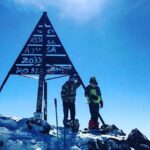
Jbel Toubkal (around 4,167 meters) is the star here—but in a smart, day-trip way. You’ll get views of the mountain from the walk, which is a huge win if you want the drama of Toubkal without paying the time and effort of a full climb.
In winter, the descriptions specifically call out the chance of seeing snow on Toubkal from a distance. That matters because the mountain doesn’t just look different—it feels different. Even if you never step onto snow, seeing it changes the mood of the whole hike.
One tip: bring the kind of mindset that enjoys slow look-ups. When you’re hiking through village paths, it’s easy to keep your eyes on the ground. This tour is at its best when you also pause and take in the horizon line. Your guide will be doing plenty of pointing; you’ll get the most if you mirror that with a few quiet stops.
Lunch at a local guesthouse and Mizane Valley views
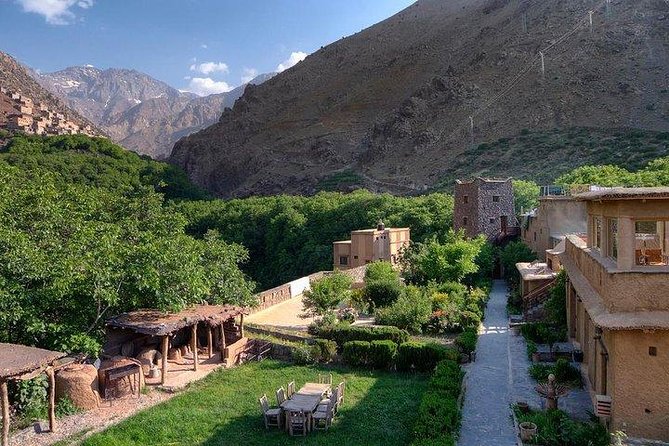
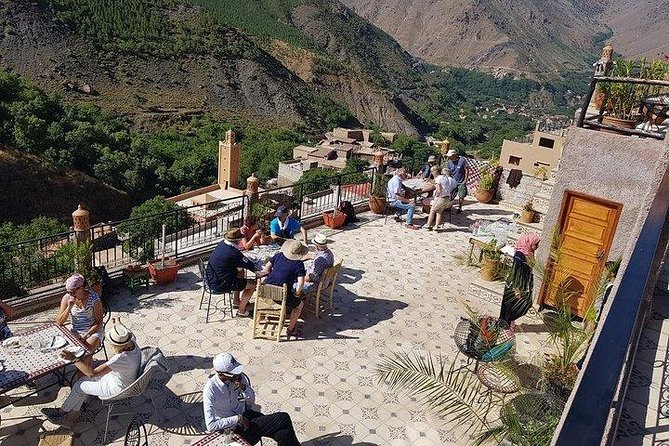
After about 1 to 1.5 hours on the trail, you go to a local guesthouse for lunch. Lunch is included, so you don’t have to pack food for the day—one less thing to juggle when you’re trying to enjoy the mountain air and not think about logistics.
You also get a view angle worth waiting for: after lunch, you’ll be positioned so you can look out over the Mizane Valley. This is where the tour shifts from walking effort to mountain appreciation. It’s not only about eating; it’s about letting your body recover while the landscape stays in front of you.
In real-world terms, this kind of included meal is good value. Many independent “day hikes” end up costing you twice—once in time and once in food you didn’t plan. Here, you pay for a structured day: guide + transport + lunch, with fewer surprises.
The short walk back to Imlil
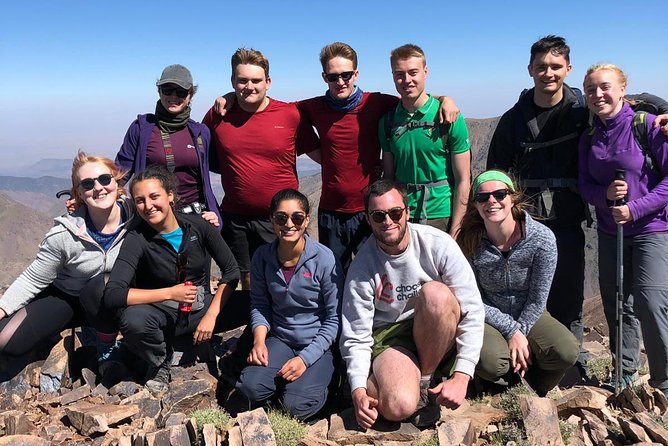
After lunch, you’ll do a 30-minute walk back to Imlil. The timing is helpful because it keeps the day feeling balanced: you get your effort, then you get back in time to enjoy the return ride without feeling wrecked.
This segment also tends to feel lighter than the morning walk, but don’t treat it as a flat walk on autopilot. Village paths can include uneven edges and changes in slope. The most important thing is your pace—think steady, not fast.
If you’re traveling with someone who gets tired easily, tell the guide early. A good guide can adjust the pace, add brief pauses, and keep the walk comfortable.
A few more Marrakech tours and experiences worth a look



Argan oil stops and waterfalls: what you might see en route
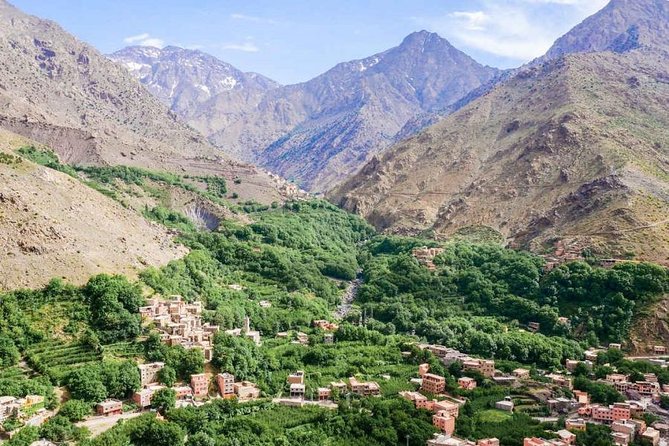
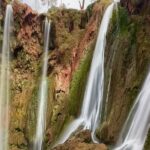
The core experience is Imlil, village paths, and a guesthouse lunch—but you may get extra stops on the way depending on how the day is running. Some guides and drivers have been described as stopping for experiences like how argan oil is produced on the route, and there are mentions of waterfalls in the area.
Should you count on these add-ons? The details you’re given are clear on the main structure, and extra stops look like they come from route flow and local timing. Still, it’s a good sign when a tour company doesn’t treat the day as a straight line from A to B. Those small detours can make the ride feel like part of the storytelling too.
If you’re picky about sticking to a strict schedule, ask what your guide’s plan looks like that day. If you’re flexible, those side moments can turn a good day into a memorable one.
Your guide and driver: why names matter for trust
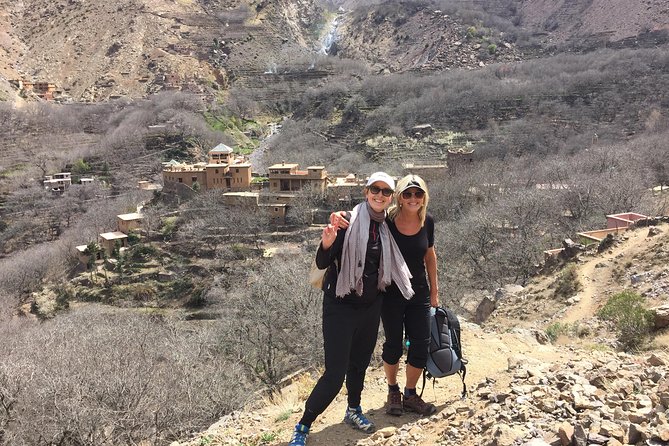
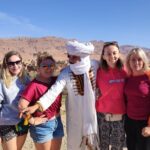
A big part of why this tour earns consistent high marks is the human side: the driver and guide who make the day feel safe and understandable. In the provided accounts, different people have shown up in those roles, including Said (driving with a comfort-checking style), Adil (guiding with a warm, easy pace), and Ibrahim (guiding with strong communication). Other names you might encounter in similar experiences include Jamal, Hussein, Youness/Youniss, and hosts like Karina at the start area.
You don’t need a famous guide to enjoy Toubkal views—but you do want someone who can manage mountain roads and explain what you’re seeing. The tour’s structure supports this: you get a local mountain guide, plus a professional driver with an air-conditioned vehicle.
What I like most about this setup is that it reduces mental load. You’re not trying to figure out where to stand for the best photo, which turns to take in the valley, or how long the village walk will feel. The guide owns that work.
Comfort, timing, and how long the day really feels
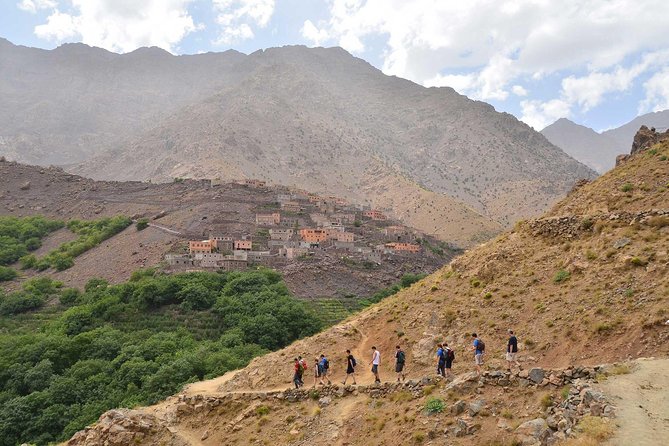
The tour is listed at about 5 hours. That’s a useful ballpark, but real mountain days can stretch a bit, especially if you spend extra time looking out over the valley or stopping along the way. In practice, you should expect a full morning with a return before dinner rather than a quick in-and-out.
Transport is built for comfort: you’re in an air-conditioned vehicle, and round-trip hotel transfers are included. That matters because the drive is long enough to be annoying in the heat if you’re stuck in a basic taxi.
Group size is capped at 17. For a “private tour” title, that cap is likely why the experience can still feel personal. You’re not stuck in a crowd, but you might still be sharing space with a few people.
Bring a realistic plan: you’ll be walking for the main stretch to Aremd, then a short walk back. If you’re fit enough for a moderate village hike, you’re in the right zone.
What to wear and how to pace your feet
The only thing the tour can’t control is how you handle the ground. The walking route includes uneven village paths and some steep effort, and winter conditions can add slippery factors. So plan on shoes with grip and ankle support.
Clothing-wise, do layers. Mountain air can feel chilly when the sun angle shifts. You’ll want something light for walking and a warmer layer for pauses.
Pacing is the secret weapon. When the guide sets a rhythm, follow it. If you go too fast early, you’ll spend the lunch break recovering instead of enjoying the views.
Who this day trip suits best
This is a strong match if you want a meaningful Atlas Mountains experience without committing to a multi-day trek. It’s ideal for:
- First-time Morocco visitors who want more than the city
- People short on time but still craving mountain views and village life
- Anyone who likes guided days with lunch included and transport handled
It’s also a great option for families who need structure and support. In the supplied accounts, mules have been mentioned for families dealing with steep steps, including mules with extra handlers. That’s not guaranteed for every day, but the fact that such help exists is a sign the operator can consider different comfort levels.
If you’re looking for a tough, summit-style challenge, this tour is likely not the right ticket. It’s designed around valley trekking and peak views, not topping out.
Should you book the Atlas Mountains & Berber Villages day trip from Marrakech?
I’d book it if you want maximum mountain payoff in a single day: pick-up, scenic trekking through Berber village areas, a real guesthouse lunch, and Toubkal views without the summit grind. The value is in the package—transport plus guide plus lunch—so you’re not improvising key parts of the day.
I’d think twice if your walking tolerance is very low. The itinerary may look short on paper, but the terrain is real, and you’ll benefit from a steady pace and good shoes. Also, if you’re traveling in winter, dress for cool, possibly snowy-looking conditions on distant peaks.
If you’re still deciding, take advantage of the flexibility: the experience includes free cancellation up to 24 hours before the start time. That lowers the risk if your plans in Marrakech shift.
FAQ
What time does the tour pick you up in Marrakech?
Pickup is scheduled for 9:00 am.
Where does the trek start?
The trek starts in Imlil after a drive from Marrakech.
Is lunch included?
Yes. Lunch at a local guesthouse is included, and you don’t need to pack food.
Does the price include hotel transfers?
Yes. Hotel pick-up and drop-off are included, plus transport in an air-conditioned vehicle.
Is there a local guide?
Yes. You’ll have a local mountain guide leading the walk.
What’s not included in the tour price?
Travel insurance and gratuities and personal expenses are not included.
If you want, tell me your travel dates and your comfort level for uneven walking, and I’ll help you decide whether this is the right pace for you in that season.