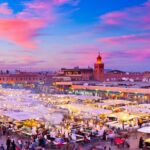
REVIEW · CASABLANCA
8 days Moroccan desert from Casablanca to Marrakech
Book on Viator →Operated by Trips desert Marrakech · Bookable on Viator
A desert trip that also feels hands-on Morocco. This Casablanca to Marrakech route strings together Merzouga dunes, Fes medina days, and a guided Marrakech finish without feeling like a nonstop blur.
Two things I really like: you get local guidance where it matters most—Fes medina and Marrakech medina—and you travel by private car the whole time, so you don’t waste vacation hours wrangling schedules.
One consideration: the desert part needs good weather. If conditions are bad, the operator may reschedule or refund instead of pushing ahead.
In This Review
- 6 stand-out reasons this route is worth your time
- The big picture: Casablanca to Marrakech in 8 days
- Day 1 in Casablanca: a practical start point
- Days 2 and 3 in Fez: the medina is the main event
- A local guide in the Fes medina: what it changes for you
- Day 4 in Merzouga: camel trek and a desert camp night
- Day 5 at Todgha Gorge (Tinghir): canyon walls without the crowds feel
- Day 6 in Ouarzazate: kasbahs and film-studio stops
- Days 7 and 8 in Marrakech: guided medina time and easy departure
- Price and value: what $837.53 buys you (and what it doesn’t)
- Comfort and safety: why private touring helps in Morocco
- Who should book this tour, and who should pass
- Should you book this Casablanca to Marrakech desert tour?
- FAQ
- How long is the tour?
- Where does the tour start and end?
- Is this a private tour?
- What’s included for meals?
- Do you have local guides?
- Is there camel trekking and desert camping?
- What cities are covered besides Casablanca and Marrakech?
- What happens if weather is poor in the desert?
6 stand-out reasons this route is worth your time
- Private transportation for the full circuit, so the day-to-day flow stays smooth
- Local guides included for both Fes and Marrakech medina time
- Merzouga camel trek + desert camp night, with sunset or sunrise options
- Todgha Gorge at Tinghir, where you get those tall canyon walls close up
- Ouarzazate stops, including Taourirt Kasbah and Atlas Film Studios
- Meals built in: 7 breakfasts and 2 dinners (less decision fatigue for you)
The big picture: Casablanca to Marrakech in 8 days
This is a straightforward route: you start on the Atlantic side at Casablanca, work your way through Fez, cross into Merzouga desert, then continue via Tinghir/Todgha Gorge and Ouarzazate before ending in Marrakech. The value here is that you’re not just ticking boxes—you’re moving through very different Morocco settings, with lodging and key meals handled for you.
It’s also a private tour/activity, meaning only your group participates. That matters in Morocco, where flexible pacing and fewer logistics headaches can make the difference between a good day and an exhausting one.
Finally, the itinerary shows admission tickets as free for the listed stops. In practice, that usually means fewer surprise entry costs, though you’ll still want to budget for anything personal you add on.
You can also read our reviews of more tours and experiences in Casablanca.
Day 1 in Casablanca: a practical start point
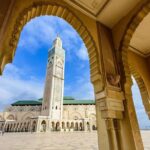
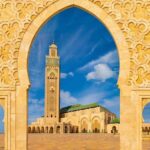
Day 1 is set in Casablanca with time built into the day (it’s listed as about 8 hours). You’re not racing immediately across the country, which is helpful if you’re arriving from a flight or you just want your first Moroccan evening to feel calm.
Casablanca is also a good starting base because it’s easier to handle arrival logistics compared with more remote cities. And since the tour offers pickup and uses mobile tickets, you typically spend less time hunting for directions on your first day.
What I like for you here: this day gives you breathing room before the trip turns more intense. What could feel odd: it’s a long day with only one city listed, so you’ll want to make sure the Casablanca portion includes at least one clear highlight and not just transit.
Days 2 and 3 in Fez: the medina is the main event
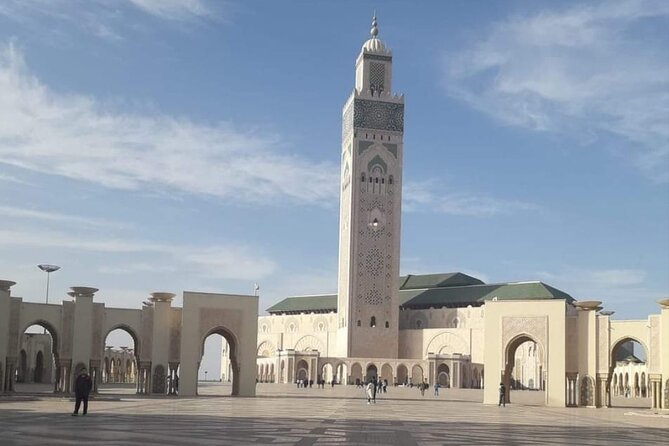
Fez is where the trip gets serious in a good way. The plan sets aside two full days for Fes, including time for iconic medina sights and a more structured medina experience.
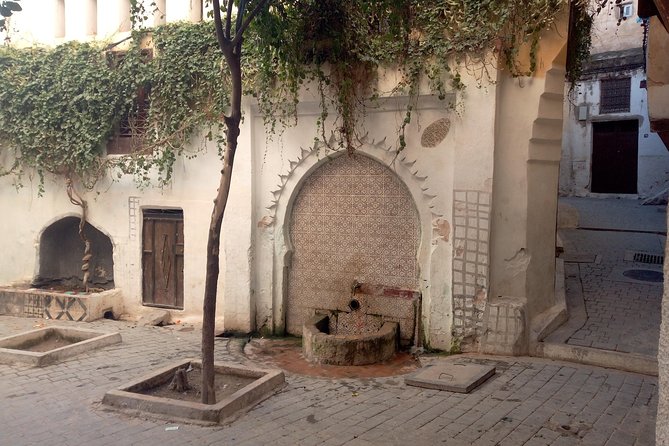
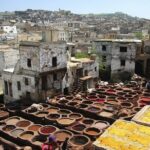
On Day 2, you’re looking at the heart of the old city: the historic medina, plus landmarks like the Bou Inania Madrasa and the tanneries, along with the lively souks. If you’ve ever seen Fez described as a maze, this is the day you’ll understand why. Narrow streets, constant motion, and craft workshops all run side-by-side.
Day 3 is also in Fez, and that second day is a huge plus because it’s where you can slow down. This is the time when a local guide becomes more than a nice extra—you can actually ask questions and connect what you see to the way the city works.
A local guide in the Fes medina: what it changes for you
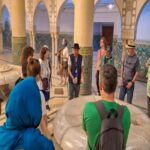
This tour includes a local guide in the Fes medina, and that’s one of the highest-value inclusions on the whole itinerary. With a guide, you’re not stuck trying to figure out what’s important, what’s worth stopping for, and what’s just signage and noise.
You’ll also get help navigating the medina’s layout, especially around places like the medersas and the tanneries. Those are the kinds of locations where it’s easy to miss details without context. A good guide can point out cultural meaning, practical navigation routes, and small sights that don’t show up on the first photo you take.
One more practical benefit: medinas are crowded at times, and having a local handle the pacing tends to reduce stress. I’d rather spend energy on experiencing Fez than solving it.
Day 4 in Merzouga: camel trek and a desert camp night
Day 4 shifts you from city texture to desert scale. The plan heads to Merzouga Desert, known for dunes like Erg Chebbi. Expect wide horizons and that classic desert light—harder and clearer than you get in most places.
The big activity is the camel trek into the dunes, typically for sunset or sunrise. That timing choice matters. Sunset gives you warmer colors and dramatic shadows, while sunrise often feels quieter and cooler with early light spreading across the sand.
Then comes the experience piece: you camp in the desert for a night so you can look up at the star-filled sky. That night is also why this route works: it’s not a quick photo stop; it’s a full sensory reset away from roads and buildings.
The one caution: desert travel is weather-dependent. The experience states it requires good weather, and if it’s canceled due to poor conditions, you’ll be offered a different date or a full refund.
Day 5 at Todgha Gorge (Tinghir): canyon walls without the crowds feel
After the desert night, Day 5 moves you to Tinghir and the Todgha Gorge. The draw here is simple: towering canyon walls and a riverbed you can see up close.
This is the day that balances the trip. You’ve had medina intensity, then desert quiet. The gorge offers something in-between: big scenery, but with a sense of movement that’s still comfortable to enjoy in daylight.
The plan also mentions the possibility of venturing into nearby Atlas Mountains if time allows. That’s a good sign because it suggests you’re not locked into only one viewpoint forever.
Potential drawback to keep in mind: Day 5 includes driving time (the schedule lists about 8 hours total), so if you’re prone to travel fatigue, you may want to keep your plans for the evening low-key.
Day 6 in Ouarzazate: kasbahs and film-studio stops
Day 6 is your Ouarzazate day, often described as a gateway between city life and desert routes. Here you’ll see highlights tied to both history and pop culture: Taourirt Kasbah, Atlas Film Studios, and nearby scenery like the Draa Valley.
Taourirt Kasbah gives you that traditional architecture feel—thick shapes, layered walls, and a strong sense of place. Atlas Film Studios adds a different angle, showing how the region’s look has served as a set for major productions.
I like this day because it adds variety to the story of Morocco. It’s not only about old streets and dunes; it’s also about how this area has been used to represent other places on screen.
Days 7 and 8 in Marrakech: guided medina time and easy departure
Day 7 is Marrakech with a plan that focuses on the medina and major landmarks: Jemaa el-Fnaa square, Bahia Palace, souks, and Koutoubia Mosque. That’s a strong list if you want both atmosphere and architecture.
The tour includes a local guide in Marrakech medina, which again is a key inclusion. Marrakech medina navigation can feel like speed-running. With a guide, you’re more likely to hit meaningful spots and find food and street corners that fit your taste, not just what a map points to.
Day 8 is your wrap-up: you’re taken to airport Marrakech, or airport Casablanca, or back to a Casablanca hotel. That flexibility is practical. You can align your final flight without feeling trapped into one return option.
Price and value: what $837.53 buys you (and what it doesn’t)
At $837.53 per person for an 8-day package, the value comes from what’s bundled in. You’re getting 7 nights in hotels or traditional riads, private transportation, 7 breakfasts, and 2 dinners. On top of that, local guides are included in Fes and Marrakech medinas.
That’s a solid deal structure compared with piecing together a desert night plus a private car plus guided medina time on your own. The private transport alone is the kind of cost that quickly adds up if you’re booking day by day.
What’s not included is clearly marked: personal expenses. That’s where you should expect things like extra snacks, shopping, tips, and any optional experiences to live.
My practical tip: treat this price as a base for a planned itinerary with meals and core guidance included. If you want lots of extras, plan for add-on spending early.
Comfort and safety: why private touring helps in Morocco
This tour is designed around comfort and safety, with reliable transportation and well-chosen accommodations. You’ll also travel by private car, which is the big comfort upgrade on routes that cover long distances.
In Morocco, distance can be the real enemy of a trip. A private driver reduces friction: fewer transfers, less waiting, and fewer moments where you wonder what happens next. And since it’s private for your group, pacing tends to match your needs better than a shared group schedule.
One name that repeatedly shows up in the experience feedback is Reda—often described as punctual and caring, and as someone who watches over the details so you don’t have to. If you connect with your guide, that kind of support changes how the whole trip feels.
Who should book this tour, and who should pass
This tour fits you if you want a classic Morocco structure: medina culture, desert night with camel trek, and souks plus landmarks in Marrakech, all without managing daily logistics.
It’s also a good choice if you like guided medina time. Two guided blocks—Fes and Marrakech medinas—mean you get the most complicated navigation portion handled for you.
You might choose something else if you prefer total free time in every city. The itinerary is structured with set highlights and travel days, so you’re not meant to wander independently all day without any plan.
Should you book this Casablanca to Marrakech desert tour?
I think this is a smart booking if you want the highlights with the work done for you: lodging, key meals, private transport, and local guiding in the two medinas that benefit most from it. The Merzouga desert night is the headliner, but the rest of the route keeps it from feeling one-note.
If your dates are flexible and you’re okay with weather dependency in the desert, you’ll likely feel well taken care of. If you’re traveling with a tight schedule or you strongly dislike long driving days, consider whether you want a slower route.
FAQ
How long is the tour?
It runs for 8 days.
Where does the tour start and end?
It starts in Casablanca and ends in Marrakech, with Day 8 transfer options to Marrakech airport, Casablanca airport, or back to a Casablanca hotel.
Is this a private tour?
Yes. It’s listed as a private tour/activity, so only your group participates.
What’s included for meals?
You get 7 breakfasts and 2 dinners included.
Do you have local guides?
Yes. A local guide is included for the Marrakech medina and the Fes medina.
Is there camel trekking and desert camping?
Yes. The plan includes a camel trek into the Merzouga dunes for sunset or sunrise, plus one night camping in the desert.
What cities are covered besides Casablanca and Marrakech?
You’ll also spend time in Fez, Merzouga, Tinghir/Todgha Gorge, and Ouarzazate.
What happens if weather is poor in the desert?
The experience requires good weather. If it’s canceled due to poor weather, you’ll be offered a different date or a full refund.