REVIEW · MARRAKECH
3 days tour from Marrakech to Merzouga
Book on Viator →Operated by Marrakech Camel Trips - Day Trips · Bookable on Viator
That first camel step at night changes the trip. This 3-day route links Marrakech to Merzouga with an A/C 4WD drive, big named sights, and a real night camel trek into the Erg Chebbi dunes. I love the comfort of air-conditioned 4WD/minibus after long driving days, and I also like the stop at Aït Ben Haddou, the UNESCO kasbah that shows up in films. The only real drawback to plan for is the pace: you’ll be in the car for stretches, especially on the road days.
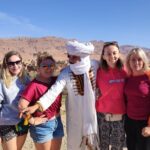
You’ll get a driver-guide to handle the driving and the flow of stops, and the tour is set up as a private experience for just your group. People consistently talk about guides who are friendly and makes time for practical needs like photo stops, plus smooth, careful driving.
At $460.61 per person, the value comes from the mix of transport, guided sightseeing, and built-in meals for the two nights (dinner and breakfast). If you hate early starts, though, note the routine: an 8:00 am departure and an early morning desert moment are part of the deal.
In This Review
- Key highlights you’ll feel on this trip
- Getting out of Marrakech: 8:00 am start and A/C comfort
- Over the High Atlas: Tizi N’Tichka Pass (2260m) and photo-stop rhythm
- Aït Ben Haddou: the UNESCO kasbah stop that feels like another era
- Dades Gorges overnight: settling into the valley before the desert
- Day 2 to Merzouga: Todra Gorge, the monkey toes, and kasbah towns
- Erg Chebbi camel trek at night: the main event you’ll remember
- Day 3 sunrise dunes and the return via Rissani, Alnif, and Draa Valley
- Price and value: what you’re really paying for at $460.61
- Who this Marrakech to Merzouga tour is best for
- Final call: should you book this 3-day desert route?
- FAQ
- What time does the Marrakech to Merzouga tour start?
- How long is the trip, and how many nights do I sleep out of Marrakech?
- Is pickup from Marrakech included?
- When does the tour end and will there be a drop-off in Marrakech?
- What’s included in the price?
- What’s not included, so I can budget ahead?
- Do I ride camels and sleep in the desert?
- When do we watch sunrise?
- Which big sights are part of the route?
- Is cancellation free if my plans change?
Key highlights you’ll feel on this trip
- Night camel trek into Merzouga’s Erg Chebbi for that classic Sahara feeling and starry-sky time
- Tizi N’Tichka Pass crossing (2260m) through High Atlas mountains with photo stops
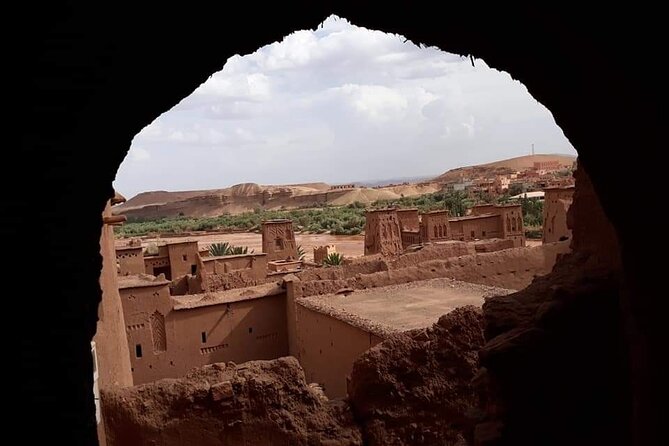
- Aït Ben Haddou UNESCO kasbah visit with free time to explore at your own speed
- Todra Gorge walking beneath the red cliffs plus stops for iconic rock formations
- Overnight stays with dinner and breakfast across Dades Valley and the desert camp
- Sunrise from the dunes followed by return to the hotel by camel
Getting out of Marrakech: 8:00 am start and A/C comfort
This tour starts at 8:00 am in Marrakech, with pickup from your accommodation (or another location you choose in the city). That early start matters because you’re covering real distance before you reach the first major sights, and you’ll want daylight for the mountain drive.
The driving setup is also a big part of why this trip works. You travel in 4×4/minibusses with air-conditioning, which is a comfort win in Morocco’s warmer stretches and a sanity saver if you’re sensitive to heat. It also makes the long road days feel less like endurance training and more like a moving sightseeing day.
One practical tip: bring water and snacks for the road (since lunch and drinks aren’t included). Even with good stops built in, you’ll move faster and feel better if you can top up whenever you want.
A few more Marrakech tours and experiences worth a look
Over the High Atlas: Tizi N’Tichka Pass (2260m) and photo-stop rhythm
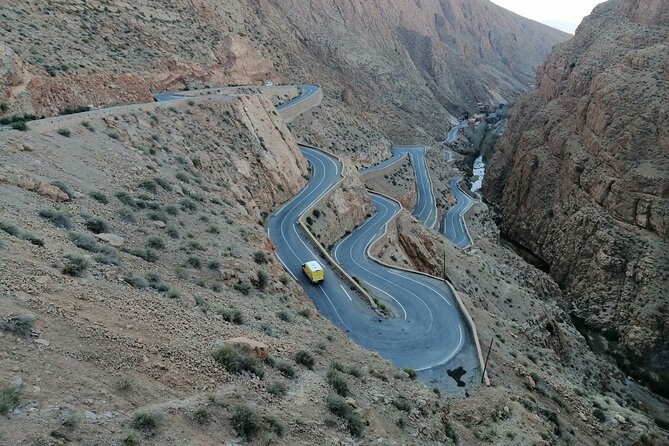
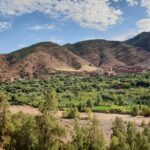
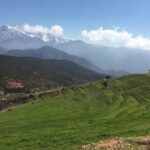
Day 1 is the “get your eyes adjusted” day. You head from Marrakech toward the High Atlas via Tizi N’Tichka Pass (2260m). This is the stretch where the scenery changes clearly, and the driver-guide keeps stops along the way for pictures and viewpoints.
What I like about this format is that the pass isn’t treated like a straight highway segment. You get those in-between stops for different colors and views, plus glimpses of Berber villages you pass through. It’s the kind of driving day that gives you context for where you’re going rather than just getting you there.
A possible consideration: because there are sightseeing stops plus a long day of driving, you’ll want to keep expectations realistic. This isn’t the day for slow roaming; it’s for short look-and-capture moments that build toward the UNESCO site later.
Aït Ben Haddou: the UNESCO kasbah stop that feels like another era
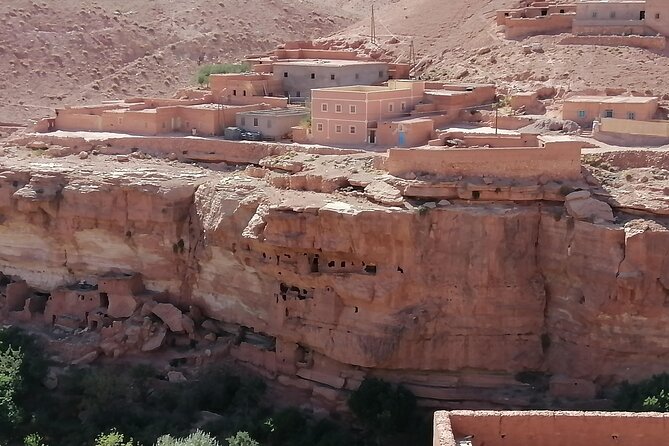
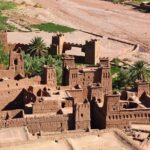
Midday on Day 1 you arrive at Aït Ben Haddou, and the timing is useful. You’ll have free time to visit the kasbah, so you’re not stuck in a rush-tram schedule.
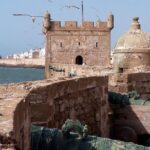
This place is UNESCO World Heritage since 1987, and it’s also a frequent film location—so even if you don’t know the history line by line, you’ll recognize the vibe. The kasbah’s mud-brick architecture and layered structure make it feel lived-in, like time is stuck in place.
Why it’s worth the stop on a desert trip: it changes the story you’re telling yourself. The Sahara is the headline, but Morocco’s kasbah culture explains why travelers have been drawn to these routes for centuries.
If you want a smooth visit, wear shoes you can walk in comfortably, because you’ll be climbing and moving through uneven areas.
Dades Gorges overnight: settling into the valley before the desert
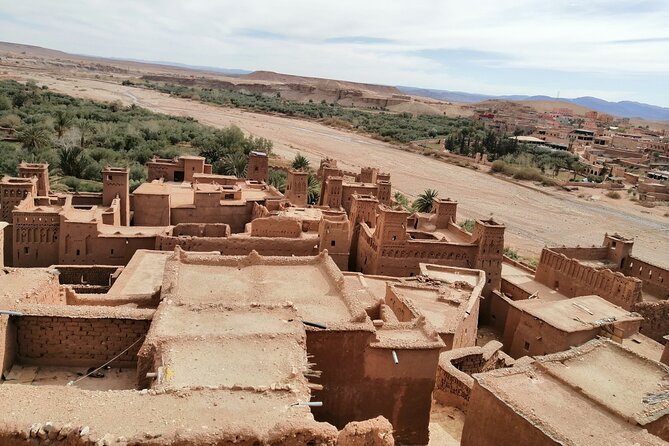
Day 1 ends in the Dades Gorges area. The tour includes an overnight stay in the Dades Valley hotels, with dinner and breakfast included.
I like this overnight structure because it breaks up the journey. Instead of rushing straight to the desert, you get a chance to recharge and sleep before the camel night. It also sets you up for Day 2, which has a lot of sight windows along the way.
Dades Gorges is also a good “transition” region: you’re still in dramatic terrain, but you’re not yet at the sand-and-night-camp stage. That means you’ll feel the shift gradually, not all at once.
Day 2 to Merzouga: Todra Gorge, the monkey toes, and kasbah towns
After breakfast, Day 2 drives you back through valleys and toward Merzouga, with a run of stops that keep the day from feeling repetitive. You pass through Tinghir and on to the Todra Gorges, plus other towns like Tinjdad, Touroug, Erfoud, and Rissani.
Two specific stops stand out:
1) Todra Gorge walk
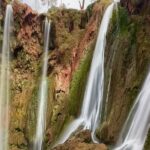
You get to walk under a 300m high red cliff, and this is a real wow moment because you’re not just looking—you’re moving in the gorge space. It’s also a popular area for rock climbers, so if you see ropes or climbing activity from a distance, that’s part of the setting.
2) Rock formations and older kasbahs
The day includes a mention of the rock formation called the monkey toes, plus the still-standing 19th century Kasbah of Ait Yul. Those stops are short, but they give you visual variety before the desert becomes the main event.
You’ll have lunch in the Erfoud and Rissani area, but remember: lunch isn’t included, so budget for it. After that, you head for Merzouga, where your camel will be waiting.
This is also the day where your expectations should shift from “big monuments” to “variety of scenery.” The desert is coming, and each stop is one step closer.
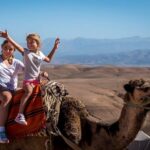
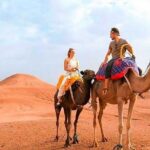
Erg Chebbi camel trek at night: the main event you’ll remember
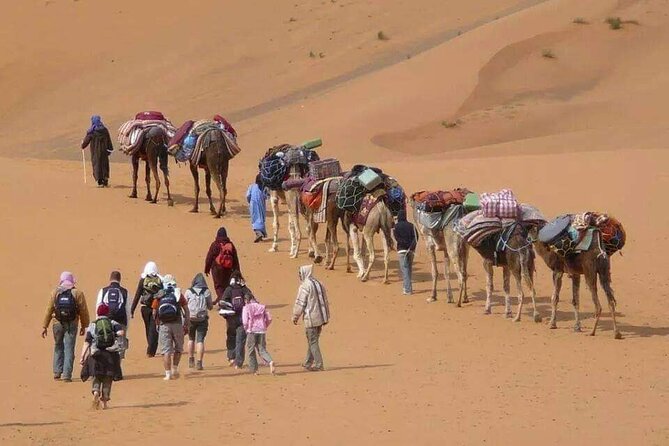
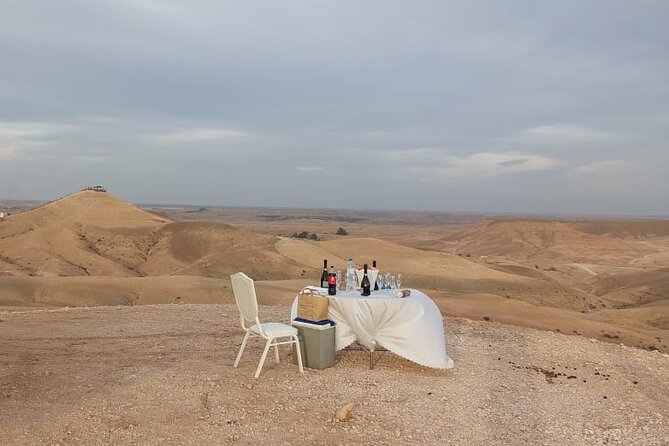
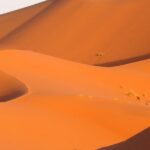
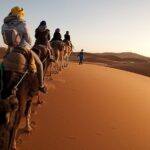
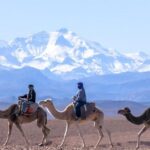
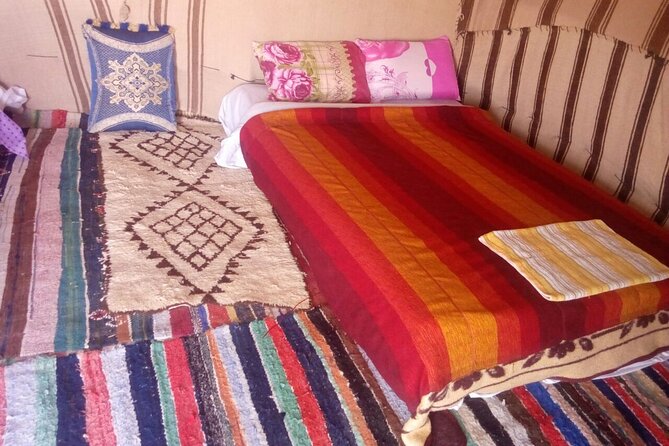
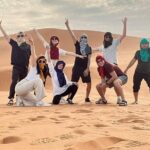
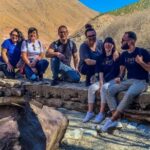
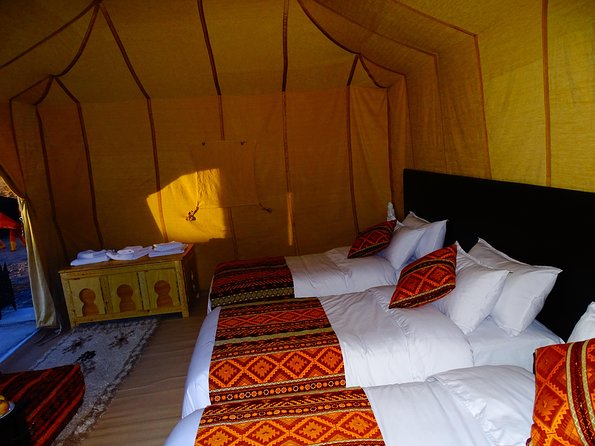
Day 2 ends with the desert moment you came for: you ride camels into the Erg Chebbi dunes for a night camel trek and a stay in a luxury camp in the desert.
What makes this part matter is the timing. Going at night changes the feeling completely. During the drive and daytime stops, everything is visible and readable. At night, the dunes turn into shape and sound, and that’s where the magic is.
The camp experience is built into the price, and you’ll have the overnight desert night there. Dinner is included for this night, and you’ll also get breakfast before moving on the next day.
If you’re choosing this kind of trip for stars and atmosphere, this is the part. The night in the desert is repeatedly described as worth the long road, because once you’re out there, your brain finally stops counting hours and just watches the sky.
Practical tip: for camel time and camp time, wear clothing that you don’t mind getting dusty.
Day 3 sunrise dunes and the return via Rissani, Alnif, and Draa Valley
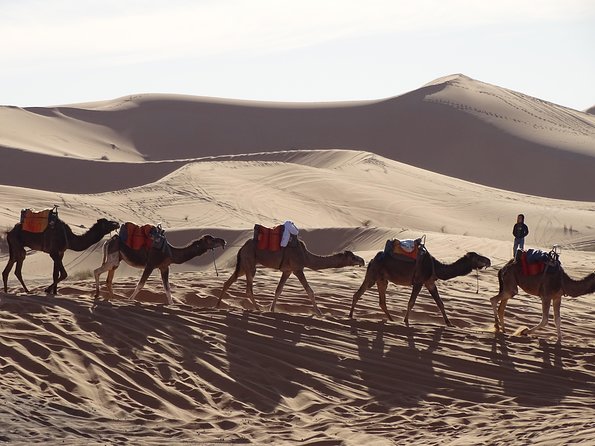
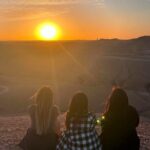
Day 3 starts early with the desert routine: a camelman guide wakes you up so you can watch the sunrise from the dunes. Then you return by camel to the hotel for breakfast and shower, which is a comfort move after the overnight camp.
After that, the day turns into the “heading home through changing Morocco” segment. You travel through Rissani and Alnif, then reach the Draa Valley. Draa Valley is one of those routes where the journey itself starts to feel like a travel story.
You also stop in Ouarzazate, with free time for lunch before you continue back to Marrakech. The end of the service is an evening drop-off back at your riad or another point in Marrakech you prefer.
This return day is less about one big attraction and more about seeing Morocco connect the dots: mountains, kasbahs, valleys, palm groves, and finally the city you started from.
Price and value: what you’re really paying for at $460.61
The price—$460.61 per person—can look steep until you map it to what’s actually included.
Here’s the value equation as I see it:
- You’re paying for transport in A/C 4×4/minibus across long distances.
- You’re paying for a driver-guide who manages driving and sightseeing stops.
- You’re covering two included overnights: one in the Dades Valley area (with dinner and breakfast) and one in a desert luxury camp (with dinner and breakfast).
- You’re paying for the camel trekking itself, including the night desert experience.
When you add those up, this price starts to feel more like “a packaged way to avoid hassle” than “just a ride to the dunes.” The major thing you won’t get bundled is your drinks and lunches, so you’ll want to keep some spending money ready for those daily meals.
If you’re comparing options, don’t just compare the lowest ticket price. Compare what you actually won’t have to organize—especially the desert camp night and the camel trek.
Who this Marrakech to Merzouga tour is best for
This tour is ideal if you want a high-impact Sahara experience without micromanaging transport between regions.
You’ll likely love it if:
- You want the Atlas crossings + kasbah sightseeing plus the desert night, all in one efficient route.
- You care about comfort on road days, thanks to A/C transport.
- You’re the type who enjoys short photo stops with a real plan behind them.
- You value a guide who keeps things organized and safe, not just “driving you to places.”
You might want to consider a different option if:
- You dislike early mornings. Day 1 starts at 8:00 am, and Day 3 involves sunrise timing.
- You want lots of free time at each stop. This trip is packed with stops, but time blocks are mostly designed for “see it, learn a bit, move on.”
Also, if you’re traveling with kids, the tour states that children must be accompanied by an adult, so keep that in mind when planning schedules.
Final call: should you book this 3-day desert route?
If your goal is a classic desert story—Atlas mountains, UNESCO kasbah culture, and then a genuine night camel trek into Erg Chebbi—this is a strong fit. The combination of A/C transport, two meal-included nights, and the desert camp + camel trek is where the value lives.
Book it if you can handle long driving days and you’re excited for a structured, efficient route. Skip it if you want a slow travel pace with deep downtime, because this trip is designed to keep moving and hitting the highlights in a tight 3-day window.
If you want, tell me your travel month and whether you prefer private pacing or more downtime, and I’ll help you decide if this timing matches your style.
FAQ
What time does the Marrakech to Merzouga tour start?
The tour starts at 8:00 am.
How long is the trip, and how many nights do I sleep out of Marrakech?
It’s approximately 3 days and includes two nights: one in the Dades Valley area and one in a desert camp near Merzouga.
Is pickup from Marrakech included?
Yes. Pickup is offered from your accommodation in Marrakech (or another location you choose in the city).
When does the tour end and will there be a drop-off in Marrakech?
On Day 3, after the return via Ouarzazate and the Draa Valley, the tour ends with evening drop-off in Marrakech at your riad or anywhere you want.
What’s included in the price?
Included items are A/C 4×4/minibus transport, a driver/guide, fuel, overnight stays with dinner and breakfast, and camel trekking with the night in the desert.
What’s not included, so I can budget ahead?
Drinks and lunch are not included.
Do I ride camels and sleep in the desert?
Yes. You get a night camel trek into the Erg Chebbi dunes and sleep in a luxury desert camp.
When do we watch sunrise?
You watch sunrise from the dunes on Day 3, early in the morning.
Which big sights are part of the route?
You pass through Tizi N’Tichka Pass (2260m), visit Aït Ben Haddou (UNESCO site), see Todra Gorges (including walking under the red cliffs), and include an Ouarzazate stop with time for lunch.
Is cancellation free if my plans change?
Yes. You can cancel for a full refund if you cancel at least 24 hours before the experience start time.