REVIEW · MARRAKECH
3 Days Sahara Desert Tour from Marrakech to Fes
Book on Viator →Operated by Authentic Sahara Tours · Bookable on Viator
Three days through Morocco feels like a movie set. This Marrakech to Fes route strings together the High Atlas and the Erg Chebbi dunes with hotel pickup, so you spend your time looking out the window instead of planning it.
I particularly love the camel ride into the Sahara and the overnight setup in private tents with ensuite bathroom and shower. One thing to consider: lunch isn’t included, and I’d plan on being flexible—one tip worth taking is to bring a few snacks, since lunch stops aren’t always treated like the main event.
In This Review
- Why This Marrakech to Fes Route Feels Like Morocco in Three Acts
- Small-Group Size and Pickup: The Comfort Advantage
- Day 1: High Atlas Pass, Ait Benhaddou, and the Dades Gorges Overnight
- Day 2: Todra Gorge Views, Merzouga Dunes, and Private Desert Tents
- Day 3: Sunrise at the Dunes, the Ziz Valley Return, and Fez Drop-Off
- Camel Ride, Desert Camp Comfort, and What You’re Really Paying For
- Price and Value: What $639.73 Actually Covers
- Who This Tour Fits Best (and Who Might Want a Different Plan)
- Quick Tips Before You Go
- Should You Book This Marrakech to Fes Sahara Tour?
- FAQ
- What time does pickup happen in Marrakech?
- How many people are in the group?
- Is the camel ride into the Sahara included?
- Where do you stay overnight during the tour?
- What meals are included, and what is not included?
- What’s the tour duration?
- What stops happen on the way back to Fez?
Why This Marrakech to Fes Route Feels Like Morocco in Three Acts
This tour does a smart job of moving you through Morocco’s big contrasts without forcing you to bounce between random bus schedules. You start in Marrakech, climb the Tizi-n-Tichka pass in the High Atlas, pass through UNESCO Ait Benhaddou country, then drop down toward desert country—ending in Fez with time to get settled into your riad or hotel.
What makes it especially appealing is the pacing. It’s not a sprint. You get repeated chances to stop for views and breaks along the way (coffee, toilets, photos), and the desert part is paced like a real experience, not a quick photo stop.
The best part for me is the mix of big-name places and in-between moments: palm groves around Skoura, the rose season area along the M’Goun river (when it’s blooming), gorge scenery near Todra, and the cedar forest near Azrou on the way back. It’s a full route, but still human-sized.
Small-Group Size and Pickup: The Comfort Advantage
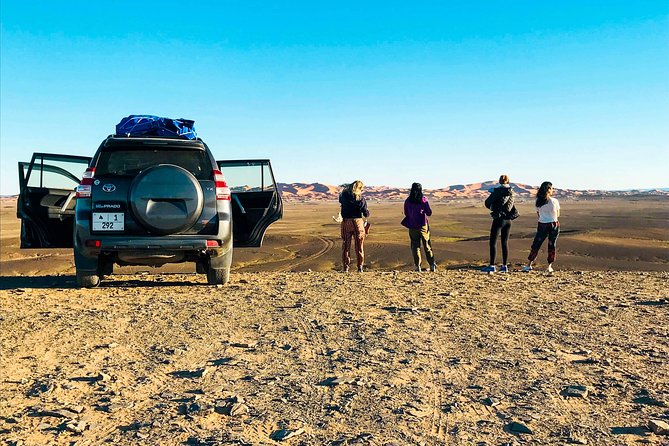
This is a small-group tour with a maximum of 8 travelers, which matters more than you’d think once you’re on the road. Fewer people usually means fewer awkward timing issues—like everyone trying to find the same restroom at the same time.
Pickup is included in Marrakech, and the day starts around 8:00 am. In practice, that means you’re not wasting your morning figuring out transport. You’re already in the flow: seats in a private vehicle, a guide who can keep the route moving, and the option to make short stops for comfort and photos.
Also, there’s a mobile ticket, which is handy if you like less paperwork.
And if you’re lucky enough to get a driver/guide like Abdoul, the tour vibe can feel very calm and cared-for—patient driving, attentive guidance, and the kind of pacing that helps when the mountain roads get winding.
A few more Marrakech tours and experiences worth a look
Day 1: High Atlas Pass, Ait Benhaddou, and the Dades Gorges Overnight
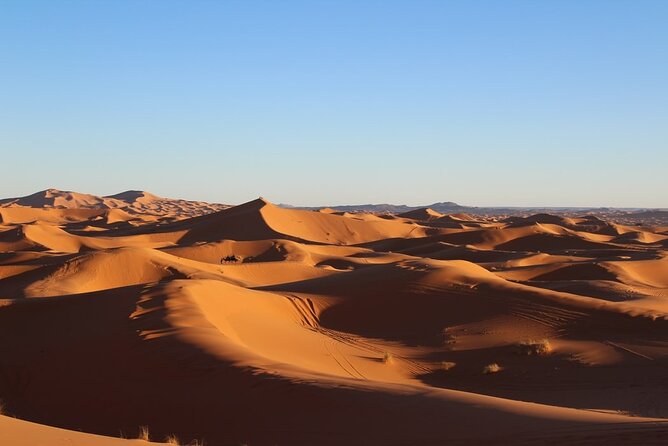
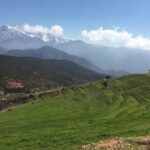
Day 1 is where you feel Morocco’s altitude and scale right away. You leave Marrakech and drive toward the High Atlas, crossing the Tizi-n-Tichka pass. Along the way you’ll get stops for coffee and toilets, plus time to appreciate the panoramic views and take pictures. These breaks aren’t just convenient; they keep the day from feeling like one long blur.
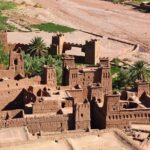
Next up is Ait Benhaddou, a UNESCO World Heritage site that has appeared in major films and TV. You’ll have time to visit the kasbah itself, and you’ll stop for lunch at the foothills area near the kasbah. If you like places that feel lived-in rather than staged, this one hits that note.
After lunch, you reach Ouarzazate, with optional additions if you want them: Atlas Studios and the Taourirt Kasbah. Optional is the key word here. If you’re not in “museum mood” that day, you can skip and keep your energy for the scenery ahead.
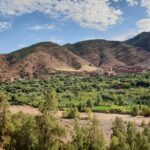
Then comes the road into the Dades region. You’ll pass through palm groves of Skoura, with an optional stop at Kasbah Amredile if time permits. You may also stop at the rose valley area along the M’Goun river—the rose of Damascena story is part of why this valley matters. The roses are typically in bloom between April and mid-May, so don’t assume you’ll see peak color year-round.
Finally, you arrive in Boumalne Dades and spend the night in a local hotel. On the route you’ll get view stops and a stop for a bizarre rock formation people call monkey feet.
Practical note: Day 1 is scenic, but it’s also a lot of driving. If you get motion-sick, plan accordingly.
Day 2: Todra Gorge Views, Merzouga Dunes, and Private Desert Tents
Day 2 is the big turning point. After breakfast, the drive takes you from the Dades area to the desert route toward Erg Chebbi near Merzouga. You’ll stop at Todra Gorge, where you can enjoy a short walk in the cliff area. It’s one of those places where the stone looks close enough to touch, and it makes the shift from mountains to desert feel real.
From there, you continue toward Merzouga with a lunch stop along the way in the Tinjdad area. The tour doesn’t build lunch into the pricing, so this is one day where you’ll likely want to keep an eye on your own stomach schedule.
As you approach Merzouga, you’ll hear the route is heading into the Saharan oasis region of Tafilalet—arid plateaus start to dominate, and the environment feels different even before you reach the dunes.
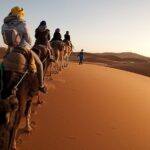
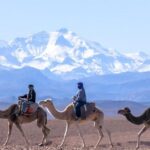
Then it’s time for Erg Chebbi dunes. You’ll switch from road vehicle to off-road access near the dune edge, where camels are waiting. Your luggage is loaded into a 4×4 and transported to the camp, so you can travel light on the camel ride. You’ll get a sunset on the way to camp, which is the kind of payoff you remember even if you don’t usually care about sunsets.
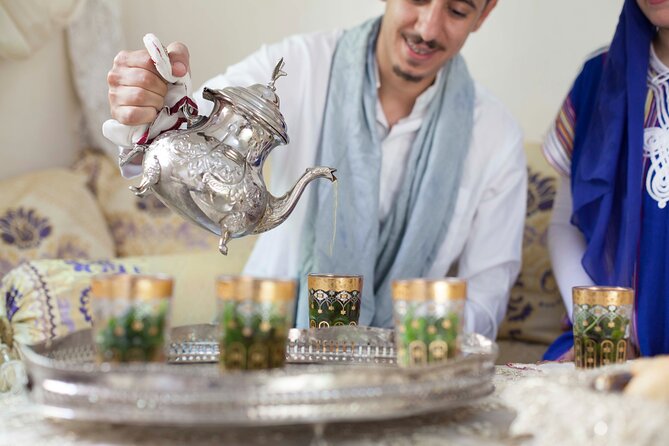
At the camp, you’re greeted with tea and you’ll be shown your private tents. These tents have ensuite bathrooms and showers—this is a major value point if you want desert magic without giving up basic comfort. After dinner, there’s time with a fire lit up and a festive atmosphere, including musical plays by staff and camel-related moments under the stars.
If you want desert camping that feels like the price is doing something, this is where the money actually shows.
Day 3: Sunrise at the Dunes, the Ziz Valley Return, and Fez Drop-Off
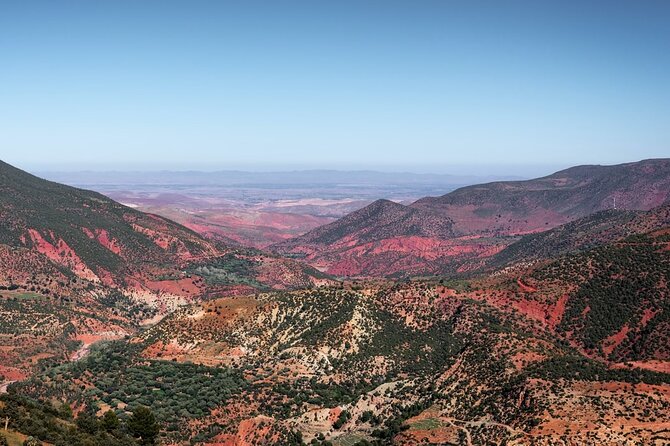
Day 3 starts earlier than you might expect, and that’s on purpose. An early morning wake-up lets you catch sunrise from the dunes, which is the classic desert moment. If you’re trying to decide whether it’s worth getting up for, my practical take is yes—sunrise works better here than it does in a city because the dunes give you that clean horizon line.
After breakfast in the camp, you’ll pack up and head back to the road area. You can return either by camel or by 4×4. Then you leave the dunes behind and transition back into road travel.
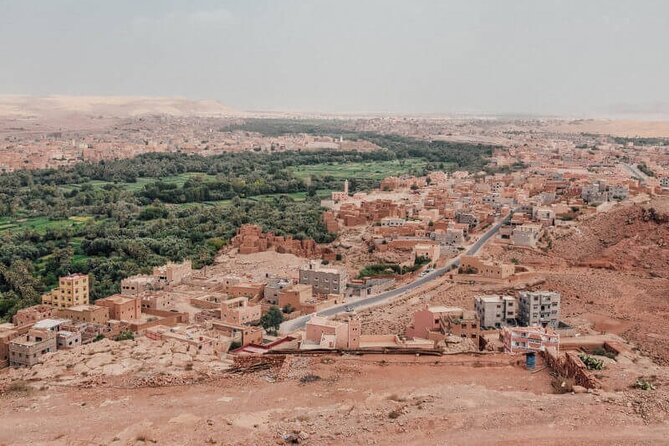
Your route includes Errachidia and the Ziz Valley, known for long palm stretches and dates produced each year. You’ll also notice ksars—fortified houses merchants built to protect wares. It’s a quiet kind of history that you can actually see from the road as you pass.
You’ll stop for a panoramic view of the oasis of Aoufous, then continue to Midelt for lunch. The day then shifts again with a stop at the Cedar forest near Azrou. There’s a possibility of seeing Barbary apes, depending on conditions—so treat that as a chance, not a guarantee.
Next you may stop in Ifrane, sometimes called the Switzerland of Morocco. This is mostly a comfort stop: bathrooms, coffee, and a breather before the final push to Fez.
Finally, you arrive in Fez and are dropped off at your accommodation or the nearest parking lot if your hotel is hard to access by car.
Camel Ride, Desert Camp Comfort, and What You’re Really Paying For
Let’s translate what the tour includes into real-world comfort.
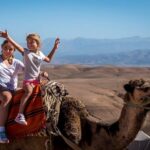
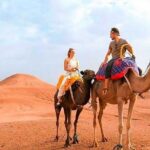
The camel ride is built into the experience, with camels waiting at the dunes edge and a sunset moment on the way to camp. You’re not just doing a 10-minute photo ride—you’re traveling through sand at the pace of the desert.
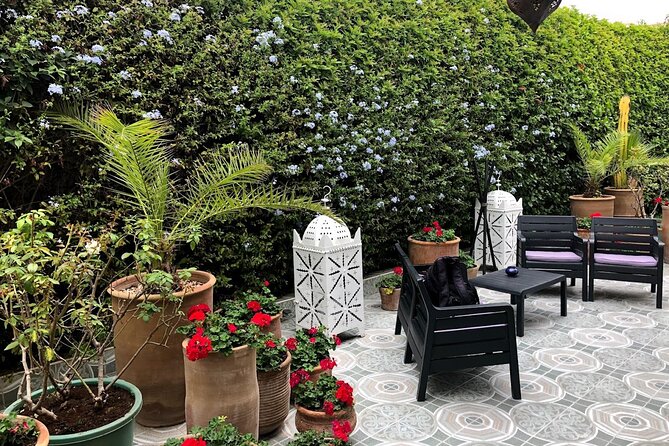
The desert camp is the other half. The tour provides private tents with ensuite bathroom and showers, plus dinner and breakfast. That single detail changes the whole feel of desert camping. You don’t have to choose between romance and basic hygiene.
From the reviews you can also get a sense of the human side: guides like Ismail Naceur are praised for making details small and smooth—helping with check-ins at riads along the route, negotiating where needed, and handling the day so you don’t feel lost.
And one practical tip that comes up clearly: bring snacks. Lunch isn’t included, and lunch stops aren’t always the highest priority. If you keep small snacks in your day bag, you’ll stay comfortable even if timing runs a bit different.
Price and Value: What $639.73 Actually Covers
At $639.73 per person, this tour isn’t the budget option—but it’s also not just a “transport ticket to the desert.” You’re paying for:
- Private transportation across Marrakech → Atlas → Sahara → Fez
- Pickup and drop-off service
- Flexible stops and optional visits along the route
- Two nights of accommodation total
- Two dinners and two breakfasts
- A camel ride and the overnight desert camp experience, with private en-suite tents
Lunch and extra drinks aren’t included. That’s the main place where your spending can creep up.
So here’s how I’d decide if it’s good value for you: if you want the desert night with real comfort, plus guided driving between two cities without arranging everything yourself, the price makes sense. If you prefer to eat only on your own schedule and you’re comfortable DIY-ing transport between regions, you might feel the cost is heavier than you need.
In a lot of cases, the biggest value isn’t the bed or the camel—it’s the time you save and the fact the day is designed as a sequence, not a collection of separate bookings.
Who This Tour Fits Best (and Who Might Want a Different Plan)
This tour suits you best if:
- You want to see a lot of Morocco without handling logistics every day
- You like guided stops at major sights (Ait Benhaddou, Todra Gorge) and also enjoy the smaller scenic breaks
- You want Sahara desert camping with proper bathroom setup
- You appreciate a small group size and a driver who keeps the route comfortable
It might not be ideal if:
- You’re hoping for a fully independent, choose-your-own-adventure schedule
- You’re very strict about meal timing and want every lunch included
- You dislike early mornings, since sunrise is recommended on Day 3
Because it’s capped at 8 people, it’s also a nice pick if you want a more personal experience than the big caravan-style groups.
Quick Tips Before You Go
A few practical things I’d do before you arrive:
- Pack a small day bag for stops. You’ll have several photo/view moments and bathroom breaks along Day 1 and Day 3.
- Bring snacks for the long driving days. It’s especially helpful since lunches aren’t included.
- Plan for warm-to-cool shifts. The desert can feel very different at sunrise than in the afternoon.
- If you care about rose-season blooms, remember the rose valley is tied to April to mid-May timing.
Should You Book This Marrakech to Fes Sahara Tour?
If you want the classic Moroccan route—Atlas mountains, UNESCO kasbahs, gorge scenery, and Erg Chebbi dunes—all stitched together in three days, I think this is a strong book. The combination of private desert tents with ensuite bathrooms and the camel ride makes it feel like a real experience, not a rushed side trip.
I’d book it with extra confidence if you like small-group travel and you’re fine covering lunch on your own. If you’re the type who hates early mornings, you might skip the sunrise push on Day 3—but the rest of the day is still worth it.
FAQ
What time does pickup happen in Marrakech?
Pickup is set for 8:00 am. You’ll be picked up from your hotel, or from the nearest accessible parking lot if your accommodation can’t be reached by car.
How many people are in the group?
The tour has a maximum of 8 travelers, which helps keep the experience more intimate.
Is the camel ride into the Sahara included?
Yes. The itinerary includes a camel ride over the sand dunes near Erg Chebbi, with a sunset experience on the way to the camp.
Where do you stay overnight during the tour?
You get two nights of accommodation total: one night in the Dades area (hotel in Dades) and one night at the desert camp with private tents and ensuite bathrooms.
What meals are included, and what is not included?
The tour includes two breakfasts and two dinners. Lunch meals and extra drinks on included meals are not included.
What’s the tour duration?
It runs for 3 days (approx.).
What stops happen on the way back to Fez?
On the return day, you’ll pass through stops such as Ziz Valley/Errachidia, Midelt for lunch, a cedar forest near Azrou with a chance to see Barbary apes, Ifrane, and then you’ll arrive in Fez and be dropped off at your accommodation.
If you want, tell me your travel month and whether you’re most excited about Ait Benhaddou, the dunes, or the return through Ifrane and the cedar forest, and I’ll help you decide how much to prioritize each day.