REVIEW · MARRAKECH
3 Days 2Nights Desert Trip to Fez from Marrakech
Book on Viator →Operated by Marrakech desert tour · Bookable on Viator
Stars, sand, and Kasbahs in three days. I like how this route turns the High Atlas road (with a mint-tea stop at altitude) into real scenery, then delivers Erg Chebbi camel time plus a Berber night under the stars. You also get structured stops for the UNESCO Ait Benhaddou Kasbah and Ouarzazate’s movie world, so you’re not just driving past Morocco.
One consideration: the first day is long on the road, even with an air-conditioned minibus, so bring patience (and a little comfort strategy for the ride). Also, lunch and drinks aren’t included, and some monument entry fees can be extra.
In This Review
- Key things that make this desert trip work
- Marrakech to the High Atlas: the ride that sets your tone
- Ait Benhaddou UNESCO Kasbah plus Ouarzazate’s movie sets
- Dades Gorge sunset: the moment to slow down
- Todra Gorges to Merzouga: the route feels like you’re stepping wider
- Erg Chebbi camel trek and a Berber bivouac under stars
- Rissani, Ziz Valley, apple village lunch, cedar forest, and Fez
- Price and value: what $160 includes (and what to budget for)
- The real deciding factors: who this is for
- Comfort and photo tips that actually help
- Should you book this Marrakech-to-Fez desert trip?
- FAQ
- What’s included in the 3-day trip?
- Are lunches and drinks included?
- Do I need to pay extra for monument entry fees?
- What are the main stops on the route?
- Where do you meet in Marrakech, and where do you drop off in Fez?
- Is cancellation free, and does weather affect the trip?
Key things that make this desert trip work
- Air-conditioned minibus with pickup from central Marrakech, plus drop-off at your Fez hotel/riad
- Mint tea at the Tizi-n-Tichka pass while you’re already in the mountains (so the view is the reward)
- Ait Benhaddou UNESCO Kasbah and Ouarzazate stops for both history and film-set atmosphere
- Todra Gorges and the 1000 Kasbahs route with village and kasbah scenery along the way
- Erg Chebbi camel trek and Berber bivouac with dinner under the sky
- Rissani, Ziz Valley, apple village lunch, cedar forest, and photo stops on the final approach to Fez
Marrakech to the High Atlas: the ride that sets your tone
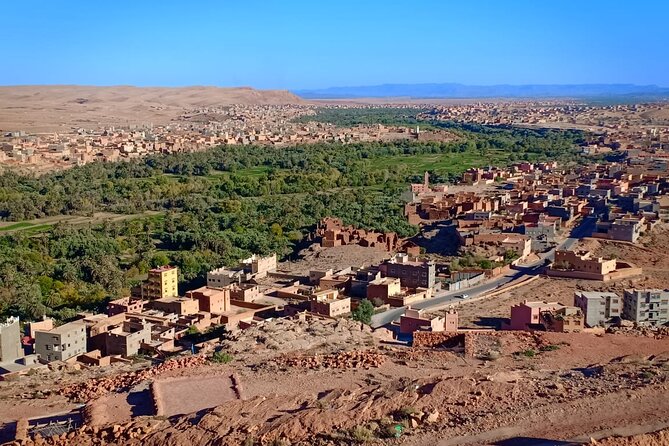
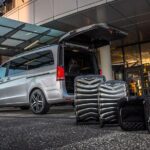
The day starts in Marrakech with pickup at Hôtel Restaurant Café de France near Jemaa el-Fnaa, after breakfast. You’ll be in a shared minibus with air conditioning, which is a big deal on long Moroccan driving days, especially if you’re traveling in warmer months.
Then you climb. This route runs through the High Atlas via the Tizi-n-Tichka pass, reaching about 2260 m. You’ll have a stop at the pass for a cup of refreshing mint tea and a look at how the colors and terrain keep changing as you go higher. It’s one of those moments that makes the whole trip feel intentional, not just transport.
When the landscape shifts from the plains into mountain villages and waterfalls, you’ll understand why people say Morocco feels different block by block. If you’re the type who likes to take photos, this is where your camera roll starts filling up fast—without needing a separate activity.
A few more Marrakech tours and experiences worth a look
Ait Benhaddou UNESCO Kasbah plus Ouarzazate’s movie sets
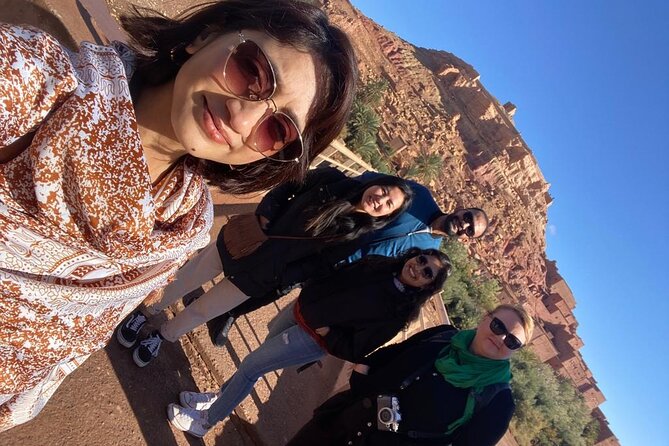
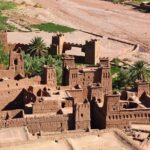
Ait Benhaddou is the highlight that anchors the first day. You arrive in time for lunch, then you get a chance to visit the famous Kasbah, a UNESCO World Heritage site and a classic filming location. Expect a real sense of “place” here: thick walls, tight streets, and that layered feel where time and craft are still visible.
If you’re a film fan, it helps that this area has served as a set for movies like Gladiator, Babel, Lawrence of Arabia, The Legionary, and The Sheltering Sky. Even if you’re not, the Kasbah still works because it’s built for the eye—compact and dramatic.
After Ait Benhaddou, the trip continues to Ouarzazate, including a stop at Atlas Studios. You’re also guided through the Valley of Roses and into the Dades region. One practical point: you might see monument entry fees listed as not included, so plan for small extras depending on what you want to go into.
This day is a good mix: culture you can walk, plus roadside scenery that keeps the drive from feeling empty.
Dades Gorge sunset: the moment to slow down
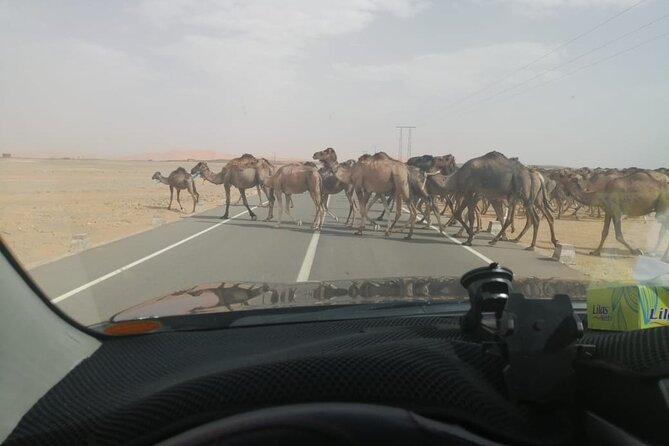
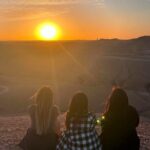
As you move from the rose valley area toward Dades, you’re heading toward the sunset stop at the Dades Gorge. This is a smart choice in itinerary design. By the time you arrive, you’ve already had big visual stops (pass, Kasbah, Ouarzazate), so the gorge gives you a softer landing.
You’ll stop in time for sunset, then have dinner and overnight at a traditional hotel in the Dades Gorge area. It’s the classic Morocco rhythm: drive, sight, meal, sleep. And because this is your first night, it’s also a buffer. You can rest before the desert day, rather than stacking everything into one frantic schedule.
The “romantic” vibe isn’t guaranteed, but the setup is. Gorges and evening light tend to do that job for you. If you’re traveling with kids or you’re just sensitive to fatigue, this is a good overnight break before the camels and the desert night.
Todra Gorges to Merzouga: the route feels like you’re stepping wider
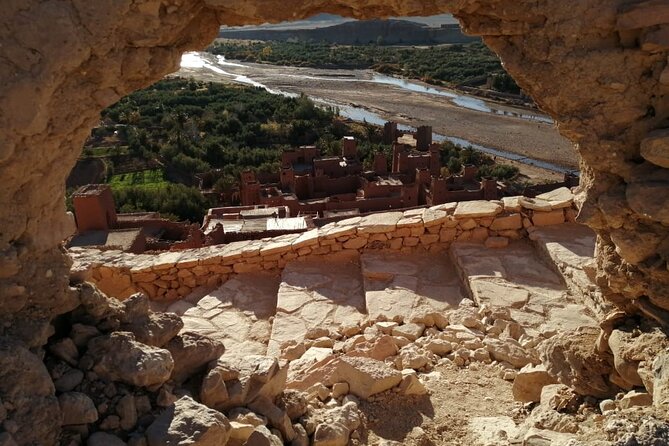
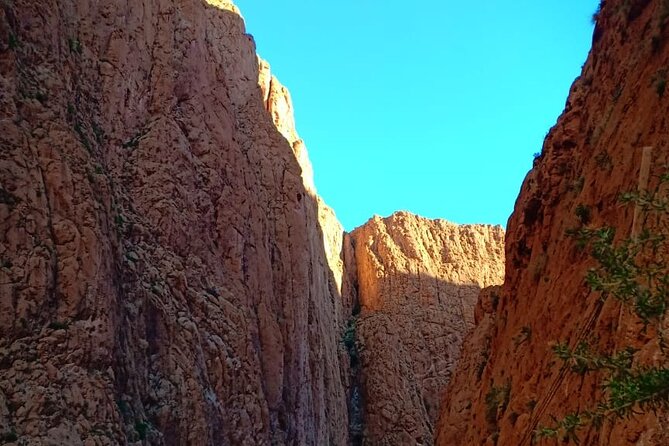
Day 2 begins with breakfast and a walk through Todra Gorges. This matters because it’s not just a scenic drive; you get to stretch your legs inside a dramatic canyon area. Todra gorges are the kind of place where you look up without trying, because the rock walls make the sky feel smaller.
After Todra, you’ll drive the road of the 1000 Kasbas. Along the way, you pass through places like Tineghier village and the Jewish Kasbah, then continue toward Rissani for lunch. There’s also time to walk around Rissani—seeing kasbah areas and the big local market of the region.
Then comes the Merzouga approach. You’ll arrive before sunset in Merzouga, and you leave the car at your hotel. From there, you’re set up for the desert portion that actually changes the whole trip.
This is also one of the reasons this itinerary works for first-timers: you don’t jump straight to Erg Chebbi and call it a day. You build context first—valleys, gorges, kasbah routes—so the dunes don’t feel random. They feel like the next chapter.
Erg Chebbi camel trek and a Berber bivouac under stars
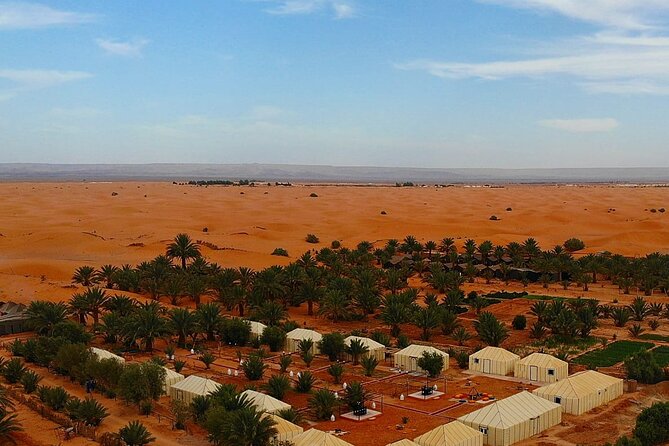
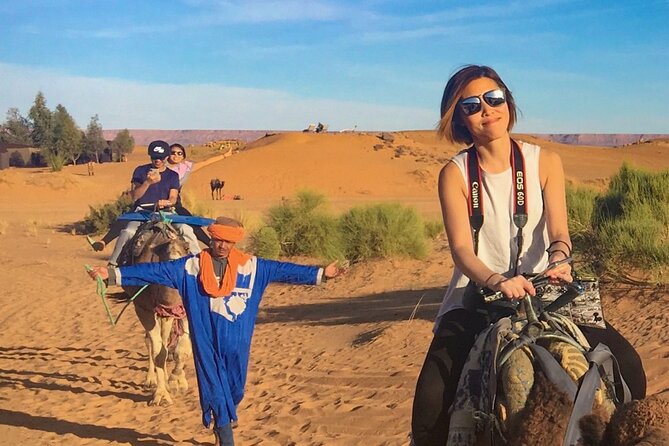
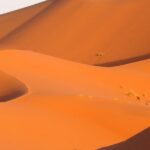
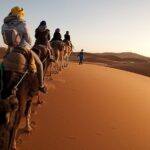
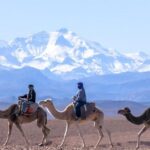
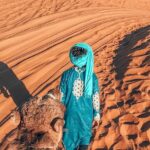
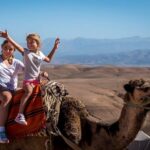
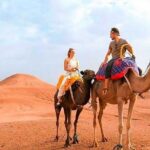
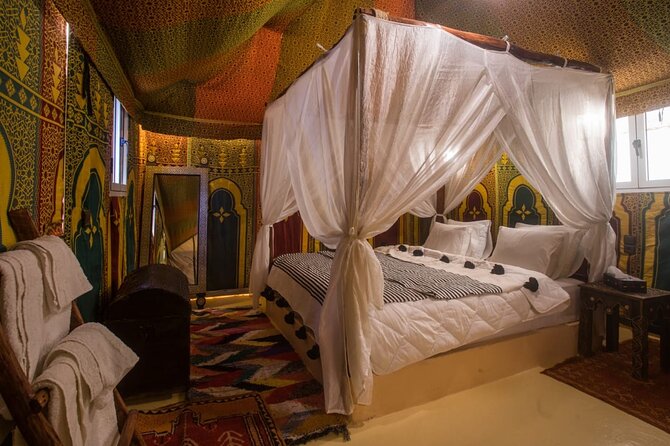
Now for the part people talk about for a reason. You start with a camel ride into the Erg Chebbi dunes. You’ll have a night in a Berber tent (bivouac), and dinner is served under the sky.
Even without adding extra activities, this night is built for atmosphere: quiet, dark, and the sense that you’ve left the normal “road schedule” behind. Many guests emphasize that the desert camp experience is the highlight, especially the combination of camel trekking plus dinner and the night in the tent.
Your comfort will depend on the reality of desert temperatures at night, but the trip does give you a real structure: meal included, overnight included, and a guided experience. In other words, you’re not improvising the hard parts.
Then Day 3 starts with a wake-up in time to watch sunrise over the dunes—described as about 300 m high. You’ll ride back after breakfast, and you’ll get access to showers at the hotel before you head toward Fez. That shower step is worth its weight in gold after sand and a camel trek.
Rissani, Ziz Valley, apple village lunch, cedar forest, and Fez
The final day is about switching landscapes again, and it’s a smooth one. You’ll travel from the desert back toward Fez, passing through Rissani first, described as the first capital of the Alaouite dynasty. That little historical thread helps the drive feel more meaningful than just “getting back.”
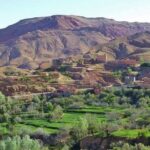
Then you continue through the Ziz Valley. This stretch is scenic and gives you a different kind of Morocco: not canyon walls and not dunes, but a valley rhythm with long views and recurring village life.
You stop for lunch in an apple village in the middle of the way. Lunch isn’t included, but the stop itself is part of the value here—you’re not stuck hungry while everyone else has already eaten. If you do have dietary needs, this is the moment to clarify quickly and order what works for you.
After lunch, the route continues through mountains and a cedar forest. You reach Fez in the afternoon with a chance for panoramic picture stops along the way.
The drop-off is meant to be practical: you’ll be delivered to your hotel/riad or the closest possible point, and they can arrange a call from your lodging. That last-mile care helps a lot when you’re arriving at a new city after two long days.
Price and value: what $160 includes (and what to budget for)
At $160 per person for 3 days and 2 nights, this is priced as a solid mid-range shared tour. The key value is what you don’t have to plan yourself:
- Round-trip style logistics across multiple regions (Marrakech → desert → Fez)
- Air-conditioned minibus transport
- Accommodation plus a night in a desert bivouac
- 2 breakfasts + 2 dinners
- Camel ride
- All application taxes
- Professional driver English speaking
What you should budget for separately:
- Lunch (not included)
- Drinks (not included)
- Possible monument entry fees
- Tips to the driver
- Travel insurance
Also, the tour caps at 15 travelers, and there’s a minimum of 2 people per booking. That usually keeps the group manageable and helps ensure you’re not on a huge bus.
When you weigh the price against the reality of this route—Kasbah visits, long-distance driving, desert transport, desert overnight, meals—it starts to make sense. You’re paying to remove stress and replace it with a timed plan and a driver who handles the route.
The real deciding factors: who this is for
This trip fits best if you want your Morocco experience to include both “big sights” and a genuine desert night. It’s especially good for:
- First-timers who want a structured route without juggling schedules
- People who like road travel when there are frequent photo-worthy stops
- Travelers who want camel trekking plus an overnight in a Berber tent, not just a brief dune visit
- Families and mixed groups, as long as everyone is comfortable with long driving days and the physical reality of a camel ride
It may not fit as well if:
- You get miserable from long hours in a vehicle (Day 1 is described as driving-heavy)
- You’re expecting luxury in the desert camp setting. You’re getting a tent bivouac experience, not a hotel in the dunes.
- You hate the idea of camel riding or have mobility concerns. The trip asks for moderate physical fitness, which is a useful warning label.
Comfort and photo tips that actually help
This itinerary rewards simple preparation. A few ideas:
- Bring a layer for the desert night and early morning. Temperatures can swing, and you’ll be outside at dawn.
- Pack a small day bag for the gorge walks and viewpoint stops so you’re not juggling things on and off the minibus.
- If you’re prone to motion sickness, consider getting ahead of it for the long drive day.
- Keep some small cash for lunches and any monument fees that pop up.
- If you end up with a driver like Moha Moha (names come up repeatedly in the experience reports), lean into it. People specifically mention him making the drive lively, stopping at good viewpoints, and even helping with group photos. That kind of attention makes a shared tour feel personal.
Should you book this Marrakech-to-Fez desert trip?
I’d book it if your priority is a classic Morocco storyline in one go: Atlas Mountains, UNESCO Kasbah culture, gorges and kasbah-route driving, then a real desert night at Erg Chebbi with sunrise. The inclusion of camel ride + desert bivouac + dinners is what makes it feel complete for the price.
I’d hesitate if you’re trying to minimize driving time or you want an itinerary with lots of downtime. This is a “move through regions” tour. It works best when you treat the ride days as part of the experience, not interruptions.
If you want an easy, guided way to connect Marrakech and Fez with the Sahara experience in between, this one is a strong candidate.
FAQ
What’s included in the 3-day trip?
The tour includes an air-conditioned minibus, accommodation, 2 breakfasts and 2 dinners, a camel ride, a night in a desert bivouac (Berber tent), all application taxes, and an English-speaking professional driver.
Are lunches and drinks included?
No. Lunch and drinks are not included in the price.
Do I need to pay extra for monument entry fees?
Some monument entry fees are not included, so you may need to pay additional fees depending on what you choose to enter.
What are the main stops on the route?
You’ll travel through the High Atlas (including the Tizi-n-Tichka pass), Ait Benhaddou, Ouarzazate, the Dades Gorge area, Todra Gorges, Rissani, Merzouga/Erg Chebbi for the desert night, then onward through Rissani, Ziz Valley, an apple village lunch stop, and a cedar forest before arriving in Fez.
Where do you meet in Marrakech, and where do you drop off in Fez?
You meet at Hôtel Restaurant Café de France near Jemaa el-Fnaa in Marrakech. In Fez, you’re dropped off at your hotel/riad or the closest point, and they can call someone from your lodging.
Is cancellation free, and does weather affect the trip?
Yes, you can cancel for a full refund up to 24 hours in advance. The experience requires good weather, and if it’s canceled due to poor weather, you’ll be offered a different date or a full refund.