REVIEW · ZAGORA
3-day 2-nights desert adventure and Berber encounter
Book on Viator →Operated by Tours _ Caravane Cimes et Dunes · Bookable on Viator
Camel silence in the Sahara is unforgettable. This 3-day, 2-night desert adventure pairs a Berber family welcome with a camel trek to your first bivouac, plus a deeper 4×4 push toward Erg Chigaga for sand time and big-sky nights. I love how the day starts with real human hospitality (tea, snack, conversation) instead of a quick handoff and a bus ride, and I also like the mix of pacing: camel in the hush, then 4×4 to go farther fast.
One thing to keep in mind: this is a true desert experience, so you’ll want moderate fitness for the camel trekking, and the tour runs only with good weather.
In This Review
- Quick hits before you go
- Berber tea and a human start in Zagora
- The M’Hamid breaks that pace the adventure
- Camel trekking and the quiet that makes the first camp special
- Bivouac night: firelight music and thousands of stars
- Erg Chigaga by 4×4: deeper dunes and sandboarding time
- The return loop to Zagora (and why the track matters)
- Price and value: what $326.54 really covers
- What you’ll need for this kind of desert trip
- Who this tour fits best (and who should think twice)
- Final call: should you book this Sahara adventure?
- FAQ
- Where does this tour start and where does it end?
- How long is the trip, and how many nights are in the camp?
- Is camel trekking included?
- Do I get sandboarding time?
- What meals are included, and is alcohol included?
- How big is the group?
- What happens if the weather is bad?
Quick hits before you go
- Berber family welcome in Zagora: traditional tea and a light snack as your first taste of Amazigh life.
- Camel trekking to the first camp: about 2 hours, with the desert’s quiet doing half the work.
- Saharan music around the fire: an evening program at the first bivouac, with dinner included.
- Erg Chigaga by 4×4 for deeper dunes: more off-the-main-route energy than the first area.
- Sandboard included: you get time to play, not just pose for photos.
- Small group size (max 11): easier to feel like a real group than a big tour convoy.
Berber tea and a human start in Zagora
The experience begins at Hôtel Rose des Sables in Zagora, where you’re not just joining a trip—you’re stepping into someone’s world. A qualified guide leads it, described as a descendant of a nomadic family, and the first stop is a welcome from a Berber family to share traditional tea and a light snack.
Why I like this opening: it sets the tone fast. Instead of starting with “look at the sand” and calling it culture, you get a shared moment right away. Tea in this part of Morocco is also a social ritual—slow enough to talk, warm enough to settle in, and simple enough that you’re paying attention.
It also matters because of who you meet. In the camp-world, the guide name that comes up again and again is Brahim. People describe him as kind and generous with what he knows about desert life and Berber culture, so expect conversation that feels practical, not scripted.
A few more Zagora tours and experiences worth a look
The M’Hamid breaks that pace the adventure
After Zagora, you head toward M’Hamid with stops that keep the day from feeling like a nonstop transfer. You’ll get a short break in M’Hamid—time to visit and/or have lunch, though lunch there is marked as not included in the plan.
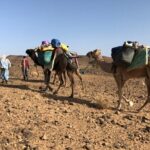
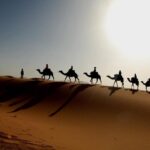
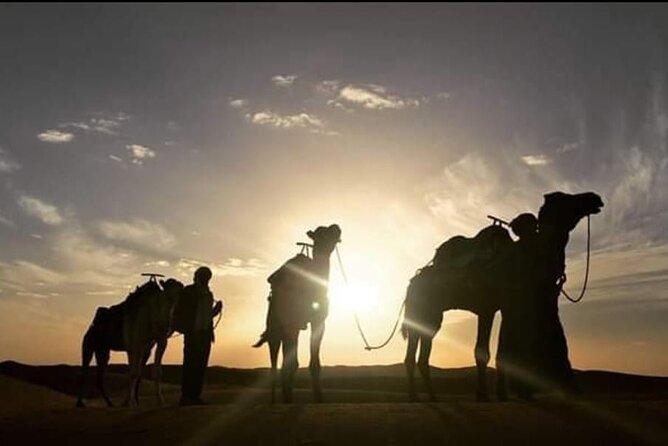
Then the camel part begins properly. You’ll switch into trekking mode and start the camel ride toward the first camp, which takes about 2 hours.
This is a good moment to decide how you’ll experience the day. If you’re the type who likes drifting—watching the terrain change, feeling the rhythm of the ride, letting your attention slow down—this section can feel like the “real desert” portion. If you’re expecting nonstop action, you might find it calmer than you imagined. Either way, it’s the kind of segment that makes the later stargazing feel extra earned.
Camel trekking and the quiet that makes the first camp special
In the overview, the camel ride is described as happening in the absolute silence of the desert. Even if silence isn’t literal for every minute, the goal is clear: you’re meant to feel the desert without the usual city noise.
You’re moving from M’Hamid to your first bivouac camp, and that first-night arrival is the point. After the camel trek, the plan continues with Berber music and songs at the first bivouac, followed by your first night in the camp.
What you’ll likely remember here isn’t just the dunes. It’s the shift in your senses:
- you hear voices and music instead of traffic
- you notice stars because the horizon finally goes dark
- meals feel different because they’re tied to the camp rhythm
Dinner and breakfast are included, which helps a lot out there. You’re not negotiating food logistics at the end of the day—you’re just living the day.
Bivouac night: firelight music and thousands of stars
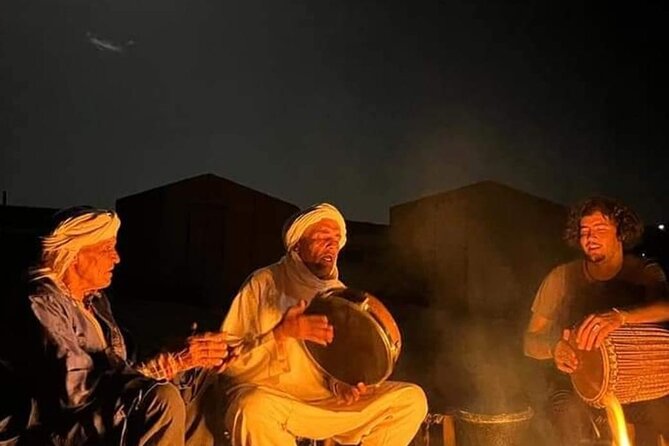
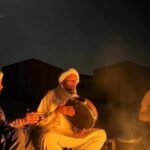
Day one turns into night in the bivouac. The schedule lists Berber music and songs around the campfire, and dinner is included as part of the camp experience.
One practical benefit: the “camp block” is structured. You get the event (songs/music), then you get downtime and sleep in a desert camp setting, with breakfast included the next day. That makes it easier to plan your energy—no guesswork, no searching for what comes next.
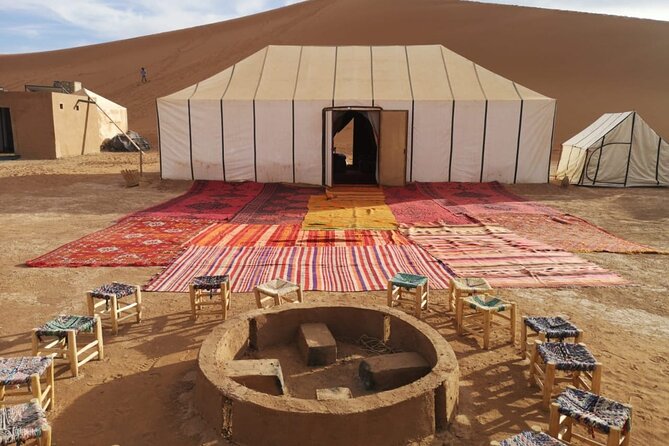
From the experience details, meals are described as typical Moroccan food prepared fresh on site. The vibe people talk about is warm and hosted, not “basic survival camping.” Tents are described as comfortable in feedback, which is a big deal because the desert can be cooling overnight. If you’re picky about sleeping setup, it’s smart to bring whatever helps you get comfortable (especially warm layers).
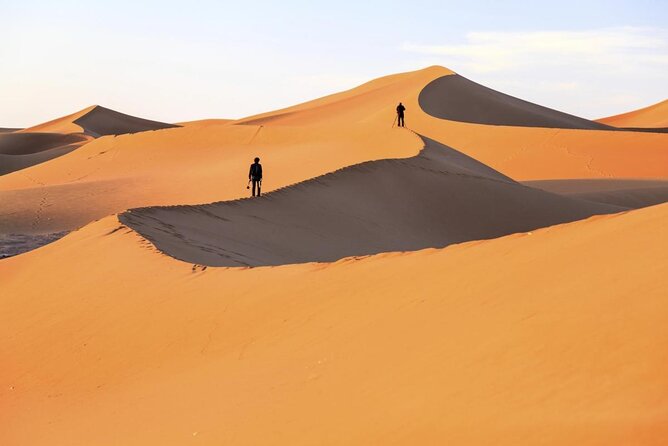
And then there’s the star factor. The plan promises a night surrounded by thousands of stars, plus sunrise and sunset that bookend the desert day. This is where the whole itinerary earns its keep: you’re not rushing past the sky.
Erg Chigaga by 4×4: deeper dunes and sandboarding time
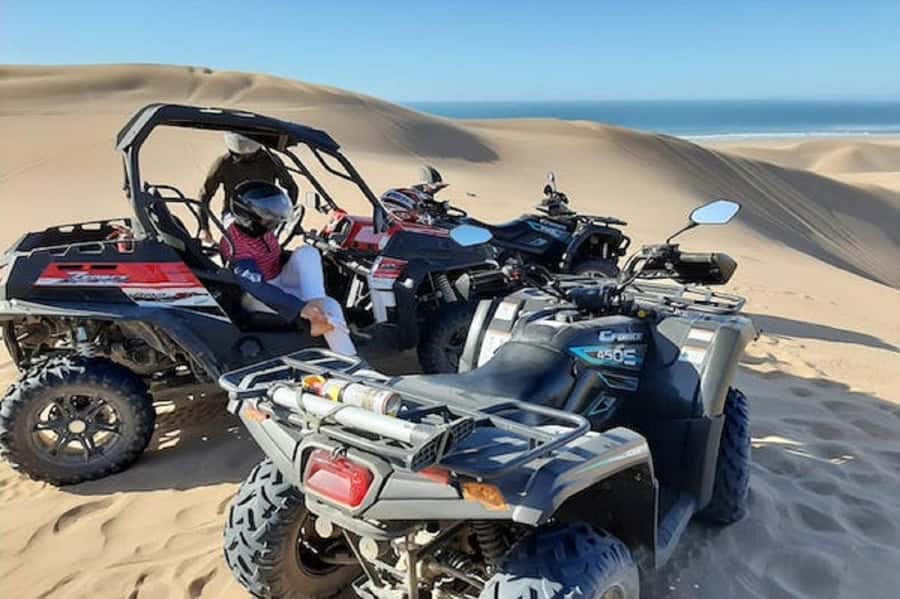
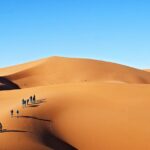
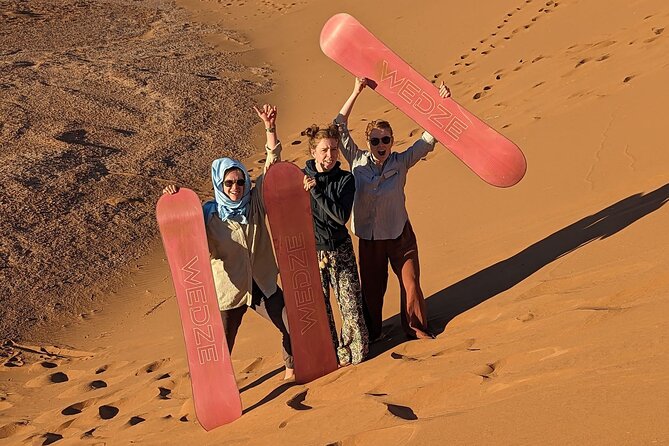
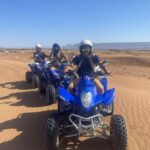
Day two is the “go farther” day. You travel by 4×4 to Erg Chigaga, which is pitched as the deeper desert option. The idea is simple: a camel-only route can be beautiful, but 4×4 lets you reach wilder areas and spend less time on long transfers.
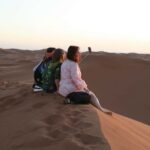
Once you arrive, you get room to play. The plan specifically mentions possible sandboarding and camel riding in the morning.
This is also where you’ll feel the day’s pacing shift:
- morning: more movement and activity
- midday: desert time that’s still open for exploring and photos
- evening: back into a camp rhythm
If you want the experience to feel active without turning into a theme park, this is the right mix. Sandboarding is included, so you don’t need to budget extra for “one activity.” You can just show up, try it, and decide if you want another run.
The return loop to Zagora (and why the track matters)
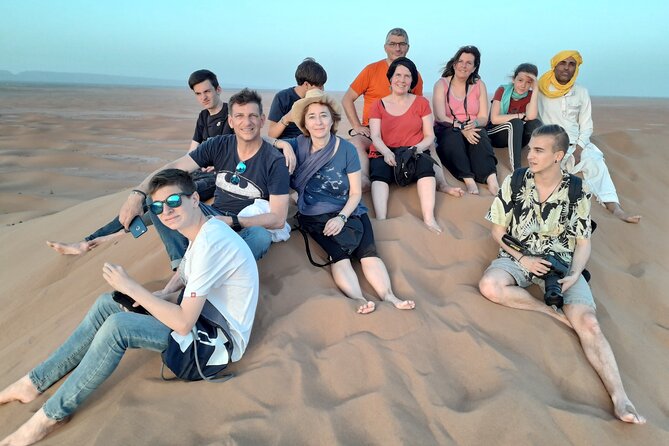
On day three, you head back by 4×4 via another track. There’s also a car change in M’Hamid, and again there’s a possible lunch option there that’s not included.
Ending back at the meeting point in Zagora makes the whole trip feel clean and self-contained. You’re not piecing together transport from multiple operators. You finish where you started, which helps when you’ve got onward plans in Morocco.
I also like the “another track” detail because it signals you’re not doing a perfect copy of the outward drive. Even when the dunes are the dunes, the light, the angles, and the sense of motion can feel different when you’re traveling a different route.
Price and value: what $326.54 really covers
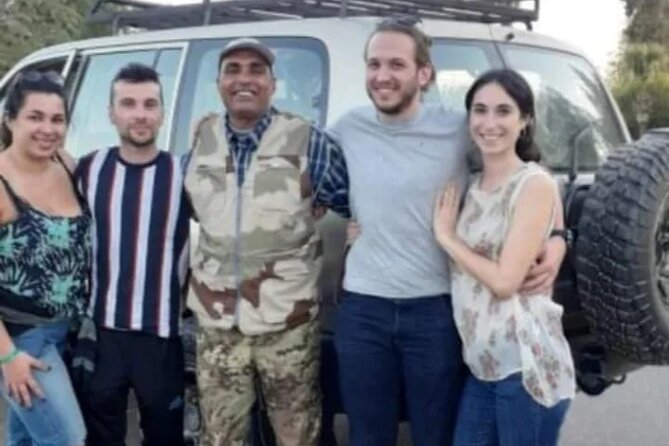
At $326.54 per person, you’re paying for more than a ride to the Sahara. The included items are the heart of the value:
- private transportation
- two nights in bivouac camp
- camel trekking
- sandboard
- Moroccan tea
- lunch
- breakfast (2) and dinner (2)
- private transportation again, because this isn’t a bare-minimum shared shuttle deal
Alcoholic beverages are not included, so if you want beer, wine, or cocktails at camp, you’ll need to plan for that separately.
The other value lever is the group size: max 11 people. In remote areas, smaller groups usually mean:
- less waiting
- more control over pacing
- a better shot at conversations with Brahim and the team
Also, departures from Ouarzazate or Marrakesh are possible on request. That matters if you’re building a Morocco itinerary and don’t want to backtrack to Zagora.
What you’ll need for this kind of desert trip
This tour lists moderate physical fitness as the target level, which makes sense for the camel trekking segment (about 2 hours). If you have mobility limits or you don’t do well with uneven terrain, ask directly before booking. You don’t want a surprise expectation once you’re already out in the dunes.
Weather is another real factor. The experience requires good weather, and if it gets canceled due to poor weather, you’ll be offered a different date or a full refund. So keep an eye on timing if you’re traveling in shoulder-season conditions.
Packing tips (practical, not fancy): bring sun protection, a warm layer for nighttime, and closed footwear you’re comfortable using around sand. Even if your day is hot, desert nights can shift.
Also, since meals and tea are included, you’ll spend less time negotiating food out there. Still, keep extra cash for optional lunch stops where it’s marked not included.
Who this tour fits best (and who should think twice)
This is a great match if you want:
- a Berber-led desert experience, starting with family hospitality
- a mix of camel and 4×4 (not just one mode)
- a small group vibe with a guide like Brahim who shares culture and desert life
- sandboarding without extra add-ons
It’s also a strong option for solo travelers because the plan is small-group and guided end-to-end, which usually means you’re not stuck figuring out what’s next.
You might think twice if you:
- need constant comfort amenities (this is a bivouac camp style setup)
- want a nightlife-heavy schedule (the evening is camp-based, music, firelight, sleep)
- aren’t ready for a 2-hour camel trekking segment
Final call: should you book this Sahara adventure?
If you want a desert trip where the culture starts with a real family welcome, and the dunes are paired with camp music, meals, and star-filled nights, this is an easy yes. The price feels fair because the essentials are covered: transport, camp stays, camel trekking, sandboard, and meals.
If your main goal is comfort-first or activity-only thrill rides, you may feel the quieter rhythm is slower than expected. But for most people, that quiet is the point—and Erg Chigaga adds enough energy to keep the story varied.
FAQ
Where does this tour start and where does it end?
The tour starts at Hôtel Rose des Sables in Zagora, Morocco, and it ends back at the same meeting point.
How long is the trip, and how many nights are in the camp?
It runs for about 3 days with 2 nights in a bivouac camp.
Is camel trekking included?
Yes. The plan includes camel trekking to the first camp (about 2 hours).
Do I get sandboarding time?
Yes. A sandboard is included, and there’s also the possibility of sandboarding during the Erg Chigaga portion.
What meals are included, and is alcohol included?
Lunch is included, Moroccan tea is included, and you also have breakfast (2) and dinner (2). Alcoholic beverages are not included.
How big is the group?
The maximum group size is 11 people.
What happens if the weather is bad?
This experience requires good weather. If it’s canceled due to poor weather, you’ll be offered a different date or a full refund.