REVIEW · ARGANA
Marrakech: Street Food Tour with a Local Guide
Book on GetYourGuide →Operated by Reiseführer Abdo · Bookable on GetYourGuide
Marrakech tastes better with a guide. This 3-hour street food walk threads through real neighborhoods and markets, then feeds you with 10–12 local specialties, from Moroccan pancakes to soups. I like that you get non-touristy stops with local vendors, and I like that the tour is built for real sharing—multiple bites, multiple moments, and plenty of drinks. One thing to plan for: it’s a walking tour in crowded areas, so comfortable shoes and a big appetite matter more than fashion.
You’ll start at Café Restaurant Argana and finish back where you began, with a route that makes you feel oriented fast—how to find places, what to order, and what to expect in the souks. Guides such as Abdul, Ahmad, Mariam, and Ahmed Karim (names that show up often) keep the group together and explain what you’re eating, plus they’ll try to accommodate allergies if you tell them ahead. The only real drawback is timing: some foods are morning-friendly, others show up later, so if you’re picky, ask when you book.
In This Review
- Key Things That Make This Street Food Tour Worth It
- Street Food in the Medina: Why This 3-Hour Walk Works
- Price and Value: What $34 Really Buys in Marrakech
- Meeting at Café Restaurant Argana: How You Don’t Get Lost
- The Route and Tastings: What Each Stop Feels Like
- Jemaa el-Fnaa + Tea Ceremony: Start Slow, Then Speed Up
- Riad Zitoun Jdid: Dessert and Street Snacks
- Mellah: Photo Stop, Local Snacks, and Real Neighborhood Flavor
- Kasba: More Street Food, More Regional Picks
- Souk Semmarine + Break Time: Shopping With Snacks
- The Food List You’ll Likely Taste (Sweet, Savory, and a Few Surprises)
- Your Guide Matters: What You Get From People Like Mariam and Abdul
- Timing: Morning vs Night and What to Eat Depending on the Hours
- What to Wear and How to Pace Yourself
- Who Should Book This Tour—and Who Should Skip It
- So, Should You Book It?
- FAQ
- FAQ
- How long is the Marrakech street food tour?
- What’s the price and what’s included?
- Where does the tour start?
- How many dishes will I taste?
- Is it offered in the morning or at night?
- What languages are the guides available in?
- Can the tour accommodate allergies?
- Is the tour wheelchair friendly?
Key Things That Make This Street Food Tour Worth It
- 10–12 tastings across sweet and savory, not just a couple of samples
- Local-focused route through neighborhoods with food stops locals actually use
- Tea plus multiple bites at several stops, so you don’t feel rushed
- Guide support for navigating the Medina and understanding what you’re eating
- Diet help when possible, as long as you share allergies ahead of time
Street Food in the Medina: Why This 3-Hour Walk Works
A guided street food tour in Marrakech is never just about food. It’s also about learning how the Medina runs—where locals linger, how vendors set up, and what you should feel comfortable ordering when you’re surrounded by noise, smells, and too many tempting options.
This one is designed as a short, high-reward loop. You’re walking from stop to stop, tasting along the way, and ending right back at the meeting café. At $34 per person for 3 hours, the value comes from volume and variety: you’re not paying extra for each bite, and you’re getting enough food that it functions like a full meal.
You can also read our reviews of more tours and experiences in Argana.

Price and Value: What $34 Really Buys in Marrakech
$34 sounds simple, but the payoff is in how the tour uses that money. All food and drinks are included in the price, and the plan targets 10 to 12 specialty foods across multiple vendor stops. That matters in Marrakech because street food can be cheap when you know what you’re doing—but it’s hard for visitors to sample widely without wasting time or ending up at the tourist version of a local dish.
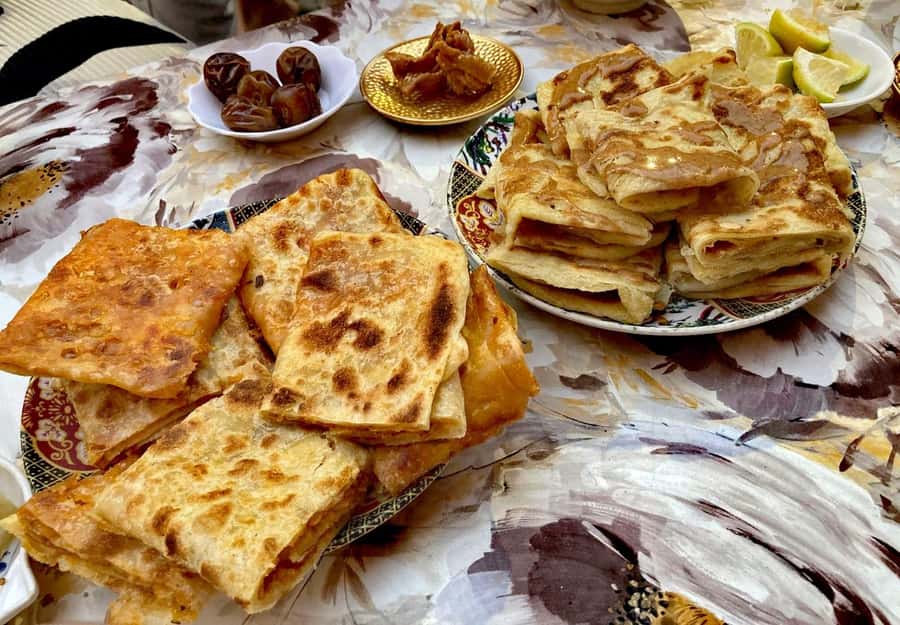
If you eat only one or two things on your own, you’ll likely miss the best learning part: different textures, different flavors, and the story behind staples like harira (soup) and msemen/harcha (pancake-style breads). This tour also includes tea and multiple snack moments, so you don’t feel stuck with a single “main dish” that might not be your taste.
Meeting at Café Restaurant Argana: How You Don’t Get Lost
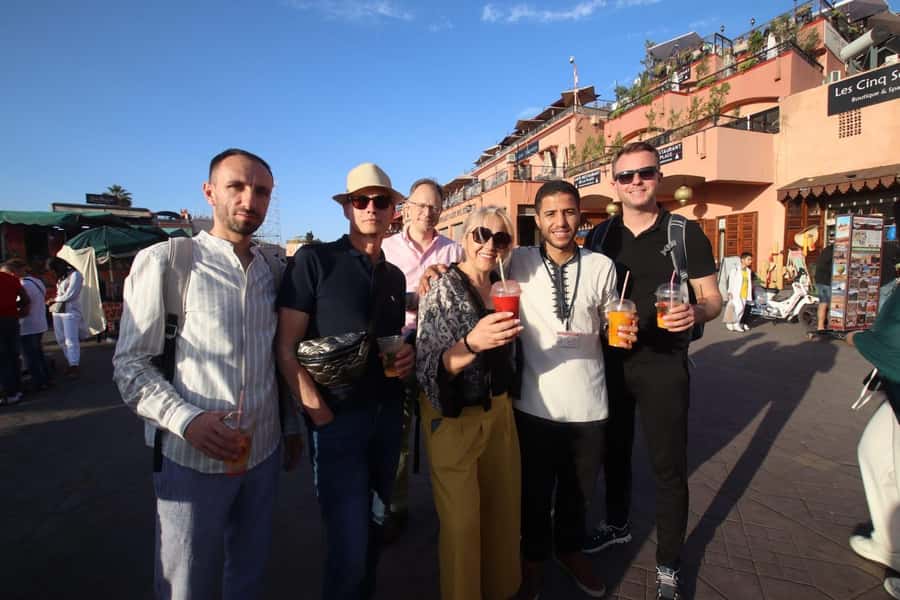
Your starting point is Café Restaurant ARGANA, near Jemaa el-Fnaa. Finding it is supposed to be easy because the café is marked with a green symbol. If you’re wandering and doubting your map, the tour’s own clue is practical: look for food stands around the square and then find the name written in green.
The guide will be waiting out front with an official guiding card. In reviews, people also mention that the tour feels safe and well-organized in the Medina—exactly what you want at the start, when you’re still figuring out your bearings.
The Route and Tastings: What Each Stop Feels Like
The itinerary is a walking loop broken into short segments, with tastings roughly every 20–25 minutes. That rhythm keeps you from getting food fatigue before the good stuff arrives.
Jemaa el-Fnaa + Tea Ceremony: Start Slow, Then Speed Up
You begin with a walk and a tea ceremony. It’s a smart opener: it sets you up for the flavors to come and helps you acclimate to the Medina atmosphere before you jump into the heavier tastings.
Jemaa el-Fnaa is a major landmark, so you get an easy mental anchor right away. If you’ve never been in Morocco’s market areas, this first step is also about safety and rhythm: you’re moving with a local route, not trying to freestyle through the crowds.
Riad Zitoun Jdid: Dessert and Street Snacks
Next is Riad Zitoun Jdid, where you’ll get dessert and street food tasting. This stop is a good reminder that Moroccan street food isn’t only savory. Sweet bites show up early, so you’re not left waiting for them later like a second act.
One nice part of a multi-stop tasting is that you can compare dishes side by side. If one pastry is too rich for your taste, another stop often balances it with something different—pancake-style, soup-style, or fruit juice.
Mellah: Photo Stop, Local Snacks, and Real Neighborhood Flavor
You’ll make a photo stop in the Mellah, then move into local snacks and food tasting. Mellah is known for its distinct identity within Marrakech, so even if you’re mostly there for food, the stop adds context.
In the tastings, you might see soup paired with sweets, plus pancake-style bites. That combination isn’t random—it reflects how Moroccan eating often works: you nibble, you sip, you repeat.
Kasba: More Street Food, More Regional Picks
After Mellah comes Kasba, where the tour keeps the momentum with street food and regional food tasting. This is where the tour starts to feel like a real “eat your way through a neighborhood” experience rather than a list of tourist-friendly samples.
At this stage, you’ll often notice the pacing difference between guided and self-guided tasting. A guide prevents long waits at the wrong places and helps you hit vendors with the right portion size for groups.
Souk Semmarine + Break Time: Shopping With Snacks
You finish one stretch with a break and a visit to Souk Semmarine, with shopping and a food market visit included. This is useful because it’s not just tasting—you also learn how vendors sell, how people browse, and how food fits into the shopping cycle.
Souks can overwhelm you when you’re alone. With a guide, you can focus on the food and still enjoy the shopping without losing time hunting for what’s best.
The Food List You’ll Likely Taste (Sweet, Savory, and a Few Surprises)
This tour is built around Moroccan staples and common street favorites, including options like:
- Msemen & Harcha (Moroccan pancakes)
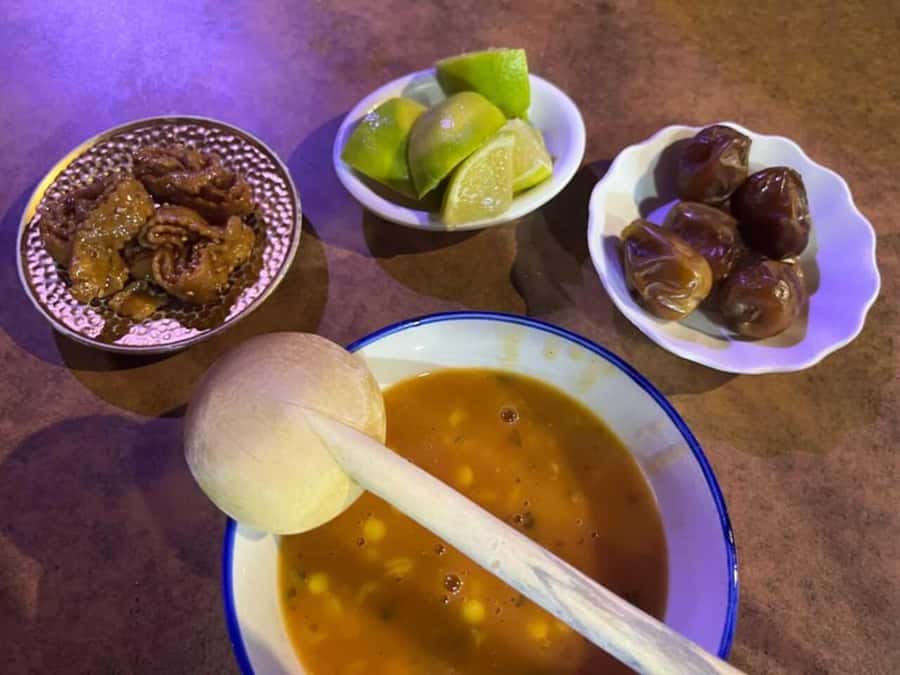
- Harira (famous vegetarian Moroccan soup)
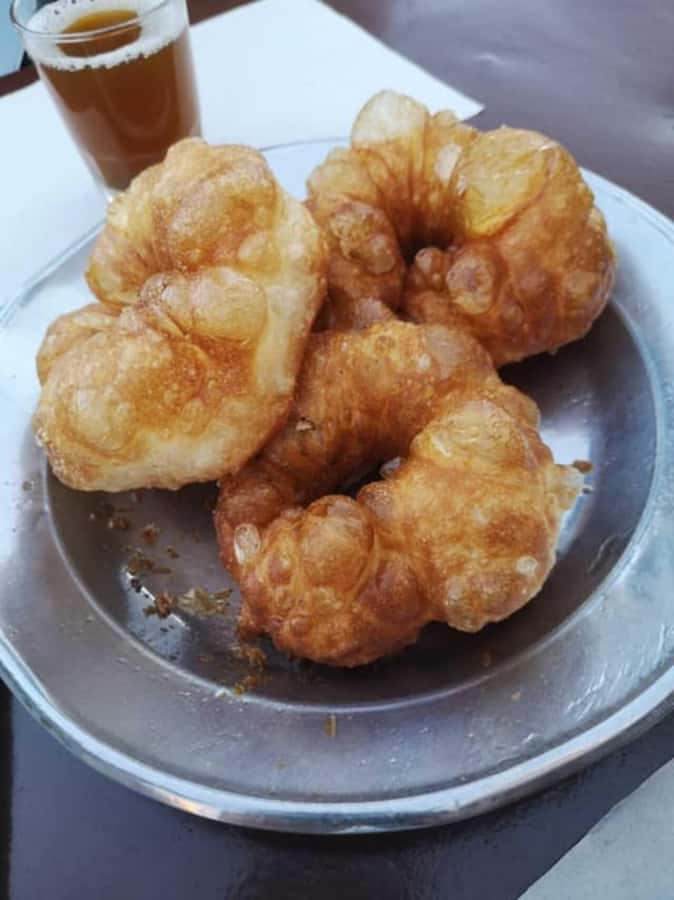
- Chebakiya (sweet bites for brunch)
- Khoudenjal (hot herbal infusion)
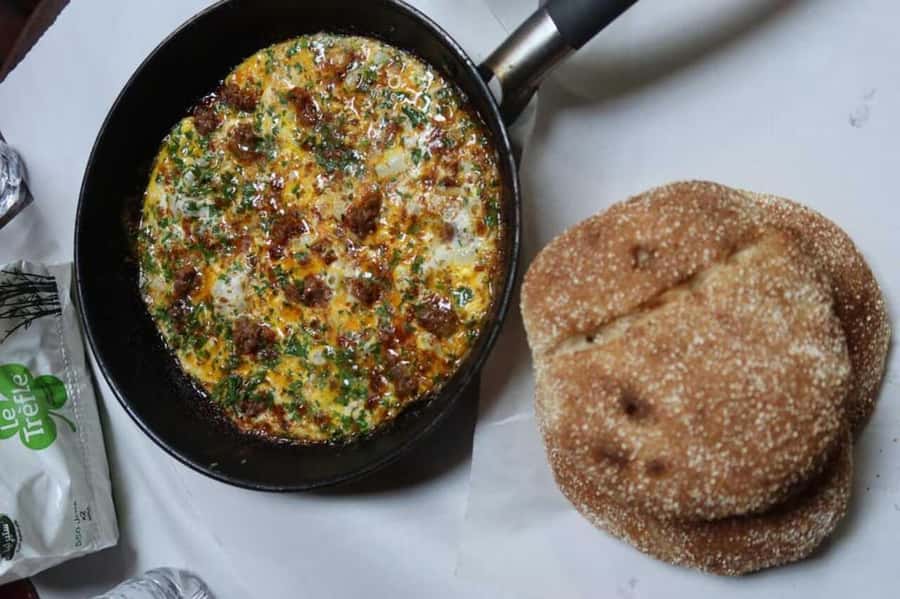
- Khobzaa (bread with eggs and veggies)
- Raïb (Moroccan frozen yogurt)
- Chwa (grilled beef or chicken meat)
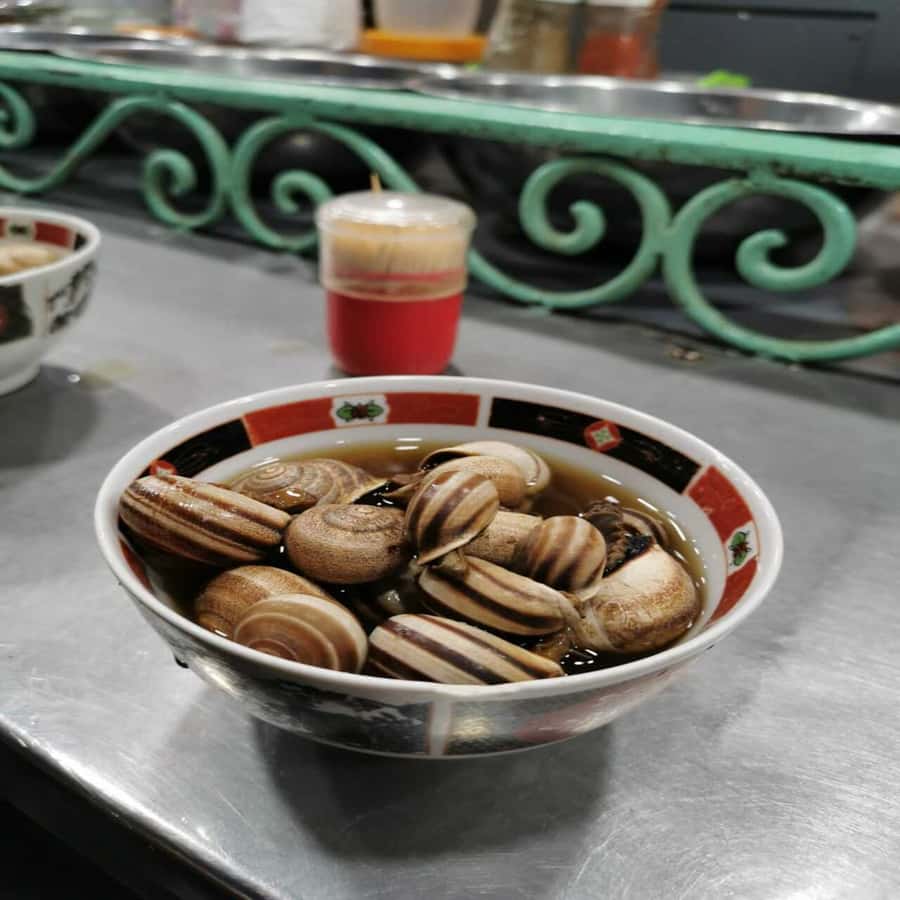
- Berbouche (snail soup)
- Sardil Mechoui (sardine balls cooked over coals)
- Maklla (Moroccan chakchokka-style dish)
- Assir (fresh fruit juice)
- Nuts
The big practical point: you won’t be stuck with only one style. You’ll likely get a mix of pastries/pancakes + soups + grilled items + sweet finishing bites, plus drinks like fruit juice and herbal infusion.
Also, some items are said to be served depending on the time of day—so if you book for morning versus evening, the menu mix can shift.
Your Guide Matters: What You Get From People Like Mariam and Abdul
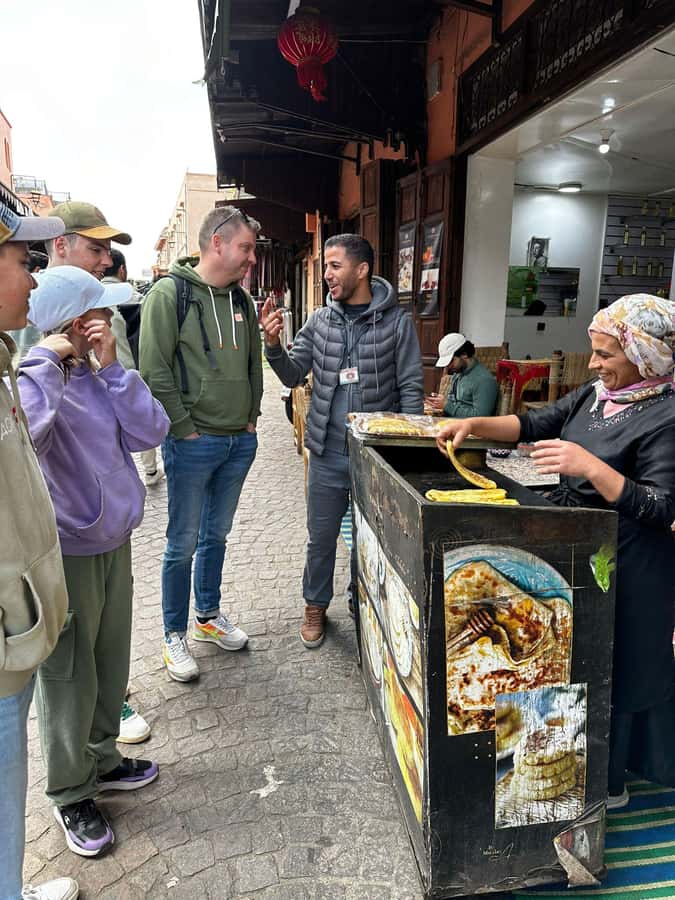
This is the part where the tour’s rating makes sense. The strongest praise is about the guides: they keep the pace comfortable, explain what you’re tasting, and help you feel confident in busy market zones.
Names that show up in the booking feedback include Mariam, Abdul, Ahmad, Ahmed Karim, and Abdoo/Andy. While you can’t guarantee a specific guide, the pattern is clear: the best outcome happens when you treat the guide like your translator, snack selector, and route manager all at once.
Guides also seem to handle group flow well. One review notes a crowding moment at a stop and mentions the guide waiting to make sure everyone stayed together before moving on. That’s exactly what you want on a walking food tour: you don’t want to be constantly chasing.
If you have dietary needs, tell the guide. The tour information says they’ll do their best to offer alternatives if you share allergies.
Timing: Morning vs Night and What to Eat Depending on the Hours
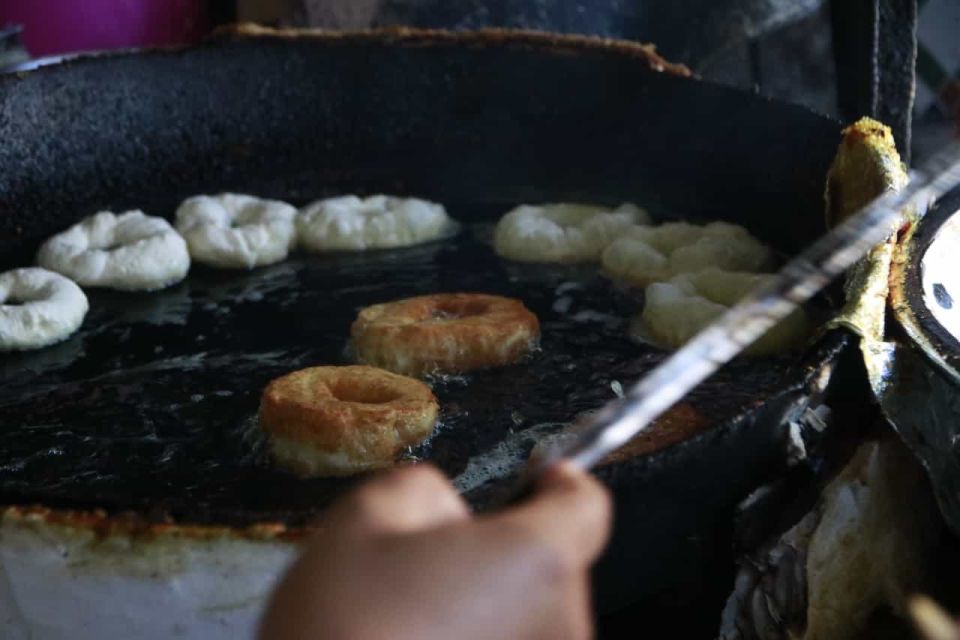
This tour runs in the Medina at morning or night, and the food selection can shift. Some street foods are listed as morning-friendly, others typically show up later, and the tour is designed to work around that.
If you’re the type who plans your trip around a specific dish—say, soup versus grilled meat—choose your time based on what you want most. If you’re flexible, you’ll enjoy the “try it when it’s served” approach.
One review also mentions a 5pm start, which lines up with the idea of an evening tasting in the Medina.
What to Wear and How to Pace Yourself
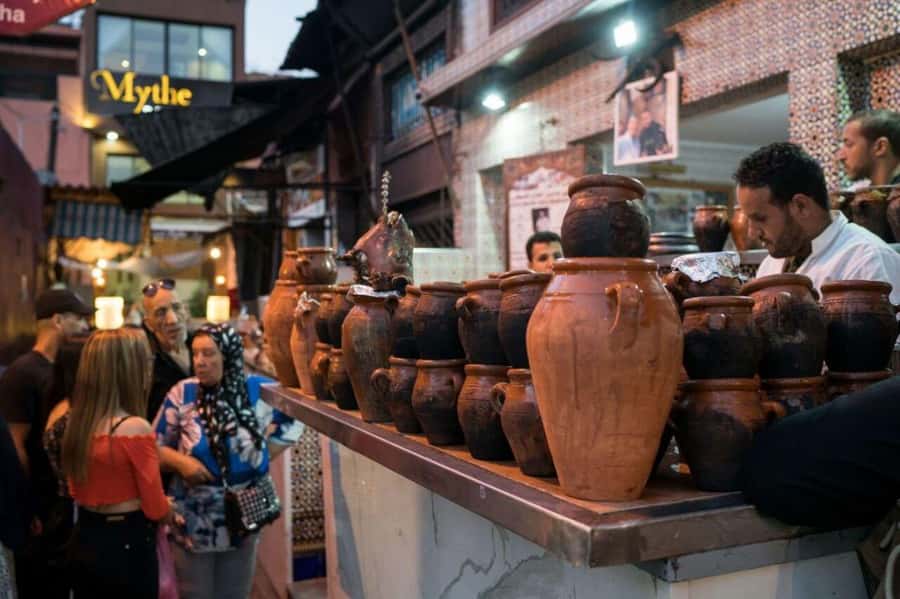
You’re walking. You’re also snacking. So:
- Wear comfortable shoes.
- Come hungry—this is not one of those “one bite per stop” tours.
- Bring a light jacket for evening if you’re going later in the day. A couple of reviews mention it can get chilly as the tour goes on.
Also, plan your schedule so you’re not trying to squeeze this into the middle of a long day. The tour’s goal is to let you taste steadily for about 3 hours, not to sprint from one attraction to the next and hope your stomach keeps up.
Who Should Book This Tour—and Who Should Skip It
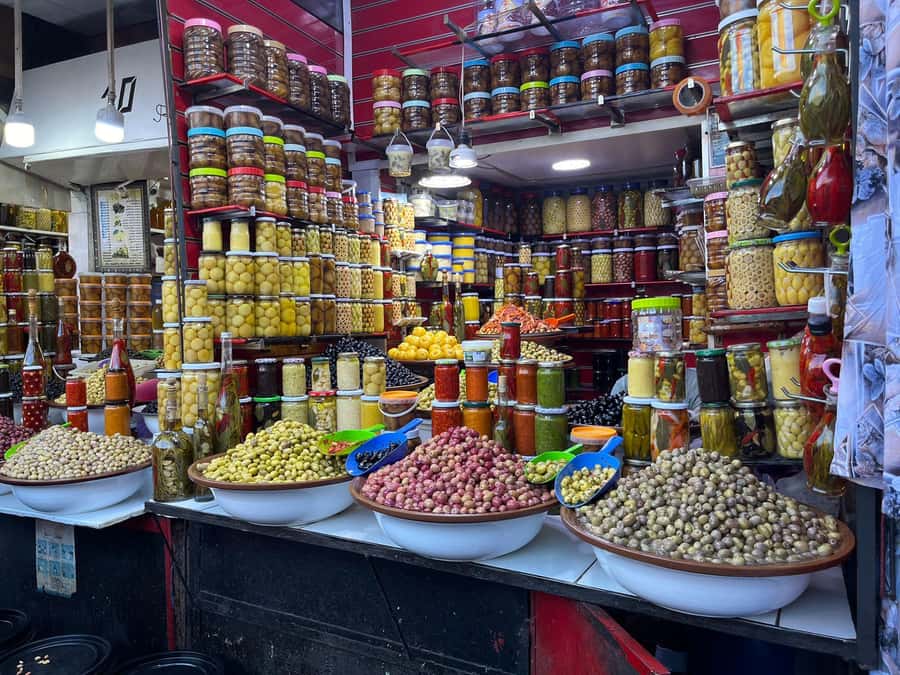
This tour is a great fit if you want:
- an easy introduction to Marrakech’s Medina,
- a safe way to explore markets without getting stuck,
- a serious variety of Moroccan street foods in one afternoon/evening,
- and a practical food learning experience you can repeat later.
It’s also useful as a confidence builder. After this, you’ll know what to look for and what kinds of vendors serve the dishes you tasted.
Two groups to think twice about:
- People over 70: the tour info says it’s not suitable.
- Wheelchair users: the info shows both wheelchair accessibility and a note that it’s not suitable for wheelchair users. That contradiction means you should ask the operator directly before booking.
So, Should You Book It?
If you’re in Marrakech for a short time and you want the quickest path to real local flavors, I think this is an easy yes. At $34, it’s one of the clearer value deals in Marrakech food experiences because the tour includes multiple tastings, drinks, and a guided Medina route—not just the idea of street food.
Book it if you can walk comfortably, you like to eat what locals eat, and you’re okay with the Medina feeling chaotic (it is, even with a guide). Consider passing if you need a very quiet, fully controlled experience, or if you’re in one of the groups flagged as potentially unsuitable.
FAQ
FAQ
How long is the Marrakech street food tour?
The tour lasts about 3 hours.
What’s the price and what’s included?
It costs $34 per person, and it includes the walking tour, local guide, food, drinks, and all tastings.
Where does the tour start?
You meet at Café Restaurant ARGANA, near Jemaa el-Fnaa.
How many dishes will I taste?
You’ll sample between 10 and 12 specialty foods, depending on the route and time of day.
Is it offered in the morning or at night?
The tour runs in the Medina at morning or night, and some foods are served at different times.
What languages are the guides available in?
The guide offers English, German, Dutch, and Arabic.
Can the tour accommodate allergies?
You should let the guide know about allergies, and the tour information says they’ll do their best to offer alternatives.
Is the tour wheelchair friendly?
The info says wheelchair accessible, but it also says it is not suitable for wheelchair users. If you’re considering a booking, contact the operator to confirm what they can realistically accommodate.