REVIEW · ZAGORA
Marrakech 2 days 1 night to zagora desert with camel ride
Book on GetYourGuide →Operated by Sahara Desert Trip · Bookable on GetYourGuide
Two days, one big desert shift. This Marrakech to Zagora trip earns its stamp with a dramatic drive over Tizi n Tichka Pass and a visit to the UNESCO-listed Ait Ben Haddou.
I also like how the overnight part feels like a real change of pace. You’ll swap roadside bustle for a desert camp night with dinner, breakfast, and time to enjoy the stars—exactly the kind of break you want if your schedule is tight.
One possible drawback: the route can feel shopping-oriented, especially around the stops after Ait Ben Haddou, so you’ll want to keep expectations realistic if you’re chasing something quiet and off-the-grid.
In This Review
- Key Highlights Worth Booking For
- Marrakech to Zagora: The Big Journey, Not Just the Destination
- Day 1: Marrakech, Tizi n Tichka Pass, and Ait Ben Haddou
- Tizi n Tichka Pass: When the Road Becomes the Attraction
- Ait Ben Haddou: UNESCO’s Living Stage
- Lunch and Timing: A Little Plan, A Little Flex
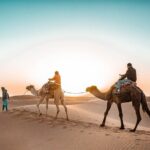
- Camel Ride at Sunset: The Day’s Best Payoff
- Day 2: Sunrise, Desert Camp Rhythm, and Back to Marrakech
- Morning in the Desert: Why Sunrise Hits Different
- Desert Camp Night: Dinner, Breakfast, Stars
- Returning to Marrakech: Same Road, Different Energy
- The UNESCO-Kasbah Stop vs. the Desert Night: How to Choose Your Priorities
- Price and Value: What $65 Really Covers
- Driver and Guide Quality: The Difference You’ll Feel on the Road
- What to Pack (So the Desert Feels Fun, Not Annoying)
- Who This Tour Fits Best
- Should You Book the Marrakech to Zagora Camel Safari?
- FAQ
- What is the duration of the Marrakech to Zagora desert tour?
- What does the price include?
- Are lunch and soft drinks included?
- Are entrance fees included?
- Do I need to pay extra for a local guide at Ait Ben Haddou?
- Is vegetarian food available?
- What languages are available for the driver and experience?
Key Highlights Worth Booking For
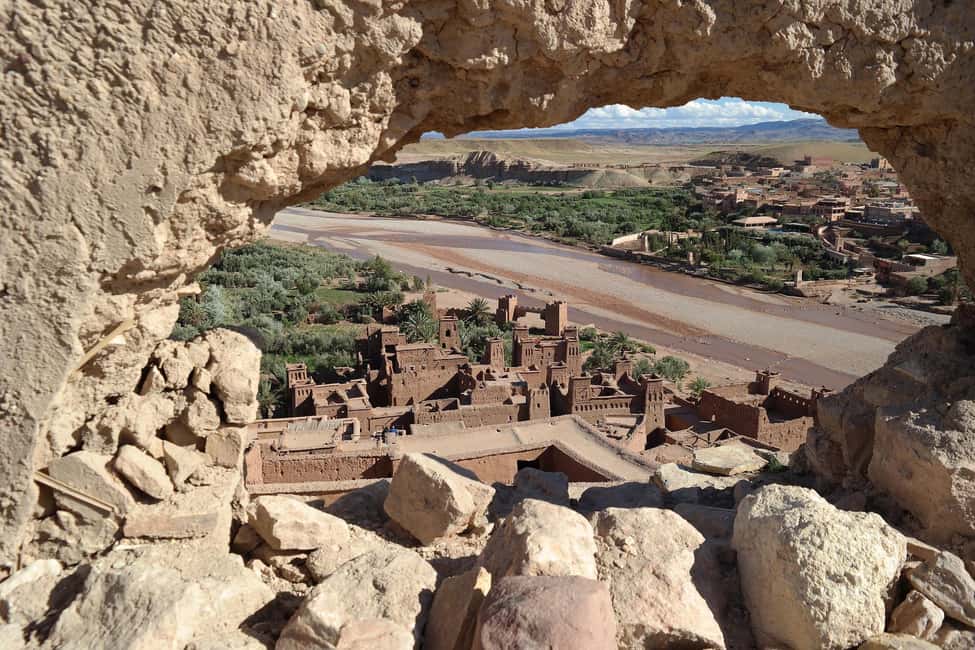
- Tizi n Tichka Pass, North Africa’s high-road crossing with mountain views that make the long drive feel worth it
- Ait Ben Haddou (UNESCO) guided by a local expert so you understand what you’re seeing
- Camel ride at both sunset and sunrise so you get two very different desert moods
- A Berber-style desert camp night with dinner and breakfast included
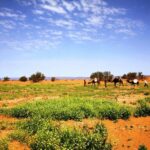
- Draa palm groves scenery passing through Drâa-Tafilalet as you head toward Zagora
- Driver quality can make or break the trip, and names like Bijad, Faisal, Jawad, and Idriss were specifically praised for comfort and professionalism
Marrakech to Zagora: The Big Journey, Not Just the Destination
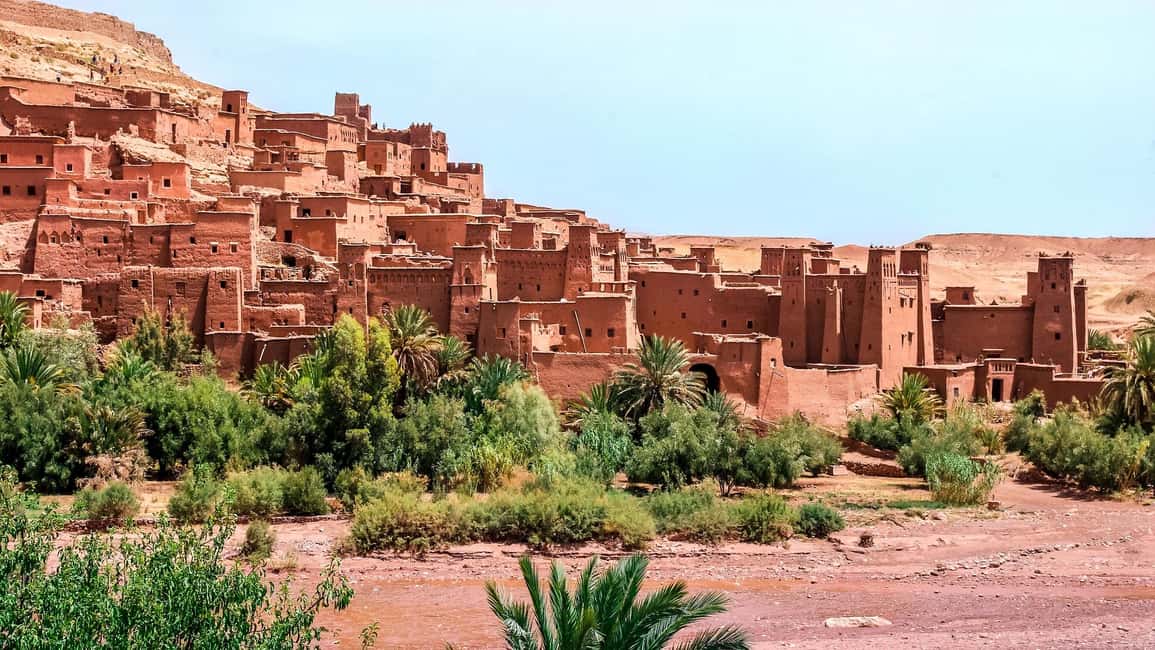
This tour is built for a specific kind of traveler: you want the desert experience, but you don’t have the time for a longer multi-day trek. So you’ll trade slow travel for highlights packed into two days and one night.
That trade-off matters. With only 2 days, you’re not going to linger in every place. Instead, you get a strong hit of variety: mountain road, UNESCO village, then desert camp life with camel rides at the golden-hour bookends.
The drive itself is part of the point. Crossing the High Atlas Mountains via Tizi n Tichka Pass (the highest road in North Africa) is the moment when the scenery really starts changing. Plan for a full day of road time and expect rest stops to be scheduled.
You can also read our reviews of more evening experiences in Zagora
Day 1: Marrakech, Tizi n Tichka Pass, and Ait Ben Haddou
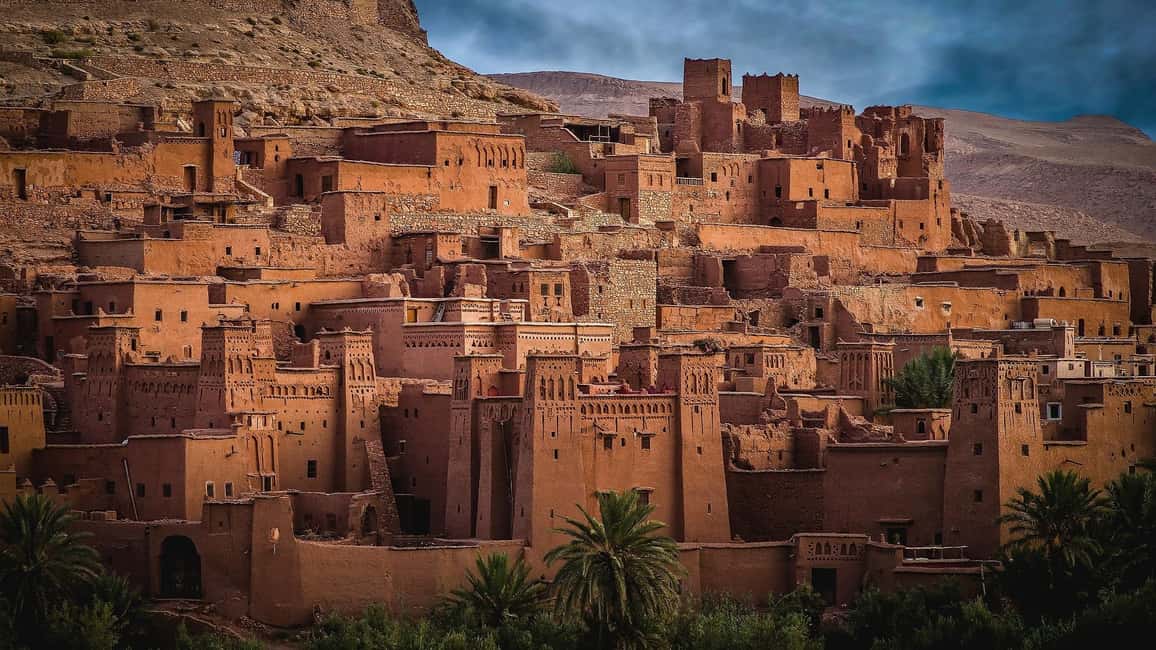
Your day starts with pickup from your accommodation (or the closest reachable meeting point if your exact address isn’t vehicle-accessible). From there, you head toward the High Atlas Mountains and begin the climb toward Tizi n Tichka Pass.
Tizi n Tichka Pass: When the Road Becomes the Attraction
This is one of the strongest reasons to do this route by road rather than flying and “catching up later.” The pass isn’t just elevation—it’s the dramatic shift in terrain and weather mood as you go higher.
Practical tip: bring sunglasses and sunscreen no matter what the forecast says. Even if it’s cool in the morning, sun on mountain roads can still burn fast. Comfortable shoes help, too, because you may step out for photos.
Ait Ben Haddou: UNESCO’s Living Stage
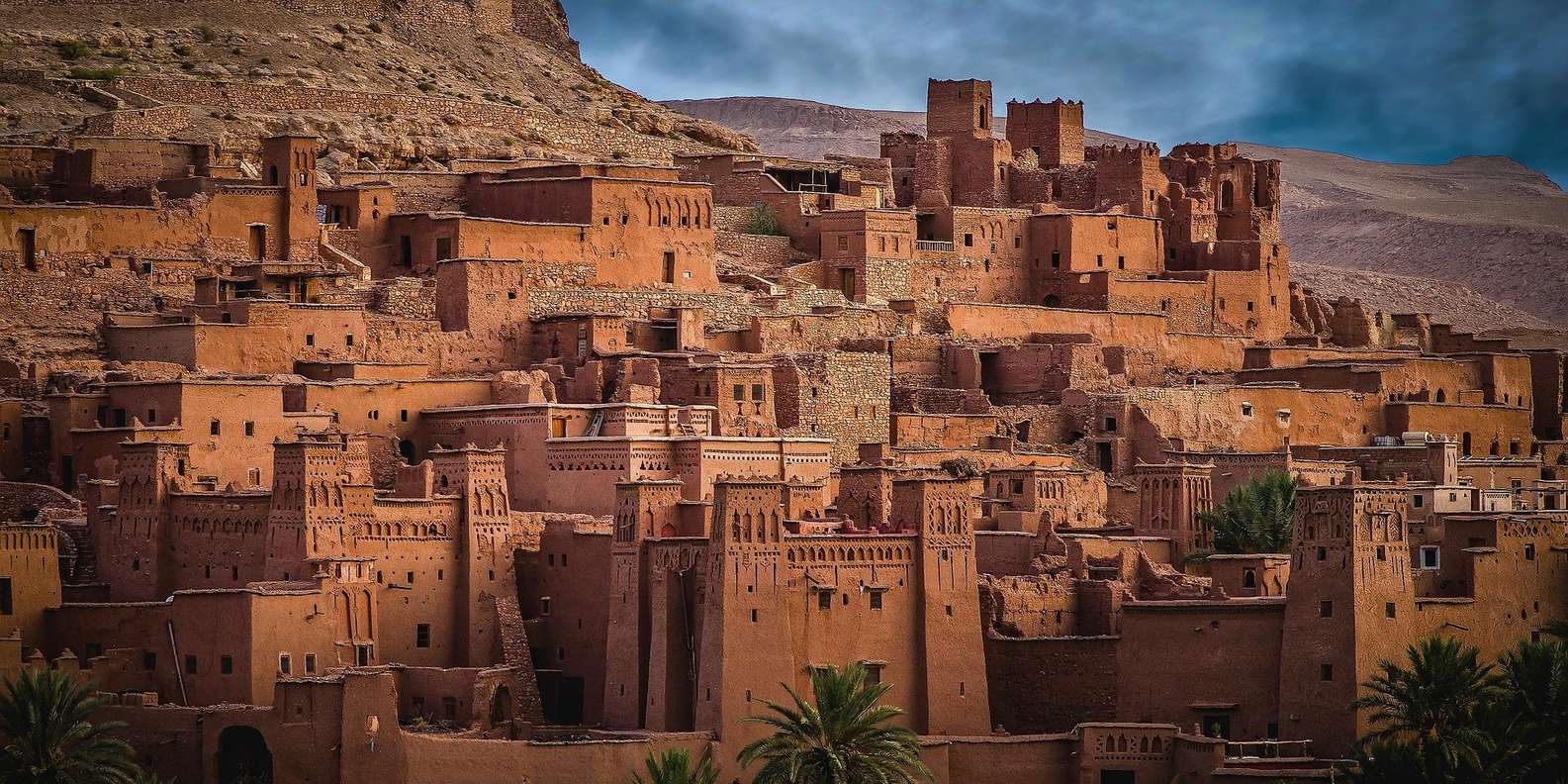
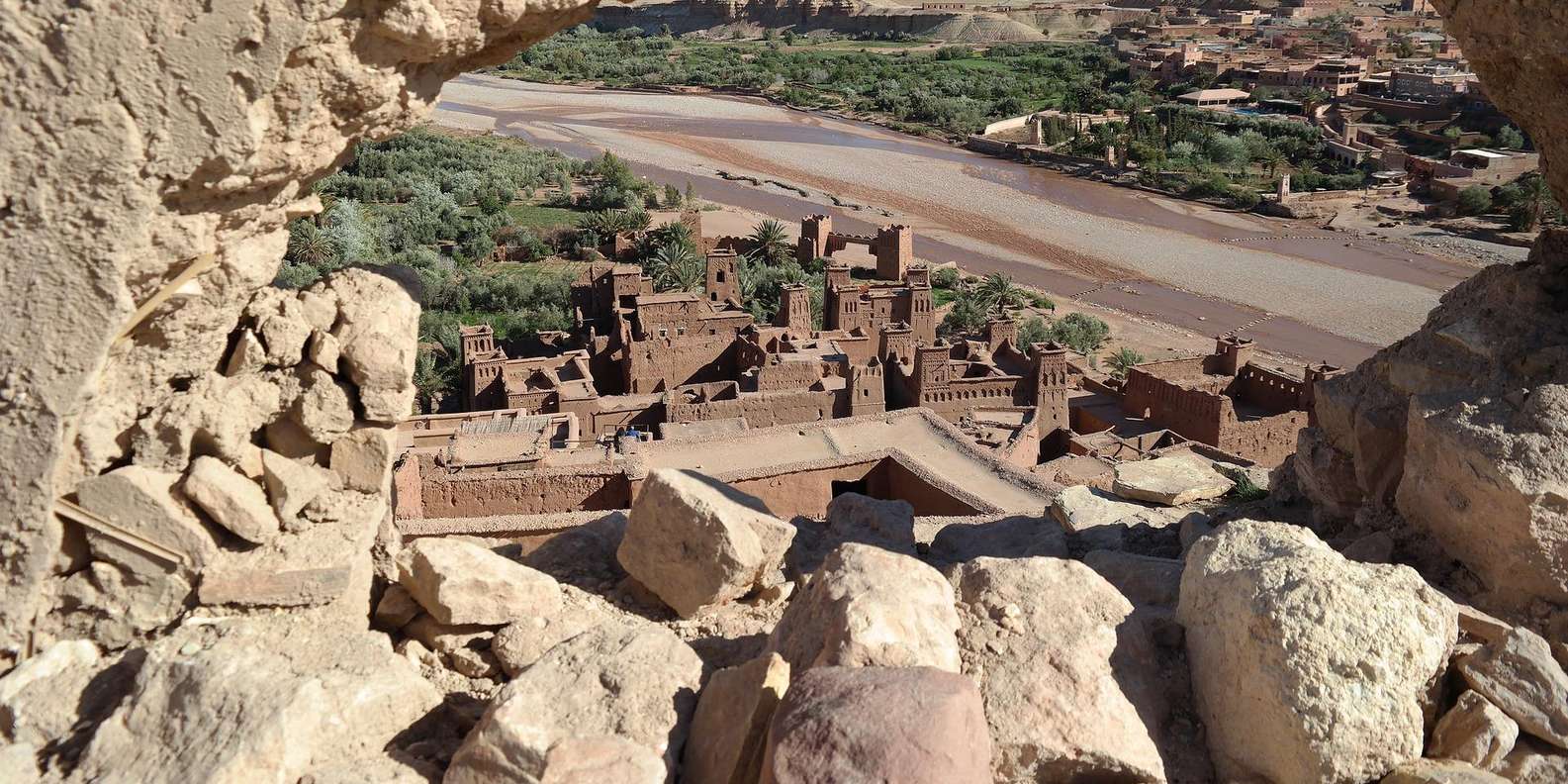
Next is Ait Ben Haddou, the UNESCO-listed kasbah village. You’ll have time there and the Kasbah visit is guided by a local expert (the tour notes a local guide cost of 2 euro per person, and entrance fees aren’t included).
What I like about this stop is how it changes your perspective on the desert route. Instead of treating the desert as the only “real” part, you see that the landscape and settlements are connected. Ait Ben Haddou is the in-between story: history, architecture, and travel routes have all met here.
Potential downside: this site is famous, and you may notice tourist infrastructure and shop presence. If you’re hoping for a totally untouched feel, you’ll want to balance that desire with curiosity about the architecture and setting.
Lunch and Timing: A Little Plan, A Little Flex
Lunch timing is included only in broad terms as free time at Ait Ben Haddou—there are no lunch inclusions listed in the included package. In practice, you should assume you’ll be choosing where to eat and you might be nudged toward places tied to the route.
I’d handle this like a smart road-trip: carry a water bottle if allowed, and don’t count on finding your preferred type of food at the ideal moment.
A few more Zagora tours and experiences worth a look
Camel Ride at Sunset: The Day’s Best Payoff
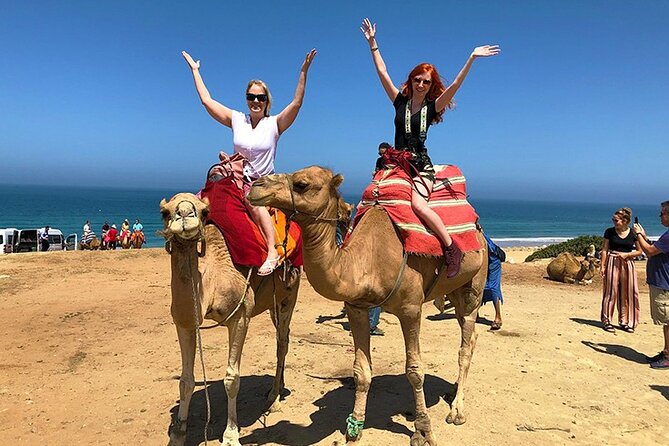
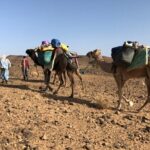
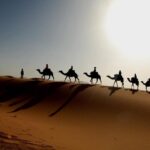
After time around Ait Ben Haddou, the day continues with group travel toward your desert activity. Then comes the first camel ride for sunset—one camel per person.
This ride is the part that usually makes people feel like the whole drive was worth it. It’s not just a photo moment. The rhythm of the camel and the slow build of light across the sand give you that “wait, we’re really here” feeling.
Quick comfort note: camels can be bumpy, and you’ll sit for a while. Wear long, comfortable layers and avoid anything too tight or slippery.
Day 2: Sunrise, Desert Camp Rhythm, and Back to Marrakech
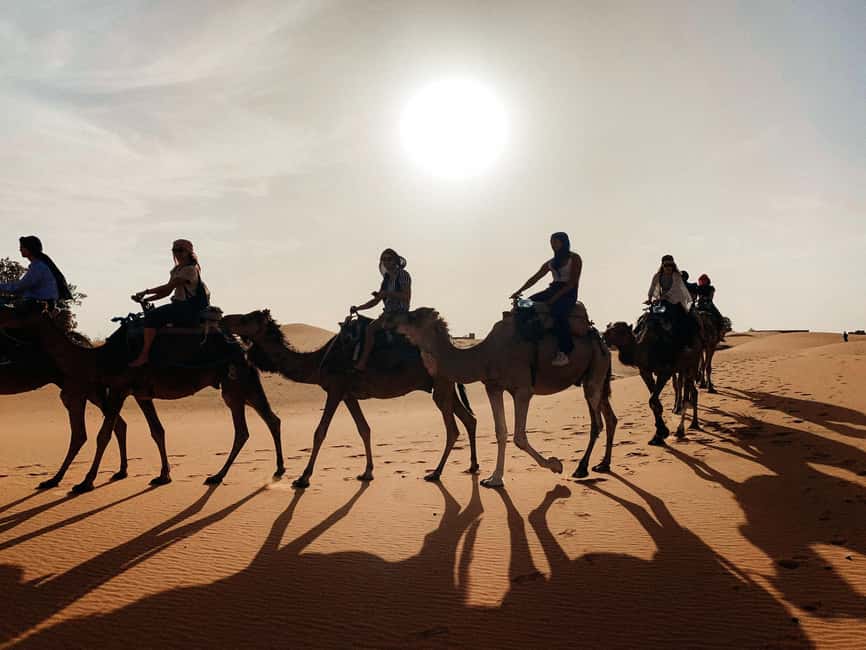
Day 2 starts early. You’ll wake up to enjoy sunrise, have breakfast, and then ride again before heading back toward the main road.
Morning in the Desert: Why Sunrise Hits Different
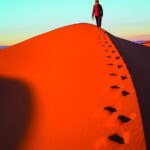
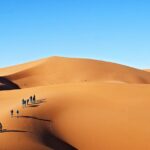
Sunrise in the desert has two advantages: fewer crowds and a cooler, calmer atmosphere. Even if you’ve seen photos of deserts before, sunrise changes the color and contrast in a way that flatters everything—sand, hills, and the sky.
You’ll do another camel ride at sunrise for one camel each. If you loved the sunset ride, the morning one feels like a whole different show, with lighter shadows and crisp details.
Desert Camp Night: Dinner, Breakfast, Stars
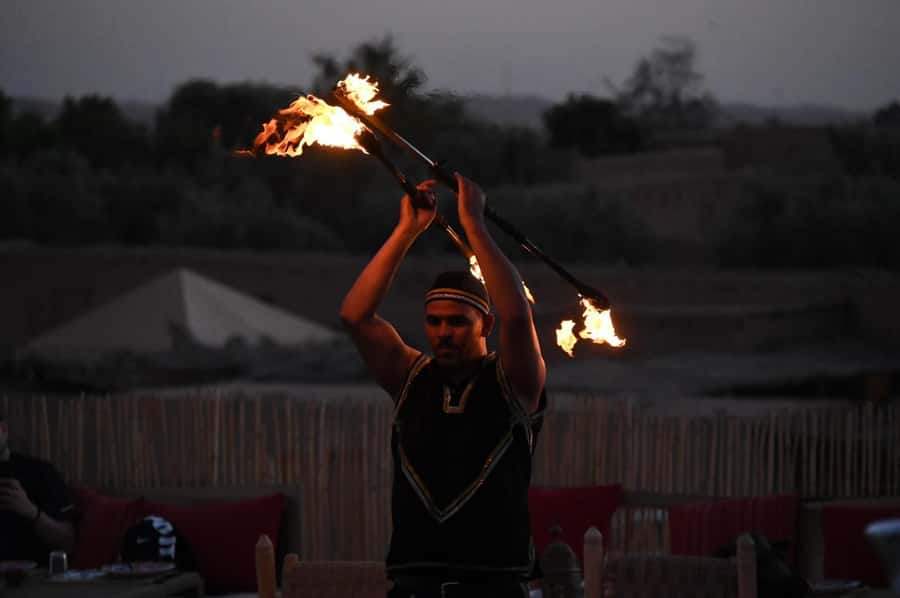
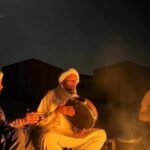
Overnight is in a typical desert camp (Berber tent style) with dinner and breakfast included. This is where the trip becomes more than transport.
The camp setup is simple on purpose. It gives you the chance to slow down, eat, and look up at the sky. One review called out sleeping in the desert as the standout memory, and I get why: the quiet is the luxury.
Important practical note: the weather can swing. You’re in the desert, but night can still feel chilly. Bring something warm enough for after dinner, not just for the camel rides.
Returning to Marrakech: Same Road, Different Energy
By the time you head back, you’ve already had your big desert moment. That helps. You’re not “going to the desert” anymore—you’re leaving with the satisfaction of having done it.
Your driver waits for you when you reach the pickup area back on the main road and returns you to Marrakech.
The UNESCO-Kasbah Stop vs. the Desert Night: How to Choose Your Priorities
This itinerary is built around two major anchors: Ait Ben Haddou and the Zagora desert camp experience. Both matter, but they serve different moods.
- If you love architecture and history, Ait Ben Haddou is your “wow, I get it” stop. A guided visit helps you read the buildings instead of just snapping pictures.
- If you want the emotional payoff, the camp night and camel rides are where the story turns personal. Sleeping in a Berber tent changes the pace of your whole day.
If you’re someone who hates tourist-heavy environments, plan your mindset for Ait Ben Haddou and for any roadside stops that feel commercial. You can still enjoy the core experiences—they’re just surrounded by the reality of a popular route.
Price and Value: What $65 Really Covers
At $65 per person, this tour is priced like a budget-friendly “desert highlight” package. The included items cover the biggest costs that would normally be hard to assemble yourself: transport, driver, an overnight camp setup, meals at camp (dinner and breakfast), and two camel rides.
Here’s what you should double-check in your own planning:
- Entrance fees are not included, so you’ll need to budget for ticketed sights if any come up.
- Lunches are not included, even though there will be free time where you can eat.
- A local guide at Ait Ben Haddou is referenced as a 2 euro per person item, but the package also lists it in a way that suggests it may be an extra cost. Either way, assume there may be an additional fee on top of the tour price for guiding/entry-related services at the kasbah.
When this trip feels like a good deal is when you treat it as a structured shortcut. You’re buying time: you’re compressing the mountain crossing, UNESCO visit, and desert camp night into 48 hours.
Driver and Guide Quality: The Difference You’ll Feel on the Road
Most of the reviews praise the comfort and professionalism of the drivers. Names you’ll see praised include Bijad, Faisal, Jawad, and Idriss—often described as punctual, skilled behind the wheel, and friendly.
That matters because the route is long. If you get a smooth driver, the trip feels manageable. If you get a driver who drives aggressively or rushes, the long hours can feel exhausting.
Also, you’ll travel with an English or French speaking driver, and there’s a local expert guide included. If your French is limited, English support is available, which is a real practical advantage.
What to Pack (So the Desert Feels Fun, Not Annoying)
You’ll get a clear win with simple packing. The tour guidance calls for comfortable shoes, sunscreen, sun hat, sunglasses, and a camera.
I’d add a couple of reality-based items:
- A light layer for after sunset and during the night (camp nights can cool down).
- A small day bag for water and personal essentials during stops.
- Something you don’t mind getting dusty during the camel rides.
Who This Tour Fits Best
This Marrakech to Zagora camel-safari-style trip is a good fit if:
- You have limited time and still want the desert experience.
- You like structured days with planned highlights rather than DIY flexibility.
- You’re okay with a route that may include shop stops along the way, as long as the core experiences feel worthwhile.
It may be less satisfying if:
- You want the route to feel quiet, remote, and completely free of tourist infrastructure.
- You’re very particular about where you stop for meals and don’t want choices limited by the day’s schedule.
Should You Book the Marrakech to Zagora Camel Safari?
Yes—if your priority is getting to Zagora fast and checking off the big moments: Tizi n Tichka Pass, Ait Ben Haddou, and camel rides at sunset and sunrise plus a real night in a desert camp.
Hold back or choose a different style of trip if your top goal is avoiding shopping stops and keeping control over meals and timing. On this route, the structure comes first, and the freedom is lighter.
If you do book, go in with the right expectations: treat it like a well-organized desert highlights circuit. The payoff is the desert night and the two camel rides, not the roadside shopping.
FAQ
What is the duration of the Marrakech to Zagora desert tour?
It’s 2 days and 1 night, including transfers and the tour program.
What does the price include?
The package includes pickup and drop-off, air-conditioned vehicle transport, an English or French speaking driver, a local expert tour guide, a guided visit to Kasbah Ait Ben Haddou with a local guide (noting a 2 euro per person detail), overnight in the desert camp with dinner and breakfast, and camel rides at sunset and sunrise (one camel each).
Are lunch and soft drinks included?
No. Lunches and soft drinks are not included.
Are entrance fees included?
No. Entrance fees are not included.
Do I need to pay extra for a local guide at Ait Ben Haddou?
The details mention a local guide fee of 2 euro per person for the Kasbah visit, and entrance fees are not included. Plan for possible extra costs related to the Kasbah visit.
Is vegetarian food available?
Yes. A vegetarian option is available if you advise at the time of booking.
What languages are available for the driver and experience?
Languages listed are English and French.