REVIEW · CASABLANCA
14 Days From Casablanca- Morocco Grand Tour
Book on Viator →Operated by Morocco Imperial Tours · Bookable on Viator
A private tour in Morocco means less stress. This one strings together Casablanca, Chefchaouen, Fes, the Sahara dunes, Marrakech, and Essaouira with a driver and guide. I especially like how Youssef (and guides such as Abdul in shared trip reports) helps shape the rhythm so you spend time seeing, not sorting details.
Two things I’d lean on hard: you travel in your own air-conditioned vehicle between key stops, and you get undivided attention from a private guide when you want it. One consideration: the route is fast and full, so expect long car days and plan for early starts, especially as you head toward the desert.
In This Review
- Why This Private Morocco Grand Tour Works Better Than DIY
- Key Points You Should Know Before You Go
- Casablanca to Rabat: Mosque Views and a Capital-Style Detour
- Chefchaouen by Way of the Rif: Coastal Roads and Blue-Doors City Magic
- From Chefchaouen to Fez via Volubilis and Meknes: Ancient Stones and Great Gates
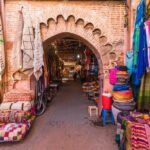
- Fes el-Bali and the Craft City: Tanneries, Universities, and Panoramas
- Midelt to Merzouga: Cedar Forests, Berber Villages, and Ziz Valley Views
- Erg Chebbi Camel Sunset and Desert Living: Sand, Sound, and a Camp Night
- From Merzouga to Dades and Todra: Gorges, Gaps, and Rock Formations
- Marrakech Day: Palaces, Gardens, and the Jemaa el-Fna Night Scene
- Essaouira on the Atlantic: Argan Co-ops, Thuya Craft, and Windy Streets
- Back to Casablanca by Way of Safi and El Oualidiyah: Coastal Colors and Pottery Stops
- Price and Value: What You’re Really Paying For
- Who This Trip Fits Best (and Who Might Prefer Something Else)
- Should You Book Morocco Imperial Tours for This Grand Route?
- FAQ
- How long is the Morocco grand tour?
- Where does the tour start and how does it end?
- Is pickup included?
- Is this a private tour?
- What’s included in the price?
- What is not included?
- Can I get a full refund if I cancel?
Why This Private Morocco Grand Tour Works Better Than DIY
This is the kind of trip that fits real humans. Morocco has plenty to do, but planning it end-to-end—where to sleep, what to book, which sites are worth the time, how to get from point A to point B—can turn into a second job. Here, you skip a lot of that legwork with a private setup and transportation that keeps you moving.
The best part is the balance between structure and freedom. You’re not stuck on a rigid group schedule. You can customize your days with your guide, and you still get an organized flow: major medinas, Roman ruins, kasbah stops, desert dunes, and then the Atlantic coast.
Key Points You Should Know Before You Go
- Private guide focus: your guide can adjust pace and emphasis so you’re not stuck watching from the back of a group.
- Air-conditioned transport between hotspots: long drives feel more manageable, especially on hotter days.
- Desert experience in a real camp setting: a night in the Merzouga area with a guided camel sunset ride.
- Color-and-culture medina days with local context: from Fes el-Bali’s institutions to Marrakech’s historic sites.
- Atlantic coast break in Essaouira: strong winds and Portuguese-era architecture change the mood fast.
- Flexibility on the end point: the trip can finish in Casablanca or optionally work toward Marrakech airport depending on your flight.
You can also read our reviews of more tours and experiences in Casablanca.
Casablanca to Rabat: Mosque Views and a Capital-Style Detour
Your trip starts around Casablanca, either with pickup from the airport or from your hotel. That matters more than it sounds. First day logistics in a new country can eat hours, and this setup helps you start sightseeing sooner rather than later.
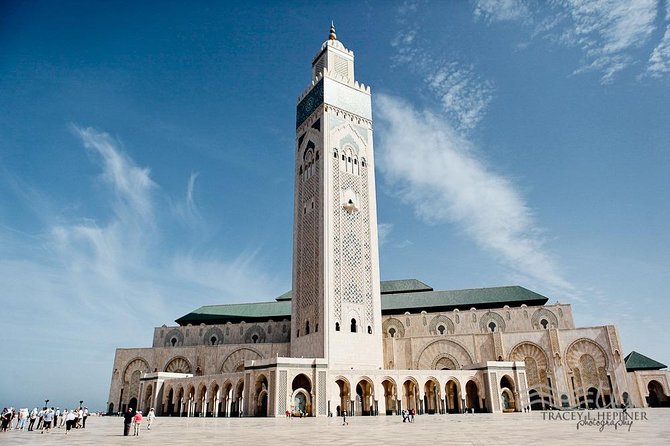
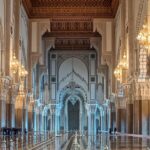
From Casablanca, you hit the Hassan II Mosque, widely known as one of the biggest mosques in the world outside Mecca. Even if you don’t go deep into architecture, it’s the scale that gets you. It also sets expectations for Morocco: grand craftsmanship, big public spaces, and strong ties between religion, city life, and design.
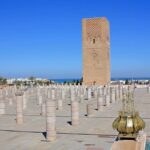
Then comes a coastal stretch before you continue to Rabat, Morocco’s capital. Here you see landmarks like the Mausoleum, the Hassan Tower, and the Oudaya Kasbah. Rabat is a nice change of pace after Casablanca. It feels more “government-city” than “port-city,” and you’ll likely appreciate the calmer flow for photography and walking.
Possible drawback: Day 1 can feel like a mix of “arrival + sightseeing,” so if you’re jet-lagged, build in a slower pace the first evening and don’t overplan.
Chefchaouen by Way of the Rif: Coastal Roads and Blue-Doors City Magic
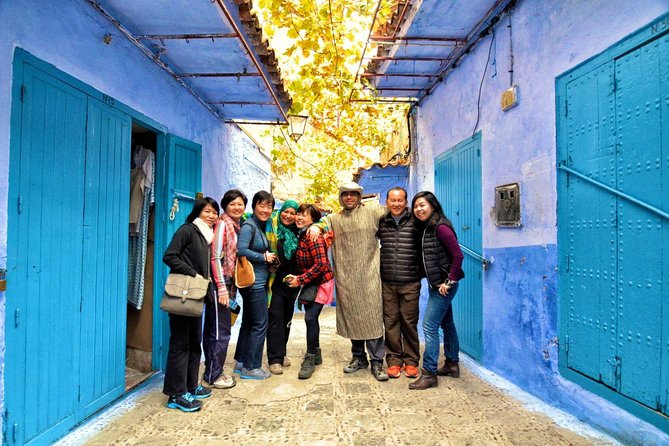
After breakfast, you head to Chefchaouen. Most of the drive runs along the coast, then you work into the Rif Mountains through countryside villages where you’ll get a sense of everyday Moroccan life outside the big-city rush.
You stop for lunch at Ouzzen. This is a good example of how private routing helps: you’re not just driving; you’re also getting chances to pause where it’s practical and local.
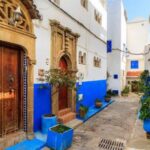
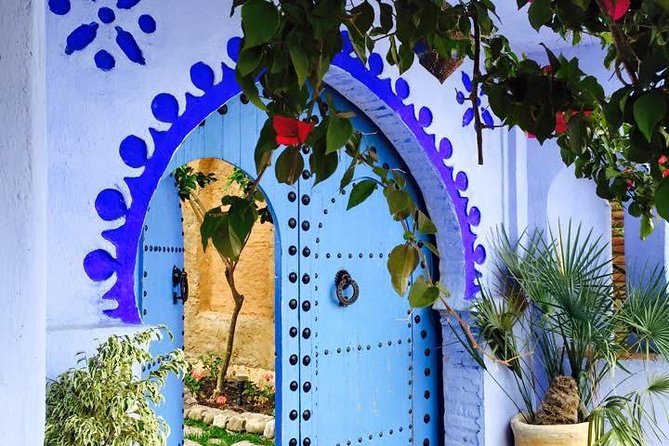
Chefchaouen itself is the star. You’ll explore the medina, the part of town with whitewashed walls and those distinctive blue doors and windows. There’s also a Spanish influence here, and you’ll feel it in the architecture and older corners of the streets. The private guide setup helps you connect the dots instead of wandering as a tourist with a camera.
One of the most enjoyable parts is the contrast with everything you’ll see later. Chefchaouen is quieter and more visual. You can slow down, talk with locals, and take your time in the narrow lanes.
Practical note: The medina involves walking on uneven ground. Bring shoes you trust, and don’t plan a museum-heavy day if you’re the type who gets tired in steep old streets.
From Chefchaouen to Fez via Volubilis and Meknes: Ancient Stones and Great Gates
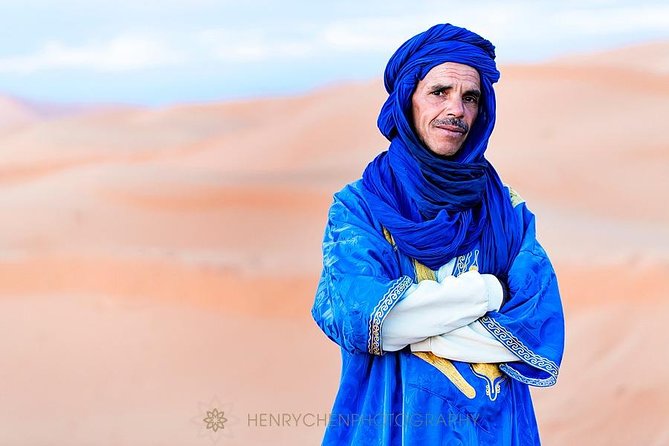
Once you’ve had your mountain-and-blue fix, you travel south through Ouazzan toward Volubilis and onward to Meknes, then Fes.
At Volubilis, you visit a well-preserved Roman site dating back to around 225 BC. The ruins aren’t just “old rocks.” You’ll see mosaics that are still in good shape, which makes the place feel less abstract and more real. If you like history that you can walk through rather than just read about, this stop is worth the drive.
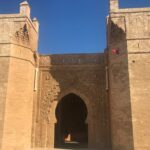
Then you continue to Meknes, known as a capital under Sultan Moulay Ismail. You’ll see the grand Bab Mansour gate—famous for its dramatic scale—and also the granary and the Sahrij Souani, connected to irrigation and planting. That irrigation piece matters. It helps explain how empires managed land and water, especially in a country where climate can be demanding.
On the road, you’re shifting environments quickly: mountains and countryside into Roman ruins, then into imperial-era architecture, and finally into the intensity of Fes.
Consideration: Travel days like this are not short. If you hate “checkpoints and seats,” plan a calmer morning in Fes after arrival rather than rushing immediately.
Fes el-Bali and the Craft City: Tanneries, Universities, and Panoramas
In Fes, you spend a full day focused on Fes el-Bali, the cultural heart of the city. This is one of Morocco’s most famous medinas, and it can be overwhelming if you’re unprepared. Having a guide helps you avoid the frustrating loop of getting lost, doubling back, and missing the best sights.
Your day includes key cultural stops such as:
- the Royal Palace area
- the Jewish headquarter (Mellah), noted as the first Mellah built in Morocco
- Al Qaraouine University, described as the oldest in the region
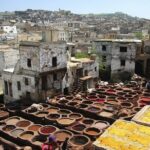
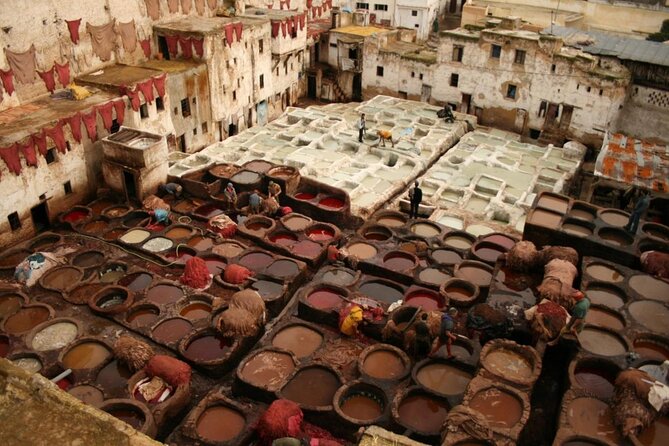
- the tanneries
- a ceramic factory visit
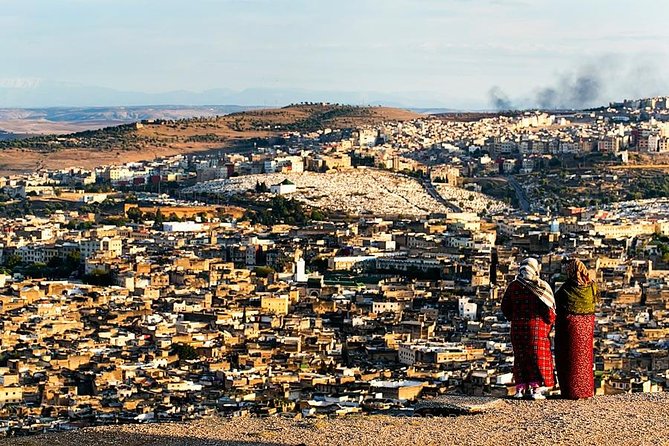
- a panoramic view over the Medina
There’s also time in the new city for a drink afterward, which is a smart rhythm. Fes medina days are intense. A break outside the older streets helps you reset your senses before you try to process everything you just saw.
You’ll also likely appreciate the guide’s role in translating what you’re seeing. Tanneries, for example, aren’t just a photo stop; they connect to how the city works and how craft traditions keep going.
Tip you’ll thank yourself for: In Fes, take breaks. If your feet start to complain, stop and let your guide steer you to the next spot rather than pushing until you’re cranky.
Midelt to Merzouga: Cedar Forests, Berber Villages, and Ziz Valley Views
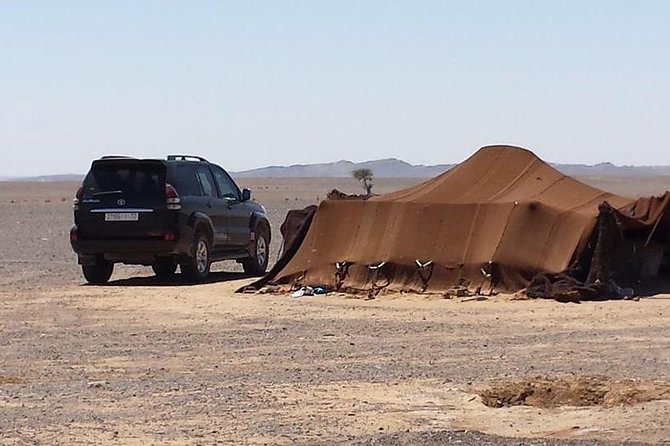
The journey toward the desert starts by heading through Ifran, often referred to as the Switzerland of Morocco, then via Azrou, Errachidia, and Midelt. Along the way, you’ll pass glimpses of the Middle Atlas and Higher Atlas mountains.
In Azrou, you stop in a Berber village near the cedar forest, described as the largest in Morocco. You might see Barbary apes. Even if you don’t get lucky with animals, the forest vibe tends to be a welcome pause before the world shifts toward arid zones.
Then you continue toward Erfoud and Rissani. On the way, there’s the Ziz Valley and those changing vistas that make the road feel like a transformation. You also pick up context for why this area matters historically: Rissani connects to the Alaouite dynasty and once was called Sijilmassa, a meeting place for salt caravans.
You’ll walk through the souq in Rissani and see commerce like spices, vegetables, and cloth. There’s even mention of a donkey park and a chance to eat madfouna, a local specialty often compared to pizza.
Possible drawback: This is a big day for driving and stops. If you’re the type who gets carsick, bring what you need and ask your driver to keep breaks frequent.
Erg Chebbi Camel Sunset and Desert Living: Sand, Sound, and a Camp Night
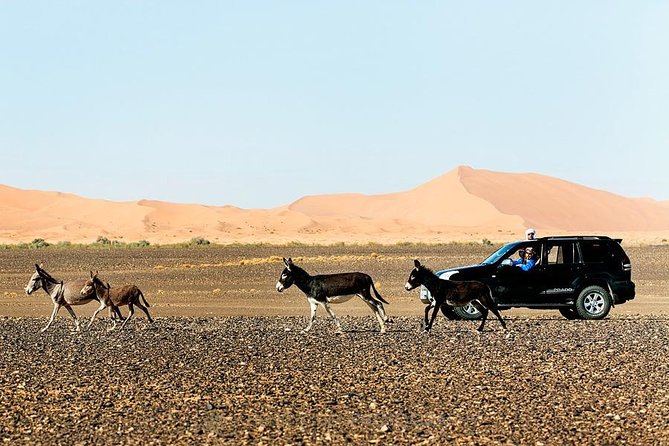
At Merzouga and Erg Chebbi, the trip shifts from cities to pure scenery and stillness. You start with experiences around Merzouga like meeting people associated with Gnawa music and lifestyle, plus time to see the lake of Merzouga and its bird populations.
There’s also a stop that connects with craftsmanship: a nomad wire house experience where handicrafts are described as priced lower than in big cities. That’s useful if you want souvenirs with less pressure.
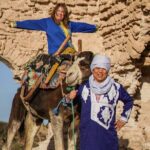
Lunch may include madfouna again depending on timing, but the highlight of this portion is the sand ride. You’ll mount a camel with an experienced camel man to explore the sand sea area. Then you watch the sunset over the golden dunes. After that, you sleep in a Luxury Camp.
This is where a private tour helps most. Camel riding can feel chaotic if you’re trying to coordinate in a group. Here, the process is guided and timed so you’re not stuck waiting around in confusion.
Practical note: Camel rides and desert nights can mean temperature swings. Wear layers you can handle, and don’t assume the desert is always hot.
From Merzouga to Dades and Todra: Gorges, Gaps, and Rock Formations
After desert sunrise (if you choose the early morning option), you’ll camel-trek back toward the village area. Then the route moves toward Tinghir and Todra gorges, described as the highest and narrowest in Morocco. If you like places where nature makes a dramatic corridor, Todra can deliver.
You stop for lunch in the gorge area, then continue through the Dades Valley. This is the part of the drive where the view changes constantly: rock formations, weathered cliffs, and the famous formations locals call monkey toes. You also pass the “sand castles” feeling that makes the valley look sculpted.
You’ll spend the night in a fancy hotel overlooking the Dades valley. That’s a smart pairing with the scenery. After a full day of gorges and driving, a room with a view helps the experience feel like more than “transport between stops.”
Consideration: This day mixes walking at gorges with long roads. Pace yourself. Todra can be impressive, but it’s still physically a moving day.
Marrakech Day: Palaces, Gardens, and the Jemaa el-Fna Night Scene
Then you head to Marrakech, but not before a scenic run through Kalaat Mgouna and Ouarzazat. You stop in Kalaat Mgouna, called the rose city, to buy rosewater. That’s a small detail, but it’s exactly the kind of item that becomes a memory when you get home because it smells like the trip.
You also visit Ait Ben Haddou, described as the largest kasbah in Morocco. Kasbah architecture is usually about power, protection, and community life. Here you’ll see a structure built by Et Hami El Glaoui, with the kasbah now linked to the Glaoui family’s presence.
Once in Marrakech, you get a full day of major sites:
- Saadien tombs
- Palaces of El Bahia and El Badi
- Ben Youssef Coranique School
- lunch near the main square
- Majorelle Gardens
- Menara and Koutoubia Tower
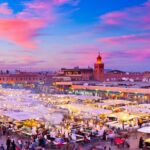
In the evening, you can explore Jemaa el-Fna, known for storytellers, magicians, snake charmers, and food sellers. This night market energy is why Marrakech feels different from Fes. It’s louder, more theatrical, and faster-moving.
Tip: Don’t treat Jemaa el-Fna like a checklist. Wander with your guide first to get your bearings, then come back later if you still want more.
Essaouira on the Atlantic: Argan Co-ops, Thuya Craft, and Windy Streets
After Marrakech, you travel to Essaouira, a laidback coastal town. You’ll make stops for photos en route, and then you visit the women’s co-operative of argan oil to see how the oil is extracted and used for culinary, cosmetic, and medical purposes.
That’s one of those experiences that can be more than a souvenir stop. It adds context: who produces, how it’s produced, and why it matters economically. It also gives the trip a more human scale after days of architecture and big-city walls.
In Essaouira, you’ll see:
- Skala Fortress
- the port
- souks and workshops
- Thuya wood carving by artisans
- medina alley walking and handicraft browsing
Essaouira is known for strong winds, and it’s often called the City of the wind. If you like surfing culture or you just enjoy brisk ocean air, this is a good antidote to the warmer interior cities.
You’ll also get Portuguese-era architecture influence, plus the “Jewel of the Atlantics” feel that comes from mixing sea life and craft traditions.
Practical note: Bring a wind layer even if the sun is out.
Back to Casablanca by Way of Safi and El Oualidiyah: Coastal Colors and Pottery Stops
On the way back, you drive via the coast and pass by places like Safi and El Oualidia. There’s also an option to pause in Safi for ceramics and pottery crafts, including the chance to buy from local artisans or learn some stages of the process.
Then El Oualidia is positioned as a lunch stop before you take the motorway to reach Casablanca for your overnight. This gives your trip a slower, scenic ending instead of a straight shot back to the start.
Consideration: This return day still includes time on the road. If you want a relaxed finish, don’t stack extra activities once you arrive in Casablanca.
Price and Value: What You’re Really Paying For
At $4,627.23 per person, this isn’t a budget trip. But the value case is pretty clear when you look past the sticker price.
You’re paying for:
- Private transportation in an air-conditioned vehicle across long distances
- a private guide plus local guide support on key days
- accommodation across the route
- meals coverage that includes breakfast for 14 mornings and dinner for 4 evenings (so you’re not doing every meal hunt yourself)
- a Luxury Camp night in the desert area
If you were DIY’ing this, you’d likely spend a lot of time booking riads/hotels, arranging guides for medinas, lining up day tours for sites like Volubilis or kasbah stops, and then solving transportation. Even if you save money on paper, you’ll pay in time and stress. For many people, time is the expensive part.
My take: If you hate planning headaches and you’d rather pay for smooth logistics, the price makes more sense.
Who This Trip Fits Best (and Who Might Prefer Something Else)
This tour is a good match for you if you:
- want a private guide and smooth transportation without group chaos
- like seeing many regions in one trip: coast, mountains, desert dunes, imperial cities
- enjoy guided explanations in medinas and historic sites
- are okay with a full schedule and car days
You might think twice if you:
- prefer slower travel with more downtime between places
- hate early starts and long road stretches
- want an ultra-flexible route day-to-day with no set flow at all
Should You Book Morocco Imperial Tours for This Grand Route?
I’d say yes if your priority is effortless movement plus strong guidance. The mix of Casablanca and Rabat landmarks, Chefchaouen’s blue-medina charm, Roman and imperial stops around Volubilis/Meknes, and then the desert-to-coast shift makes this route feel like a full Morocco story rather than scattered highlights.
Before you book, do two things:
- Look closely at how many long drives you’re comfortable with. This trip moves.
- Decide whether you want the route’s structure or if you’d rather build your own slower plan.
If you want Morocco delivered in a guided, private package, this is the kind of trip that can save you serious time and still feel authentic.
FAQ
How long is the Morocco grand tour?
It runs for about 15 days, with a start on day 1 and an end around day 15.
Where does the tour start and how does it end?
It starts in Casablanca. The tour can end either at the Casablanca airport or, depending on your flights, with flexibility to end toward Marrakech airport.
Is pickup included?
Yes. You can be picked up from Casablanca International airport or from your hotel.
Is this a private tour?
Yes. It’s a private tour/activity, so only your group participates.
What’s included in the price?
Accommodation as per the itinerary, local taxes, driver/guide, local guide, breakfast (14), and dinner (4).
What is not included?
Dinners as indicated in the itinerary (beyond the included dinners), drinks, tips, and travel insurance.
Can I get a full refund if I cancel?
You can cancel up to 6 days in advance of the experience start time for a full refund.