REVIEW · CASABLANCA
10-Day Morocco Tour from Casablanca via Sahara Desert & Chefchaouen
Book on Viator →Operated by Morocco Splendid Tours · Bookable on Viator
Blue alleys, camel rides, and desert silence. This 10-day Morocco circuit is built for people who want the big sights—without the hassle of planning every leg—moving from Casablanca to the Sahara Desert, then on to Chefchaouen and Marrakech.
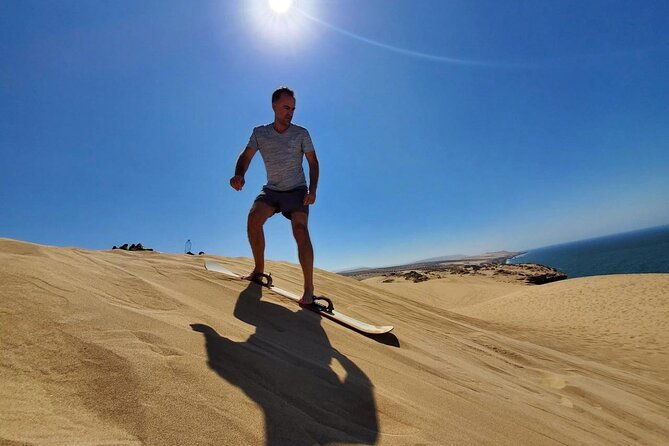
I like two things the most. First, you get a private driver in an air-conditioned vehicle plus airport pickup and drop-off in Casablanca, so you’re not stuck negotiating taxis after a long flight. Second, the route mixes major stops with hands-on moments, from Hassan II Mosque to an overnight at the sand dunes of Erg Chebbi with camel trekking and desert drumming.
One thing to consider: the days are full and travel-heavy, and lunch isn’t included. Also, the desert night is in a nomad-style tent setup, so if you’re picturing a hotel bedroom under the stars, you’ll want to adjust expectations.
In This Review
- Key highlights
- Casablanca to Chefchaouen: quick start, then blue streets
- A practical note for Chefchaouen
- Casablanca and Rabat: Hassan II Mosque plus Oudaias and Hassan Tower
- Possible drawback: a long, packed Day 2
- Fez, Volubilis, and Meknes: imperial cities with real structure
- What I’d watch for in Fez
- Middle Atlas to Midelt: cedar forests, Berber villages, and fossil talk
- Merzouga and Erg Chebbi: fossils, Rissani, Khamlia, and the camel trek
- What you should pack mentally
- Todra Gorges at sunrise and Dades Gorge: walking where the rocks pinch in
- Consideration: long driving between the highlights
- Ouarzazate to Ait Ben Haddou: kasbah heritage, then High Atlas wind
- A tip that helps
- Marrakech: one focused day of medina energy and major sights
- The main drawback: Marrakech is compressed here
- Value and fit: is $2,643.33 per person worth it?
- Should you book this 10-day Casablanca-to-Sahara-to-Marrakech tour?
- FAQ
- Where does the tour start in Casablanca?
- Is airport pickup and drop-off included?
- What meals are included?
- Do I get camel trekking in the Sahara?
- How physically demanding is the trip?
- Is a cancellation available if weather affects the desert?
Key highlights
- Hassan II Mosque and Volubilis tickets included for two of the most important stops
- Chefchaouen time for blue-walled alley wandering after Rabat’s historic sights
- Certified guidance in Fez and Marrakech to make the medinas easier to navigate
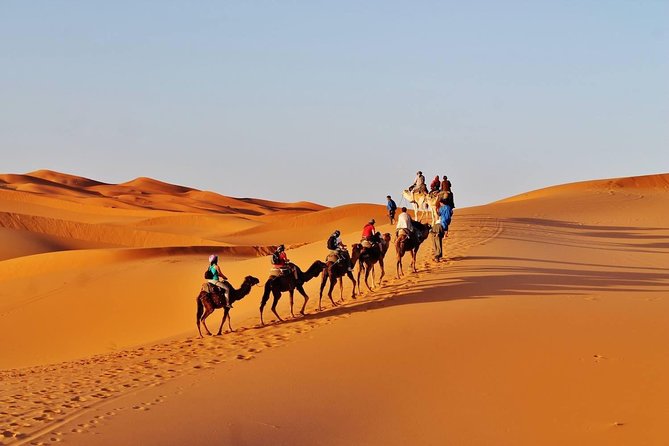
- Merzouga camel trek at sunset plus an overnight at Erg Chebbi dunes
- Todra Gorges and Dades Gorge with early-morning sun options and scenic walking time
- One-day Marrakech plan covering gardens, tombs, and the medina square vibe
Casablanca to Chefchaouen: quick start, then blue streets
Your tour begins with pickup in Casablanca. If your arrival timing works out, you get a short intro to the city on Day 1, which is helpful for getting your bearings fast. The bigger payoff comes the next day, when the program links Morocco’s coast to Morocco’s mountains and back again—without you needing to think about routes or schedules.
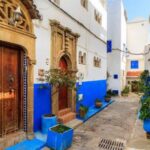
What you gain here is momentum. Casablanca is modern and spread out, so starting with a ride and a driver reduces stress. Then Chefchaouen comes in like a color switch: narrow lanes, blue-washed walls, and that feeling of stepping into a quieter rhythm. Your time in Chefchaouen is about 4 hours, so you’ll want comfortable shoes and a willingness to wander at a slow pace rather than trying to check every corner like it’s a checklist.
You can also read our reviews of more tours and experiences in Casablanca.
A practical note for Chefchaouen
The streets can be uneven and there’s a lot of turning. If you’re prone to sore feet, take breaks. If you’re going for photos, plan on the best angles being mostly in the early or late light, not mid-day glare.
Casablanca and Rabat: Hassan II Mosque plus Oudaias and Hassan Tower
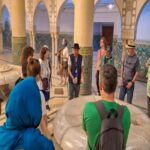
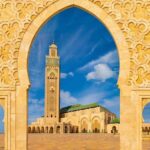
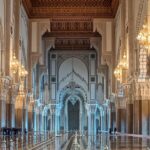
Day 2 is one of the most scenic-historic combinations on the trip. You start at Hassan II Mosque, a showpiece of Moroccan architecture sitting on a promontory over the Atlantic. It’s the kind of place where the details matter—space for 25,000 worshippers, plus dramatic ocean views from the site. The entry is included, so you can focus on the visit instead of ticket math.
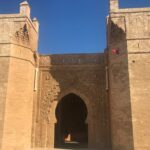
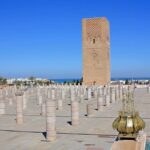
After that, the tour threads into Rabat-style heritage with stops at the Kasbah des Oudaias and the Hassan Tower. Oudaias is all about gardens and riverfront atmosphere at the Abou Regreg, built during the Almohad period in the 12th century. Hassan Tower, meanwhile, is tied to the Mausoleum of Mohamed V and Hassan II story, with a minaret that was never finished. Even if you don’t know the full background, the scale and symbolism come through.
Then comes the drive to Chefchaouen, giving you an afternoon reset. This order works well because Chefchaouen feels like a reward after seeing monumental architecture.
Possible drawback: a long, packed Day 2
You’re not just sightseeing in one city. You’re covering multiple regions in one day, so it helps to travel light and keep water handy. If you get motion-sick, consider planning for it before you go.
Fez, Volubilis, and Meknes: imperial cities with real structure
This tour does something smart: it balances archaeology, imperial storytelling, and medina navigation. You don’t just arrive and get lost. You start with Volubilis, a UNESCO-listed Roman site (also known as Walili). The ruins are the kind of place that turns history into something you can walk through, and the ticket is included. Expect around 2 hours—enough time to see the key areas without turning it into a sprint.
Next you head toward Meknes, where the focus shifts from Roman stone to Moroccan imperial layers. You’ll visit the Mausoleum of Moulay Ismail, the famous granaries, and Bab Al Mansour gate, plus photo stops tied to how Moroccan-Moorish architecture shapes the city. One detail I appreciate is the granaries’ cooling design—thick walls, tiny openings, and channels that help regulate heat. You get the sense that this wasn’t just monument building; it was engineering.
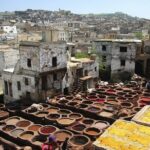
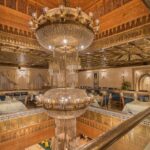
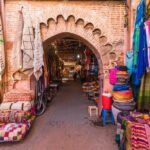
Then you go to Fez for the big medina day. This is where having a guide matters most. Fez’s old medina is the most ancient of the imperial cities in the Muslim world, and over a thousand years of history can feel overwhelming if you’re left to your own devices. On this tour, you get local guidance and a planned route that includes major landmarks like the Jewish Quarter, the Tomb of the Merinids, the Bouinania School, and ceramics handcraft. You also get lunch in the medina.
After lunch, you continue through sites such as Attarin School, Neijarin, and Dar Batha/Museum of Moroccan Arts. This is a day designed to give you orientation first, then depth.
What I’d watch for in Fez
Medinas are active. Even on the calmest day, you’re surrounded by people, shop activity, and narrow lanes. Keep expectations realistic: you’re there to learn the place and follow the route, not to enjoy quiet museum air.
Middle Atlas to Midelt: cedar forests, Berber villages, and fossil talk
Day 5 breaks the trip’s pace in a good way. You go to Ifrane, known for European-style architecture and a cooler climate. It acts like a palate cleanser after long historical and medina days, giving you a different feel of Morocco.
Then you drive through the Middle Atlas Mountains, crossing forests of cedar, jagged rock faces, and Berber villages. This is a “moving landscape” day in the real sense—you’ll be watching the road turn and the scenery change, not just stopping for one photo.
Midelt is the stop for fossils and rocks, with time built in for lunch. This part of the program is useful because it adds variety. After cities and ruins, you get a more natural Morocco moment, and it also gives you time to stretch and refuel before the desert.
Merzouga and Erg Chebbi: fossils, Rissani, Khamlia, and the camel trek
The heart of the itinerary begins around Day 6. You transition into the Merzouga Desert area and start with a fossils center, then head to the ancient city of Rissani. The tour includes cultural and architectural context tied to early Moroccan history—things like ksar Oulad Abdelhalim, plus stops related to Moulay Er Rachid and the Alawite dynasty. It helps you understand that the Sahara isn’t empty space; it’s a region with towns, traditions, and layers of meaning.
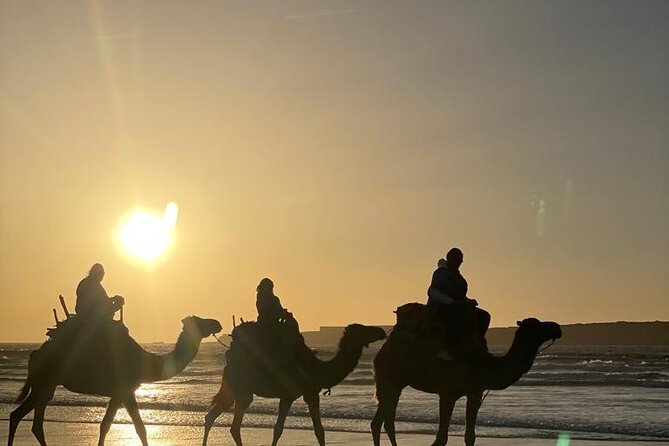
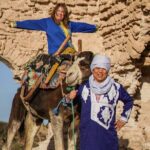
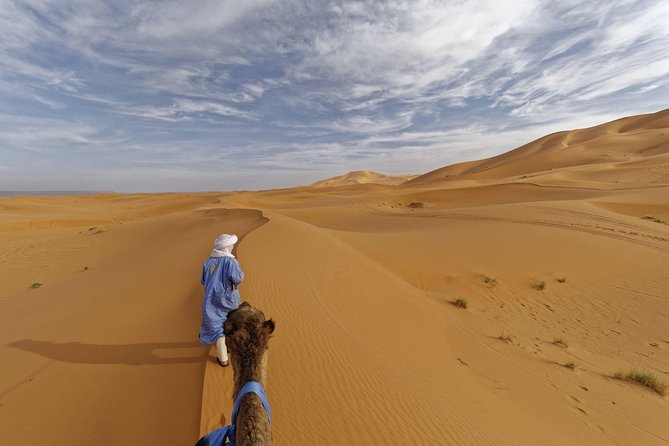
You also visit Khamlia village, where you get the chance to listen to Gnoua music. This is one of those stops that makes the desert stop feeling lived-in rather than staged. The tour then shifts into the signature experience: sunset camel trekking across the dunes to reach your camp near Erg Chebbi.
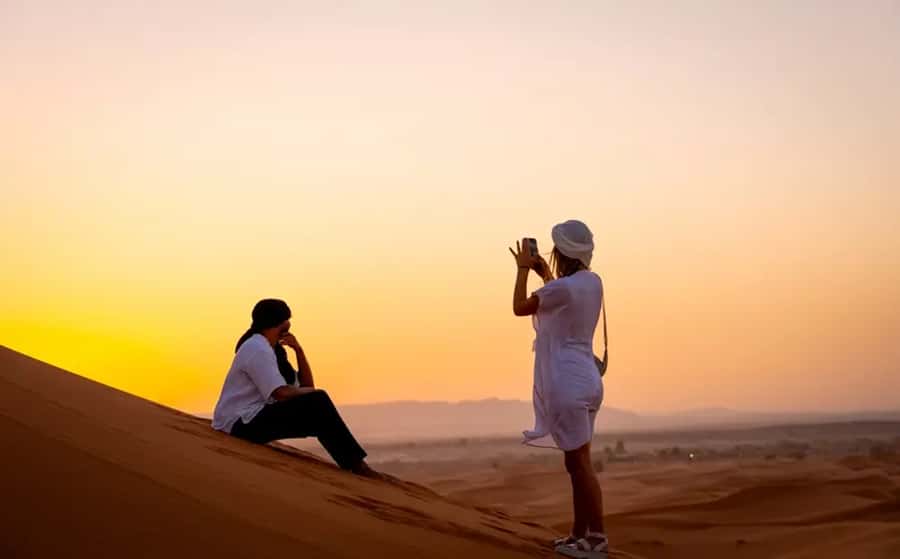
Overnight is in a nomad tent setup. The program emphasizes the desert rhythm: Berber drums and night sounds beyond anything you’ll find in a city hotel.
What you should pack mentally
This isn’t “roughing it” in a survival sense, but it is different from a standard bed. Desert nights can feel cooler than you expect, especially after sunset. Your program includes camp stay and it’s a key value point—so treat it like part of the adventure, not a comfort test.
Todra Gorges at sunrise and Dades Gorge: walking where the rocks pinch in
Day 7 starts early with sunrise over the dunes, then you return to Merzouga. That early light is one of the easiest ways to make the Sahara feel special—soft shadows, less heat, and a quieter mood before the road takes over again.
Then you travel toward Todra Gorges. The route goes through the volcanic Jbel of Saghro area and its dramatic rock formations and gorges, with time for a walk up in Todra Gorges, described as about 600 feet high. This stop is physical in a straightforward way: you’ll walk among tall walls of stone and see the river valleys that shape the region.
From there, you continue to Dades Gorge, with overnight in the heart of the gorge and included dinner and breakfast. Dades adds a second gorge experience, so you’re not repeating the same type of view back-to-back. If you’re hoping for a mix of natural wonder and some movement without extreme hikes, this is the sweet spot.
Consideration: long driving between the highlights
The gorges are worth it, but they aren’t at the end of a short walk from your tent. You’ll spend time in the vehicle between natural features. If you hate sitting, bring something to make the ride easier—music, a snack, and a water bottle.
Ouarzazate to Ait Ben Haddou: kasbah heritage, then High Atlas wind
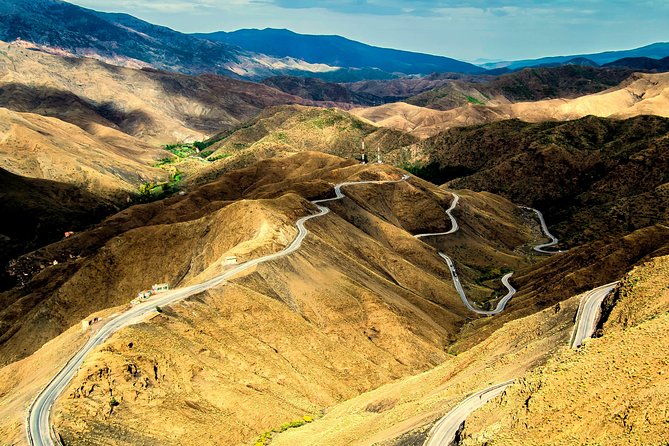
After breakfast on Day 8, the itinerary pushes into southern Morocco’s film-and-kasbah corridor. You go toward Ouarzazate via Vallee des Roses, with time around a rose product cooperative. Then you continue along the Road of One Thousand Kasbahs, passing Skoura palm oasis on the way into Ouarzazate.
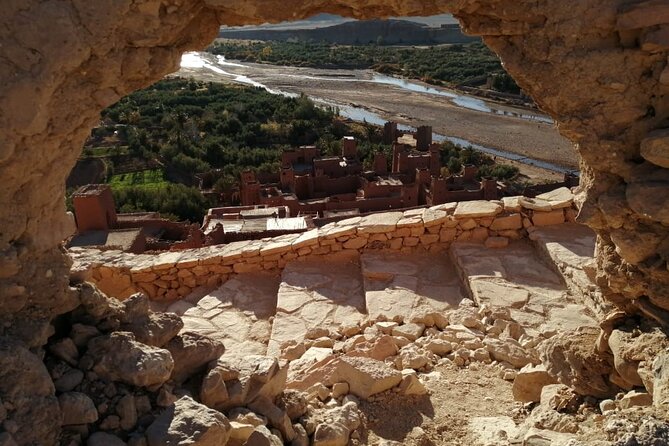
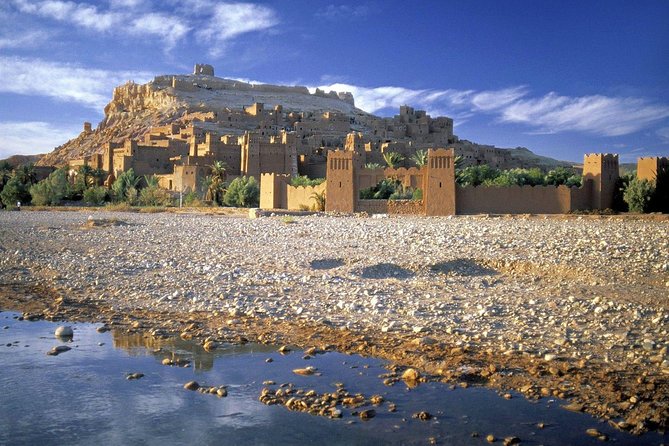
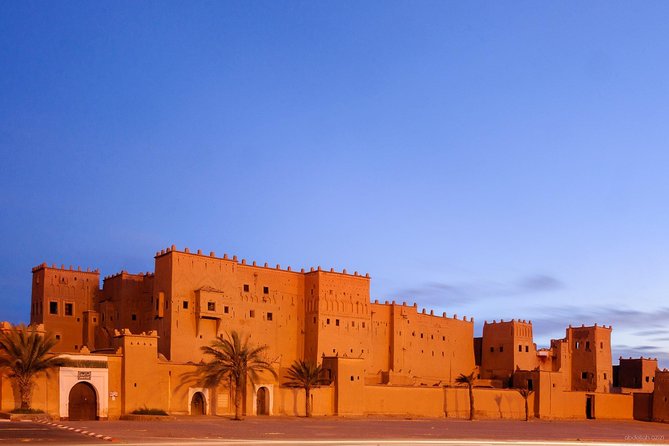
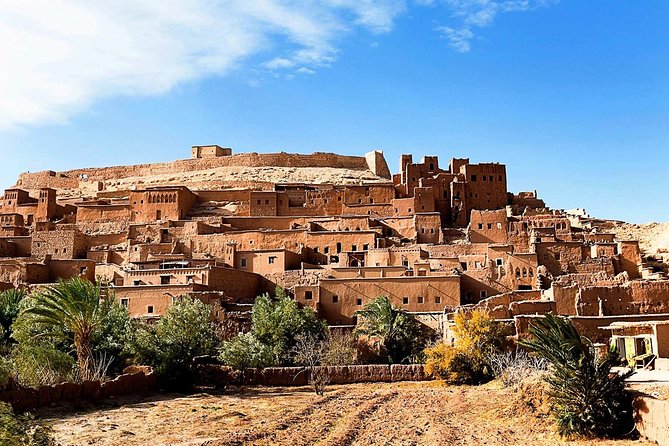
Next comes Ait Ben Haddou, a UNESCO heritage kasbah with a strong cinematic reputation. The tour includes a dedicated visit time there, with lunch possible in the area. Even if you’ve never seen a film shot here, the kasbah works as architecture you can understand by walking it: layered walls, compact living space logic, and a setting that looks like it belongs to a different time period.
The day ends with time in the High Atlas Mountains. The windy roads can make this feel like the trip’s final “test of road comfort” before you reach Marrakech. It’s not about the mountains as a checklist; it’s about the drive atmosphere—switchbacks, shifts in air, and the sense that you’re crossing between climates.
A tip that helps
If you tend to feel travel-slow, this is the day where you want to be hydrated and ready for motion. It helps to keep a light jacket handy since mountain air can feel cooler.
Marrakech: one focused day of medina energy and major sights
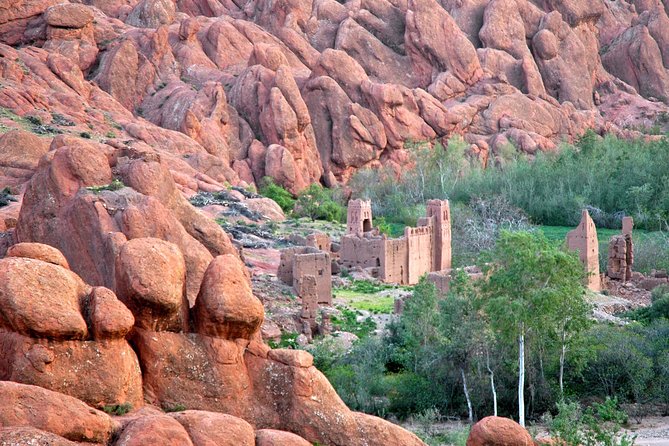
Day 9 gives you Marrakech in a concentrated format—about 6 hours of guided sightseeing, then free time in the afternoon. That’s the right plan for first-timers who want the key landmarks without losing the day to getting turned around.
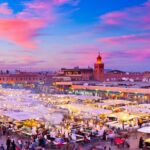
You’ll visit Saadiyin Tomb, Majorelle Gardens, and Koutoubia Tower. After those, the route includes Bahia square, the souks, and the medina square area where you can see and hear performance-style street culture—snake-charmers, story-tellers, and musicians. The program finishes with free time so you can wander independently.
I like this structure because it gives you both context and freedom. Guided time helps you know what you’re looking at. Free time helps you find your own corners—often the best part, because Marrakech rewards curiosity.
The main drawback: Marrakech is compressed here
With only one guided sightseeing block, you won’t see everything you might dream about. If you want more shopping time, longer garden time, or a second medina evening, you’ll need to plan extra nights in Marrakech beyond this circuit.
Value and fit: is $2,643.33 per person worth it?
At $2,643.33 per person, this isn’t a budget tour. But the price starts making sense when you look at what’s actually included: private transportation, fuel surcharge, an air-conditioned vehicle, Casablanca airport pickup and drop-off, and an English-speaking driver for the full trip. You also get a certified guide in Fez and Marrakech, which is a real value add in two places that can otherwise chew up time and patience.
On top of that, there’s real “signature experience” value: camel trekking, an overnight desert camp near Erg Chebbi, plus included dinners tied to the Merzouga and Dades nights and breakfasts (9). Tickets for Hassan II Mosque and Volubilis are also included.
So the math looks like this: you’re paying for speed, comfort on long drives, and guided interpretation where it matters most. If you’d otherwise hire a driver, buy tickets, and pay for guides separately, the cost structure feels less shocking.
What could make it feel less worth it is if you’re picky about meals. Lunch isn’t included, and the tour’s inclusions don’t cover everything at every stop. Also, if you dislike long days in a vehicle, the private nature won’t magically shorten travel time.
Should you book this 10-day Casablanca-to-Sahara-to-Marrakech tour?
Book it if you want a well-paced route across Morocco’s most famous regions, with the hard logistics taken care of. It’s especially a strong fit for first-time Morocco visits where you want help navigating Fez and Marrakech, and you want a true Sahara experience rather than a day trip.
Consider another option if you need lots of downtime between destinations, or if you strongly prefer private hotel-style comfort for every overnight. This tour includes desert camping style for the Sahara night, and the rest of the trip balances sightseeing with travel.
If you do decide to go, I’d also plan ahead for the seasonal rhythm of the desert and the mountain roads. This type of trip runs smoothly when you travel with flexibility.
FAQ
Where does the tour start in Casablanca?
The tour start is at 9CQX+26 Nouaceur, Morocco. Your service ends back at the meeting point as well.
Is airport pickup and drop-off included?
Yes. Pickup from the Casablanca airport and drop-off back to Casablanca are included.
What meals are included?
Breakfast is included for 9 days. Lunch and alcoholic beverages are not included. Dinner is listed as not included generally, but dinners are included in the Merzouga area and in Dades Valley for the nights stated in the inclusions.
Do I get camel trekking in the Sahara?
Yes. Camel trekking is included, including the camel journey tied to the sunset desert experience and the camp stay.
How physically demanding is the trip?
You should have a moderate physical fitness level. There is walking in medinas and gorges, plus long driving days, but the info given points to moderate, not extreme, effort.
Is a cancellation available if weather affects the desert?
Yes. The experience requires good weather, and if it’s canceled due to poor weather you’ll be offered a different date or a full refund. Free cancellation is available up to 24 hours in advance for a full refund.