REVIEW · CASABLANCA
10 Day Classic Tour – Casablanca > Casablanca
Book on Viator →Operated by JD Morocco Tours, Sarl · Bookable on Viator
Ten days in Morocco moves fast.
This tour strings together big sights and real-life moments, from Hassan II Mosque in Casablanca to the night you spend in the Sahara Desert. I like that it covers both the headline cities and the in-between places that help the trip feel like more than a checklist.
Two things I’d pick as highlights: the chance to walk Fez’s maze-like medina with a guide, and the camel trek plus overnight desert camp that turns the Sahara into an actual experience, not just a photo stop. You also get a solid support team; in past trips run by JD Morocco Tours, guides and drivers like Jaouad, Abdoul, Muhammad, Abderahim, Ali, and Younis have been called out for being helpful and easy to work with.
One consideration: it’s a road-trip style itinerary, so you’ll spend a lot of time in transit, and some key sites have entrance fees and meals not included. If you hate car days, or you want every lunch on your own tab, this could feel a bit tight.
In This Review
- Key points before you book
- Casablanca to Casablanca: a smart way to structure your first Morocco trip
- Hassan II Mosque in Casablanca and Rabat’s Kasbah Oudaya: the best kind of first-day energy
- Volubilis and Meknes: roman ruins plus the feel of an imperial city
- Fez’s medina walking plan: crafts, old schools, and a viewpoint that saves your bearings
- Ifrane, Cedar Forest, Ziz Valley, Erfoud: the Atlas-to-desert transition
- Erg Chebbi by camel: Gnawa culture, dunes, sunrise, and real downtime
- Dades Gorges and Todgha: rock forms, mud villages, and optional walking
- Ait Ben Haddou and the High Atlas Pass: a UNESCO town that looks like a movie set
- Marrakech’s must-sees: Jemaa el-Fna, Saadian Tombs, Bahia Palace, and Majorelle Gardens
- Essaouira on the coast: Skala Fortress, Thuya crafts, and time to breathe
- Price and what 3-star usually means on this kind of tour
- How to make the long drives feel easier (and not steal your joy)
- Should you book the 10 Day Classic Tour (Casablanca to Casablanca)?
- FAQ
- What time does the tour start?
- Does the tour include pickup or airport transfers?
- What’s included in the price?
- Are entrance tickets included?
- Do I get to ride camels and sleep in the desert?
- Are UNESCO sites part of the route?
- Is there free time on the coast and in Marrakech?
- What if I can’t take the full 10 days?
- What’s the cancellation window?
Key points before you book
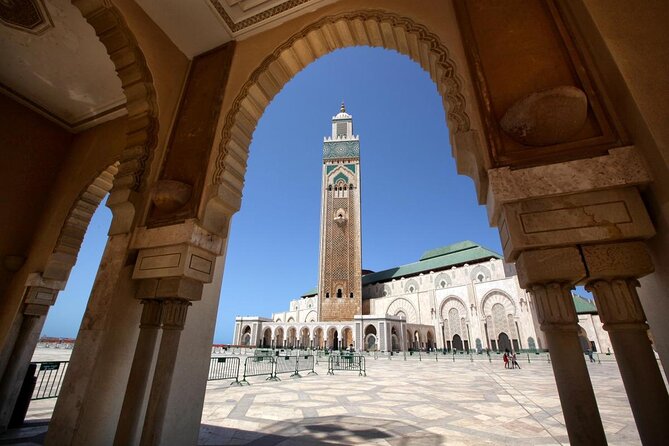
- Hassan II Mosque + Rabat’s Kasbah Oudaya on Day 1: you start with Morocco’s most famous modern landmark and a classic river-city walk.
- UNESCO stops that actually make sense: Volubilis and Ait Ben Haddou aren’t just names; they’re guided, site-based visits.
- Fez with a plan: tanneries, madrasas, the Jewish quarter, and panoramic viewpoints are grouped so you don’t miss the best parts.
- Sahara night is built in: camel trek, desert camp dinner, and an overnight that gives you more than a sunset sprint.
- Essaouira adds sea air to the mix: Skala Fortress, Thuya wood crafts, and time by the beach.
Casablanca to Casablanca: a smart way to structure your first Morocco trip
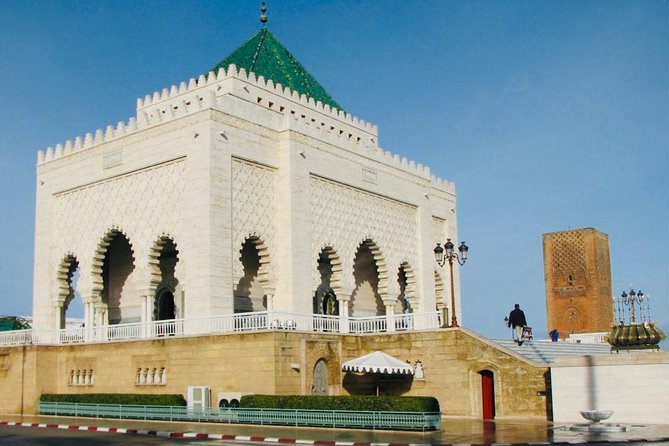
Starting in Casablanca and ending back there is practical. You avoid the stress of trying to get to a different airport at the end of a long circuit, which matters once you’ve spent days crossing Morocco by road.
You also get a trip arc that feels logical: Atlantic coast in the west (Casablanca), administrative + historic stops (Rabat), spiritual and craft culture (Fez), Atlas-to-desert transition (Ifrane/Cedar Forest/Erfoud side), then the big two of southern Morocco (Marrakech and Essaouira). If you’re new to Morocco, this structure helps you connect the dots instead of bouncing randomly.
And because this is a private tour for your group, you’re not negotiating around strangers’ schedules all day. That usually means fewer “wait, where are we?” moments, especially on longer drives.
You can also read our reviews of more tours and experiences in Casablanca.
Hassan II Mosque in Casablanca and Rabat’s Kasbah Oudaya: the best kind of first-day energy
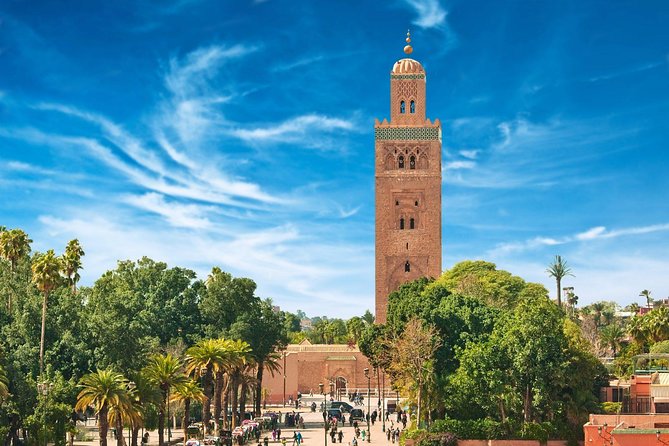
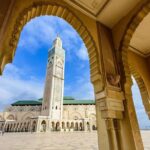
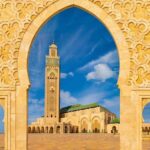
Your first morning starts with pickup in Casablanca, and if timing works you’ll also fit in a visit to Hassan II Mosque, known as the largest mosque outside Mecca. Even if you’ve seen mosque architecture photos before, seeing it in person has a wow factor that’s hard to replicate later in the trip.
From there, the route pivots toward Rabat, stopping for the Hassan Tower (UNESCO) and a walk at Kasbah Des Oudaia (Kasbah Oudaya). This pairing is smart because it gives you both a major landmark and the calmer, older feel of a waterfront fortress area—perfect for jet-lag recovery.
Possible drawback: entrance tickets are not included for this part, so you’ll want to budget for fees before you arrive. Also, “time permitting” means your exact start can shift, so if you’re strict about a later flight, keep a buffer day if you can.
Volubilis and Meknes: roman ruins plus the feel of an imperial city
The trip to Fez runs through Meknes and the Roman site of Volubilis, with a guided tour at the UNESCO location. What I like about this stop is the contrast: you go from monumental gate architecture in Meknes to the quieter, spread-out stonework of Volubilis.
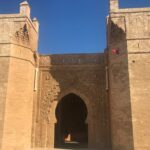
In Meknes, you visit major highlights like Bab Mansour Gate, the imperial granaries and stables, and the Moulay Ismail Mausoleum. Bab Mansour is one of those places where you quickly see why gate design matters in Islamic architecture: it’s not just an entrance, it’s a statement of power and craftsmanship.
Then Volubilis brings the older layers—partially excavated Berber and Roman remains. A guided visit helps here because the site can look like “ruins” until someone explains what you’re seeing and how it fits together.
A practical note: admission tickets are not included for Volubilis, so plan for that cost. Also expect the pacing to be efficient; this is a “see the best parts” stop rather than a slow wander.
Fez’s medina walking plan: crafts, old schools, and a viewpoint that saves your bearings
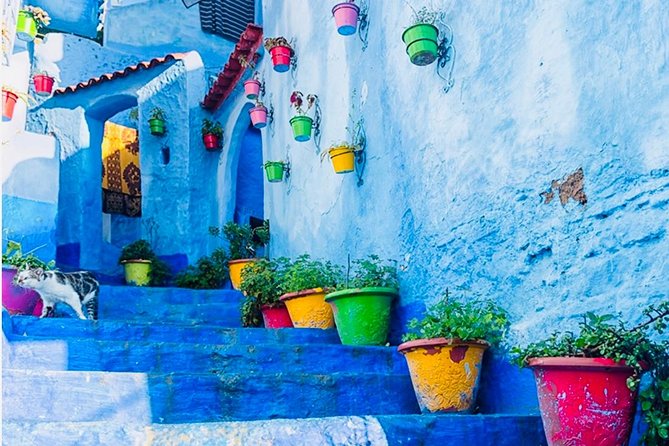
Fez is often where a first-timer falls in love with Morocco, and this tour treats the medina like the main event. You’ll explore the Medina of Fez with a guided walk through tight alleys and big cultural stops.
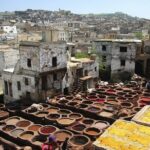
The day hits a lot of meaningful markers: the Al-Karaouine Mosque and University (noted as the oldest in the world), Madrasa Bou Inania, the tanneries, and the Nejjarine Fountain. Then you add a walk through Mellah, the Jewish quarter, plus a short stop at a ceramic factory.
One detail that’s especially useful: you also visit a fortress area for a panoramic view of the whole Medina. That view is more than a photo moment. It helps you understand the medina’s layout so your later memories make sense instead of blending together.
Possible drawback: medina walking can be tiring, even with a guide who keeps you moving. Wear comfortable shoes and expect you’ll spend time on uneven ground.
Ifrane, Cedar Forest, Ziz Valley, Erfoud: the Atlas-to-desert transition
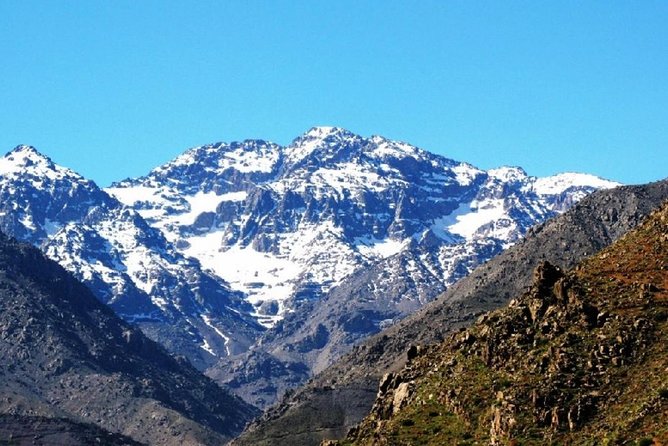
After Fez, the route shifts toward the Middle Atlas and High Atlas region. You stop in Ifrane, known as the Switzerland of Morocco, then continue to the Cedar Forest, described as the largest in Morocco.
From there, you drive via Ziz Valley, with panoramic stops along the way, then continue toward Erfoud and Rissani—important because this is the foundation area of the Alaouite dynasty, the current ruling royal family. That historical anchor helps the desert region feel connected to the rest of the country rather than a detached side trip.
If you like scenery, this portion gives you variety in temperature and terrain. It’s also one of the best times to reset your expectations: you’re not just going “to the Sahara,” you’re traveling through the layers that lead to it.
Admission tickets aren’t included for these stops, but the experiences are mostly built into the day’s travel and guiding. The biggest thing to watch is simple comfort—this is another long day on the road, so plan for rest breaks.
Erg Chebbi by camel: Gnawa culture, dunes, sunrise, and real downtime
This is where the trip becomes unforgettable. The day includes a Gnawa (Gnaoua) people visit, music, and lifestyle context, plus time near the lake of Merzouga with bird populations and a souk stop in Rissani.
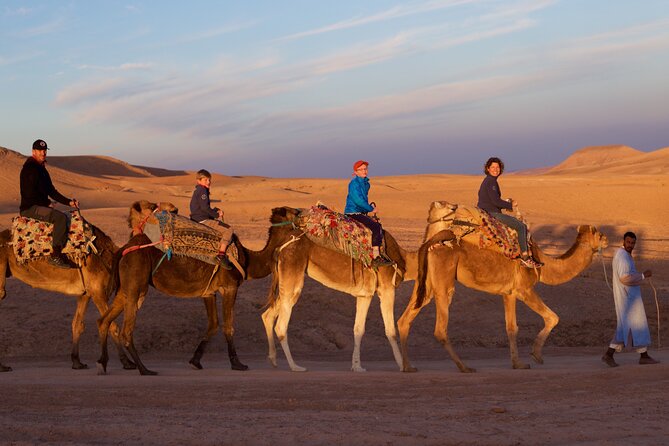
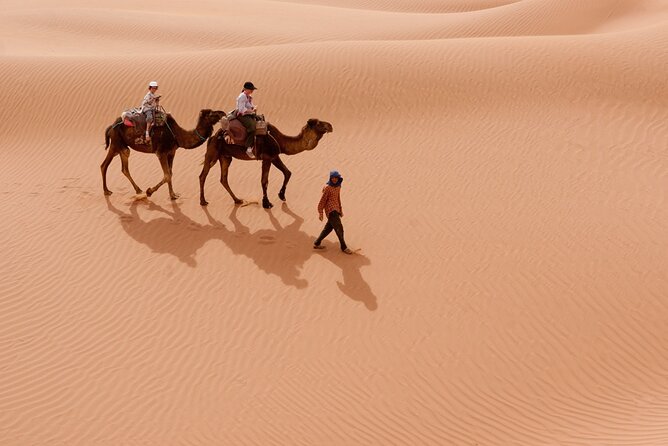
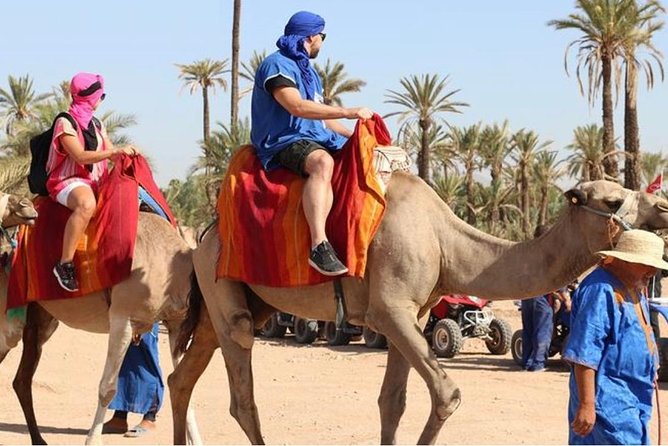
Then you ride into Merzouga sand sea with a guided camel ride across the dunes of Erg Chebbi. A camel trek changes how you experience the Sahara—slow enough to notice wind direction, dune shapes, and light shifts. It’s also long enough to be a true “event,” not a brief stunt.
You then sleep in a desert camp where dinner is included, and the overnight matters because it gives you the dark-sky part of the story, not just sunset.
Day 6 adds a second punch: an early morning sunrise view in the Sahara Desert, then a camel trek back to the village of Merzouga. After that, you shift into the Dades Valley area.
What I like here as a value point: the tour isn’t just selling one desert moment. It gives you multiple interactions with the dunes across two days, plus the cultural stop with the Gnawa component.
Dades Gorges and Todgha: rock forms, mud villages, and optional walking
From the desert, you drive to Dades Gorges and then to Todgha Gorges, described as the highest and narrowest gorges in Morocco. If you’re expecting “big canyon views,” you’ll get them, but there’s more: the gorges are also a photographer’s playground because of how light slices through the stone.
After lunch, there’s an optional hike through fields and a visit to an old mud village. This is one of those parts where your experience depends on your energy level. If you want quiet, human-scale Morocco—this can deliver it.
You finish the day traveling through Dades Valley, seeing sand-castle rock formations known as monkey toes, then overnight in a hotel or riad.
Possible drawback: the optional hike means you’ll want to be honest with yourself about stamina. If you book this and then try to “power through” every walking option, you may feel stretched for the next days.
Ait Ben Haddou and the High Atlas Pass: a UNESCO town that looks like a movie set
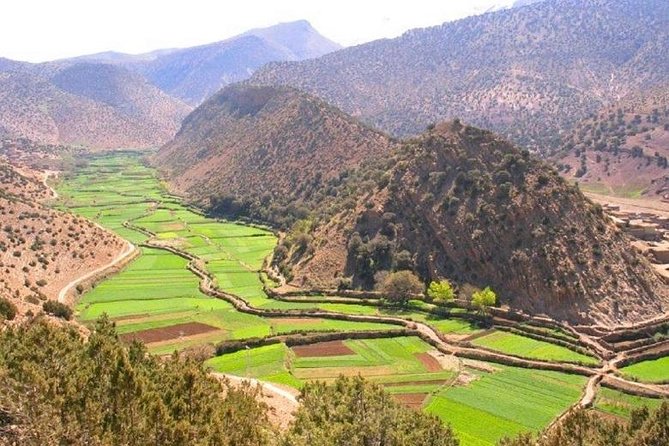
The route toward Marrakech runs through Kalaat M’Gouna (the City of Roses), with a stop to buy rosewater. Then you continue via Ait Ben Haddou Kasbah, described as the largest kasbah in Morocco and a UNESCO World Heritage Site.
This stop matters because kasbah architecture isn’t just pretty walls. It explains how people historically built in harsh climates—thick shapes, layered materials, and compact village life. A guided approach helps you notice details that would otherwise blend into “old buildings.”
Then you cross Tizi N’Tichka Pass over the High Atlas Mountains before arriving in Marrakech. The pass gives you that classic high-altitude sense of scale, and it’s also the kind of drive that makes you appreciate how much ground the trip covers.
Admission tickets are listed as free for this part, which can be a welcome relief when you’re already budgeting for other site fees. The main “cost” here is time and motion, so plan for a lot of time looking out the window.
Marrakech’s must-sees: Jemaa el-Fna, Saadian Tombs, Bahia Palace, and Majorelle Gardens
Marrakech is the big show, and this tour spreads it across a guided day so you’re not just wandering with no plan.
You start with guided stops around Jemaa el-Fna (the main square), Koutoubia Mosque, Saadian tombs, Palace of Bahia, and Ben Youssef Koranic School. This combination covers religion, royal power, and education—so the city feels like a living timeline.
Lunch is taken at a restaurant near the square, which is practical for timing. Then you head to Majorelle Gardens and also see parts of the newer city, including a short visit to Koutoubia tower.
A simple drawback: Marrakech can feel intense. If crowds or noise are an issue for you, take the free moments seriously and step out when you need air.
Even with that, the payoff is huge. You’re getting Marrakech’s core identity in a day, plus two major “palette cleansers” with the gardens and the viewpoint-type stops.
Essaouira on the coast: Skala Fortress, Thuya crafts, and time to breathe
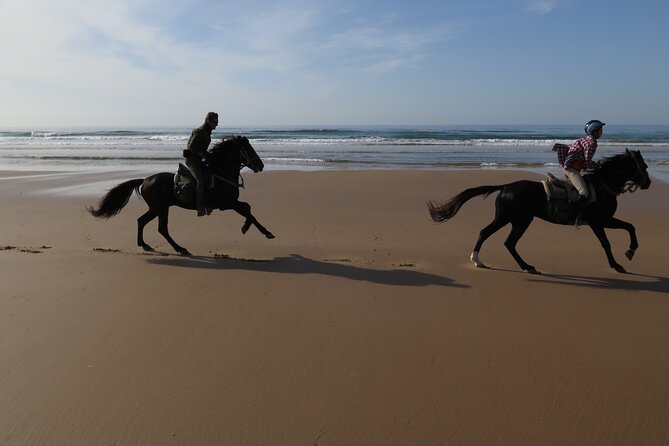
After Marrakech, the trip shifts to Essaouira, often called the City of the Wind. You’ll visit Skala Fortress, see Thuya wood carvings by artisans, then walk the medina alleys to view a lot of handicrafts.
You also get a Moroccan-style lunch with freshly bought seafood cooked to order, and then you have free time to wander and spend time on the beach.
Here’s why I like adding Essaouira: it balances the more frantic feeling of Marrakech with a slower seaside vibe. Even if you’re not a surfer, the beach time and wind create a mental reset after days of monuments and market streets.
This portion marks a rare “you time” block, which matters because otherwise the whole trip can start to feel like you’re always moving.
Price and what 3-star usually means on this kind of tour
The price is $3,599.99 per person for about 10 days, with 3-star accommodations reflected in the package. That matters because Morocco standards can vary a lot by location: a great riad in one city may feel different than a hotel room in another.
This tour also includes a few value-heavy items: breakfasts (9), a tour guide, and dinner plus the camel trek and overnight desert camp. Since lunches and drinks are not included, you’ll still want to budget for your other meals.
Entrance fees also appear as not included for key sites like Hassan II Mosque and Volubilis (and other marked sites). That’s not a deal-breaker, but it’s exactly why I’d recommend setting aside a small “on-site fees” buffer before you travel.
Good news: the tour is described as flexible, and the operator can help you choose an accommodation option that fits your tastes and budget. If you can’t fit the full 10 days, the tour can be customized to your available time.
How to make the long drives feel easier (and not steal your joy)
This itinerary is built around road travel, and long days are part of the deal. You’ll get the most enjoyment when you treat transit like a moving window, not a complaint.
A few practical moves that help:
- Pack light and easy to move—overnights are in hotels or riads, and you’ll be changing places often.
- Keep a small day-bag with water, sunscreen, and a layer for mornings, especially once you’re headed toward higher elevations.
- If you’re sensitive to walking, plan on slowing down in medinas. Fez and Marrakech are prime examples of places where you can walk without realizing how much you’ve covered.
Also, the Sahara portion is weather-dependent. If conditions are poor, you may need a different date or refund—so don’t plan your Morocco flights as if everything will run perfectly to the minute.
Should you book the 10 Day Classic Tour (Casablanca to Casablanca)?
If you want a first Morocco trip that balances major cities with real cultural stops, I think this one is a strong match. The combination of Fez medina guided time, UNESCO history stops, and an actual Sahara overnight with camel trek is the kind of mix that creates long-lasting memories.
I’d especially recommend it if you:
- want a guided, structured route without spending time building your own itinerary
- like seeing Morocco across different regions in one trip
- don’t mind driving days as long as the days include meaningful stops
If your top priority is minimal transit time, or you dislike carrying entrance fees and meal costs in addition to the package price, then you might want a shorter route or a version with more meals included.
FAQ
What time does the tour start?
The start time is listed as 8:00 am.
Does the tour include pickup or airport transfers?
Pickup is offered, and on Day 1 the driver will pick you up from Casablanca airport if timing permits.
What’s included in the price?
The package includes a tour guide, breakfast (9), camel trek and overnight desert camp, and dinner. Lunches, dinner on non-desert nights, and drinks are not included.
Are entrance tickets included?
Some are not included, including Hassan II Mosque and Hassan Tower (Day 1) and the Volubilis stop (Day 2). Other stops are marked as free, but you should still expect some site fees.
Do I get to ride camels and sleep in the desert?
Yes. You’ll do a guided camel ride in the Merzouga sand sea and have an overnight stay at a desert camp with dinner.
Are UNESCO sites part of the route?
Yes. Volubilis and Ait Ben Haddou Kasbah are both described as UNESCO World Heritage sites.
Is there free time on the coast and in Marrakech?
Yes. You have free time in Essaouira to wander and enjoy the beach. In Marrakech, you also have time built around major guided stops, plus you’ll be based at your riad/hotel after the day.
What if I can’t take the full 10 days?
The tour is described as flexible, and if time doesn’t permit you to take the entire tour, they can customize it to match your available vacation length.
What’s the cancellation window?
Free cancellation is offered up to 24 hours in advance of the experience start time for a full refund.