REVIEW · TANGIER
Private Day Trip from Seville to Tangier All Inclusive
Book on Viator →Operated by amranitours · Bookable on Viator
Two continents, one marathon day. I like the door-to-port luxury pickup and the camel ride on Achakkar Beach. The trade-off: it’s fast-paced, with long hours from Seville and limited time at each stop.
This is a true “logistics-solved” day. You get ferry tickets, port reception in Tangier, a private guide, and a day plan that strings together big Tangier highlights without you juggling transport, tickets, or timing.
Tip for comfort: wear shoes you can stand in for a while. Tangier’s viewpoints and medina streets are part of the charm, but the walking adds up when the schedule is tight.
In This Review
- Key things that make this day trip worth it
- The Seville to Tangier setup: why this is easier than doing it yourself
- The ferry crossing from Tarifa: your Strait of Gibraltar moment
- Perdicaris Palace and Cape Spartel: the early Tangier impressions
- Perdicaris Palace
- Cape Spartel and the mint tea/coffee break
- Achakkar Beach camel ride: fun, cultural, and worth doing with the right expectations
- Midday Tangier streets: Place du Grand 9 Avril 1947, Petit Socco, and Bab Al Bahr
- Place du Grand 9 Avril 1947
- Petit Socco
- The Grand Mosque area and Bab Al Bahr
- Kasbah and viewpoints: Borj A-na’am, Ibn Battouta, and the museums
- Borj A-na’am (Borj Naam)
- Tomb of Ibn Battouta
- Musee de la Kasbah
- Tangier American Legation Museum
- Moshe Nahon Synagogue
- The Central Market, Gran Café Central, and lunch: eating well without derailing the schedule
- Mercado Central
- Gran Café Central time
- Moroccan lunch
- Getting back to Seville: what to expect on the last ferry hour
- Price and value: is $696.88 per person fair for a private all-in day?
- Who this day trip suits best (and who should skip it)
- Should you book the Seville to Tangier private day trip?
- FAQ
- How long is the Seville to Tangier day trip?
- Is the ferry included, and how long is the crossing?
- What activities are included in Tangier?
- Is lunch included?
- Is there free cancellation?
- How does pickup work in Seville?
Key things that make this day trip worth it
- Luxury car from Seville all the way to the Tangier ferry departure point
- About 1 hour over the Strait of Gibraltar, with sea views and clear-day continent spotting
- Cape Spartel break with mint tea or coffee and classic meeting-of-seas scenery
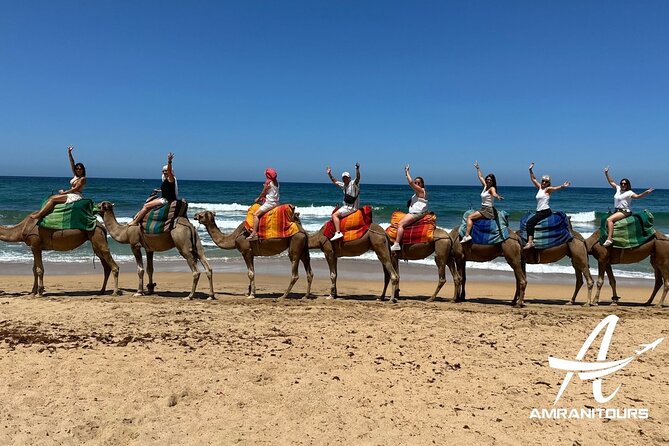
- Camel ride experience on the sandy Atlantic beach near Tangier
- Kasbah + medina highlights in one day, from Ibn Battouta sites to major museums
- Lunch and a café stop built into the flow so you don’t have to plan food
The Seville to Tangier setup: why this is easier than doing it yourself
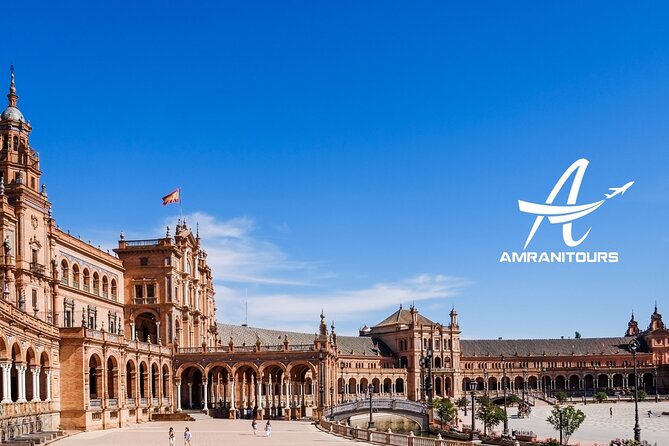
This is the kind of trip that makes sense when you want Morocco but don’t want the stress tax that comes with independent planning. You’re picked up from your address in Seville and transported to the ferry port in comfort. That matters because the day is long enough already; starting with calm logistics buys you energy for Tangier itself.
Once you reach Tarifa, the ferry crossing runs like the anchor of the schedule: you know when you’ll be on the water, and you know you’ll be back in rhythm to get home. In a day trip this long, that certainty is a big part of the value.
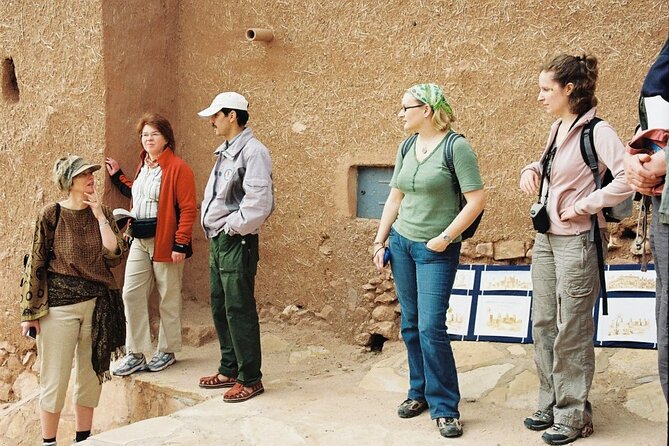
I also like that the day is set up as private. It’s only your group, so your guide can move at a pace that fits your questions and interests. That can be the difference between a blur and a trip where you actually absorb what you’re seeing.
You can also read our reviews of more private tours in Tangier


The ferry crossing from Tarifa: your Strait of Gibraltar moment
Crossing from Tarifa to Tangier takes about one hour, and you’ll feel it right away when the coastline opens up. Even if you don’t consider yourself a “scenery person,” the water stretch is a mental reset from hours of driving.
On clear days, you can glimpse both continents. That’s not a small detail. Tangier sits in that strange-in-a-good-way spot where Europe and Africa feel close enough to taste, and the ferry crossing is the physical reminder.
Practical note: treat the ferry as a good time to manage the day. Use it for bathroom breaks, grab a layer if you get chilly on deck, and keep small valuables easy to reach. Tangier’s day can be busy at ports and first arrivals, so being prepared helps the transition.
Perdicaris Palace and Cape Spartel: the early Tangier impressions
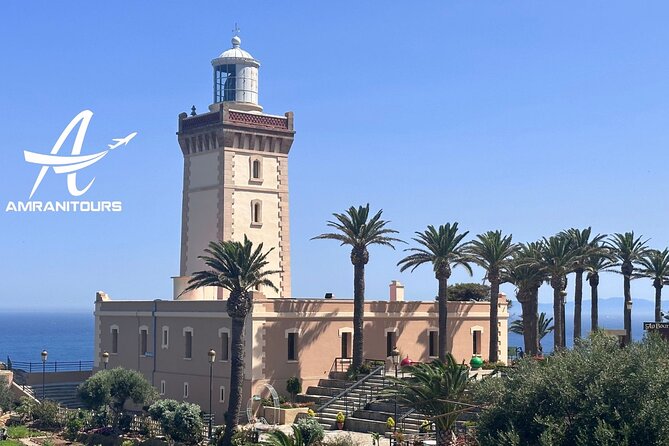
Tangier starts fast in a good way. After docking and finishing the customs process, you meet your guide and head straight to your first big stop.
Perdicaris Palace
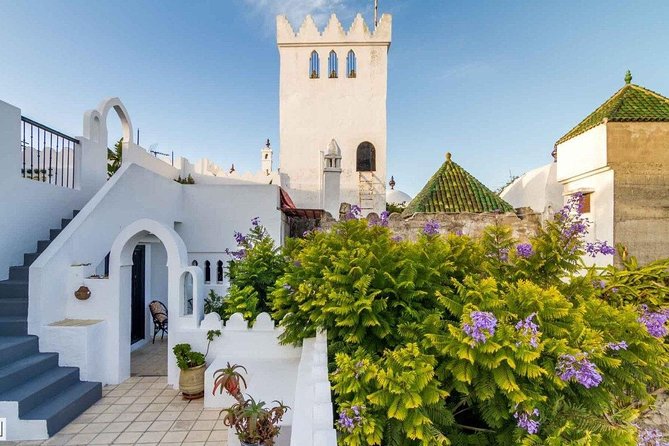
The Perdicaris Palace is a historic building tied to the late 19th century and the Perdicaris family of Greek origin. What I like about starting here is that you get a strong visual of Tangier’s mix of influences—European and Moorish styles in the same setting—plus gardens and sea views.
Time is about 30 minutes, so it’s not a slow museum day. Instead, it’s a “reset your eyes” stop. You’ll probably feel like you understand Tangier more once you’ve seen how these architectural styles blend rather than separate.
Cape Spartel and the mint tea/coffee break
Then you swing to Cape Spartel, where the Mediterranean and Atlantic meet. It’s famous for postcard views, sandy beach areas, and a lighthouse that helps guide ships.
You also get a breakfast-style moment here: sampling typical items with mint tea or coffee, and the plan includes refreshments and snacks at this stop. That’s one of the best “schedule-friendly” choices in the whole day, because it gives you fuel before the medina portion gets busy.
Drawback to consider: the day is tight, and if your group is sensitive about long gaps between meals, double-check what your Cape Spartel break includes for your specific departure. The intent is snack + tea/coffee, but timing can be unpredictable when ferries run a little differently or crowds move slower.
A few more Tangier tours and experiences worth a look




Achakkar Beach camel ride: fun, cultural, and worth doing with the right expectations
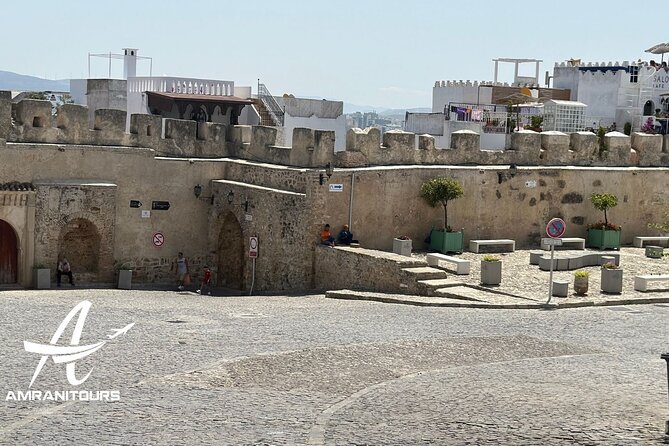
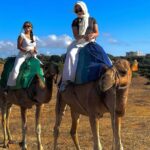
The camel ride is on Achakkar Beach near Tangier, and it’s set up as a cultural coastal experience rather than just a photo op. You’ll ride along the sandy Atlantic shoreline, with time to look out at the ocean and surrounding scenery.
The duration is about one hour, which is long enough that you don’t feel rushed. Still, remember what it is: a beach activity with a schedule. You’ll want to keep your phone secure, wear comfortable footwear, and avoid anything slippery.
This stop is one of the reasons the day feels complete. Tangier isn’t just buildings and museum rooms; it’s also these coastal traditions and the way locals and visitors connect through simple experiences. For many people, this is the moment that makes the long day feel like a win.
Midday Tangier streets: Place du Grand 9 Avril 1947, Petit Socco, and Bab Al Bahr
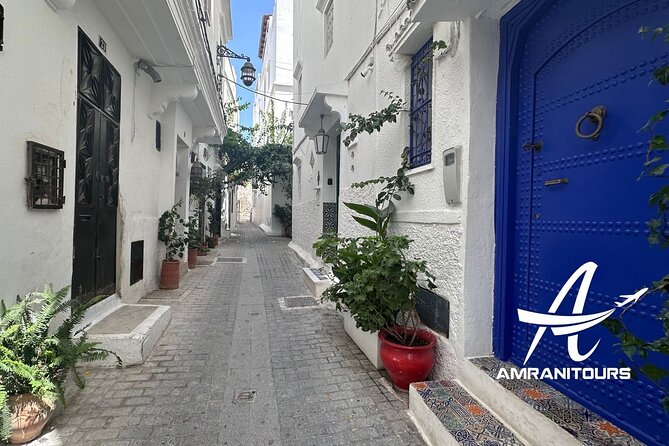
After the coast, you move into the city’s atmosphere. Two things drive the feel of these stops: colonial-era structure in the center and medina energy around the markets and squares.
Place du Grand 9 Avril 1947
This plaza is a lively meeting point with colonial architecture, cafes, shops, and trees. It’s an easy stop if you want to pause and people-watch without getting overwhelmed. Time is about 30 minutes, so it’s more of a grounding moment than a deep dive.
Petit Socco
Then it’s into the heart of the medina at Petit Socco. It’s known as a lively square surrounded by cafes, shops, and restaurants, and it’s connected to other iconic areas such as the Grand Mosque and the souk.
If you care about “authentic-feeling” travel rather than just ticking sites, this is where you’ll feel it. It’s where the city’s daily rhythm mixes with visitor foot traffic.
The Grand Mosque area and Bab Al Bahr
You’ll also have stops named for the Gran Mezquita de Tanger area and Bab Al Bahr. In practical terms, expect classic medina-adjacent landmarks: the kind of places where you can orient yourself, see the city’s edges, and feel the city’s history in the urban layout.
Because the schedule is packed, treat these as “see, absorb, photograph, move on” stops. You don’t want to get frustrated by the short window—plan for quick impressions and save your longer exploration for a future trip.
Kasbah and viewpoints: Borj A-na’am, Ibn Battouta, and the museums
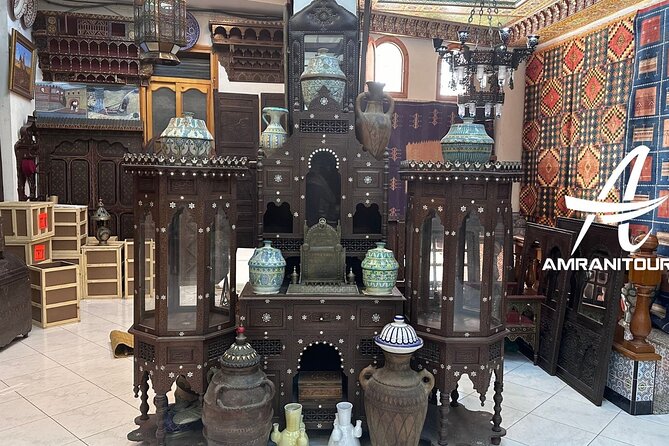
This is the section where Tangier starts to click. You’re going from streets and squares into the Kasbah and fortress-and-memory territory: viewpoints, tombs, and museums housed in historic spaces.
Borj A-na’am (Borj Naam)
Borj Naam is a historic fortress originally built during Portuguese rule. Today, it’s a scenic stop for panoramic ocean and city views.
I like fortress viewpoints on a day trip because they help you understand the city’s shape fast. You see where the medina sits, how the coastline works, and why certain places mattered strategically.
Tomb of Ibn Battouta
Next is the Tomb of Ibn Battouta, dedicated to the 14th-century explorer who documented travels in the Rihla. It’s located inside a small mosque and is a quiet, reflective contrast to the busier medina squares.
Time is about 30 minutes, so you’ll likely just get the essentials: who Ibn Battouta was, why the tomb matters, and a sense of why Tangier fits into larger stories of movement and exchange.
Musee de la Kasbah
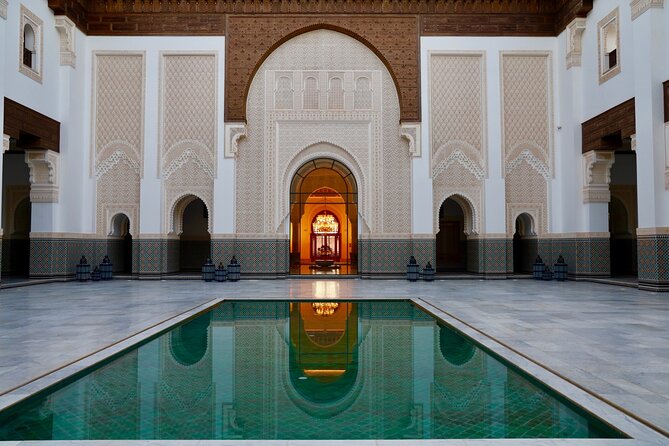
Then comes the Kasbah Museum, housed in the former Sultan’s Palace. It includes artifacts, crafts, artworks, and archaeological elements across different periods, plus the setting itself comes with Strait of Gibraltar and city views.
Even if you don’t love museums, the Kasbah location makes the visit feel like part of the scenery, not just a room.
Tangier American Legation Museum
After that, the American Legation Museum focuses on Moroccan-American relations and diplomacy, housed in an early American legation building. It’s also noted for Moorish-style architecture and a garden, which helps break up the museum-heavy feel.
Moshe Nahon Synagogue
The Moshe Nahon Synagogue stop is listed as admission included. It connects to Moshe Nahon, a prominent 20th-century figure tied to Tangier’s Jewish community and its social life. Even with only about 30 minutes, it adds an important layer: Tangier as a crossroads city, shaped by more than one faith and community.
The Central Market, Gran Café Central, and lunch: eating well without derailing the schedule
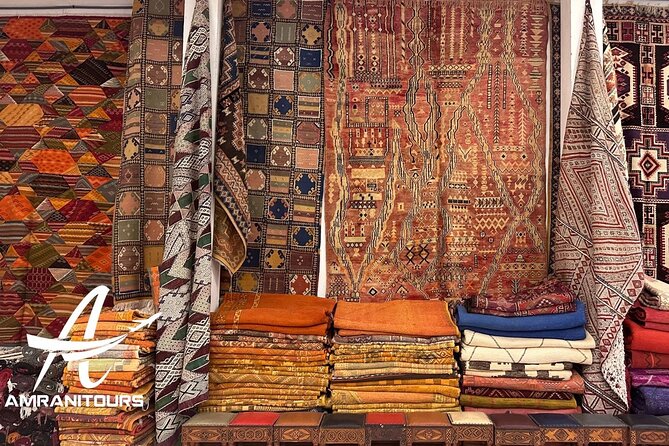
One of the smartest parts of this day trip is how food is handled in the timing. You’re not stuck hunting for lunch while everyone else is hungry. You’ll get a structured lunch stop plus a café break.
Mercado Central
You’ll visit Tangier Central Market (Mercado Central), a bustling place for fresh produce, spices, fish, meats, and also handicrafts and typical products. It’s about 30 minutes, which is perfect for browsing highlights without losing half the day.
This is a great stop if you want to understand local everyday life through what people buy, sell, and cook—not just through what’s preserved in museums.
Gran Café Central time
Then there’s free time at Gran Café Central, with mint tea and access to souvenir shops. It’s about 30 minutes, and it works as a reset before the final stretch back to the ferry.
This is also where I’d slow down the pace in your mind. Look, drink your tea, and let your brain digest what you’ve seen.
Moroccan lunch
Lunch is included at a local restaurant, with typical choices like couscous and tajines. The schedule suggests you’ll eat mid-day, but because the day is packed, it can still feel late to people who are hungry early. If your group has strong meal timing needs, plan for that mentally and use the café stop and any snacks at Cape Spartel to bridge the gap.
Getting back to Seville: what to expect on the last ferry hour
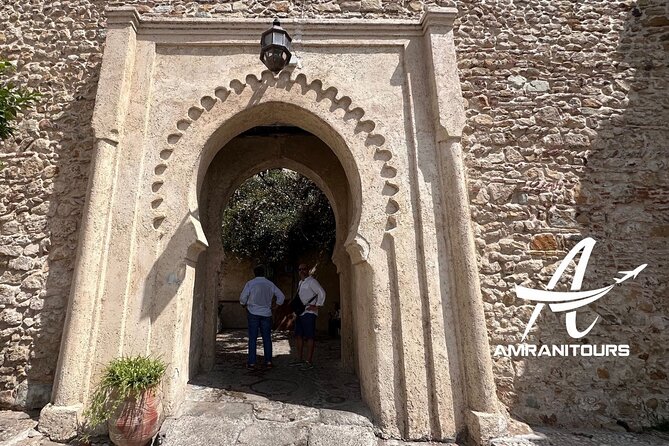
After the Tangier stops, you head back to Tarifa by ferry for about one hour again. That means you basically do the Strait crossing twice—once outbound, once homeward—and it’s not wasted time.
Then you return by car for about two hours to Seville. If you’re prone to travel fatigue, this is where you’ll appreciate that you’re not doing any complicated navigation at the end of the day. Your driver handles the ride, and your guide stays focused on transitions while you just focus on getting home.
Price and value: is $696.88 per person fair for a private all-in day?
At $696.88 per person, this isn’t a budget day trip. But when you look at what’s wrapped into the price, it starts to feel more reasonable:
- Private guide for the full day
- Luxury car with fuel included
- Return ferry tickets
- Reception in Tangier
- Cape Spartel refreshments and snack time plus mint tea/coffee
- Camel ride
- Lunch
- Local taxes
- Mobile ticketing and pickup details handled
For comparison, a self-planned day would still cost you ferry tickets plus private transport plus the time you lose sorting tickets, figuring out which sights are close together, and managing the city when things run late. The real value here is the friction removed.
Who the price fits best:
- Couples or small groups who want a private guide and don’t want to stress about logistics
- People who want Tangier in one day but prefer not to plan it in detail
- Anyone who values that you’ll be met and guided right after the port arrival
Who might find it too steep:
- If you already know Tangier well or enjoy independent travel planning
- If your group only wants one or two sights and would rather move slower than the day allows
Who this day trip suits best (and who should skip it)
This is a strong choice for you if:
- You want a single-day Morocco fix from Spain
- You like mixed experiences: palace architecture, coastal viewpoints, medina streets, plus museums
- You want structure: pickup, ferry tickets, reception, and a private guide
It’s less ideal if:
- You hate tight timing and quick stops
- Your group needs long, unstructured time in each location
- You prefer a slower walking pace or easy day rhythms
The camel ride and Kasbah viewpoint sequence are the “heart” of the day. If those sound fun, the packed schedule becomes part of the adventure rather than a burden.
Should you book the Seville to Tangier private day trip?
I’d book it if you want Tangier without the planning headache and you’re okay trading slow travel for a packed day with real highlights. The combination of ferry + guided medina + Kasbah museums + camel ride + included lunch is rare in a one-day format.
Before you hit confirm, think about one thing: energy management. This is a long day. Bring comfortable shoes, plan for an early start, and mentally accept that you’ll be seeing highlights rather than taking your time like you would on a multi-day Morocco stay.
If that sounds like your style, this private Seville-to-Tangier trip is a very practical way to check off Morocco with confidence.
FAQ
How long is the Seville to Tangier day trip?
The total day trip runs about 13 to 14 hours.
Is the ferry included, and how long is the crossing?
Yes. Return ferry tickets are included, and the crossing takes about one hour each way (Tarifa to Tangier, then back).
What activities are included in Tangier?
The day includes visits to major Tangier sites such as Perdicaris Palace, Cape Spartel, Borj A-na’am, the Tomb of Ibn Battouta, the Kasbah Museum, the Tangier American Legation Museum, Moshe Nahon Synagogue (admission included), and medina stops like Petit Socco and Bab Al Bahr. It also includes a camel ride on Achakkar Beach.
Is lunch included?
Yes. Lunch in a local Moroccan restaurant is included, with typical dishes such as couscous and tajines.
Is there free cancellation?
Yes. You can cancel for free up to 24 hours in advance for a full refund.
How does pickup work in Seville?
Pickup is offered from your address in Seville, and you meet your guide with a sign showing your name at the pickup point indicated by the customer arriving at the Tangier port.