REVIEW · CASABLANCA
Private 11 Day Tour From Casablanca Imperial Cities Sahara Desert
Book on Viator →Operated by love Morocco Desert · Bookable on Viator
A private Morocco marathon with real desert payoff. This trip connects Casablanca, Rabat and the Rif mountains to Marrakech, with the Sahara coming in as the emotional peak. I love the private-tent luxury camp with toilet and shower and the guided sunrise camel ride. One consideration: entrance fees and most lunches are on you, so budget a bit above the base price.
The best part, for me, is how much your driver and guides matter on long travel days and in crowded old streets. Names like Said and Omar come up for the exact stuff you feel: humor, energy, and practical help with getting the right photos and staying on track.
You’re in a private group with pickup and drop-off, an air-conditioned vehicle, 10 nights in hotels or traditional riads, plus 11 breakfasts. Since you cover Casablanca, Rabat, Chefchaouen, Fez, Merzouga, Dades, Ouarzazate, and Marrakech, you’ll move fast—but you won’t be left guessing what to do next.
In This Review
- Key highlights worth paying attention to
- Casablanca start: Hassan II Mosque time and the first Morocco taste
- Rabat and Chefchaouen: Royal walls, free admission blocks, and a riad night
- Volubilis and Meknes: Roman ruins plus a medina wall walk
- Fez medina day: Kairaouine Mosque, tanneries area, and guided lanes
- Middle Atlas to Merzouga: Ifrane, cedar forests, Zaida Pass altitude
- Erg Chebbi dunes by day and by night: tea with nomads and Touareg life
- Sunrise camel ride, Todra Gorge promenade, and a Kasbah night
- Rose Valley, Ouarzazate, and Ait Benhaddou: UNESCO filming sets and Tichka Pass driving
- Marrakech city tour with a local guide: Bahia Palace, Saadian Tomb, Majorelle Garden
- Ourika Valley day trip from Marrakech: argan oil, Berber market, and waterfalls
- Casablanca farewell: how the final transfer usually works
- Price and value: what the $2,362.06 covers (and what to budget)
- Should you book this Casablanca to Sahara private tour?
Key highlights worth paying attention to
- Private tent at the luxury desert camp with toilet and shower, not just a basic sleepover
- Sunrise camel ride in the Merzouga dunes, with photos built into the timing
- Real Fez walking time with a local guide for the old medina sights
- Ait Benhaddou UNESCO stop plus a drive over the Tichka pass for big mountain-road views
- Ourika Valley day trip from Marrakech with an argan oil cooperative and a hike option
Casablanca start: Hassan II Mosque time and the first Morocco taste
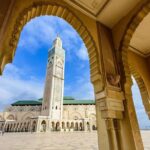
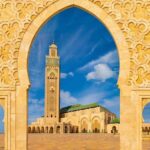
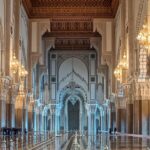
Your tour kicks off in Casablanca, starting with an airport-to-accommodation pickup. If your arrival timing works out, you can fit in a quick hit of sights, with Hassan II Mosque as the headline option. Hassan II Mosque isn’t covered by admission in this plan, so treat it as a pay-at-the-door choice if you want that iconic view.
What I like here is that you’re not thrown straight into the deep desert on Day 1. You get a gentler first day to reset, stretch your legs near the beach area, and get your bearings in a city that’s busy but not confusing when you have local routing.
One practical thought: Casablanca can be windy near the coast. If you plan on photos at the mosque, keep a light layer handy even when it feels warm.
You can also read our reviews of more private tours in Casablanca
Rabat and Chefchaouen: Royal walls, free admission blocks, and a riad night
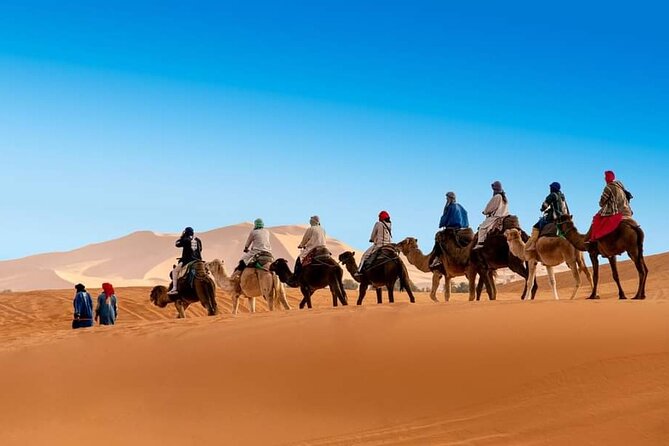
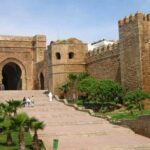
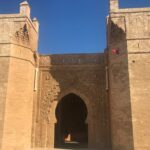
Day 2 has a classic Morocco contrast: Rabat’s monuments and then Chefchaouen tucked in the Rif Mountains. You visit Kasbah des Oudaias, and in this plan it’s marked as free admission—nice for keeping your day-costs under control.
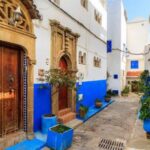
Then you push north to Chefchaouen and spend the night in a traditional riad. That matters because Chefchaouen works better when you’re there for the evening, not just passing through. You’ll get that slow-on-purpose feel in the medina lanes, and you’ll start to understand why so many people build their Morocco trip around the north-south rhythm.
If you’re sensitive to travel time, note that this is a long day (about 7 hours in the plan), with driving as the default between stops. Wear comfy shoes and plan to hydrate.
Volubilis and Meknes: Roman ruins plus a medina wall walk
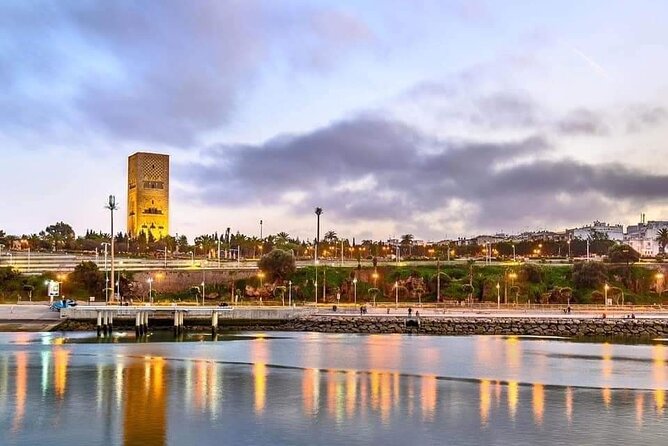
After breakfast, the trip heads toward Volubilis, with a stop routed through Rif towns. Volubilis is where you see Roman remains, and it’s a change of pace from the more recent Moroccan layers you’ll hit later.
The Volubilis admission isn’t included here, so if you want full entry rather than photos from outside, budget for it. Then you continue to Meknes, where you get lunch and walk the massive medieval walls of the medina, including Bab El Mansour. You also visit the Moulay Ismail shrine after that wall walk.
Day 3 is built for people who like structure. You’re given a clear sequence: ruins, then a walled city moment, then Fez. The only drawback is that this is another day where you’ll be in transit as much as you are sight-seeing.
Fez medina day: Kairaouine Mosque, tanneries area, and guided lanes
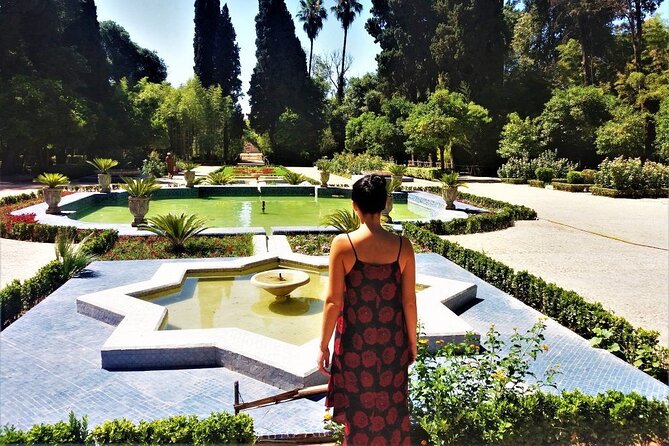
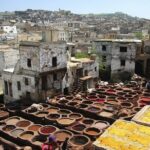
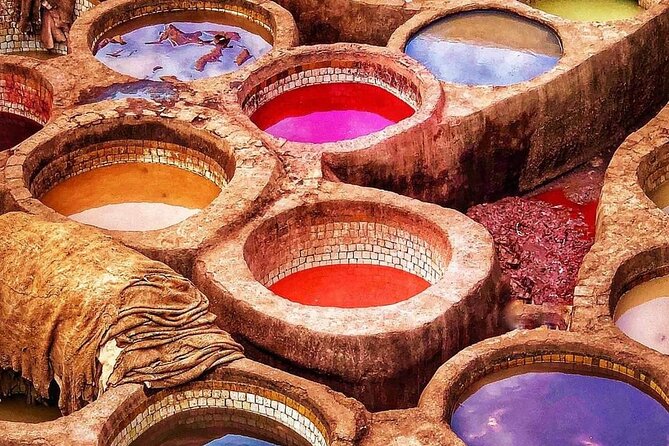
In Fez, you start with a guided visit that leans into the old city’s identity. Your day includes the Royal Palace Gate area (erected in the 16th century) and key cultural stops like Al Qaraouine University and the tanneries region. You also visit the Attarine Museum and the Mulay Idriss Mausoleum.
You do a guided loop that includes a panoramic view of the whole Fez Medina after lunch, plus a tile-focused stop at a cooperative. Admission for these stops isn’t included, so some of your Fez cost depends on what you choose to enter fully.
What I find valuable about a guided Fez day is simple: you don’t waste time trying to decode what everything means. With a local guide, you can focus on what you’re seeing—lane width, craftsmanship, and the patterns of daily life—without turning it into a navigation project.
Middle Atlas to Merzouga: Ifrane, cedar forests, Zaida Pass altitude
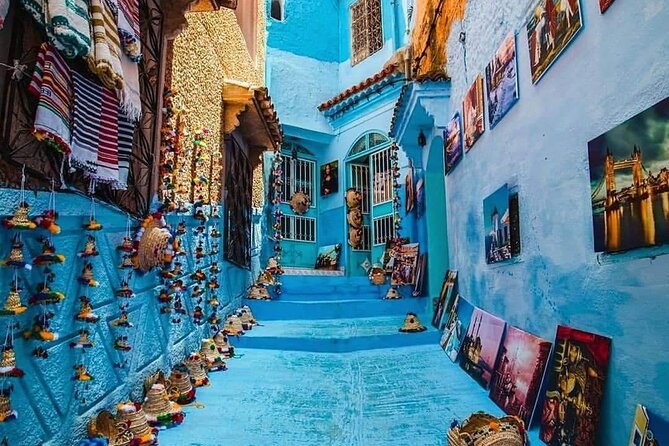
Day 5 turns the dial toward nature and elevation. You leave for Midelt through the Middle Atlas cedar forests, passing Azrou, known for cedarwood handicrafts. Then you go to Ifrane, a ski resort town that feels like a gear shift from the medina cities.
After lunch in Midelt, you travel past the Zaida Pass, listed at 2,178m / 7,146 ft. That altitude detail matters because it changes the feel of the air and can make the drive cooler than you expect.
Then you head toward Erfoud and the Ziz Valley, where you’ll start getting desert-adjacent vibes—palm-lined stretches, long horizons, and eventually the dunes. You reach the Erg Chebbi area in the afternoon, with dinner and an overnight in a hotel or guest home in Merzouga. Admission is marked free for this day’s listed component, which helps.
This is a long day in the car (about 7 hours), so pack for comfort: sunglasses, water, and something warm for the higher points.
Erg Chebbi dunes by day and by night: tea with nomads and Touareg life
Day 6 is where the Sahara stops being a concept and turns into the real deal. You cross dunes along the edge of Erg Chebbi, with the big visual reward of Morocco’s largest sand dunes. You also see nomadic black tents, which gives you a grounded sense of how families live close to this environment.
The day includes a visit to a nomadic family for tea, then time exploring Touareg lifestyle in Alkhamliya, a community described as having changed little over the years. Either you have lunch in Alkhamliya or return to your accommodation before the next desert segment.
This is also the day that sets you up for your desert camp experience. Your plan includes camel riding, and the timing is arranged so you can fit into the desert rhythm without rushing every step.
The desert portion gets especially strong in the way the camp runs: in feedback tied to this style of tour, I’ve seen clear praise for photo help in the dunes, plus music and star-time moments in camp (often mentioning jembes/percussion, fruits, and a fire-and-sky atmosphere). That’s the kind of structure you want if this is your once-a-year desert stop.
Sunrise camel ride, Todra Gorge promenade, and a Kasbah night
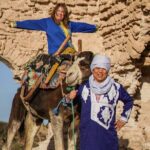
Day 7 starts early. A camel guide wakes you for sunrise, and you get time for photos before returning to the hotel for breakfast and a shower. Even if you’re not a sunrise person, this moment is usually worth it here because the dunes change color fast, and you’ll feel like you’re the only one out there.
After that, you drive to Erfoud, which is noted for fossils, then pass palm plantations before lunch. You then take a promenade at the Todra Gorges, where the canyon walls give you a real sense of scale without needing a tough hike.
Finally, you move to Boumalne de Dades for dinner and a stay in a traditional Kasbah. That shift—from desert softness to canyon rock—breaks up the week so it doesn’t blur into one long road trip.
Rose Valley, Ouarzazate, and Ait Benhaddou: UNESCO filming sets and Tichka Pass driving
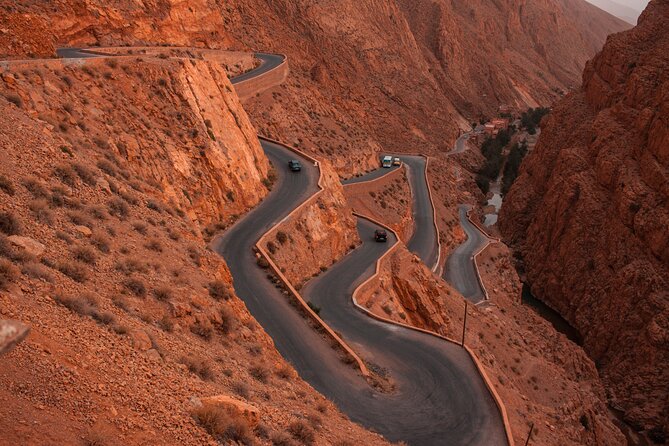
Day 8 is a long, scenic day (about 8 hours in the plan) that pulls you from Dades Valley through Rose Valley and Ouarzazat, then into Marrakech. Rose Valley is known as the Valley of the Roses, and it’s also part of the famous Road of 1000 Kasbahs route.
You visit Ouarzazat and have lunch at the kasbah of Ait Benhaddou, then you spend time at the UNESCO World Heritage Site. It’s also tied to major film backdrops, including Lawrence of Arabia and The Gladiator, so even if you’re not a film buff, you’ll recognize the set-like feel.
The route then crosses the Tichka pass to Marrakech. This is another spot where weather can surprise you. Mountain roads can be cooler, and fog can happen. Leave time in your head for slower driving without assuming it’s a problem.
Admission for Ait Benhaddou is listed as not included, so if you want to go inside specific areas, plan cash or card access ahead.
Marrakech city tour with a local guide: Bahia Palace, Saadian Tomb, Majorelle Garden
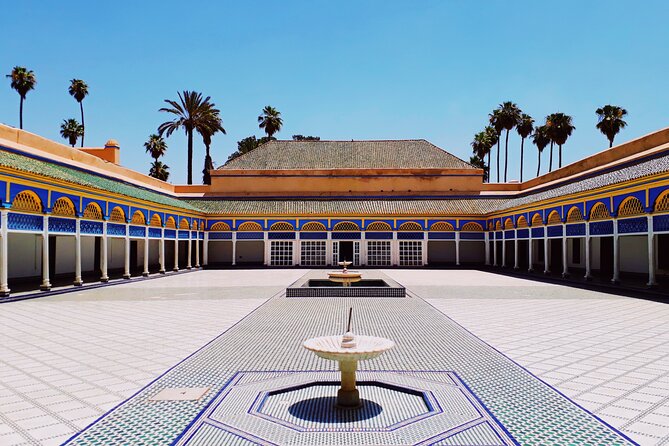
In Marrakech, the tour day is set up around a local guide and focused sights, not random walking. You visit Bahia Palace, including its mosaics and stucco and the stories tied to its four wives and twenty-four concubines. You also see the Saadian Tomb, described as a royal necropolis.
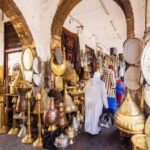
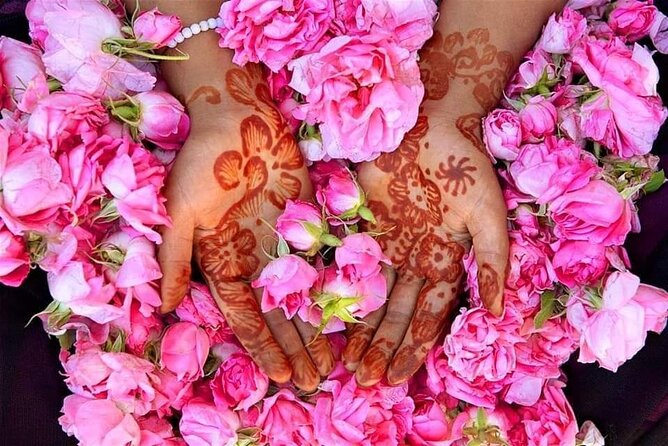
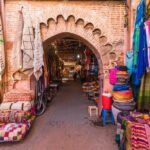
Then you have souk time to take in the smells, colors, and size of the markets. You also visit Majorelle Garden, known for indigo-painted walls and plants from around the world.
Admission isn’t included here, so Marrakech costs can jump if you decide to enter everything. Still, this is the part of the trip where having a guide helps you prioritize. Otherwise you can get lost in medina hustle and end up seeing less than you hoped.
Ourika Valley day trip from Marrakech: argan oil, Berber market, and waterfalls
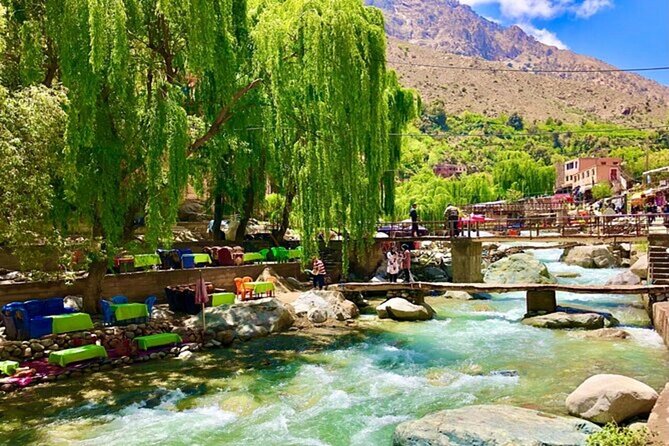
Day 10 is labeled Essaouira in the trip’s outline, but the included activity here is an Ourika Valley day trip from Marrakech. You drive along valleys beside the stream, visit a local Berber Market at Tnin Ourika, and go to an argan oil production cooperative.
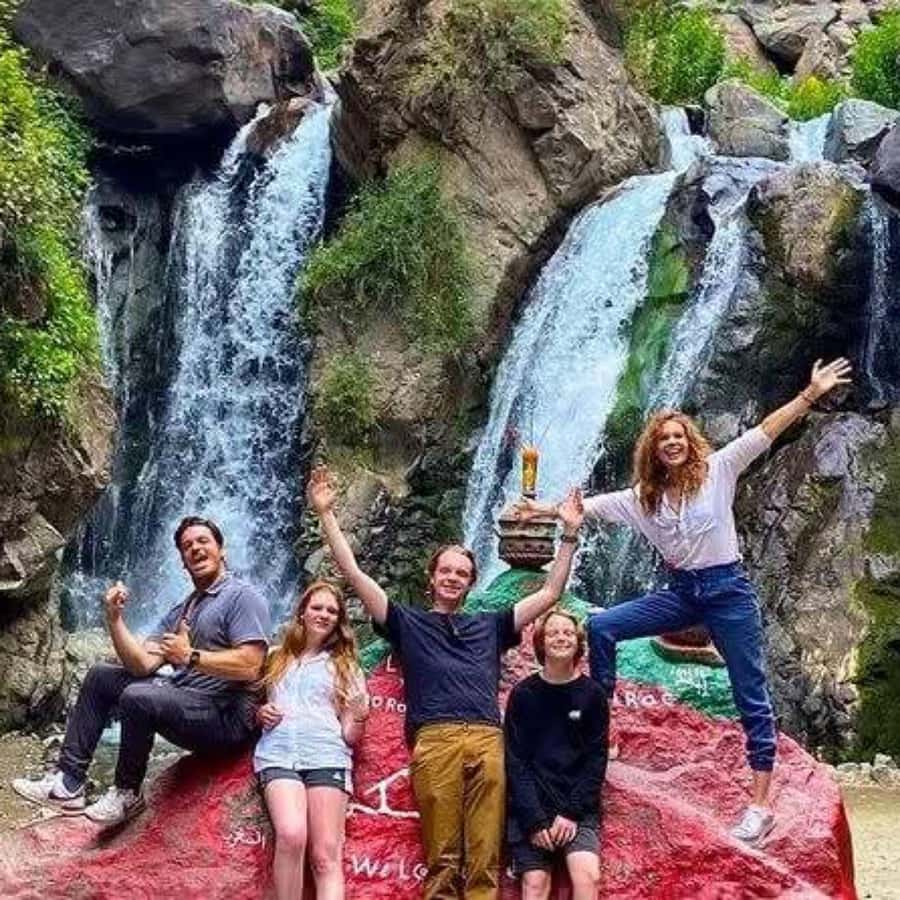
You also get a hike option from Setti Fatma and can photograph the Atlas Mountains backdrop. There’s an option to climb to waterfalls, and you can stop for a Berber tagine next to the stream.
The upside of this day is that it gives you nature without another overnight. The potential drawback is the mismatch between the day label and the actual included outing. If you’re booking, double-check with the operator what the day will be called on your voucher so you don’t expect an Essaouira beach day when you’re actually headed inland to Ourika.
Casablanca farewell: how the final transfer usually works
The tour ends on Day 11 with a transfer to the airport depending on your arrival/airport timing. It’s a short, practical day (about 2 hours in the plan), and it’s designed to prevent last-minute confusion.
If you’re using this tour to stitch together flights, I’d plan a little buffer in your schedule. Long Morocco weeks build up fatigue, and you don’t want your last hours to feel rushed.
Also, pack a small layer even for the final day. Casablanca mornings and evenings can feel different from the sun-soaked hours.
Price and value: what the $2,362.06 covers (and what to budget)
At $2,362.06 per person for an 11-day private tour, the value is mostly in three areas: transport, lodging coverage, and guided time in key cities. You get an air-conditioned vehicle, pickup and drop-off, 10 nights in hotels or traditional riads, and 1 night in a private luxury camp tent with toilet and shower. You also get camel riding and local guiding in Volubilis, Fez, and Marrakech.
Where your budget can creep upward is meals and entry fees. Drinks are not included, lunches are not included, and only 3 dinners are listed as included. Entrance fees are not included either, and some big-ticket sights like Hassan II Mosque are explicitly not covered.
So the real question isn’t only the base price. It’s whether you’re the type who wants the guiding and door-to-door routing more than you want to manage everything yourself. If you do, this price can make sense fast.
Tips to driver/guide are not included either. Many travelers add something anyway, so set that expectation mentally and don’t let it surprise you at the end.
Should you book this Casablanca to Sahara private tour?
I’d book it if you want a single, guided route that hits Casablanca, Chefchaouen, Fez, and Marrakech with a Sahara stop that’s not just a quick stop-and-go. The desert night setup (private tent with toilet and shower) and the early sunrise camel timing are the two parts that feel hardest to replicate if you book solo.
I wouldn’t book it if you want total cost certainty, because entrances and lunches will add up. Also, if you hate early starts, the sunrise camel day is non-negotiable in the schedule.
If you can handle a full schedule with lots of driving, this is a strong way to get Morocco’s highlights in one trip—and to do it with the kind of guides people name for humor, energy, and careful support.