REVIEW · CASABLANCA
Morocco Tours 10 Days from Casablanca : Imperial Cities & Sahara Desert
Book on Viator →Operated by Morocco Destination Tours · Bookable on Viator
Ten days, and Morocco changes gears fast. This private cross-country route strings together imperial cities and a real Sahara Desert night, with lodging and key transfers handled for you. You start from Casablanca with pickup, then move city-to-city with an air-conditioned vehicle so you spend more time looking at Morocco and less time sorting out logistics.
What I like most is the mix of guided history and lived-in moments. In Fez and Marrakech, you get local guide time (including major sights like al-Qarawiyyin) and hands-on medina experiences like tanneries, museums, and city views. Then the trip turns toward the dunes with Merzouga and the Berber village culture in Khemlia—plus the kind of “I can’t believe we’re here” desert energy that comes with camel riding and quad biking.
One thing to consider: entrance fees and lunches aren’t included, and a few landmark sites have tickets that add up. If you hate budgeting on the fly, plan a simple extra-fee allowance before you go.
In This Review
- Key things to know before you go
- A 10-Day Morocco Circuit With Imperial Cities and Sahara Tents
- Hassan II Mosque to Kasbah des Oudaias: starting with Morocco’s big statements
- Chefchaouen’s blue streets and Rabat’s incomplete mosque story
- Volubilis and Meknes’ Bab Mansour: empires layered on one route
- Fez on foot: Royal Palace views, al-Qarawiyyin, and the Mellah
- Atlas to Merzouga: Ifrane, cedar forest apes, Ziz Valley views, and dunes
- Khamlia and Rissani: Berber village rhythm before the Sahara night
- Todra Gorge to Dades Valley: gorges, kasbahs, and a dinner night
- Rose Valley, Ouarzazate film-world, and Ait Ben Haddou’s old town
- Marrakech essentials: Bahia Palace, Ben Youssef, Koutoubia, and Majorelle Garden
- Price and What’s Included (and What You’ll Pay Extra)
- Private-group comfort, long drives, and pacing that won’t leave you lost
- Getting the most from this tour: small choices that change your day
- Should you book this Morocco Imperial Cities and Sahara Desert tour?
- FAQ
- What cities does this 10-day Morocco tour visit?
- How long is the tour and where does it start?
- Is hotel pickup included?
- Where do you stay overnight during the desert part?
- Are meals included?
- Are entrance fees included?
- Is this a private tour?
Key things to know before you go
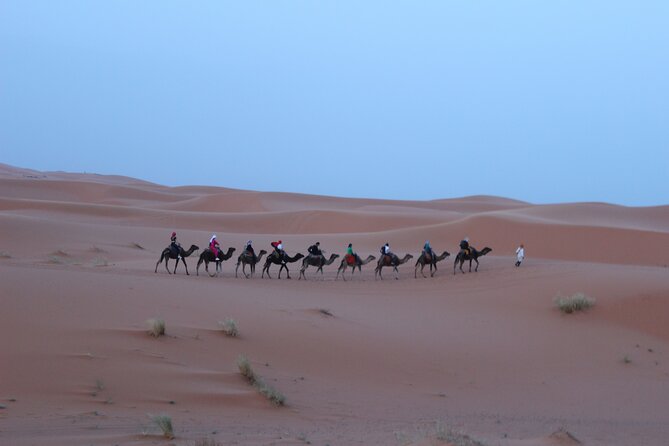
- Private Sahara camp setup in Merzouga with overnight stays in camp tents and included meals
- City-guide time in Fez and Marrakech, not just bus stops, so the medinas make sense as you walk
- Roman and royal Morocco in one sweep, with Volubilis and Meknes’ Bab Mansour Gate in the same region-days
- Desert-to-valley contrast, going from Erg Chebbi dunes to Todra Gorges and the Dades Valley “road of a thousand kasbahs”
- Ait Ben Haddou included as a must-see stop, letting you stroll its old town without rushing
- Long-drive comfort matters, since you’re using a private, air-conditioned vehicle for the big transfers
A 10-Day Morocco Circuit With Imperial Cities and Sahara Tents
This is the kind of trip you choose when you want Morocco’s headline moments in one package, without the usual headache of coordinating hotels, guides, and car transfers yourself. The route works because it balances three different Morocco moods: coastal grandeur (Casablanca/Rabat), old-world city walking (Fez/Meknes/Marrakech), and desert remoteness (Merzouga and the Sahara night).
You’ll be moving a lot, but the planning has already been done for you. That means you can focus on the parts that matter: the medina streets where you can still feel how trade and craftsmanship shaped daily life, the big monuments that signal power across centuries, and the desert experience where the distances feel real.
The “private tour” format also changes how the day feels. You can ask questions, adjust your pace a bit, and keep your group together through the busier areas—especially useful in Fez and Marrakech, where small alleyways can be confusing if you’re on your own.
You can also read our reviews of more tours and experiences in Casablanca.
Hassan II Mosque to Kasbah des Oudaias: starting with Morocco’s big statements
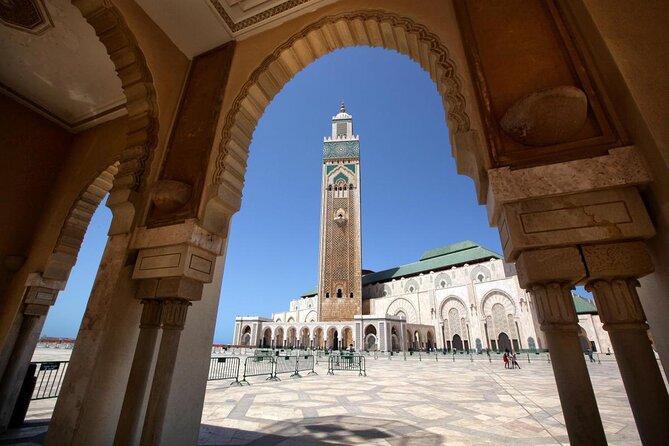
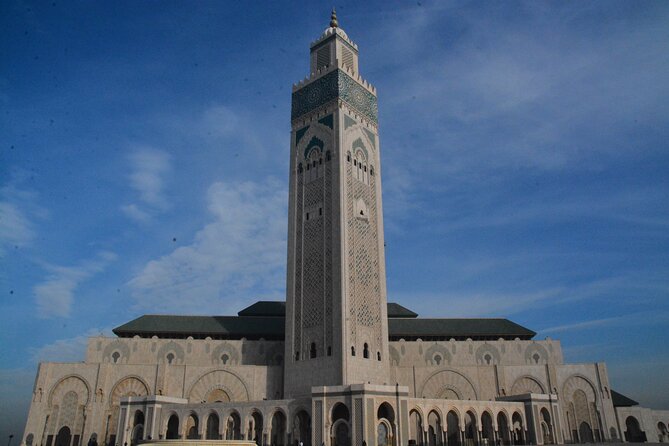
Your tour kicks off with Casablanca’s signature site: Hassan II Mosque. It sits right over the Atlantic, and the scale is part of the drama—capacity is estimated at 25,000 inside with room for 80,000 in the courtyard. One practical perk for visitors: non-Muslims are permitted to enter, so you can see the architecture up close rather than just viewing from the outside.
From there, you head to Rabat for Kasbah des Oudaias, where the tone shifts to quieter, slower wandering. Think white-and-blue street scenes that feel like a living postcard, plus a chance to visit the Andalusian Gardens inside the kasbah. This is the kind of stop that’s good for getting your bearings early in the trip—before you dive into more intense medina navigation.
If you want an easy first-day win, it’s this combination: a major monument with world-class craftsmanship, then a relaxed historic neighborhood where you can breathe.
Chefchaouen’s blue streets and Rabat’s incomplete mosque story
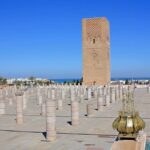
Rabat continues with the Hassan Tower, an unfinished minaret project paired with the mausoleum of Mohamed V. The tower’s “incomplete” status matters. It’s not just a photo stop; it’s a reminder that Morocco’s story is full of real-world interruptions and political shifts—not tidy, perfect history lessons.
Then you transfer to Chefchaouen, the famous Blue City. You’ll have time to walk the compact medina on the northern hillside with its narrow lanes and bluewashed buildings. This stop is particularly good if you like atmosphere as much as sights. You also get time to do it your way: stop for a meal at Plaza Outa el Hammam, tour a kasbah/fortification area, and even catch views from an abandoned Spanish Mosque point as the sun drops behind the mountains.
One caution: this is a city where the streets can feel tight. Wear shoes you trust for uneven pavement and expect some winding walking. It’s worth it, but you’ll want to be comfortable.
Volubilis and Meknes’ Bab Mansour: empires layered on one route
When the tour turns toward Meknes, it adds a rare kind of contrast: Roman ruins. Volubilis is the Roman site you want if you’re interested in what empires left behind. It’s UNESCO protected and one of Morocco’s best-preserved sets of ruins, with intact columns, merchant homes, temples, and mosaics (including the Labors of Hercules). It’s a great “slow down” day because the site rewards walking at a human pace.
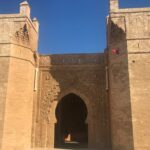
Next up: Bab Mansour Gate in Meknes, a dramatic horseshoe-arched city entrance off el-Hedim square. The gate is known for its 16-meter height and the famously grand wooden doors. Even if you’re not a legend hunter, the backstory gives texture to the architecture—this isn’t just pretty stonework, it’s tied to court prestige and city identity.
There’s also time for Sahrij Swani, the Basin of the Norias. It’s not as famous as Volubilis, but it’s a fascinating look at historic water systems and engineering. You get context for how norias and channels fed water into the area, plus scale measurements that make it clear this wasn’t a small-town project.
If you like your travel with variety—ruins, royal gates, and practical engineering—this stretch hits the sweet spot.
Fez on foot: Royal Palace views, al-Qarawiyyin, and the Mellah
Fez is where this trip earns its credibility. The walking and the sites don’t feel like quick photo grabs. They feel like an organized way to understand how Fez works.
You start at the Royal Palace gate and move through key historic areas. The highlights include:
- The Mellah area, tied to the Jewish quarter’s 16th-century roots
- Al-Qaraouine University (al-Qarawiyyin), founded in 859 A.D., described as the oldest higher education institution on Earth and linked to Fatima al-Fihri’s founding story
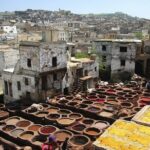
- The tanneries and the Attarine museum area, plus the Moulay Idriss mausoleum
- A panoramic viewpoint back over the medina, where you finally get the full map in your head
A couple of practical notes that help your day go smoother: the medina streets can be tight, and some sights have areas that can be crowded. A guided approach matters because you’ll understand what you’re seeing as you walk, especially around the religious and educational sites.
If you care about cultural context, Fez is the moment when the trip shifts from “cool places” to “I get it now.” I especially like the way the tour threads education, craftsmanship, and city layout together instead of treating them as separate stops.
Atlas to Merzouga: Ifrane, cedar forest apes, Ziz Valley views, and dunes
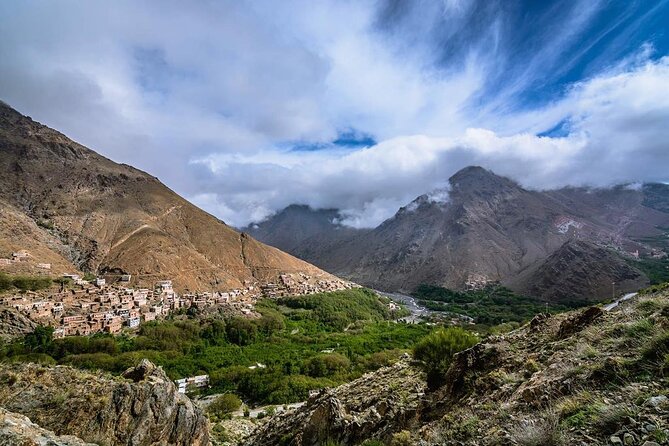
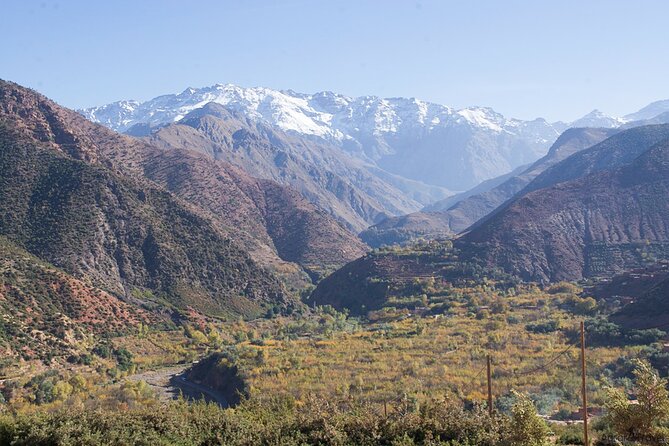
Moving east toward the desert, you travel through Morocco’s cooler, greener Middle Atlas zone before dropping into the warmer south. This part of the drive is scenic in a very practical way: it prevents the desert from feeling like an abrupt jump. You get a sense of different Morocco climates as the trip progresses.
You’ll stop in Ifrane, founded in 1929, with its alpine-eeriness at about 5,400 feet (1,650 meters). Then you head to Azrou Cedar Forest, where you might see the famous cedar forest residents: Berber apes.
As you get closer to the desert fringe, you’ll pause at Aoufous for a panoramic Ziz Valley view and then continue toward Erfoud, known for dates and fossils. The tour also includes time at a local artisan collective focused on fossils from the area, which is a good break from nonstop sightseeing.
Finally, you reach Merzouga and the dunes of Erg Chebbi, where some dunes are listed at over 600 feet tall. This is one of those moments when you stop thinking like a tourist and start thinking like a person in a new environment. The desert isn’t just scenery here—it’s the main character.
Khamlia and Rissani: Berber village rhythm before the Sahara night
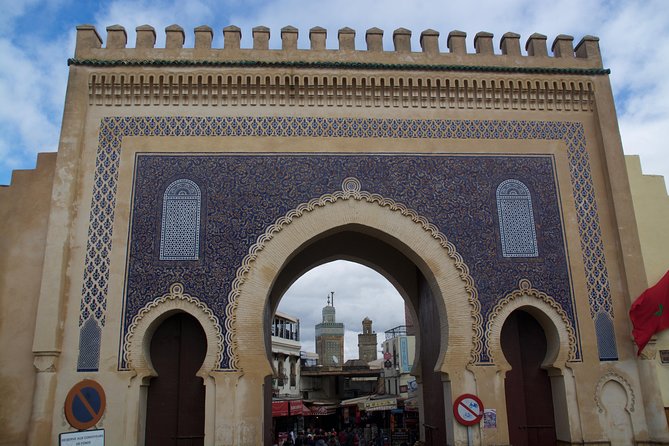
The desert day doesn’t start with silence. It starts with people.
In Khamlia, you’ll visit a traditional Saharan village and experience music, drumming, and dancing. You also get a light walk around the village and farmed plots in the sand. This is important because it frames the desert as a place with culture and work, not just a dramatic backdrop.
Then you head to Rissani, a market town where you can explore daily life. The tour includes time to see the live animal auction and nearby “donkey parking lot.” It’s the kind of sensory stop that makes the trip feel grounded, even while you’re heading toward bigger sights.
By the time you’re in the Merzouga dune area, the trip has done something smart: it teaches you what you’re looking at before you look up and see the dunes.
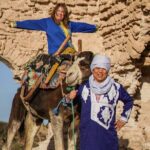
And yes, this is also where the desert activities come alive. In feedback connected to this trip, camel rides and quad biking show up as big highlights. If you want a memorable, active desert day, this is the time to say yes to those extras.
Todra Gorge to Dades Valley: gorges, kasbahs, and a dinner night
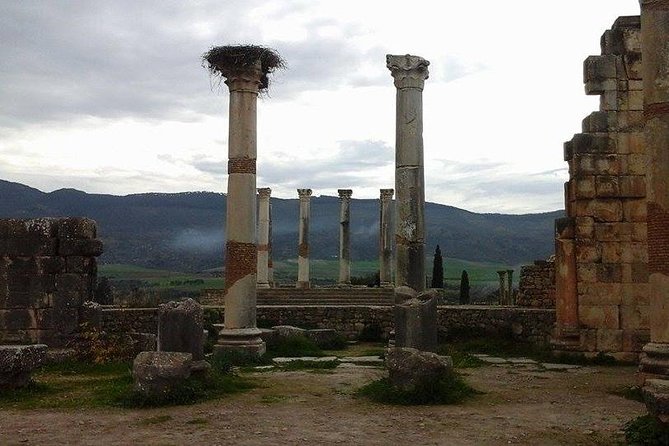
After the dunes, the route shifts to dramatic rock country. You’ll head toward Tinerhir for Todra Valley views, then walk Todra Gorges and get down to the water’s edge to relax by the Todra River for a while.
This is one of the best “breathing stops” of the whole journey. The Sahara can be all wide angles and stark light. The gorges give you height, sound, shade, and that feeling that Morocco has more than one kind of wonder.
Next, you reach Boumalne Dades, in the Dades Valley area—often called the road of a thousand kasbahs. The stop includes a look at the adobe kasbah-style homes built by local Berber tribes, plus those eroded rock formations that locals describe with nicknames like “monkey fingers.”
You’ll also spend a night in the Dades area at a local hotel, with dinner and breakfast included. That matters because after days of long drives and walking, you don’t want to hunt for food. You want a meal that’s handled.
Rose Valley, Ouarzazate film-world, and Ait Ben Haddou’s old town
The tour threads through the Valley of Roses, stopping in Kalaat Mgouna. Even if you’re not there during a festival, you still get the sense of why this valley has its own identity.
Then comes Ouarzazate territory. You’ll pause at Taourirt Kasbah for photos, and visiting inside is optional (and not included ticket-wise). If you want to trade photos for facts, this is a good area to ask questions because kasbah architecture tells you how power and family histories were organized.
You also get a stop at Atlas Film Studios (not included ticket-wise). The studio is known for major film sets, and it’s a very specific Morocco experience: modern cinema production in a place famous for movie history. Even if you only know a couple of the titles associated with it, the setting is still fun.
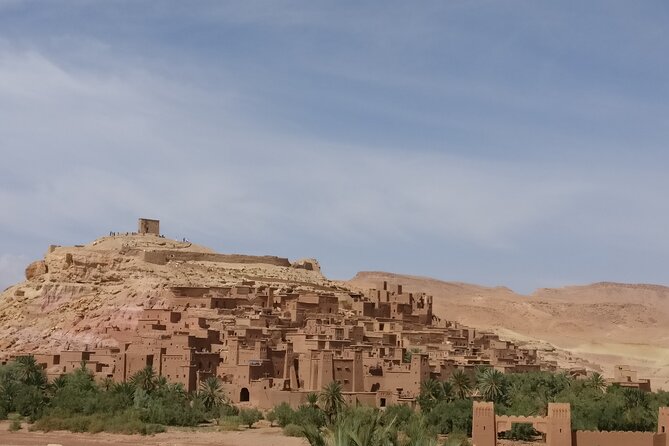
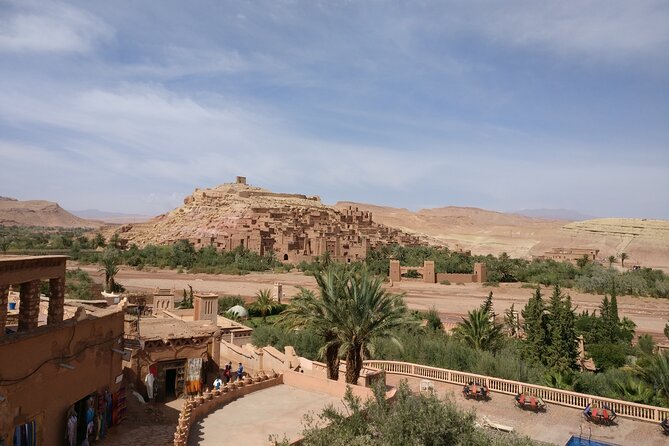
Finally, you reach Ait Ben Haddou, where you stroll the old town. It’s a UNESCO-listed kind of place in feeling: layered buildings, desert dust, palm trees, and that High Atlas-to-Sahara transition vibe all in one area. The tour provides time to walk around, so you’re not stuck in a quick bus window.
If you like places that look like movie scenes even when no movie is filming, Ait Ben Haddou is a must.
Marrakech essentials: Bahia Palace, Ben Youssef, Koutoubia, and Majorelle Garden
Marrakech is where the tour closes with “wow” and then gives you calm.
You’ll start with Bahia Palace, described as a centerpiece of Moroccan architecture. The palace covers 8,000 square meters and is known for craftsmanship—carved wood, zellige bordering fountains, ornate ceilings, and a central orange-filled garden.
Then you head to the Medersa Ben Youssef, originally founded in the 14th century and later expanded in the 16th century. It functioned as a learning center where students studied theology, law, and other subjects. It’s one of those sights where the architecture supports the idea that education wasn’t a side activity.
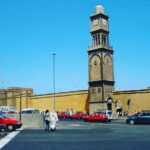
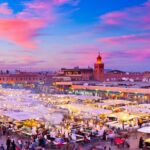
Next: Koutoubia Mosque. Non-Muslim access to the mosque building itself isn’t highlighted, but you’ll still get time around the area, including the front square and a lush park nearby for a break and people-watching.
You end with the soothing contrast of Jardin Majorelle, created in 1931 by artist Jacques Majorelle around his Art Deco studio. If you like gardens, you’ll appreciate how the place is designed like a slow pause inside a city that can feel fast. This is where you can reset before your departure day.
One helpful thought: Marrakech can tire you out if you run from one site to the next. The way this tour spaces out palace, religious education, city landmark space, and then garden calm is a good way to keep the day enjoyable.
Price and What’s Included (and What You’ll Pay Extra)
At $1,728.04 per person, the price isn’t cheap on its face. But it’s easier to judge when you look at what’s covered.
Included highlights:
- 9 nights accommodation with breakfast included
- Overnight in Merzouga camp tents with private tents, plus dinners/breakfasts
- 1 night in Dades with dinner and breakfast
- Local guides in Fez and Marrakech
- Air-conditioned private vehicle and fuel surcharge
- Hotel pickup
- Several meals included (dinner is listed as 3 included, breakfast as 10 included)
Not included:
- Drinks and entrance fees
- Lunch
- Dinner in certain cities (it’s explicitly not included for Rabat, Chefchaouen, Fez, and Marrakech)
So the value equation is simple: this tour pays for your hardest parts—travel time planning, lodging, and guide coverage where it matters. You’re still responsible for lunches, drinks, and entry tickets. If you’re the kind of traveler who often eats late and pays for every ticket separately, your final trip total will be higher. If you like structure and want someone to handle the “how do we get there” part, this pricing starts to look fair.
Private-group comfort, long drives, and pacing that won’t leave you lost
You’re picked up from Casablanca Mohammed V International Airport at 8:00 am, using the Casa-Oasis area as the meeting point. The tour is private, meaning it’s only your group. That helps with pacing because you’re not being yanked around by strangers who want different speeds.
Transport is the big practical benefit here. Morocco distances can be intense. Using an air-conditioned private vehicle means the big transfers don’t turn into a daily battle with heat and comfort. It also matters for continuity: you don’t have to constantly change plans when roads or timing get weird.
Guide coverage is another key factor. You get local guide time in Fez and Marrakech. Those are the two places where a guide can turn “maze walking” into “story understanding.” I also like that the tour isn’t only about monuments. It builds in culture stops like Khamlia music and market-life in Rissani.
Names that show up with praise connected to this kind of experience include Hassan as a driver and Raki as a guide. If you see those names on your day, it can be a comforting sign that the team understands how to keep the trip fun while still organized.
Getting the most from this tour: small choices that change your day
Because this trip mixes medinas, ruins, valleys, and dunes, your success comes down to how you prepare.
Bring comfortable walking shoes for Fez and Marrakech medinas and for gorge steps. The days include a lot of getting on and off vehicles and a lot of moving through areas where footing can be uneven.
For desert days, think about timing and warmth. The trip includes a night in Merzouga camp tents and another overnight at a hotel in Dades. You’ll be switching environments fast—so pack like you’re going from city sightseeing mode into outdoor night mode.
And for budgeting: set aside some money for entrance fees and lunches. The tour clearly marks entrance fees as not included in several key stops, which means you can plan for it instead of being surprised when tickets come up.
Should you book this Morocco Imperial Cities and Sahara Desert tour?
Book it if you want Morocco’s highlights with structure. This is a good fit for first-timers who also like authenticity, because you get both the classic sites (Fez, Rabat, Marrakech, Volubilis, Ait Ben Haddou) and people-centered stops (Khamlia’s music culture and Rissani’s market life).
Skip it (or think twice) if you strongly dislike paying entrance fees and want everything prepaid, including lunch and drinks. The tour is designed to cover transport, lodging, and major guided segments, not every single ticket.
If you want a private, guided cross-country run where the desert feels like the payoff—not the random detour—this one is worth your attention.
FAQ
What cities does this 10-day Morocco tour visit?
You’ll visit Rabat and Chefchaouen, then see Volubilis and Meknes landmarks, spend time in Fez, travel through the Ifrane/Azrou area toward Merzouga and the dunes, continue to Todra Gorges and Dades Valley, stop in Ouarzazate and Ait Ben Haddou, and finish in Marrakech before heading to the airport.
How long is the tour and where does it start?
The tour lasts about 10 days. It starts at 8:00 am with pickup from Casablanca Mohammed V International Airport (Casa-Oasis, Nouasseur, Casablanca).
Is hotel pickup included?
Yes. The tour includes hotel pickup, and it uses a private vehicle with fuel surcharge.
Where do you stay overnight during the desert part?
You have an overnight in Merzouga in camp tents with private tents. You also have a separate overnight in Dades with dinner and breakfast included.
Are meals included?
Breakfast is included throughout (breakfast is listed as included for 10 times). Dinner is included for 3 meals, and dinner is specifically noted as included for the Dades hotel and for the desert night setup. Lunch is not included.
Are entrance fees included?
No. Drinks and entrance fees are not included, and several attractions are listed as admission ticket not included.
Is this a private tour?
Yes. It’s private, and only your group participates.