REVIEW · CASABLANCA
Morocco Imperial Cities Tour by Train from Casablanca
Book on Viator →Operated by Ricks voyages · Bookable on Viator
Imperial cities, reached by first-class rail. This Morocco tour strings together the country’s most famous capitals with first-class train rides plus a private guide who keeps the story clear and the timing smooth. I especially like the way the route focuses on big places—Rabat, Fez, Meknes, and Marrakesh—without turning each day into a sprint.
One watch-out: food and drinks aren’t included, and some optional sights cost extra (for example, Majorelle Garden is €10 if you want to go). If you’re the type who hates budgeting on the fly, you’ll want to plan meals ahead—or at least set aside extra cash.
In This Review
- Key highlights that matter on the ground
- First-class train travel from Casablanca: the slow, smarter start
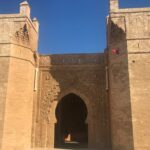
- Rabat: royal blue walls, UNESCO sites, and a seafront history lesson
- Meknes: Moulay Ismail’s grandeur and the feeling of a planned capital
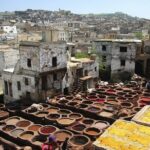
- Fez: the medieval maze where your guide does the heavy lifting
- Marrakesh: palaces, tombs, a major garden stop, and the souks
- Casablanca again: souks, cannons, and a calmer final day
- Hotels, private transport, and why the small details change the trip
- Price and value: what $1,510.47 is really paying for
- Who should book this train-based imperial cities tour?
- Should you book it? My take
- FAQ
- FAQ
- How long is the Morocco Imperial Cities Tour from Casablanca?
- What cities are included on this tour?
- Is this a private tour?
- Do you provide airport pickup and transfers?
- Is train travel included, and what class is used?
- Are meals included?
- What if I cancel?
Key highlights that matter on the ground
- First-class rail between cities keeps travel comfortable and cuts down on the stress of transfers
- A private, multilingual local guide means you get context, not just a checklist
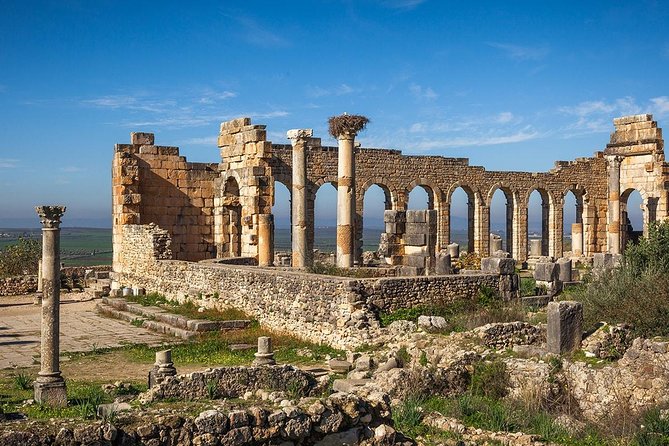
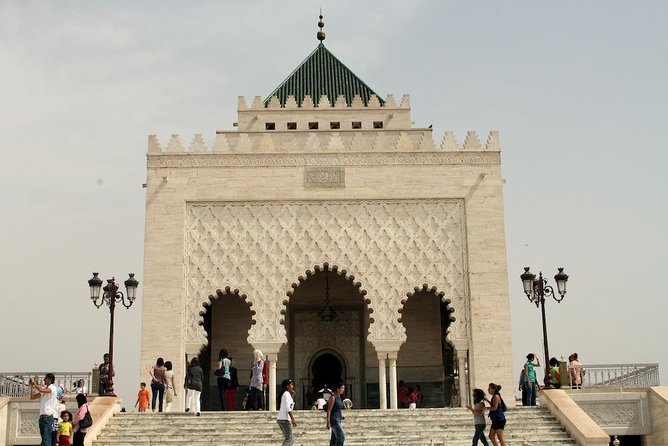
- Rabat’s UNESCO core includes Mohamed V Mausoleum, Hassan Tower, and Kasbah Oudaya
- Fez as the centerpiece: medieval streets plus the city’s early university legacy
- Marrakesh time with real stops like Bahia Palace, Saadian Tombs, Koutoubia, and the souks
First-class train travel from Casablanca: the slow, smarter start
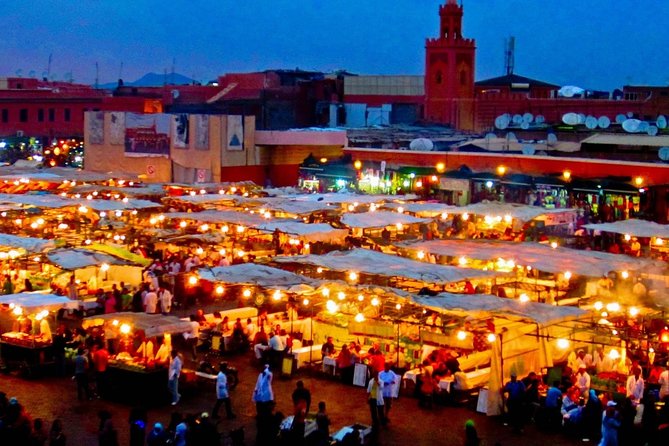
Starting in Casablanca is more than a logistical convenience. It sets the tone for how this trip works: you move between cities by train, then spend the day with a guide on the ground. That combination matters because Morocco’s highlights aren’t spread out evenly. Rail travel helps you avoid the constant rhythm of check-in, re-check-in, and long road transfers that can drain energy fast.
The tour’s idea of slow travel is practical: you get to relax during the journey and watch the countryside roll by without having to actively manage every minute. There’s also a stated sustainability angle—train travel is presented as having a lower carbon footprint than flying or long road hops.
For value, think of what you’re buying beyond the tickets. You’re paying for a private setup that includes multilingual local guidance and private vehicle service when you’re not on the rail. That’s the difference between seeing Morocco and understanding Morocco—especially in places like Fez, where “finding your way” isn’t the main challenge. The bigger challenge is understanding what you’re looking at.
One small planning note: while the tour includes breakfast and guided visits, it does not include all meals or drinks. So even if the transport and hotels are handled, your day-to-day budgeting is still part of the experience.
You can also read our reviews of more tours and experiences in Casablanca.
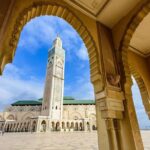
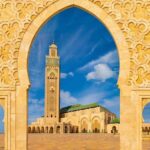
Rabat: royal blue walls, UNESCO sites, and a seafront history lesson
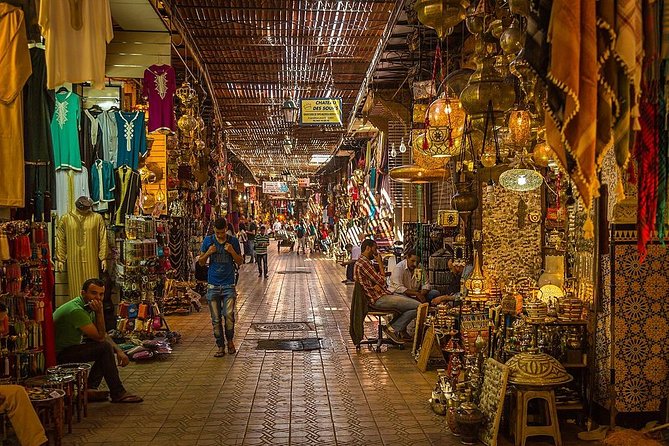
Rabat is often treated like a stop on the way to something more famous. Here, it gets the time it deserves. You’ll arrive and then head straight into a guided historical visit built around key landmarks that explain how Morocco’s modern capital grew out of older layers.
The standout trio is:
- Mohamed V Mausoleum, where family history and national identity meet in stone
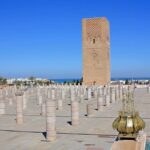
- Hassan Tower, the unfinished minaret that still feels powerful even without its completed form (the original founder died in 1199)
- Kasbah Oudaya, on the seafront, tied to a curious legend from European fiction: it’s noted as the place where Robinson Crusoe was locked up before escaping
Then there’s the look of Rabat itself. Even with only the landmarks in front of you, you can sense why the old city is described as a place where royal blues dominate the view. Those shades make the streets and lanes feel like a continuous landscape rather than a collection of monuments.
A practical tip: Rabat is a city where you’ll get more out of the day if you pace yourself. Don’t try to “tick off” every photo angle. Let the guide connect the dots between the mausoleum, the tower, and the kasbah, because the story is what makes the architecture feel like more than background.
Meknes: Moulay Ismail’s grandeur and the feeling of a planned capital
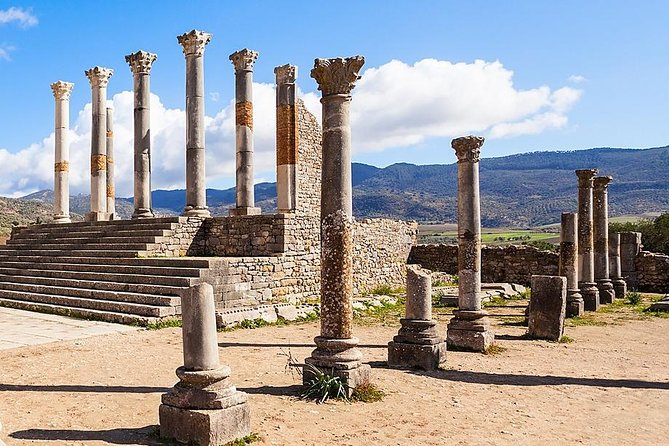
From Rabat you continue onward to Meknes, and you do get guided time here—focused on why this city mattered in Morocco’s political and architectural rise. Meknes is a 16th-century imperial capital strongly associated with Moulay Ismail, who’s described as modeling himself on France’s Sun King, Louis XIV.
That single comparison is useful because it frames what you’ll see. It’s not only about religious sites or scenic streets. It’s about the idea of power displayed through urban design and monumental ambition. Even if you’re not a hardcore history traveler, the connection helps you understand why Meknes feels structured and “intentional” compared with some other medina experiences.
What I like about including Meknes in this rail route is that it breaks up the trip. Casablanca to Rabat to Meknes gives you a gradual build: you go from the coast and the capital’s visible symbolism to a palace-minded city where the scale feels different. It’s also a good transition point before Fez, because it sets you up to appreciate what makes Fez distinct.
One drawback to keep in mind: the tour sequence can feel packed if you’re sensitive to back-to-back cities. Meknes is guided and then you move again, so plan for tired feet by the evening and consider doing slower browsing rather than trying to squeeze in every market street.
Fez: the medieval maze where your guide does the heavy lifting
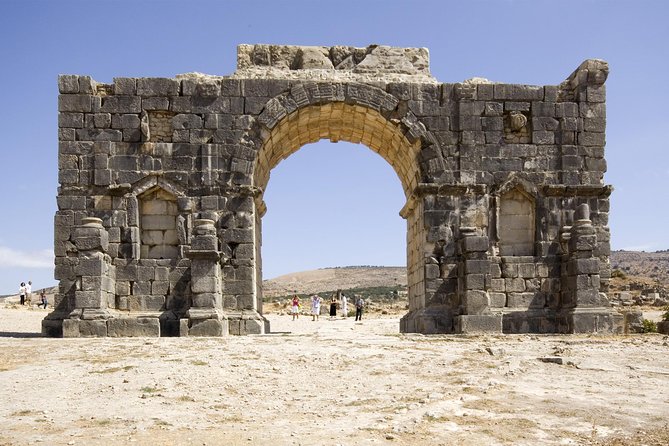
Fez is where the tour shifts from “see major sights” to “experience a functioning medieval city.” It’s also the oldest imperial city in this route, with the tour highlighting a world’s first university dating from the 9th century—an anchor detail that helps you interpret the density of learning, scholarship, and religious life you’ll encounter.
Fez also earns time because it isn’t meant to be a quick walk-through. The tour sets aside a full day for Fez, which is key. Without that breathing room, you’d either rush, get lost in the wrong ways, or miss the meaning behind the places.
What helps most here is that the guide isn’t just translating signs. They’re explaining the city’s spiritual geography and why Fez feels like a sanctuary. The tour framing emphasizes it as a sacred place connected with the city’s patron saint and the hospitality expected of visitors who arrive with respect.
You should also pay attention to the physical experience of Fez. The streets can be confusing even when you’re trying. But the goal isn’t to conquer the maze. It’s to walk slowly enough that you start recognizing patterns—where movement concentrates, where views open up, where people gather.
In the feedback you might find that Fez becomes the favorite for many couples and families on similar private routes. That makes sense. Fez is one of the few places where history and daily life still feel closely linked. You’re not only seeing “old stones.” You’re watching a living city hold onto older rhythms.
Marrakesh: palaces, tombs, a major garden stop, and the souks
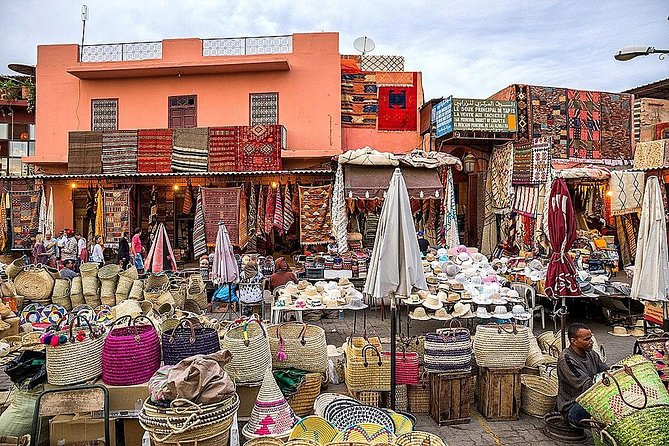
After Fez, Marrakesh lands like a change in volume. The tour includes time with a guide plus room to breathe. Marrakesh also has more optional choices, so you get flexibility depending on your mood—cultural sites one day, and markets or a slower evening the next.
The guided day focuses on high-impact monuments:
- Bahia Palace, described as a jewel of Arab-Andalusian architecture with 150 rooms, built for a favorite by vizir Ba Hmad
- Saadian Tombs, where you can feel the power of a dynasty through decoration and layout
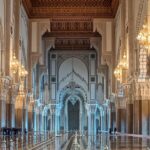
- Koutoubia, a landmark tied to the city’s skyline and religious architecture
- Majorelle Garden, listed as an add-on where the ticket is payable on the spot (€10)
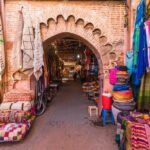
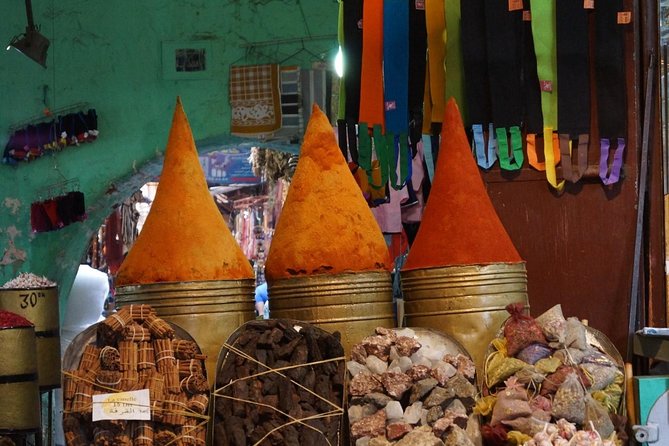
- The souks, where you’ll spend time with the kind of everyday commerce that makes Marrakesh feel real
I like Bahia Palace because it’s not simply “pretty rooms.” It’s an education in how Morocco’s elite used architecture as statement-making. Saadian Tombs also help you understand that Moroccan history isn’t one storyline—it’s layered across dynasties, tastes, and artistic approaches.
Majorelle Garden can be worth it, but it’s optional for a reason. If you’re trying to keep the budget tight, it’s easy to swap that visit for more time in the souks, or just enjoy slower café moments between bigger sites. But if you like color and garden design, that €10 ticket can feel like a fair trade for a visual reset.
About timing: the tour offers time at your disposal on arrival, and again during a day later with more free hours. Use that flexibility wisely. Marrakesh is the kind of city where you’ll enjoy the day more if you avoid turning every hour into an appointment.
If you want an evening add-on, the tour mentions an optional cabaret live show. If that’s your thing, plan it as an easy, low-effort night. If it’s not, the tour still gives you a chance to do shopping and relax.
Casablanca again: souks, cannons, and a calmer final day
Casablanca gets the closing act, and it’s a smart choice. You end where you started, which simplifies flights. More importantly, it lets you enjoy Casablanca on a less rushed schedule than a mid-trip stop often allows.
The tour calls out two Casablanca textures:
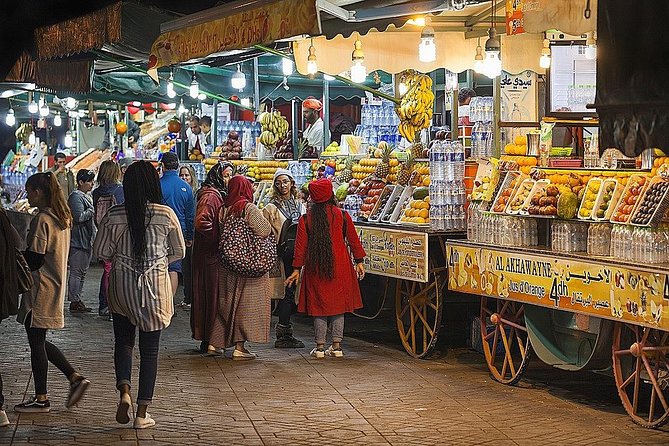
- Historic souks that sit next to more modern streets
- Weathered seawall cannons still lining the waterfront, a reminder that this is a port city with deep maritime history
On the free day, you’ll have options like shopping in the souks or just taking it easy at your hotel. If you’ve been walking all week, that’s not a luxury—it’s a recovery plan. Use it.
Then, on the final day, you transfer to Casablanca airport based on your departure time. This is exactly what you want after a multi-city rail trip: less uncertainty, fewer last-minute moves, and a clear end point.
Hotels, private transport, and why the small details change the trip
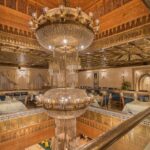
This tour includes 7 nights of accommodation split between 4-star hotels and “charming Riads.” That blend is often a highlight in Morocco, because you get variety in style: some nights feel more modern and convenient, while others feel like you’ve stepped into a smaller, more atmospheric world.
In the feedback I read, people praised how drivers and guides handled timing, flexibility, and comfort. One of the names that came up was Tahar, praised for humor and a genuine connection to local life. Another name that came up often was Mr. Ghali, who was described as flexible, always on time, and helpful when accommodation issues popped up. That kind of service matters more than you think. A private tour with a good driver can rescue your schedule if plans change due to practical reasons on the ground.
Still, there’s a balance to strike. The notes also point out that hotel quality could be improved. That doesn’t mean every stay will disappoint, but it is a consideration. If hotel ambiance is a top priority for you, you’ll want to go in with reasonable expectations and treat the riad nights as a bonus rather than a guarantee.
For transport, the tour provides a private vehicle (minivan or private car) when you’re not on the train. That’s what keeps days from turning into long waits at stations or unnecessary transfers.
Price and value: what $1,510.47 is really paying for
At $1,510.47 per person for roughly eight days, this is not a budget trip. But it’s also not paying for empty extras. You’re paying for:
- First-class train segments between the key cities
- Private guide service in the places that require context (especially Fez and Marrakesh)
- Private transportation off the rail network
- 7 nights in 4-star hotels and Riads
- Breakfast for 7 days
- Private airport transfers in Casablanca
When I evaluate value, I ask one question: would you pay more for the same route if you tried to piece it together yourself? In many countries, once you account for guides, transfers, and train upgrades, the “DIY” option can quietly become more expensive—or at least more complicated.
So for this price, the best value is for people who want Morocco’s imperial cities but don’t want to manage the logistics. If you’re a solo backpacker who enjoys figuring everything out alone, this setup may feel pricey for the amount of guidance you receive. But for couples, families, and anyone who likes a smooth path through major cities, it’s the kind of pricing that often makes sense.
Just remember the one consistent cost warning: food and drinks aren’t included. Also, some attractions have entry fees listed separately (Majorelle Garden is specifically mentioned). If you’re traveling with a strict daily budget, those extras can change the final total.
Who should book this train-based imperial cities tour?
This tour fits best if you:
- Want to see Rabat, Fez, Meknes, and Marrakesh as a coherent story
- Prefer private guidance over joining group tours
- Like the idea of rail travel as part of the experience, not just a transfer method
- Value a mix of hotel comfort and riad character
- Would rather manage fewer logistics than plan trains, timing, and guiding yourself
It might be less ideal if you:
- Have a very tight budget for daily meals and optional paid sights
- Want a slow pace that allows extra detours on every day
- Hate being in a schedule where the route moves between cities every few days
Should you book it? My take
If you want the imperial cities with less friction—rail between cities, private guide on the ground, and a clear end in Casablanca—this tour makes a lot of sense. The strongest part is the structure: it gives enough time where it counts (especially Fez and Marrakesh) while still keeping the travel days manageable with first-class trains.
I’d book it if your top goal is to understand Morocco’s big historic cities without turning every day into navigation stress. I’d think twice if your budget depends on having meals fully included and you’re allergic to adding tickets like Majorelle Garden.
FAQ
FAQ
How long is the Morocco Imperial Cities Tour from Casablanca?
The tour runs for 8 days (about 7 nights), with the itinerary beginning in Casablanca and ending back in Casablanca.
What cities are included on this tour?
The tour includes Casablanca, Rabat, Meknes, Fez, and Marrakesh.
Is this a private tour?
Yes. It’s a private tour/activity, and only your group participates.
Do you provide airport pickup and transfers?
Yes. Private airport transfers are included, and the tour starts at Mohamed V Airport in Casablanca.
Is train travel included, and what class is used?
Yes. The tour includes first-class train travel between cities.
Are meals included?
Breakfast is included for 7 days. Food and drinks are not included unless specified.
What if I cancel?
This experience is non-refundable and cannot be changed for any reason. If you cancel or request an amendment, the amount paid is not refunded.