REVIEW · CASABLANCA
Morocco 10 Days Tour from Casablanca
Book on Viator →Operated by Tilila Travel · Bookable on Viator
Ten days, Morocco in fast real color. This Casablanca-to-Casablanca route strings together blue-medina charm and the Sahara at sunrise with guides and drivers handling the heavy lifting. I like that it keeps you moving through real places, not just photo stops.
Two things I really love: the early, guided-feeling time in Fes and Marrakech (walking the medina lanes with a local guide), and the desert camp rhythm in Merzouga with Saharan music and a dune sunrise. One drawback to plan for: this is a tour built around driving days—long road stretches are part of the deal, and lunches aren’t included.
If you’re okay with a packed itinerary and you like variety—coast-to-mountains-to-desert—this trip makes a strong first Morocco impression without skipping the classics.
In This Review
- Key things that make this Morocco tour work
- Casablanca arrival: easy start, real Morocco pace
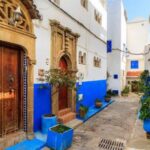
- Rabat’s royal sights, then straight to Chefchaouen’s blue medina
- Chefchaouen morning freedom, then the long drive to Fez
- Fez medina walk: Mellah, tanneries, and Al Qaraouine University
- Middle Atlas to Merzouga: Ifrane, cedar forest monkeys, and dunes
- Merzouga sunrise and Todra Gorge: desert magic, then canyon feet
- Dades to Ouarzazate to Marrakech: thousand kasbahs and rosewater pauses
- Marrakech with local guidance: gardens, palaces, towers, tombs, souks
- Free day in Marrakech: use it for a hammam or a shore-to-water day trip
- Last day transfer: back to Casablanca or out via Marrakech airport
- Price and value: what the $1,975.23 buys you in real terms
- Should you book this Casablanca-to-Casablanca Morocco tour?
- FAQ
- Where does the tour start and where does it end?
- How many people are in the group?
- Are airport pickups included?
- What meals and guides are included?
- Is lunch included?
- Can I cancel and get a full refund?
Key things that make this Morocco tour work
- Small-group feel (max 8) plus practical pickup from Mohamed V airport in Casablanca
- Chefchaouen early access so you can walk the blue alleys before the day gets busy
- Fes on foot with a real local guide covering medina highlights like the Mellah and Al Qaraouine University
- Merzouga sunrise and traditional Berber camp dinner with Saharan music and time on the dunes
- High Atlas and pass crossing via Tizi n’Tichka (2260 m) on the way to Marrakech
- Marrakech guided highlights like Majorelle Gardens, Koutoubia Tower, Saadian tombs, and Bahia Palace
Casablanca arrival: easy start, real Morocco pace
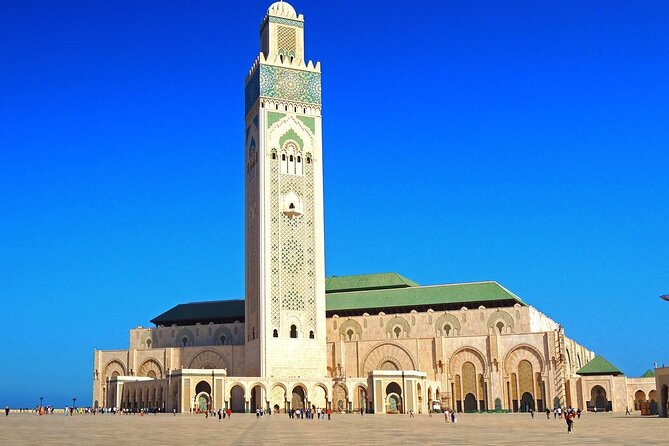
You land at Mohamed V airport in Casablanca, then you’re met by your driver/guide and taken to your hotel. That first handoff matters. It helps you start Morocco without wasting your energy on finding transport or negotiating your way through the city.
One practical detail I appreciate from past guests: when timing goes sideways—like baggage delays—the driver can wait. In one case, Youssef was reported to have stayed patiently for an extra couple of hours after an airport delay. That kind of calm start can make the whole week feel smoother.
Expect Day 1 to be mostly settling in. You’re not being asked to sprint through Casablanca. You get breathing room, then the tour starts building momentum.
You can also read our reviews of more tours and experiences in Casablanca.
Rabat’s royal sights, then straight to Chefchaouen’s blue medina
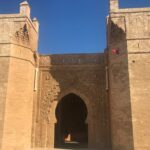
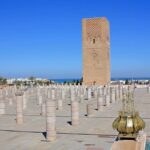
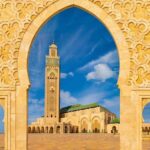
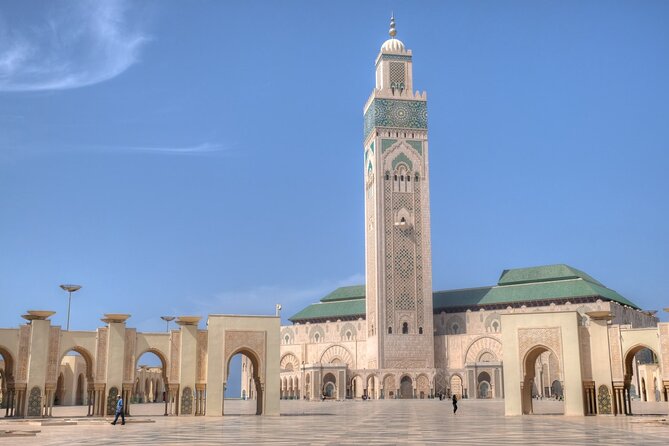
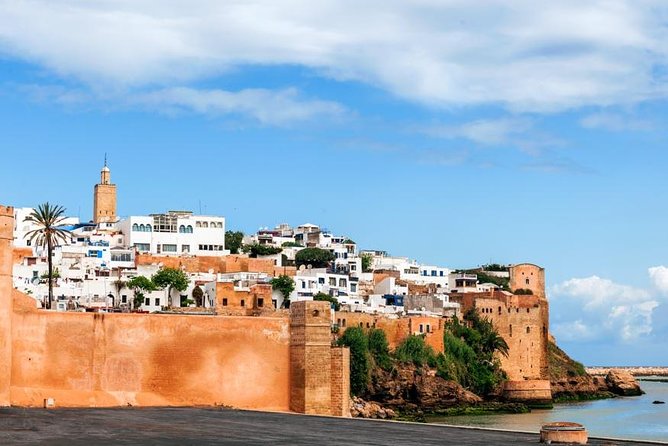
On the Rabat day, you begin with Hassan II Mosque in Casablanca—then shift to Morocco’s capital for a strong dose of royal history. Rabat stops include Bab Challah, the Mausoleum of Mohammed V, key palace-gate views, and the Oudaya Kasbah. It’s a good pairing: Morocco’s coast energy first, then the quieter grandeur of Rabat.
After lunch, the trip turns north-west toward Chefchaouen. The best move here is timing. You’ll arrive early enough to walk the blue alleys of the medina, take photos, and eat local food before the day wears on. Chefchaouen is famous for its faded-blue tones across older buildings, and that morning light helps.
If you’re sensitive to crowds, Chefchaouen early is a smart advantage. If you like people watching, it still works because you’re not stuck in the slow middle of the day.
Chefchaouen morning freedom, then the long drive to Fez
Day 3 is basically Chefchaouen time again, with free time in the morning. You can linger at Outa el Hammam, where the casbah rises with those red walls and fortress feel. The Great Mosque area is also nearby, including the octagonal minaret you’ll see rising above the old town.
You also get a sense of how the town works on a human scale: weaving and leather workshops line the steep cobbled lanes, and it’s easy to pick up small crafts without a big performance.
Then you transition to Fez after lunch. The travel time is part of the rhythm here. You’re trading “relax all day” for “see more Morocco in fewer days,” and the payoff is that Fez doesn’t feel like a random stop. It feels like a major step.
Fez medina walk: Mellah, tanneries, and Al Qaraouine University
Fez is the type of place that’s worth doing with a guide. The tour is set up for that: you start after breakfast in your riad and then explore the oldest city in Morocco on foot.
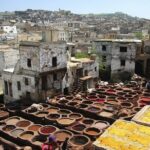
Your route hits major medina landmarks: the Royal Palace gate, the Jewish quarter, and the Mellah (noted as the first one built in Morocco, dating to the 14th century). You also visit the Al Qaraouine University area (described as the oldest university in the world), the tanneries, and the Moulay Idriss mausoleum.
You’re also included for a tiles cooperative visit, then you finish with a panoramic view over the whole Medina of Fes. That view is important. Fez can feel like a maze until you get a sense of how all the lanes connect.
A quick consideration: the medina walks mean you’ll want comfortable shoes and a flexible pace. It’s not hard-core hiking, but it is steady walking through narrow streets.
Middle Atlas to Merzouga: Ifrane, cedar forest monkeys, and dunes
Day 5 is where Morocco changes gear. You depart early from Fez and start ascending with stops along the way.
You pass through Ifrane, a winter ski resort with a French-era village vibe from the 1930s—people often find it strangely non-Moroccan at first glance, in a fun way. Then you visit the cedars forest in Azrou, where you can see monkeys.
As you cross the Middle Atlas Mountains, you’ll be winding through forests, springs, rock faces, and Berber villages. The tour also includes a lunch stop in Midelt, a town noted for fossils and rocks.
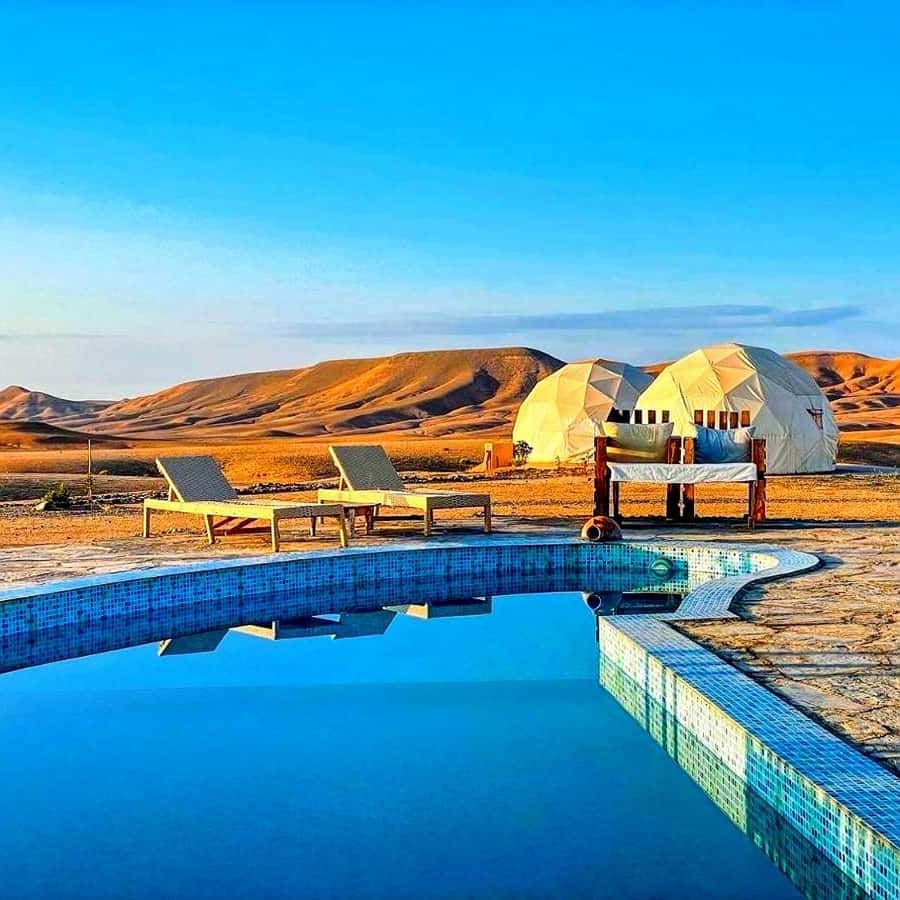
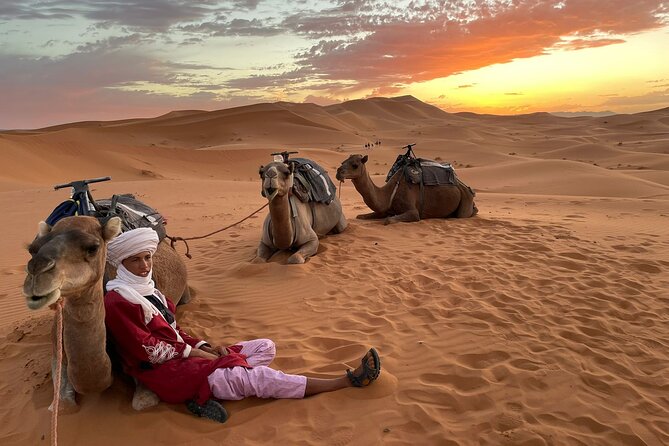
Then the road keeps pushing toward the Sahara. You reach Merzouga in the afternoon, check in, and enjoy dinner with Saharan music at a traditional Berber camp for the night.
This is one of the tour’s best value moments. The day gives you both travel scenery and payoff. You don’t just appear at the desert; you build up to it.
Merzouga sunrise and Todra Gorge: desert magic, then canyon feet
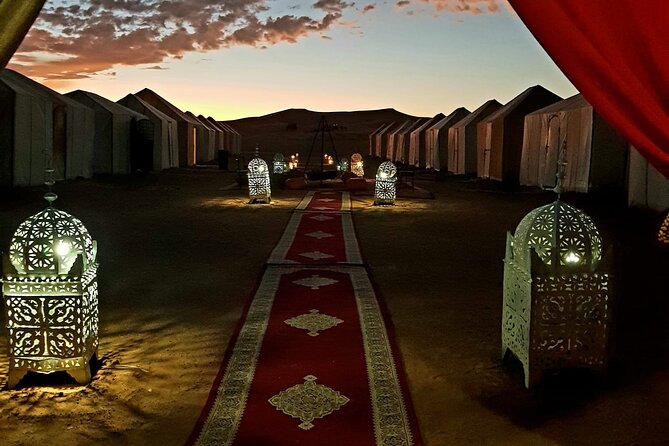
Day 6 starts early for a sunrise over the dunes. It’s one of those experiences where the timing is everything. After the morning on the dunes, you head back for breakfast, a shower, and time to reset.
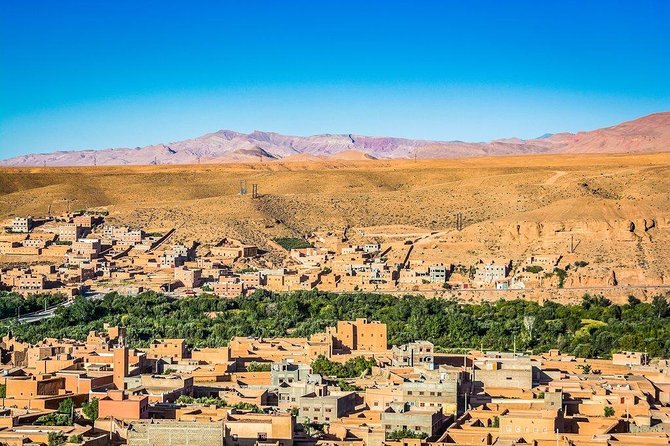
Then you continue to Gargantas del Todra (Todra Gorge). You’ll stop at the Rissani market and cross palm-lined valleys of Touroug and Tinjadad before arriving at the gorge. You’ll take a walk in the Todra Gorges and have lunch in a local restaurant.
After that comes Boumalne Dades for accommodation. Dades Canyon area has that layered look—valleys, ridges, and road views that keep opening up as you drive.
One practical note: the only clear meal detail marked as not included is lunch. So build your budget around lunches while dinners and breakfasts are covered by the tour.
Dades to Ouarzazate to Marrakech: thousand kasbahs and rosewater pauses
Day 7 is a classic Morocco road trip day—Dades Valley first, then toward Marrakech with a few cinematic stops.
The route is called the way of the thousand Kasbahs, and you’ll get plenty of chances for photos as you pass kasbah clusters and valley turns. You stop at Kalaat M’Gouna, center of rose’s valley. Here you can visit a rose cooperative, buy rosewater, and enjoy how rose products smell long after you leave.
Then you move toward Ait Ben Haddou Kasbah, described as built by Et Hami El Glaoui. It’s an important stop on the way to Marrakech because it shows how these fort-style communities were built to last.
From there, you cross the High Atlas Mountains via Tizi n’Tichka Pass at 2260 m. On the Marrakech approach, you also stop for a chance to see argan oil production by Berber women in their cooperative. That’s a nice add-on because it’s practical—this is one of Morocco’s real products, not just another souvenir stop.
Marrakech with local guidance: gardens, palaces, towers, tombs, souks
Marrakech starts with guided highlights. After breakfast in your riad, you move through the major cultural sites with structure, not just wander-and-hope.
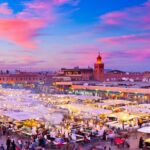
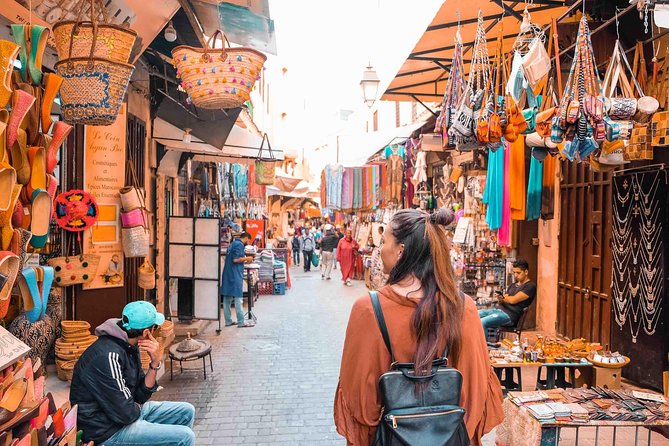
Stops include Majorelle Gardens, Koutoubia Tower, Saadian tombs, and Bahia Palace. Then there’s lunch at a restaurant near the square (your broader tour notes say lunch isn’t included overall, so treat meals as flexible unless your booking confirms differently). After lunch, you walk through the souks for handicraft browsing and city energy.
In the afternoon, you get free time to wonder on your own. That balance is key. A city like Marrakech can feel overwhelming when you’re always “with the group.” Here, you’re given a slot to absorb it at your own pace.
If you like markets, this is a good way to do them: see the big sights first, then let the souks feel like the payoff.
Free day in Marrakech: use it for a hammam or a shore-to-water day trip
Day 9 is your flexibility day. You can relax in Marrakech or choose extra sightseeing. The tour mentions options like hammam, massage, and spa, plus exploring suburbs.
It also points toward nearby day trip ideas such as Essaouira and Ouzoud Waterfalls (mentioned as nearest amazing places to explore). The important thing is that your schedule isn’t locked. If you want a slower day after two desert-heavy days, this is where you cash that in.
For planning: if you hate rushing, keep this day light. If you’re a “see everything” person, you’ll have plenty of chances to do that too.
Last day transfer: back to Casablanca or out via Marrakech airport
On Day 10, you transfer to the airport of Marrakech or Casablanca after breakfast. That flexibility helps if your flight plans vary. It also reduces stress at the end—no last-minute scramble to get to the “right” city.
And yes, the tour notes that the itinerary can be modified as you like. That matters if you want to shift timing around your flight schedule.
Price and value: what the $1,975.23 buys you in real terms
At $1,975.23 per person for a roughly 10-day loop, you’re paying for three big buckets: transport, on-the-ground guides, and the desert experience.
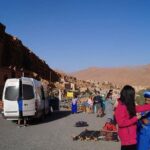
First, the transport is constant. You cover major distances across Morocco, including mountainous drives and desert approach days. A modern van with an English-speaking driver is specifically mentioned in traveler feedback, and the group size caps at 8, which usually means less friction.
Second, you’re not going solo into the most complicated parts. The tour includes local guide support in Fes and Marrakech, where navigating medinas without help can feel like work instead of a trip.
Third, the desert camp experience isn’t just a marketing photo. You get a sunrise time window over the dunes plus a traditional Berber camp night with dinner and Saharan music. That’s a high-fee activity in most Morocco schedules, and here it’s built into the itinerary.
One thing to sanity-check: lunches aren’t included, so add a modest daily lunch budget. Also, because many stops list admissions as free, it can feel like a smoother day financially—but still confirm expectations if you’re picky about ticket inclusions.
Overall, the value feels strongest if you want structure. If you already know Morocco well and you prefer full DIY travel, you may not “need” this level of coordination.
Should you book this Casablanca-to-Casablanca Morocco tour?
I’d book it if you want an honest Morocco sampler: Chefchaouen blue streets, Fez medina depth, Merzouga desert sunrise, Todra canyon walking, and Marrakech guided highlights, all on one route. It’s also a good match if you like small groups and you want the option for flexibility in Marrakech.
Don’t book if you hate long driving days or you want unstructured downtime every day. This trip moves, a lot. You’ll be trading slow mornings for big scenery, especially through the Middle Atlas and High Atlas.
A final nudge: if you can, book with confidence because free cancellation is offered up to 24 hours before the start time. That gives you breathing room while you line up flights and hotel preferences.
FAQ
Where does the tour start and where does it end?
The tour starts with pickup at Mohamed V airport in Casablanca on Day 1 and ends with a transfer to the airport of Marrakech or Casablanca after breakfast on Day 10.
How many people are in the group?
The tour has a maximum of 8 travelers.
Are airport pickups included?
Yes. You’re welcomed by your driver/guide at Mohamed V airport in Casablanca and taken to your hotel on Day 1, and you also get transfers at the start and end of the trip.
What meals and guides are included?
Breakfast is included for 9 days, and dinner is included for 2 days. Local guides are included in Marrakech and Fez.
Is lunch included?
No. Lunch is listed as not included.
Can I cancel and get a full refund?
Yes. You can cancel up to 24 hours in advance for a full refund. If you cancel less than 24 hours before the start time, the amount paid is not refunded.