REVIEW · CHEFCHAOUEN
Moroccan Cooking Class with a Local Family & Market Visit
Book on Viator →Operated by Enchanting Chefchaouen Tours with a Local Guide · Bookable on Viator
A kitchen lesson in blue-city Chefchaouen feels personal. This Moroccan Cooking Class with a Local Family & Market Visit pairs a short market stop with hands-on Amazigh cooking in a 300-year-old house, then ends with tea, cookies, and real talk around the table. I like how market-to-meal is built into the schedule, and I also like that the instruction is guided by a local teacher and family rhythm, not a generic show.
The two things I’d highlight first are the small group size (max 5 travelers) and the fact that you’re learning methods, not just recipes. In particular, Murad typically greets you and stays part of the experience, while Zohra leads the cooking and makes sure you know the steps clearly at the end.
One consideration: it’s weather-dependent, and it doesn’t include private transportation. If you don’t want to think about timing or getting to the meeting point, plan your logistics carefully.
In This Review
- Key things to know before you go
- Chefchaouen’s cooking class feels like dinner with locals, not a performance
- The market visit: your shopping list becomes your cooking lesson
- Prepping in a 300-year-old house: where technique shows up
- Couscous or tagine: what you’ll cook and why those dishes matter
- Plating and presenting: eating starts before the first fork
- Tea, cookies, and Q&A: how the culture part actually works
- Dinner inclusions and what’s not included (so there are no surprises)
- Price and value in Chefchaouen: when $49 makes sense
- Group size, pickup, and timing: the small stuff that changes your day
- Weather matters: what to do when Chefchaouen gets moody
- Who this cooking class is best for
- Should you book this Moroccan Cooking Class with a Local Family?
- FAQ
- How long is the Moroccan cooking class in Chefchaouen?
- What does the class include for food and drinks?
- Are pickup services available?
- What dishes will you learn to cook?
- Is alcohol included?
- How large is the group?
- What happens if the weather is poor?
- What is the cancellation policy?
Key things to know before you go
- Market visit included so you see what locals buy before you cook
- Amazigh techniques taught by a local family, not a script
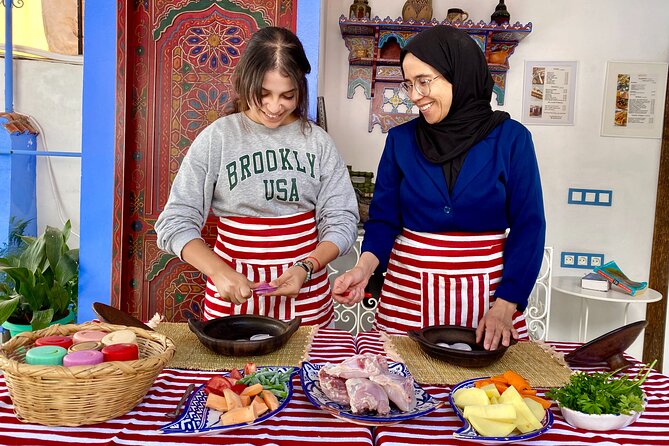
- Hands-on cooking for couscous or tajine (vegetables or chicken)
- Small group capped at 5 travelers for more attention
- 300-year-old house setting adds atmosphere without turning it into a museum
- Tea, cookies, and Q&A help the meal feel like a real conversation
Chefchaouen’s cooking class feels like dinner with locals, not a performance
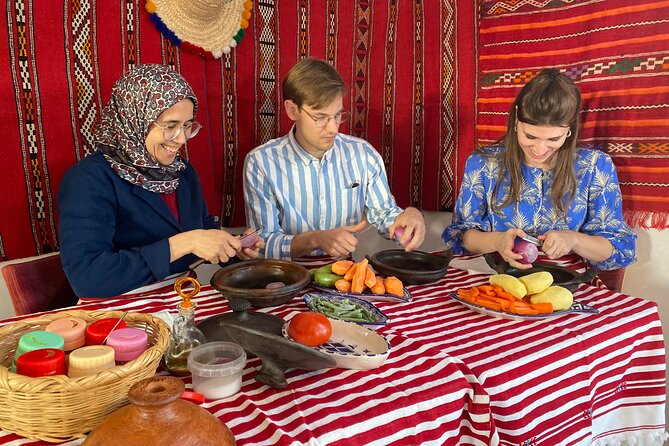
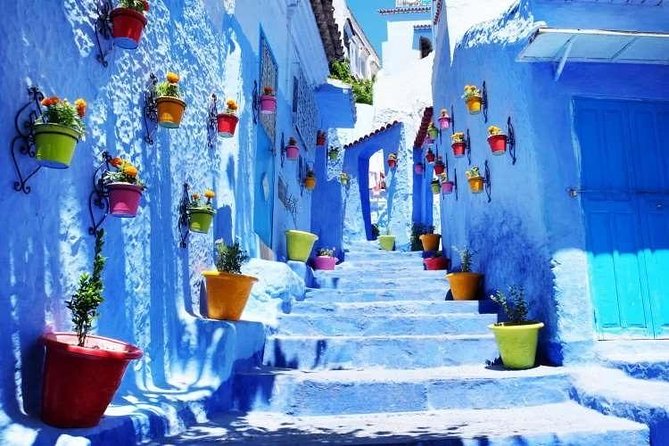
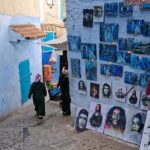
Chefchaouen has a reputation for being photogenic, and this class does make room for photos. But the point isn’t just pictures. The point is the slow, practical stuff: choosing ingredients, prepping them the right way, and learning how Moroccan flavors come together through technique.
The setup matters. You start with a quick intro to Moroccan cuisine, then you head to the market. After that, you do prep, cook together, plate and present what you made, and finally eat with tea and cookies. That structure keeps the class moving, but it still gives you time to taste, ask questions, and understand why certain dishes work the way they do.
This is also a solid option if you care about Amazigh influence in Moroccan food. The experience emphasizes those inherited techniques passed down through generations, which is exactly the kind of cultural context you want when you’re eating something new.
You can also read our reviews of more tours and experiences in Chefchaouen.


The market visit: your shopping list becomes your cooking lesson
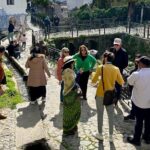
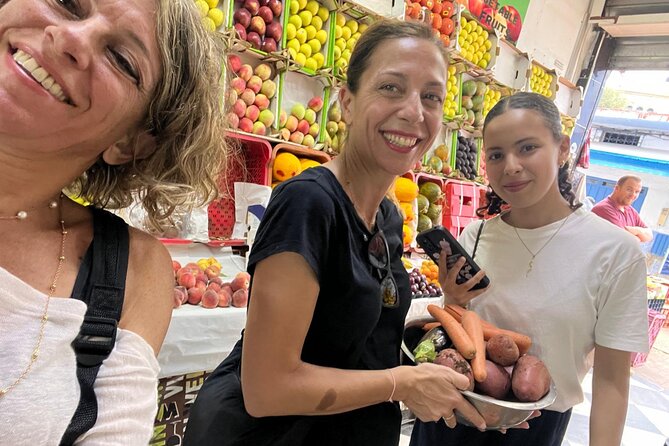
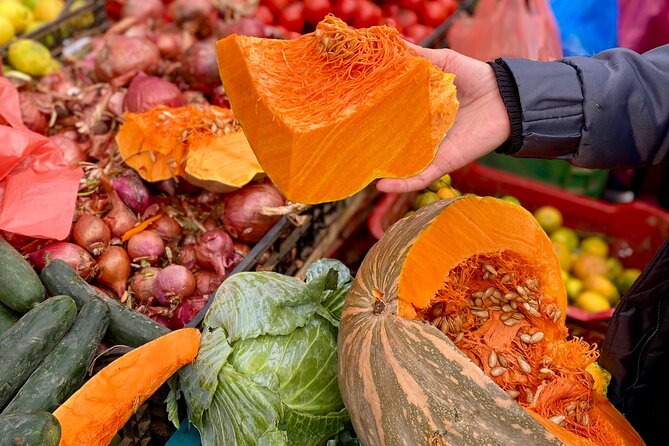
Your market time is built in (about 30 minutes), and it’s not a long walk with vague explanations. The idea is simple: you pick fresh ingredients, then you cook with the same items you selected.
Why that’s valuable: Moroccan cooking often starts with ingredient choices. Spices, fresh produce, and how ingredients are handled can change the final result more than you’d think. If you’ve ever wondered why a tagine tastes like tagine even when you have the same recipe at home, ingredient quality and prep habits are a big part of the answer.
Also, the market stop helps you get oriented in Chefchaouen. Even if you only have one or two free windows in the blue city, this gives you a local pattern to follow: see what’s available, talk with the family, and connect food to daily life.
Logistically, keep in mind this is a short time slot. You’ll want comfortable shoes and a small bag you can manage while shopping and prepping.
Prepping in a 300-year-old house: where technique shows up
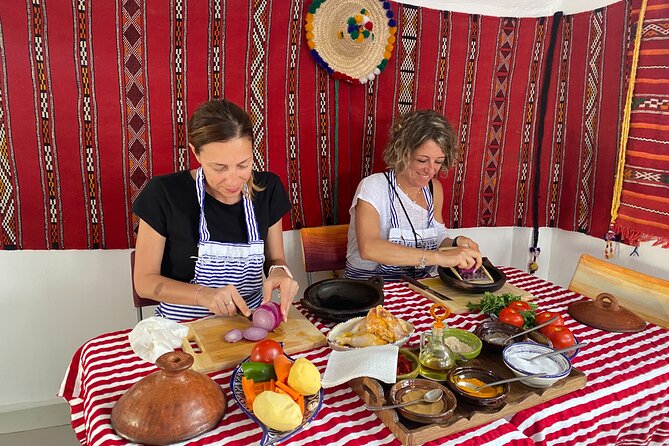
After the market, you move into cooking prep (about 20 minutes). This part is where the class becomes more than eating dinner with good company. You’re learning how ingredients are handled before heat ever hits the pan.
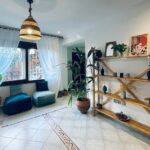
The location is a 300-year-old house, and that matters more than it sounds. Older homes often mean real working space, not staged studio space. Expect the kind of setting where you can feel how families actually cook and move around each other.
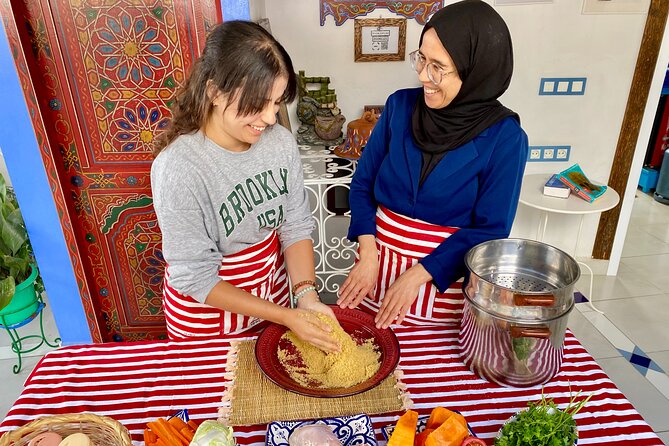
This is also where the Amazigh angle becomes practical. Instead of just naming flavors, the teaching focuses on steps. And from the way the instruction is described by participants, the approach is step-by-step and organized, with time at the end to make sure you remember what you did.
One detail I appreciate: you don’t just stand there. You’re meant to participate. That’s where people tend to leave with the confidence to cook something similar at home.
Couscous or tagine: what you’ll cook and why those dishes matter
You’ll cook traditional Moroccan food, with options centered on couscous or tajine (vegetables or chicken). Both are Moroccan staples, but they teach different lessons.
- Couscous is about timing and texture. You learn how the dish is assembled and how steam-and-seasoning style cooking affects the final plate.
- Tajine is about building flavor in stages. Whether it’s vegetables or chicken, the focus is on how ingredients work together and how you present the finished dish.
In past sessions, people have specifically mentioned making couscous with zaalouk, and also making chicken tagine alongside a traditional eggplant dish. That’s useful context for you: you’re not only learning a single “one-note” recipe. You get to practice combinations that show how Moroccan cuisine uses vegetables and herbs to carry flavor.
The class timing is also well-paced: about 1 hour of hands-on cooking. It’s long enough for real participation, but short enough that the experience stays focused. You’re not spending half a day getting to the first bite.
Plating and presenting: eating starts before the first fork
Plating takes about 15 minutes. This is a small block of time, but it’s one of the clever parts of the class. It turns the session from a kitchen activity into a full meal experience.
Moroccan food is meant to be shared. Presentation influences how you eat, how you serve, and how you judge flavors together. If you’ve only ever eaten Moroccan dishes out, you might not realize how much the look and setup affect the experience.
Participants have also highlighted that hosts and teachers walk people through steps carefully and make sure they understand what they did. That same attention shows up here: it’s not a slapstick photo moment. It’s a quick lesson in how to present what you cooked.


Tea, cookies, and Q&A: how the culture part actually works
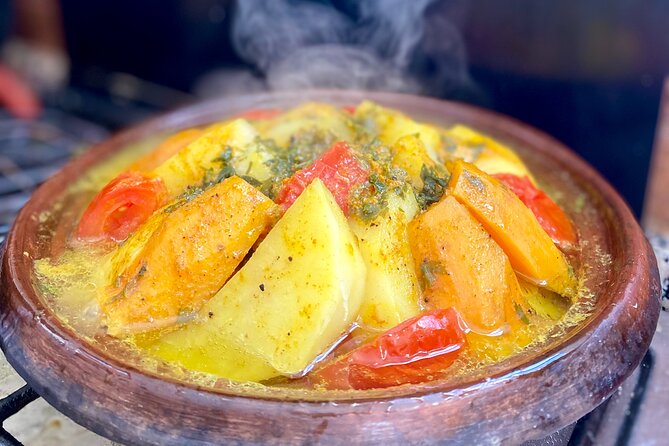
After cooking and plating, you taste what you made (about 25 minutes), and that’s paired with culture discussion. You also get Moroccan tea and cookies as part of the experience.
This is the part I’d call the emotional payoff. Food teaches quickly, but conversation makes it stick. You get a chance to ask questions and learn how the family thinks about ingredients, meals, and everyday life in Chefchaouen.
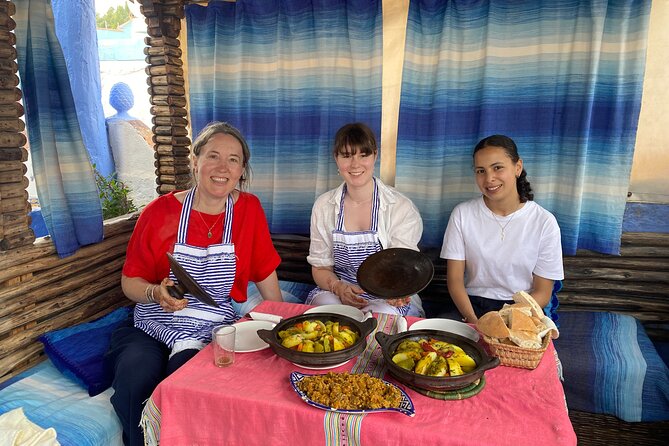
And yes, there’s time for photos and Q&A. The photos won’t replace the meal, but they do capture the best parts: you cooking with the family, plates coming out, and the moment you finally sit down.
Dinner inclusions and what’s not included (so there are no surprises)
This class includes:
- Dinner
- Coffee and/or tea
- Bottled water
It does not include:
- Private transportation
- Alcoholic beverages
That’s a key value point. At $49 per person for roughly 3 hours, you’re paying for instruction, the market stop, the cooking time, and the meal. You’re not also paying a separate restaurant bill. For many people, that makes it a straightforward deal compared to paying for a meal plus an activity.
But if you’re counting on your own custom schedule, don’t assume transportation is covered. You’ll want to plan how you’ll get to the meeting area, especially since the tour notes it’s near public transportation.
Price and value in Chefchaouen: when $49 makes sense
Let’s talk value honestly. $49 isn’t a bargain if you only want a casual snack and a quick photo. It is a strong value if you want a real Moroccan cooking experience with market time and real instruction.
Here’s why the value holds:
- You get a full dinner plus tea/coffee and water
- The market visit turns the experience into learning, not just eating
- The class is capped at max 5 travelers, which usually means more personal attention
- The setting is in a 300-year-old house, which adds real character to the session
It’s also booked about 7 days in advance on average. That tells you something practical: this isn’t the kind of thing you want to toss in as an afterthought. If Chefchaouen is a major stop for your trip, lock in a date sooner rather than later.
Group size, pickup, and timing: the small stuff that changes your day
The experience runs about 3 hours. That’s a good length in a place like Chefchaouen, where mornings can be for exploring and evenings can turn into a mix of viewpoints, shopping, and winding down.
A few logistics points to keep your day smooth:
- Pickup is offered, which is helpful if you don’t want to navigate right before cooking.
- It’s near public transportation, so even without pickup, you should have options.
- You’ll receive a mobile ticket.
- The class maxes at 5 travelers, so it’s intimate and typically more interactive.
If you hate arriving late to shared activities, set an earlier buffer. With a market stop and prep, a late start can compress the cooking time in ways you’ll feel at the table.
Weather matters: what to do when Chefchaouen gets moody
This experience requires good weather. If it’s canceled due to poor weather, you’re offered a different date or a full refund.
That’s worth taking seriously because market time and group movement can be affected. If you’re booking on a day that looks sketchy, keep your schedule flexible so you can accept a different date if needed.
Who this cooking class is best for
This is a great fit if you:
- Want a hands-on Chefchaouen activity instead of another sightseeing loop
- Care about where food comes from, including Amazigh technique
- Like small groups and direct teaching
- Want dinner that doubles as cultural learning
It’s also a good choice if you’re traveling with a family member who enjoys cooking, since the class is designed to be participatory rather than passive.
If you’re the type who only wants a quick, low-effort attraction and nothing else, you might find this more structured than you expect. But if you like learning step-by-step, it’s a good match.
Should you book this Moroccan Cooking Class with a Local Family?
I’d book it if you want your Chefchaouen day to end with more than memories. This class gives you a meal you made, a market visit you can connect to the food, and a family-led explanation that makes the cooking feel personal.
I’d skip it or think twice if:
- You can’t handle the idea of weather affecting plans
- You don’t want to coordinate getting to the meeting area (since private transportation isn’t included)
- You’re not interested in learning steps and just want a casual experience
If you do book, come hungry and ready to participate. You’ll leave with clearer ideas about how Moroccan dishes are built, not just what they taste like.
FAQ
How long is the Moroccan cooking class in Chefchaouen?
The experience lasts about 3 hours.
What does the class include for food and drinks?
Dinner is included, along with coffee and/or tea and bottled water.
Are pickup services available?
Pickup is offered.
What dishes will you learn to cook?
The class focuses on traditional Moroccan cooking, such as couscous or tajine, with options that can be vegetables or chicken.
Is alcohol included?
No. Alcoholic beverages are not included.
How large is the group?
The experience has a maximum of 5 travelers.
What happens if the weather is poor?
The experience requires good weather. If it’s canceled due to poor weather, you’ll be offered a different date or a full refund.
What is the cancellation policy?
You can cancel for a full refund up to 24 hours before the experience starts. If you cancel less than 24 hours before, the amount paid is not refunded.