REVIEW · MARRAKESH
From Marrakech: Atlas Mountains Summit Trek
Book on GetYourGuide →Operated by Morocco Treasure · Bookable on GetYourGuide
A 2,500m summit hike from Marrakech is a switch-up. I like the quiet grind up into Toubkal National Park, and I like the payoff: a picnic with panoramic views that stretches toward Mount Toubkal. The one thing to plan for is that the route is consistently uphill and conditions can change fast.
You’ll start with a morning pickup in Marrakesh, then trade city noise for mountain air in about 1.5 hours. Guides like Hamid, Ibrahim, and Hasaan are repeatedly praised for pacing, clear explanations, and adjusting the plan when the group needs it.
If you’re expecting an easy stroll, don’t book. This is a real day hike, and it can be demanding on uneven ground (and on rainy or snowy days).
In This Review
- Key moments that make this trip work
- Morning Pickup In Marrakech: Simple start, real mountain time
- Imlil to Isk Summit: What the trek feels like in Toubkal National Park
- Summit picnic: turning altitude into a memorable meal
- Tidli Plateau descent: different trail, less repeat-work
- Women’s argan cooperative stop: tea, oil tasting, and real process
- The guides: pacing, culture talk, and last-mile kindness
- Transportation and timing: why the schedule feels comfortable
- Price at $69: what you’re really getting for your money
- What to pack for Isk: small items that save your day
- Who should book this Atlas summit trek—and who shouldn’t
- Should you book the Marrakech to Isk summit trek?
- FAQ
- What time is pickup in Marrakech?
- How long is the drive from Marrakech to Imlil?
- Where do you hike from and what summit do you reach?
- What’s included for food during the day?
- Is there an argan cooperative visit?
- What should I bring for the hike?
Key moments that make this trip work
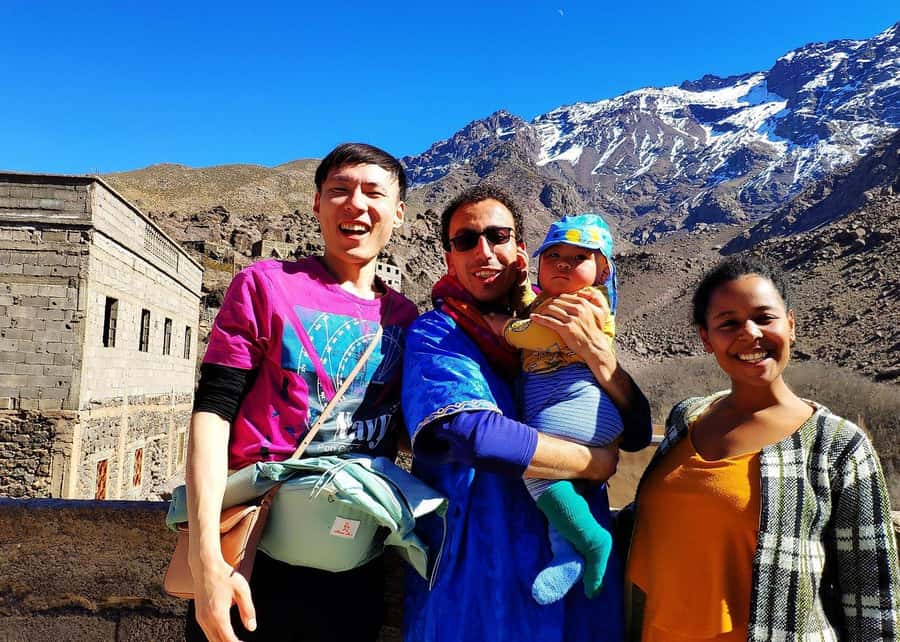
- Toubkal National Park trekking from Imlil (1,740m) up to Isk (2,500m)
- Summit/plateau picnic timed for the best views you can actually see
- Tidli Plateau descent on a different trail so the day doesn’t feel like backtracking
- Women’s argan cooperative stop with French mint tea and argan oil tasting
- Small-group energy and guide flexibility, with people like Hamid and Ibrahim often adjusting pace and route
Morning Pickup In Marrakech: Simple start, real mountain time
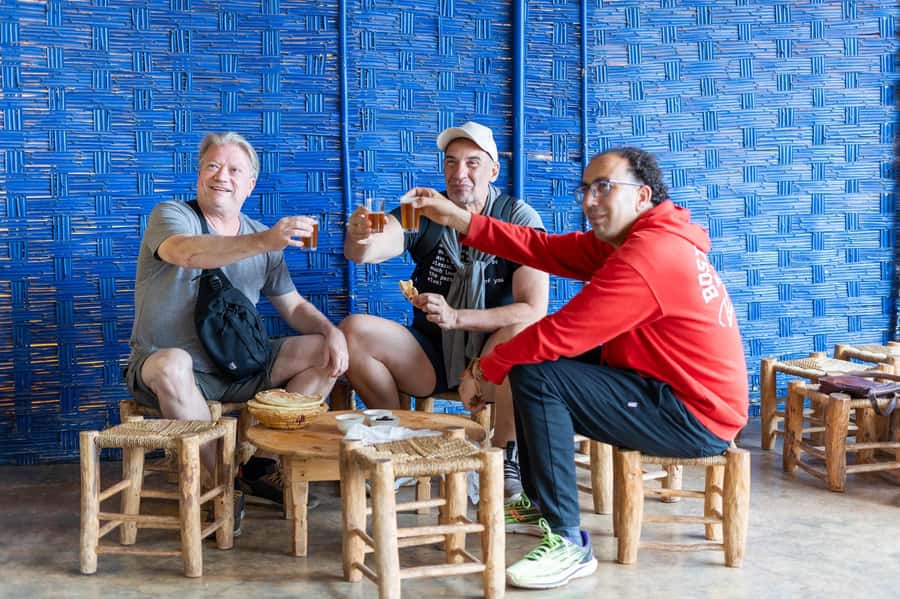
This day trip is built around a straightforward morning. You either get picked up from your hotel or meet your guide outside Argana Café. The typical start is 9:00am, and the operator asks you to confirm the meeting details the evening before via WhatsApp.
That matters because the mountains start early, and you don’t want to lose daylight. A common pattern is a 1.5-hour drive from Marrakesh to the Imlil area (at about 1,740m). In other words: by the time you lace up your shoes, you’re already out of the city rhythm.
Why I like this setup: the schedule protects your hiking time. You’re not spending hours “organizing” once you get there—you’re moving.
You can also read our reviews of more hiking tours in Marrakesh
Imlil to Isk Summit: What the trek feels like in Toubkal National Park
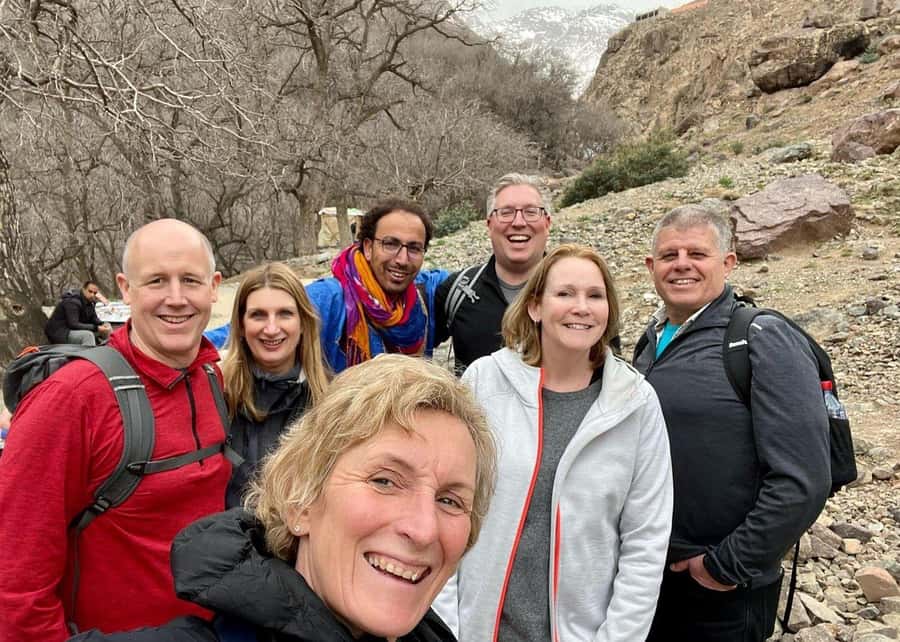
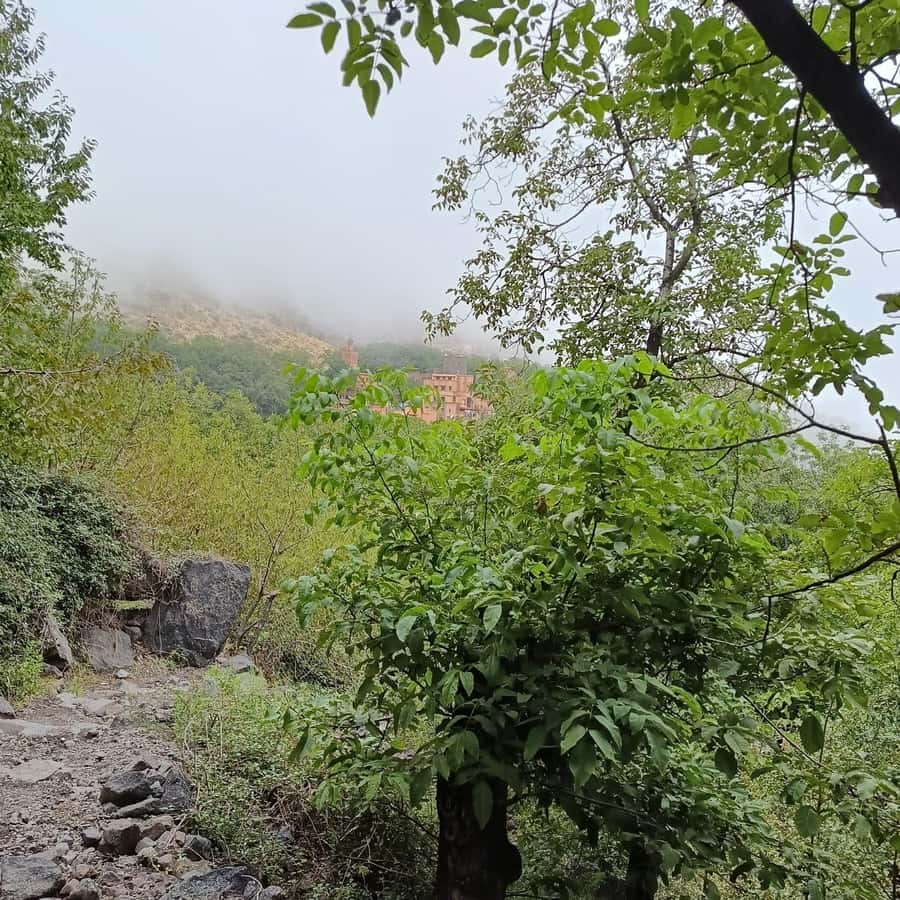
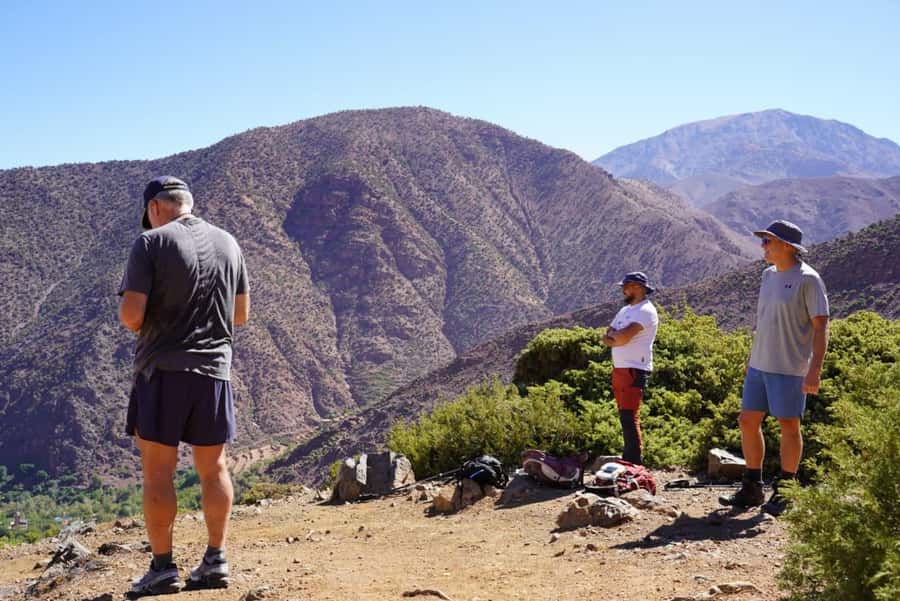
The trek is the main event. From Imlil, you start climbing through pine and juniper areas as you work your way toward Isk. The summit is listed at 2,500m, which means you’re climbing roughly 760m from the start point.
In practical terms, that kind of climb tends to feel steep even if the hike isn’t described as technical. It’s “up, up, up,” with sections of uneven footing. One of the recurring pieces of advice is to bring the right shoes, because the ground can be scree and unstable in spots.
A few useful notes from real-world feedback:
- Guides often set a pace that works for the group, with enough stops to breathe and take photos.
- Some people find trainers workable, but hiking boots are a safer bet on rocky sections.
- Walking poles show up in many recommendations. They can take pressure off knees on steep terrain.
Also, weather can shift. One group described conditions changing after reaching the top and choosing to adjust the picnic plan. Another described dealing with snow and lower traction. So pack like you’ll get cool air, wind, or rain—because the mountains don’t follow a city forecast.
Summit picnic: turning altitude into a memorable meal
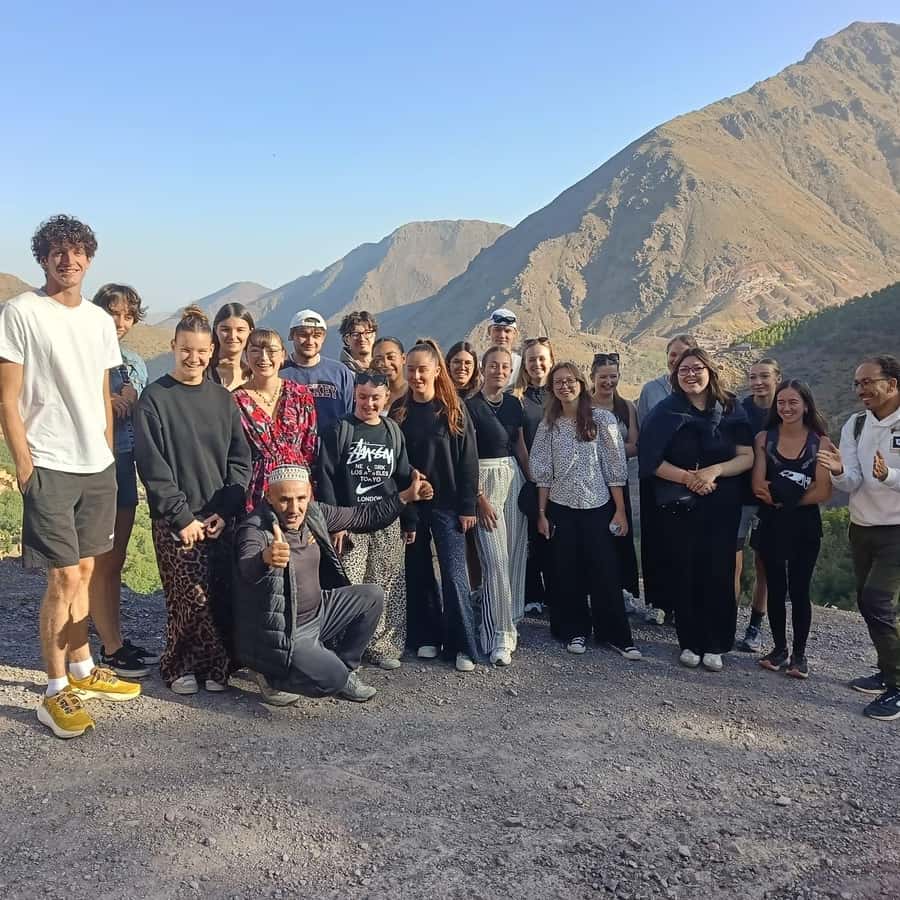
The trip includes a picnic at the summit or nearby plateau, paired with the mountain views you came for. This is where the day stops being just exercise and turns into something you’ll remember: you’re eating at altitude with a wide panorama.
From the top, you get views that include Mount Toubkal (the highest peak in North Africa) and surrounding summits. You’ll also see Berber villages and valleys spreading out below, and that scale can hit harder when you’re physically standing there rather than just looking at photos.
Two important reality checks:
- If weather turns, your guide may shorten the time at the summit or adjust the plan. That flexibility is something many people praise.
- The picnic is described as a packed meal, often provided at the start of the hike so you can carry it. One practical tip from the experience details: make sure you have a bag or some way to keep your lunch handy.
If you’re the type who likes to stop, breathe, and take pictures without feeling rushed, this is exactly the kind of moment you’re likely to enjoy.
Tidli Plateau descent: different trail, less repeat-work
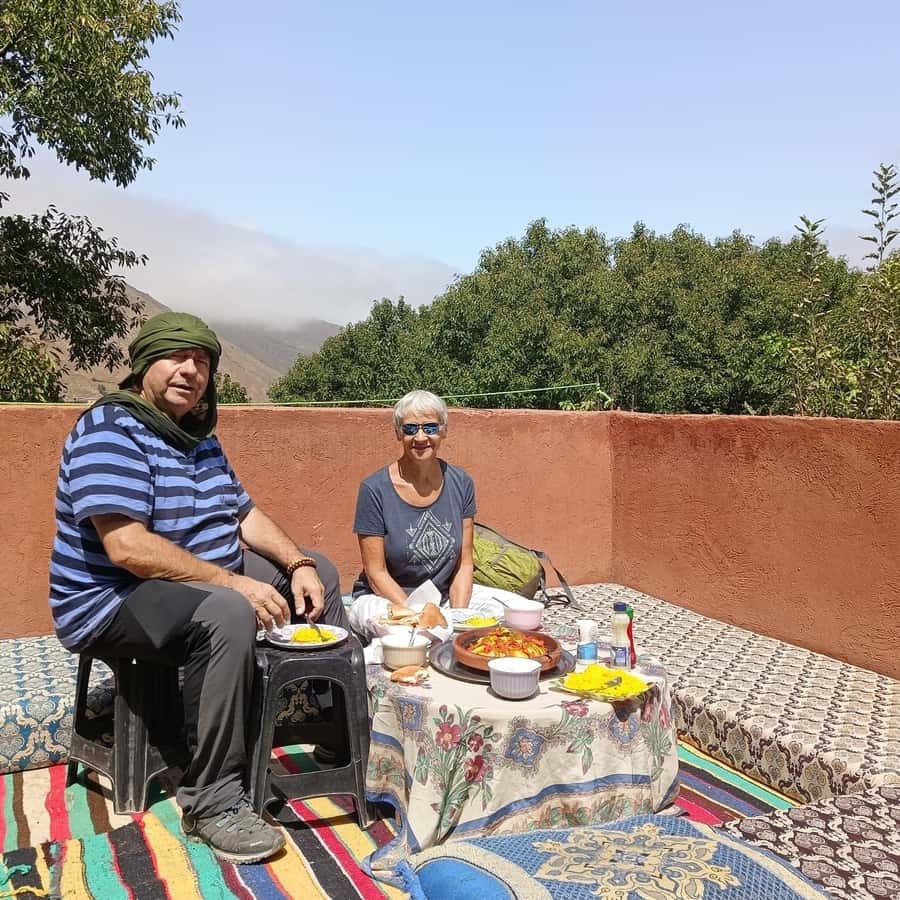
After the summit moment, the route heads back down via a different trail. The plan calls out passing through the Tidli Plateau on the way back toward Imlil.
That detail matters more than it sounds. Returning the same way can feel like a long undoing of the same effort. A different downhill route gives you a fresh view angle and keeps the day from feeling monotonous.
Downhill is usually easier on the lungs than the climb, but it can be tougher on legs because your footing changes. If you’re using walking poles, this is when they can pay off again—especially if the ground is loose.
Women’s argan cooperative stop: tea, oil tasting, and real process
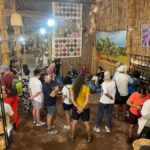
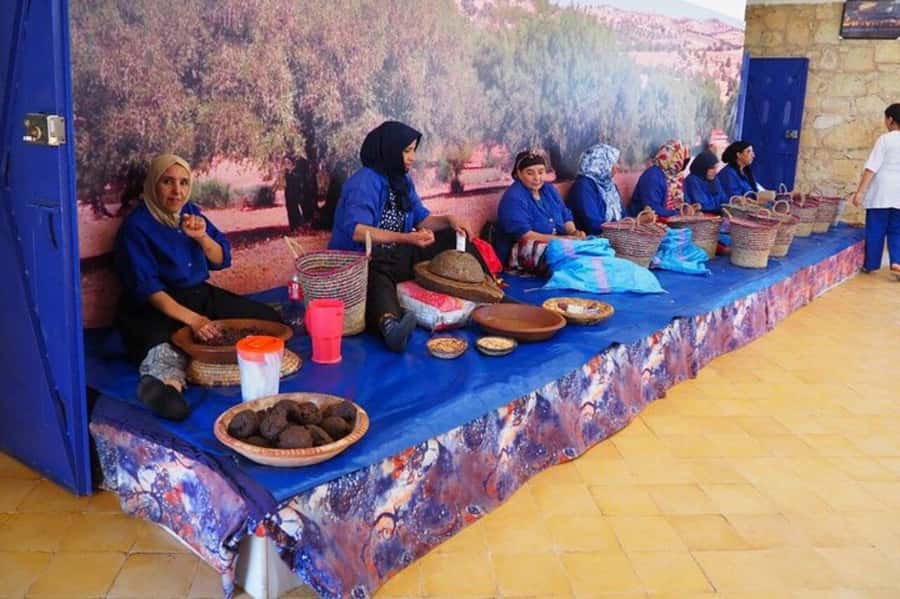
On the ride back, you stop at a women’s Argan cooperative. You’ll get traditional French mint tea, and you can sample argan oil while observing the production process.
This stop is short, not a full museum visit. Some people mention that there’s no heavy sales pressure, but you should still expect to see products for purchase. If you want argan oil, this is a good place to taste and decide with context.
Practical reasons this stop is worth your time:
- It breaks up the “all hiking all day” feeling with something culturally grounded.
- Tea is warm and restorative after cold or altitude air.
- It helps connect what you see in the mountains with everyday Moroccan life and local livelihoods.


The guides: pacing, culture talk, and last-mile kindness
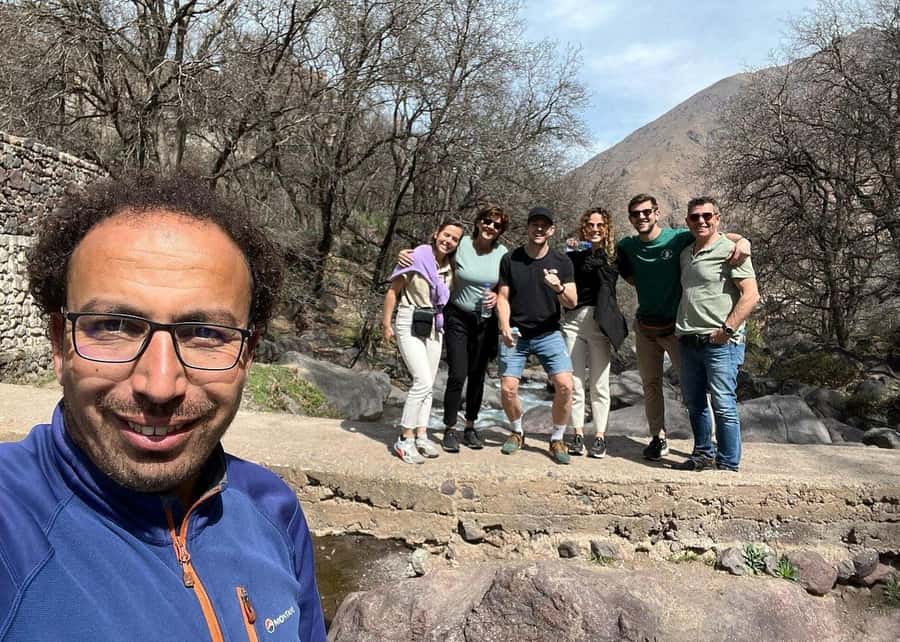
The experience lives or dies with the human part, and this one has a strong track record. Names that show up repeatedly in the feedback include Hamid, Hassan/Hasaan, and Ibrahim (as well as Lahcen, Elhoussain, and Hussein).
What people consistently praise:
- Patient explanations about Berber culture and life in the valleys.
- A pace that matches the group, not just the fittest hiker.
- Guide flexibility when conditions change, including route adjustments.
- A friendly vibe that keeps the day feeling more like a shared trek than a strict checklist.
There’s also a pattern of extra hospitality after the hike. Several groups report being welcomed to a guide’s home for tea and sometimes additional food, like tagine or an omelette. That’s not something you should treat as guaranteed, but it’s a sign of the relationships guides build with the community.
One more piece that can matter on a day like this: the driver. Comfort on the drive and careful driving get mentioned, including notes about a reliable mini bus and seatbelts.
Transportation and timing: why the schedule feels comfortable
This is a full day, but it doesn’t feel chaotic. The core timing looks like:
- Morning pickup in Marrakesh at 9:00am
- About 1.5 hours to Imlil
- Hike up, picnic, and descent back to Imlil
- Return drive to Marrakesh with the argan cooperative stop
- Back around 6:00pm
You get enough structure to know what’s coming, and enough time to still enjoy it. The day is long, but it’s long in the way that makes sense: climb, views, food, descent, and back to Marrakech for dinner.
Price at $69: what you’re really getting for your money
At $69 per person, this trek is priced as a value hike day, not a luxury expedition. What helps it feel worth it is that the price covers the full package:
- Hotel pickup and drop-off
- Air-conditioned transportation
- Guide
- Picnic
- Mint tea and argan oil tasting
- Bottled water
So you’re paying for more than walking. You’re paying for logistics and local guidance, plus the food and tea that make the day feel complete. You’re also getting a day that changes scenery quickly, with less effort than planning a DIY trip into the Atlas Mountains.
The “cost” you should factor in isn’t just money—it’s physical effort. This is not marketed as a gentle nature walk. If you have knee issues, serious back problems, or health limitations like high blood pressure, it’s explicitly listed as not suitable, and you should take that seriously.
What to pack for Isk: small items that save your day
The mountains don’t require fancy gear, but they do reward smart basics. The essentials listed include:
- Comfortable shoes
- Sun hat
- Sunscreen
- Jacket
I’d add one practical layer-thinking rule: dress for changing conditions. At 2,500m, air can feel colder than you expect, even if Marrakesh starts sunny.
If you have them, walking poles can be a lifesaver on steep, loose sections. And if you’re carrying a picnic, bring a small bag so you’re not juggling lunch in your hands.
Who should book this Atlas summit trek—and who shouldn’t
This is best for you if:
- You like hiking and want a day with a clear goal (the summit).
- You want a break from Marrakech’s pace without needing multiple days in the mountains.
- You appreciate cultural context from your guide, not just scenery.
It’s not a good fit if:
- You’re under 5 years old, pregnant, have back problems, have high blood pressure, or use a wheelchair (not suitable based on the provided criteria).
- You want something flat, easy, or stroller-friendly. The climb and uneven terrain aren’t designed for that.
If you’re reasonably fit, the hike can be challenging but doable. If you’ve never hiked before, plan for a tougher day than you imagine—especially in winter or in wet conditions.
Should you book the Marrakech to Isk summit trek?
Yes, if you want one of the best “value per effort” day trips from Marrakesh. You get real altitude hiking, a summit picnic, and a cultural stop for mint tea and argan oil tasting, all wrapped into transport and guidance.
Before you book, be honest with yourself about the climb. If you’re excited by steep trails and summit views—and you’re willing to pack for changing weather—this trip delivers. If you’re looking for a gentle half-day tour or you need fully accessible terrain, you’ll likely feel disappointed.
If you go, I’d also send that WhatsApp confirmation the evening before. It’s a small move that keeps your morning calm.
FAQ
What time is pickup in Marrakech?
Pickup is typically at 9:00am from your hotel, or you can meet the guide outside Argana Café.
How long is the drive from Marrakech to Imlil?
The drive is about 1.5 hours to the Imlil area.
Where do you hike from and what summit do you reach?
You start in Imlil (about 1,740m) and hike to the Isk summit (2,500m) in Toubkal National Park.
What’s included for food during the day?
You get a picnic during the hike (summit or plateau) plus fresh mint tea and argan oil tasting at the argan cooperative. Bottled water is included.
Is there an argan cooperative visit?
Yes. On the way back you stop at a women’s argan cooperative for tea, argan oil tasting, and to see how the oil is produced.
What should I bring for the hike?
Bring comfortable shoes, a sun hat, sunscreen, and a jacket. Walking poles can help on steeper, uneven sections.