REVIEW · MERZOUGA
From Marrakech :3-Day Students Group Tour To Merzouga
Book on GetYourGuide →Operated by Around Marrakech Tours · Bookable on GetYourGuide
Marrakech to Merzouga in just three days. This route stacks UNESCO Aït Benhaddou, towering Todra Gorge, and the big Erg Chebbi dunes into a tight, student-friendly circuit.
What I like most is the camel ride timing—sunset and sunrise—so you get both the mellow and the dramatic desert light. I also like the human side: guides such as Ibrahim and Abdel got praised for being friendly, safe, and genuinely helpful.
One consideration: lunch isn’t included, and you’ll want to budget drinks (listed at about 10–12€ cash), plus expect a lot of time on the road.
In This Review
- Key things that make this tour worth your attention
- Marrakech to Merzouga: what the 3 days really feel like
- Day 1 from Marrakech to Tinghir: Aït Benhaddou and Ouarzazate stops
- Aït Benhaddou: the UNESCO anchor
- Ouarzazate: palm groves, Rose Valley, and a seasonal bonus
- Finish in Tinghir
- Day 2 Tinghir to Merzouga: Todra Gorges and the climb into Erg Chebbi
- Todra Gorges: 300 meters of wow
- Erfoud fossils and then… the dune day
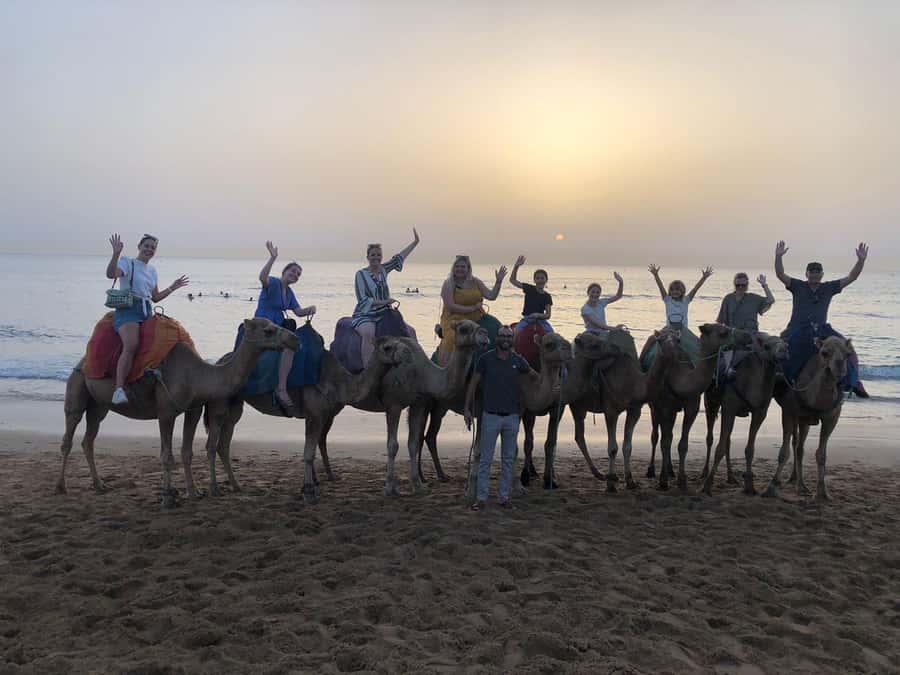
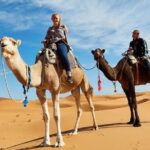
- Camel ride at sunset and sunrise: why timing matters
- Merzouga desert camp night: Berber hospitality under the stars
- Day 3: sunrise on Erg Chebbi and the drive back via Draa Valley
- Return route: Tazzarine, Agdz, Ouarzazate, and Tizi n’Tichka
- End point options: Marrakech or Fez
- Price and value: what $99 includes and what you’ll still pay for
- Who this tour suits best (and who should skip it)
- Small details that make your trip smoother
- Should you book this 3-day Merzouga tour?
- FAQ
- What’s the duration of the tour?
- Where does the tour start and do you get hotel pickup?
- What are the main highlights?
- Is lunch included?
- Are drinks included in the price?
- What’s included for meals?
- Where do the camel rides happen and when?
- Can I end the trip in Fez instead of Marrakech?
- What should I bring for the desert?
- Is the tour suitable for everyone?
- What’s the cancellation policy?
- Which languages is the tour guide available in?
Key things that make this tour worth your attention
- Aït Benhaddou + Ouarzazate in Day 1, so you start strong with a UNESCO site early on
- Todra Gorges with a climb into some serious “how is this rock so tall” scenery
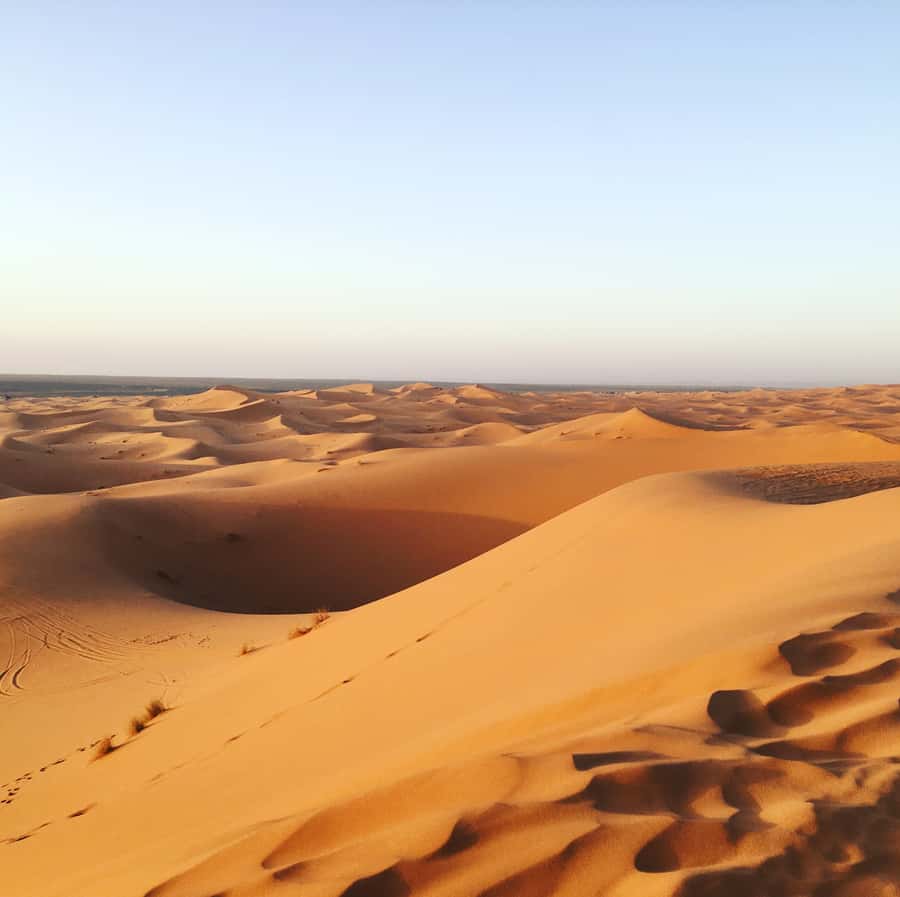
- Erg Chebbi camel riding at sunset and sunrise, the desert’s best picture window
- A Berber desert camp night in Merzouga, with glamping-level comfort mentioned in reviews
- Route via the Road of 1,000 Kasbahs and Berber villages, which adds texture beyond the dunes
- Early departure from Marrakech (7:20 pickup start), meaning you should plan for a long but efficient itinerary
Marrakech to Merzouga: what the 3 days really feel like
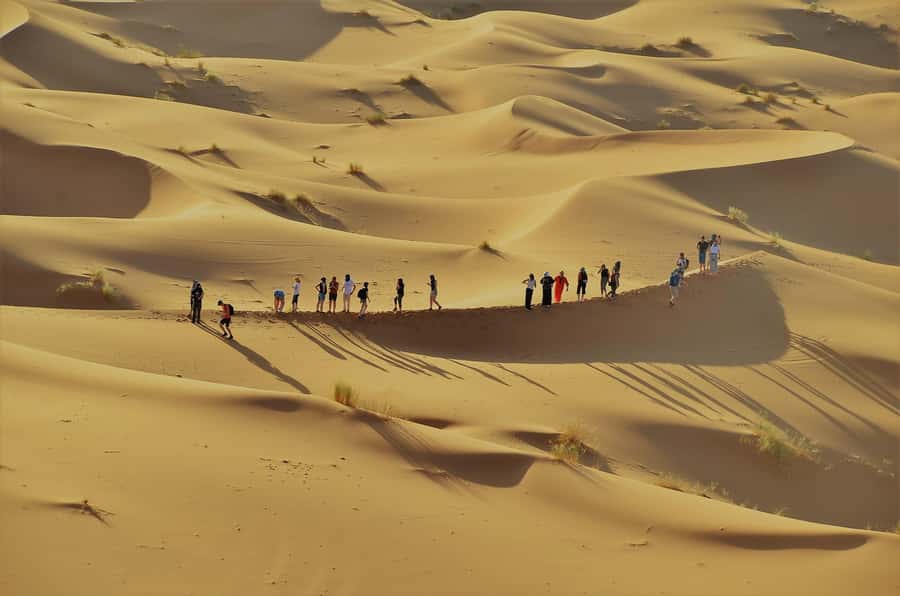
This is a classic southbound Morocco loop: cities and culture in the morning, canyon country and desert majesty by afternoon, and then a night that trades hotel lights for stars. At $99 per person, it’s priced for students and budget-minded travelers—so you’re paying for the big transport elements and key sights, not for a perfectly cushy, every-meal-included schedule.
The day-to-day rhythm is straightforward. You’ll start early, hit a major highlight before lunch or early afternoon, and then keep moving so you reach Merzouga for those dune moments that most people come for. If you’re the type who likes seeing a lot without obsessing over pace, this format works.
The biggest value is the combination: UNESCO first, then Todrа Gorge, then Erg Chebbi dunes, plus a camel ride experience and one night in camp. Do it as a package, and you avoid the headache of coordinating transport across regions that aren’t exactly “hop on a train” simple.
On the other hand, budget tours come with trade-offs. Lunch and drinks are extra, and the driving days are long enough that comfortable shoes and patience matter. One low rating also mentioned disappointment and called it a rip-off, so it’s smart to confirm inclusions clearly before you book and to go in with realistic expectations for a group format.
A few more Merzouga tours and experiences worth a look
Day 1 from Marrakech to Tinghir: Aït Benhaddou and Ouarzazate stops
Day 1 is about getting your bearings and stacking culture early. Pickup starts at 7:20 from your Marrakech hotel or riad. If you’re in the Medina, you’ll be given a meeting point at the nearest minibus-access area—so build in a little time walking with your luggage.
Aït Benhaddou: the UNESCO anchor
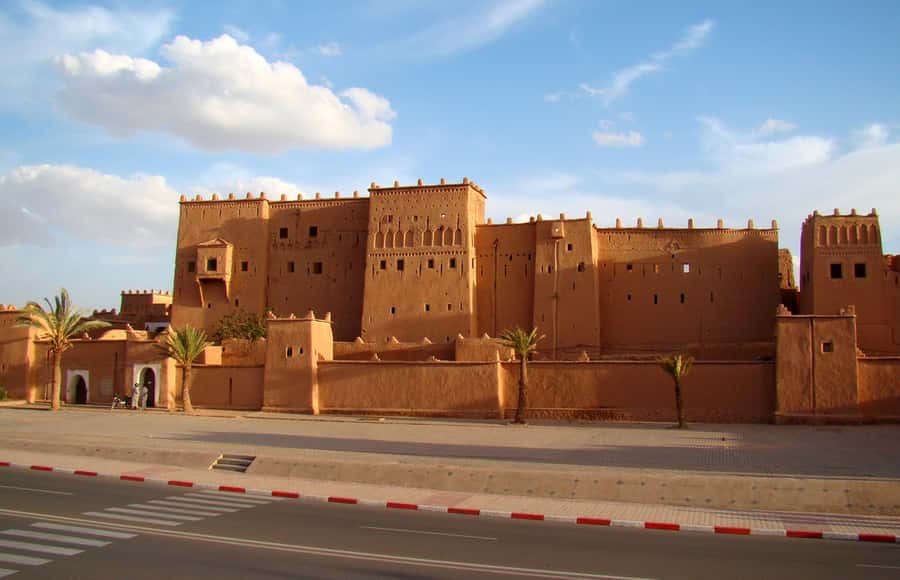
You’ll visit Aït Benhaddou Kasbah and you’ll spend enough time to walk and take photos without it feeling like a drive-by. The kasbah’s fortified, layered look is exactly why it’s on UNESCO’s radar, and it also sets the tone for the road ahead: Morocco’s built heritage and desert life are closely linked here.
One note: a local guide for Aït Benhaddou is not included, so you’re relying on the main tour guide or your own wandering to make sense of details. If you love history, plan to ask questions during the visit.
Ouarzazate: palm groves, Rose Valley, and a seasonal bonus
After Aït Benhaddou you head toward Ouarzazate, then you’ll stretch your legs with a walk in the palm groves. The itinerary also mentions the Roses’ Valley, with an interesting seasonal possibility: during the second week of May, and especially the last two days, there can be a Rose Festival. If you’re traveling around then, it’s a nice chance to catch something local beyond the usual sightseeing checklist.
Finish in Tinghir
The day ends with your first night in Tinghir city. Dinner is included, and you may have access to a swimming pool at your lodging—small perk, but welcome after a travel-heavy day.
If you’re thinking practically: Day 1 is when you’ll want to conserve energy. Pack sunscreen and a hat, because by mid-afternoon the sun can be relentless, even if you’re mostly in vehicles and short walks.
Day 2 Tinghir to Merzouga: Todra Gorges and the climb into Erg Chebbi
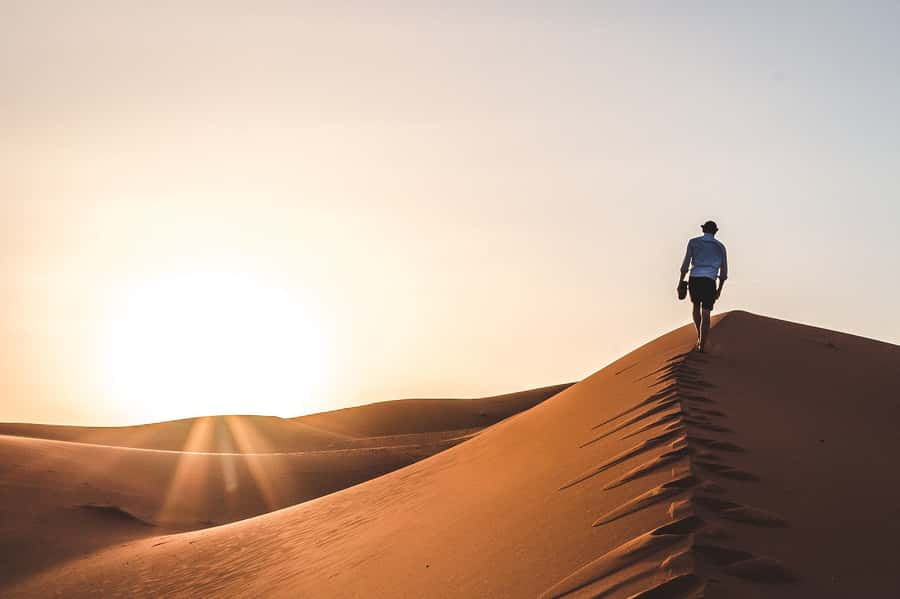
Day 2 is where the scenery starts feeling dramatic in a hurry.
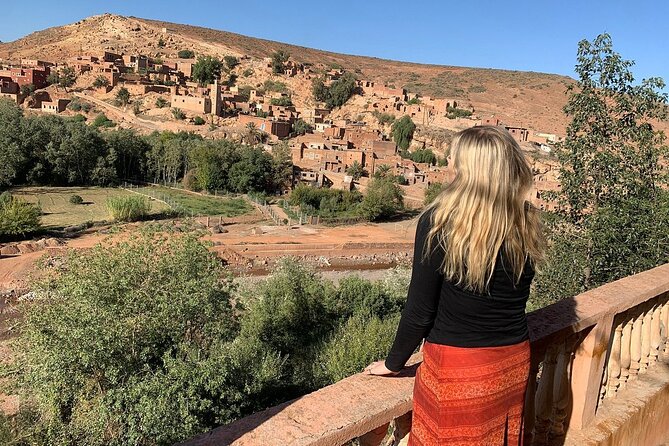
You begin with a traditional Moroccan breakfast, then you roll out toward the Road of 1,000 Kasbahs. That stretch is famous for roadside villages and stepped, earth-toned architecture. Even if you don’t know every kasbah by name, the drive helps you understand why this region feels different from the north.
Todra Gorges: 300 meters of wow
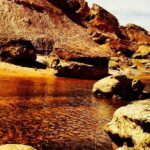
Next up is the Todra Gorges, described as about 300 meters high above the river. This is the part that can surprise people: gorges in photos look impressive, but standing near the rock walls is a different scale. It’s narrow, tall, and cooler in the shade. Bring shoes with grip if it’s uneven underfoot.
A big positive from the reviews was guidance here—one highlight credited a guide in Todgha with being hospitable and knowledgeable. That makes sense: gorges are one of those places where a bit of local context turns good views into real understanding.
Erfoud fossils and then… the dune day
After Todra, lunch happens before reaching Erfoud. Erfoud is known for marine fossils that are described as very old—hundreds of millions of years. If you like geology, it’s a quick mind-bender: you’re heading into a desert while thinking about ancient sea life.
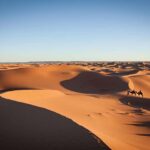
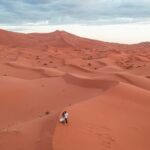
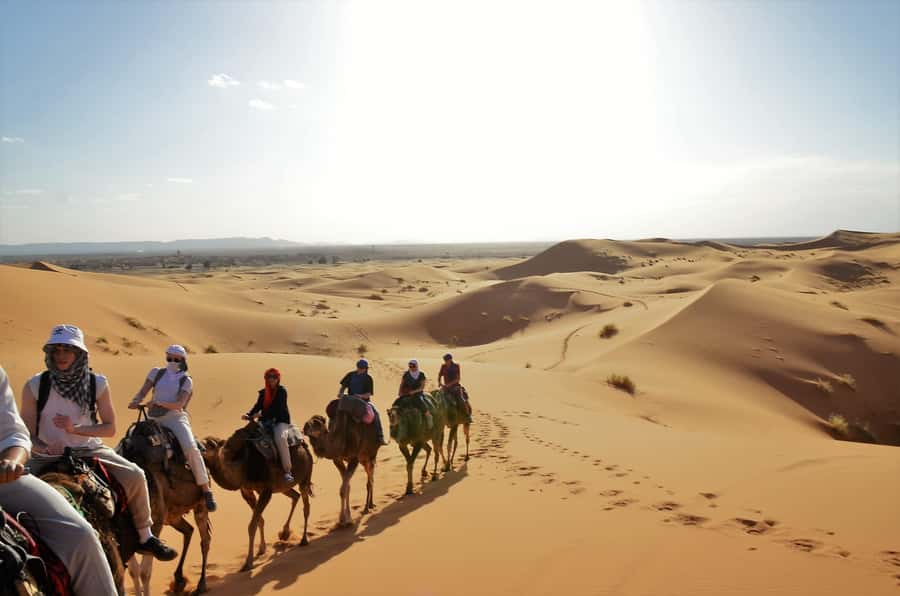
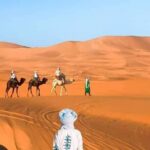
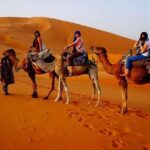
Then it’s time for Merzouga. You’ll reach the big dune area near Erg Chebbi, and even if the climb feels like work, it’s also the moment when the desert starts to feel personal. The itinerary notes an ascent and then a camel ride about one hour, which usually means you get the rhythm of riding without it turning into an all-day endurance test.
Camel ride at sunset and sunrise: why timing matters
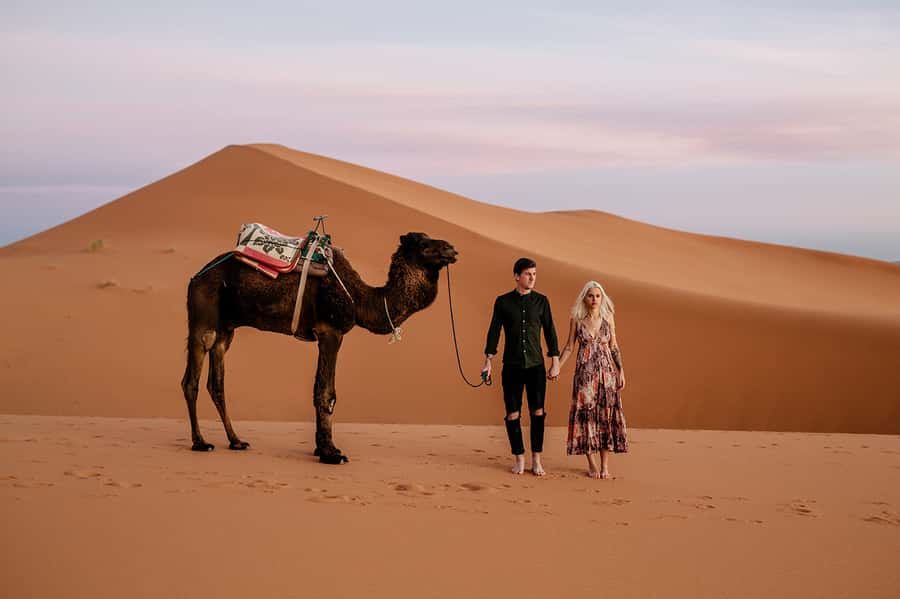
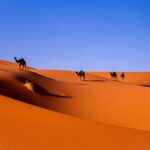
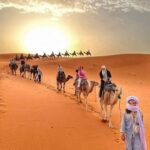
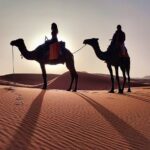
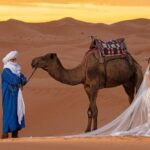
This tour includes camel riding at sunset and sunrise. That’s a big deal for two reasons.
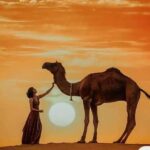
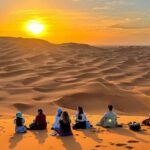
First, the colors change fast in the dunes. At sunset, you get long shadows and warm tones that make the sand look sculpted. At sunrise, the light is sharper and your photos tend to pop more, especially around the top of the dunes.
Second, the desert temperature swing is real. In the early morning you’ll feel it more. If you plan to take photos, bring a light layer and keep water accessible when you can.
One practical point: you’ll be on camels, so focus on comfort over style for footwear and clothing. Also, sunglasses are a must; the glare off pale sand is no joke.
Merzouga desert camp night: Berber hospitality under the stars
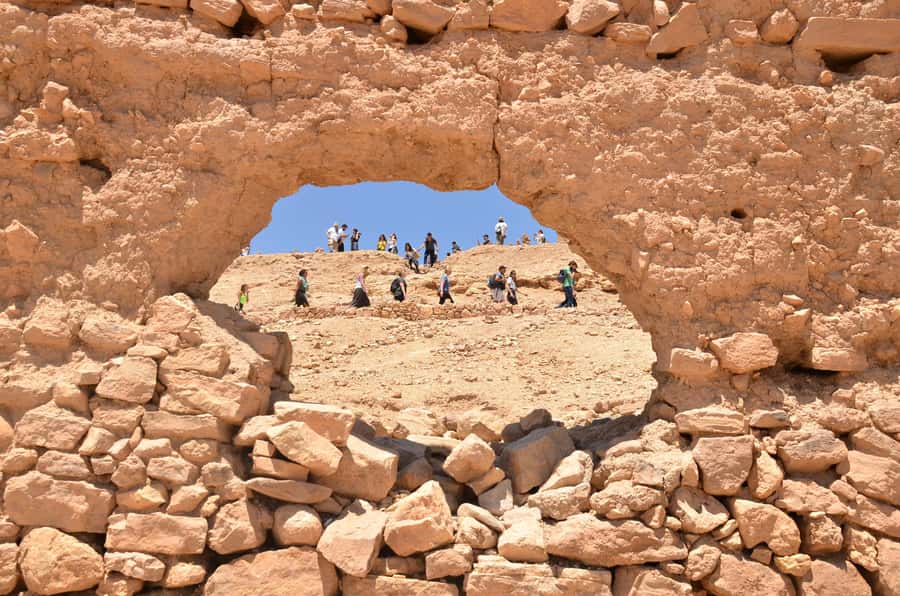
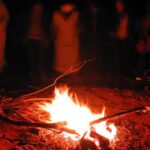
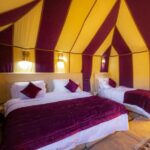
This is the heart of the trip: your second night is in a desert camp in Merzouga. Dinner and breakfast are included on this side of the itinerary.
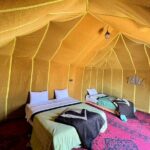
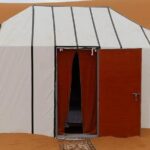
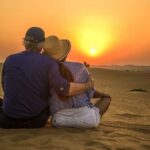
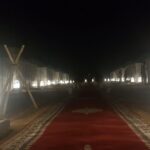
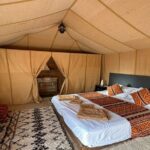
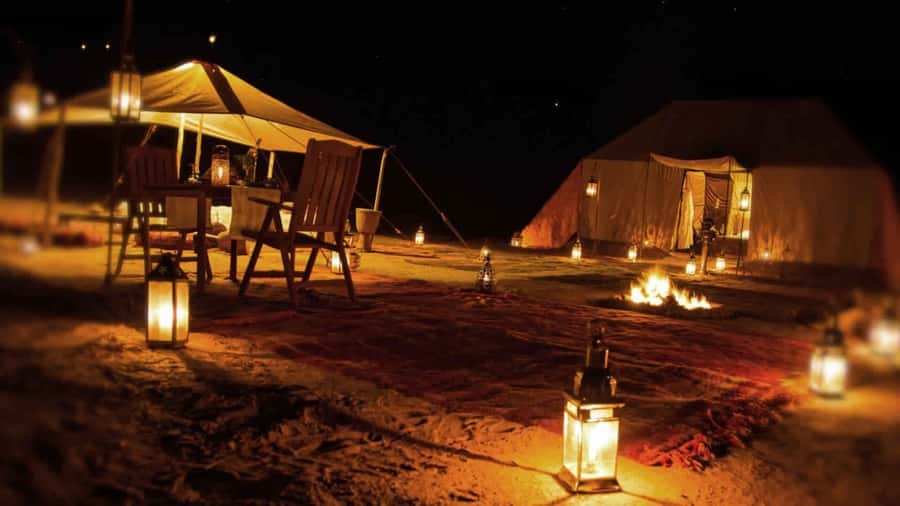
The camp itself is described as Berber, and reviews specifically called out luxury glamping as a standout. That matters because “desert camp” can mean anything from basic shade to something that actually feels like a proper night’s rest. If you want stars, quiet, and a change of pace from hotels, this is the part that delivers.
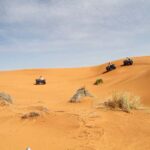
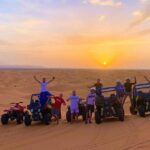
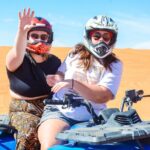
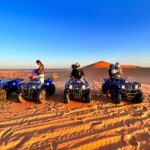
You’ll also have the chance to do sand boarding (listed as available for customers). If you’re curious, it’s a fun, low-tech way to interact with the dunes without needing special skills.
Don’t forget the basics you’ll hear again and again in the desert: sunscreen, a sun hat, and something to protect your face from blowing sand. The materials list those items for a reason.
Day 3: sunrise on Erg Chebbi and the drive back via Draa Valley
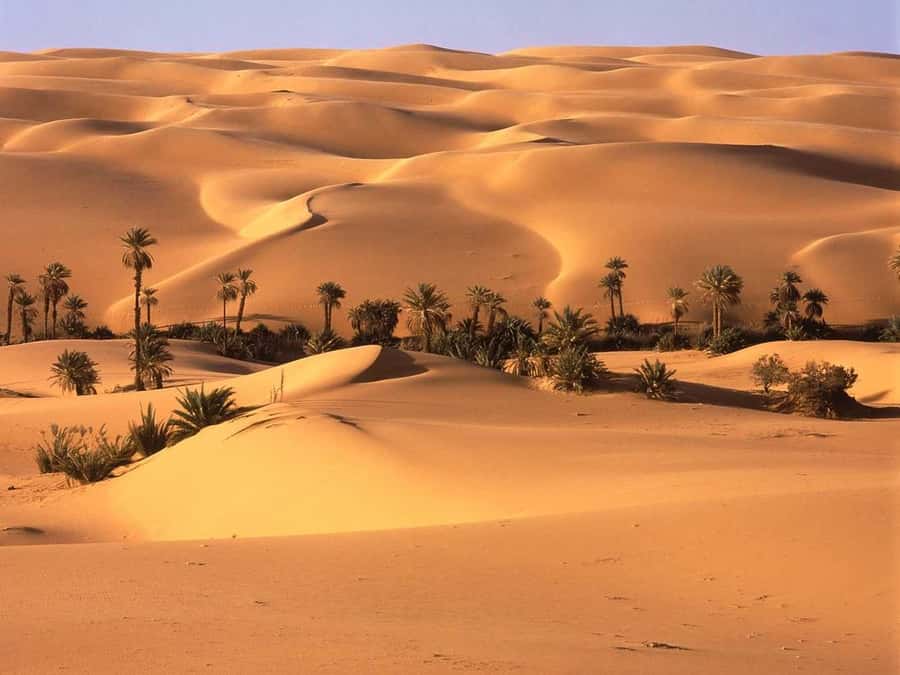
You’ll wake early for sunrise on the dunes of Erg Chebbi. This is called out as the best time for photos, and it’s easy to see why: calm air, crisp light, and that quiet desert look before the day warms up.
After sunrise, you’ll have a typical breakfast at the camp, then you pack up and head back.
Return route: Tazzarine, Agdz, Ouarzazate, and Tizi n’Tichka
The drive back to Marrakech goes through Draa Valley, plus Tazzarine and Agdz, then Ouarzazate, and finally the Tizi n’Tichka pass with panoramic views.
If Day 2 felt like “get to Merzouga,” Day 3 feels like “get back with your eyes open.” The pass road is the kind of stretch where everyone ends up photographing the same few overlooks—but for good reason.
End point options: Marrakech or Fez
The info includes a possibility to end the trip in Fez instead of returning to Marrakech, with transfer by big taxi or minibus. If you’re planning a northern itinerary after the desert (or want to continue west/east), that option can save you booking separate transport.
Price and value: what $99 includes and what you’ll still pay for
At $99 per person for three days, the value comes from combining multiple long-distance pieces: Marrakech pickup, driving across key regions, entry-style sightseeing at Aït Benhaddou, the Todra Gorge stop, the dune access, camel rides, and one camp night.
What’s not included matters:
- Lunches are not included
- Drinks are listed as 10–12€ cash
- A local guide for Aït Benhaddou is not included
So think of the price as transport + major sights + two dinners/bed nights/breakfasts + camel experience. If you’re used to all-inclusive meals, you may feel the gaps. If you’re okay grabbing lunch on the road and keeping drinks to what’s listed, the cost still looks fair for what you get.
Who this tour suits best (and who should skip it)
This is a strong fit if you:
- want a first-time Merzouga experience without needing to plan everything
- like seeing UNESCO + dunes + gorges in one shot
- prefer a guided setup where the logistics are handled, but you still get time to walk and take photos
It’s not suitable for:
- pregnant women
- people with mobility impairments
Because you’ll be riding camels, walking around kasbah and gorge areas, and dealing with desert conditions, it’s a safety-first type of tour.
Small details that make your trip smoother
Here’s how to set yourself up for less stress:
- Comfortable shoes matter for Todra Gorge and walking in villages.
- Bring sunglasses and sunscreen before you step out of the car.
- A sun hat helps more than you’d expect.
- Plan for sunrise timing—you’ll want water and something warm if it’s chilly early.
- If you need extra flexibility, the tour mentions the possibility to store luggage during the trip.
- If you want more privacy, there’s a note about private room/camp availability depending on group volume.
And based on guide praise, pick this tour with confidence in the people component. Ibrahim was specifically described as safe and welcoming, while Abdel was praised for looking after everyone and keeping the drive pleasant. Laarbi also received strong marks for a superb trip feel.
Should you book this 3-day Merzouga tour?
I’d book it if you want an efficient, guided first Merzouga with the big signatures: Aït Benhaddou, Todra Gorges, Erg Chebbi dunes, and camel rides at sunset and sunrise, plus one night in camp. The price feels realistic for a three-day desert jump, especially given the included camel experience and the UNESCO stop.
I’d think twice if you:
- expect lunch and drinks to be fully covered
- dislike long driving days
- need a trip that’s easy for mobility limitations
If you book, do one simple thing: confirm how you’ll handle lunches and drinks so there are no surprises. Then focus on the real reward—watching the dunes turn gold twice, once at sunset and once at sunrise.
FAQ
What’s the duration of the tour?
The tour lasts 3 days.
Where does the tour start and do you get hotel pickup?
It starts in Marrakech, with hotel pickup included. If you stay in a riad in the Medina, you’ll get a meeting point at the nearest minibus-access area to your accommodation.
What are the main highlights?
You’ll see Aït Benhaddou, visit Todra Gorges, ride camels through Merzouga, and spend one night in a Berber desert camp. The tour also includes camel rides at sunset and sunrise.
Is lunch included?
No. Lunches are not included.
Are drinks included in the price?
No. Drinks are not included, and they’re listed as 10–12€ cash.
What’s included for meals?
Dinner is included on the first night in Tinghir and on the second night in Merzouga. Breakfast is included both mornings (at Tinghir and in the camp).
Where do the camel rides happen and when?
You’ll ride camels in Merzouga at sunset and sunrise.
Can I end the trip in Fez instead of Marrakech?
Yes. There’s an option to end in Fez instead of returning to Marrakech, with transfer by big taxi or minibus.
What should I bring for the desert?
Bring comfortable shoes, sunglasses, a sun hat, and sunscreen.
Is the tour suitable for everyone?
It’s not suitable for pregnant women or people with mobility impairments, based on the tour information provided.
What’s the cancellation policy?
You can cancel up to 24 hours in advance for a full refund.
Which languages is the tour guide available in?
The tour is listed with a live guide speaking Arabic, English, and French, and the local guide languages also include English / Spanish / French.